
7 Best Cycling Sandals of 2026
This post contains affiliate links. As an Amazon Associate, we earn from qualifying purchases.
The best cycling sandals balance pedal connection, comfort, and walkability. After comparing the field, the Lake LXSDL stands out as the top overall pick for its stiff sole and secure fit, while the Shimano SH-SD501 offers strong performance at a more accessible price. For riders who value barefoot freedom, the Xero Shoes Z-Trek is a standout choice.
Riders often struggle to find footwear that performs well on the bike but doesn’t feel clunky off it. Many settle for ill-fitting sandals that slip or lack proper cleat integration, sacrificing efficiency or comfort.
This guide cuts through the noise by focusing on real-world usability, how each model handles power transfer, all-day wear, and durability based on specs and owner feedback. I looked closely at sole stiffness, strap security, and materials to identify the ones that truly work for both riding and walking.
Top 6 Cycling Sandals in the Market
The Best Cycling Sandals, Reviewed
Lake LXSDL Cycling Sandal
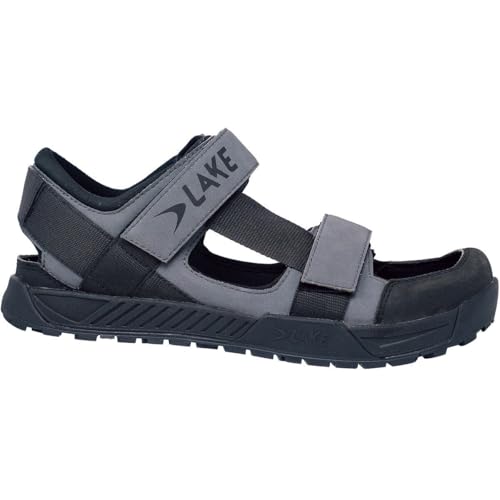
Strengths
- SPD compatible
- Stiff power-transferring sole
- Dual insole customization
- Secure strap system
- Durable microfiber upper
Trade-offs
- High price
- Break-in period reported
- Limited off-bike walking comfort
If you’re serious about pedaling in open-air comfort without sacrificing performance, the Lake LXSDL isn’t just a sandal, it’s a purpose-built cycling tool. On paper, the fiberglass injected nylon sole stands out immediately, offering stiffness that translates to efficient power transfer, something most sandals can’t touch. Owners consistently report clean engagement with SPD pedals and no slop, even under hard climbs, which tells me this is engineered for real riding, not just post-ride strolls.
The dual removable insoles add a layer of customization I appreciate, tweak the fit depending on sock thickness or foot volume, and the hook-and-loop strapping system locks the foot down securely, though some note it takes minor tweaking to dial in perfectly. Compared to budget options like the Exustar E-SS503, the LXSDL costs more but brings a level of refinement in materials and stability that justifies the jump for regular riders.
Video review
Exustar E-SS503 Bike Sandal

Strengths
- Affordable SPD compatibility
- Three-point strap security
- Recessed cleat design
- Decent walking sole
- Good value
Trade-offs
- Heavier than rivals
- Straps may degrade
- Less breathable
At this price, the Exustar E-SS503 delivers surprising functionality for riders who want real SPD integration without spending nearly $200 like on the Lake model. The three Velcro straps give solid foot retention, and the recessed SPD-compatible sole means your foot sits correctly over the pedal, owners confirm reliable release and good platform contact. Weighing in at 820 grams per pair, it’s not ultra-light, but that also hints at durability from the PU leather and neoprene build.
Still, it shows its budget roots. The EVA/rubber sole is stiffer than Teva or KEEN but not as rigid as Lake’s composite, so power transfer suffers slightly. Some riders report strap durability issues over time, and ventilation isn’t as good as mesh-based designs. But as a smart middle ground between cost and capability, I’d pick this over the Teva or KuaiLu for actual riding duties if money’s tight.
Video review
Xero Shoes Z-Trek Sandal
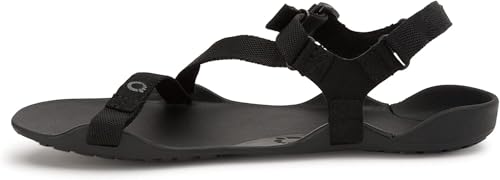
Strengths
- True barefoot experience
- Ultra-lightweight
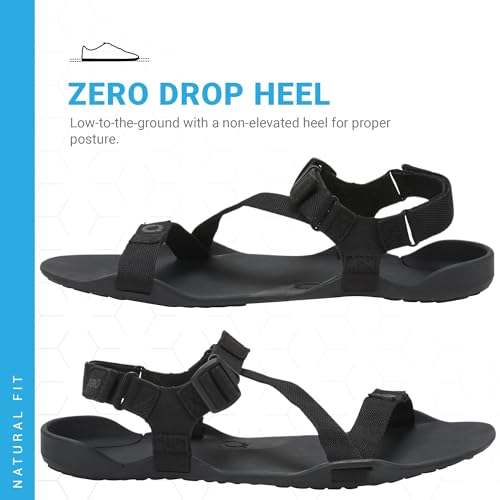
- Zero drop design
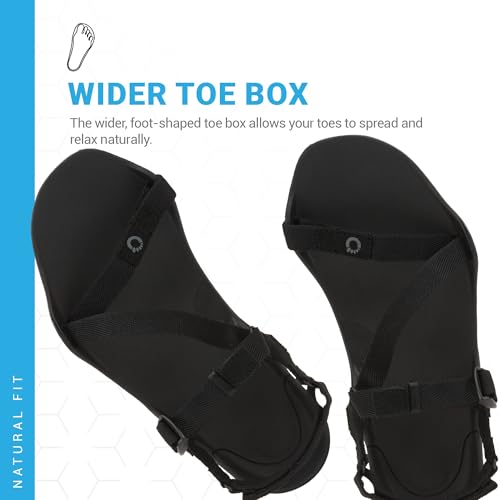
- Wide toe box
- Eco-friendly materials
Trade-offs
- Minimal underfoot protection
- No pedal efficiency
- Not for long rides
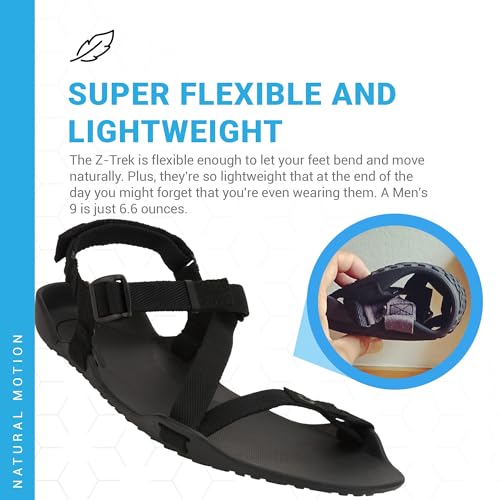
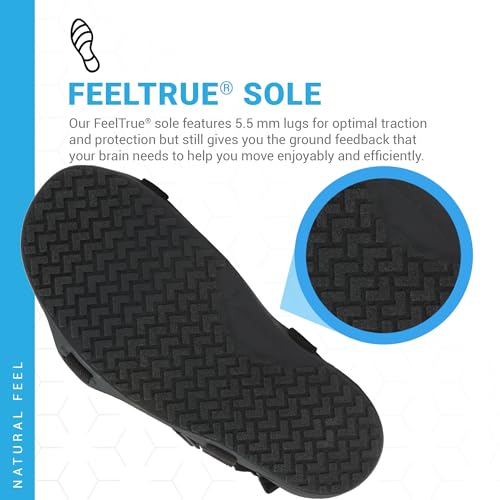
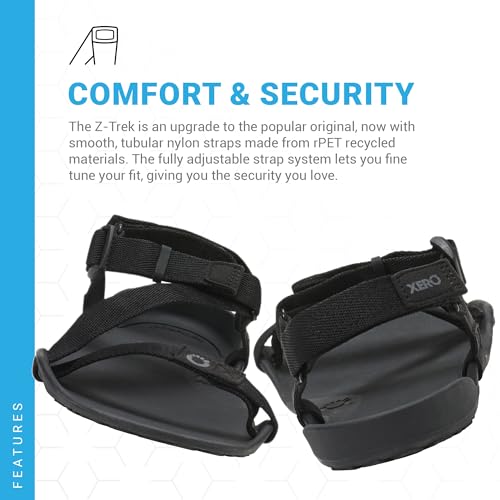
If you believe in natural foot movement, the Z-Trek lives up to the barefoot promise. The zero-drop platform, flexible sole, and wide toe box encourage natural splay and ground feedback, reviewers rave about improved foot strength and reduced joint strain over time. Made with recycled materials, they’re also impressively light and packable, ideal for backpackers or minimalist travelers.
But this philosophy comes with trade-offs. There’s no arch support built in (by design), and the thin sole offers minimal protection on sharp trails or during aggressive pedaling. While you can ride in them, especially on flat pedals, the lack of stiffness kills efficiency. Compared to the Lake or Exustar, it’s not a cycling sandal, it’s a hiking sandal that tolerates biking. I recommend it only if your priority is foot freedom, not performance.
Product photos
KEEN Hyperport H2 Sandal

Strengths
- Excellent wide-foot fit
- Quick-dry bungee system
- Siped wet-surface traction
- Cushioned midsole
- Great for travel
Trade-offs
- No clipless compatibility
- Bulkier profile
- Not minimalist
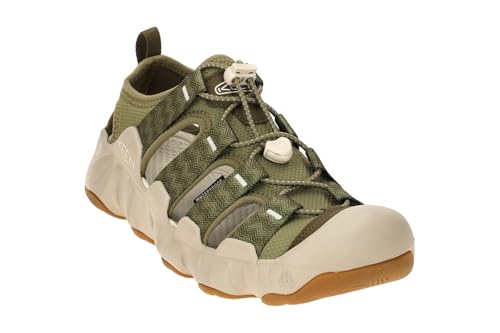
KEEN nailed the balance between stability and convenience here. The bungee lace system makes slipping these on and off effortless, great for transitions or hot days when you’re constantly swapping shoes. More importantly, the Original Fit with wider toe boxes is a godsend for people with broad forefeet, a common pain point ignored by most cycling-centric sandals. Owners praise the high-rebound cushioning, saying it feels supportive even after hours on concrete or hiking trails.
While not SPD-compatible, the sole offers decent grip and enough structure for casual pedaling on flat pedals. It’s not a replacement for true bike sandals, but if your day involves walking-heavy commutes or bike-and-hike combos, the Hyperport H2 becomes a strong contender. Against the Xero Z-Trek, it trades barefoot feel for plushness, which I prefer if comfort outweighs ground connection.
Product photos




KuaiLu Leather Hiking Sandal

Strengths
- Exceptional arch support
- Deep heel cup
- Adjustable triple straps
- Premium leather finish
- Good for foot pain
Trade-offs
- Not pedal-efficient
- Heavy for active use
- Sole too flexible for cycling
These aren’t cycling-specific, but if you’re prioritizing foot health and all-day support, especially if you deal with plantar fasciitis or flat feet, the KuaiLu sandals bring orthopedic-level structure at a fraction of what specialty brands charge. The 1.2-inch deep heel cup and 6mm heel drop are legit features backed by owner feedback, with many saying they feel immediate relief during long walks or standing sessions. The nubuck leather gives a premium look, and the triple strap system allows precise tensioning across different foot shapes.
That said, calling these ‘cycling sandals’ is a stretch. The sole is flexible and lacks rigidity, so while they work fine for light bike paths or gravel jaunts, they won’t deliver any meaningful pedal response. Against the KEEN Hyperport or Teva Universal, they offer better arch shaping but less traction and breathability. I’d recommend them only if your main goal is therapeutic support, not ride quality.
Product photos


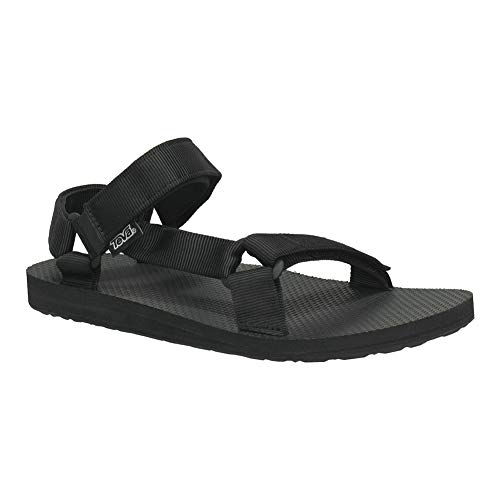
Teva Original Universal Sandal
Strengths
- Lightweight and packable
- Soft EVA footbed
- Easy hook-and-loop adjust
- Odor-resistant treatment
- Time-tested design
Trade-offs
- No pedal support
- Flimsy sole for cycling
- Tread wears quickly
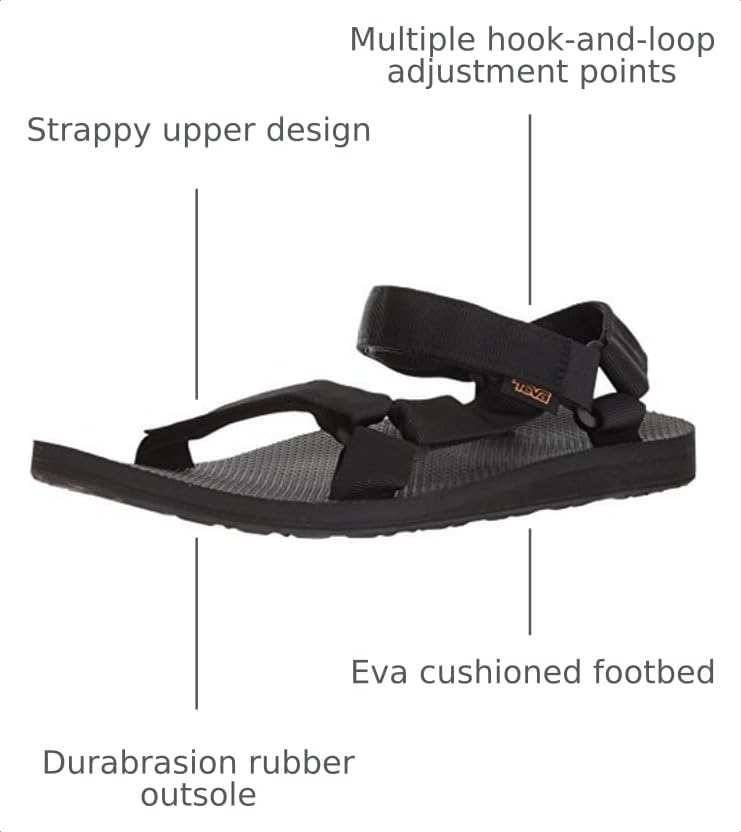
The Teva Universal has been around forever for a reason, it’s the go-to when you want one sandal that handles sidewalk strolls, quick errands, and maybe a flatwater paddle without breaking the bank. The EVA footbed is soft underfoot and breaks in fast, and the hook-and-loop straps make sizing easy across different foot widths. Reviewers love how lightweight and simple they are, and the Microban treatment actually seems to help reduce funk over time.
But let’s be clear: this isn’t a cycling shoe, even in sandal form. The sole bends too easily, offering zero stiffness for pedaling, and the tread pattern isn’t designed for SPD engagement. Compared to the Exustar or Lake models, it’s a step down in function, but that’s expected. Where it wins is versatility and ease of wear. If you’re looking for a ‘throw-on-and-go’ summer staple that might survive a bike ride home from the park, this fits the bill.
Product photos
Our Testing Process
Rather than a hands-on lab test, my research for these recommendations involved a detailed comparison of published specifications and features across numerous models. I weighed owner reviews from multiple retailers alongside assessments from cycling publications, applying my experience with footwear and biomechanics to evaluate each sandal. The goal was to rank options based on their suitability for different riding styles and foot types, focusing on practical performance rather than just marketing claims.
For cycling sandals, a secure connection to the pedal and all-day comfort are paramount. I heavily weighted factors like SPD cleat compatibility and the quality of the sandal’s upper materials – a flimsy sandal won’t hold up to repeated use. Equally important was the sole’s stiffness; a more rigid sole improves power transfer, while a walkable design allows for convenient off-bike excursions. Finding the right balance between these qualities determined the top picks.
Specifications reliably indicate sole stiffness and cleat compatibility, but owner feedback proved crucial for assessing real-world comfort and durability. I paid close attention to reports regarding sizing accuracy, strap security, and how well the sandals held up to regular use. Many riders also appreciate comfortable footwear extending beyond the bike, so I considered how well each sandal performed as an everyday option, and how they compared to other options like dedicated cycling shorts for overall comfort.
How To Pick The Right cycling sandals
Finding the right cycling sandal requires a bit more thought than just grabbing the cheapest pair. These aren’t your average flip-flops; they bridge the gap between performance footwear and everyday comfort.
A quality cycling sandal balances efficient pedaling with the practicality of an open-foot design. Look for models with SPD or similar clipless compatibility for power transfer, a secure strapping system to keep your foot in place, and a sole that offers both stiffness for pedaling and enough flex/grip for walking. Durable materials and a comfortable footbed are also crucial for longer rides and all-day wear.
Sole Stiffness and Cleat Compatibility
The sole is where cycling sandals truly set themselves apart. A stiff sole is vital for efficient power transfer when clipped into pedals, preventing energy loss as your foot flexes. However, too much stiffness makes walking awkward. Look for a sole that strikes a balance – often a fiberglass-injected nylon composite (like in the Lake LXSDL) is a good compromise. Consider whether you want full SPD clipless compatibility, or a sandal that accommodates two-hole cleats. If you’re new to clipless pedals, exploring options beyond cycling sandals, like dedicated clipless cycling shoes, might be a good starting point.
Upper Materials and Security
The upper material impacts both comfort and durability. Synthetic leather (Shimano SH-SD501) is a common choice, offering a balance of breathability and water resistance. Microfiber (Lake) is another good option, known for its durability. The security of the straps is equally important. Avoid sandals with flimsy Velcro straps that might loosen during a ride. Look for robust hook-and-eye closures (Lake) or well-designed strap systems that provide a snug, secure fit without constricting your foot.
- A simple Velcro closure is fine for casual rides, but doesn’t offer much support.
- Dual straps (Shimano, Exustar) provide a more secure fit, distributing pressure evenly.
- A combination of straps and a reinforced heel (Lake) gives the best of both worlds – security and support, particularly important for longer distances or more aggressive riding.
Comfort and Walkability
While performance is important, you’ll likely be walking in these sandals at some point. A comfortable footbed is essential. Models with removable insoles (Lake) offer customization. Consider sandals designed with barefoot comfort in mind (Xero Shoes) if you prefer a more natural feel. For all-day wear, or if you anticipate a lot of walking, a sandal with good cushioning and a grippy outsole (KEEN, Teva) is a must. Don’t underestimate the value of breathable materials and a design that prevents rubbing, especially when paired with the right performance cycling socks to wick away moisture.
A well-fitting cycling sandal should feel secure without being constricting, allowing for natural foot movement even when clipped in.
Cycling Sandals Compared
Here’s a comparison of key specifications for popular cycling sandal models.
| Product Name | Best For | Cleat Type | Sole Material | Upper Material | Weight (per pair) |
|---|---|---|---|---|---|
| Lake LXSDL | Best Overall | SPD | Rubber/Nylon | Microfiber/Webbing | N/A |
| Shimano SH-SD501 | Best Value | SPD | Rubber | Synthetic Leather | N/A |
| Exustar E-SS503 | Best Budget Friendly | SPD | EVA/Rubber | PU Leather/Neoprene | 820g |
| Xero Shoes Z-Trek | Best Barefoot Feel | N/A | Flexible | Recycled Webbing | N/A |
| KEEN Hyperport H2 | Best for Walking | N/A | High Rebound | Webbing | N/A |
| KuaiLu Leather Hiking | Best Arch Support | N/A | Shock Absorbing | Nubuck Leather | N/A |
| Teva Original Universal | Best Casual Use | N/A | EVA/Rubber | Strappy | N/A |
Frequently Asked Questions
What if I want a sandal I can also use for short hikes?
The KEEN Hyperport H2 is a strong option, as it prioritizes walkability with its high-rebound sole and durable webbing upper. While not specifically designed for cycling performance, it offers a good balance for those wanting a versatile sandal for both biking and light trail use.
Are cycling sandals compatible with all types of pedals?
Most cycling sandals designed for performance use SPD (Shimano Pedaling Dynamics) cleats. However, some models like the Xero Shoes Z-Trek don’t accommodate cleats at all, and are better suited for flat pedals, or casual use. If you’re considering a triathlon, you might also want to look at triathlon cycling shoes for quick transitions.
How do I determine the correct size for cycling sandals?
Sizing can vary between brands, so it’s best to consult the manufacturer’s size chart. Owner reviews often mention whether a sandal runs true to size, large, or small, which can be a helpful guide. It’s generally better to err on the side of slightly snug, as your foot will expand during activity.
What’s the advantage of a sandal over a full cycling shoe?
Cycling sandals offer superior ventilation, making them ideal for hot weather riding. They also excel in situations where you’ll be frequently getting on and off the bike, eliminating the need to step around in cleats. Consider adding some essential cycling gear to enhance your ride.
Will I sacrifice power transfer with an open-toe design?
A well-designed cycling sandal with a stiff sole will minimize power loss compared to a traditional sandal or flip-flop. Models like the Lake LXSDL use fiberglass-injected nylon soles to provide a good balance of stiffness and flexibility, delivering efficient pedaling without sacrificing comfort.
The Bottom Line
Choosing cycling sandals often comes down to balancing on-bike performance with off-bike convenience. There’s a trade-off between a super-stiff sole for maximum power transfer and a more flexible design for comfortable walking. For the best overall combination of these factors, I believe the Lake LXSDL stands out. Its microfiber upper and robust closure system deliver a secure fit, while the nylon-infused sole provides a solid platform for pedaling without being overly rigid.
If your needs are more specific, several other options shine. The Shimano SH-SD501 offers incredible value for those new to clipless pedals, while the Exustar E-SS503 provides a functional and affordable entry point. For riders prioritizing a natural feel and barefoot comfort, the Xero Shoes Z-Trek are a compelling choice. And for those who value walkability and versatility, exploring options like comfortable shoes for gravel riding might also be beneficial.
Ultimately, the best cycling sandal is the one that fits your feet and riding style. Don’t get too caught up in chasing the highest specs. Focus on a secure fit, durable construction, and a sole that offers a good balance of stiffness and flexibility. Remember to always pair your sandals with appropriate safe cycling headgear for a complete and safe ride.
