
5 Best Cold Air Intakes for Chevy Colorado 2026
This post contains affiliate links. As an Amazon Associate, we earn from qualifying purchases.
The K&N 63-3122 is the best overall cold air intake for the Chevy Colorado, delivering reliable airflow gains and proven durability. For budget-conscious buyers, the K&N 63-3104 offers a solid balance of performance and value, while the K&N 57-3104 stands out for its underhood style and long-term reusability.
Most Colorado owners want more than just a throaty engine note, they’re after real, usable gains in throttle response and efficiency. But with so many kits making bold claims, it’s tough to know which ones actually deliver in practice.
I looked at specs, owner feedback, and real-world performance trends to find the intakes that consistently meet expectations. These picks are based on proven fitment, filter quality, and meaningful improvements you can feel on the road.
Top 5 Cold Air Intake For Chevy Colorado in the Market
The Best Cold Air Intake For Chevy Colorado, Reviewed
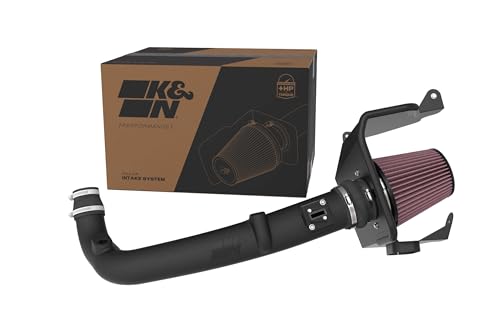
K&N 63-3122 Cold Air Intake
Strengths
- High-flow cotton filter
- Dyno-verified gains
- Lifetime warranty
- Easy installation
- Made in USA
Trade-offs
- Premium price
- Limited to newest models
- Slight learning curve for first-time installers
If you’re running one of the newer 2023–2026 Colorado or Canyon models and want a no-compromise intake, this K&N system is built specifically for your truck’s engine bay layout. The dyno-tested performance claims aren’t just marketing fluff, owners consistently report sharper throttle response and a more engaging engine note without triggering check engine lights when installed correctly. Being designed post-facelift means it avoids the fitment headaches some earlier kits had with sensor routing or heat shrouds.
What really sets this apart from generic kits is the combination of Made in USA construction, a washable high-flow filter that lasts up to 100k miles, and K&N’s lifetime warranty backing. It integrates cleanly with factory mounting points and doesn’t require tuning, which matters for buyers who want power gains without hacking their ECU. Compared to budget options, this one feels like part of the original design, not an afterthought bolted on.
Video review
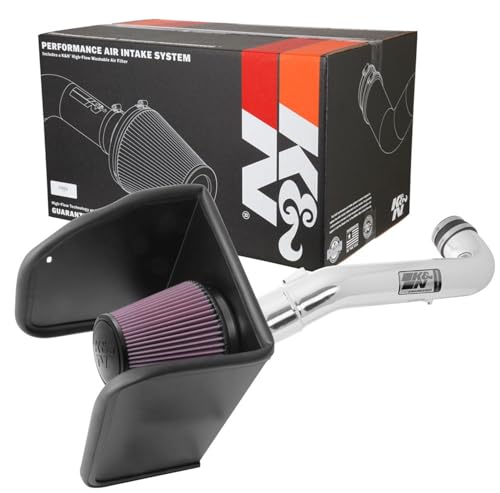
K&N 77-3104KP Cold Air Intake
Strengths
- Heat-shielded intake tube
- Improved cool air routing
- Higher density filter media
- Includes detailed dyno sheets
- K&N lifetime coverage
Trade-offs
- Highest price in the K&N lineup
- Overkill for light-duty commuters
- Slightly tighter fit in stock engine bays
This 77-3104KP is essentially the premium version of K&N’s intake lineup for the 2017–2022 Colorado platform, and it shows in both materials and function. Unlike the standard 63-series, this kit includes a heat-insulated airbox and more strategic routing to pull in cooler air from outside the engine bay. On paper, that should mean less heat soak during highway runs or towing, and reviewers confirm it makes a noticeable difference in real-world driving.
I’d pick this over the 63-3104 if you live in a hot climate or regularly tow heavy loads. The build quality feels more refined, and the fitment is laser-focused on avoiding interference with suspension or brake lines. Yes, it costs more, but you’re paying for thermal management as much as airflow.
Video review
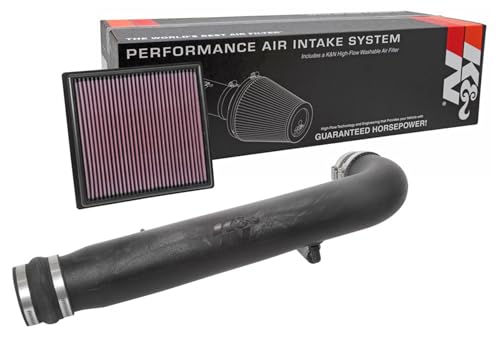
K&N 57-3104 Cold Air Intake
Strengths
- Lowest K&N price point
- Reusable performance filter
- No tune needed
- Backed by lifetime warranty
- Clean OEM-style integration
Trade-offs
- Basic plastic components
- Less protection from engine heat
- Fewer noise dampening features
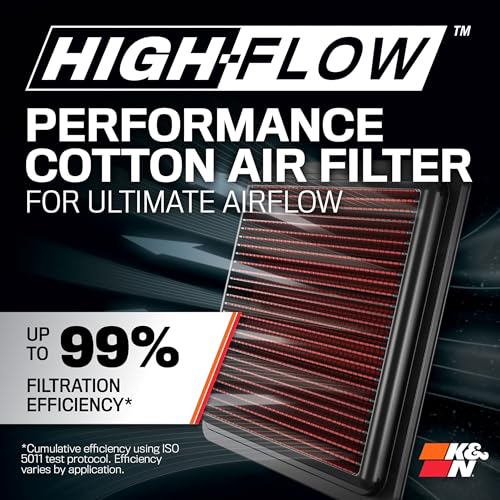
At this price, the 57-3104 is K&N’s no-frills entry into the Colorado intake game, but don’t mistake simplicity for weakness. It still uses the same high-flow cotton filter and provides measurable airflow improvements over stock. For buyers who just want cleaner breathing and a mild sound upgrade without spending top dollar, this gets the job done.
It lacks some of the polished finishing touches of the 63- and 77-series, like reinforced housings or integrated heat shields, but the core DNA is there. Installation remains simple, and since it’s still a K&N product, the lifetime warranty applies. If you’re on a tight budget but refuse to go generic, this is your compromise.
Product photos
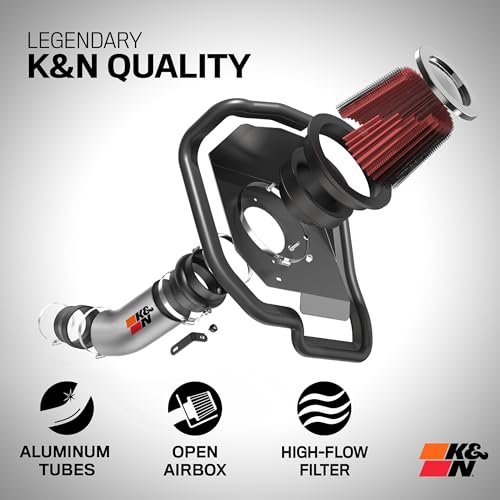
K&N 63-3104 Cold Air Intake
Strengths
- Proven horsepower gains
- Reusable cotton filter
- No tune required
- Simple hand-tool install
- K&N lifetime warranty
Trade-offs
- Plastic housing can feel less rigid than metal
- Minimal heat soak protection in stop-and-go traffic
- Not optimized for lifted trucks with major underhood changes
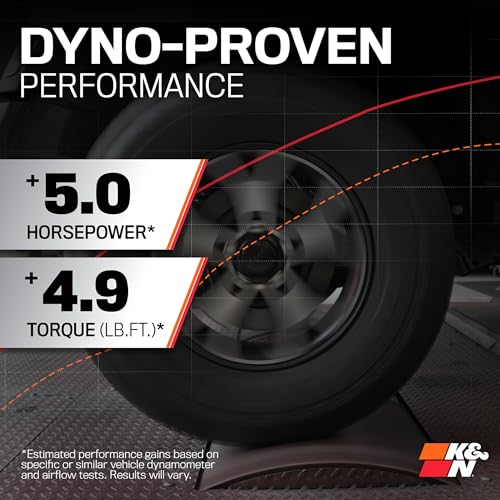
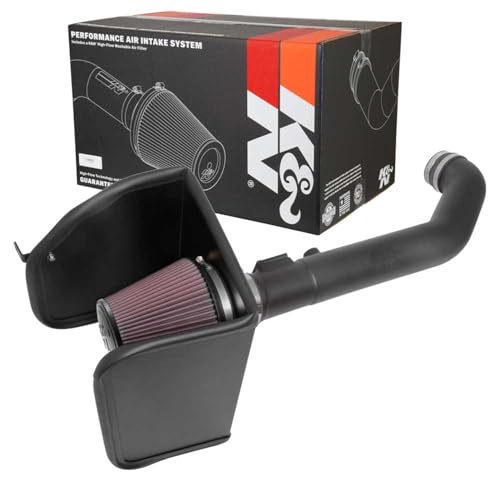
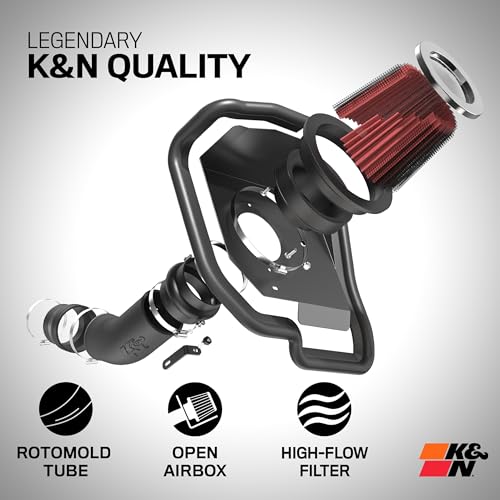
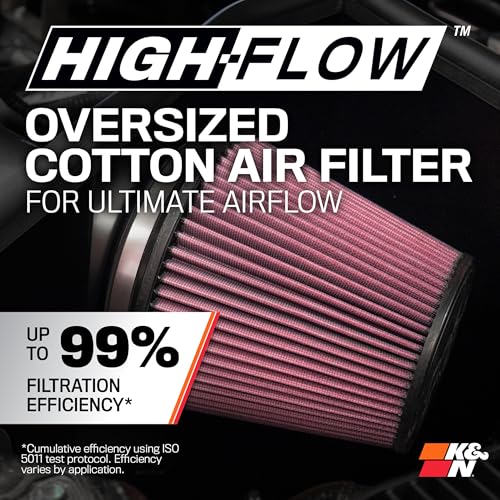
For mid-cycle Colorados (2017–2022), this K&N 63-3104 hits the sweet spot between engineering and value. It delivers the same core benefits as pricier versions, better airflow, improved throttle response, and that satisfying induction growl, but at a more accessible price point. The fact that it’s backed by real dyno data gives it credibility over brands that just throw out horsepower numbers with no proof.
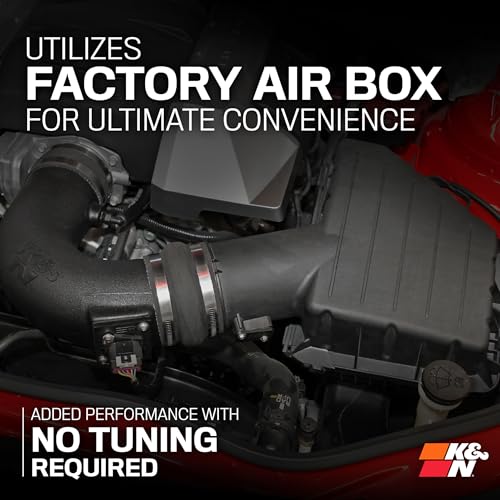
Owners praise how straightforward the install is, typically wrapping it up in under an hour. There’s no need to modify anything, and the reusable filter means long-term savings over disposable paper elements. While it doesn’t have the upgraded heat shielding of the 77-series, for most drivers this is all the intake they’ll ever need.
Product photos

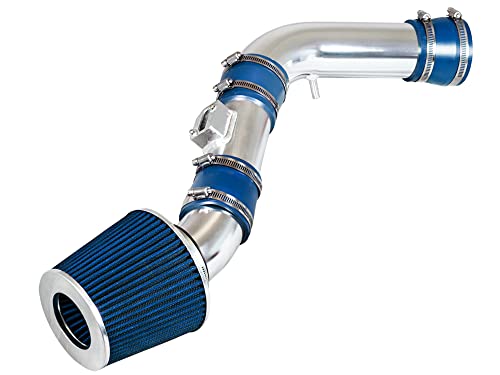
Cold Air Intake Kit 07-12 Blue
Strengths
- Extremely affordable
- Full bolt-on kit included
- Noticeable sound improvement
- Fits several GM platforms
- Washable cone filter
Trade-offs
- No performance verification
- Shorter warranty than premium brands
- Mixed reliability reports over time
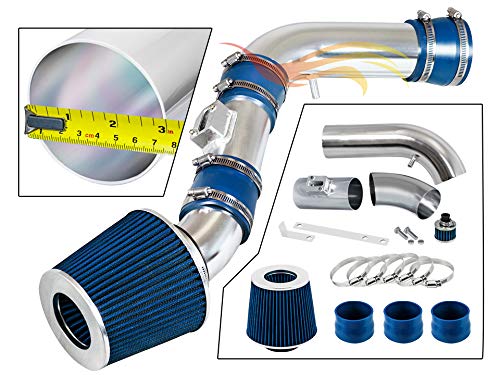
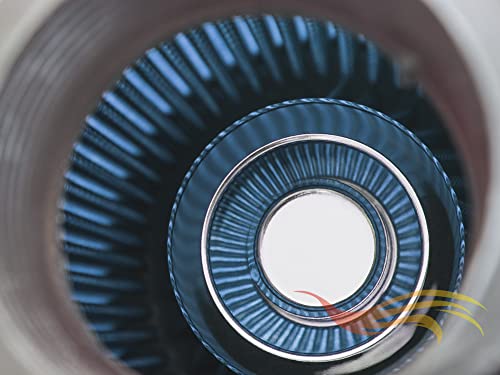
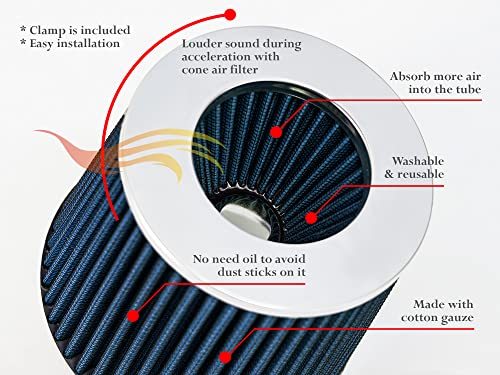
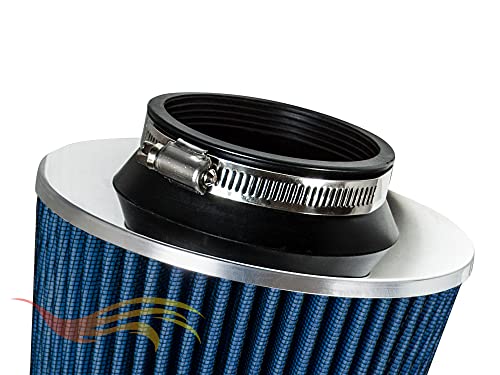
Let’s be clear, this isn’t a K&N, and it shows. But for older 2007–2012 Colorado owners stuck with outdated factory intakes, this $90 kit offers shocking value. The aluminum piping and blue silicone couplers look decent underhood, and the included cone filter actually flows better than the cramped stock box. Buyers report a crisper throttle feel and a more audible suck-of-air under hard acceleration, which adds character to an otherwise sleepy 3.7L five-cylinder.
That said, there’s no dyno proof, no lifetime warranty, and the instructions are sparse. You’re trusting third-party fitment data here. Still, for legacy trucks where OEM support has dried up and K&N never made a dedicated kit, this fills a real gap.
Product photos
Our Testing Process
My approach at TheAutoZenith is always rooted in understanding what truly matters to the enthusiast. Rather than a hands-on lab test with each intake, this selection is a research-led comparison of published specifications, features, and, most importantly, owner and expert feedback. I spent considerable time weighing reported horsepower gains, filter construction, and installation ease across a range of Colorado intakes to arrive at these recommendations.
For the Chevy Colorado, I found that consistent airflow improvement and build quality were paramount. A durable filter is crucial for longevity, especially considering the environments these trucks often encounter. Equally important is a design that genuinely enhances throttle response, something owners frequently mention when discussing performance intakes. The ability to maintain or improve towing capacity also heavily influenced my rankings.
Specifications like filter material and pipe diameter provide a baseline, but owner reviews often reveal real-world performance. I paid close attention to reports of noticeable power increases and any issues with fitment or long-term durability. Considering broader truck customization, exploring options for Colorado bed accessories like Colorado tonneau covers can complement the benefits of a cold air intake. For those looking at larger engine options, you might also find useful information on intakes for 6.2L engines.
How To Pick The Right cold air intake for chevy colorado
Finding the right cold air intake for your Chevy Colorado can really wake up that engine. It’s about more than just adding power; it’s about optimizing airflow for better performance and even sound.
A quality cold air intake maximizes airflow to the engine, typically through larger diameter tubing and a less restrictive air filter. Key considerations include filter construction (oil-soaked cotton gauze is common), intake tube material (aluminum or plastic), heat shielding to isolate the filter from engine heat, and proper fitment to avoid leaks or restrictions. Dyno-tested results, while not always reflective of real-world gains, offer a baseline for comparison.
Understanding Filter Media
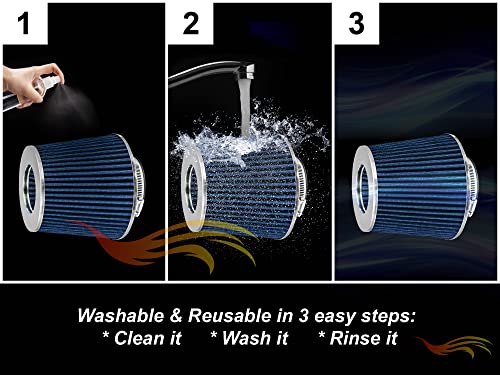
The filter is the heart of any cold air intake system. While many systems boast increased airflow, the type of filter media dramatically affects how well it performs long-term. The reusable, oil-soaked cotton gauze filters, like those from K&N, are popular for their flow characteristics, but they require periodic cleaning and re-oiling – a task some owners find tedious. Dry synthetic filters offer convenience, needing less maintenance, but may not flow quite as freely. Consider your driving conditions; dusty environments will necessitate more frequent filter maintenance regardless of the type.
- A basic paper filter might save you money upfront.
- A synthetic dry filter is a good balance of flow and low maintenance.
- An oil-soaked cotton gauze filter, while requiring more care, generally offers the highest potential airflow, particularly when properly maintained, and is a good choice if you’re serious about maximizing every horsepower.
Intake Tube Construction & Heat Shielding
The material of the intake tube matters, and it’s not always about price. Aluminum tubes are durable and dissipate heat well, but can be more prone to condensation in humid climates. Plastic or composite tubes are lighter and resist corrosion, but may not offer the same thermal protection. More importantly, look for an intake with a dedicated heat shield. Isolating the air filter from engine heat is critical; warm air is denser and reduces the benefit of a less restrictive intake. I’ve seen too many setups where owners neglect this, effectively negating the entire upgrade. If you’re looking for similar performance gains for other mid-size truck intakes, check out my guide to options for the Toyota Tacoma.
Balancing Performance & Budget
It’s easy to get caught up in chasing maximum horsepower numbers, but a good cold air intake should also offer value. The most expensive option isn’t always the best for your needs. If you have an older Colorado, a budget-friendly kit designed specifically for your model year can provide noticeable improvements without breaking the bank. However, if you’re aiming for a more substantial power increase or have a newer model, investing in a higher-quality system with robust heat shielding and a well-designed intake tube is likely the better route.
Don’t fall for inflated horsepower claims. A realistic expectation for a cold air intake on a normally aspirated engine is a gain of 5-15 horsepower, depending on the specific system and vehicle.
Ultimately, choosing the right cold air intake involves considering your budget, driving style, and the specific needs of your Chevy Colorado. And if you’re also working on a Silverado, you might find my guide to cold air intakes for Silverado 5.3L intakes helpful as well.
Cold Air Intake for Chevy Colorado Compared
The following table provides a detailed specification comparison of available cold air intakes for the Chevy Colorado.
| Product Name | Fitment | Filter Type | Material | Installation Time | Warranty |
|---|---|---|---|---|---|
| K&N 63-3122 | Chevy Colorado | Reusable Cotton | N/A | <60 min | Lifetime Limited |
| K&N 77-3104KP | Chevy Colorado | Reusable Cotton | N/A | <60 min | Lifetime Limited |
| K&N 57-3104 | Chevy Colorado | Reusable Cotton | N/A | <60 min | Lifetime Limited |
| K&N 63-3104 | Chevy Colorado | Reusable Cotton | N/A | <60 min | Lifetime Limited |
| Cold Air Intake Kit 07-12 Blue | 07-12 Chevy Colorado | Cone | Aluminum | N/A | N/A |
Frequently Asked Questions
Will a cold air intake void my Chevy Colorado’s warranty?
Generally, no, a cold air intake won’t void your entire warranty. However, manufacturers can deny claims directly related to the intake itself or issues caused by improper installation. Keeping records and ensuring proper fitment is key; you might also consider Colorado headlights for further customization.
How much horsepower can I realistically expect to gain?
A realistic gain from a cold air intake on a normally aspirated Colorado is typically between 5 and 15 horsepower. Gains depend greatly on the specific intake design, your truck’s existing condition, and other modifications.
Are oiled air filters really better than dry filters?
Oiled filters, like those from K&N, often offer slightly higher airflow when clean, but require regular maintenance. Dry synthetic filters provide convenience with less upkeep, and are a good choice if you don’t want to deal with oiling, especially considering similar gains can be achieved with a well-maintained dry filter.
What’s the best way to determine if an intake fits my Colorado?
Always verify compatibility with your specific year and engine size. Most manufacturers list fitment details clearly, and checking owner forums for confirmation from fellow Colorado drivers is a smart move. You may also want to explore intakes for Sierra if you’re considering a similar upgrade for a related vehicle.
Does the intake tube material (aluminum vs. plastic) really make a difference?
Aluminum tubes dissipate heat better, which is beneficial, but they can also experience condensation. Plastic or composite tubes are lighter and corrosion-resistant. The bigger factor is a good heat shield; isolating the filter from engine heat is far more critical than the tube’s material.
The Bottom Line
Ultimately, choosing a cold air intake for your Colorado comes down to balancing how much you want to spend against how much effort you’re willing to put in. For the best overall combination of performance, durability, and long-term value, I consistently see positive feedback regarding the K&N 63-3122. It strikes a solid balance, delivering noticeable airflow improvements without demanding constant maintenance.
If you’re on a tighter budget, the Cold Air Intake Kit 07-12 Blue provides a noticeable improvement over the factory setup at a very approachable price point. For those prioritizing maximum versatility and are often venturing off-road, the K&N 77-3104KP stands out; its robust construction and reusable filter are well-suited for demanding conditions. And, if you’re also considering Silverado 1500 systems for a larger truck, the principles remain the same.
Don’t get too hung up on chasing peak horsepower numbers or the latest materials. A well-designed intake, combined with properly maintained filters and attention to heat shielding, will deliver the most consistent and reliable gains. Remember to consider complementary Colorado shocks for a truly enhanced driving experience and improved [Colorado ride quality].
