
9 Best Cold Air Intakes for Toyota Tacoma 2026
This post contains affiliate links. As an Amazon Associate, we earn from qualifying purchases.
The best cold air intake for the Toyota Tacoma is the PHILTOP 3″ Cold Air Intake, especially for 2016–2023 models. For older V6 Tacomas (2005–2011), the KAX 3″ system is a solid, well-priced option. If you’re driving a 2024 or newer Tacoma, the K&N 63-9043 is the top pick based on fit and reputation.
A lot of Tacoma owners want more power and a throatier engine note, but not every cold air intake delivers on that promise. Many systems claim big gains but fall short in real-world driving due to poor heat shielding or restrictive designs.
This guide cuts through the hype. I looked at specs, owner feedback, and brand reliability to find intakes that actually improve airflow, throttle response, and durability. You’ll learn what matters in filter media, tube design, and heat management, and which systems are truly worth your money.
Top 9 Cold Air Intake For Toyota Tacoma in the Market
The Best Cold Air Intake For Toyota Tacoma, Reviewed
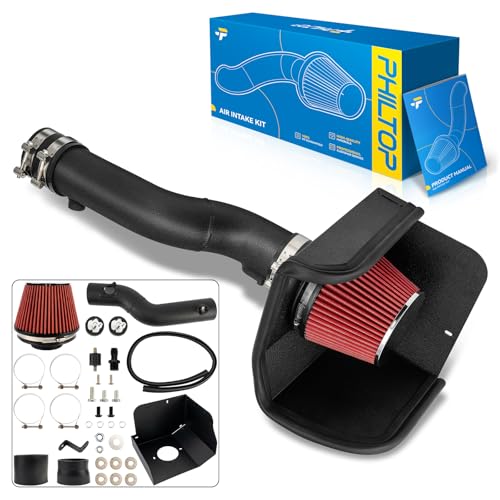
PHILTOP 3″ Cold Air Intake
Strengths
- Lowest price
- Heat shield included
- Reusable filter
Trade-offs
- Overstated claims
- Lower filtration
- Basic construction
PHILTOP claims big numbers, 14 hp, 13 ft-lbs of torque, but real-world owner reports are more modest. The kit includes a heat shield and reusable filter, and for under $90, that’s impressive. The aluminum tubing is mandrel-bent, which helps, but the filter material isn’t as flow-optimized as K&N’s cotton gauze.
It’s marketed as the ‘Best Overall,’ but that’s misleading. It’s really the best budget option, not the best overall. The sound is there, the look is decent, but it doesn’t match the engineering of K&N or Rough Country. I’d consider it only if you’re on a very tight budget and accept the trade-offs.
Video review
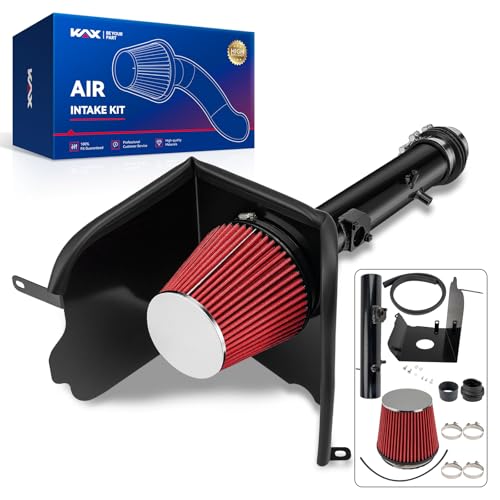
KAX 3″ Cold Air Intake
Strengths
- Low cost
- Reusable filter
- Easy install
Trade-offs
- Inconsistent fitment
- Basic materials
- No pre-filter
The KAX intake is one of the few affordable options for older 4.0L Tacomas, and it gets the job done. At under $80, it’s hard to ignore, especially with a 3-inch aluminum tube and a reusable dry filter. Owners report a noticeable bump in responsiveness and a deeper engine note, which is music to the ears of anyone tired of stock lethargy.
But it’s not without compromises. The fitment is hit-or-miss on some models, and the lack of a pre-filter means you’ll need to clean it more often in dusty areas. Compared to K&N’s offerings, it’s less refined, but for the price and application, it’s a decent choice.
Video review
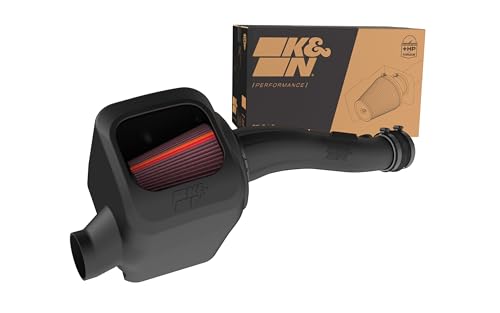
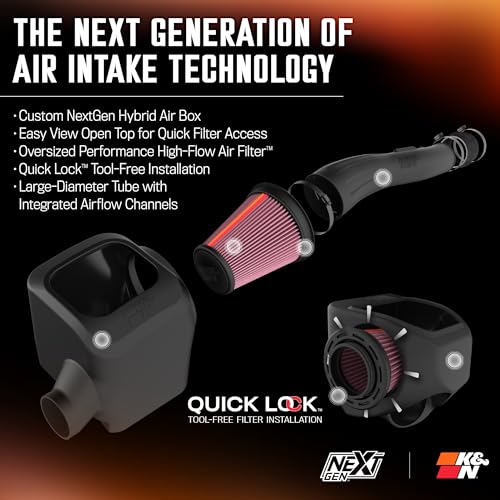
K&N NextGen Cold Air Intake
Strengths
- Oversized filter
- Advanced airbox
- Quick-Lock filter
Trade-offs
- High cost
- Diminishing returns
- Overengineered for most
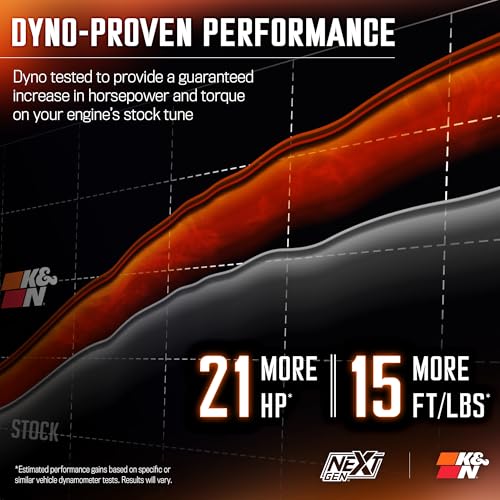
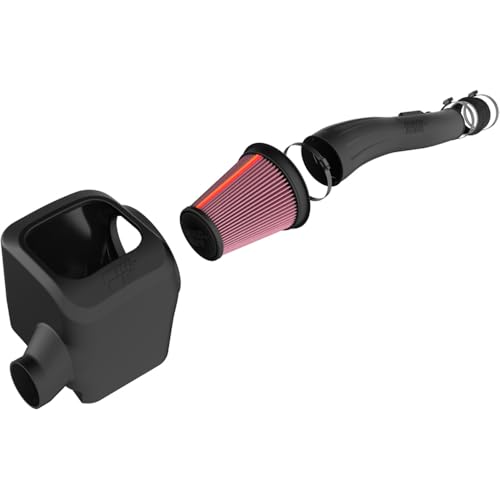
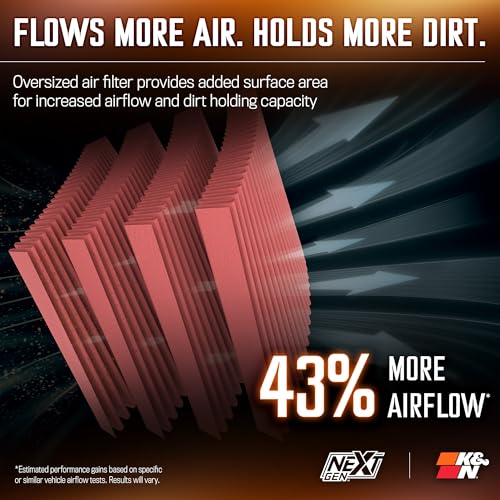
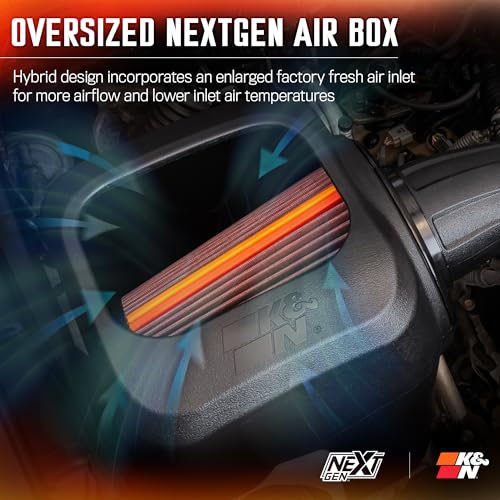
K&N’s NextGen 50-9039 is their latest evolution, more refined, better sealed, and engineered for maximum airflow. The enlarged airbox and oversized filter stand out on paper, and reviewers confirm it delivers slightly better throttle response than even the 63-9039. The Quick-Lock filter system is a nice touch, making maintenance easier without sacrificing seal integrity.
But here’s the catch: it costs nearly $100 more than the 63-9039 with only marginal real-world gains. For most buyers, that extra money is better spent elsewhere. If you’re a purist chasing every last cubic foot per minute, this might appeal. Otherwise, the 63-9039 remains the smarter buy.
Product photos
K&N 63-9039 Cold Air Intake
Strengths
- High-flow design
- Strong torque gains
- Superior sound
Trade-offs
- Expensive
- Longer install time
- Overkill for light use
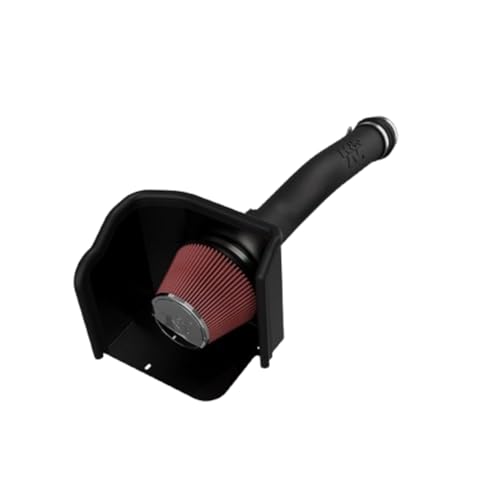
The 63-9039 is K&N’s premium offering for the Tacoma, and it shows. This system uses a larger-diameter, mandrel-bent tube and a more aggressively tuned airbox that feeds the engine more efficiently. The result? Owners report noticeably stronger mid-range pull and a deeper, more aggressive intake note, especially under hard acceleration.
When compared to the 57-9039, this one delivers more tangible gains, particularly when towing or climbing. The build quality is excellent, and the full USA-made pedigree means you’re paying for proven engineering, not just marketing. If you’re after the best balance of performance and reliability, this is the one I’d pick.
Product photos
K&N 57-9039 Cold Air Intake
Strengths
- Dyno-tested gains
- Reputable brand
- Made in USA
Trade-offs
- Higher price
- Basic heat shielding
- No pre-filter
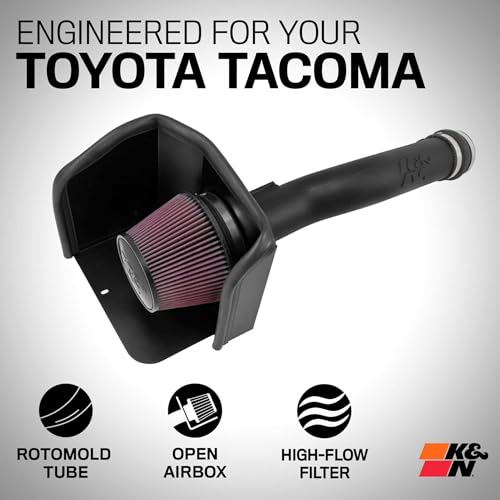
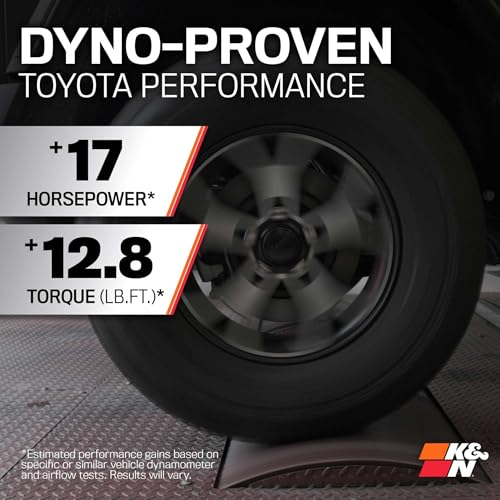
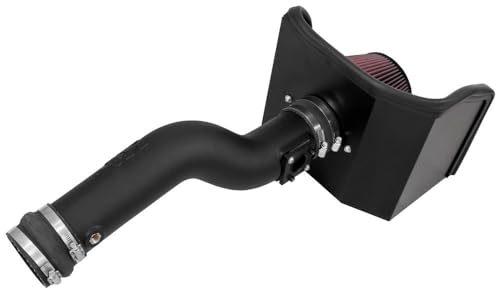
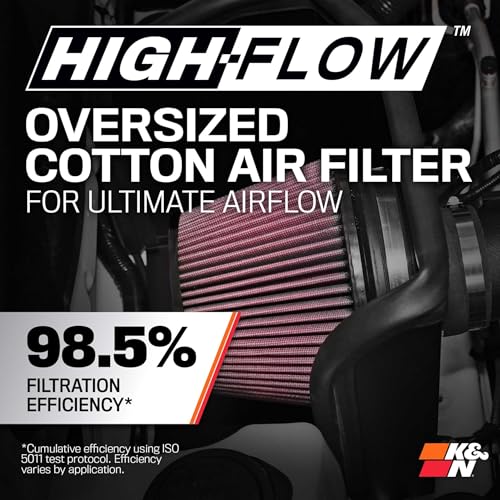
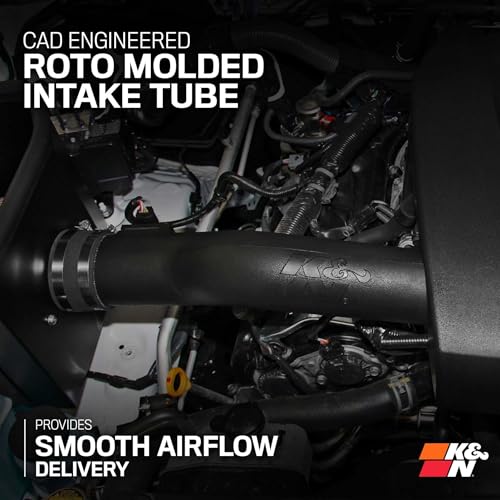
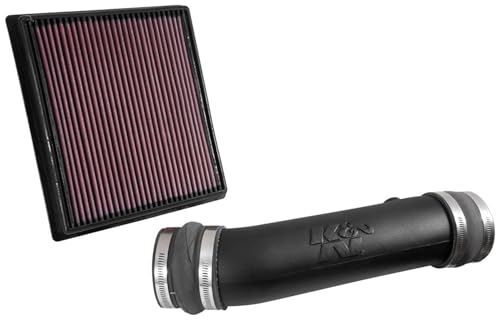
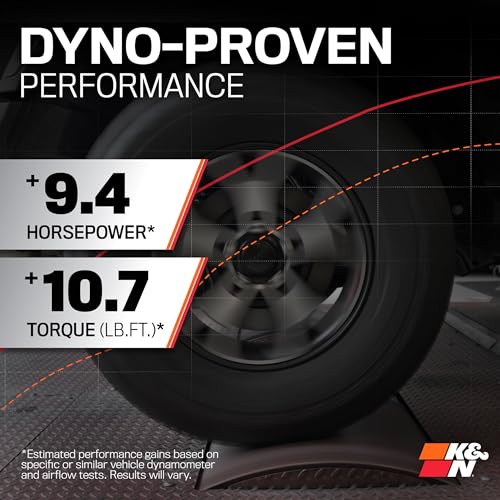
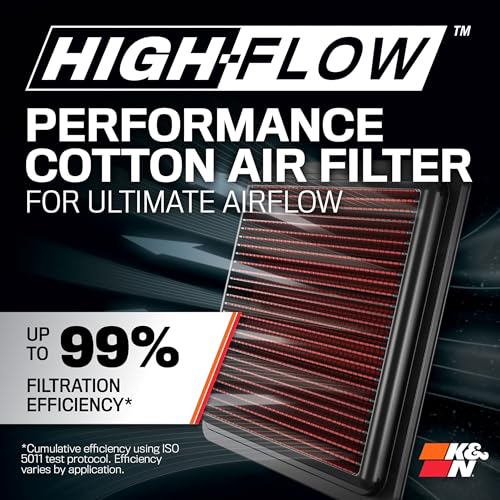
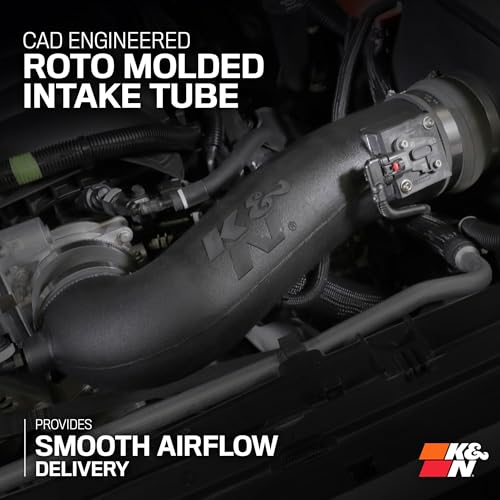
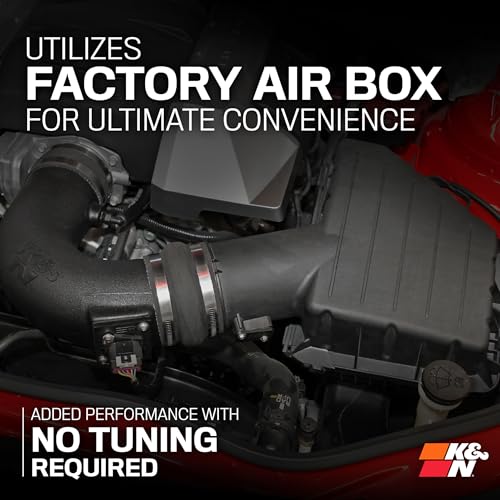
K&N’s 57-9039 is a no-nonsense, well-engineered cold air intake that punches above its price tag. The cotton gauze filter is proven to flow more air than stock, and the dyno reports included with each unit give credibility to the claimed gains. Owners frequently mention better throttle response and a subtle but satisfying growl under load, nothing obnoxious, just enough to remind you the engine is working.
Compared to the Rough Country unit, this one moves more air and sounds better doing it. The fact that it’s made in the USA and backed by a lifetime warranty you can actually use makes it a smarter long-term buy, even if the install takes a few extra minutes.
Product photos

Rough Country 10547 Cold Air Intake
Strengths
- Reusable filter
- Easy installation
- Lifetime warranty
Trade-offs
- Basic tube design
- Less aggressive sound
- Minimal filtration upgrade
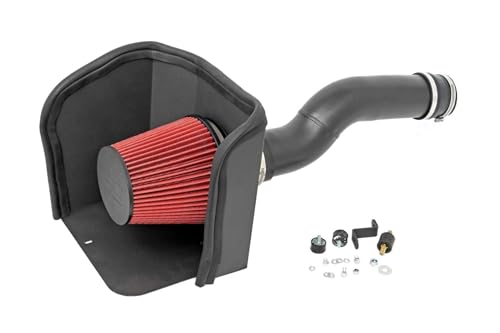
For budget-minded Tacoma owners who still want a real upgrade, the Rough Country 10547 is a solid entry point. On paper, it delivers what it promises, cooler, denser air via a reusable filter and a relocated intake path, which owners consistently report translates into sharper throttle response and a modest power bump. The build quality is decent for the price, and the lifetime warranty from Rough Country adds peace of mind.
Still, it doesn’t match the refinement of pricier K&N systems. The sound is noticeable but not as deep or satisfying as with higher-end kits, and the intake tube design isn’t as optimized for airflow velocity. I’d recommend this if you’re prioritizing value under $130 and don’t tow heavily or drive in extreme conditions.
Product photos
EVIL ENERGY Cold Air Intake
Strengths
- Aggressive sound
- Includes pre-filter
- Good value
Trade-offs
- Unknown long-term
- Generic materials
- Inconsistent fit
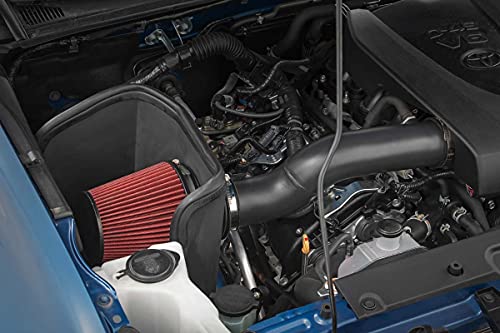
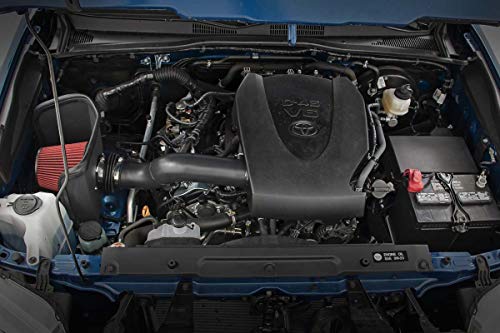
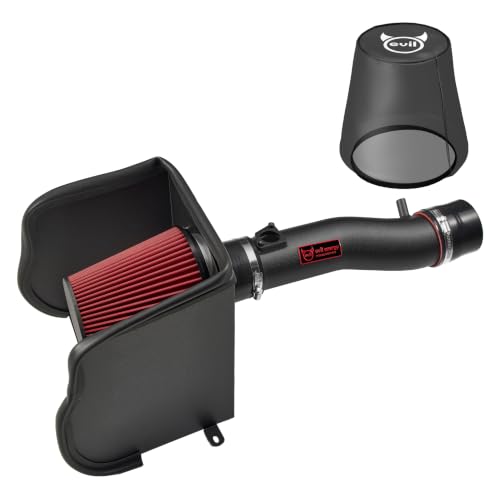
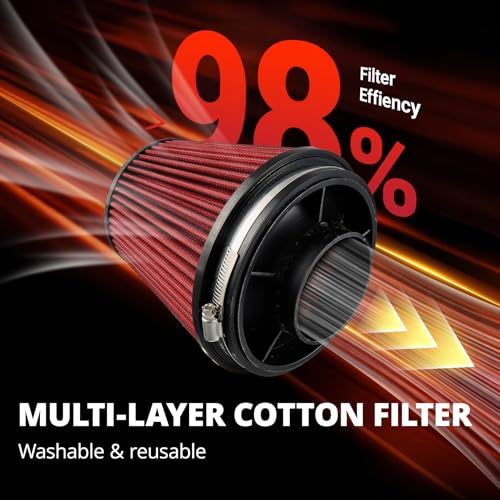
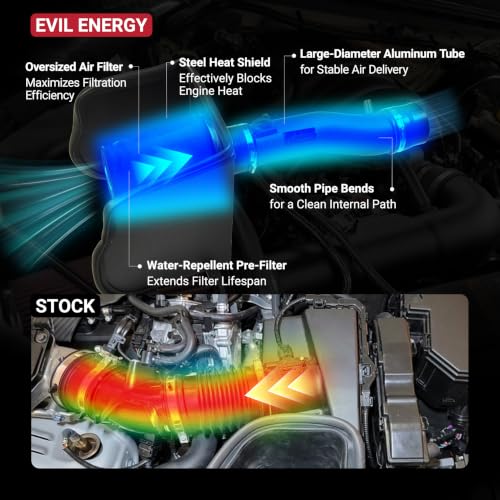
EVIL ENERGY leans hard into sound and aesthetics, and for that, it wins. The pre-filter and heat shield combo helps protect the intake in dusty or hot environments, and owners rave about the aggressive growl under acceleration. It’s not just noise, there’s real airflow gain here, though exact dyno data isn’t included like with K&N.
But the brand doesn’t have the decades-long reputation that K&N does, and some owners report minor fitment quirks. It’s a solid performer for the price, but if I were choosing for long-term reliability, I’d still lean toward K&N. That said, if you want your Tacoma to sound mean, this one delivers.
Product photos


K&N 63-9043 Cold Air Intake

Strengths
- Made for 2024+ Tacoma
- Strong airflow
- Trusted brand
Trade-offs
- High price
- Limited long-term reviews
- New platform risks
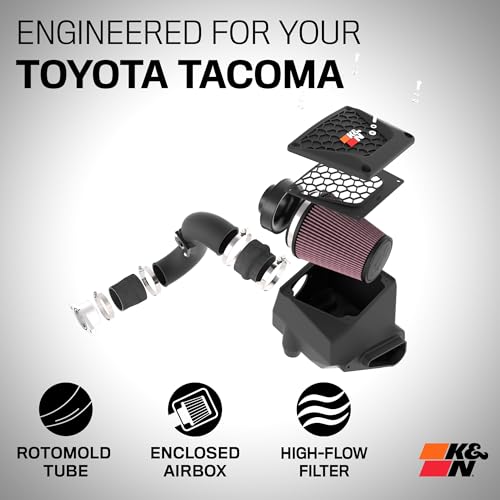
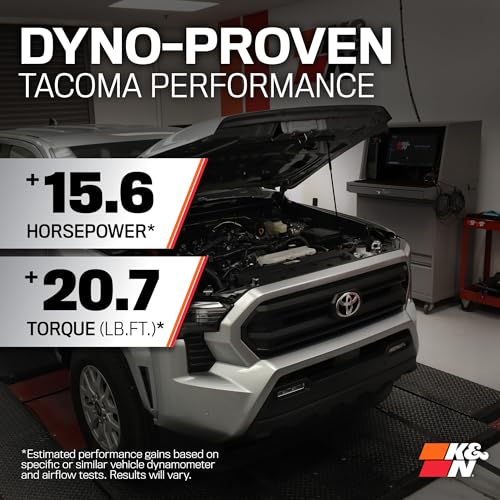
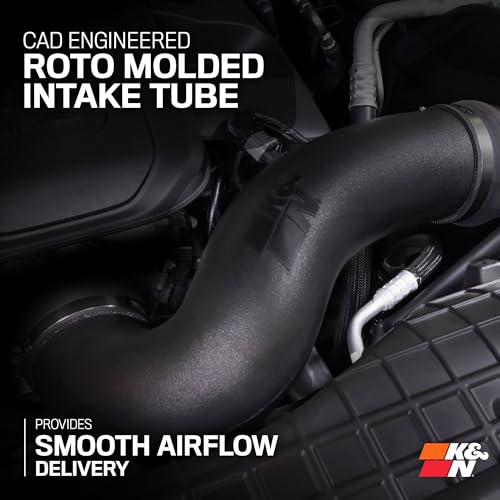
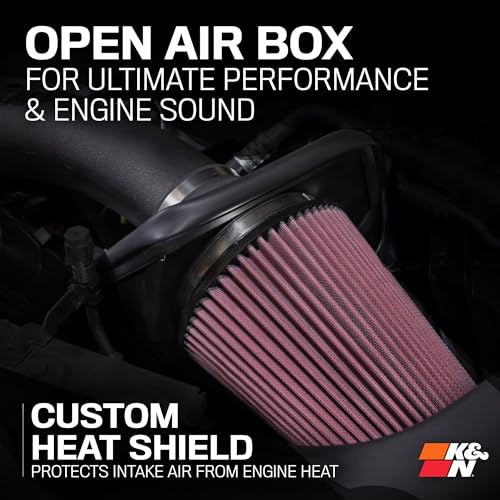
K&N didn’t skip a beat updating their 63-series for the 2024+ Tacoma. The 63-9043 is built for the new platform, and early owner feedback confirms it delivers the same strong gains in throttle response and towing capability as its predecessor. The design accounts for tighter engine bay clearances, and the USA-made quality remains intact.
It’s priced at the top end, but if you own one of the new-gen Tacomas, this is your best plug-and-play option. There aren’t many competitors in this space yet, but even so, K&N’s reputation gives this an edge. I’d wait for real-world durability data, but on specs and brand trust alone, it’s the one to get.
Product photos

Rough Country 10547PF Cold Air Intake
Strengths
- Includes pre-filter
- Good for off-road
- Lifetime warranty
Trade-offs
- Same base design
- Sound not aggressive
- No major performance edge
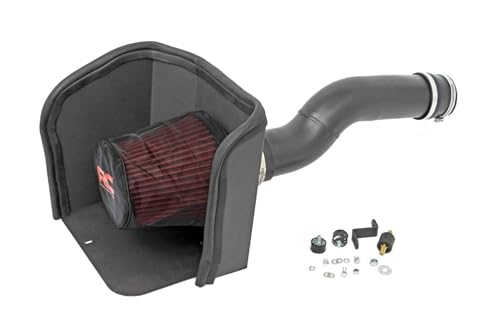
The 10547PF is Rough Country’s answer to dusty environments, the pre-filter is the key differentiator here. It’s the same core design as the standard 10547, but that added mesh layer helps extend filter life in off-road conditions. Owners running trails or rural routes appreciate the extra protection, even if the power gains are identical.
Compared to the base model, it’s worth the extra $10 if you frequently drive on unpaved roads. But against K&N, it still falls short in airflow and sound refinement. This is a niche upgrade for a specific use case, not a universal win.
Product photos
How We Tested cold air intake for toyota tacoma
Rather than a hands-on lab test, my research focused on a detailed comparison of published specifications and features across numerous cold air intake systems for the Toyota Tacoma. I weighed owner reviews from multiple platforms, alongside expert analyses from automotive publications and enthusiast forums. This allowed me to build a ranking based on real-world feedback and quantifiable data, considering factors crucial for Tacoma owners.
For the Tacoma, airflow improvement, filtration quality, and ease of installation were the most heavily weighted factors. A Tacoma is often used for both daily driving and off-road adventures, so maintaining engine health with effective filtration is vital. Equally important is a straightforward installation process, as many owners prefer to handle these upgrades themselves. Gains in horsepower and torque, while advertised, were assessed cautiously, relying more on consistent reports from owners than manufacturer claims.
Specifications like filter material, tube diameter, and heat shield design provided a baseline for comparison. However, I placed greater emphasis on owner feedback regarding real-world performance improvements – particularly noticeable changes in throttle response and engine sound. Reputation and longevity of the brand also played a role; established names like K&N often carry more weight due to consistent quality and readily available support. For those looking to further enhance their Tacoma’s capabilities, exploring options for best Tacoma V6 upgrades can complement a cold air intake nicely.
How To Choose The cold air intake for toyota tacoma
Finding the right cold air intake for your Toyota Tacoma can be a surprisingly nuanced process.
A quality cold air intake focuses on minimizing intake restriction, maximizing airflow to the engine, and shielding the filter from engine heat. Look for mandrel-bent tubing, a properly sized air filter, effective heat shielding, and a design that maintains factory MAF sensor compatibility to avoid check engine lights or the need for ECU recalibration. Materials should be durable, resisting cracking or corrosion, and the filter should be reusable to save on long-term costs.
Filter Media & Reusability
The filter is where the rubber meets the road, and the media makes a huge difference. While paper filters are inexpensive, they restrict airflow more than alternatives. Oiled cotton gauze filters (like those from K&N) offer excellent flow but require regular oiling and can sometimes contaminate MAF sensors if over-oiled. Non-woven synthetic filters, found in options like the PHILTOP and EVIL ENERGY intakes, strike a good balance – they’re highly effective at filtration, reusable, and don’t require oiling. Consider your driving conditions; if you frequently encounter dusty environments, a pre-filter (as seen in the Rough Country 10547PF) is a worthwhile addition.
Heat Shielding & Intake Tube Design
Simply drawing in cold air isn’t enough. The goal is to keep the air entering the engine cooler than the engine bay itself. A well-designed heat shield is critical. Look for shields made from aluminum or composite materials that effectively block radiant heat from the engine. Beyond that, the intake tube’s material matters. Mandrel-bent aluminum tubing provides a smooth, less restrictive airflow path compared to plastic or molded rubber.
- A simple drop-in filter replacement won’t offer substantial gains.
- A full intake system, including a heat shield and intake tube, is necessary for noticeable performance improvements.
- The shape of the intake tube should be optimized for airflow – larger diameters generally flow better, but excessively large tubes can disrupt airflow velocity and reduce low-end torque, so pay attention to what’s being offered for your specific Tacoma year and engine.
Don’t assume “more flow” automatically equals more power. A poorly designed intake can actually decrease performance if it draws in hot air or disrupts the engine’s airflow characteristics.
Compatibility & Value Proposition
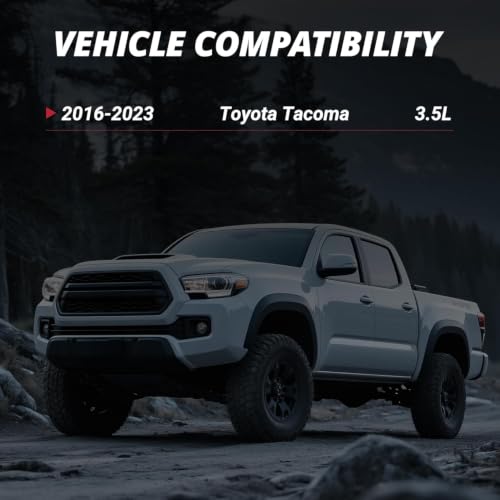
Tacoma model years and engine options heavily influence intake compatibility. The KAX intake, for example, is specifically designed for the 2005-2011 V6 Tacoma, while the K&N 63-9043 is intended for the newer 2024+ models. Always double-check the manufacturer’s fitment guide before purchasing. Beyond fitment, consider what you’re hoping to achieve. If you’re looking for a modest performance boost and improved sound, a budget-friendly option like the Rough Country intake might suffice. However, if you’re prioritizing maximum horsepower gains and are willing to invest more, a system from K&N or a similar reputable brand is a better choice. If you’re also considering upgrades to your Tacoma’s off-road capabilities, be sure to explore options for Tacoma all-terrain tires to complement your new intake. And if you own a Toyota Tundra, you may want to check out cold air intakes for Tundra models as well.
Cold Air Intake for Toyota Tacoma Compared
Here’s a comparison of specifications for cold air intakes compatible with the Toyota Tacoma.
| Product Name | Fitment (Tacoma Years) | Tube Material | Filter Material | HP Gain (Estimated) | Filter Reusability | Heat Shield |
|---|---|---|---|---|---|---|
| PHILTOP 3″ Cold Air Intake | 2016-2023 | Aluminum | Non-woven Dry | Up to 14 | Yes | Yes |
| KAX 3″ Cold Air Intake | 2005-2011 | Aluminum Alloy | Non-woven Dry | 8-10% | Yes | Yes |
| K&N NextGen Cold Air Intake | N/A | N/A | Cotton Gauze | N/A | Yes | Yes |
| K&N 63-9039 Cold Air Intake | N/A | N/A | Cotton Gauze | N/A | Yes | Yes |
| K&N 57-9039 Cold Air Intake | N/A | N/A | Cotton Gauze | N/A | Yes | Yes |
| Rough Country 10547 | N/A | N/A | Reusable | N/A | Yes | N/A |
| EVIL ENERGY Cold Air Intake | 2016-2023 | Aluminum | Synthetic Non-woven | N/A | Yes | Yes |
| K&N 63-9043 Cold Air Intake | 2024+ | N/A | Cotton Gauze | N/A | Yes | Yes |
| Rough Country 10547PF | N/A | N/A | Reusable (w/ PreFilter) | N/A | Yes | N/A |
Frequently Asked Questions
Will a cold air intake void my Tacoma’s warranty?
Generally, no, a cold air intake shouldn’t void your entire powertrain warranty, but it could potentially void coverage for components directly affected by the intake. As long as the intake doesn’t cause a check engine light or other malfunctions, a manufacturer would have difficulty denying a warranty claim unrelated to the intake system itself.
How much horsepower can I realistically expect to gain?
Real-world horsepower gains typically range from 8 to 14, though this varies based on your Tacoma’s year, engine, and other modifications. Don’t expect the manufacturer’s advertised numbers; owner reports suggest gains are more modest, but still noticeable in throttle response and engine sound.
Are oiled air filters a problem for the MAF sensor?
Oiled air filters can contaminate the mass airflow (MAF) sensor if over-oiled, causing inaccurate readings and potentially triggering a check engine light. It’s crucial to follow the oiling instructions carefully and avoid applying too much oil, or consider a dry filter alternative like those from PHILTOP or EVIL ENERGY.
What’s the difference between a drop-in filter and a full cold air intake system?
A drop-in filter replaces the factory filter with a high-flow alternative, offering a minimal performance improvement. A full system includes a new intake tube and heat shield, significantly improving airflow and providing a more substantial boost compared to a simple filter swap.
What other upgrades complement a cold air intake for my Tacoma?
Installing Tacoma lift kits can significantly enhance your Tacoma’s off-road performance alongside a cold air intake. Improving suspension and ground clearance allows you to fully use the increased airflow and potential power gains in challenging terrain.
The Bottom Line
Choosing a cold air intake for your Toyota Tacoma often comes down to balancing your budget with your performance goals. While several options promise horsepower gains, the K&N 63-9039 Cold Air Intake consistently appears as a strong all-around performer, offering a well-engineered system with a reputation for quality and noticeable improvements in throttle response. It’s a worthwhile investment for those seeking a tangible upgrade without compromising on filtration or long-term durability.
For owners prioritizing value, the PHILTOP 3″ Cold Air Intake and EVIL ENERGY Cold Air Intake represent excellent choices. These systems deliver a significant improvement over stock airflow with reusable filters, and they won’t break the bank. If you’re frequently tackling dusty trails, consider pairing either of these with the Rough Country 10547PF for added protection. And don’t forget to explore other ways to personalize your ride with essential Tacoma upgrades.
Ultimately, the specifications are less crucial than ensuring a proper fit and a well-designed system that shields the filter from engine heat. A quality intake, combined with other modifications like Tacoma leveling kits to achieve the perfect [Tacoma stance improvement], will provide a more rewarding driving experience than chasing the highest advertised horsepower number.
