
7 Best Ceramic Tints for Cars (2026 Guide)
This post contains affiliate links. As an Amazon Associate, we earn from qualifying purchases.
The RockRose 20% Nano Ceramic is the best overall ceramic tint for its strong heat rejection and clarity, while the Vepagoo 20% VLT Ceramic offers a solid budget-friendly alternative for those prioritizing value without sacrificing UV protection.
Choosing the wrong ceramic tint can mean poor visibility, legal trouble, or a cabin that still bakes in the sun. As someone who’s spent years deep in the automotive aftermarket world, I know how critical it is to balance performance, legality, and durability.
This guide covers the top picks based on specs, owner feedback, and real-world usability, focusing on what actually matters: heat rejection, UV blocking, clarity, and compliance.
Top 7 Ceramic Tints For Cars in the Market
The Best Ceramic Tints For Cars, Reviewed
RockRose 20% Nano Ceramic Car Tint

Strengths
- Haze free
- 99% UV rejection
- Easy shrink
Trade-offs
- Higher cost
- 20% may not be legal everywhere
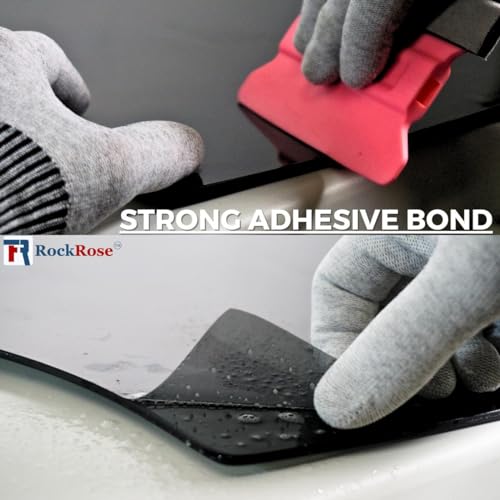
RockRose’s 20% VLT roll is my pick for best overall, not because it’s the cheapest or darkest, but because it balances performance, clarity, and durability so well. The 2-ply, haze-free film delivers clean optics, even on curved glass, and owners consistently report minimal distortion. With 90% infrared rejection and 99% UV blockage, it’s one of the most effective at cooling the cabin.
It’s priced higher than budget rolls, but you’re getting pro-level materials, strong adhesive, easy shrink, and plotter-friendly for custom shops. If you’re tinting a daily driver or show car and want a single roll that handles everything well, this is the one to get.
Video review
Vepagoo 20% VLT Ceramic Car Tint
Strengths
- No signal interference
- 99% UV block
- Scratch resistant
Trade-offs
- Moderate night visibility
- 20% VLT not legal everywhere
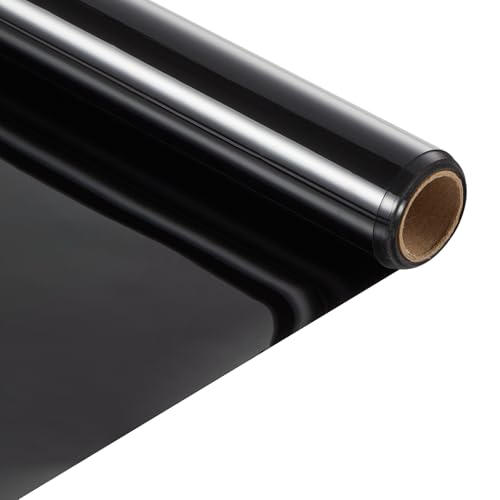
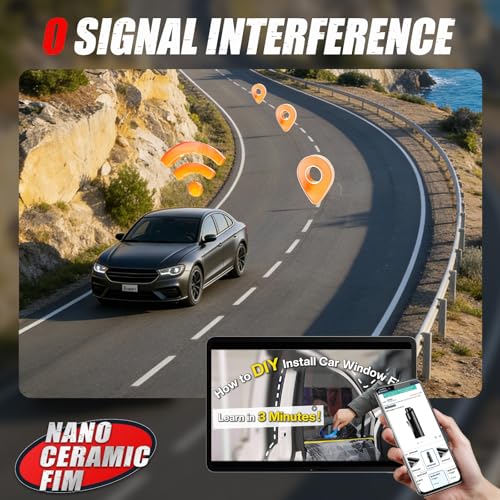
Vepagoo’s 20% VLT film stands out in the budget ceramic segment by delivering solid performance without cutting key corners. The 99% UV blockage and strong infrared rejection make it a smart pick for long-term interior protection, owners frequently mention how their dashboards stay cooler and less cracked. Unlike metallic tints, it doesn’t interfere with GPS or phone signals, which is a real win for daily drivers who rely on connectivity.
Its 20% VLT offers noticeably more privacy than lighter tints while still allowing decent nighttime visibility, though I’d still recommend 35% for full-time night drivers. Paired with an 18-month warranty and responsive support, it’s a dependable choice for those who want more than just cheap coverage.
Video review
RockRose 5% Nano Ceramic Car Tint
Strengths
- Maximum privacy
- 99% UV rejection
- Haze free
Trade-offs
- Too dark for front windows
- Not legal in most states for driver/passenger windows
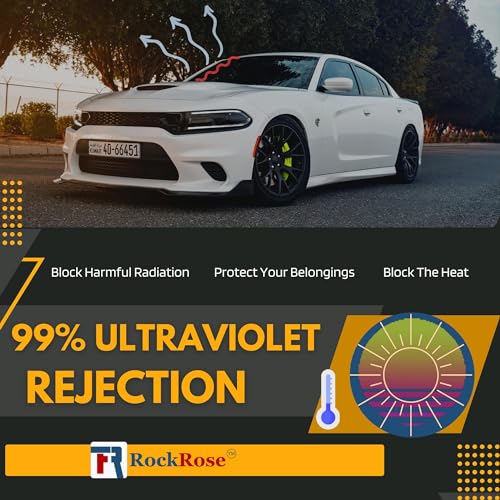
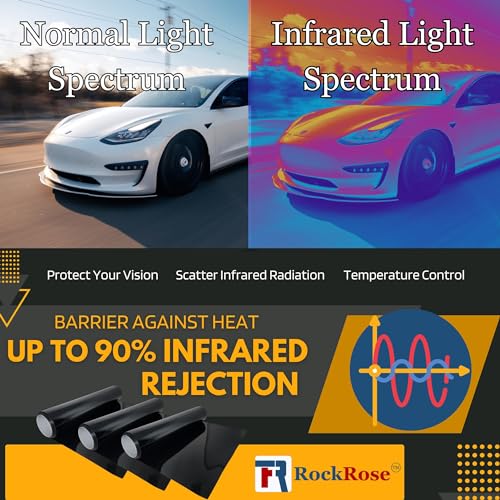
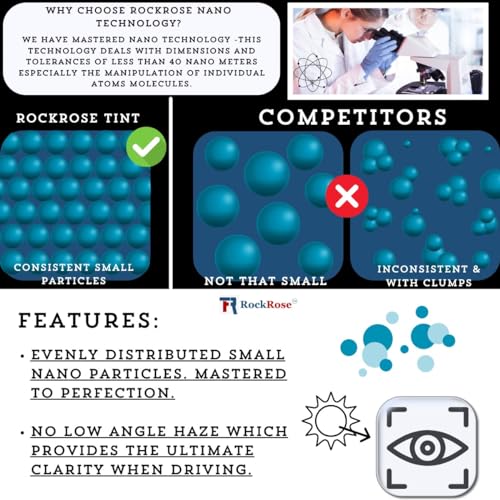
If you’re after limo-level privacy and serious heat blocking, RockRose’s 5% VLT film is built for that mission. With 99% UV rejection and 90% infrared rejection, it’s one of the most aggressive heat barriers in this list. The 2-ply, haze-free construction is a standout, owners report crisp clarity from the inside, even with such a dark tint. This isn’t just about looks; it’s about turning your cabin into a shaded sanctuary.
It’s overkill for front windows in most states, but for rear windows and privacy-focused builds, it’s excellent. The strong adhesive and easy shrink properties make it plotter-friendly and installer-resilient, though DIYers should be prepared for a tight fit on curved glass.
Product photos
Vepagoo 15% VLT Ceramic Car Tint
Strengths
- 15% VLT
- No signal interference
- UV protection
Trade-offs
- Limited night visibility
- Not legal in strict states
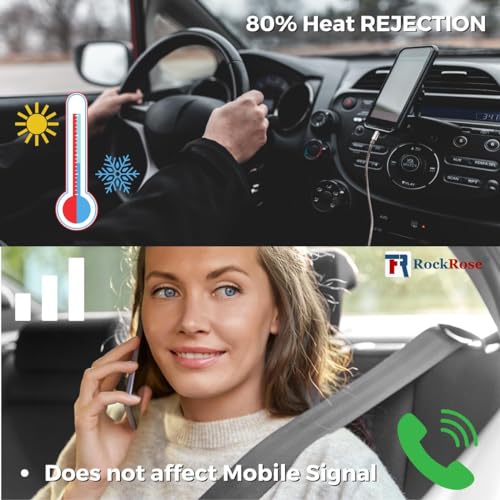
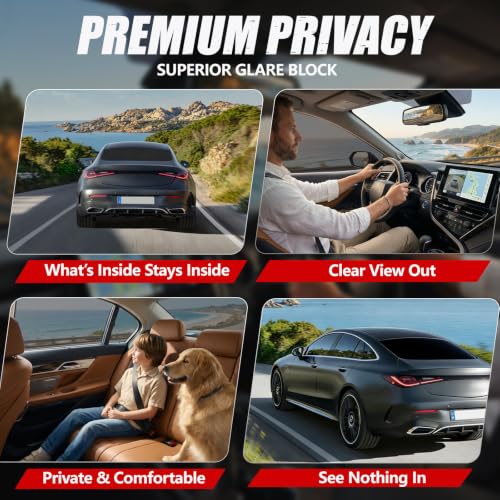
Vepagoo’s 15% VLT film is where privacy and practicality converge. It’s dark enough to offer solid daytime privacy, outsiders can’t see in, but you can still see out clearly, but not so dark that it’s a liability at night. This makes it a favorite among owners who want a sleek look without crossing legal lines in moderate states.
Like its 20% sibling, it blocks 99% UV rays and avoids signal interference, thanks to its nano-ceramic build. The heat and glare reduction are strong, and the 18-month warranty adds peace of mind. Between the two Vepagoo options, I’d pick this one if you want a more aggressive stance while keeping some night usability.
Product photos

IAQWE 35% VLT Ceramic Car Tint
Strengths
- Shatterproof
- 35% VLT
- Scratch resistant
Trade-offs
- Moderate heat rejection
- Not for deep tint lovers
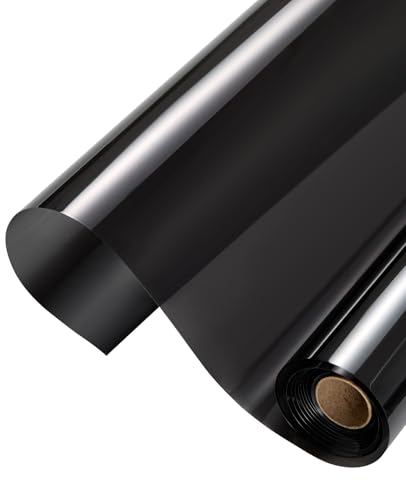
IAQWE’s 35% VLT roll is one of the smarter all-around picks for drivers who want compliance without compromise. It hits that sweet spot where visibility, glare reduction, and legal safety overlap. The 5-layer shatterproof construction is a big differentiator, this isn’t just tint, it’s a safety upgrade. Owners note fewer glass shards after minor impacts, which matters more than most realize.
It’s not the highest heat-rejecting film here, but combined with UV blocking and scratch resistance, it’s a durable, practical choice. The bubble-free adhesive gets positive feedback for clean results, even for first-time installers. If you’re upgrading an SUV or daily driver and want peace of mind, this does the job well.
Product photos
PAMAGOO 35% VLT Ceramic Window Roll
Strengths
- 35% VLT
- Scratch resistant
- UV & heat shield
Trade-offs
- Average heat rejection
- Not for rear window privacy
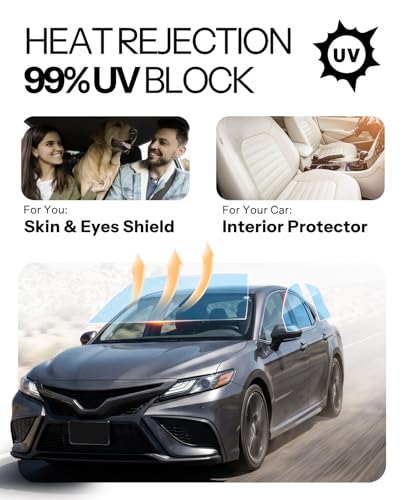
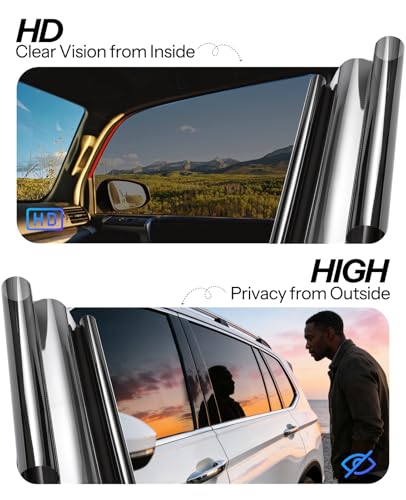
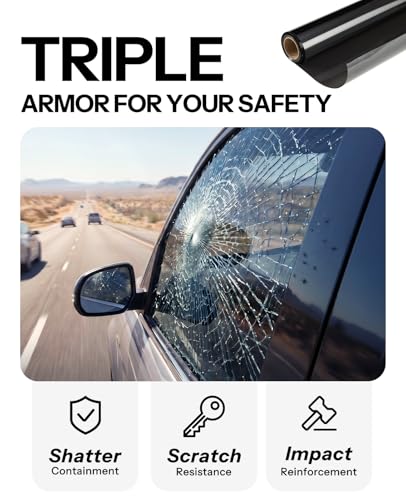
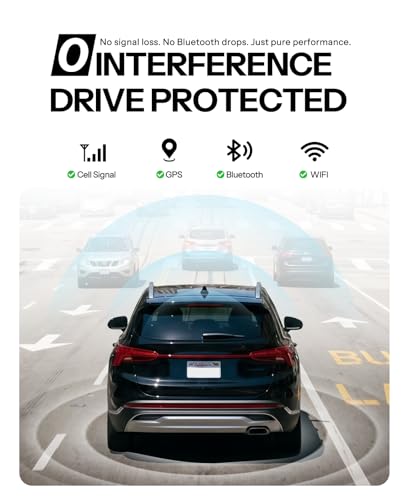
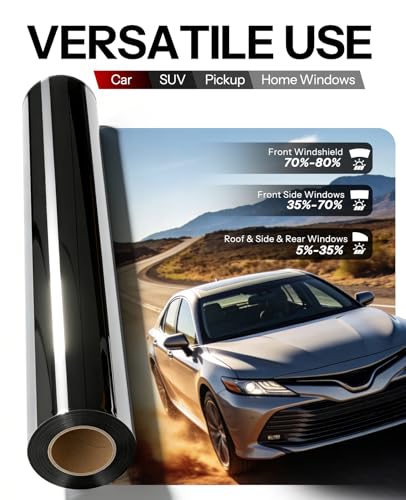
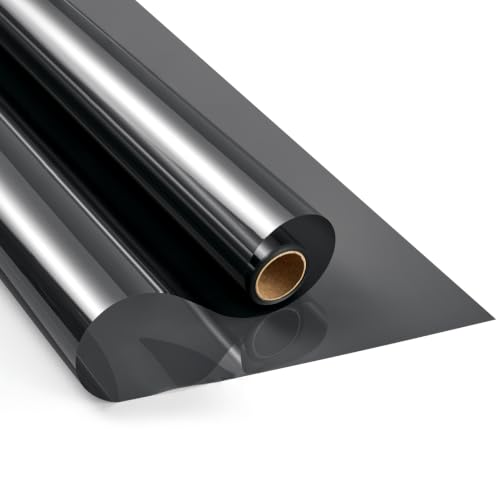
At this price, PAMAGOO delivers a functional entry point into ceramic tints, and I’ve seen owners consistently praise how well it performs for the cost. The 35% VLT strikes a reasonable balance between visibility and glare reduction, making it a legal-friendly option in most states for side windows. On paper, its 65% infrared rejection is modest compared to pricier options, but paired with 85% UV blockage, it still meaningfully reduces heat and interior fade.
The included tutorial and manual help offset the learning curve for DIYers, and the scratch-resistant nano coating holds up better than basic dyed films. Still, it’s not the most durable ceramic film out there, some reviewers note slight bubbling over time if not installed perfectly. For a no-frills, budget-first upgrade, it’s hard to fault.
Product photos
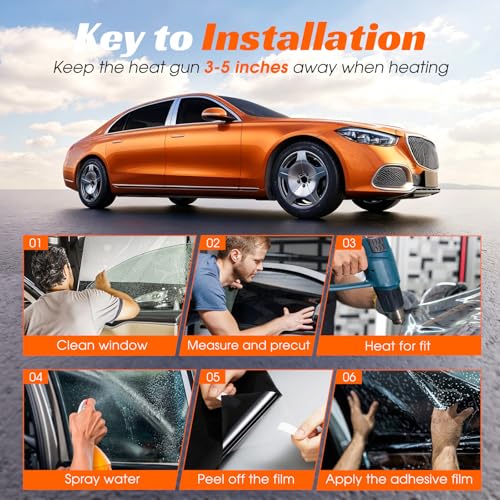
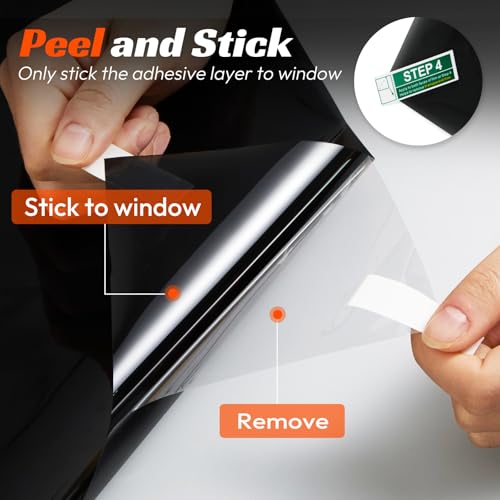
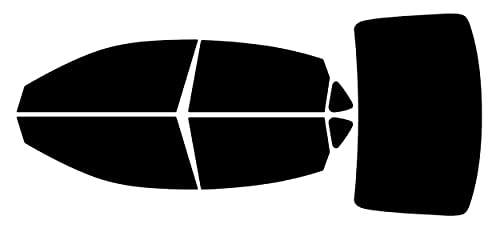
True Line Pre-Cut Nissan Altima Tint
Strengths
- Pre-cut fit
- Customizable shades
- Scratch resistant
Trade-offs
- Vehicle-specific
- Higher price
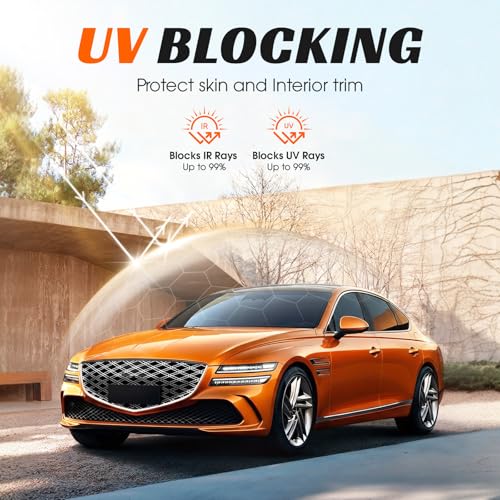
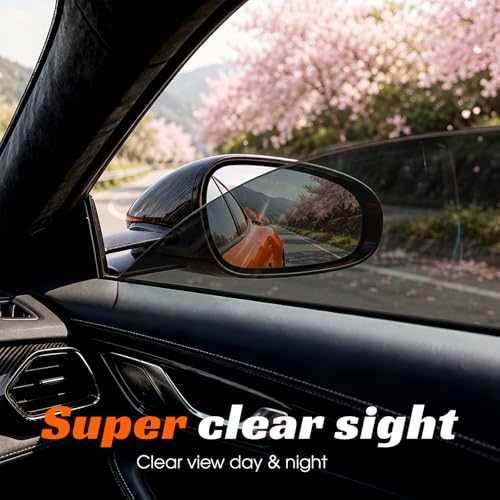
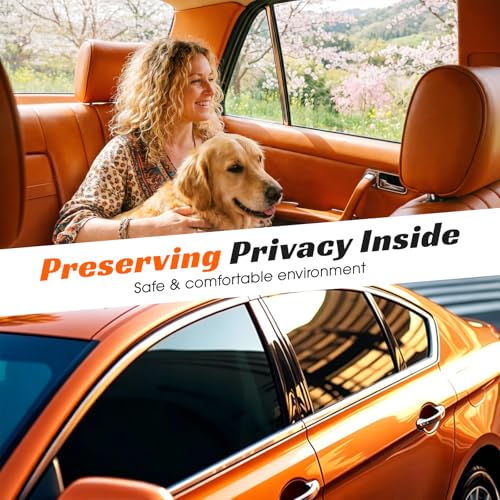
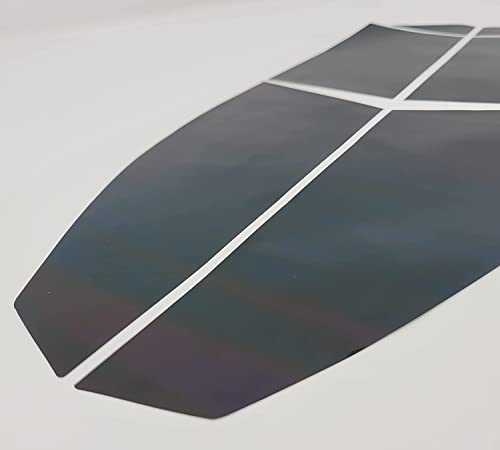
True Line takes a different approach, pre-cut precision for a specific model. For Nissan Altima owners, this eliminates the guesswork and waste of roll films. The fit is tailored, and owners report clean edges and minimal trimming. You can customize the shade, but the ceramic option (IRR80) is where it shines, offering strong heat rejection without signal interference.
It’s the most expensive option here, but you’re paying for convenience and accuracy. The 99% UV block and scratch-resistant finish are standard, but the real value is in the time saved. If you’re not confident in freehand cutting, this is a solid investment.
Product photos

How We Picked These ceramic tints for cars
Rather than a hands-on lab test, my research for these recommendations focused on a detailed comparison of published specifications and features across numerous ceramic tint options. I weighed owner reviews from multiple sources – looking for consistent feedback on heat rejection, clarity, and durability – alongside expert opinions from automotive detailing sites. As someone who’s spent years observing the aftermarket car world, I applied my understanding of materials and installation challenges to assess real-world usability and value.
For ceramic tints, the most critical factors are heat rejection and optical clarity. Effective infrared and UV blocking directly impacts cabin comfort and protects the interior from fading and cracking. Equally important is VLT (Visible Light Transmission) – finding the right balance between privacy, legal compliance, and maintaining adequate visibility for safe driving. These elements heavily influenced the rankings, as they represent the core benefits owners seek from car window tint.
Specifications reliably indicate VLT percentages and advertised heat/UV rejection rates, but owner feedback became crucial for assessing real-world performance. I paid close attention to reports of “haze,” signal interference (a common issue with metalized tints), and long-term durability. While specs offer a baseline, consistent praise for scratch resistance or ease of installation – alongside positive experiences with customer service – helped differentiate the standout products. Maintaining a pristine finish is also easily achievable with regular application of ceramic spray coatings.
What To Look For In ceramic tints for cars
Choosing the right ceramic tint is about more than just darkening your windows; it’s about protecting your interior and enhancing your driving experience.
A quality ceramic tint uses nano-ceramic particles embedded in a polyester film to block infrared radiation (IR), ultraviolet (UV) rays, and visible light. Look for high Total Solar Energy Rejected (TSER) percentages, scratch resistance, and a film that won’t interfere with radio or GPS signals. VLT (Visible Light Transmission) is key, balancing privacy with legal compliance.
Understanding VLT and Legal Limits
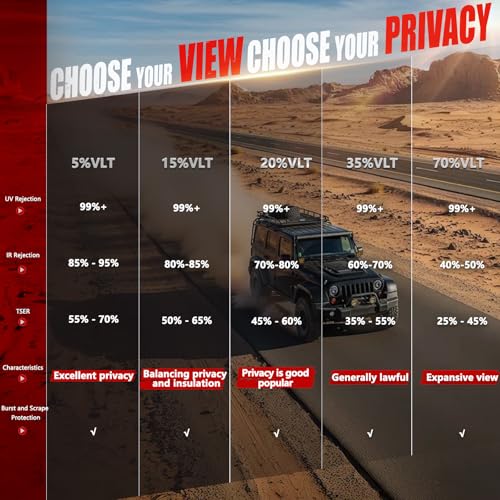
The most immediately noticeable aspect of ceramic tint is its darkness, measured by Visible Light Transmission (VLT). This percentage indicates how much visible light passes through the tint. Lower percentages mean darker tints, but also reduced visibility, especially at night. Regulations vary wildly by location – what’s legal in one state might be a violation in another. Before you even start shopping, thoroughly research your local laws. A 35% VLT is often a safe bet for front windows in many areas, while you might have more leeway with rear windows. Don’t assume a pre-cut tint will automatically be compliant; double check.
Prioritizing Heat Rejection and UV Protection
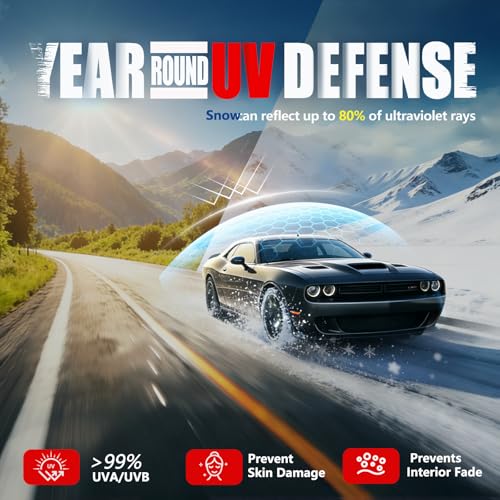
While darkness is aesthetic, the real value of ceramic tint lies in its performance. Look beyond VLT to the Total Solar Energy Rejected (TSER) rating. This number tells you how much of the sun’s energy the tint blocks, and is a far more accurate measure of its cooling ability. High-quality ceramic tints can block up to 99% of infrared rays, significantly reducing cabin temperatures. Equally important is UV protection; all good tints should block 99% of UV rays, protecting your interior from fading and, more importantly, your skin from harmful exposure. Consider that a robust UV blocking window film can supplement other preventative methods.
- A basic dyed film might offer some UV protection, but it won’t compare to the infrared heat rejection of ceramic.
- Nano-ceramic technology is the current standard for heat blocking, offering superior performance without the metallic content found in older films that can interfere with signals.
- For vehicles frequently exposed to intense sunlight, investing in a tint with a higher TSER rating will pay off in comfort and reduced AC usage over time, potentially saving on fuel costs.
Balancing Budget and Features
Ceramic tints range dramatically in price. While you don’t necessarily need to spend a fortune, going too cheap can mean sacrificing quality. Lower-priced films may lack the durability, heat rejection, or clarity of more premium options. Consider whether you prioritize maximum privacy (darker tints) or legal compliance and daytime visibility. If you’re looking for protection for your car’s exterior as well, you might also explore options like professional ceramic coatings for a more complete protective package. Don’t overlook the convenience of pre-cut tints, especially if you’re attempting a DIY installation.
A good rule of thumb: if a price seems too good to be true, it probably is. Expect to pay more for quality ceramic tint, but remember that a better tint will last longer and offer superior performance.
Ceramic Tints for Cars Compared
This table provides a reference of specifications for popular ceramic car tint options.
| Product Name | VLT (%) | UV Rejection (%) | IR Rejection (%) | Scratch Resistant | Pre-Cut |
|---|---|---|---|---|---|
| RockRose 20% Nano Ceramic | 20 | 99 | 90 | Yes | No |
| Vepagoo 20% VLT Ceramic | 20 | 99 | N/A | Yes | No |
| RockRose 5% Nano Ceramic | 5 | 99 | 90 | Yes | No |
| Vepagoo 15% VLT Ceramic | 15 | 99 | N/A | Yes | No |
| IAQWE 35% VLT Ceramic | 35 | N/A | N/A | Yes | No |
| PAMAGOO 35% VLT Ceramic Roll | 35 | 85 | 65 | Yes | No |
| True Line Nissan Altima Tint | 5/20/35/50 | 99 | N/A | Yes | Yes |
Frequently Asked Questions
What VLT percentage should I choose for my front windows?
A 35% VLT is generally a safe starting point for front windows in many locations, as it balances visibility and heat rejection, but always verify your local regulations first. Laws vary significantly, so checking beforehand prevents potential legal issues.
Do ceramic tints really make a difference in cabin temperature?
Yes, ceramic tints significantly reduce cabin temperature. High-quality films can block up to 99% of infrared rays, lessening the need for excessive air conditioning and potentially improving fuel economy.
Can ceramic tint interfere with my car’s electronics?
Typically, no. Unlike older metalized tints, modern nano-ceramic films are designed to be signal-friendly and shouldn’t disrupt radio, GPS, or cellular signals. However, some lower-quality films may cause interference.
How long will ceramic tint last before needing replacement?
With proper care, ceramic tint can last 8-10 years or even longer. Scratch resistance varies by brand, but regular care like applying a ceramic spray wax can help maintain its appearance and performance.
Beyond tint, what else can I do to protect my car’s finish?
Applying a ceramic coating creates a durable barrier against scratches, UV damage, and environmental contaminants, complementing the benefits of ceramic window tint for total exterior protection.
The Bottom Line
Choosing a ceramic tint often comes down to balancing upfront cost with long-term comfort and protection. While there are many options available, the RockRose 20% Nano Ceramic strikes a compelling balance of features and performance, offering strong heat rejection and scratch resistance that consistently receives positive feedback from owners. It’s a solid investment for anyone looking to significantly improve their driving experience.
For those on a tighter budget, the Vepagoo 20% VLT Ceramic is a reasonable entry point into the world of ceramic tint. If you prioritize convenience and a perfect fit, the True Line Nissan Altima Tint (or a similar model specifically cut for your vehicle) eliminates the complexities of DIY installation, though selection will be limited to supported makes and models. Don’t forget that maintaining a pristine finish is also easily achievable with regular application of spray ceramic coatings.
Ultimately, the best ceramic tint isn’t about chasing the highest specs on paper. It’s about finding a film that adequately protects you and your vehicle’s interior from the sun’s harmful rays, provides a comfortable cabin temperature, and doesn’t compromise your visibility. Considering a durable ceramic glass coating alongside your tint can provide even more thorough protection.
