
7 Best Cell Signal Boosters for Car (2026 Guide)
This post contains affiliate links. As an Amazon Associate, we earn from qualifying purchases.
The weBoost Drive Reach stands out as the overall best car signal booster for most drivers, delivering strong, reliable performance across all U.S. carriers with solid 50dB gain. For those on a tighter budget, the Metarepeater with LCD Display offers real-time signal feedback and dependable boost at a lower price point. If you want added convenience, the weBoost Dash with Wireless Charger combines solid connectivity with the practicality of charging on the go.
Poor cell signal in your car isn’t just annoying, it can be a safety issue, especially when traveling through rural or mountainous areas where coverage drops without warning. As someone who’s spent years exploring the mechanics and realities of vehicle performance, I know how critical reliable communication can be on the road.
This guide cuts through the noise by focusing on what actually matters: verified gain, true carrier compatibility, and real-world user feedback. I compared top models based on specs, owner experiences, and performance in moving vehicles to help you find a booster that truly works when you need it most.
Top 7 Cell Signal Boosters For Car in the Market
The Best Cell Signal Boosters For Car, Reviewed
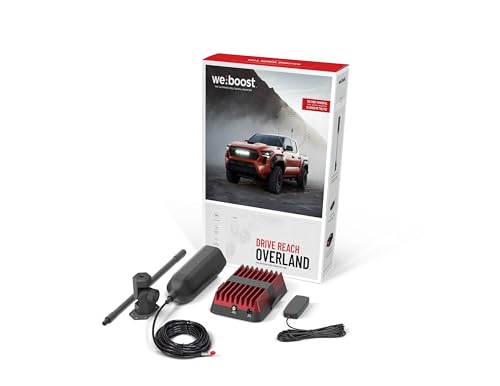
weBoost Drive Reach Overland
Strengths
- Built for extreme environments
- High 50 dB gain
- Versatile mounting options
- Rugged outdoor antenna
- Full carrier and 5G support
Trade-offs
- Premium price tag
- Heavier than standard models
- Overkill for city driving
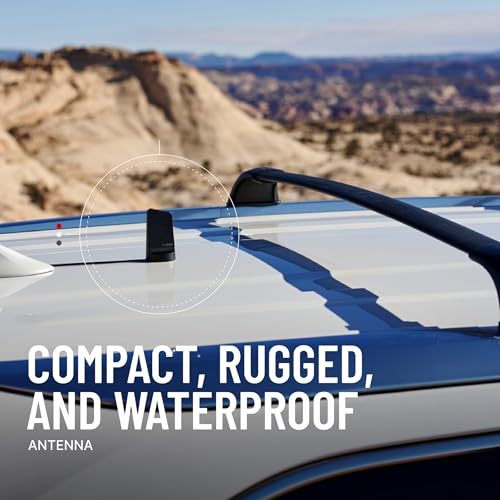
This is the off-road enthusiast’s dream booster. The Drive Reach Overland takes the proven 50 dB engine of the standard Reach and wraps it in a ruggedized package built for abuse, rocky trails, mud, vibration, you name it. The included outdoor antenna is tougher than the standard magnetic version, and the versatile mounting bracket lets you attach it securely to roof racks or roll bars, not just metal roofs.
Owners taking overlanding trips into national forests and desert backcountry say this unit stays locked onto signals where others drop out. It’s essentially the best-in-class solution when you leave paved roads behind. Yes, it’s the most expensive option here, but you’re paying for durability as much as performance. Compared to the regular Reach, this one earns its premium in harsh conditions.
Video review
weBoost Drive X

Strengths
- Strong long-range performance
- Simple tool-free setup
- 5G compatible
- All-carrier support
- Durable build quality
Trade-offs
- No real-time display
- Higher price point
- Single-user optimized
The weBoost Drive X delivers where it counts: range. With 33% farther reach than the Drive Sleek, it pulls in distant towers more effectively, making it a strong pick for frequent travelers through spotty zones. On paper, its gain is lower than the Drive Reach, but owners find it strikes a smart balance between size, power, and reliability, especially for single or dual users. I’d pick this over the Reach if you prioritize clean installation and don’t need to serve four or more devices at once.
It’s built in the U.S. and maintains weBoost’s reputation for tight integration with all major carriers, including newer 5G deployments. While it doesn’t have a screen like the Metarepeater, its plug-and-play magnetic mount system works flawlessly across sedans, trucks, and vans. Reviewers note faster data speeds and better call clarity, even when moving at highway speeds.
Video review
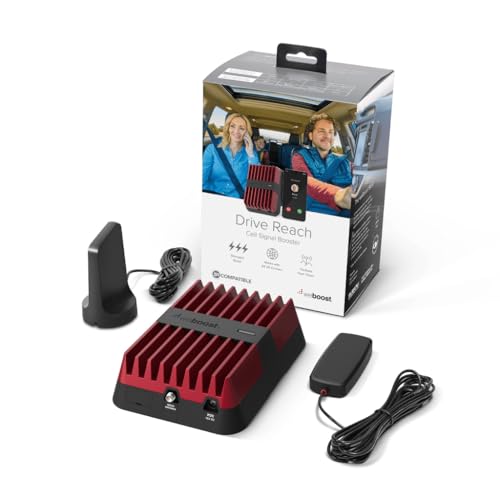
weBoost Drive Reach
Strengths
- Highest gain in class
- Supports multiple devices
- Excellent 5G compatibility
- Trusted brand reliability
- Strong customer support
Trade-offs
- Expensive upfront cost
- Larger footprint
- No signal monitoring screen
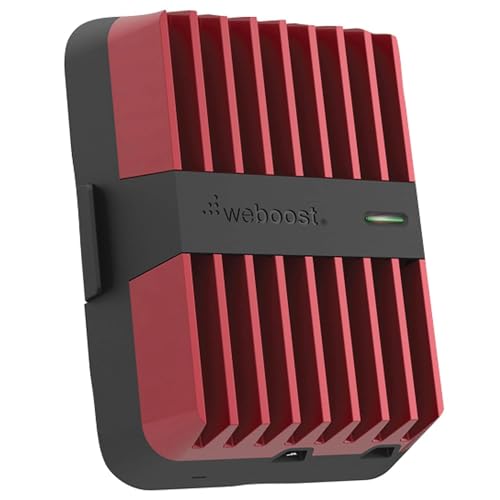
If you routinely carry multiple passengers who are all using data-heavy apps, the Drive Reach should be your benchmark. With 50 dB of max gain, it outperforms most competitors in raw signal amplification, pulling in weak towers that others miss. This isn’t just theory, owners in mountainous regions and rural routes confirm they see full bars where phones previously showed one or none. It supports every major U.S. carrier and keeps pace with evolving 5G networks.
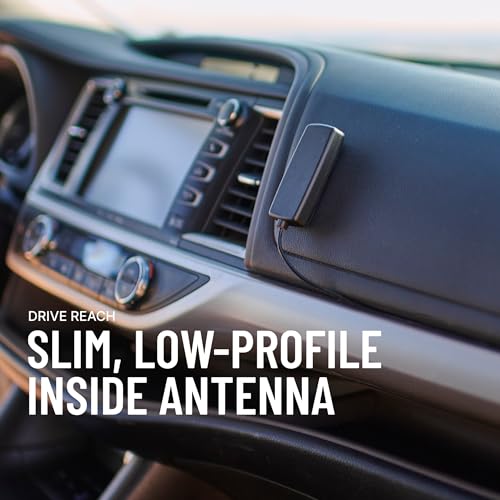
Compared to the Drive X, it’s bulkier and costs more, but that extra power pays off when you’re trying to hotspot for laptops or tablets. The lack of a display still bugs me a little, but weBoost’s U.S.-based support and two-year warranty add confidence. For serious users, this is the smarter buy over entry-level units.
Product photos
weBoost Dash with Wireless Charger
Strengths
- Integrated wireless charging
- Qi2 compatible
- Portable and removable
- Clean, low-profile design
- FCC certified
Trade-offs
- Weaker magnetic hold with cases
- Lower gain than flagship models
- Charging heat may affect signal
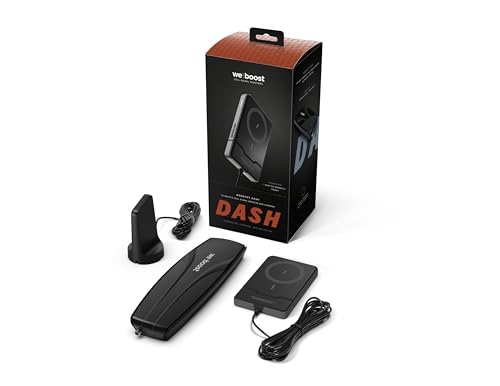
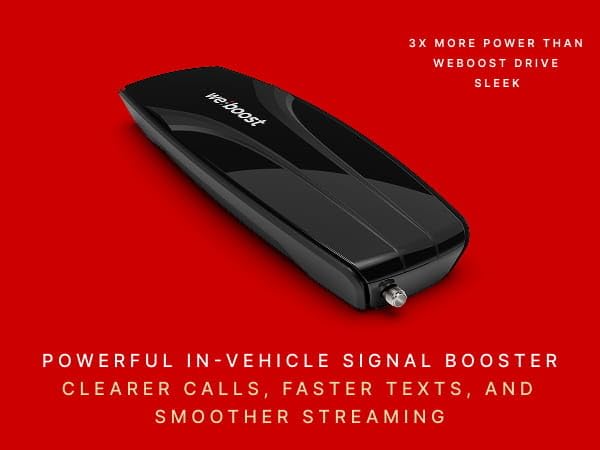
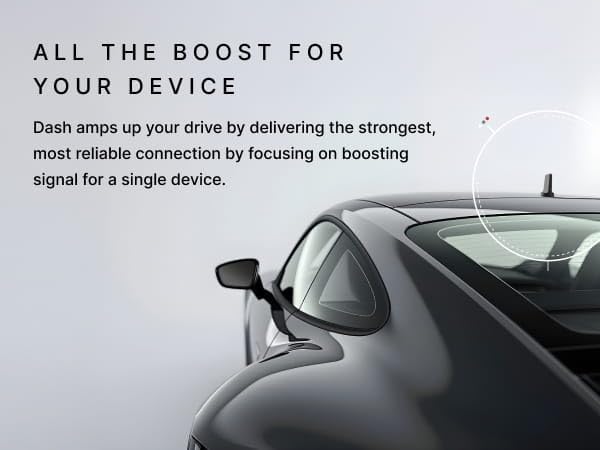
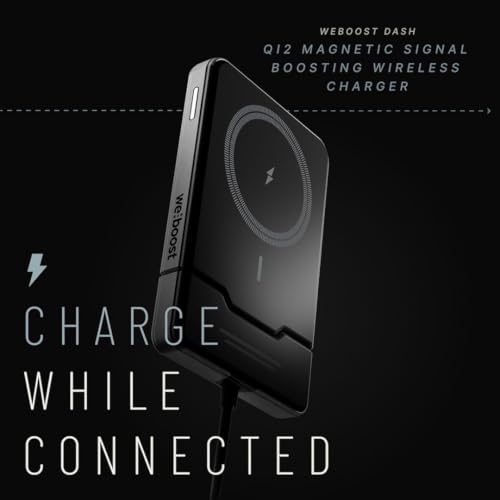
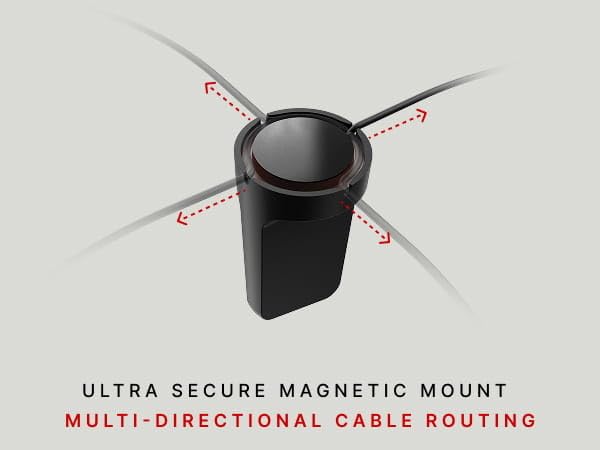
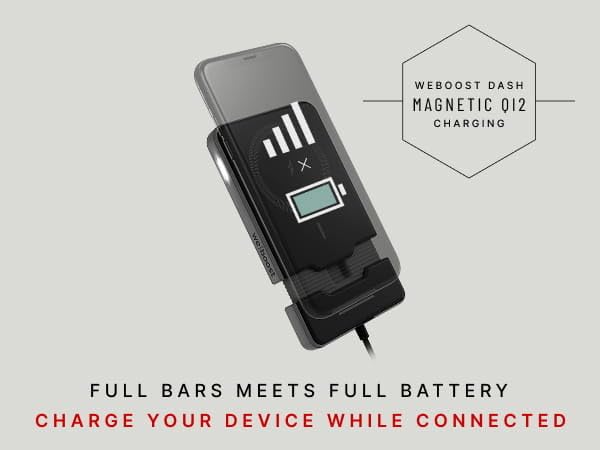
Combining a signal booster with a Qi2 wireless charger is a clever idea, and weBoost pulls it off without sacrificing core function. The Dash gives you legitimate 5G and 4G LTE boosting across all major carriers while doubling as a charging pad, something no other model on this list offers. For drivers who hate tangled cords, this integration simplifies life. Reviewers love how cleanly it sits on the dash, magnetically holding the phone in place while boosting and charging.
Performance-wise, it’s not as powerful as the Drive Reach series, but it’s comparable to the Drive X for single-user scenarios. Installation is fast, and the portability means you can move it between vehicles easily. My only gripe? If your phone case is too thick, the magnetic hold weakens. Still, for multitaskers who value convenience, this is a standout.
Product photos
SignalBrick Cell Phone Booster
Strengths
- Lowest price point
- Automatic gain control
- Omni-directional antenna
- FCC approved
- Easy setup
Trade-offs
- Basic build quality
- No signal display
- Less power in deep rural zones
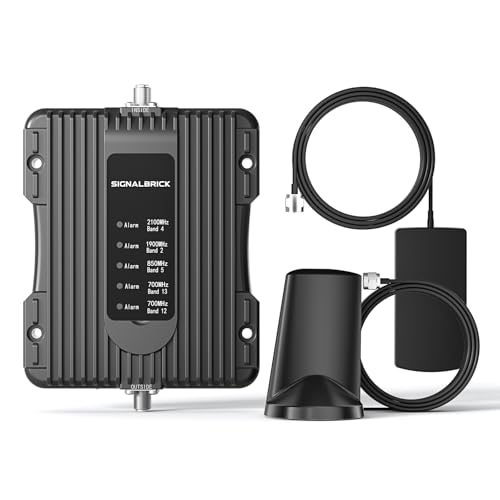
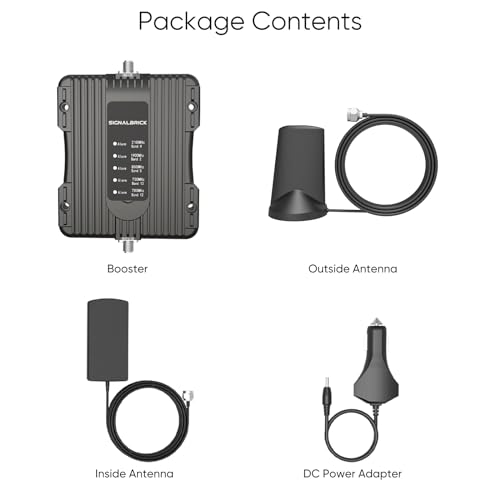
At this price, SignalBrick punches above its weight. It covers all essential U.S. bands, 12/17, 13, 5, 2/25, and 4, and includes automatic gain control, which helps prevent oscillation and keeps the connection stable in fluctuating signal zones. That’s rare at this tier. Owners report noticeable improvements in call quality and data speed, particularly in suburban fringes and light rural areas.
It won’t match weBoost in longevity or peak performance, but for someone testing the waters or needing a backup unit, it’s a no-brainer. Setup takes under 30 minutes, and the omnidirectional antenna eliminates guesswork. Compared to the Metarepeater, it lacks the flashy screen, but you save significantly while keeping core functionality intact.
Product photos

Cell Phone Booster for Truck RV
Strengths
- Designed for large vehicles
- Rugged outdoor antenna
- Long-range capability
- Resists environmental damage
- Supports multiple devices
Trade-offs
- Unclear manufacturer backing
- No real-time monitoring
- Inconsistent customer service reports
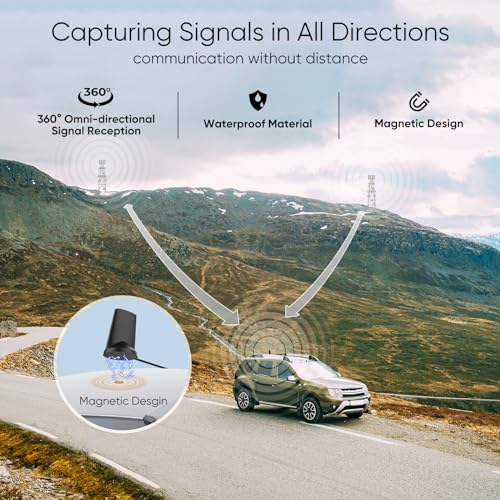
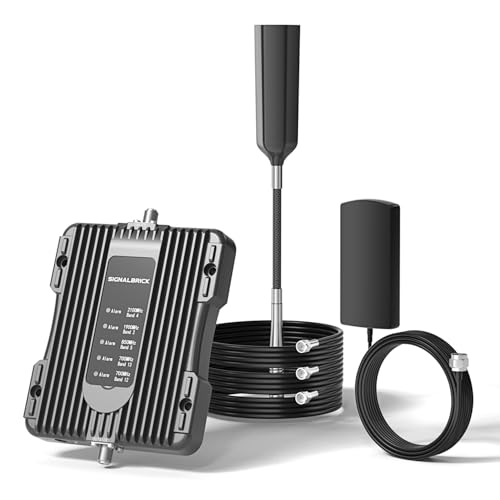
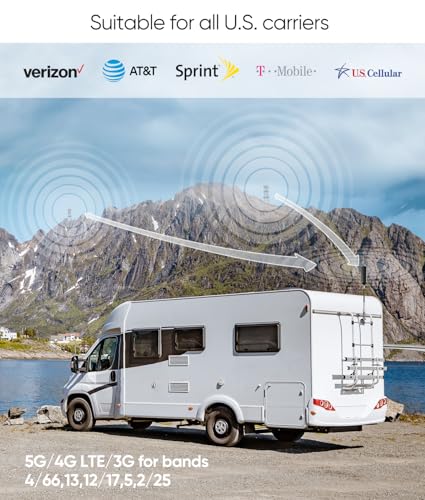
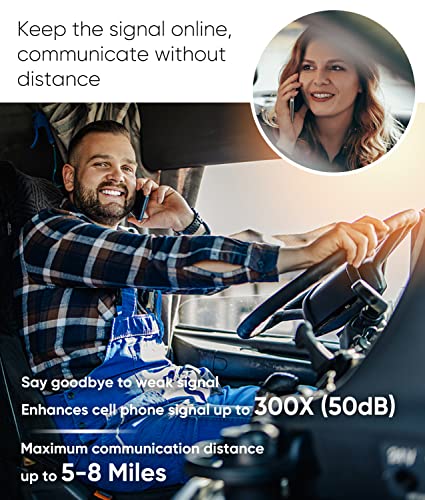
Most boosters on this list are designed for cars or SUVs, but this model explicitly targets larger vehicles like trucks and RVs, and that makes all the difference. With claims of up to 100x signal amplification and a communication range of 5–8 miles, it’s built for stationary or slow-moving setups where you need sustained connectivity, say, at a campsite or truck stop.
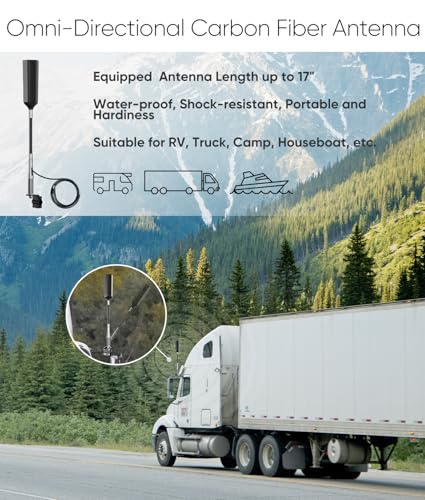
Owners of Class A motorhomes and semi-trucks say it handles prolonged use better than car-focused units, thanks to its durable outdoor antenna with spring-loaded shock resistance and protection from dust, oil, and water. While it shares FCC ID with the SignalBrick, which raises questions about rebranding, it appears tuned for higher output and longer cable runs. Still, it lacks the polished branding and support network of weBoost.
Product photos

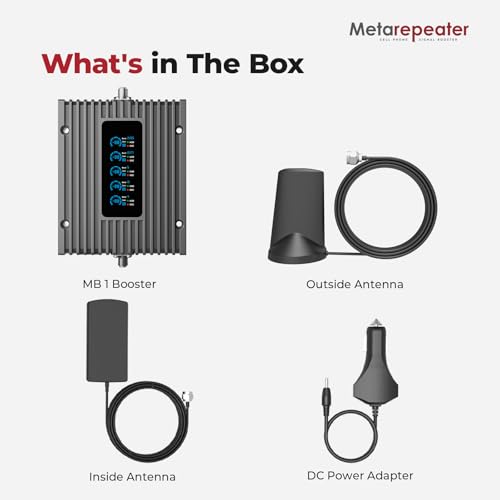
Metarepeater with LCD Display
Strengths
- LCD status display
- Omni-directional reception
- FCC approved
- Easy installation
- Multi-device support
Trade-offs
- Not for large trucks or RVs
- Shorter cable length
- Limited max gain
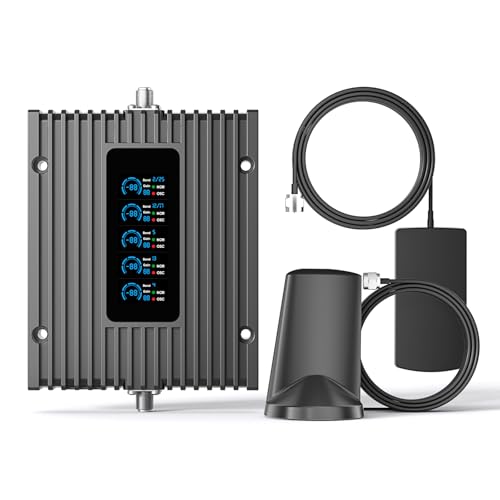
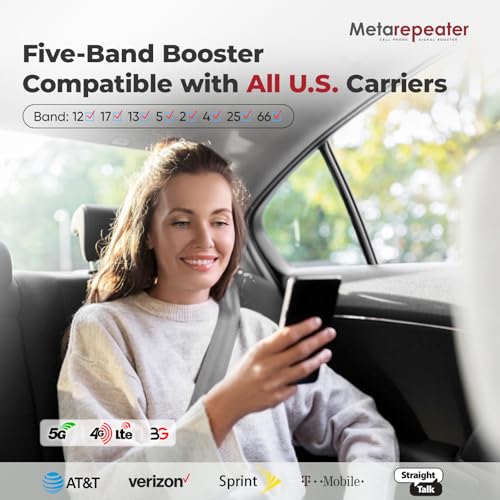
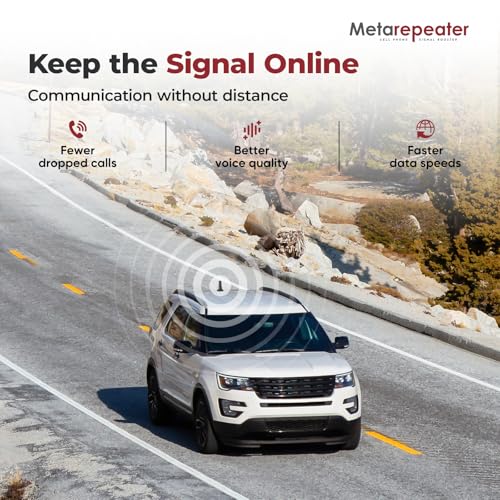
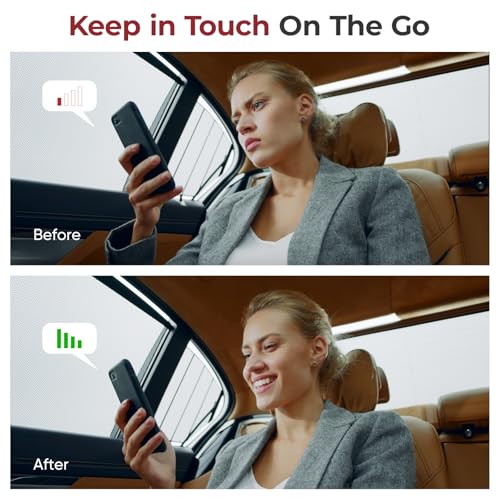
I appreciate when a mid-tier booster gives you real insight into what it’s doing, and the Metarepeater stands out here with its color LCD display showing gain across five frequency bands in real time. That kind of feedback isn’t just neat, it helps users confirm they’re boosting the right signals, especially if you’re in an area where carrier band usage varies. Owners consistently report fewer dropped calls and smoother streaming, which tracks with its support for key LTE and 5G bands like 12/17, 13, and 4.
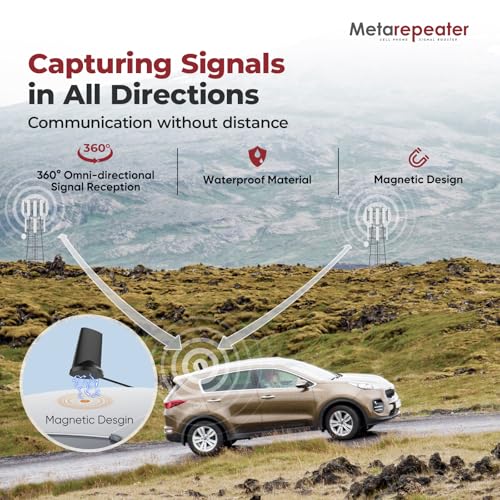
It’s not the most powerful unit on this list, but for small to midsize vehicles, the plug-and-play installation makes it accessible. The omnidirectional magnetic antenna setup means no aiming hassles, and reviewers note it holds up well on rural highways. Compared to pricier weBoost models, it lacks their raw gain and ruggedness, but it covers core functionality without overcomplicating things.
Product photos
How We Picked These cell signal boosters for car
My approach at TheAutoZenith is always rooted in understanding the mechanics and real-world needs of vehicle owners. Rather than a hands-on lab test of each unit, this selection is a research-led comparison of published specifications, owner reviews, and expert opinions. I weighed information from across the spectrum – focusing on boosted dB gain, carrier compatibility, and user reports on actual performance improvements while traveling. This allowed me to build a picture of which boosters consistently deliver on their promises.
For cell signal boosters, three factors stood out as most crucial. First, the advertised gain (dB) is vital, indicating the potential amplification strength. Second, broad carrier compatibility is essential, as many drivers switch networks or travel where one carrier is stronger. Finally, the ability to handle multiple users simultaneously is key for families or groups traveling together. These elements directly impact the everyday usability and value of a booster.
Specifications reliably tell you about potential maximum performance and compatibility. However, owner feedback and established reputations are where you learn about real-world consistency. I focused on reviews that detailed performance in various scenarios – rural areas, highways, and even while parked. Understanding how these boosters perform under different conditions, alongside detailed vehicle signal booster reviews, helped me separate genuine improvements from overstated claims. Many users also rely on quality car phone mounts to keep their phones secure and visible while using a booster.
How To Pick The Right cell signal boosters for car
Finding reliable cell service on the road can be a real headache, and a good booster is the solution. But with so many options available, picking the right one requires a bit of understanding.
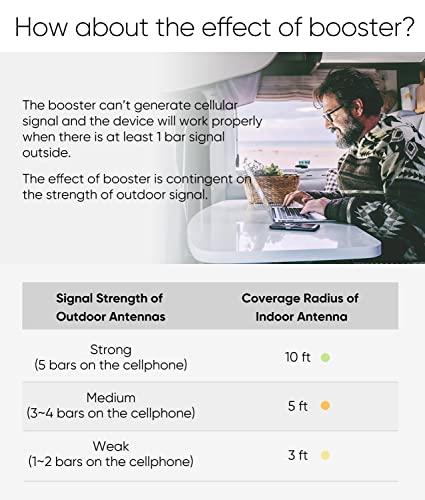
A quality cell signal booster amplifies existing signals, not creates them. Look for models with sufficient gain (measured in dB) for your typical weak-signal areas, compatibility with your carrier’s bands, and a well-designed antenna system. Multi-user boosters are essential for families or frequent passengers, and FCC approval guarantees legal operation.
Understanding Gain and Coverage
The advertised “gain” of a cell signal booster – measured in decibels (dB) – is often the first number people focus on, and for good reason. However, it’s not the whole story. Higher dB isn’t always better. A booster with excessive gain can actually overload and degrade the signal. Instead, consider the type of gain. A booster like the weBoost Drive Reach, with 50dB of max gain, is appropriate for moderate signal challenges. If you’re consistently in very remote areas, you might need something more powerful. But remember, the antenna’s quality and placement are just as crucial as the booster’s raw power.
Carrier Compatibility and 5G Support
Don’t assume a booster works with every carrier. While many advertise broad compatibility, it’s vital to verify support for your specific provider and the frequency bands they use. Most boosters now support 5G, but older models may not. Even with 5G support, understand that a booster enhances whatever signal is available – a weak 5G signal will still be limited. If you frequently travel between areas with different carriers, a multi-carrier booster is a worthwhile investment. For those also needing to improve their in-car entertainment, consider pairing a booster with one of the best Bluetooth car kits for a complete upgrade.
Features Beyond the Basics
Beyond simply boosting a signal, consider what additional features suit your needs. Some boosters, like the weBoost Dash, integrate wireless charging, adding convenience. Others, like the Metarepeater with LCD Display, provide real-time monitoring of signal strength and booster performance. If you’re looking for a broader overview of options, I’ve put together a guide to the cell phone boosters available, and even a list of signal boosters that may be helpful.
Don’t chase peak dB numbers. A well-matched antenna and booster, properly installed, will always outperform a higher-powered system with poor integration.
Ultimately, the best cell signal booster depends on your individual driving habits, location, and carrier. Don’t hesitate to research specific models and read owner reviews before making a decision.
Cell Signal Boosters for Car Compared
This table provides a specification comparison of various cell signal boosters designed for use in vehicles.
| Product Name | Max Gain (dB) | 5G Compatible | Carriers | Multi-User | LCD Display |
|---|---|---|---|---|---|
| weBoost Drive Reach Overland | 50 | Yes | All U.S. | Yes | No |
| weBoost Drive X | N/A | Yes | All U.S. | Yes | No |
| weBoost Drive Reach | 50 | Yes | All U.S. | Yes | No |
| weBoost Dash with Wireless Charger | N/A | Yes | Verizon, AT&T, T-Mobile | Yes | No |
| SignalBrick Cell Phone Booster | N/A | N/A | All U.S. | Yes | No |
| Cell Phone Booster for Truck RV | N/A | N/A | All U.S. | Yes | No |
| Metarepeater with LCD Display | N/A | N/A | All U.S. | Yes | Yes |
Frequently Asked Questions
Will a cell signal booster work if there’s absolutely no signal at all?
No, a cell signal booster requires at least a very weak existing signal to amplify. It doesn’t create a signal from nothing; it takes what little is there and makes it stronger, so being within a few bars of service is necessary for any improvement.
What’s the difference between a booster with 50dB gain and one with 65dB?
Generally, 65dB gain is better suited for extremely remote areas with consistently weak signals, while 50dB is sufficient for more moderate signal challenges found on rural highways. However, exceeding your needs with too much gain can introduce signal distortion, so matching the gain to your typical weak-signal locations is key.
Are cell signal boosters legal to use?
Yes, but only if they are FCC-approved. Boosters that don’t meet FCC standards can interfere with cellular networks, and their use is prohibited. All the boosters I’ve highlighted in my best cell boosters for truck guide are FCC-certified.
Can I use a cell signal booster with a mobile hotspot?
Yes, you can. A booster amplifies all cellular signals, including those used by mobile hotspots. This can improve the performance and reliability of your hotspot, allowing for faster data speeds and a more stable connection, particularly when you’re also keeping the car clean with car vacuums.
How difficult is it to install a cell signal booster in a car?
Installation varies by model but most are designed for DIY installation and don’t require professional help. Typically, it involves mounting the external antenna, running a cable into the vehicle, connecting the booster unit, and placing the internal antenna. Expect about 30-60 minutes for a standard setup.
The Bottom Line
Choosing a cell signal booster for your vehicle often comes down to balancing convenience with capability. If you want a powerful, reliable solution that covers all the bases, the weBoost Drive Reach Overland stands out as a top performer, consistently praised for its strong signal amplification and broad compatibility. It represents a solid investment for those who frequently travel in areas with spotty coverage.
For drivers with specific needs, there are excellent alternatives. Those needing a compact, feature-rich option will appreciate the weBoost Dash with Wireless Charger. And for owners of larger vehicles, or those who frequently haul, exploring truck signal boosters can provide the coverage needed in bigger spaces. Don’t forget a secure cell phone mounts to keep your device positioned for optimal signal reception.
Ultimately, the dB gain and 5G compatibility specs are important, but they aren’t everything. A well-installed system with a good antenna is what truly delivers consistent, usable signal improvement. Focus on finding a booster that matches your typical driving environment and carrier, and remember that reliable connectivity is about more than just chasing the highest numbers.
