
7 Best Carports of 2026
This post contains affiliate links. As an Amazon Associate, we earn from qualifying purchases.
The Quictent 13×26 FT Heavy Duty Metal Carport stands out as the best overall choice, offering strong snow load resistance and a durable galvanized steel build. For those on a tighter budget, the Carport 10×20 Ft Heavy Duty Canopy delivers basic protection at a lower price, while the Benass 10×16 Heavy Duty Enclosed Car Garage is our top pick if you need fully enclosed space for a workshop or added security.
If you own a vehicle, you know how quickly sun, rain, and snow can take a toll, yet garages aren’t always an option. A reliable carport bridges that gap, but not all models are built to last. Flimsy frames, poor drainage, and thin materials make some more trouble than they’re worth.
This guide cuts through the noise by focusing on what actually matters: frame strength, weather resistance, and real-world durability. We evaluated each model based on specs, owner feedback, and long-term value so you can find one that truly protects your vehicle.
Top 7 Carports in the Market
The Best Carports, Reviewed
Quictent 13×26 FT Heavy Duty Metal Carport
Strengths
- High snow load rating
- Vertical roof design
- Pre-drilled assembly
Trade-offs
- Large footprint
- No included sidewalls
- Higher price point
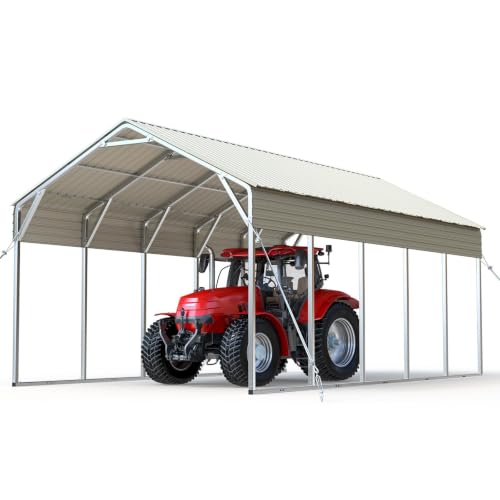
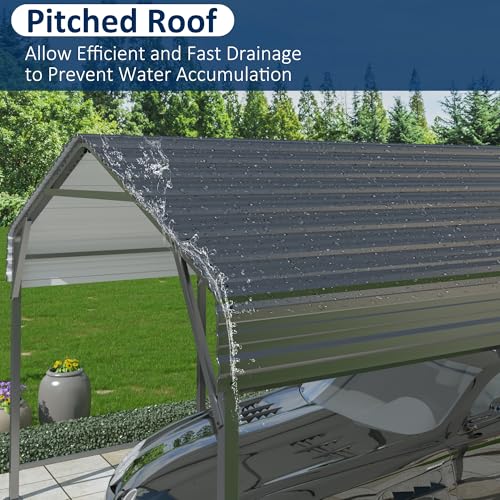
This carport stands out in a crowded field with its 35 PSF load capacity, one of the highest I’ve seen for residential-grade shelters. The combination of 6 reinforced crossbars, 18 triangle beams, and thicker steel panels gives it serious structural credibility, owners in snow-prone regions consistently report no sagging or failures, even after heavy winters. The vertical roof design isn’t just cosmetic; it delivers real-world performance by shedding snow and rain quickly, reducing the risk of pooling and collapse.
The triple-layer rustproof roof material is where this unit earns its long-term value. Between the galvanized steel, anti-corrosion coating, and UV-resistant paint, it’s built to outlast cheaper alternatives by years. Pre-drilled holes make assembly significantly easier than average, and the 10-year coverage adds peace of mind. Compared to the Benass or Aoxun models, this one trades some enclosure flexibility for raw durability and coverage.
Video review
Carport 10×20 Ft Heavy Duty Canopy
Strengths
- Extremely affordable
- Removable sidewalls
- Multi-use design
Trade-offs
- Polyethylene cover
- Low snow rating
- Less durable frame
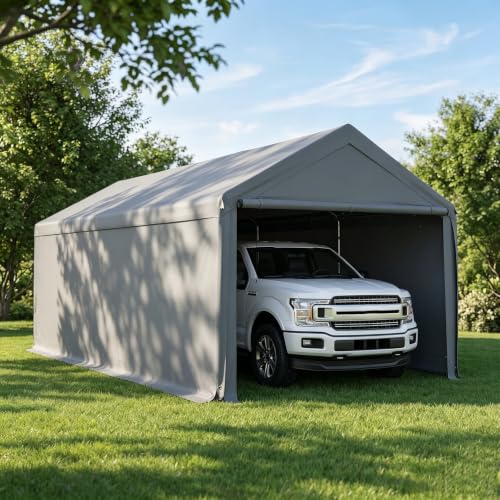
At this price, you’re not getting steel beams or pre-drilled frames, you’re getting a functional, temporary shelter. The 10×20 canopy uses a metal skeleton with a polyethylene cover, which is fine for light protection but won’t stand up to heavy snow or sustained high winds. It’s marketed as all-season, but owners in snowy areas report frequent collapse without constant snow removal.
Where it shines is versatility. The removable sidewalls and doors let you convert it into a party tent or event canopy, and setup is genuinely tool-free. For camping trips, seasonal storage, or backyard events, it’s a solid value. But compared to any of the metal-roof models here, it’s in a different class. I wouldn’t trust it for daily vehicle protection in harsh climates.
Video review
Shintenchi 12×20 FT Metal Carport

Strengths
- Excellent price-to-size ratio
- Soft edge protection
- UV-resistant finish
Trade-offs
- No sidewalls included
- Average snow rating
- Requires level ground
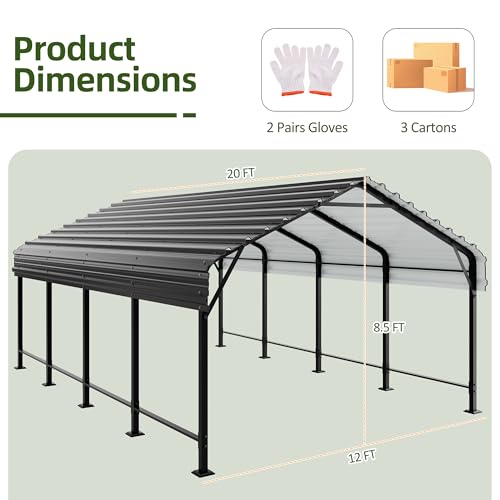
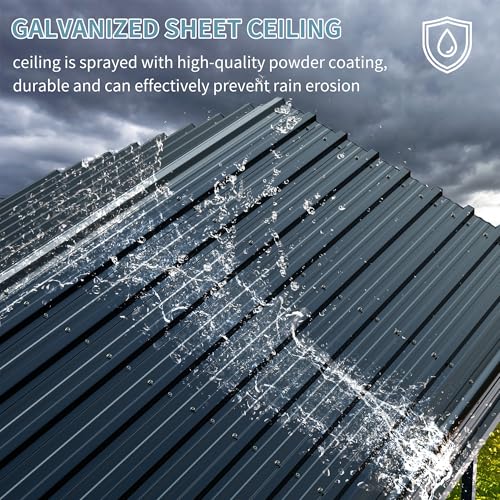
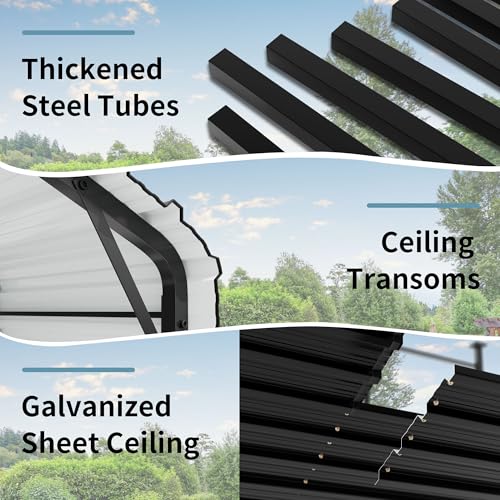
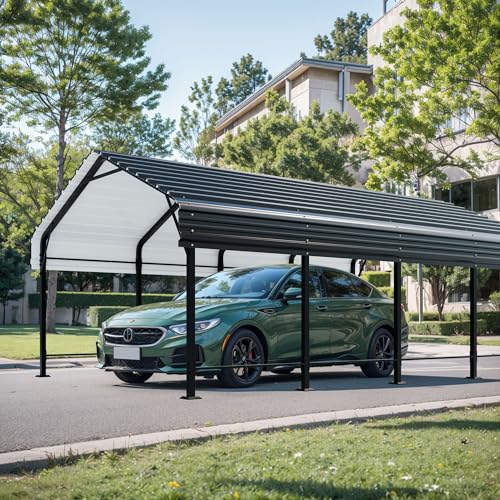
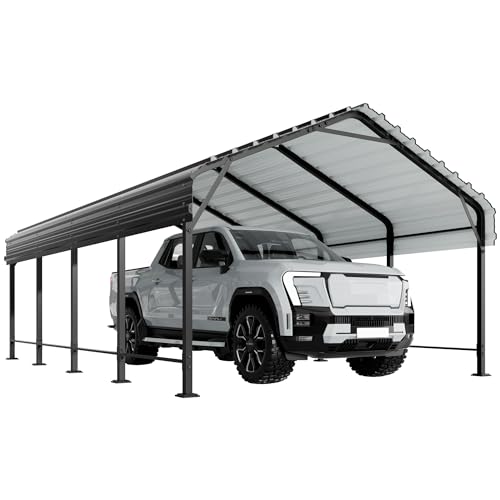
The Shintenchi delivers exceptional value for its size and build quality. At the same price as the Aoxun, it offers nearly identical specs, 12×20 coverage, galvanized steel roof, powder-coated frame, but with a few thoughtful touches like waterproof sealing tape at roof joints and soft rubber strips on edges. These small upgrades improve longevity and safety, which owners notice during installation and storm use.
It’s not the strongest in snow load or wind rating, but for most temperate to moderate climates, it’s more than sufficient. The grey finish resists fading better than white, according to long-term reviewers, and the multi-use potential, cars, boats, even event space, makes it flexible. Between this and the Aoxun, I’d flip a coin, but if you prefer grey over white, this is the smarter pick.
Product photos
Aoxun 12×20 FT Metal Carport
Strengths
- All-weather durability
- Reinforced base
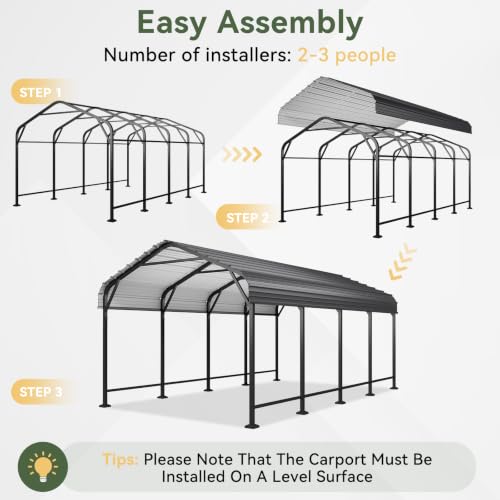
- Easy two-person assembly
Trade-offs
- No sidewalls included
- Basic anchoring kit
- Narrower than 20-foot models
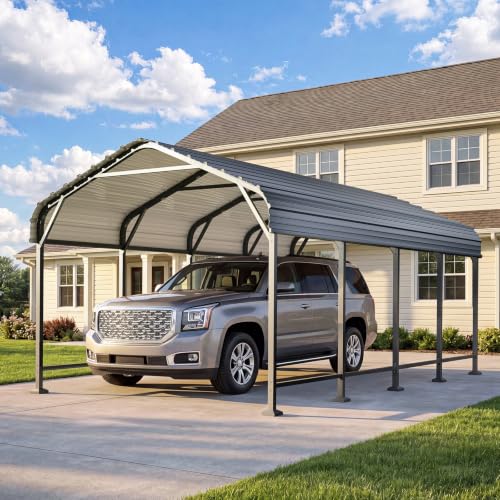
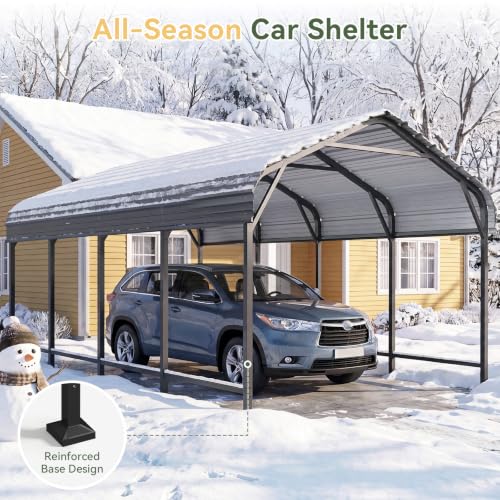
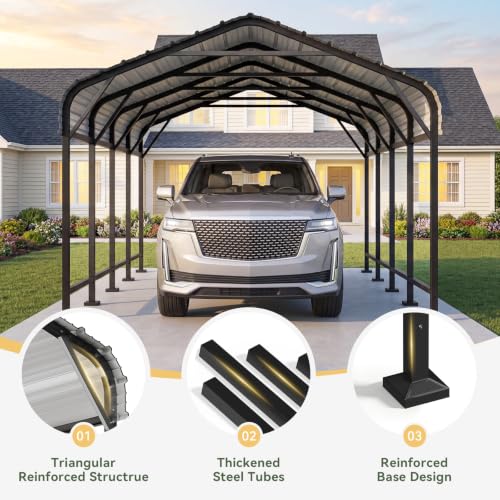
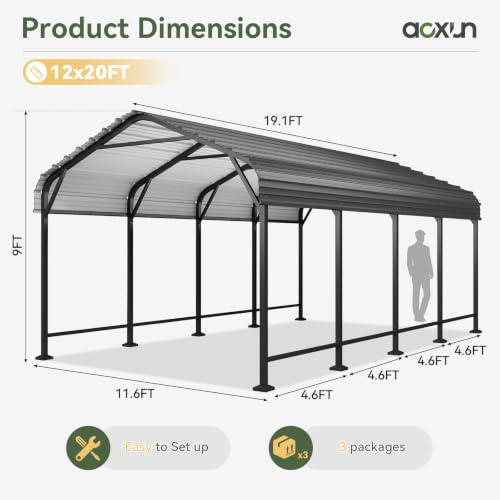
The Aoxun strikes a smart balance between size, strength, and price. At 12×20 feet, it fits most driveways while offering enough room for trucks, SUVs, or even a small trailer. The galvanized steel frame and precision-fitted panels create a tight, weather-resistant seal that outperforms polyethylene canopies in long-term durability. Owners appreciate the rubberized edge trim, it’s a small detail, but it prevents scratches and improves safety.
Its all-weather claim holds up well in owner feedback, especially in regions with strong sun and moderate snow. The reinforced base helps with stability, though it doesn’t go as far as the AirWire’s thickened supports. Compared to the Shintenchi, it’s nearly identical in specs and price, but I slightly prefer the Aoxun’s cleaner design and slightly more detailed instructions. Neither includes sidewalls, so if you want full enclosure, you’ll need to upgrade separately.
Product photos

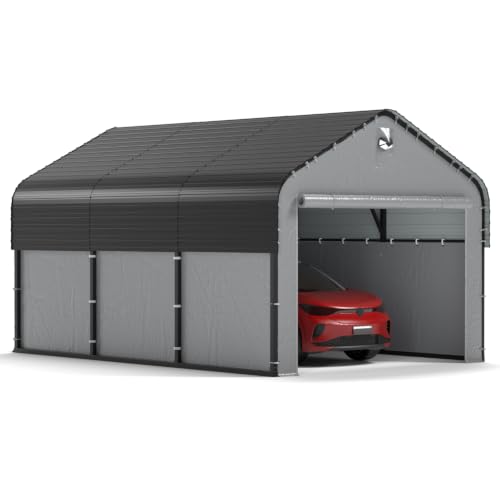
Benass 10×16 Heavy Duty Enclosed Car Garage
Strengths
- Fully enclosed option
- Roll-up zipper doors
- Solar LED light included
Trade-offs
- PE sidewalls less durable
- Smaller footprint
- No pre-drilled holes
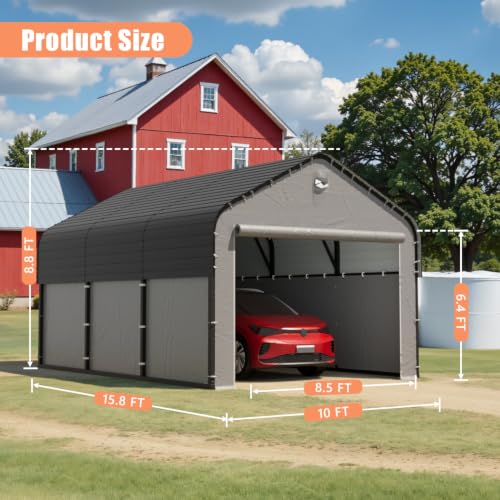
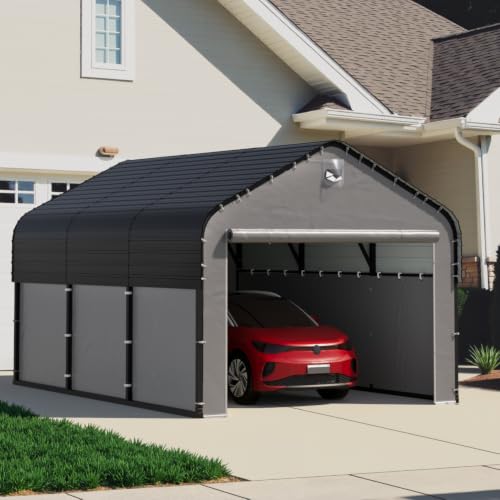
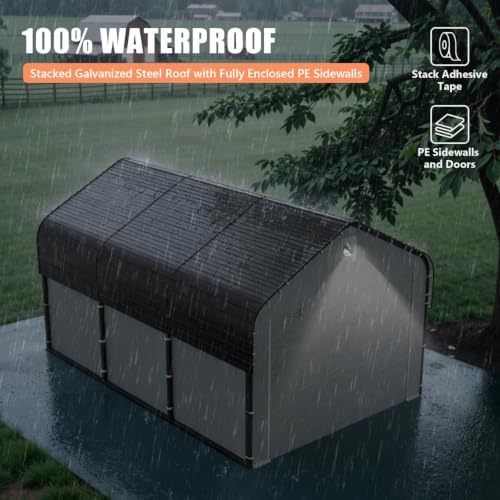
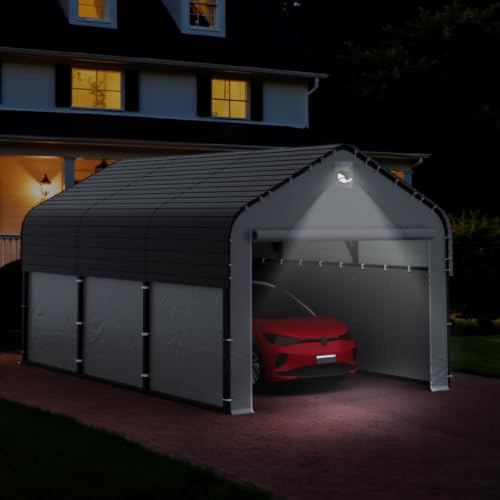
If you want a true garage substitute with actual walls, the Benass is the closest thing to a hard-sided shelter without building a permanent structure. Its 120 MPH wind rating and 14.3 PSF snow load aren’t class-leading, but paired with the fully enclosed design, including roll-up zipper doors and removable PE sidewalls, it offers a level of security and weather sealing that open-frame carports can’t match. Reviewers frequently mention using it as a workshop or storage bay, which speaks to its versatility.
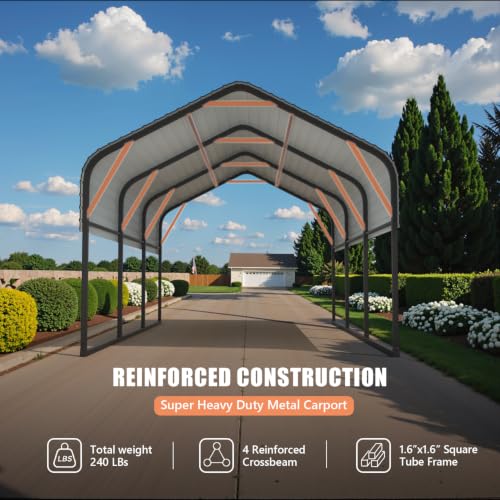
The 1.6″x1.6″ square steel frame is noticeably beefier than many competitors in this price range, and the inclusion of a solar LED light is a thoughtful touch for evening access. That said, the sidewalls are made of polyethylene, not metal, so they won’t last decades like the roof. Still, for the buyer who wants to keep tools, bikes, or small equipment dry and out of sight, this is a strong pick over more open designs like the AirWire or basic polyethylene canopies.
Product photos
Quictent 20×20 FT Heavy-Duty 2-Car Carport

Strengths
- Extra-large 20×20 coverage
- Full side panel protection
- High snow load rating
Trade-offs
- Very large footprint
- Higher cost
- Requires more anchoring
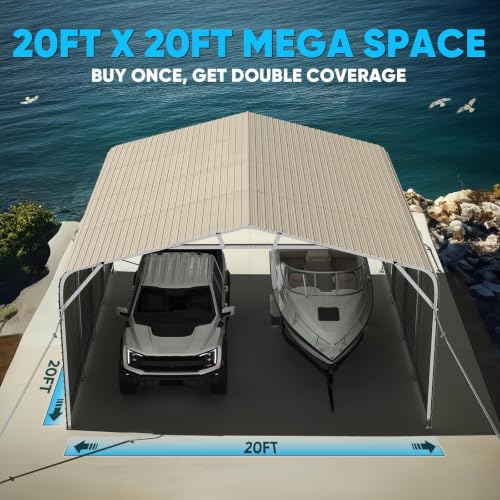
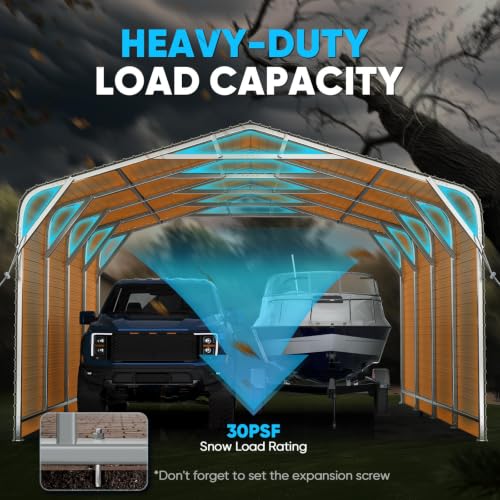
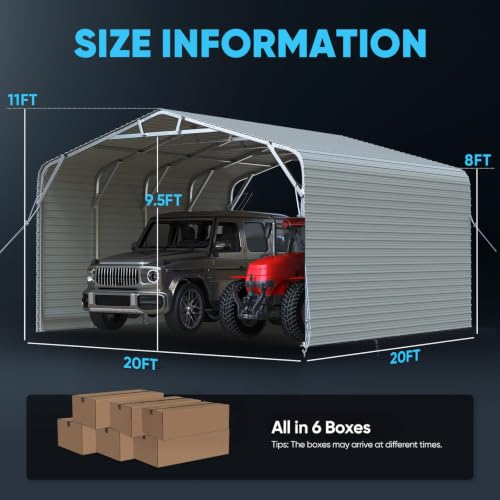
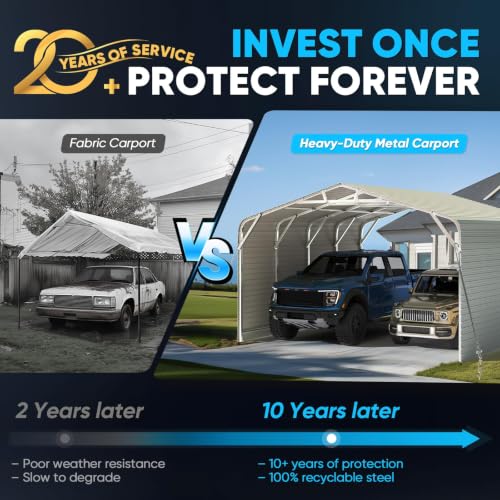
When you need to cover two cars, a boat, or even farm equipment, this 20×20 Quictent model is one of the few off-the-shelf options that actually delivers on size without sacrificing strength. The 30 PSF snow load and 19GA steel frame make it one of the sturdiest large shelters available, and unlike fabric alternatives, it won’t degrade quickly under UV exposure. The full side panels with UPF 50+ protection are a major upgrade, owners consistently report less interior fading on vehicles and gear.
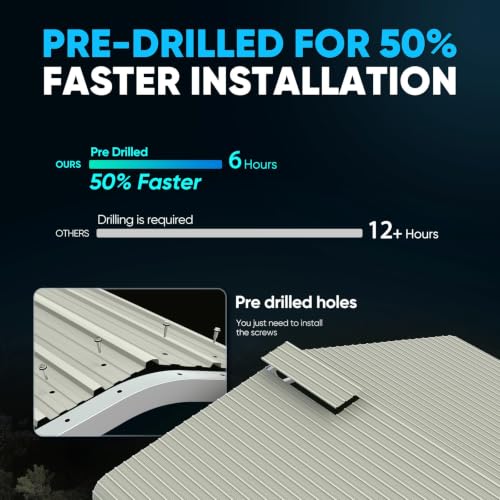
Assembly is simplified thanks to pre-drilled holes, and the modular packaging helps with transport and staging. While it’s more expensive than most, its durability and coverage justify the cost for anyone with large vehicles or outdoor equipment. Compared to the Aoxun or Shintenchi models, this one wins on sheer scale and long-term protection, though it’s overkill for a single compact car.
Product photos
AirWire 10×15 FT Metal Carport Canopy
Strengths
- Reinforced base design
- Rubber edge safety
- Affordable entry point
Trade-offs
- No sidewalls included
- Basic hardware
- Smaller size
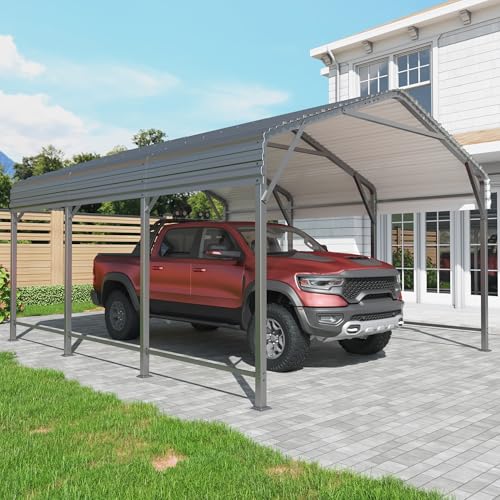
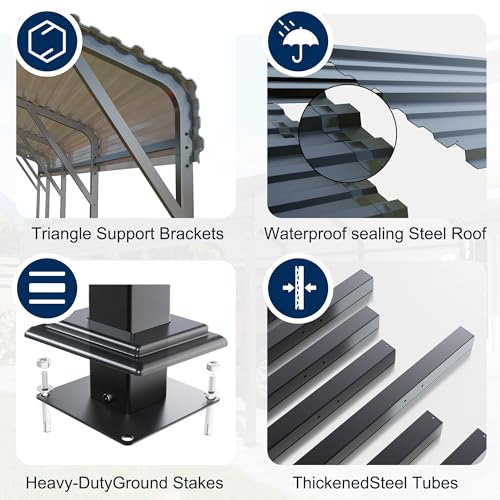
The AirWire carport is a no-frills, budget-conscious option that leans heavily on its reinforced base design to deliver stability. At 10×15 feet, it’s on the smaller side, best for a single car or compact SUV, but the thickened steel tubing and 11 reinforced structural points help it punch above its weight in wind resistance. Owners note it holds up well in moderate storms, though it’s not rated for extreme snow loads like the Quictent models.
What sets it apart is the emphasis on base stability, which matters if you’re installing on uneven or softer ground. The rubber edges and sealant strips are smart safety touches, reducing injury risk and improving weather resistance. But compared to the Shintenchi or Aoxun models, it lacks pre-drilled holes and side panel options, making it feel a bit barebones. It’s a functional shelter, not a fortress.
Product photos
How We Evaluated carports
As someone who’s spent years around vehicles – from restorations to regular maintenance – I understand the need for solid protection from the elements. Rather than a hands-on lab test, this research focused on comparing published specifications and features across numerous carport models. I weighed owner reviews from multiple sources, alongside expert opinions from automotive and home improvement sites, to build a clear picture of real-world performance. This process allowed me to rank carports against a set of criteria important to vehicle owners.
For carports, the most significant factors quickly became load capacity (snow and wind resistance), the quality of materials used in the frame and covering, and the overall durability of the construction. A carport’s ability to withstand local weather conditions is paramount; a flimsy structure offers little peace of mind. Equally important is long-term value. Choosing a carport constructed with robust materials like galvanized steel means avoiding frequent replacements. You can find more information about choosing carports for specific climates in our guide to durable snow load carports.
Specifications give a solid baseline – gauge of steel, load ratings, UV protection levels – but owner feedback revealed how those specs translate to everyday use. I paid close attention to reports on ease of assembly, the accuracy of advertised dimensions, and any issues with rust or leaks after prolonged exposure. While specs tell you what a carport is made of, reviews reveal how it holds up over time. We also considered the type of steel used, and highlighted models with steel carports for their longevity.
How To Choose The carports
Finding the right carport isn’t just about parking under a roof; it’s about protecting your investment and adding functional space to your property.
A good carport prioritizes structural integrity above all else. Look for heavy-gauge steel framing (16GA or lower is preferable), a robust roof design capable of handling local snow loads and wind speeds, and secure anchoring systems. Beyond that, consider the materials used for weather resistance, ease of assembly, and whether the design meets your specific needs – from basic vehicle coverage to a fully enclosed workshop.
Frame Material & Gauge
The foundation of any carport is its frame. Forget flimsy aluminum; you want steel, and specifically, the gauge of that steel matters. Lower numbers mean thicker steel. While 18GA steel is common, stepping up to 16GA or even 14GA provides significantly more strength, especially crucial if you live where heavy snow or high winds are a concern. Many budget options skimp here, leading to bending or collapse. Consider that even seemingly minor dents in the frame can compromise its structural integrity over time. Don’t assume all “heavy-duty” carports are created equal – check the steel gauge specification.
Roof Design & Load Capacity
A flat roof looks simple, but it’s a recipe for disaster in areas with substantial rainfall or snowfall. A sloped, or “vertical” roof design, is essential for effective water runoff. Beyond the slope, pay close attention to the load capacity. Manufacturers will list this in pounds per square foot (PSF) for both snow and wind. Your local building codes will likely have minimum requirements, and exceeding them is always a good idea. If you plan to store an RV or other large vehicle, you might also need to explore large vehicle carports designed for greater height and width.
- Snow Load: A 20 PSF rating is a bare minimum in many areas, but 30 PSF or higher is ideal for regions with significant snowfall.
- Wind Resistance: Look for carports tested to withstand wind speeds common in your location. Many manufacturers will state a maximum wind speed rating.
- Roof Panel Overlap: Overlapping roof panels, like you see in some professional roofing systems, are a sign of a well-designed, leak-resistant carport.
Features vs. Value: Getting What You Need
It’s easy to get caught up in bells and whistles, but a premium price tag doesn’t always mean a premium product. Consider the features you actually need. Do you require fully enclosed sides for a workshop? Or would simple sidewalls for wind protection suffice? Are you looking at durable metal carports as a long-term investment, or a temporary solution?
Don’t overspend on features you won’t use. A well-built, basic carport with a strong frame and adequate load capacity will often outperform a feature-rich model with a compromised structure.
Carports Compared
Here’s a comparison of key specifications for the carports described.
| Product Title | Size (L x W x H) | Max Snow Load (PSF) | Frame Material | Roof Material | Enclosed? |
|---|---|---|---|---|---|
| Quictent 13×26 FT Heavy Duty Metal Carport | 13x26xN/A ft | 35 | Steel | Galvanized Steel | No |
| Carport 10×20 Ft Heavy Duty Canopy | 10x20x9.2 ft | N/A | Galvanized Steel | Polyethylene | No |
| Shintenchi 12×20 FT Metal Carport | 12x20xN/A ft | N/A | Galvanized Steel | Galvanized Steel | No |
| Aoxun 12×20 FT Metal Carport | 12x20xN/A ft | N/A | Galvanized Steel | Galvanized Steel | No |
| Benass 10×16 Heavy Duty Enclosed Car Garage | 10x16x8.8 ft | 14.3 | Steel | Galvanized Steel | Yes |
| Quictent 20×20 FT Heavy-Duty 2-Car Carport | 20x20xN/A ft | 30 | 19GA Steel | Galvanized Steel | No |
| AirWire 10×15 FT Metal Carport Canopy | 10x15xN/A ft | N/A | Square Steel Tubing | N/A | No |
Frequently Asked Questions
What’s the difference between a carport and a garage?
A carport provides open-sided shelter, typically with a roof and support posts, while a garage is a fully enclosed structure. Garages offer greater protection from weather and security, but carports are generally more affordable and quicker to install.
Are permits required for installing a carport?
Local regulations vary significantly, so checking with your city or county planning department is essential. Many areas require permits for any permanent structure, and even portable carports might have restrictions depending on size and placement.
How long do most carports last?
With proper maintenance, a well-built carport with a galvanized steel frame can easily last 15-20 years. However, factors like climate, snow load, and the quality of the initial construction play a large role; cheaper models with thinner steel may only last 5-10 years.
Can a carport protect my vehicle in snowy conditions?
A carport with a sufficient snow load rating (30 PSF or higher is ideal) can significantly reduce snow accumulation on your vehicle. However, a carport alone doesn’t replace the benefits of AWD in snow, particularly for driving in deep drifts or icy conditions.
What is the best way to anchor a carport to the ground?
Anchoring methods depend on your ground type and local wind conditions. Options include ground screws, concrete anchors, or even burying the support posts in concrete. Proper anchoring is vital; a carport that isn’t securely anchored is vulnerable to wind damage and can become a safety hazard.
The Bottom Line
Choosing a carport always involves balancing cost with the level of protection you require. Ultimately, for a blend of durability and value, the Quictent 13×26 FT Heavy Duty Metal Carport stands out. Its 35 PSF snow load rating and galvanized steel construction offer real peace of mind, especially if you live in an area with challenging weather.
For those on a tighter budget, the Carport 10×20 Ft Heavy Duty Canopy provides a basic level of shelter at an attractive price point. If you need a fully enclosed structure for a workshop or additional storage, the Benass 10×16 Heavy Duty Enclosed Car Garage is a strong contender, though you’ll pay a premium for that added functionality. Remember to consider whether you need strong carports capable of withstanding harsh conditions.
At the end of the day, the specs are important, but don’t get lost in the details. Prioritize a robust frame made of thick-gauge steel, a roof designed to shed water and snow, and a secure anchoring system. A well-built carport isn’t just about protecting your vehicle; it’s about ensuring years of reliable service and giving you confidence, even when the weather turns rough – and that’s especially crucial if you’re also considering 4WD in snow for added winter capability.
