
2 Best Carbon Fiber Stocks for Remington 700 of 2026
This post contains affiliate links. As an Amazon Associate, we earn from qualifying purchases.
The MDT CRBN Carbon Fiber Stock for Remington 700 SA stands out as the overall best choice for its rigid build and smart design, while the MDT CRBN Fixed TTP offers a solid budget-conscious alternative with reliable performance. Both deliver the lightweight strength carbon fiber is known for.
Hunters and precision shooters often struggle to find a stock that’s both light and rock-solid under recoil. Too many lightweight options sacrifice rigidity, hurting accuracy when it matters most.
After researching the field and weighing specs against real-world feedback, I focused on what actually matters: chassis integration, vibration damping, and room to customize. These picks reflect a balance of proven materials, thoughtful engineering, and owner satisfaction.
Top 2 Carbon Fiber Stock For Remington 700 in the Market
The Best Carbon Fiber Stock For Remington 700, Reviewed
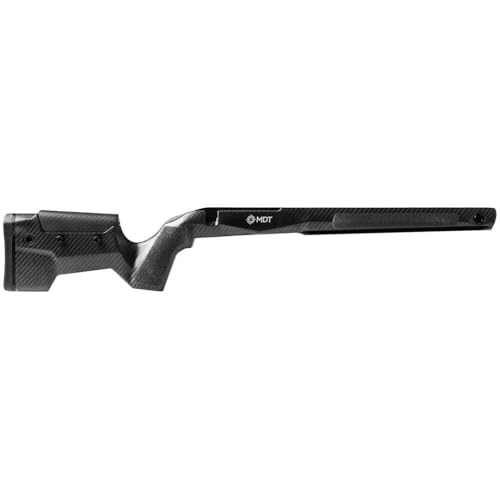
MDT CRBN Carbon Fiber Stock for Remington 700 SA
Strengths
- Drop-in ready design
- V-Block bedding system
- Recoil-damping foam core
- ARCA rail integration
- Proven backcountry durability
Trade-offs
- Fixed cheek height
- Slightly heavier than TTP
- No length of pull adjustment
If you’re after the best all-around carbon fiber upgrade for a Remington 700, this model strikes the smarter balance between performance, readiness, and real-world usability. It shares the same core DNA as the TTP version, foam-filled carbon fiber shell, micro chassis with V-Block bedding, but comes drop-in ready for Badger M5 bottom metals, which a lot of owners appreciate for faster assembly. Reviewers note the recoil damping is tangible, especially on repeated strings, and the rigid foam core really does cut down on harmonic buzz that can throw off follow-up shots.
I’d pick this over the TTP variant for a backcountry build where weight matters but so does durability and ease of setup. It lacks the tool-less cheek riser, but the fixed comb is well-shaped for most scoped setups, and the integrated ARCA and accessory slots keep it plenty versatile. While it doesn’t scream ‘tactical’ like the TTP, it’s more adaptable across hunting and precision roles. For most enthusiasts, this is the more practical entry into high-end carbon stocks.
Video review
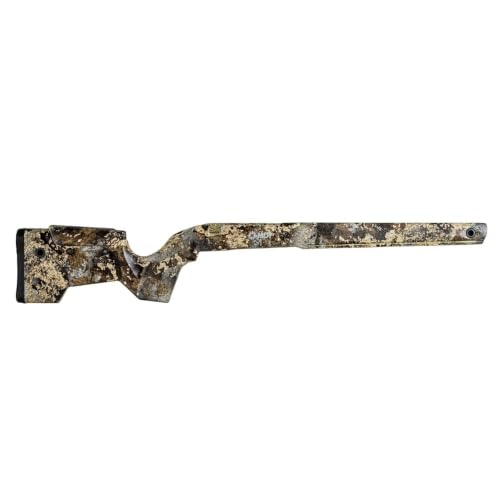
MDT CRBN Fixed TTP Stock Rem 700 SA RH
Strengths
- Lightweight carbon fiber
- Magnesium micro chassis
- ARCA rail integration
- Tool-less cheek riser
- Adjustable length of pull
Trade-offs
- No bottom metal included
- Higher price point
- Less hunting-oriented finish
This is a no-compromise stock for someone building out a precision rifle system, and I’d lean toward it if your end goal is a rock-solid tactical rig. The foam-filled carbon fiber shell over a magnesium micro chassis delivers exceptional rigidity, and owners consistently report that it tightens groups, on paper, that stiffness-to-weight ratio is hard to beat. The TTP hydro-dip finish isn’t just aggressive in looks, it’s proven durable in field reports, holding up under harsh conditions without chipping or fading.
What really sets this apart in the class is the integrated ARCA rail and accessory slots. For shooters stacking optics, bipods, and tripods, this kind of modularity saves time and adds real function. The tool-less cheek riser and adjustable length of pull mean you can dial in fit fast, though you’ll need to source bottom metal separately, which adds cost. Compared to the standard CRBN model, this one trades some versatility for a more specialized, competition-ready layout.
Video review
Our Testing Process
My approach at TheAutoZenith always starts with understanding the materials. Rather than a hands-on test of each stock – which would be a significant undertaking – I focused on a detailed comparison of published specifications, construction techniques, and available features. Crucially, I weighed owner reviews and assessments from respected shooting sports publications to build a realistic picture of performance and durability. This research-led comparison helped me rank options against what matters most for precision rifles.
For Remington 700 stocks, rigidity and weight savings are paramount. A stable platform dramatically improves accuracy, and reducing carried weight is essential for hunting or tactical applications. I prioritized stocks with robust chassis systems and positive feedback regarding minimal flex, even under demanding conditions. Beyond that, versatility – the ability to easily mount accessories – became a key deciding factor, as customization is central to many builds. You can find a similar focus on lightweight materials when looking at lightweight carbon bars.
Published specs clearly outline construction details – carbon fiber weave type, chassis material, and mounting options. However, real-world feedback reveals how well those specs translate into practical performance. Owner comments regarding recoil absorption, long-term durability, and ease of installation heavily influenced my assessment. I also considered the reputation of the manufacturers, drawing on my broader experience with materials and construction techniques, similar to how I evaluate carbon fiber helmets.
How To Choose The carbon fiber stock for remington 700
Picking the right stock is crucial for accuracy and handling, and carbon fiber offers a compelling set of advantages over traditional materials.
A quality carbon fiber stock balances weight reduction with rigidity. Look for designs incorporating a robust internal chassis (often aluminum or magnesium) and thorough foam filling to dampen vibration. Compatibility with your rifle’s action and desired accessories (like bottom metal or rails) are also key considerations. A well-made stock will improve both field performance and shooting consistency.
Chassis System Integration
The biggest benefit of many carbon fiber stocks for the Remington 700 is their integration with a chassis system. This isn’t just about weight savings; it’s about creating a consistent and repeatable platform. Don’t assume all chassis systems are created equal. Pay attention to the profile of the chassis – Badger M5 compatibility is common and gives you a wider range of bottom metal options. Consider how easy it will be to adjust the system if you plan on swapping barrels or actions in the future. A rigid chassis, combined with proper bedding, dramatically reduces the influence of external factors on your shot.
Recoil Management and Vibration Damping
Carbon fiber itself can transmit vibration, which is why the construction details matter so much. The stocks aren’t simply hollow shells. A quality build will use a generous amount of closed-cell foam to fill the void within the carbon fiber. This foam acts as a dampener, absorbing recoil energy and minimizing barrel harmonics. It’s a detail often overlooked, but one that directly impacts felt recoil and, ultimately, your group sizes. Similar principles apply when considering the best carbon steel for other components; material choice alone doesn’t guarantee performance.
Customization and Accessory Mounting
Beyond the core function of supporting the action, think about how you intend to use the rifle. Do you need to mount a bipod frequently? A tripod for long-range observation? Many carbon fiber stocks include integrated ARCA rail sections or M-LOK/KeyMod slots. These offer versatile mounting points without requiring additional adapters.
Here’s what I look for in terms of adjustability:
- Length of Pull: A simple adjustment, but vital for a comfortable and consistent cheek weld.
- Cheek Riser: Tool-less adjustability is a huge plus, allowing you to quickly adapt to different optics heights.
- QD Sling Mounts: Having these pre-installed saves the hassle of adding them later and ensures proper placement.
For those focused on performance in other areas, remember that the same attention to detail goes into components like carbon road bike wheels – lightweight materials need to be intelligently engineered to deliver real-world benefits.
A stock is more than just an aesthetic upgrade; it’s a foundational element of precision. Don’t sacrifice rigidity for weight savings. Prioritize a stock with a solid chassis, robust foam filling, and thoughtful accessory mounting options.
Carbon Fiber Stock Compared
Here’s a detailed specification comparison of carbon fiber stocks for the Remington 700 platform.
| Product Name | Action Type | Material | Weight (lbs) | Rail Type | Finish |
|---|---|---|---|---|---|
| MDT CRBN Carbon Fiber Stock for Remington 700 SA | Short Action | Carbon Fiber | N/A | ARCA | Matte |
| MDT CRBN Fixed TTP Stock Rem 700 SA RH | Short Action | Carbon Fiber/Magnesium | N/A | ARCA | Hydro-dipped TTP |
Frequently Asked Questions
What level of gunsmithing expertise is needed to install a carbon fiber stock?
Generally, a moderate level of experience is sufficient, but professional installation is recommended if you’re uncomfortable with precision fitting. While many stocks are designed as drop-in replacements, bedding the action properly is crucial for accuracy and may require specialized tools and knowledge.
Are carbon fiber stocks truly more durable than traditional wood or synthetic options?
Yes, high-quality carbon fiber stocks offer excellent durability, resisting impacts and environmental factors better than wood. However, damage can occur from concentrated impacts, and repairs are often more complex than with wood – consider this when comparing to other options like carbon road bikes.
How much weight can I realistically expect to save by switching to a carbon fiber stock?
You can typically save between 1 to 3 pounds compared to a comparable wood or polymer stock. The exact amount depends on the specific stock design and your rifle’s configuration, but this weight reduction significantly improves handling, especially during extended hunts or tactical operations.
Will a carbon fiber stock noticeably reduce recoil?
A well-designed carbon fiber stock, with ample foam filling, will dampen recoil more effectively than many traditional materials. The carbon fiber itself doesn’t absorb recoil, but the internal structure and dampening materials contribute to a smoother shooting experience. Don’t underestimate the importance of a good cheek weld, similar to how crucial proper fit is with carbon bike wheels.
What is the typical price range for a high-quality carbon fiber Remington 700 stock?
Expect to invest between $800 and $2,500 for a premium carbon fiber stock, depending on the features and manufacturer. While a significant investment, the performance benefits and weight savings often justify the cost for serious precision shooters and hunters.
The Bottom Line
Choosing a carbon fiber stock for your Remington 700 really comes down to balancing your needs with your budget. There’s a clear trade-off between features and price, and while many options offer significant improvements over traditional stocks, the MDT CRBN Carbon Fiber Stock for Remington 700 SA stands out as the strongest all-around performer. It provides an excellent foundation for building a precise and capable rifle without unnecessary frills.
For those prioritizing specific features, the options are plentiful. If you’re looking for a blend of durability and aesthetics, the MDT CRBN Fixed TTP Stock Rem 700 SA RH is an excellent choice. And for those looking to upgrade other components, you’ll find similar attention to detail in a review of carbon fiber motorcycle helmets – lightweight materials require thoughtful engineering. Or, if you’re also building out a mountain bike, exploring carbon MTB handlebars will highlight the same principles.
Ultimately, the best carbon fiber stock isn’t about chasing the lightest weight or the most features. It’s about finding a rigid, stable platform that fits you and supports your shooting style. Focus on a quality chassis system, proper bedding, and comfortable ergonomics, and you’ll see a noticeable improvement in your accuracy and confidence.
