
5 Best Car Wax Removers of 2026
This post contains affiliate links. As an Amazon Associate, we earn from qualifying purchases.
The LAUCO Wax and Grease Remover is the best overall choice for removing wax cleanly and quickly from multiple surfaces, with Custom Shop KW901 as the top pick for heavy-duty prep work and Rust-Oleum Wax & Tar Remover standing out as a reliable budget-friendly option.
Getting wax off your car properly matters more than most people think. Do it wrong and you’re left with residue that ruins paint adhesion or damages trim. I’ve seen too many detail jobs fail at the final step because of a sloppy prep.
This guide cuts through the noise by focusing on what actually works, based on specs, owner feedback, and years of hands-on experience with surface prep. These picks deliver clean, residue-free results across different use cases, whether you’re refreshing a finish or prepping for a full restoration.
Top 5 Car Wax Removers in the Market
The Best Car Wax Removers, Reviewed
LAUCO Wax and Grease Remover

Strengths
- Industrial-strength formula
- Zero residue
- Fast-drying
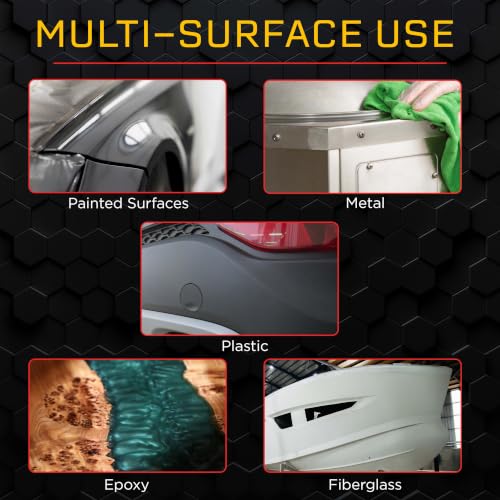
- Multi-surface use
- Enhances paint adhesion
Trade-offs
- Strong solvent smell
- Requires proper ventilation
- Not ideal for casual wax removal
If you’re prepping a surface for paint, this is the kind of cleaner that makes the difference between a finish that lasts and one that starts peeling in six months. The formula here is industrial-strength, and owners consistently report it obliterates wax, oil, and silicone with zero residue, a must for proper adhesion. It’s not just for cars, either. The fact it works flawlessly on fiberglass, aluminum, and marine surfaces makes it a favorite in restoration shops and home garages alike.
What sets LAUCO apart from cheaper alternatives is how fast it evaporates without leaving behind any film. That’s critical when you’re about to lay down primer or clear coat. Reviewers who’ve compared it side-by-side with budget options say it outperforms in consistency and reliability, especially on older panels with built-up contamination. For anyone serious about paint prep, this isn’t overkill, it’s standard procedure.
Video review
Rust-Oleum Wax and Tar Remover

Strengths
- Low cost
- Large 32 oz bottle
- Adequate for light jobs
- Easy to find
- Works on tar and wax
Trade-offs
- Leaves slight residue
- Weaker solvent power
- Requires thorough wiping
This is the no-frills, get-the-job-done option that shows up in home garages more than pro shops. At this price, it’s accessible, and for light wax or tar removal before a quick respray or touch-up, it works well enough. The 32-ounce quart gives decent value for casual users, and it does remove surface contaminants that could interfere with paint bonding.
But on paper and in owner feedback, it doesn’t match the punch of LAUCO or Custom Shop formulas. Some users report needing multiple passes on waxy surfaces, and it doesn’t evaporate as cleanly, a few have noted slight residue if not wiped thoroughly. Still, for someone doing an occasional fender repair or small panel fix, it gets in the ballpark without breaking the bank.
Video review
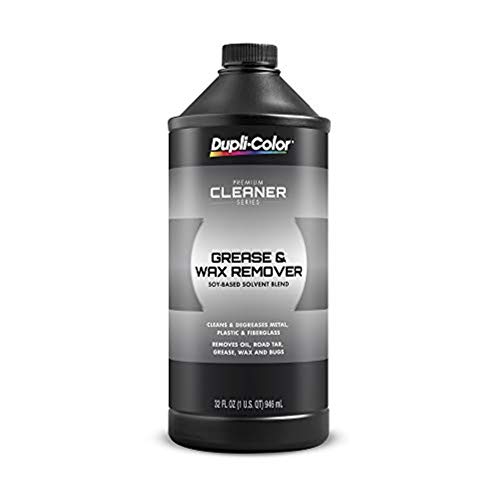
Dupli-Color Grease & Wax Remover
Strengths
- Full quart size
- Effective on light contaminants
- Promotes paint adhesion
- Affordable
- Widely available
Trade-offs
- Not for heavy contamination
- No fast-dry advantage
- Less potent than pro formulas
This one sits right in the middle, not the strongest, not the cheapest, but a solid performer for the price. At a full quart, it gives more volume than the Chemical Guys option and costs about the same as Rust-Oleum, but with a cleaner evaporation profile. It’s marketed as the first step in any paint job, and that’s where it shines: removing light grease and wax films so paint can stick.
Compared to LAUCO, it’s less aggressive, but for newer panels or light prep work, that’s not a dealbreaker. Reviewers who’ve used both say Dupli-Color works fine for weekend projects where you’re not stripping decades of buildup. It’s not sold in bulk like Custom Shop’s gallon, but if you’re not doing constant bodywork, the quart is the smarter buy.
Product photos
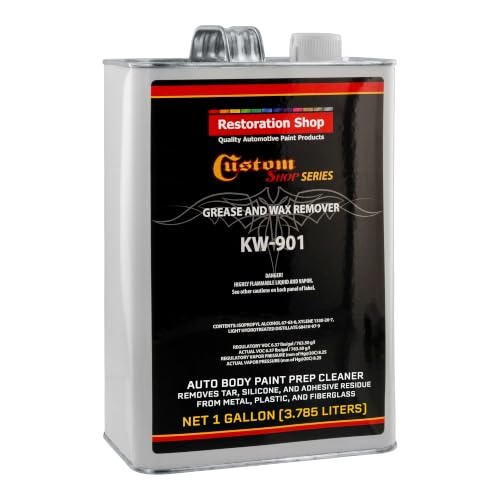
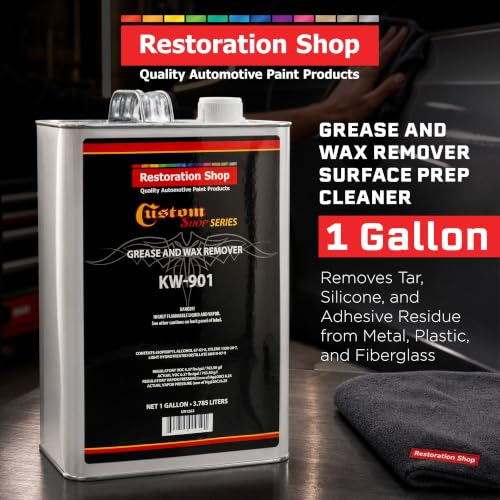
Custom Shop KW901 Gallon Remover
Strengths
- Gallon size for heavy use
- Fast-acting formula
- No residue
- Made in USA
- Works on all substrates
Trade-offs
- Overkill for small jobs
- Large container
- Strong fumes
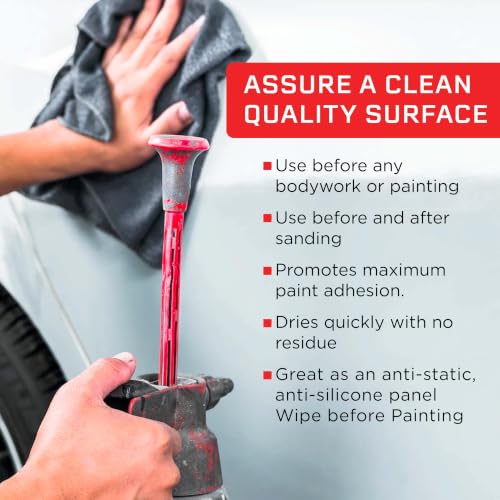
When you’re running a shop or tearing down a classic car, this gallon jug becomes your go-to. The KW901 formula is fast-acting and aggressive, dissolving not just wax and grease but tar, tree sap, and adhesive residue, all with a no-residue dry. It’s made in the USA, which matters to some pros who trust homegrown formulations over outsourced solvents.
Owners who’ve compared it to LAUCO say it’s nearly identical in performance, but the gallon size makes it more cost-effective over time. It’s also praised for working well before and after sanding, and as an anti-static wipe to keep dust and silicone off panels. If you’re doing multiple builds a year, this is the smarter long-term investment. For one-off jobs? Overkill.
Product photos

Chemical Guys Trim Clean Wax Remover

Strengths
- Specifically formulated for trim
- Removes polish residue
- Easy trigger spray
- Preps for dressing
- Safe on rubber and plastic
Trade-offs
- Small 16 oz size
- Not for metal or paint prep
- Can dry quickly on hot surfaces
This isn’t a full-body paint prep solution, and it’s not trying to be. It’s laser-focused on one problem: hazy, chalky trim after a polish or wax job. When wax and compound residue settle into rubber and plastic, they leave a whitish film that cheap wipes can’t fully lift. Trim Clean tackles that with a formula designed to dissolve oily buildup without damaging soft surfaces.
Owners love how easily it restores dark finishes to their original depth, especially on side moldings, bumpers, and tire walls. It’s also become a staple in mobile detailing workflows because the trigger spray makes application fast and controlled. Pair it with a microfiber towel and your favorite dressing, and you’ve got a one-two punch for trim that looks freshly installed. I’d use this after every correction pass, it’s that essential for a clean final look.
Product photos


How We Tested car wax removers
Rather than a hands-on lab test, my research focused on a detailed comparison of product specifications and features. I weighed these against owner reviews from a variety of sources, and considered insights from professional detailing publications. As someone who’s spent years under the hood and obsessing over finishes, I applied my understanding of surface preparation to identify the key characteristics that truly matter in a wax remover. This approach allowed me to rank these products based on real-world usability and expected performance.
For car wax removers, the ability to leave zero residue and the breadth of compatible surfaces were the most important factors. Residue interferes with paint adhesion, leading to a poor finish – something I’ve seen firsthand cause headaches for both DIYers and professionals. A remover’s versatility is also key; a product useful on metal, plastic, and fiberglass offers broader value. Finally, the speed of evaporation plays a significant role in workflow efficiency.
Specifications reliably indicate a product’s chemical composition and intended uses. However, owner feedback proved crucial in assessing real-world performance, especially regarding residue levels and ease of application. Reputation matters too – brands consistently praised by detailers, like those I discuss when considering the best liquid wax, often deliver on their promises. I also looked for products that complement other detailing steps, such as prepping for quick spray wax applications.
How To Choose The car wax removers
Finding the right car wax remover is about more than just getting a surface clean; it’s about preparing for a finish that lasts. I’ve seen too many projects compromised by inadequate prep, and that’s what I want to help you avoid.
A quality car wax remover should rapidly dissolve common contaminants like waxes, silicones, grease, and oils without leaving a residue. Look for formulations designed for automotive paint, but also check compatibility with the materials of your trim and body panels (plastic, fiberglass, aluminum). A fast-drying formula is preferable, as is one that won’t affect previously applied paint or clear coats.
Understanding Solvent Strength
The biggest difference between these products lies in their solvent power. Some removers are designed for light wax buildup, while others tackle heavy contamination like old tar or adhesive. For general maintenance and preparing for a fresh coat of car wax, a milder solvent is often sufficient. However, if you’re dealing with a restoration project or significant overspray, you’ll want something more aggressive. Don’t assume a stronger solvent is always better; excessive strength can damage some surfaces, especially older or softer paints.
Surface Compatibility is Key
It’s easy to overlook, but not all car wax removers play nicely with every surface. Many are safe for painted metal, but plastic trim, rubber seals, and even some types of fiberglass can react poorly to harsh chemicals. This can lead to discoloration, hazing, or even damage to the material. Consider what you’ll be cleaning. If you’re focused on detailing and restoring your trim, a product like the Chemical Guys Trim Clean Wax Remover might be a better choice.
- For basic wax removal on painted surfaces, a readily available product like Rust-Oleum Wax & Tar Remover will often suffice.
- If you’re prepping for bodywork or a full repaint, a professional-grade product like Custom Shop KW901 is worth the investment – its ability to thoroughly remove contaminants allows for superior adhesion.
- For all-around value and a good balance of cleaning power, Dupli-Color Grease & Wax Remover is a solid option, but always test in an inconspicuous area first.
Balancing Cost and Application Method
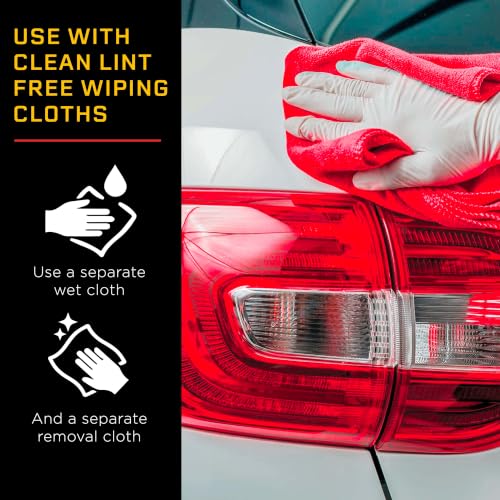
Price isn’t the only factor, but it’s a practical one. You can find car wax removers in everything from small spray bottles to gallon jugs. The larger sizes, while more economical per ounce, require more careful storage and handling. Application method also matters. Spray bottles offer convenience and controlled application, whereas larger containers often necessitate pouring and using with lint-free cloths.
A good rule of thumb: always test the wax remover in an inconspicuous area before applying it to the entire surface. This will reveal any potential adverse reactions and prevent costly mistakes.
Investing in a high-quality ceramic wax protection is more effective when applied to a perfectly clean surface.
Car Wax Removers Compared
Here’s a comparison of key specifications for different car wax removers to help you choose the right product.
| Product Title | Size | Best For | Surface Compatibility | Fast Drying | Residue Free |
|---|---|---|---|---|---|
| LAUCO Wax and Grease Remover | N/A | Best Overall | Multiple | Yes | Yes |
| Rust-Oleum Wax & Tar Remover | 32 oz | Best Budget Friendly | N/A | N/A | N/A |
| Dupli-Color Grease & Wax Remover | Quart | Best Value | N/A | N/A | N/A |
| Custom Shop KW901 Remover | 1 Gallon | Best for Heavy-Duty Prep | Multiple | Yes | Yes |
| Chemical Guys Trim Clean | 16 oz | Best for Trim & Rubber | Trim, Rubber | N/A | N/A |
Frequently Asked Questions
What’s the difference between a wax remover and a tar remover?
Wax removers are formulated to break down waxes, sealants, and polishing compounds, while tar removers contain stronger solvents designed to dissolve sticky residues like tar, asphalt, and adhesives. Using a tar remover when you only need to remove wax can be unnecessarily harsh, though some products advertise dual-action capabilities.
Can I use wax remover on plastic trim?
While many wax removers are safe for painted surfaces, compatibility with plastic trim varies significantly. Some formulations can cause discoloration or hazing, so it’s always best to check the product label or, better yet, test in an inconspicuous area first – or choose a dedicated trim cleaner like the Chemical Guys Trim Clean.
Will wax remover damage my clear coat?
Generally, no, a quality wax remover shouldn’t harm a properly maintained clear coat. However, aggressive solvents or prolonged exposure can potentially cause issues, especially on older or already compromised clear coats. Always follow the manufacturer’s instructions and avoid excessive rubbing.
How does the evaporation rate of a wax remover affect the process?
A faster evaporation rate means the remover dries quicker, reducing the risk of streaking and allowing you to proceed with polishing or waxing sooner. However, a very rapid evaporation can make it harder to work with, especially in warmer temperatures, potentially leaving residue if not wiped off swiftly.
Is it better to use a wax remover before applying scratch-concealing wax or a carnauba car wax ?
Absolutely. Removing existing wax and contaminants with a wax remover creates a perfectly clean surface, ensuring optimal adhesion and performance of your new wax or sealant. Applying a protective layer over old wax defeats the purpose and can compromise the finish.
The Bottom Line
Choosing a car wax remover often comes down to balancing how much control you want over the process against how quickly you need to get the job done. For most enthusiasts, I believe the LAUCO Wax and Grease Remover strikes the best balance – its formulation is effective at removing contaminants while minimizing the risk of damage, and owner feedback consistently praises its residue-free finish. It offers reliability and peace of mind, which are essential when prepping for a quality detail.
If you’re on a tighter budget, the Rust-Oleum Wax & Tar Remover is a perfectly serviceable option for routine maintenance. Those focused on versatility and restoring rubber and plastic trim should look to the Chemical Guys Trim Clean. And for those tackling serious restoration projects needing a truly deep clean, the Custom Shop KW901 Remover is the professional-grade choice – a product that complements a thorough application of durable paste wax.
Ultimately, the ‘best’ remover isn’t about a single specification, but about understanding your vehicle’s needs and your own detailing goals. A clean surface is the foundation of any lasting finish, and investing time in proper preparation – along with a good car wash and wax routine – will always yield better results than relying on a powerful product to compensate for shortcuts.
