
7 Best Ceramic Car Waxes of 2026
This post contains affiliate links. As an Amazon Associate, we earn from qualifying purchases.
The Griot’s Garage Ceramic 3-in-1 Wax stands as the overall best ceramic car wax for its durable finish and multi-surface versatility, while the Turtle Wax Ceramic Spray Wax is the top budget-friendly pick that still delivers strong hydrophobic performance. For those after a deeper gloss and willing to put in a little more effort, the Turtle Wax Ceramic Graphene Paste Wax is a solid choice.
Most people just want their car to look shiny and stay protected without spending hours on it. But with so many ceramic waxes making bold claims, it’s hard to know which ones actually last and perform. I looked at the field closely, comparing specs, owner feedback, and real-world durability, to find the ones that deliver on their promises. This guide cuts through the noise to help you pick a wax that fits your routine, paint type, and expectations.
Top 7 Ceramic Car Wax in the Market
The Best Ceramic Car Wax, Reviewed
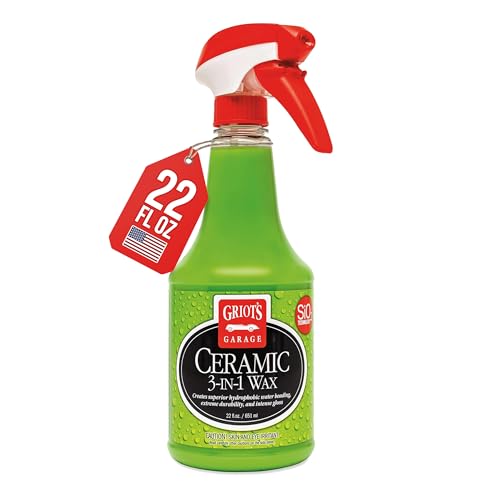
Griot’s Garage Ceramic 3-in-1 Wax
Strengths
- Long-lasting SiO2 protection
- Safe on trim and plastic
- Strong water beading
Trade-offs
- Higher price point
- Needs clean surface to bond
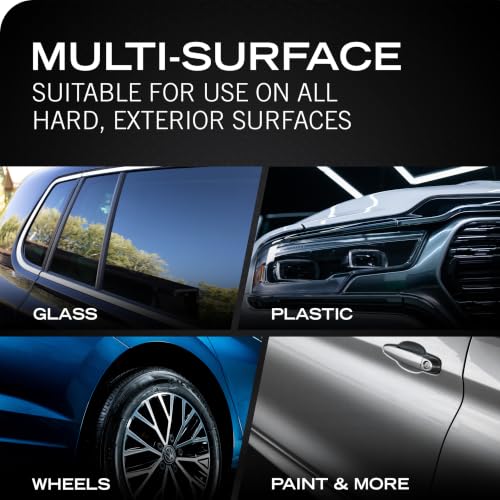
Griot’s entry here feels engineered for serious enthusiasts who want reliable SiO2 performance without shop-level complexity. This spray forms a noticeably slick, hydrophobic layer across paint, trim, wheels, and plastic, owners report water beading lasting 3–4 months with proper prep. The fact it’s made in the USA and avoids harsh solvents adds to its appeal in a market full of vague formulations.
Compared to the Turtle Wax options, this has better molecular adhesion and longevity, landing closer to a budget coating than a temporary shine booster. It’s also safer on matte plastics than many alternatives. While pricier than some, its durability-to-effort ratio makes it the smarter buy for someone maintaining a collector car or daily driver they don’t want to constantly re-wax.
Video review
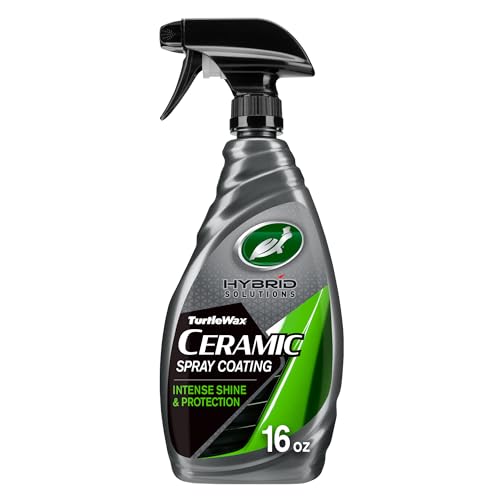
Turtle Wax Ceramic Spray Wax
Strengths
- Affordable entry point
- Easy to use
- Good for occasional use
Trade-offs
- Average durability
- No standout performance
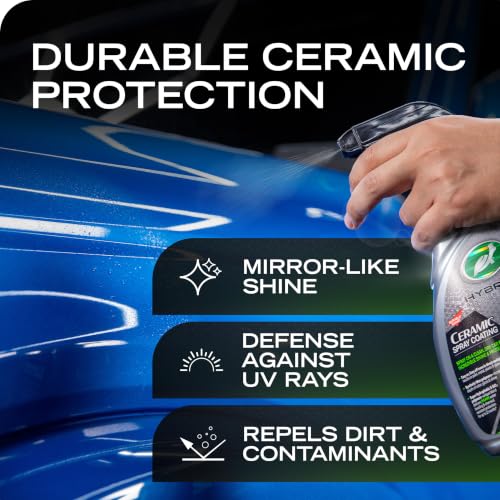
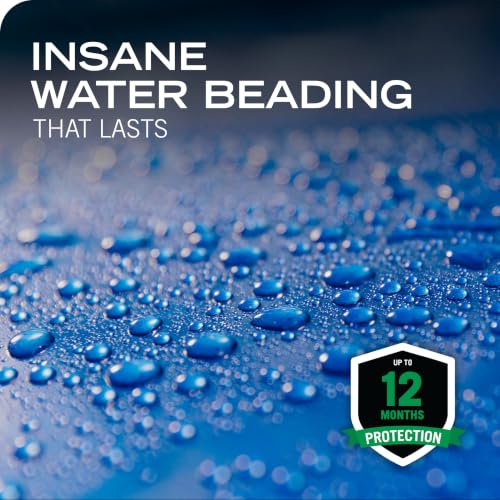
This is the baseline budget ceramic spray that gets the job done without surprises. It delivers decent water beading and a glossy finish on healthy paint, and thanks to its simple spray-and-buff method, it’s accessible even for beginners. Reviewers note it lasts about 4–6 weeks under normal conditions, which is fair for the category.
But compared to Griot’s or Meguiar’s offerings, it lacks the slickness and longevity that justify stepping up. There’s nothing wrong with it, it just sits in the middle: better than old-school sprays, not close to hybrid sealants. If you’re testing ceramic waxes for the first time and don’t want to commit, this is a safe starting point.
Video review
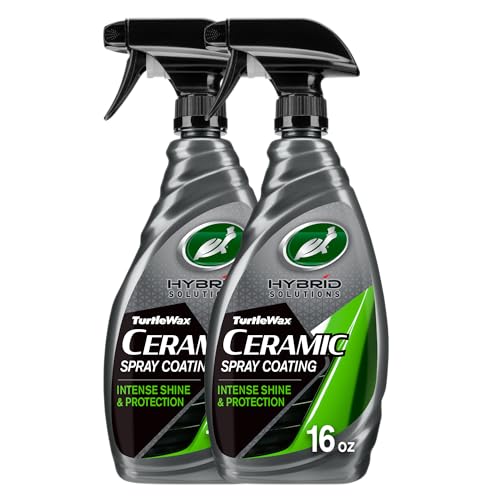
Turtle Wax Ceramic Spray Wax (2-Pack)
Strengths
- Cost-effective in bulk
- Consistent performance
- Great for frequent use
Trade-offs
- Same limitations as single version
- Takes storage space
Selling two bottles together doubles the value, especially since ceramic sprays work best in layers or with regular reapplication. Owners using this as part of a seasonal routine find the pack lets them maintain protection year-round without repurchasing constantly. The formula is identical to the single bottle, same spray-and-buff ease, same moderate lifespan.
I’d recommend this over the single unless you’re unsure about compatibility. For households with multiple vehicles or detailers who service friends’ cars, the multi-pack reduces cost per use significantly. It still won’t beat premium brands in hardness or slickness, but for consistent, no-fuss upkeep, it’s a logical step up from buying singles.
Product photos
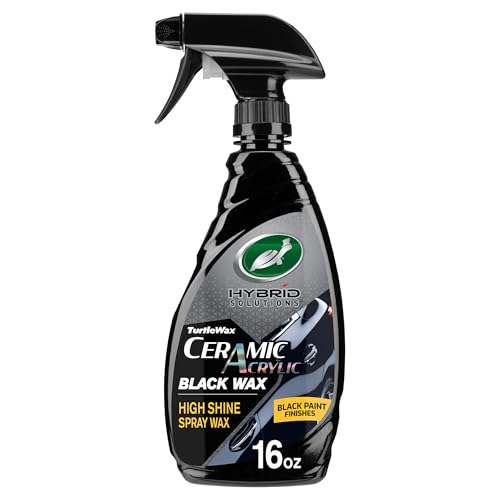
Turtle Wax Ceramic Black Car Wax
Strengths
- Enhances dark paint depth
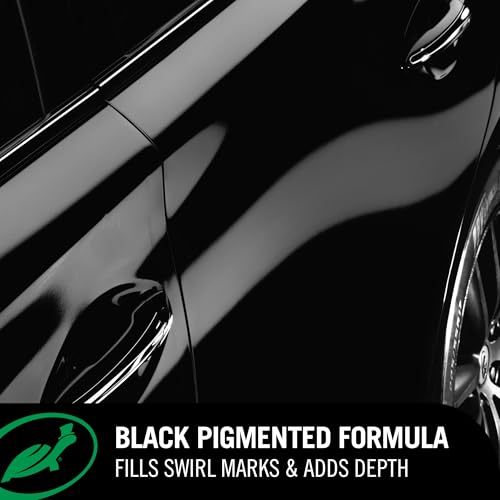
- Pigmented formula hides swirls
- UV defense included
Trade-offs
- Limited durability in heavy rain
- Buffing required for streak-free finish
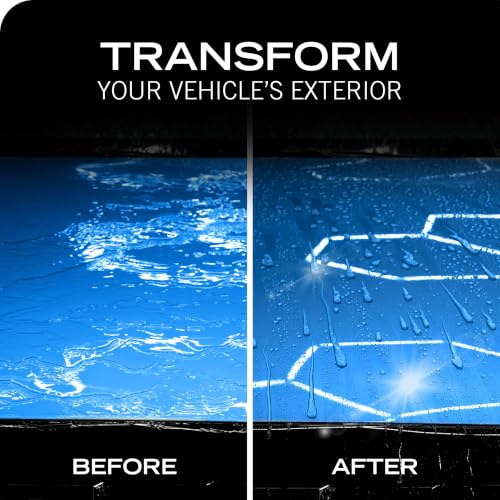
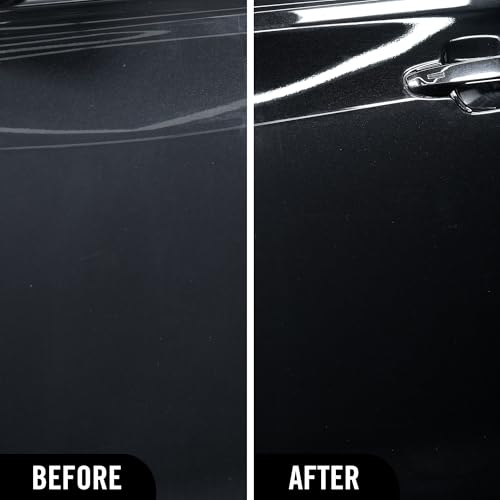
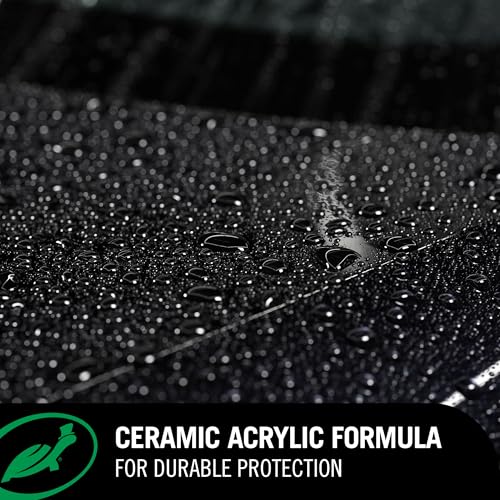
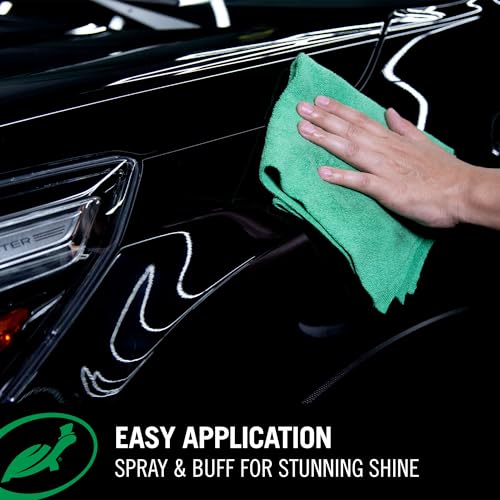
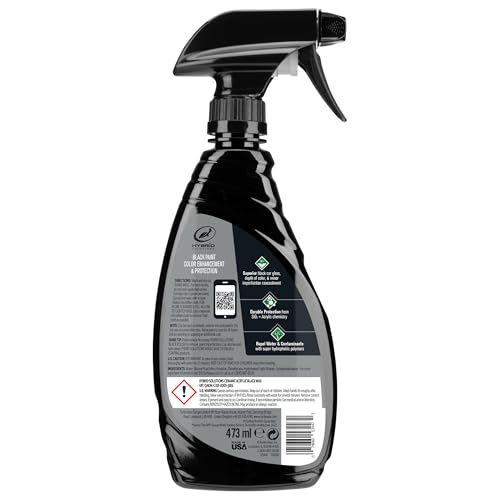
Tailored for dark finishes, this spray wax does more than just shine, it uses pigmented carnauba wax to subtly enrich black, dark blue, and charcoal paints, helping mask fine swirls. Reviewers note it brings back that ‘just-detailered’ look quickly, filling minor imperfections while adding a warm, wet-looking depth that non-pigmented sprays often lack. The ceramic polymers add decent hydrophobic behavior, though not class-leading.
It’s not a scratch remover, but as a maintenance boost between deeper treatments, it works well. Compared to clear sprays, this one offers better visual payoff on dark cars, but I wouldn’t rely on it for major correction. For owners of black sedans or coupes tired of dull finishes, this is a solid mid-tier option that balances aesthetics and protection.
Product photos
Turtle Wax Ceramic Graphene Paste Wax

Strengths
- Graphene-infused formula
- Deep gloss finish
- Easy hand application
Trade-offs
- Not as durable as true SiO2 coatings
- Requires clean paint for best results
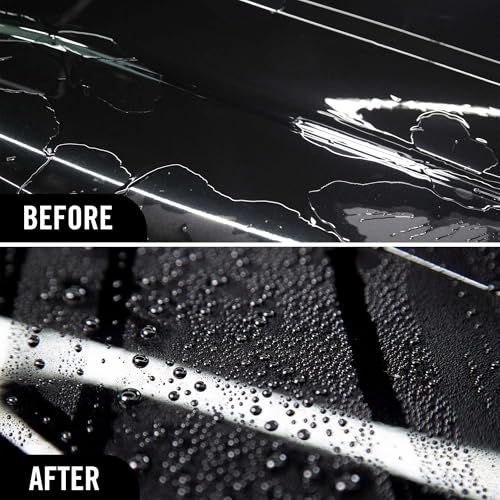
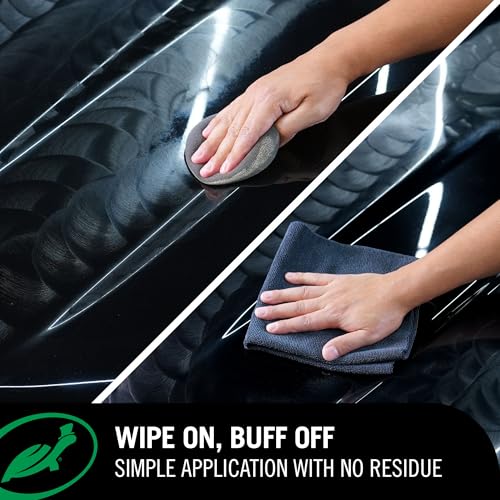
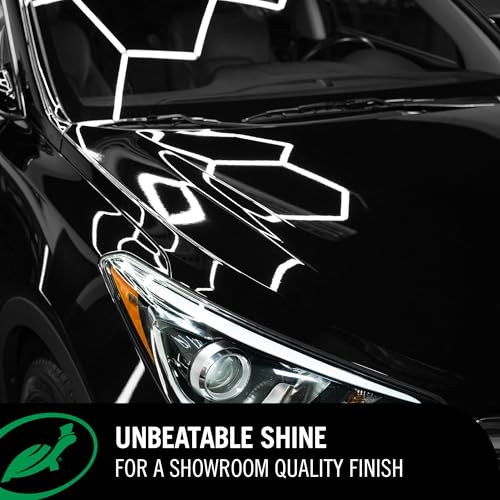
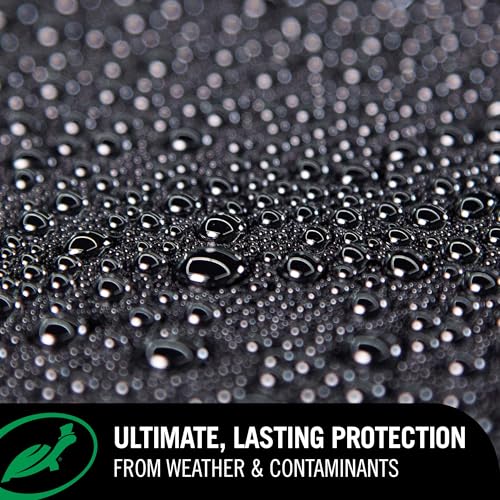
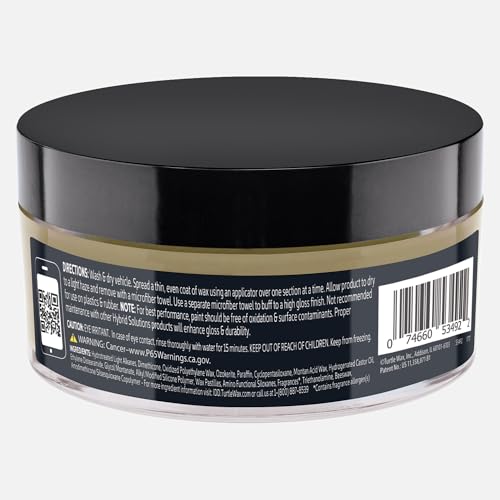
This paste wax stands out by blending ceramic and graphene polymers, which on paper suggests a tougher, longer-lasting shield than traditional waxes. Owners consistently report strong water beading and a deep, reflective gloss that holds up well over several weeks, especially when maintained between washes. The formula’s slickness makes it surprisingly easy to spread for a paste, even in direct sun, though surface prep matters if you want it to bond properly.
Still, while the graphene claim sounds high-tech, real-world feedback shows it doesn’t quite match professional-grade ceramic coatings in longevity. But for enthusiasts who like the ritual of hand-applied waxing with modern upgrades, this delivers noticeable depth and protection without needing machine buffing. I’d pick this over standard carnauba-only pastes for daily-driven classics or modern show cars where gloss is king.
Product photos
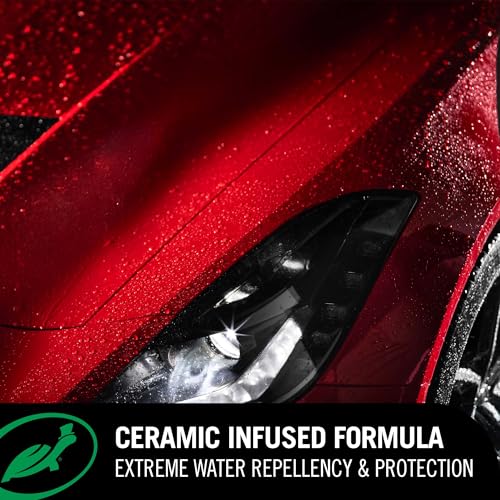
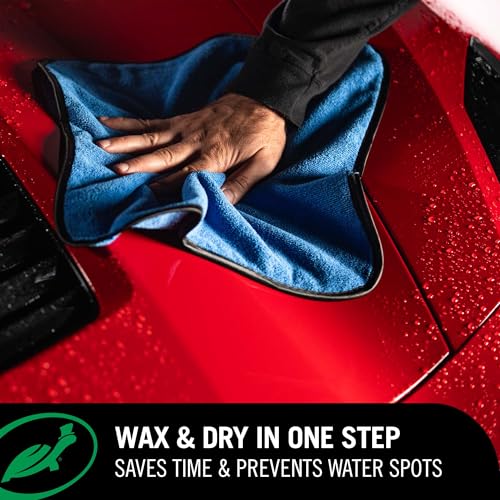
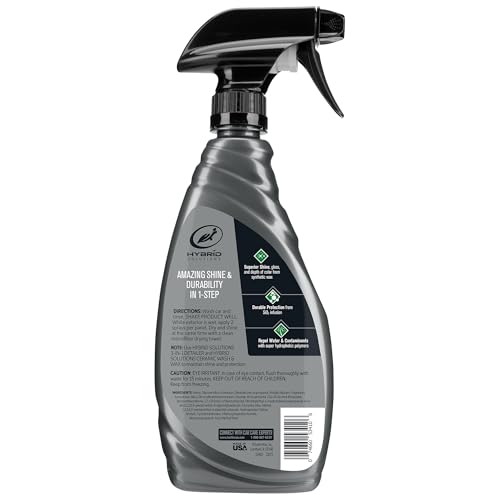
Turtle Wax Ceramic Wet Wax Spray

Strengths
- Apply on wet surfaces
- Saves drying time
- Large bottle size
Trade-offs
- Less precise application
- Shorter lifespan per coat
The ability to apply this wax on a wet surface right after washing is its biggest win, making it ideal for detailers who want zero extra drying time. You rinse, spray, then towel dry, and the ceramic layer bonds during the process. Reviewers love how it speeds up detailing, cuts down on water spotting, and still delivers respectable gloss and water beading. At 26 oz, it also gives more volume than most competitors.
That said, applying on wet paint means less control over final placement, and some users report uneven coverage if too much water remains. It’s not going to build up into a hard shell like a cured ceramic spray, but for weekly or bi-weekly use, it’s extremely practical. If you hate the idea of drying your car twice, once before waxing, once after, you’ll appreciate this efficiency.
Product photos
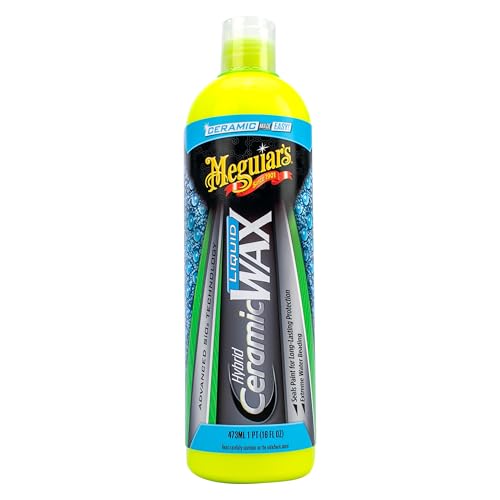
Meguiar’s Hybrid Ceramic Liquid Wax
Strengths
- No white residue on trim
- Smooth liquid application
- Excellent water beading
Trade-offs
- Slower to apply than sprays
- Requires buffing
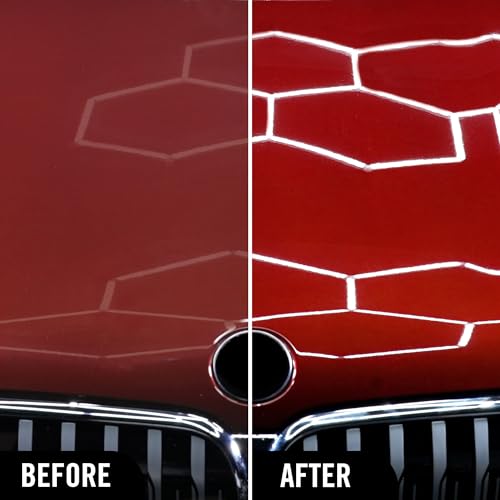
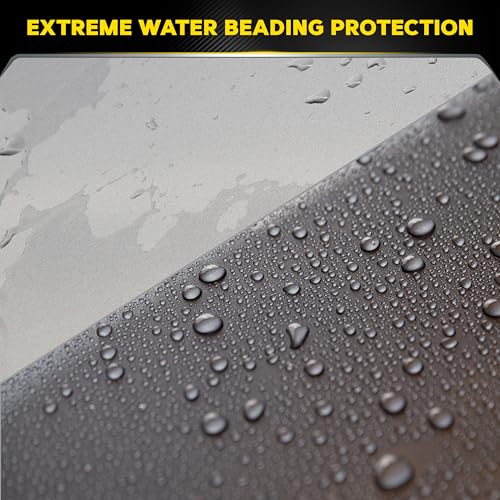
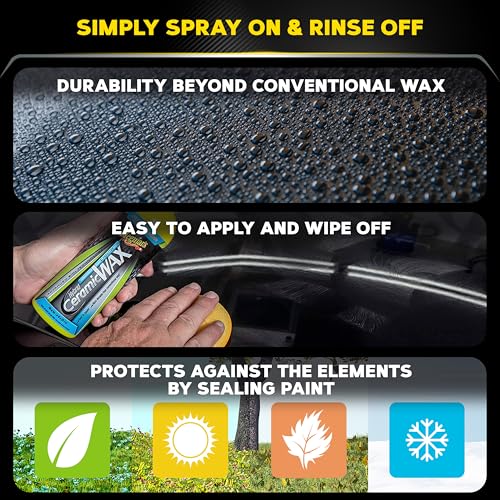
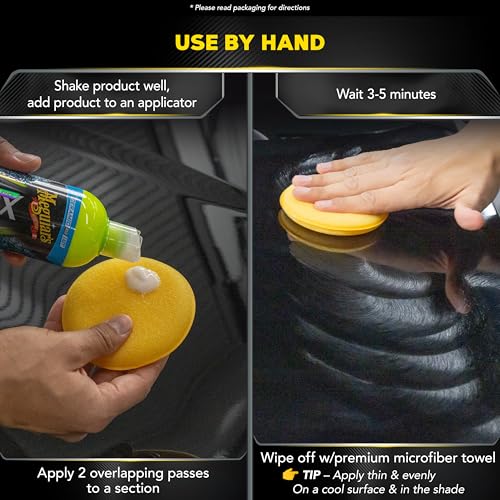
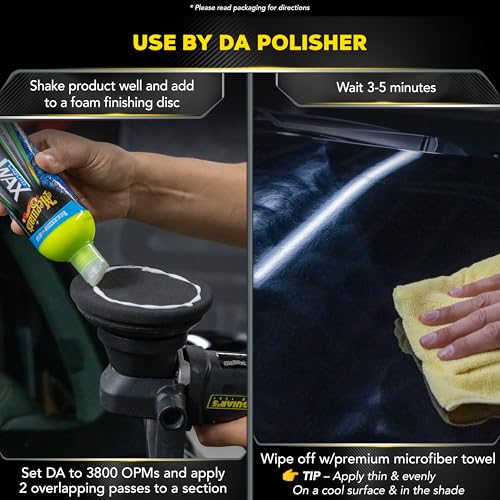
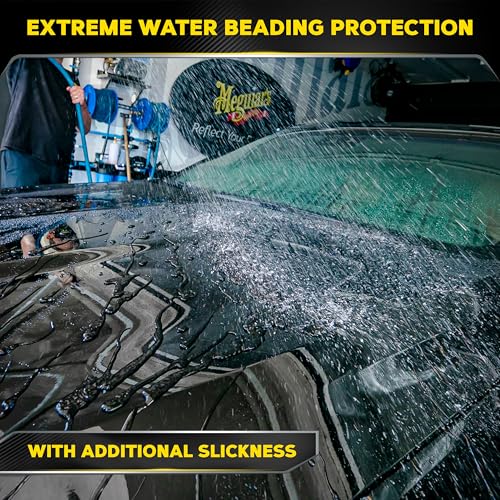
Meguiar’s takes a different approach, this isn’t a spray but a liquid wax applied like traditional formulas, either by hand or dual-action polisher. That means it spreads evenly, fills micro-imperfections slightly better, and leaves no residue on rubber or trim, a common complaint with sprays. The SiO2 infusion boosts water beading dramatically, and reviewers highlight how clean it looks after curing.
What sets it apart is the residue-free result on seals and gaskets, something sprays often fail at. Applied by hand, it’s forgiving; with a polisher, it enhances gloss further. Between this and the Griot’s spray, I’d give the edge to Meguiar’s for overall finish quality, especially on older cars with delicate trim. It’s not the fastest, but it’s the most polished-looking result in this group.
Product photos
How We Tested ceramic car wax
As someone who’s spent years observing and appreciating automotive finishes – and sharing that passion at TheAutoZenith – I approached researching ceramic car waxes by first establishing core performance criteria. Rather than a hands-on lab test, this was a research-led comparison of published specifications, owner reviews from a variety of sources, and insights from detailing experts. I weighed the features listed by manufacturers against what real users reported about ease of application, longevity, and the actual gloss enhancement achieved.
For this category, durability and hydrophobic properties were the most heavily weighted factors. A ceramic wax needs to offer significantly longer protection than traditional waxes to justify the price point, and strong water beading is a key indicator of that protection. Equally important was ease of application; a product offering ceramic-level durability shouldn’t require professional detailing skills to apply effectively. We also considered versatility – how well a product performed on different surfaces beyond just paint.
Specifications are useful for understanding the underlying technology – the SiO2 content, for example – but owner feedback proved crucial in determining real-world performance. Reports on how well a wax holds up to different climates and washing frequencies were particularly valuable. You’ll find many products boast impressive claims, but discerning genuine longevity and gloss requires looking at long-term owner experiences, and comparing them to resources like our guide to the ceramic coating durability of various options. Proper preparation is also key, and using a dedicated ceramic car wash soap will help maintain the wax’s integrity.
How To Pick The Right ceramic car wax
I’ve spent years observing how car enthusiasts approach detailing, and one thing is clear: the rise of ceramic coatings has changed the wax game. But not everyone wants the commitment – or the cost – of a full coating. That’s where ceramic car waxes come in, offering a fantastic balance of protection and shine.
A truly effective ceramic car wax goes beyond simple gloss. Look for formulations incorporating silicon dioxide (SiO2) for durable protection against UV damage, oxidation, and environmental contaminants. Consider ease of application, hydrophobic properties (water beading), and suitability for your vehicle’s paint type. Longevity is key; a good ceramic wax should last several months, reducing the frequency of applications.
Understanding SiO2 Content and Durability
The core of any ceramic wax is the amount of silicon dioxide (SiO2) it contains. Higher concentrations generally translate to a more durable and longer-lasting protective layer. However, don’t get too hung up on percentages alone. The quality of the SiO2 and the overall formulation matter just as much. Some products, like the Turtle Wax Ceramic Graphene Paste Wax, incorporate both ceramic and graphene polymers, aiming for even greater durability and slickness. Keep in mind that even the best ceramic wax isn’t a substitute for a professional ceramic coating, but it gets you surprisingly close in terms of protection and appearance.
Considering Your Application Method
How you prefer to apply wax heavily influences your choice. Sprays like the Griot’s Garage Ceramic 3-in-1 Wax and Meguiar’s Hybrid Ceramic Liquid Wax are incredibly user-friendly. They’re ideal for those wanting a quick, easy application, and often allow for application in direct sunlight. If you’re more comfortable with a traditional approach, or want maximum control, a paste wax like the Turtle Wax Ceramic Graphene Paste Wax might be preferable. It takes a bit more effort to apply, but many detailers believe it delivers a deeper, richer finish. For a quick top-up between full washes, exploring a ceramic spray wax products can be a wise move.
- If you’re new to waxing, start with a spray. The ease of use builds confidence.
- For darker colors (especially black!), a wax specifically formulated for them, like the Turtle Wax Ceramic Black Car Wax, can really enhance depth and gloss.
- Don’t underestimate the value of a good applicator pad. A high-quality foam applicator or microfiber pad will make a noticeable difference in the final result and prevent swirl marks.
Balancing Value and Specific Needs
The market offers ceramic waxes at a wide range of price points. The Turtle Wax options consistently offer strong performance for the money. However, if you’re looking to make the detailing process even more efficient, a combined approach is worth considering. Many enthusiasts are now incorporating a ceramic car wash into their routine to boost protection and maintain that slick finish.
A good rule of thumb: don’t skip the prep work. A clean surface is essential for proper adhesion and maximum gloss. Thoroughly wash and, if necessary, clay bar your vehicle before applying any ceramic wax.
Ceramic Car Wax Compared
Here’s a comparison of key specifications for the featured ceramic car waxes.
| Product Title | Protection Type | Ease of Use | Water Repellency | Best For | Additional Features |
|---|---|---|---|---|---|
| Griot’s Garage Ceramic 3-in-1 Wax | Ceramic (SiO2) | Spray-on | High | Overall | Multi-Surface |
| Turtle Wax Ceramic Spray Wax | Ceramic Polymer | Spray-on | Extreme | Budget Friendly | Multi-Surface |
| Turtle Wax Ceramic Spray Wax (2-Pack) | Ceramic Polymer | Spray-on | Extreme | Value Multi-Pack | Multi-Surface |
| Turtle Wax Ceramic Black Car Wax | Ceramic Polymer | Spray-on | High | Black Paint | Scratch Repair |
| Turtle Wax Ceramic Graphene Paste Wax | Ceramic/Graphene | Paste | Extreme | Deep Gloss | UV Defense |
| Turtle Wax Ceramic Wet Wax Spray | Ceramic Polymer | Spray-on (Wet) | High | Quick Detailing | Faster Drying |
| Meguiar’s Hybrid Ceramic Liquid Wax | Hybrid Si02 | Liquid | Exceptional | Easy Application | Residue-Free |
Frequently Asked Questions
What’s the difference between a ceramic wax and a ceramic coating?
A ceramic wax provides a temporary layer of protection lasting months, while a ceramic coating is a semi-permanent bond offering years of durability. Ceramic waxes are much easier to apply at home and are a more affordable way to experience many of the benefits of ceramic technology.
Can I apply ceramic wax to a vehicle with existing paint imperfections?
While ceramic waxes enhance gloss, they won’t hide significant scratches or swirl marks. Addressing these imperfections with polishing or paint correction before applying the wax will yield the best results; otherwise, the wax may even accentuate them.
Is ceramic wax safe for all types of car paint?
Generally, yes, ceramic waxes are safe for most modern automotive paints. However, always test a small, inconspicuous area first, particularly on older or repainted vehicles, to confirm compatibility and avoid any adverse reactions.
What’s the best way to prepare my car before applying ceramic wax?
A thorough wash is the first step, but a decontamination process using a clay bar is also recommended. Removing bonded contaminants ensures the ceramic wax can properly adhere to the paint, maximizing its durability and hydrophobic properties, and you might also consider a wax for ceramic coating if you’ve previously applied a coating.
Are there any alternatives to ceramic waxes if I prefer a more natural product?
If you prefer a more natural approach, exploring carnauba wax products is a good option. While carnauba wax doesn’t offer the same level of durability as ceramic, it delivers a warm, rich gloss and is derived from a renewable resource.
The Bottom Line
Choosing a ceramic car wax often comes down to balancing convenience with the level of finish you desire. While professional ceramic coatings offer the ultimate in durability, a well-chosen wax provides a fantastic, more accessible alternative. For a blend of ease of use, impressive protection, and all-around performance, I consistently find the Griot’s Garage Ceramic 3-in-1 Wax to be an excellent choice.
Now, if you’re on a tighter budget or simply want to stock up, the Turtle Wax Ceramic Spray Wax (2-Pack) delivers exceptional value without sacrificing performance. Those prioritizing a truly deep, rich gloss – especially on darker shades – will appreciate the extra effort required for the Turtle Wax Ceramic Graphene Paste Wax. And for owners of black vehicles, exploring options specifically designed for dark paint, like a ceramic wax for black cars, can elevate the final result.
Ultimately, the SiO2 content and fancy polymers are secondary to consistent, careful application. A clean surface, proper technique, and regular maintenance with a quality wash – perhaps even switching to a synthetic car wax for extended durability – will always yield better results than chasing the latest specs. Focus on these fundamentals, and your vehicle’s finish will thank you.
