
6 Best Car Tintings of 2026
This post contains affiliate links. As an Amazon Associate, we earn from qualifying purchases.
The TRUE LINE DIY Car Window Tinting Kit stands out as the best overall option, offering multiple tints and film types for different needs. For those on a budget, the IAQWE 15% VLT Ceramic Car Window Tint delivers solid performance without the high price, while the PAMAGOO 15% VLT Ceramic Window Roll takes the lead in UV and heat protection for long-term interior care.
Tinting your car isn’t just about looks, it’s about staying cool, protecting your interior, and getting a little extra privacy. Too many people end up with bubbled, peeling film because they picked the wrong material or skipped key details like local VLT laws.
This guide cuts through the noise. I compared specs, read owner feedback, and evaluated film types to find the best car tintings based on heat rejection, durability, and value. Whether you’re a DIYer or want pro-level results, these picks give you real performance without guesswork.
Top 6 Car Tintings in the Market
The Best Car Tintings, Reviewed
TRUE LINE DIY Car Window Tinting Kit
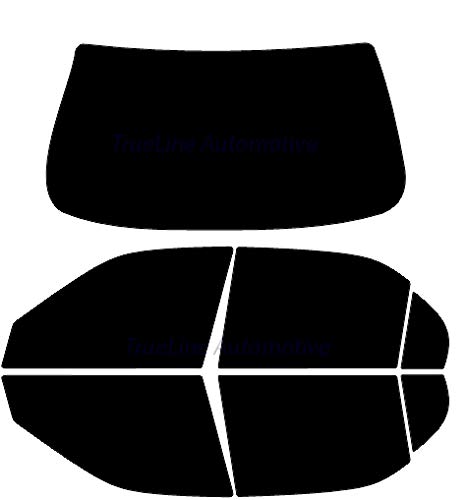
Strengths
- No trimming required
- Shade customization
- Ceramic heat rejection
Trade-offs
- No front windshield coverage
- Higher price point
- Limited to side and back
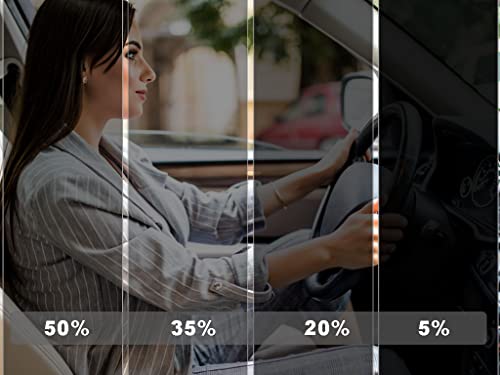
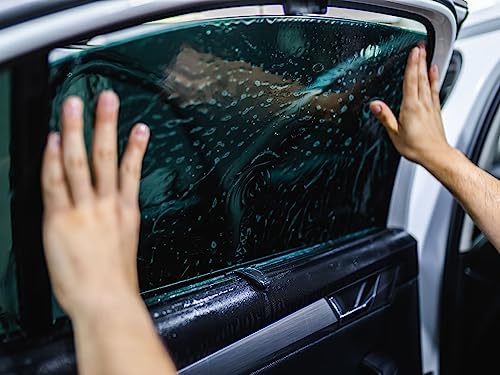
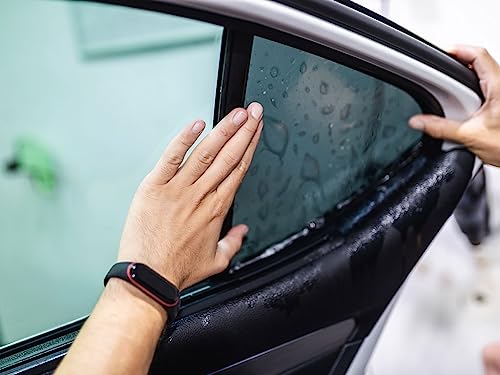
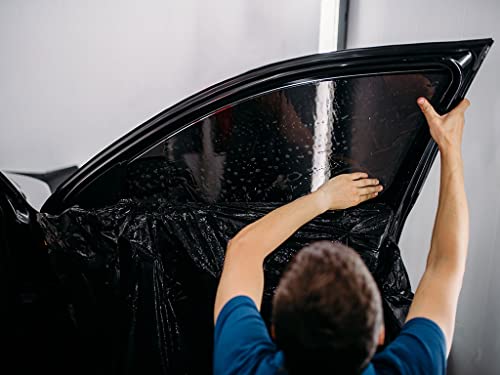
TRUE LINE earns the ‘Best Overall’ label by solving the biggest pain point in DIY tinting: excess film. Their precut kits come with fully die-cut pieces, no trimming needed, just peel and install. You can mix shades (5% to 50%) across windows, and choose between dyed, carbon, or ceramic films, with the ceramic option rejecting up to 80% of heat. That level of customization is rare at this price.
Owners report high success rates, even for beginners, thanks to the release tabs and precise fit. It’s designed for side and rear windows only, so front windshield isn’t covered. But for a full rear tint job with pro results, this kit delivers. Compared to bulk rolls, it’s more expensive, but the time and frustration saved make it worth it.
Video review
IAQWE 15% VLT Ceramic Car Window Tint
Strengths
- Affordable ceramic film
- Shatterproof construction
- Heat shrink for curves
Trade-offs
- No precut patterns
- Basic packaging
- Inconsistent batch quality
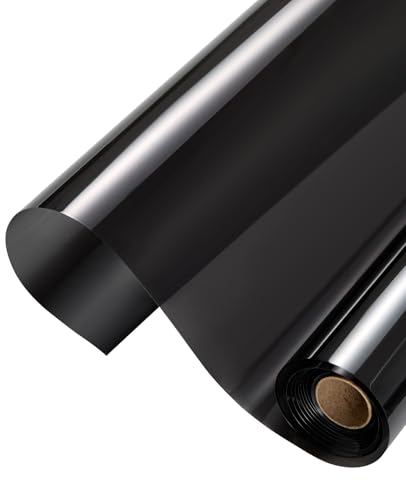
IAQWE’s 15% ceramic roll is a standout budget-friendly option that doesn’t skimp on core performance. It blocks infrared heat effectively and uses a 5-layer safety film, which adds shatter resistance, a feature usually seen in pricier models. The 15% VLT balances privacy and visibility well, and owners say it installs smoothly thanks to its heat-shrink properties and bubble-free adhesive.
It’s not precut, so you’ll need tools and patience. But for the price, the heat rejection and durability are impressive. Compared to PAMAGOO’s similar roll, it’s nearly identical in specs, though PAMAGOO edges ahead slightly in customer support. Still, for a sedan or SUV, this roll offers excellent value.
Video review
PAMAGOO 15% VLT Ceramic Window Roll

Strengths
- Blocks 99% UV rays
- Scratch resistant
- Reduces interior heat
Trade-offs
- Not precut
- Requires trimming skill
- Adhesive can be finicky
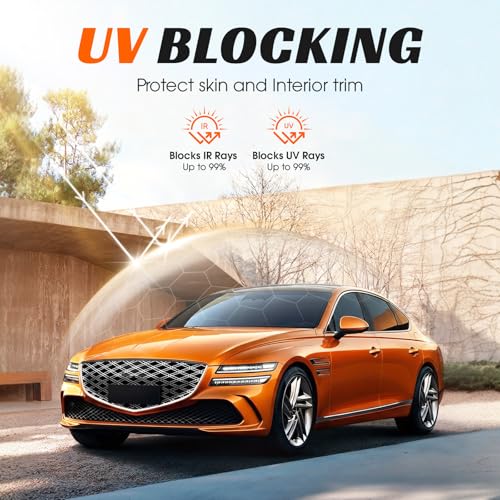
PAMAGOO’s 15% ceramic roll stands out for its strong heat and UV rejection, blocking 99% of UV rays and 75% of infrared heat, making it a smart pick for drivers in hot climates. The nano ceramic coating adds scratch resistance, which owners consistently report helps the film maintain clarity over time. On paper, that level of protection rivals films twice the price, and the inclusion of tutorial support makes installation less intimidating.
It’s a full roll, so you’ll need to cut it to size, which means some trimming effort. But for sedans or coupes, it’s more than enough. Compared to budget dyed films, this one doesn’t fade purple, and it handles glare well at night. I’d still recommend proper tools for application, but the film itself performs like a mid-tier ceramic.
Product photos
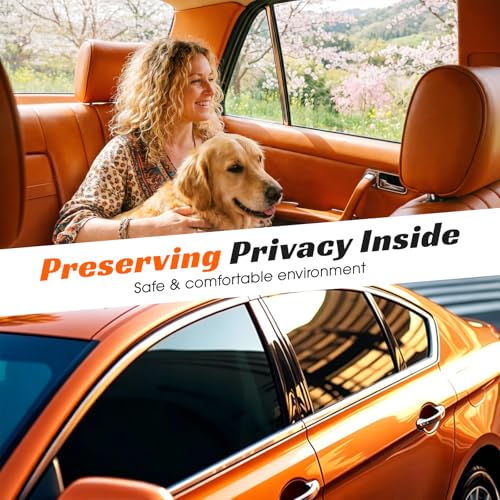
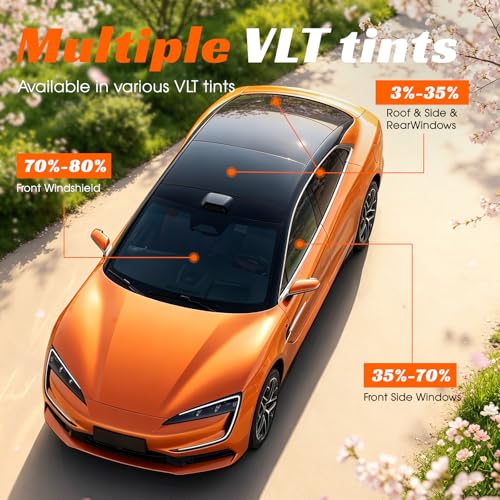
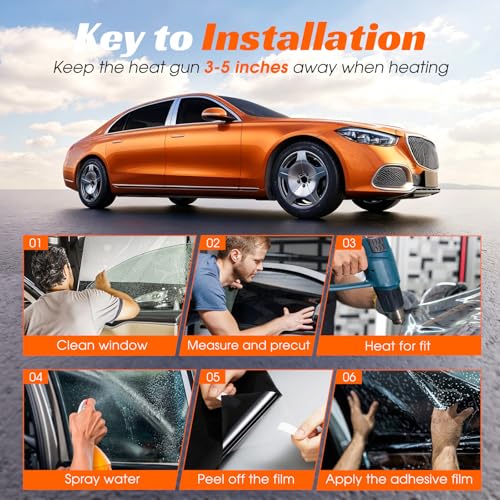
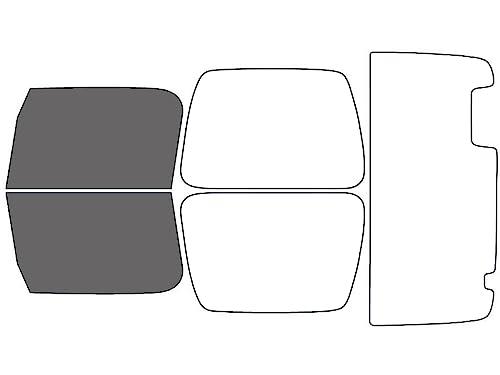
Rvinyl Front 35% Tint for Jeep Wrangler
Strengths
- Vehicle-specific cut
- No fading over time
- Made in USA
Trade-offs
- Tools not included
- Front windows only
- Limited to older Wranglers
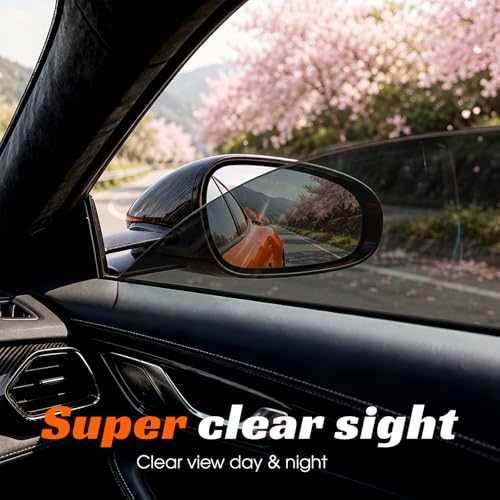
If you drive a Jeep Wrangler from ’97 to ’06, this Rvinyl kit is a no-brainer. The precut 35% tint is tailored exactly to the front doors, which means no guesswork, no measuring, and far less trimming. Owners praise how cleanly it fits, especially on the Wrangler’s oddly shaped windows that give generic films trouble. Being made in the USA also adds confidence in longevity, no purple fading, and the single-ply film resists bubbling when installed correctly.
The kit doesn’t include tools, which is a downside if you’re starting from scratch. But the included video guide helps, and the precision fit more than compensates. Compared to rolling your own from a bulk sheet, this saves time and reduces errors. For Jeep owners, it’s the smarter buy.
Product photos
SINGARO 9PCS Car Window Tint Kit
Strengths
- Nine tools included
- Variety of squeegees
- Sharp, replaceable blades
Trade-offs
- Plastic feels lightweight
- No heat gun included
- Case not included
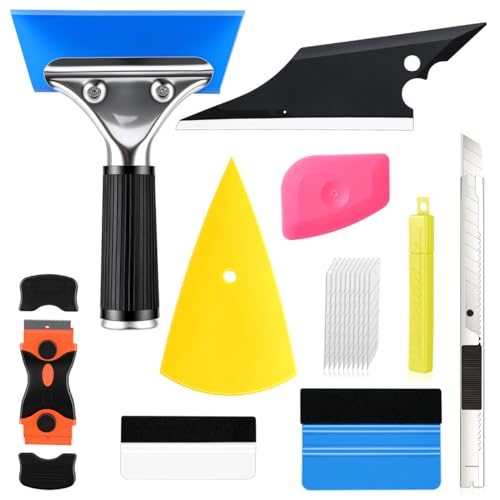
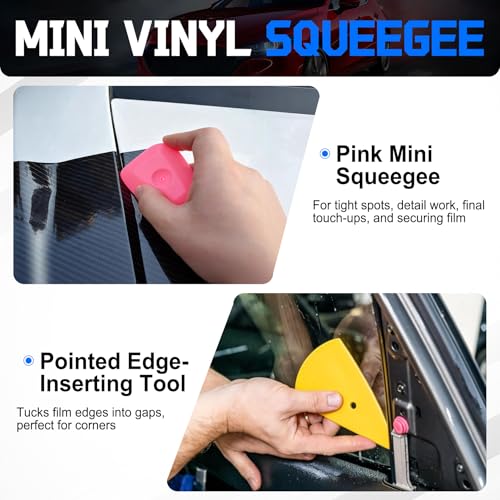
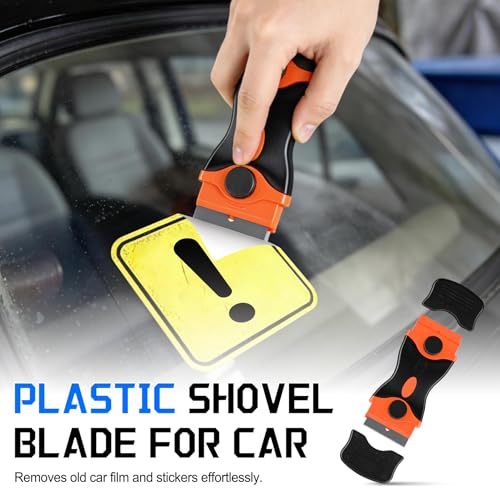
This 9-piece SINGARO kit is where the brand steps up, more tools, better variety, and squeegees designed for tricky curves. The inclusion of five different squeegees, including a triangle and mini pink one, means you can tackle corners and windshields with real precision. The metal utility knife with 10 blades is sharper and more durable than the 5-piece version, and owners note it lasts through multiple installations.
It’s still not pro-shop grade, but for the price, it punches above its weight. The soft plastic squeegees conform well to glass contours, reducing bubbles. If you’re tinting an SUV or a car with curved glass, this kit gives you the flexibility the smaller sets lack. I’d pick this over the 5-piece any day.
Product photos

SINGARO 5PCS Car Window Tint Tools
Strengths
- Affordable
- Compact design
- Includes spray bottle
Trade-offs
- Basic materials
- Limited squeegee variety
- Blades dull quickly
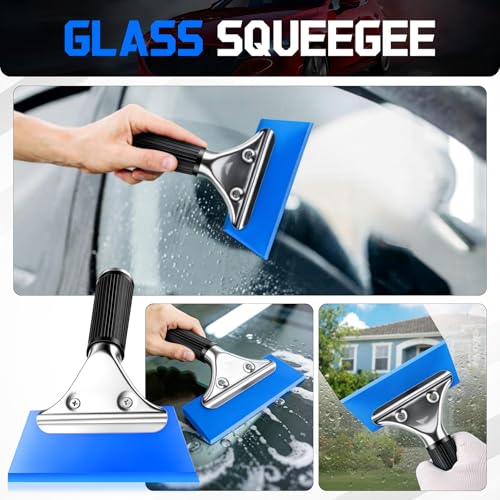
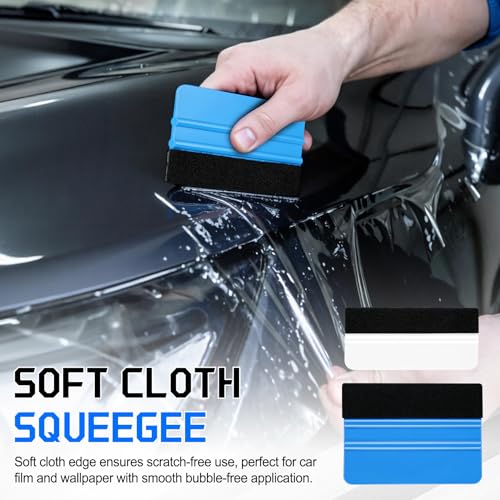
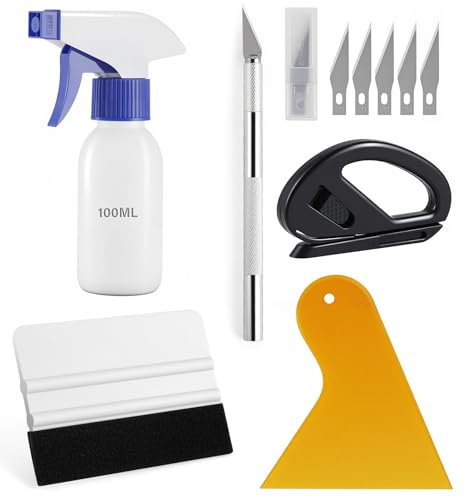
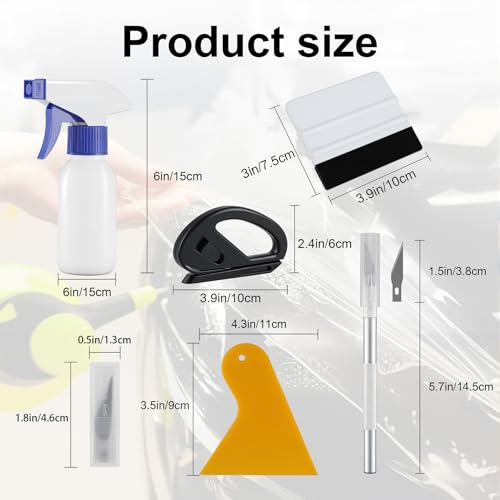
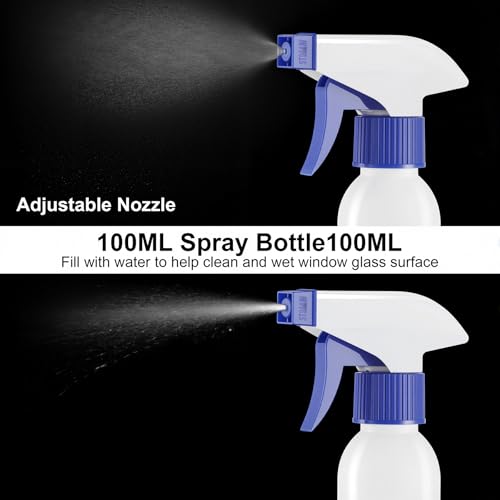
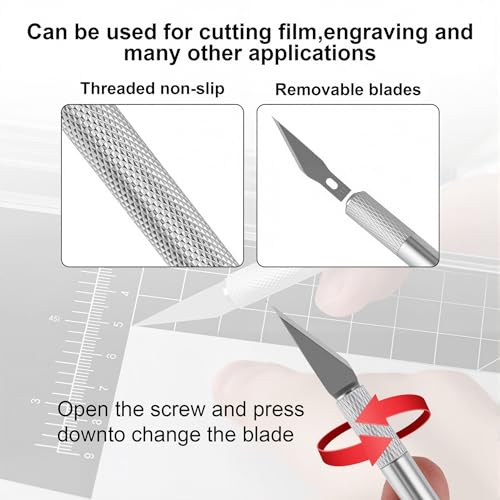
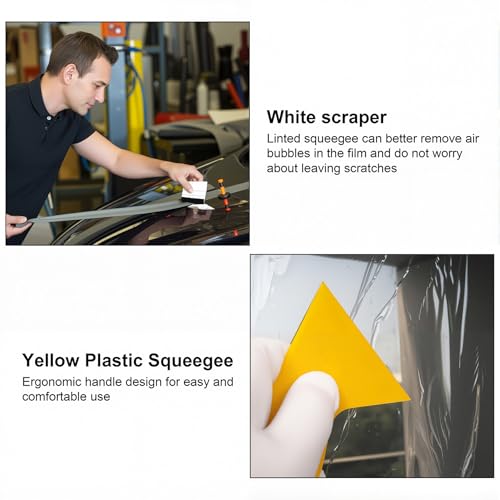
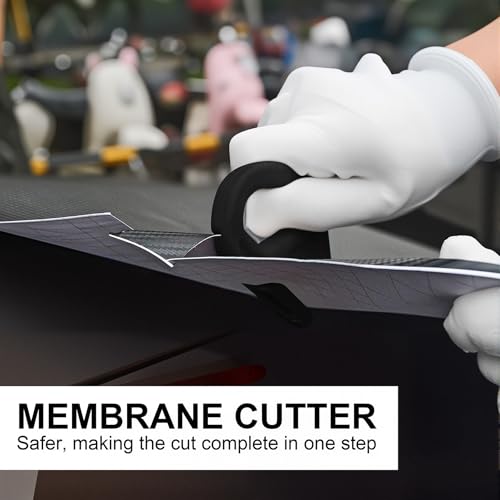
For the price, this SINGARO 5-piece kit delivers basic functionality without fluff. It covers the essentials, squeegees, a spray bottle, and a cutter with spare blades, making it a decent starting point for first-timers tackling a DIY tint job. The spray bottle’s three-mode nozzle is a small but thoughtful touch, and the tools are built with ABS plastic and carbon steel, which owners say hold up fine for light use.
That said, don’t expect pro-level durability. The squeegees work, but they lack the heft and precision of higher-end models. If you’re only doing one car or just want to try tinting before investing more, this kit makes sense. But for frequent use or larger vehicles, you’ll likely want something sturdier.
Product photos
How We Chose These car tintings
Rather than a hands-on lab test, my research for these car tintings focused on a detailed comparison of published specifications and features. I weighed owner reviews from multiple sources – looking for common praise and complaints – alongside assessments from reputable automotive publications. As someone who’s spent years understanding vehicle aesthetics and detailing, I applied my knowledge to assess which options truly deliver on performance and value. Clear criteria included heat rejection, UV protection, visibility, and ease of installation (or the quality of included installation kits).
For car tinting, the factors that most heavily influenced my rankings were heat rejection capabilities and film durability. Intense sun can really bake a car’s interior, so ceramic tints with high infrared rejection rates were prioritized. Equally important is a tint’s ability to resist fading, cracking, or discoloration over time. A quality tint not only looks good initially but maintains its appearance for years, and that’s where the nano-ceramic coatings shine. Keeping the interior cool also reduces the need for excessive AC, potentially saving on fuel – a topic we cover when discussing the best car cleaning products.
Product specifications reliably indicate VLT (Visible Light Transmission) percentages, which directly relate to privacy and legality in different areas. However, real-world performance and installation ease are best judged by owner feedback. I paid close attention to reports regarding bubbling, peeling, and color stability. Reputation matters, too – brands consistently praised for quality films and responsive customer service rose to the top. If you’re concerned about smells inside your car, I also recommend checking out our guide to car air fresheners to keep things fresh.
What To Look For In car tintings
Finding the right car tinting can dramatically change your vehicle’s appearance and comfort. It’s more than just aesthetics, though; selecting the proper film impacts heat rejection, UV protection, and even privacy.
A quality car window tint should offer substantial UV and infrared ray blockage, maintain optical clarity, resist fading or discoloration over time, and adhere reliably to the glass without bubbling or peeling. Consider VLT (Visible Light Transmission) percentages alongside the film material – ceramic, carbon, or dyed – to balance privacy with legal compliance.
Understanding Film Material
The core of any car tinting is the film itself, and material choice drastically affects performance and price. Dyed films are the most affordable, offering decent shading but minimal heat rejection. Carbon films step up the heat blocking capabilities while maintaining a good price point. However, ceramic tints represent the pinnacle of performance. They offer the highest heat and UV rejection, reducing interior temperatures significantly and protecting your upholstery from fading. While a ceramic tint will be the most expensive upfront, the long-term benefits in comfort and interior preservation often make it worthwhile.
VLT and Legal Limits
Visible Light Transmission (VLT) is the percentage of visible light allowed to pass through the tinted window. Lower percentages mean darker tints. It’s crucial to understand your local laws regarding VLT percentages. Regulations vary widely by state, and even by city. Ignoring these laws can result in fines. Generally, front side windows have stricter limits than rear windows. Some states allow for a much darker tint on the rear window, offering greater privacy. Before settling on a VLT, check your local regulations to avoid potential legal issues – a quick search for “car window tinting” laws in your area should provide the necessary information.
Considering Installation & Tools
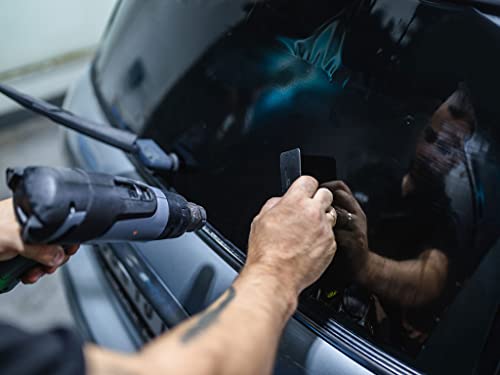
While professional automotive tint installation is always an option, many enthusiasts enjoy a DIY approach. If you’re going the DIY route, the quality of your tools matters. A basic kit with a squeegee and a blade can get you started, but a more thorough set, like the best installation tool kit can make a significant difference.
Here’s what to consider when choosing tools:
- A good blade: A sharp, replaceable blade is essential for precise trimming.
- Multiple squeegees: Different shapes and hardnesses help conform to the curve of the glass.
- Spray bottle: A quality spray bottle provides a consistent, even application of slip solution (often a water and soap mixture). This helps position the film and removes air bubbles.
Don’t skimp on preparation. A clean workspace, clean windows, and patience are just as important as the tint and tools themselves.
If you’re meticulous about keeping your car looking its best, you’ll also want to consider regularly using a car vacuum to maintain a clean interior alongside your freshly tinted windows. Investing in both quality high-quality window films and proper interior care will keep your vehicle in pristine condition.
Car Tintings Compared
This table provides a reference of specifications for various car tinting products.
| Product Title | Best For | VLT (%) | Film Type | Heat Rejection | UV Rejection | Kit Includes Tools |
|---|---|---|---|---|---|---|
| TRUE LINE DIY Car Window Tinting Kit | Best Overall | 5, 20, 35, 50 | Dyed, Carbon, Ceramic | N/A | N/A | No |
| IAQWE 15% VLT Ceramic Car Window Tint | Best Budget Friendly | 15 | Ceramic | Superior | N/A | No |
| PAMAGOO 15% VLT Ceramic Window Roll | Best UV and Heat Protection | 15 | Ceramic | 75% | 99% | No |
| Rvinyl Front 35% Tint for Jeep Wrangler | Best Vehicle-Specific Fit | 35 | Single-Ply | N/A | N/A | No |
| SINGARO 9PCS Car Window Tint Kit | Best Installation Tool Kit | N/A | N/A | N/A | N/A | Yes |
| SINGARO 5PCS Car Window Tint Tools | Best Budget Tool Set | N/A | N/A | N/A | N/A | Yes |
Frequently Asked Questions
What VLT percentage should I choose for the front windows?
Generally, 35% VLT is a good balance for front windows, offering some privacy and heat reduction while remaining legal in many states. However, always verify local laws as restrictions vary and some areas may require 50% or higher VLT for the front windows.
Can I install car tinting myself, or is professional installation always best?
While DIY tinting is possible with patience and the right tools, professional installation is often recommended for a flawless finish. Professionals have the experience to avoid bubbles, creases, and ensure proper adhesion, which ultimately extends the life of the tint.
How long does car tinting typically last before needing replacement?
High-quality ceramic tints can last 7-10 years or even longer with proper care, whereas dyed films might only last 2-3 years before fading or cracking. Regular cleaning and avoiding harsh chemicals will help maximize the lifespan of your tint.
Will car tinting affect my ability to see clearly at night?
Visible light transmission (VLT) plays a key role; darker tints reduce light entering the vehicle. Choosing a lighter shade for the front windows, and ensuring the rear tint isn’t excessively dark, minimizes potential visibility issues, especially when driving at night. For maintaining overall vehicle health, checking out interior cleaners can also help with nighttime visibility by keeping interior glass clear.
What’s the difference between ceramic, carbon, and dyed tints in terms of heat rejection?
Ceramic tints consistently offer the highest heat rejection, blocking up to 75% of infrared rays. Carbon tints provide good heat reduction at a mid-range price, while dyed tints offer minimal heat blocking, primarily focusing on reducing glare. If you are concerned about being stranded with a dead battery, a portable jump starter is always a good idea to keep in your car.
The Bottom Line
Choosing the right car tinting often comes down to balancing upfront cost with long-term comfort and protection. While dyed films represent the most affordable option, for overall performance and lasting value, I believe the TRUE LINE DIY Car Window Tinting Kit strikes the best balance. It provides a range of VLT options and film types, allowing you to tailor your choice to both your needs and local regulations.
For those prioritizing specific needs, the IAQWE 15% VLT Ceramic Car Window Tint is a standout budget choice offering ceramic protection without breaking the bank. If you’re intensely focused on blocking heat and UV rays, the PAMAGOO 15% VLT Ceramic Window Roll delivers exceptional performance in those areas, and could save you money on car batteries by reducing strain on your vehicle’s electrical system from running the AC.
Ultimately, the numbers on a tint’s specs are valuable, but remember that a quality installation and regular care are just as vital. Don’t underestimate the importance of keeping your car’s exterior protected with a good protective car wax products – a well-maintained finish complements tinted windows beautifully and preserves your vehicle’s overall appearance.
