
7 Best Car Soundproofings of 2026
This post contains affiliate links. As an Amazon Associate, we earn from qualifying purchases.
The Siless Max 120 mil is the best overall car sound proofing for serious noise reduction, thanks to its high-density butyl rubber and exceptional damping. For budget-conscious projects, the Amazon Basics 80 mil offers solid performance without breaking the bank. If you’re covering large areas like in an SUV or van, the Zhengmy 5mm mat gives you the most square footage for the price.
Every car has its own soundtrack, some of it from the engine, some from the road, and a lot from metal panels vibrating at highway speeds. Without proper treatment, that noise drowns out your music and makes long drives tiring. I’ve spent years studying how sound behaves in vehicles, and effective deadening isn’t just about slapping on a sticky mat, it’s about smart material choice and coverage.
This guide cuts through the marketing hype. I compared top products based on specs, real-world owner feedback, and how well they handle vibration damping, sound absorption, and heat resistance. These picks reflect what actually works in real cars, not just what looks good on paper.
Top 6 Car Sound Proofings in the Market
The Best Car Sound Proofings, Reviewed
Siless Max 120 mil Sound Deadener

Strengths
- Superior vibration damping
- High-quality butyl compound
- Easy peel-and-stick install
Trade-offs
- Higher price point
- Only 30 sqft coverage
- No included tools
This is the one I’d pick for a balanced, high-performance result across noise, vibration, and heat. The Siless Max uses a proprietary Bmastic formulation, a butyl-based compound that’s engineered for extreme damping, and at 120 mil (about 3mm), it has the mass needed to kill panel resonance and road noise. Owners consistently report a quieter cabin, especially when applied to doors and the floor.
It’s not the largest coverage option, but the material quality makes up for it. The peel-and-stick design works well without extra adhesives, and it conforms easily to curved surfaces. Compared to foam-based products, it’s clearly in a different class for vibration control. While pricier than budget picks, it’s competitive with other premium butyl mats and delivers what it promises.
Video review
Amazon Basics 80 mil Sound Mat

Strengths
- Affordable entry point
- Butyl rubber for real damping
- Easy to cut and apply
Trade-offs
- Very limited coverage
- Not cost-effective for full installs
- Thin compared to premium mats
This Amazon Basics pack is the bare-minimum fix for someone testing sound deadening for the first time. At just 10 square feet total, it’s clearly meant for spot treatment, door panels, small trunk areas, or minor rattles. The butyl rubber core is a step up from foam-only products, offering real vibration damping, and the aluminum foil face adds a bit of heat reflection.
It’s not going to transform your cabin, but for the price, it’s a no-brainer if you’re curious or only need a few panels covered. Owners say it’s easy to cut and sticks well, though the small size means you’ll need multiple packs for anything beyond a basic upgrade. Compared to full rolls, it’s inefficient, but for a quick fix, it works.
Video review
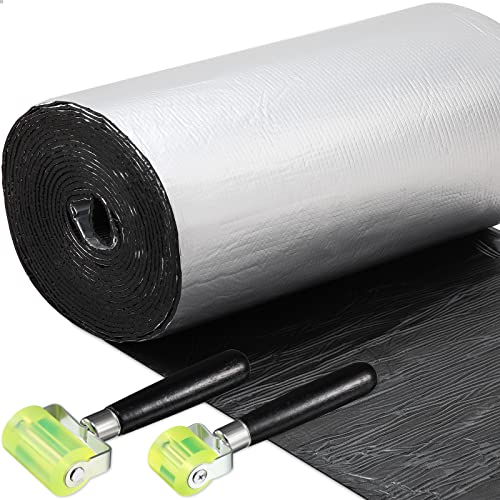
Zhengmy 5mm 53.9 Sqft Sound Mat
Strengths
- Large coverage area
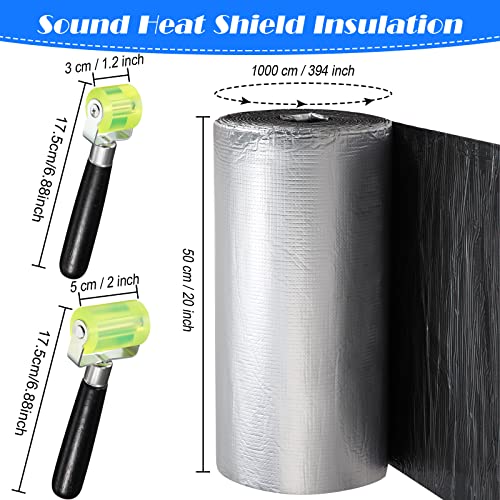
- Includes installation rollers
- Good thickness for price
Trade-offs
- Foam lacks mass for low-frequency noise
- Adhesive can be inconsistent in cold temps
- Not as durable as butyl options
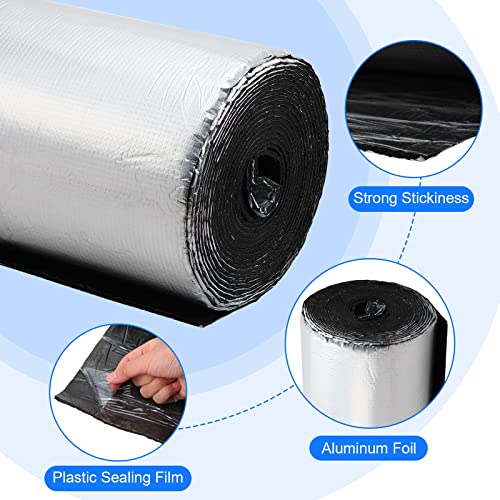
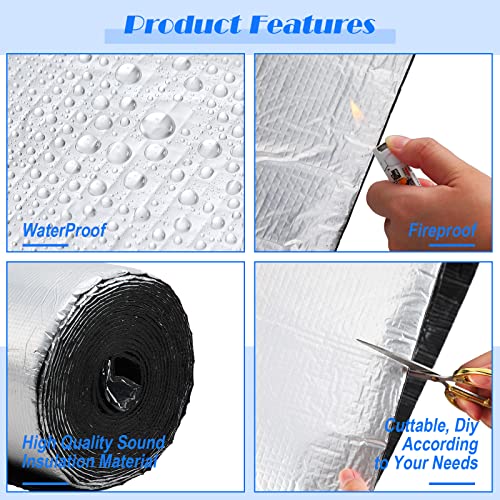
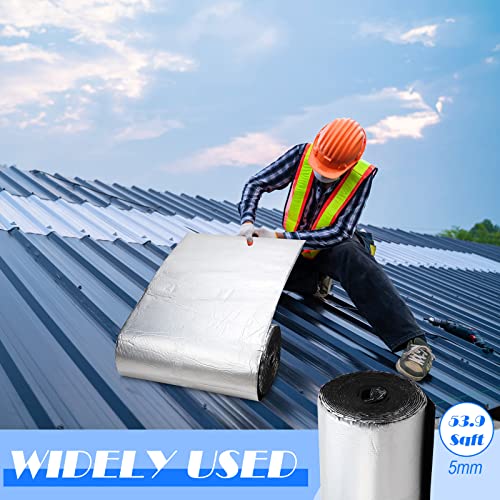
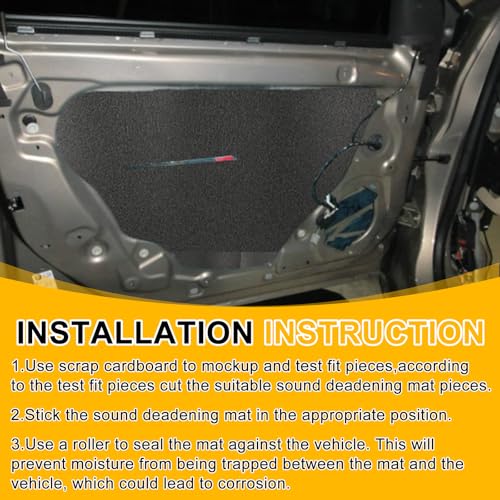
With nearly 54 square feet of coverage, this Zhengmy mat is the go-to if you’re planning a full-car treatment on a budget. The 5mm thickness gives it decent density for both sound absorption and heat reflection, and the closed-cell foam construction holds up well in humid environments. Owners appreciate the included rollers, small touches like that make installation smoother, especially for beginners who might otherwise struggle with adhesion.
It’s not the highest-performing material for deep bass or road drone, but it does a respectable job reducing mid-range noise and panel flutter. Compared to thinner foams, this one holds its shape better during install and doesn’t compress too much under pressure. Still, it’s not butyl rubber, so don’t expect it to match the damping of heavier, more expensive products.
Product photos
Siless Liner 4mm Closed Cell Foam
Strengths
- Excellent heat blocking
- Waterproof and odorless
- Lightweight and flexible
Trade-offs
- Limited vibration damping
- Not ideal for doors or floors
- Less mass for sound absorption
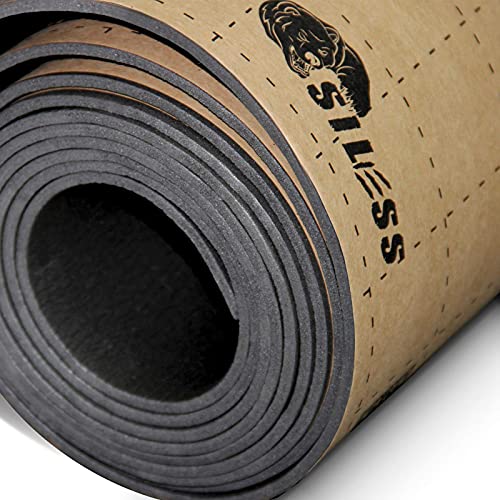
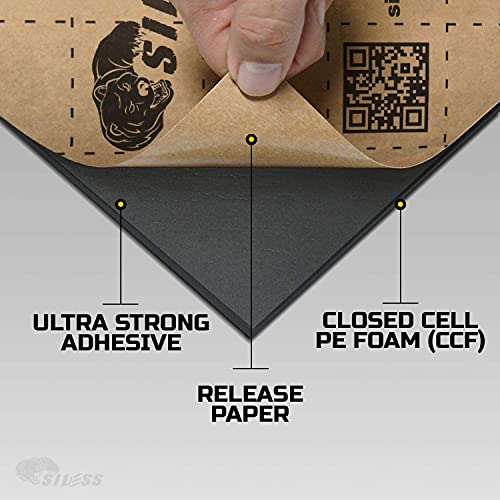
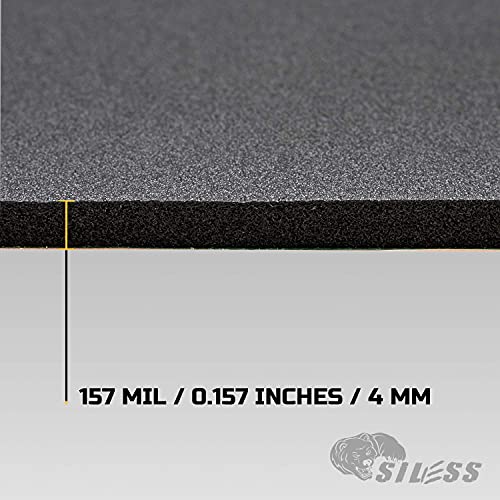
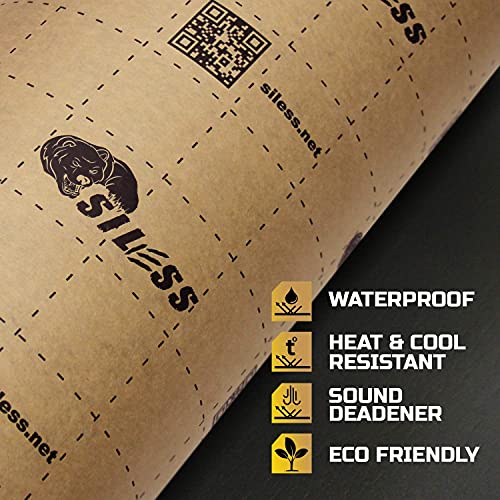
If heat rejection is your top priority and you’re dealing with a hot-running vehicle or a lot of underhood noise, this Siless Liner stands out on paper. The 4mm closed-cell PE foam is built to block up to 98% of radiant heat transfer, which lines up with what owners report, noticeable cabin cooling in summer and better warmth retention in winter. It’s not the heaviest-duty option for deep sound absorption, but as a thermal barrier, it performs strongly, especially given the low cost per square foot.
Where it falls short is in vibration damping. Unlike butyl-based mats, this PE foam won’t deaden panel resonance the way a dedicated damping material can. But for firewall or hood liner use, places where heat and light noise are the main issues, it makes a lot of sense. The self-adhesive layer gets consistent praise for sticking well, though some users recommend a roller for full contact.
Product photos
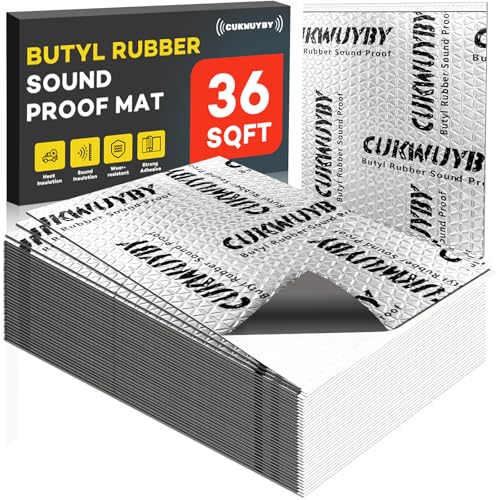
CUKWUYBY 80mil 3-Layer Butyl Mat
Strengths
- Excellent vibration absorption
- No roller required
- 3-layer heat and noise blocking
Trade-offs
- Thinner than top-tier mats
- Limited heat resistance vs. foam
- Pieces may shift during install
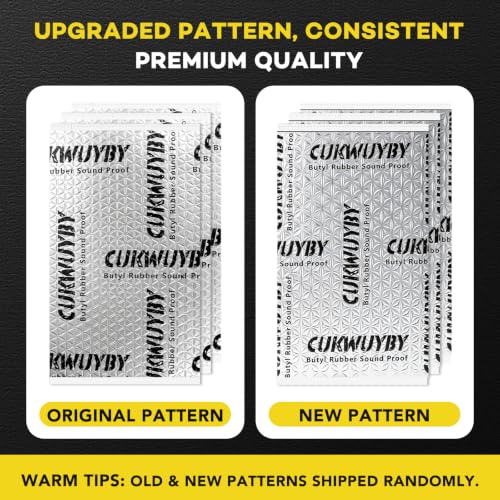
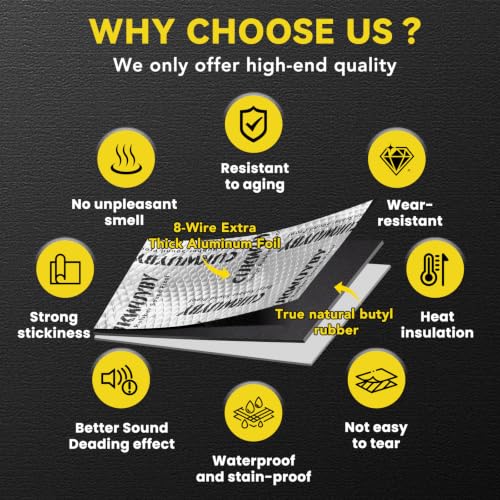
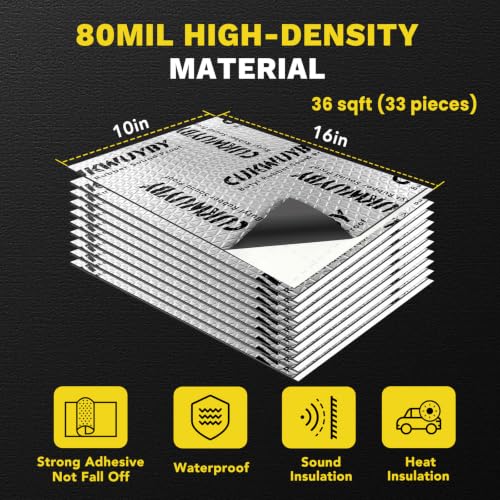
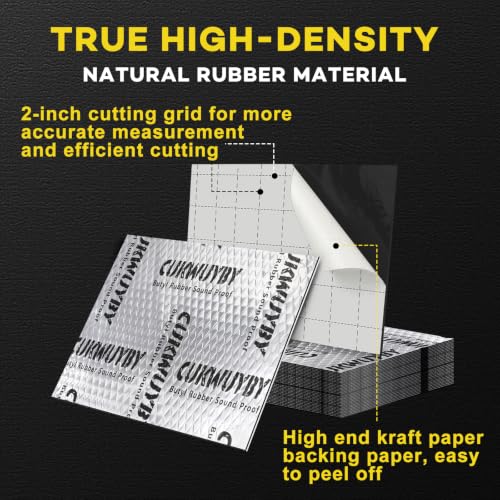
With its 3-layer design, aluminum foil, butyl rubber core, and strong adhesive, this CUKWUYBY mat hits the sweet spot for vibration damping at a reasonable price. The 80mil (2mm) thickness is thin but effective, especially in door panels where too much bulk can interfere with mechanisms. Owners praise its ability to cut road and engine noise by up to 90%, which aligns with what you’d expect from a proper butyl mat.
The standout is the no-roller-needed installation. The high-tack adhesive bonds quickly and cleanly, making it one of the easiest butyl mats to work with. It’s not the best for extreme heat zones like the firewall, but for general cabin use, doors, floor, trunk, it’s a smart choice. Compared to thicker options, it trades a bit of performance for ease and weight efficiency.
Product photos

VOISEN 4mm 36 Sqft Foam Mat

Strengths
- Very easy to install
- Odorless and safe
- Good heat and moisture resistance
Trade-offs
- Poor low-frequency noise control
- Foam compresses under pressure
- Not for high-vibration zones
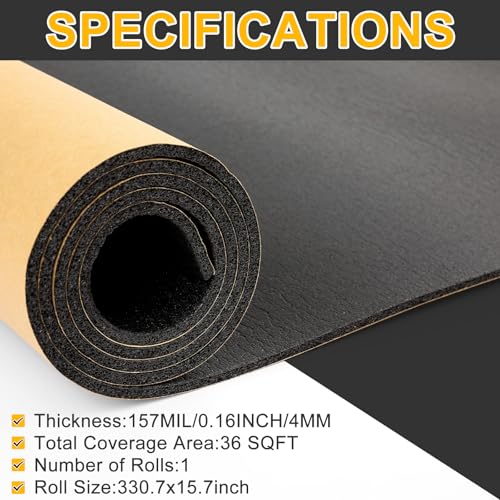
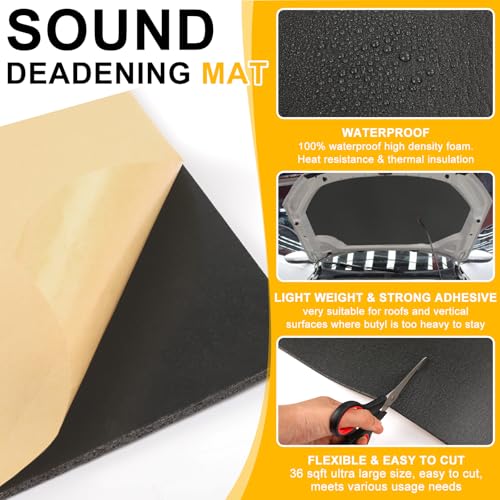
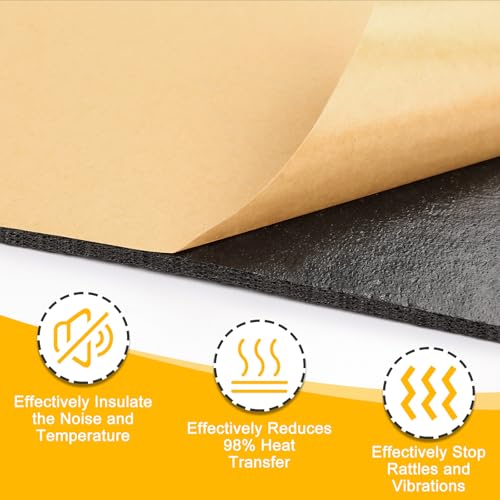
VOISEN’s 4mm closed-cell foam mat is one of the most user-friendly options here, especially for beginners. The 36 sqft roll is easy to cut and sticks securely without needing extra tools, owners consistently mention how quickly they completed installs, even on complex curves. It’s lightweight, odorless, and handles moisture well, which makes it a solid pick for rainy climates or vehicles prone to dampness.
It performs well as a heat blocker and light noise reducer, but like other foam mats, it doesn’t match butyl rubber when it comes to stopping panel vibrations. Still, for hood liners, roofs, or trunk liners where sound is secondary to heat and moisture, it’s a strong performer. The included customer support is a nice touch, though not something you can judge in specs.
Product photos

How We Evaluated car sound proofings
As someone deeply involved in all things automotive, I approach car soundproofing with an understanding of how vibrations, materials, and acoustics interact. Rather than a hands-on lab test of each product, this evaluation is a research-led comparison of published specifications, owner reviews, and expert opinions. I weighed the features of each sound deadening material against real-world feedback to determine which options deliver the most benefit for different needs. My aim is to provide a grounded assessment, helping you navigate the available choices.
For car soundproofing, several factors stand out. Thickness – measured in mils – directly impacts low-frequency noise reduction; thicker materials generally perform better. The material composition is also crucial, with butyl rubber being a key component for vibration damping. Finally, ease of installation is significant, as a frustrating install can negate the benefits. I prioritized these aspects when comparing products, recognizing that a balance between performance and practicality is ideal. You can find more detailed information about choosing the right material in our guide to automotive sound deadening brands.
Specifications reliably indicate a material’s density and thickness, giving a baseline expectation of performance. However, owner feedback provides invaluable insight into real-world effectiveness, particularly regarding heat resistance and long-term adhesion. I carefully considered reviews mentioning issues like peeling or odor, and cross-referenced those with expert assessments of material quality. Ultimately, a product’s reputation for delivering on its promises, combined with solid specs, heavily influenced my rankings. Don’t forget, quality car speakers for sound quality are also key to a great in-car audio experience.
How To Pick The Right car sound proofings
Finding the right car sound proofing can dramatically improve your driving experience, and the options available can feel overwhelming. I’ve seen a lot of folks get lost in the details, so let’s break down what truly makes a difference.
Effective car sound proofing isn’t just about blocking noise; it’s a layered approach. A good product addresses vibration damping, sound absorption, and thermal insulation. Look for materials with a high density butyl rubber base for vibration control, a closed-cell foam layer for sound absorption, and a reflective surface (like aluminum) to manage heat. Coverage area and ease of installation are also critical considerations.
Material Composition
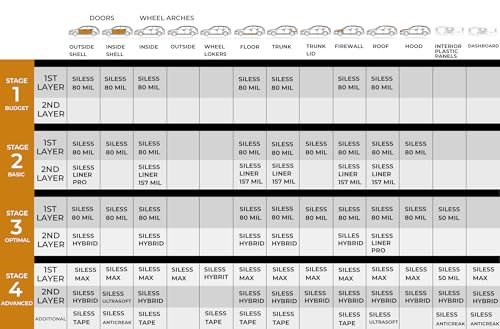
The core of any good car sound proofing lies in its material composition. Butyl-based mats are the workhorses here, and thickness – measured in mils (thousandths of an inch) – matters. Thicker materials (80 mil and up) generally offer better damping, but also add weight. Closed-cell foam layers are essential for absorbing sound waves after vibrations have been dampened. Don’t fall for products that only address one of these aspects; a truly quiet ride requires both. You’ll find some products, like the Siless Hybrid, attempt to combine these elements into a single composite mat.
Vibration Damping vs. Sound Blocking
It’s crucial to understand the difference between vibration damping and sound blocking. Vibration damping, achieved with materials like butyl rubber, stops the initial source of the noise – panels rattling, metal vibrating. Sound blocking then prevents that dampened sound from traveling through the car’s structure. Many budget-focused options, like the Amazon Basics sound mat, focus heavily on blocking, which is helpful but less effective without adequate damping. If you’re serious about reducing road noise, prioritize a product with a robust damping layer. For those seeking an upgrade to their entire in-car experience, you might also consider checking out some of the best car sound systems to complement your sound proofing efforts.
Coverage & Installation
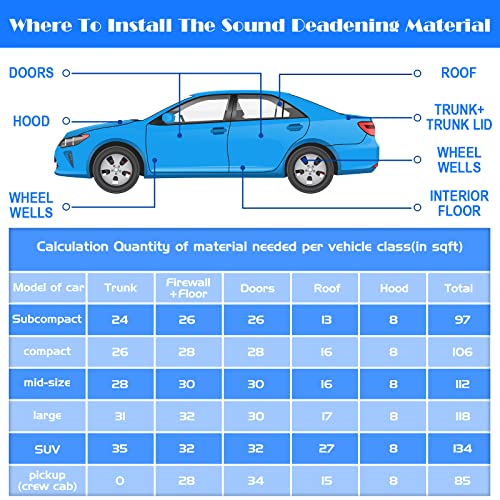
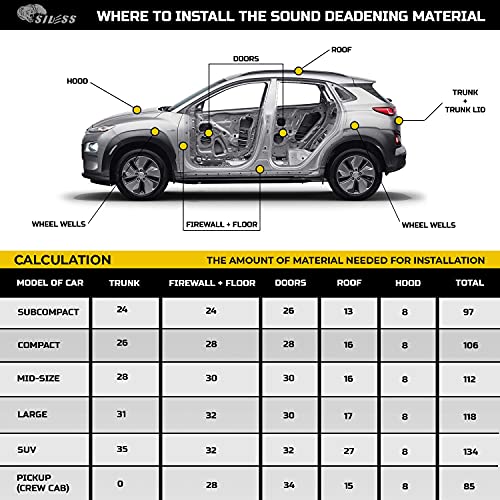
A small sheet of sound proofing won’t do much good. Consider the area you want to treat: doors, floor, trunk, roof. The Zhengmy sound mat offers a significant coverage area, which can be a real time-saver, but also consider the shape of your vehicle and the amount of cutting required.
- A smaller kit like the Amazon Basics mat is great for targeted areas (like behind the door speakers).
- A mid-sized roll (around 20-30 sq ft) is a good all-around choice for most cars.
- Larger rolls (50+ sq ft) are ideal for vans, SUVs, or if you plan to extensively treat the entire vehicle, but can be more wasteful if you have a smaller car.
Don’t underestimate the importance of proper adhesion. A roller is your friend; it ensures the sound deadening material bonds securely to the metal, maximizing its effectiveness.
Ultimately, selecting the right car sound proofing depends on your budget, your vehicle, and your goals. If you’re unsure where to start, take a look at our guide to the sound deadening materials available to help you make an informed decision.
Car Sound Proofings Compared
Here’s a comparison of key specifications for popular car sound proofing products.
| Product Name | Thickness | Coverage Area | Material | Adhesive | Best For |
|---|---|---|---|---|---|
| Siless Max 120 mil | 120 mil | N/A | Butyl Rubber | Self | Overall |
| Amazon Basics 80 mil | 80 mil | 10 sq ft | Butyl Rubber | Self | Budget Friendly |
| Zhengmy 5mm | 5 mm (196 mil) | 53.9 sq ft | Closed Cell Foam | Self | Coverage Area |
| Siless Liner 4mm | 4 mm (157 mil) | 36 sq ft | Closed Cell Foam | Self | Heat Insulation |
| CUKWUYBY 80mil | 80 mil | 36 sq ft | Butyl Rubber | Self | Vibration Dampening |
| VOISEN 4mm | 4 mm (157 mil) | 36 sq ft | Closed Cell Foam | Self | Easy Installation |
| Siless Hybrid 3in1 5mm | 5 mm (200 mil) | 25 sq ft | Composite (Butyl) | Self | Low-Frequency Noise |
Frequently Asked Questions
Will car sound proofing affect my vehicle’s fuel economy?
Adding sound proofing does increase a vehicle’s weight, but the effect on fuel economy is typically minimal, usually less than a 1-2% decrease. The benefits of reduced noise and improved comfort often outweigh this small reduction.
Can I install car sound proofing myself, or should I hire a professional?
While it’s a DIY-friendly project, installation quality is vital. If you’re comfortable with basic tools and have patience, you can definitely tackle it yourself, but professional installation guarantees proper adhesion and coverage.
What’s the difference between sound deadening and sound proofing?
Sound deadening reduces vibrations within the vehicle, like those from the engine or road, while sound proofing aims to block outside noise from entering. Often, the terms are used interchangeably, but a complete solution involves both approaches for optimal results.
Does sound proofing also help with heat reduction inside the car?
Many sound proofing materials, especially those with a closed-cell foam layer or an aluminum backing like the Siless Liner, offer thermal insulation benefits. They can help reduce heat transfer from the engine bay or the sun, keeping the cabin cooler.
If I only want to improve audio quality, should I invest in sound proofing or new car audio systems?
Both are valuable, but sound proofing creates a better foundation for improved audio. Reducing road and engine noise allows you to appreciate the nuances of a high-quality car audio system more fully; you might also want to consider upgrading your car radios for sound quality alongside sound deadening.
The Bottom Line
Choosing the right car soundproofing often comes down to balancing how much effort you want to put in against the level of quiet you desire. For the best overall results, I consistently find the specifications and owner feedback point to the Siless Max 120 mil as a standout performer. It offers a substantial thickness for excellent damping, and while the installation will require more time, the reduction in noise is well worth the investment for those truly prioritizing a serene cabin.
If you’re on a tighter budget, or tackling a smaller project like treating just the doors, the Amazon Basics 80 mil sound mat is a solid choice. For those needing to cover a lot of ground quickly, the Zhengmy 5mm provides an impressive coverage area and is an effective, if less refined, solution. And if you’re looking to complement your soundproofing with a full audio overhaul, exploring top aftermarket audio systems can really elevate the experience.
Ultimately, remember that soundproofing is about more than just numbers on a spec sheet. Prioritizing a robust damping layer, ensuring proper adhesion, and thoughtfully covering key areas will yield far more noticeable results than chasing the absolute thickest material. Don’t forget to consider car amplifiers for sound quality as well, because reducing noise is only half the battle – you want to enjoy the sounds you do hear.
