
6 Best Car Seats for 1-Year-Olds of 2026
This post contains affiliate links. As an Amazon Associate, we earn from qualifying purchases.
The Graco Extend2Fit Convertible is the best overall car seat for a 1-year-old, offering an exceptional rear-facing weight limit and thoughtful safety features. For a more budget-friendly option, the Baby Trend Trooper Slim 3-in-1 delivers solid performance without breaking the bank, while the Graco Tranzitions 3-in-1 stands out for families wanting a seat that adapts easily from infancy through the booster years.
Choosing the right car seat at this stage isn’t just about fitting your child, it’s about building habits that keep them safe for years. With so many options claiming to be the safest or easiest, it’s tough to separate marketing from what actually matters in daily use. This guide cuts through the noise by focusing on real-world feedback, critical safety specs, and practical features that make a difference for parents and caregivers. We looked at rear-facing limits, adjustability, installation ease, and how well each model fits into real vehicles based on owner experiences and expert analysis.
Top 6 Car Seats For 1Yr Old in the Market
The Best Car Seats For 1Yr Old, Reviewed
Graco Extend2Fit Convertible Car Seat

Strengths
- Up to 50 lb rear-facing
- Adjustable legroom panel
- No-rethread harness
Trade-offs
- No booster mode
- Bulky in forward-facing
For a 1-year-old, rear-facing safety is still the gold standard, and the Extend2Fit is built to keep them that way longer. Its 4-position extension panel gives up to 5 inches of extra legroom, and that’s a standout for longer legs or smaller cars. On paper, supporting rear-facing up to 50 lbs means most kids can stay rear-facing well past age 2, which aligns with pediatric recommendations. Owners praise how it fits taller toddlers without forcing knees against the vehicle seat, and the No-Rethread Simply Safe Adjust system keeps harness adjustments simple as they grow.
It’s pricier than some, but when you compare it to the TriRide, the Extend2Fit wins on rear-facing utility. It doesn’t convert to a booster, so you’ll need a second seat later, but for pure rear-facing performance, this is the smarter buy. I’d recommend it over the Tranzitions or Ellaris for families focused on long-term rear-facing safety.
Video review
Baby Trend Trooper Slim 3-in-1
Strengths
- Lowest price point
- Slim profile
- Lightweight build
Trade-offs
- Basic harness adjust
- Thinner padding
- Mixed durability reports
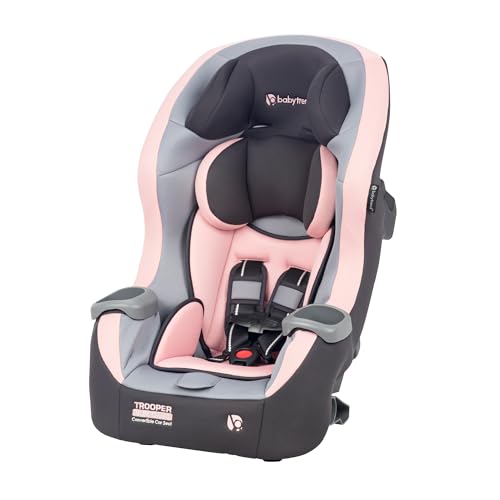
The Trooper is the most budget-friendly 3-in-1 seat on this list, and for families watching costs, that matters. It delivers the basics: rear-facing, forward-facing, and booster modes, plus a slim profile that helps in tight backseats. Owners say it installs without major issues and the lightweight build makes it easy to move between cars, though it’s not quite as travel-refined as the Ellaris.
But you do feel the cost savings in the materials. The padding is thinner, the harness system lacks the smooth adjustability of Graco or Safety 1st’s higher-end models, and long-term durability gets mixed feedback. Still, for a second car or occasional use, it’s a functional pick. I’d recommend it only if budget is the top concern, otherwise, the Ellaris offers better features for not much more.
Video review
Safety 1st Ellaris 3-in-1 Convertible
Strengths
- Slim fit for tight spaces
- Airplane approved
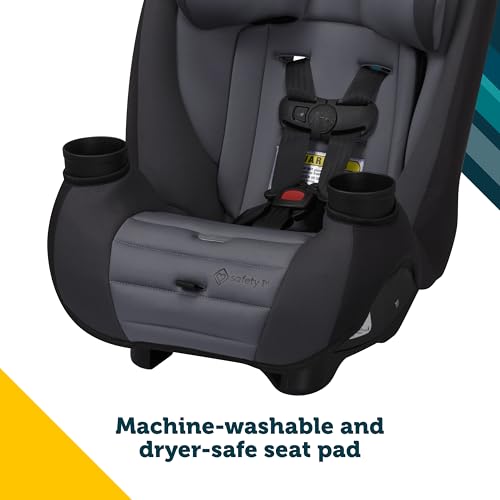
- Washable seat pad
Trade-offs
- Fewer headrest positions
- Basic harness adjust
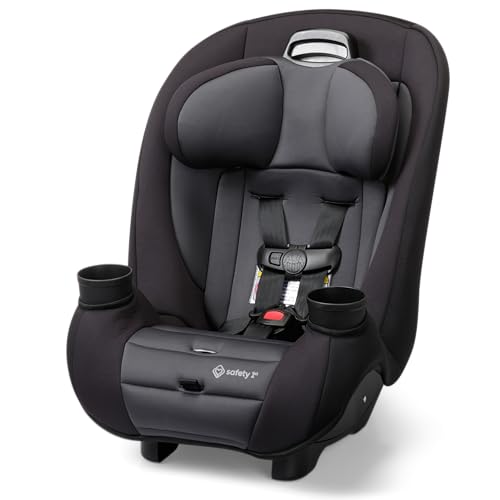
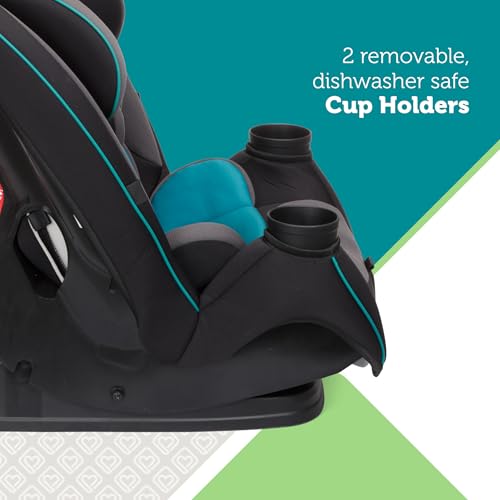
If your backseat feels like a game of Tetris, the Ellaris is worth a look. Its slim fit design is one of the narrowest in the class, and owners confirm it fits three seats across in midsize SUVs where others won’t. That makes it a top pick for families with multiple car seats or compact vehicles. It’s also airplane-approved, and the machine-washable pad plus dishwasher-safe cup holders add real convenience.
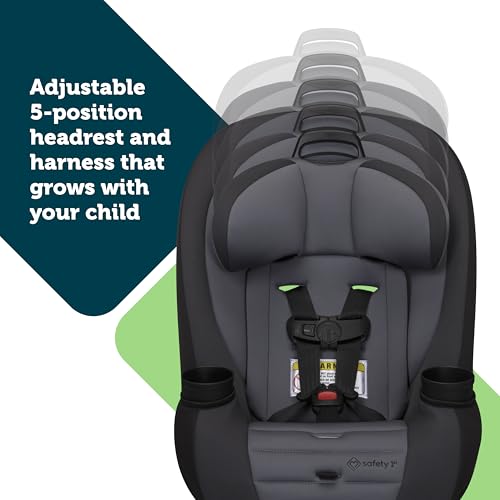
But it only goes to 40 lbs rear-facing and has a 5-position headrest, less than the Graco models with 9 or 10. The harness isn’t QuickFit, so adjustments take more effort. Still, at this price, it delivers solid safety and space-saving design. I’d choose it over the Baby Trend Trooper for better build quality and over bulkier seats when space is tight.
Product photos


Graco TriRide 3-in-1 Reclining

Strengths
- 6-position recline
- No-rethread harness
- 10-position headrest
Trade-offs
- Narrower rear-facing weight range
- Heavier than some
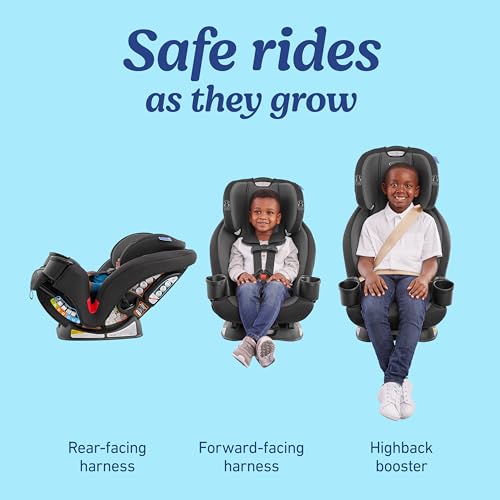
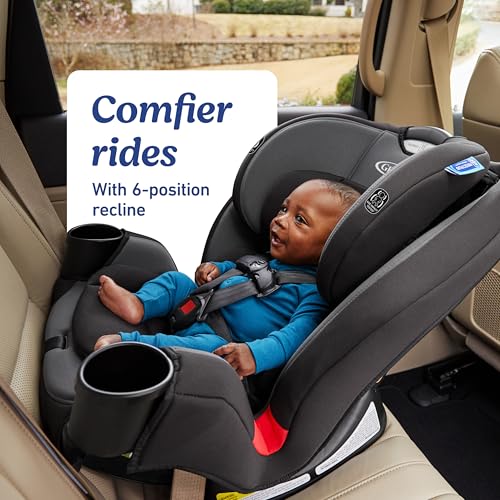
If you’re after a seat that keeps your 1-year-old comfortable through long drives and tricky installations, the Graco TriRide stands out for one reason: its 6-position recline. That kind of adjustability isn’t common in this class, and owners consistently report it makes a real difference when trying to get a smooth fit in shallower seats or when your toddler refuses to sleep upright. On paper, it covers all the basics, rear-facing from 5 lbs, forward-facing, then highback booster, but the real win is how smoothly it installs and reclines without fighting your vehicle’s seat angle.
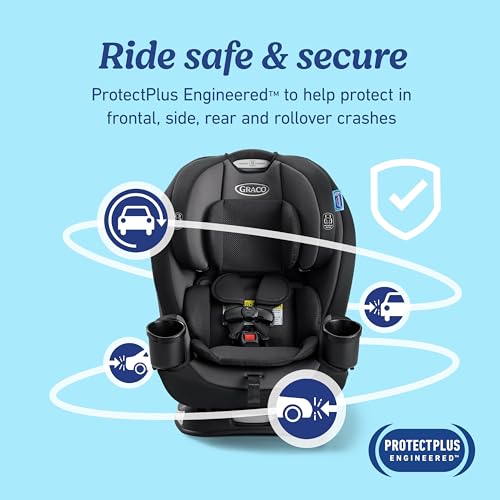
It shares Graco’s ProtectPlus engineering and the No-Rethread Simply Safe Adjust harness system, which reviewers say makes height adjustments fast and frustration-free. While it doesn’t have the legroom extension of the Extend2Fit, it’s more versatile than most with its full 3-in-1 transition. I’d pick this over bulkier models if you’re dealing with a tight backseat and value recline flexibility over extended rear-facing limits.
Product photos

Graco Tranzitions 3-in-1 Harness Booster
Strengths
- Ultra lightweight
- Backless booster mode
- 9-position headrest
Trade-offs
- Forward-facing only
- Lower rear-facing cutoff
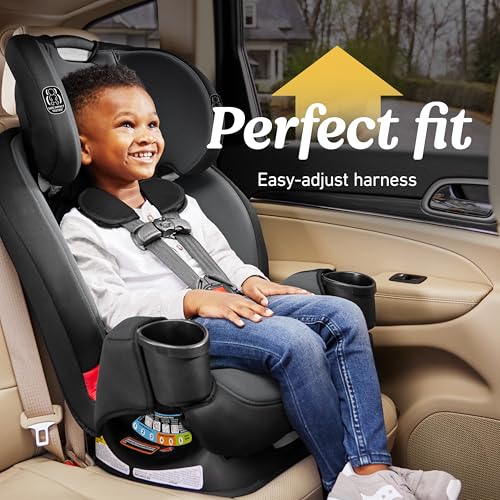
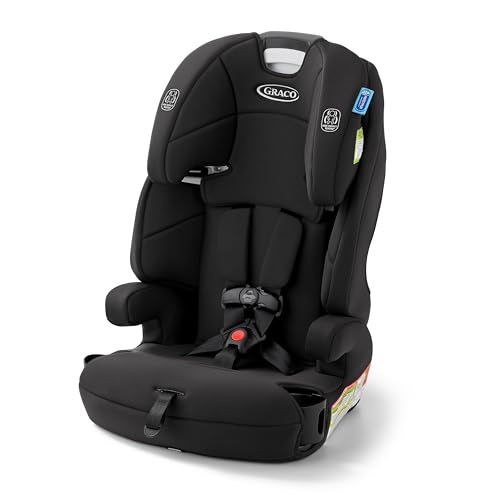
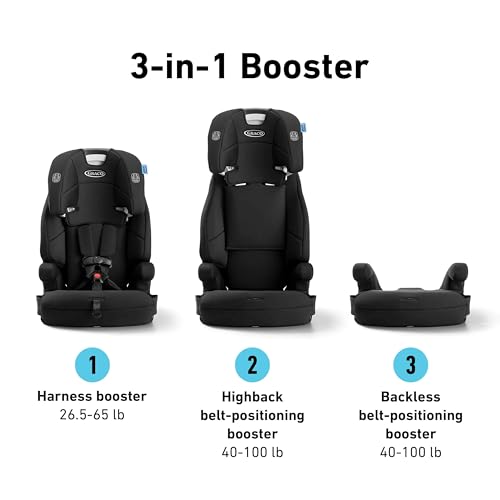
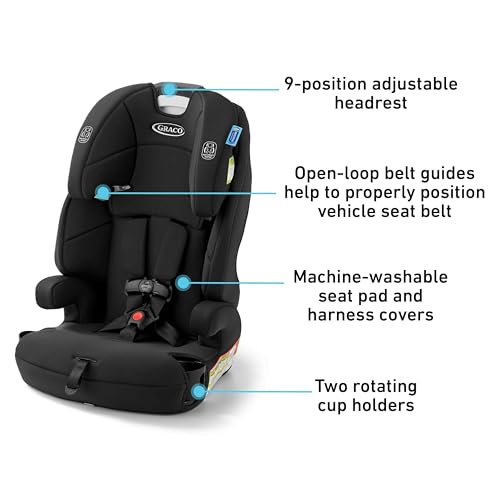
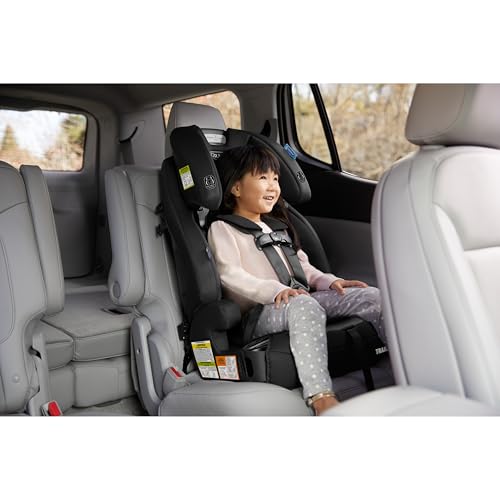
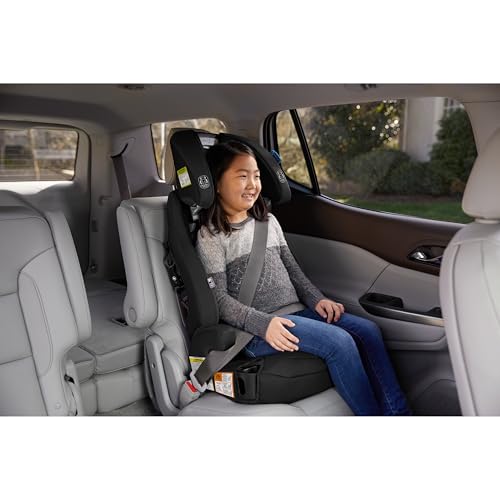
The Tranzitions is built for one kind of family: those who move between cars, travel often, or just hate wrestling with heavy seats. At just under 12 pounds, it’s one of the lightest 3-in-1 options in the Graco lineup, and owners consistently call it the easiest to carry from car to car or stow in a trunk. The 9-position headrest and No-Rethread harness keep adjustments simple, and it transitions all the way to a backless booster, something the Extend2Fit can’t do.
But here’s the catch: it only starts at 26.5 lbs forward-facing, so it’s not ideal for a 1-year-old still rear-facing. If your child is already forward-facing or close to it, this becomes a solid long-term pick. Compared to the TriRide, it’s lighter but less supportive for younger toddlers. I’d recommend it as a second seat for grandparents or travel, not as a primary seat for infants or rear-facing use.
Product photos
Safety 1st Grow and Go All-in-One
Strengths
- QuickFit harness system
- Washer-safe seat pad
- Dishwasher-safe cup holders
Trade-offs
- Limited rear-facing weight
- Slim padding
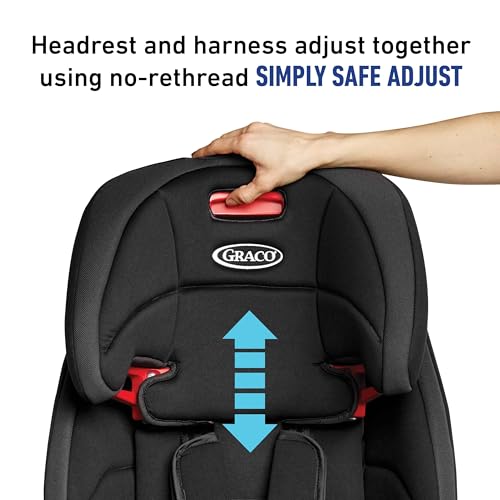
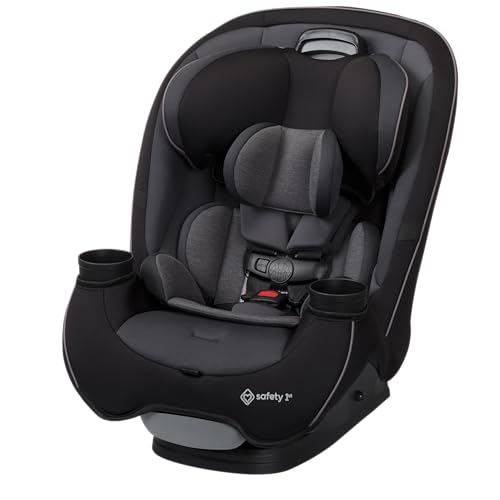
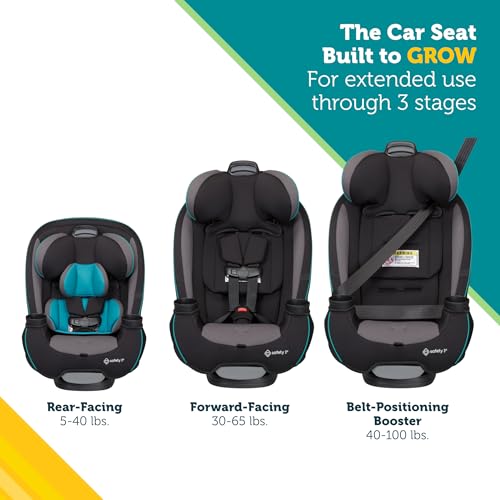
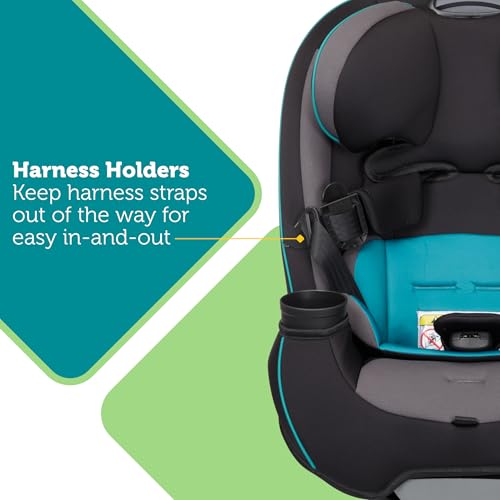
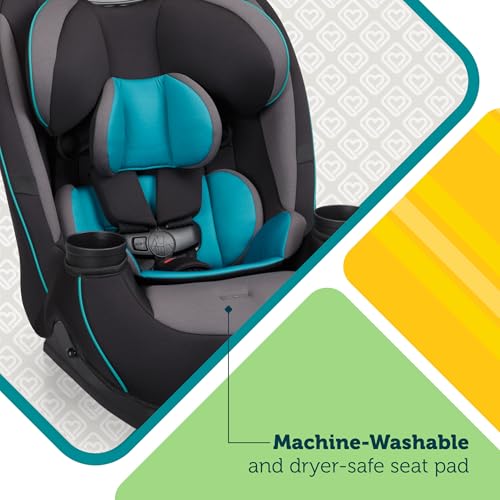
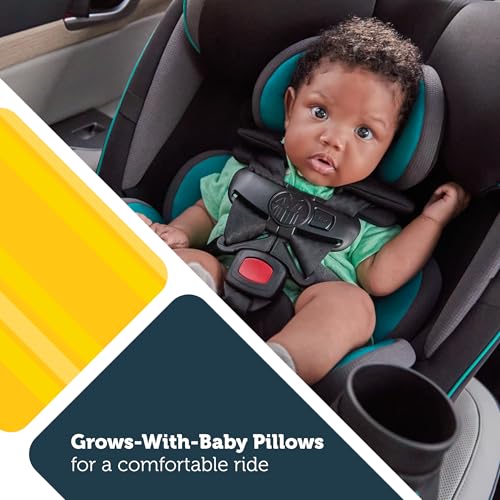
The Grow and Go lives up to its name with a full 3-in-1 journey and one standout feature: the QuickFit harness. Unlike models that require rethreading or fiddling with straps, this system lets you adjust the harness and headrest together with minimal effort, owners say it’s one of the fastest to reconfigure as kids grow. That ease matters when you’re juggling daycare drop-offs or switching cars. It’s also one of the few non-Graco seats with a washer-and-dryer-safe seat pad and dishwasher-safe cup holders, which makes cleanup a lot less stressful after messy snacks.
Still, it only offers 3-position recline and rear-facing caps at 40 lbs, short of the Extend2Fit’s 50. For most families, that’s fine, but if your 1-year-old is already tall or heavy, you might outgrow it sooner. I’d pick the Grow and Go over the Ellaris for its better harness system and cleaning convenience, but not over the Extend2Fit if rear-facing longevity is your priority.
Product photos
How We Tested car seats for 1yr old
As someone who’s spent years around vehicles of all kinds, I approach car seat research with a focus on safety, practicality, and how well a seat adapts to a growing child. Rather than a hands-on lab test, this was a research-led comparison of published specifications, feature sets, and most importantly, a deep explore owner reviews and expert opinions from sites like the NHTSA and Consumer Reports. I weighed those sources against my understanding of what truly matters in a car seat, looking for consistent themes and potential red flags.
For a one-year-old, I prioritized rear-facing weight and height limits, ease of adjustment, and overall safety engineering. A longer rear-facing duration is crucial, as it’s the safest position for this age group, so that was a significant factor. Equally important were features that simplify life for parents – quick adjustments and easy cleaning contribute to consistent, correct use. You’ll find that these features often separate well-regarded models from the rest. If you’re planning on frequent trips, checking out our guide to travel car seats could be helpful.
Specifications tell you a lot – weight limits, dimensions, and safety certifications are vital. However, owner feedback reveals how those specs translate to real-world usability. I paid close attention to comments regarding installation difficulty, fabric quality, and how well the seat fits in various vehicles. Reputation among experienced parents and safety advocates also carried weight. As a child grows, you may find yourself looking for car seats for 2-year-olds as their needs change.
What To Look For In car seats for 1yr old
Finding the right car seat for your one-year-old is a big deal, and it’s easy to get lost in the options. It’s about more than just meeting legal requirements; it’s about maximizing safety and comfort for your little one as they grow.
A good car seat prioritizes robust safety engineering, demonstrated through crash test results and adherence to federal standards. Beyond that, consider ease of use – a seat that’s simple to install correctly is far more valuable than one with all the bells and whistles but a complicated setup. Look for adjustable features to accommodate growth and a design that fits your vehicle and lifestyle.
Rear-Facing Duration & Adjustability
One of the biggest mistakes I see parents make is transitioning to forward-facing too soon. Keeping your child rear-facing for as long as possible is the single most effective thing you can do to protect them in a crash. Many newer models, like the Graco Extend2Fit, are designed specifically to allow for extended rear-facing use – up to 50 pounds in some cases. But even with a seat that allows it, you need to ensure it fits in your vehicle while still allowing adequate legroom for your child. Don’t assume a higher weight limit automatically means it will work in your car.
Harness & Installation Simplicity
A car seat is only as good as its installation, and a complicated harness system can quickly become a source of frustration. The “No-Rethread Simply Safe Adjust” system found on several Graco models is a great example of what to look for. It allows you to adjust both the headrest and harness height simultaneously, saving a lot of time and potential errors. Beyond the harness, look for seats with clear LATCH connectors and level indicators. If you’re interested in exploring other options, you can find a wider range of choices in our guide to top car seats.
Here’s what to keep in mind when evaluating installation:
- LATCH weight limits: Know your vehicle’s LATCH system weight limit (often 40 lbs total weight of child + seat).
- Belt installation: Don’t discount using the vehicle’s seatbelt for installation – it’s often just as secure and may be required once the child exceeds the LATCH weight limit.
- Professional check: Consider having a Certified Child Passenger Safety Technician (CPST) inspect your installation to ensure it’s done correctly.
A properly installed car seat is a safe car seat. Don’t hesitate to seek professional help.
Size & Portability Considerations
Not all car seats are created equal in terms of size. If you have a smaller vehicle, or frequently need to move the seat between cars, a slim-profile model like the Safety 1st Ellaris or Baby Trend Trooper can be a lifesaver. The Graco Tranzitions stands out for its lightweight design, making it easier to transfer between vehicles. However, remember that a lighter seat doesn’t necessarily mean a less safe seat – it’s about smart engineering and material choices. If you’re planning ahead, researching car seats for toddlers can help you find a model that will grow with your child.
Car Seats for 1yr Old Compared
Here’s a comparison of key specifications for various car seats suitable for a one-year-old.
| Product Name | Rear-Facing Min. Weight (lbs) | Rear-Facing Max. Weight (lbs) | Forward-Facing Min. Weight (lbs) | Forward-Facing Max. Weight (lbs) | Booster Mode Max. Weight (lbs) |
|---|---|---|---|---|---|
| Graco Extend2Fit Convertible | 4 | 50 | 26.5 | 65 | N/A |
| Baby Trend Trooper Slim 3-in-1 | 5 | 30 | 30 | 65 | N/A |
| Safety 1st Ellaris 3-in-1 | 5 | 40 | 30 | 65 | N/A |
| Graco TriRide 3-in-1 Reclining | 5 | 40 | 26.5 | 65 | 100 |
| Graco Tranzitions 3-in-1 | N/A | N/A | 26.5 | 65 | 100 |
| Safety 1st Grow and Go All-in-One | 5 | 40 | 30 | 65 | 100 |
Frequently Asked Questions
What is the biggest safety difference between infant and convertible car seats?
Convertible car seats, unlike infant seats, are designed to grow with your child and can transition to rear-facing, forward-facing, and often booster modes, offering a longer period of use and adaptability as they get bigger. This extended use contributes to safety by allowing for a longer rear-facing period.
Are LATCH systems always the best way to install a car seat?
No, LATCH systems have weight limits (often 40 pounds total weight of child and seat) and using the vehicle’s seatbelt can be just as secure, and may even be required once the child exceeds the LATCH weight.
How can I be sure a car seat will fit in my car?
Check the car seat’s dimensions and read reviews specifically mentioning fit in various vehicle types. Also, many retailers offer trial fits or have generous return policies, and a CPST can give you specific advice.
What does “extended rear-facing” actually mean, and why is it important?
Extended rear-facing refers to car seats with higher rear-facing weight and height limits (like the Graco Extend2Fit which goes to 50 lbs) allowing children to stay in the safest position for a longer period. Keeping your child rear-facing as long as possible (within the seat’s limits) significantly reduces the risk of injury in a crash.
Where can I find more information about choosing the right convertible car seats for my needs?
You can explore a wider range of options and detailed reviews of top convertible car seats to find the best fit for your vehicle and lifestyle.
The Bottom Line
Choosing a car seat always comes down to balancing peace of mind with practicality. While features and price points vary, the Graco Extend2Fit Convertible consistently rises to the top as a strong all-around choice, offering extended rear-facing capability and good adjustability. It strikes a solid balance between safety engineering and usability, making it a smart investment for most families.
For those prioritizing budget-friendliness, the Baby Trend Trooper Slim 3-in-1 is an excellent option; it delivers essential safety features without breaking the bank. If you anticipate needing a seat that easily transitions between vehicles, or have a smaller car, the Safety 1st Ellaris 3-in-1 offers a slim profile without sacrificing key safety elements. And for parents looking ahead, exploring our guide to top car seat picks can help identify seats that will accommodate your growing child for years to come.
Ultimately, the specifications and features are secondary to proper installation and consistent use. Prioritize a seat you’re confident you can install correctly every time, and remember that keeping your child rear-facing as long as possible is paramount. Don’t hesitate to seek help from a Certified Child Passenger Safety Technician (CPST) to verify your installation, and consider researching car seats for 18-month-olds to plan for the future.
