
8 Best Car Plastic Interior Cleaners 2026
This post contains affiliate links. As an Amazon Associate, we earn from qualifying purchases.
The Turtle Wax Hybrid Solutions Inside Job is the best overall car plastic interior cleaner for its durable shine and UV protection, while the CarGuys Super Interior Cleaner stands out as a versatile, concentrated option for heavy-duty cleaning on a budget.
Keeping your car’s interior looking fresh isn’t just about wiping down surfaces. Most cleaners leave behind greasy residue, fail to protect against sun damage, or degrade materials over time. After comparing the field and reviewing owner feedback, it’s clear that the right formula makes all the difference.
This guide cuts through the noise, focusing on real performance, material safety, and long-term value. We looked at what detailers trust, what specs actually matter, and how these products hold up in daily use.
Top 8 Car Plastic Interior Cleaners in the Market
The Best Car Plastic Interior Cleaners, Reviewed
P & S Xpress Interior Cleaner 1 Gallon

Strengths
- Cost-effective in bulk
- Professional grade
- No residue
Trade-offs
- Heavy container
- Overkill for single vehicles
The gallon version of the P&S cleaner is where this product truly shines. Buying in bulk slashes the per-use cost, and since it’s ready-to-use, there’s no guesswork with dilution. Detailers consistently report it outperforms name-brand competitors on grease and traffic film, especially on high-touch areas like armrests and center consoles.
It’s the same trusted formula as the smaller bottle, but now it makes sense for regular use. Whether you’re maintaining a personal garage fleet or running a side detailing gig, this is the smarter buy. The no-residue finish and leather-safe pH mean you’re not sacrificing care for convenience.
Video review
Turtle Wax Hybrid Solutions Inside Job

Strengths
- Advanced UV shielding
- Odor eliminating
- Streak-free finish
Trade-offs
- Higher price point
- Average stain lifting
Turtle Wax packed some serious tech into this bottle, ceramic and graphene polymers aren’t typical in interior sprays, and on paper, they deliver real UV defense. This isn’t just shine; it’s a shield. Owners who’ve used it for months note less cracking on dashboards, especially in sun-heavy climates. That’s the kind of long-term benefit I look for in detailing products.
It also deodorizes effectively, not masking smells but breaking them down. The enzyme-based formula plays well with leather and soft surfaces, though it’s not the strongest on grease. Compared to basic wipes-and-spray options, this one leans premium, and priced accordingly. If UV damage worries you, this is a smart hedge.
Video review
CarGuys Plastic Restorer 8 Oz

Strengths
- Long-lasting restoration
- Water repellent
- Dries completely
Trade-offs
- Not a cleaner
- Requires clean surface
If your car’s exterior trim or interior plastics have gone gray from sun exposure, this is the kind of product enthusiasts reach for. The formula isn’t just a surface dressing, it bonds and seals, so owners report results lasting several months even after rain. That water-repellent quality is rare in non-silicone-based restorers, and it shows in long-term feedback.
What sets it apart is how it dries completely. Most plastic restorers leave a greasy film that attracts dust, but users note this one sets clear and stays dry. It’s not meant as an all-in-one cleaner, though, you’ll need to prep the surface first. But for bringing faded bumpers, side moldings, or dash vents back to life, it’s hard to beat.
Product photos


Meguiar’s Quik Interior Detailer 24 Oz
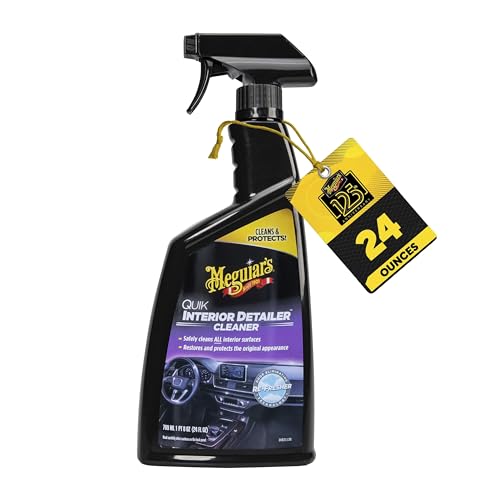
Strengths
- Large volume
- Affordable
- UV protection
Trade-offs
- Limited stain removal
- Shorter-lasting finish
At this price and size, it’s clearly aimed at budget-conscious owners who still want decent performance. The 24 oz gives more volume than most, and the high-lubricity formula means it glides over sticky spots without scratching. It does a credible job on light spills and dust, and the UV blockers are a nice bonus at this tier.
But let’s be honest, this isn’t a deep cleaner. Compared to Chemical Guys or P&S, it lacks bite on grease and oil. Still, for weekly upkeep, it delivers. I’d recommend it over pricier options for daily drivers that don’t see extreme wear. Just don’t expect miracles on set-in messes.
Product photos


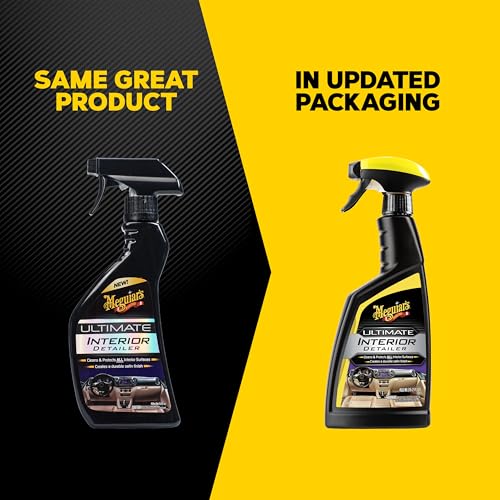
Meguiar’s Ultimate Interior Detailer 15.2 Oz
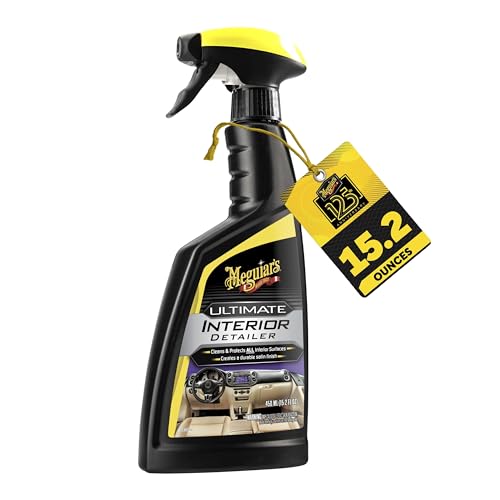
Strengths
- Fast drying
- UV protection
- Safe on screens
Trade-offs
- Light cleaning power
- Not for heavy stains
This one’s built for drivers who want a fast, reliable wipe-down without switching products. On paper, it hits the basics well, safe on screens, dashboards, and vinyl, with UV protection that owners say helps slow fading over time. The satin finish isn’t flashy, which I like; it avoids that wet-look trend that ages poorly after a few weeks.
I’d pick this over heavier dressings if you’re doing weekly maintenance. It doesn’t dig deep into grime, but for light dust and fingerprints, reviewers consistently report it works in one pass. The 15.2 oz size is practical for glove box storage, so it’s a solid grab-and-go option.
Product photos



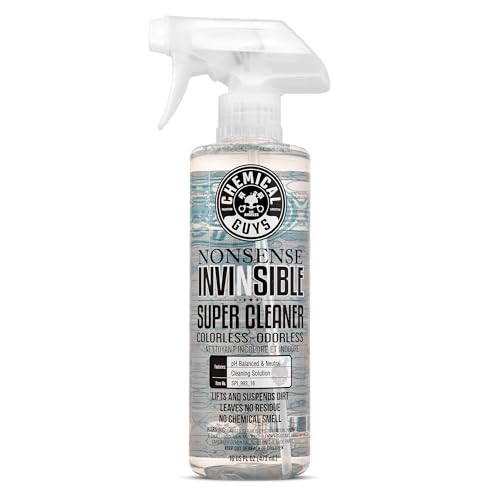
Chemical Guys Nonsense Odorless Cleaner 16 Oz
Strengths
- Truly odorless
- Concentrated formula
- Multi-surface safe
Trade-offs
- No UV protection
- No visual enhancement
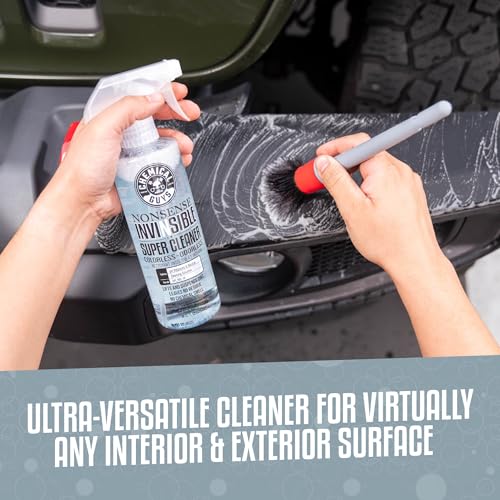
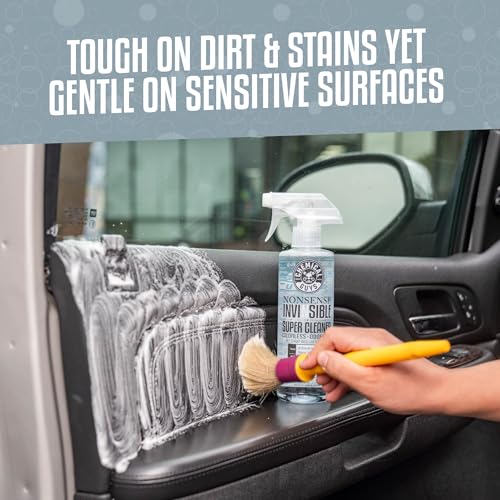
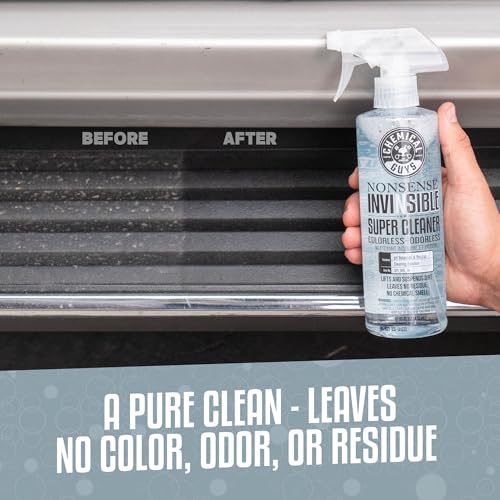
This is the stealth workhorse of the group, no scent, no drama, just consistent cleaning. The low-foam, concentrated formula is what pro detailers rely on when they need to clean engine bays, carpets, and touchpoints without leaving residue. It’s not flashy, but owners love that it doesn’t discolor fabrics or leave behind stickiness.
Because it’s odorless, it’s perfect for people sensitive to chemical smells, think families with kids or pets. You can dilute it, too, which stretches value. Where it falls short is visual enhancement; it won’t revive faded plastics. But if you want pure cleaning without fragrance or shine gimmicks, this is my go-to recommendation.
Product photos


P & S Xpress Interior Cleaner 16 Oz

Strengths
- No sticky residue
- Cleans grease effectively
- Safe on leather
Trade-offs
- Smaller size
- Not cost-efficient for frequent use
This is the kind of cleaner detail shops reach for when time matters. The no-residue formula stands out, owners praise how it lifts grease without leaving a film, which is rare in off-the-shelf products. It handles leather and fabric without drying them out, and the fresh scent lingers without being overpowering.
Compared to others in this list, it’s better suited for occasional use rather than daily wiping. The 16 oz won’t last long if you’re cleaning multiple vehicles regularly. But for weekend warriors giving their car a monthly refresh, it strikes the right balance of power and safety.
Product photos


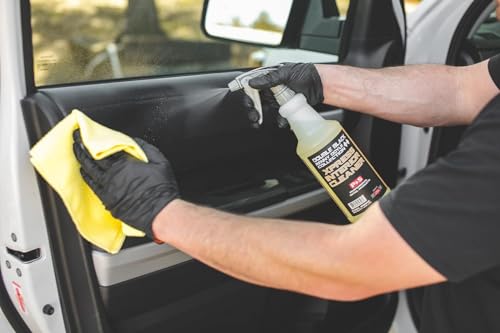
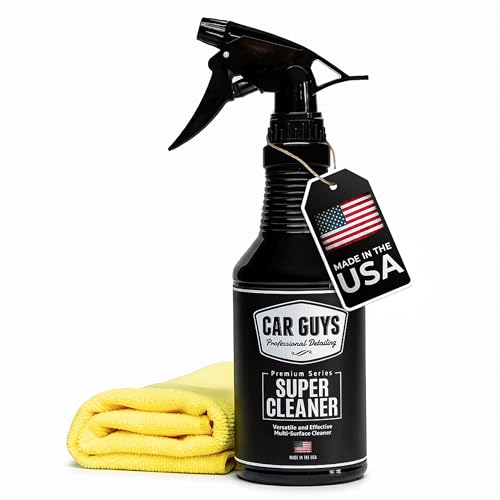
CarGuys Super Interior Cleaner 18 Oz
Strengths
- Strong stain removal
- Zero residue
- Includes quality towel
Trade-offs
- Not for delicate finishes
- Overpowering for light jobs
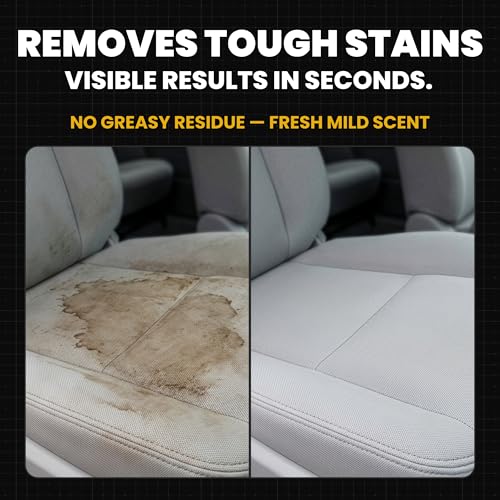
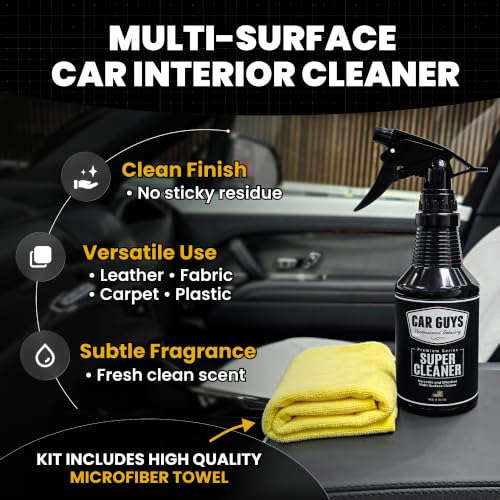
When spills turn into stains, this is the product many turn to as a last resort. The concentrated formula cuts through oil, food, and even pet messes that other sprays just smear. Owners note it works with minimal scrubbing, and the included microfiber towel is actually useful, unlike the cheap rags some brands toss in.
It’s not subtle, this is a heavy-duty cleaner, but it leaves zero residue, which keeps surfaces from re-soiling quickly. Compared to general interior sprays, it’s overkill for dashboards, but for seats and carpets? Absolutely worth having on hand. My recommendation: keep this in the trunk for emergencies.
Product photos



How We Evaluated car plastic interior cleaners
As someone who’s spent years immersed in automotive culture – from wrenching on engines to appreciating the finer points of a well-kept interior – I approached this evaluation by combining published specifications with a thorough review of owner and professional detailing feedback. Rather than a hands-on lab test, this is a research-led comparison of features, formulations, and reported performance. I weighed each product against its stated purpose and overall value proposition.
For car interior cleaners, three factors stood out as most critical. First, broad material compatibility is key; a product that safely cleans everything from leather to vinyl is far more practical. Second, residue left behind (or lack thereof) dramatically impacts long-term appearance and usability. Finally, the ability to tackle ingrained grime and stains, beyond simple dust removal, separates effective cleaners from merely passable ones. If you’re looking to truly revive faded surfaces, exploring options like those found in our guide to plastic restorers can be a great next step.
Product specifications readily reveal ingredients and intended use cases, but real-world performance is where owner reviews and professional opinions become invaluable. Specs tell you a cleaner can work on a specific material, but feedback reveals if it does so without causing discoloration or damage. Reputation among detailers – those who use these products daily – also carries significant weight. For a wider range of products to enhance your car’s interior, check out our recommendations for interior detailing products.
How To Choose The car plastic interior cleaners
Finding the right product to keep your car’s interior looking its best can feel overwhelming. There are countless options, each promising a showroom finish, but understanding what truly separates a good cleaner from a mediocre one is key.
A quality car plastic interior cleaner should be versatile enough to handle a range of materials, vinyl, leather, rubber, and various plastics, without causing discoloration or damage. It should effectively remove common contaminants like dust, grime, fingerprints, and UV-related fading, while leaving a non-greasy finish. Prioritize pH-balanced formulas and those with UV protectants for long-term material health.
Understanding the Material You’re Cleaning
The first step is identifying what you’re trying to clean. A universal cleaner can work, but specialized formulas often deliver superior results. For instance, heavily textured plastics often trap dirt more deeply, requiring a foaming action to lift it effectively. If you frequently battle stubborn stains, look for products with enzymatic cleaners or stronger solvents (always test in an inconspicuous area first!). Don’t assume all “interior cleaners” are created equal; some are better suited for fabric and carpet, while others excel on hard surfaces. Consider whether you need a product that also tackles odors, particularly if you have pets or frequently transport passengers.
The Importance of UV Protection
Sunlight is a major enemy of car interiors, causing fading, cracking, and general deterioration of plastic and vinyl. Many cleaners offer some level of UV protection, but the quality varies significantly. Look for products containing ceramic or graphene polymers, like the Turtle Wax Hybrid Solutions Inside Job, as these offer a more durable shield against harmful UV rays. This isn’t just about aesthetics; it’s about preserving the value and lifespan of your car’s interior. Ignoring UV protection now will lead to costly repairs or replacements down the road.
Balancing Convenience and Value
It’s tempting to grab the cheapest bottle on the shelf, but a little extra investment can save you time and money in the long run. Here’s how to think about value:
- Concentration: A concentrated formula, like CarGuys Super Interior Cleaner, requires dilution, but often provides more cleaning power per ounce.
- All-in-one solutions: Products that tackle multiple surfaces and issues (cleaning and UV protection) reduce the number of bottles you need to buy.
- Longevity: A cleaner that truly lasts, preventing quick re-soiling, is worth a higher initial cost.
Ultimately, the best value isn’t always the lowest price; it’s the combination of performance, convenience, and longevity. A good rule of thumb is to avoid products that promise miracle results for a bargain price – those often contain harsh chemicals or simply don’t deliver on their claims.
Don’t fall for the hype. A truly effective car plastic interior cleaner prioritizes preservation over temporary shine.
If you’re looking to refresh several parts of your vehicle, it’s worth checking out our thorough guide to the best interior cleaners to help you find the right products. And if you’re specifically targeting grime and buildup on dashboards and trim, you might also want to explore dedicated plastic cleaners for a more focused approach.
Car Plastic Interior Cleaners Compared
Here’s a comparison of key specifications for popular car plastic interior cleaners.
| Product Name | Size (Oz) | UV Protection | Odorless | Safe for Leather | All-Purpose |
|---|---|---|---|---|---|
| P&S Xpress Interior Cleaner (1 Gal) | 128 | N/A | N/A | Yes | Yes |
| Turtle Wax Hybrid Solutions | N/A | Yes | N/A | Yes | Yes |
| CarGuys Plastic Restorer | 8 | N/A | N/A | N/A | No |
| Meguiar’s Quik Interior Detailer | 24 | Yes | N/A | Yes | Yes |
| Meguiar’s Ultimate Interior Detailer | 15.2 | Yes | N/A | Yes | Yes |
| Chemical Guys Nonsense Cleaner | 16 | N/A | Yes | N/A | Yes |
| P&S Xpress Interior Cleaner (16 Oz) | 16 | N/A | N/A | Yes | Yes |
| CarGuys Super Interior Cleaner | 18 | N/A | N/A | Yes | Yes |
Frequently Asked Questions
What’s the difference between a cleaner and a protectant?
A cleaner removes existing dirt and grime, while a protectant creates a barrier against future damage. While some products combine both functions, dedicated protectants – often containing ceramic or graphene – typically offer longer-lasting UV defense and a more durable finish.
Are all “interior cleaners” safe for my dashboard?
Not necessarily. Some are formulated for specific materials like fabric or leather and can damage plastic or vinyl dashboards. Always check the product label for material compatibility and test in an inconspicuous area first to be certain.
Can I use household cleaners on my car’s plastic interior?
Generally, no. Many household cleaners contain harsh chemicals like ammonia that can discolor, dry out, or even melt plastic and vinyl surfaces. Sticking with dedicated cleaning products formulated for automotive interiors is the safest bet.
How often should I clean my car’s plastic interior?
The frequency depends on use and environment, but a general guideline is every 2-4 weeks for routine cleaning. More frequent cleaning is needed for vehicles exposed to heavy sunlight or frequent passengers, and consider using versatile interior cleaners for quick wipe-downs between deeper cleans.
What’s the best way to deal with stubborn, stuck-on grime?
Letting the cleaner dwell for a few minutes (following product instructions) can help loosen grime. For particularly tough spots, gently agitate with a soft brush or microfiber towel, but avoid abrasive scrubbing which can scratch the surface. If that doesn’t work, you may need to consider a dedicated plastic restorer.
The Bottom Line
Choosing a car interior cleaner often comes down to how much control you want over the process versus how much convenience you prefer. While some products require more elbow grease and dilution, like the CarGuys Super Interior Cleaner, they frequently deliver a deeper clean and represent better value in the long run. Ultimately, I believe the Meguiar’s Ultimate Interior Detailer strikes the best balance for most owners – it’s ready-to-use, offers solid UV protection, and consistently receives positive feedback regarding its ability to refresh a variety of surfaces.
For those prioritizing a specific need, the P&S Xpress Interior Cleaner (both the gallon and 16oz sizes) is a standout for its all-purpose capabilities and leather-safe formula, making it ideal for quick, thorough cleaning. If your goal is more about bringing back faded plastic rather than routine cleaning, exploring options among the car plastic restorers is a smart move. And don’t underestimate the impact of having the right cleaning tools on hand to maximize your efforts.
At the end of the day, the specific formula matters less than a consistent cleaning routine and a focus on protection. Prioritize products that shield your interior from UV damage and avoid harsh chemicals that can cause long-term harm. A clean car is a happy car, but a preserved car is a testament to thoughtful ownership.
