
8 Best Car Interior Plastic Restorers of 2026
This post contains affiliate links. As an Amazon Associate, we earn from qualifying purchases.
The CERAKOTE Ceramic Trim Coat Kit is the best overall car interior plastic restorer for long-term results, delivering a durable, dry ceramic finish that lasts over 200 washes. For a budget-friendly option, the Mothers Back-to-Black Restorer reliably restores color and offers solid protection. If precision matters most, the Chemical Guys Black Trim Gel Kit gives unmatched control on textured surfaces.
Faded, chalky plastic inside your car doesn’t just look bad, it signals ongoing UV damage that can lead to cracking and costly replacements. Most drivers want a fix that lasts, not a quick shine that vanishes after a week of sun or a single rainstorm.
In this guide, I break down the top restorers based on real owner feedback, expert analysis, and specs that matter, like UV protection, durability, and finish type. These picks reflect what actually works in daily use, not just claims on the label.
Top 8 Car Interior Plastic Restorers in the Market
The Best Car Interior Plastic Restorers, Reviewed
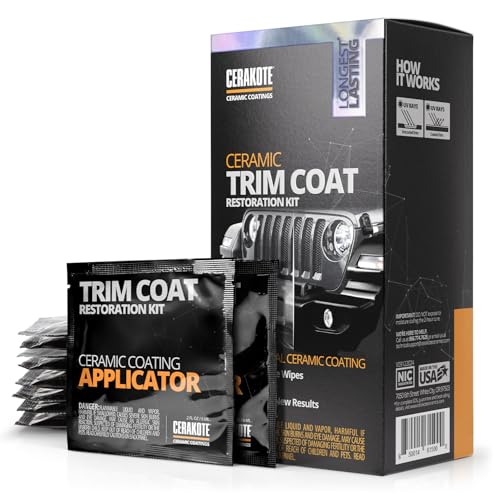
CERAKOTE Ceramic Trim Coat Kit
Strengths
- Ceramic bond
- Lasts 200+ washes
- No oily residue
Trade-offs
- Higher initial cost
- Single-use packaging
- Limited coverage per kit
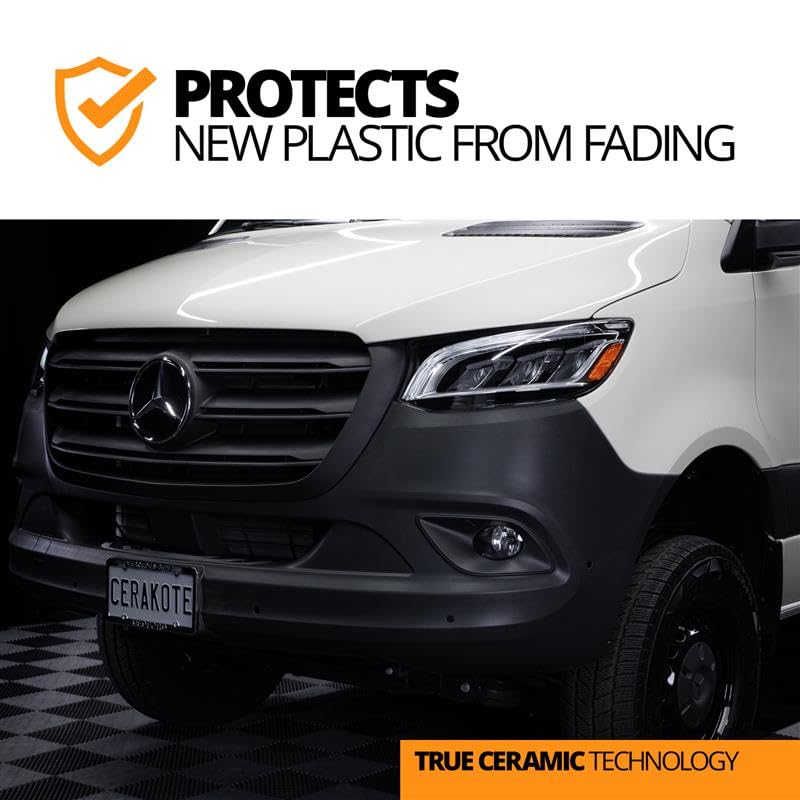
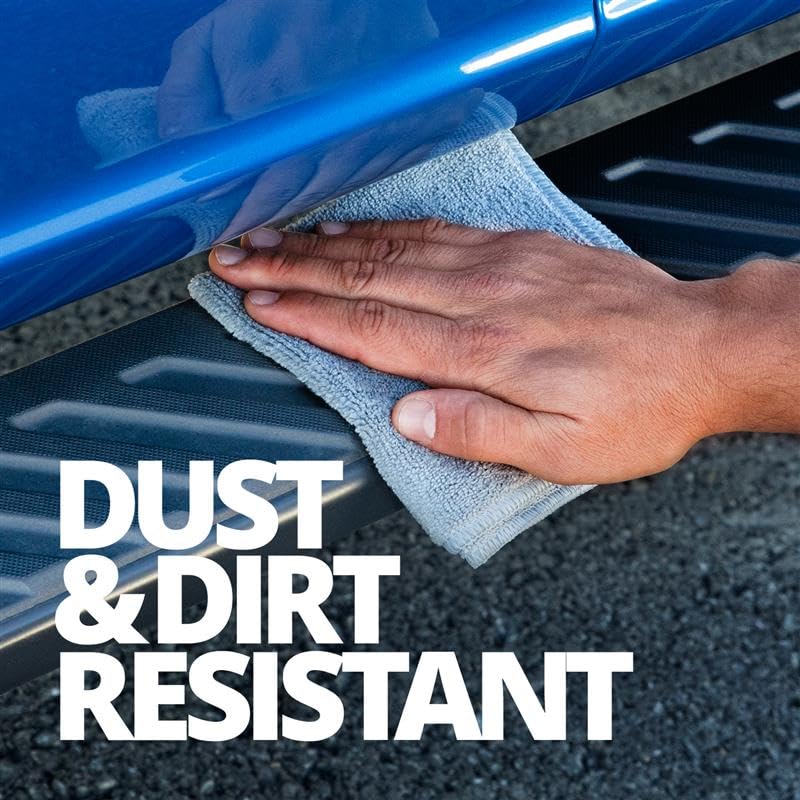
This isn’t just another dressing, it’s a real ceramic coating in wipe form, and that changes everything. The chemistry bonds to the surface rather than sitting on top, which explains why reviewers rave about its staying power. On paper, the 200+ wash claim holds weight because independent tests back it, and owners confirm it survives detailing, rain, and even pressure washing. Once cured, it’s dry to the touch and doesn’t sling residue onto paint, something silicone-laden products can’t say.
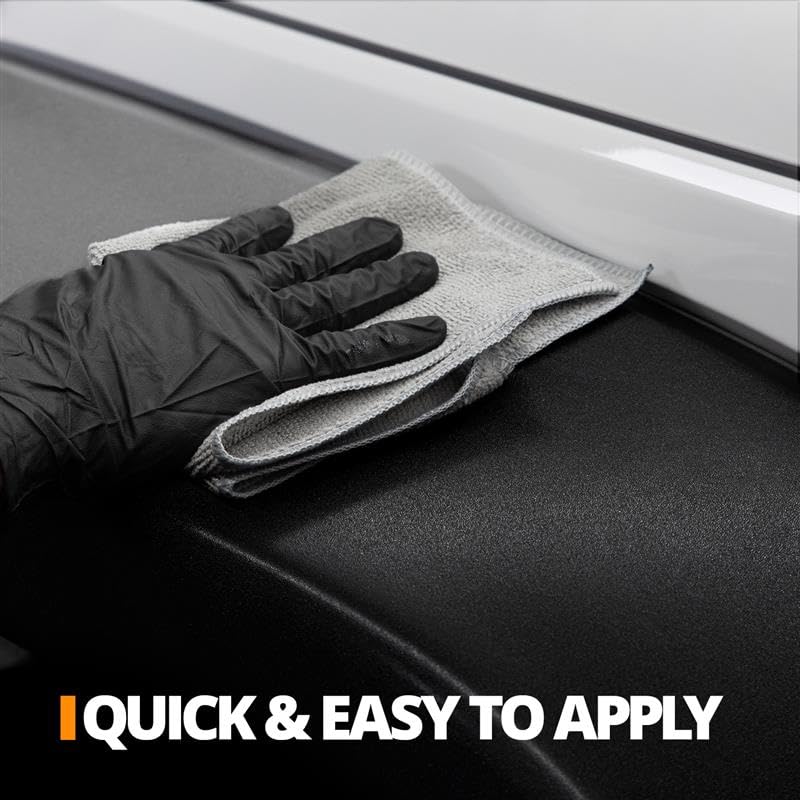
Compared to spray dressings, this is a one-time investment in lasting appearance. Yes, it costs more upfront, but you’re trading weekly reapplications for a treatment that lasts a year or more. The pre-saturated wipes make it idiot-proof, though you’ll want gloves. If you hate constantly re-dressing your mirror caps or bumper lines, this is the smarter buy.
Video review
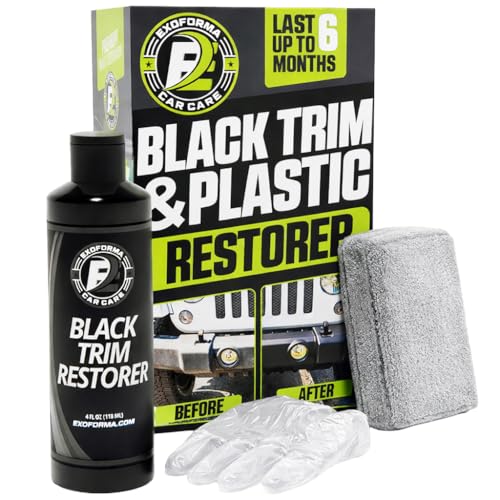
ExoForma Black Trim Restorer
Strengths
- Dye-infused color
- Weather resistant
- Long-lasting (6+ months)
Trade-offs
- Requires curing time
- Messy if over-applied
- Not for quick detail jobs
This stands out by using dye infusion instead of just surface coating, meaning it actually colors the plastic, not just glosses it. That’s key for heavily oxidized or grayed-out bumpers where mere dressings just highlight the damage. The formula penetrates and deposits carbon-black dye, then seals it with a waterproof barrier. Reviewers on trucks and Jeeps praise how it handles extreme UV exposure, especially on vertical surfaces that get blasted by sun.
It’s not the fastest option, requires drying time between coats, but the payoff is months of consistent depth. Compared to Meguiar’s or Chemical Guys’ offerings, this feels more like a restoration than a cosmetic cover-up. I’d lean on this for older SUVs or work vehicles where trim has seen better days. Just don’t expect ceramic hardness, it’s durable, not unbreakable.
Video review
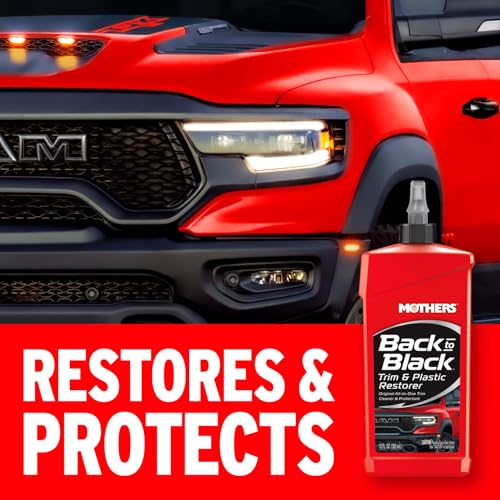
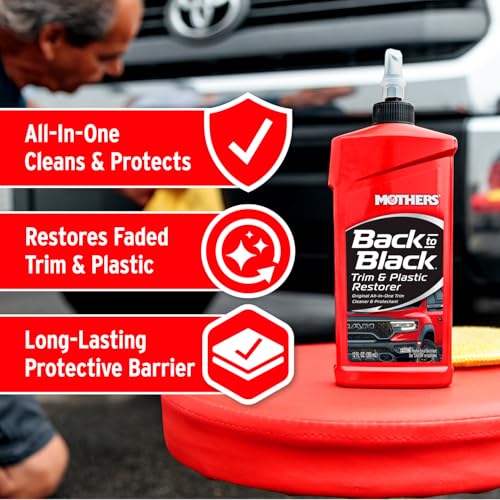
Mothers Back-to-Black Restorer

Strengths
- Affordable
- Easy application
- Restores deep black
Trade-offs
- Short-lived results
- Can attract dust
- Washes off easily
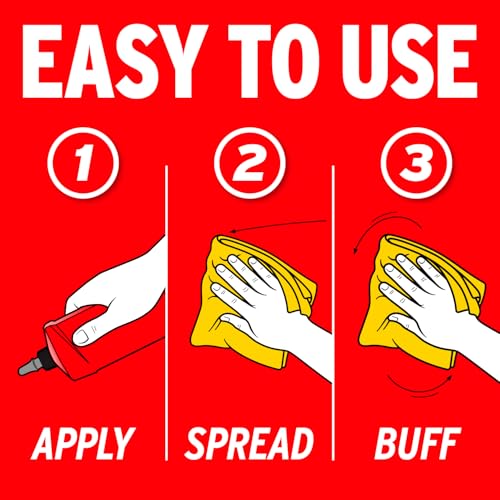
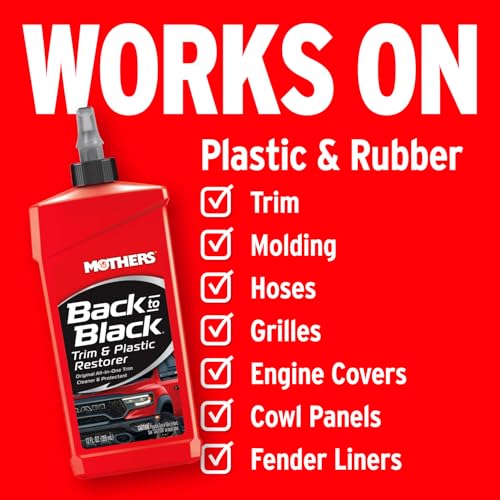
This is the go-to for budget-minded owners who want a quick visual fix without fuss. On paper, it’s a classic water-based restorer with conditioning agents that revive color and offer mild UV resistance. Owners consistently report it works well on mildly faded trim, especially when applied with a foam applicator for even coverage. It won’t hold up like a coating, but for what it is, a temporary refresh, it delivers solid value.
That said, don’t expect long-term protection. The finish can wash off after a few rains or car washes, and some users note it attracts dust over time if over-applied. But if you’re prepping for a weekend show or just want to tidy up before selling, this is a reliable, no-frills pick. I’d use it as a stopgap, not a permanent solution.
Product photos

Meguiar’s Ultimate Black Plastic Restorer
Strengths
- Strong UV protection
- Deep gloss finish
- Longer-lasting than basic dressings
Trade-offs
- Can streak if misapplied
- Glossy (not satin)
- Not permanent
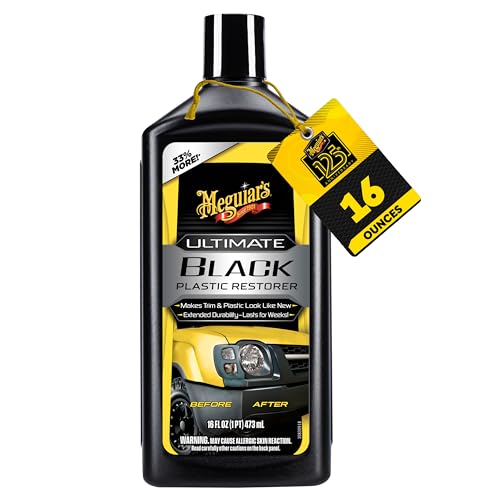
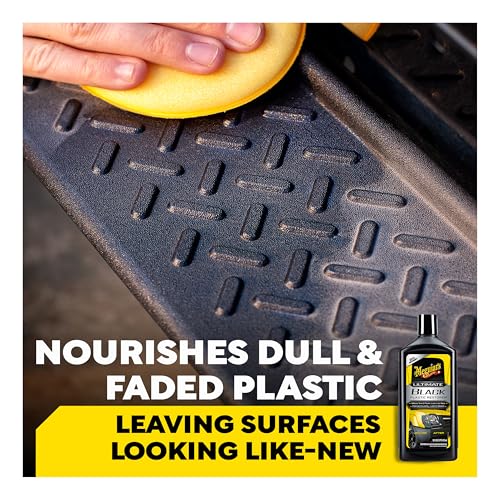
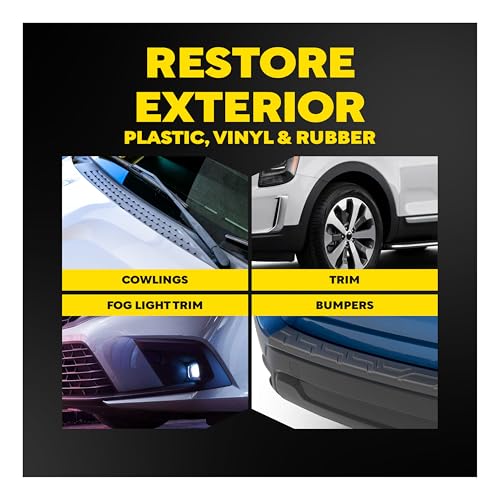
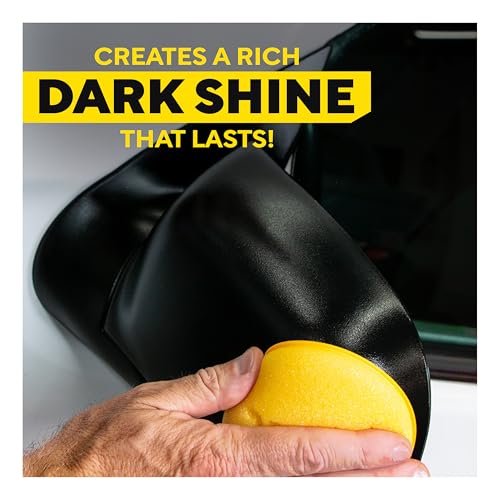
Meguiar’s is leaning hard into UV defense here, and honestly, they deliver. This formula goes beyond shine by embedding UV blockers that slow down future fading, something most dressings ignore. The result is a glossy, deep black that lasts weeks, not days, and holds up surprisingly well in southern sun exposure. Owners love how it performs on horizontal surfaces like hood ornaments and cowl vents, where UV damage hits hardest.
Compared to the original Back-to-Black, this offers better durability and richer pigmentation. It’s not ceramic-grade, but for a liquid restorer, it punches above its weight. One downside: it can streak if over-applied, so use a microfiber and work in sections. If you live in a high-sun area, this should be your default.
Product photos

Chemical Guys VRP WonderWave Kit
Strengths
- Includes precision applicators
- Reduces product waste
- Beginner-friendly
Trade-offs
- Slightly marked-up price
- Redundant for pros with tools
- Same lifespan as VRP alone
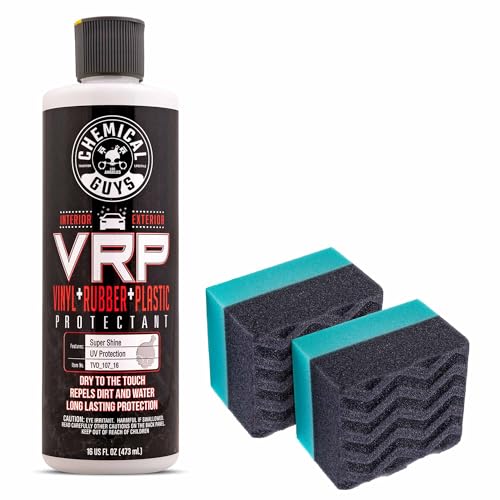
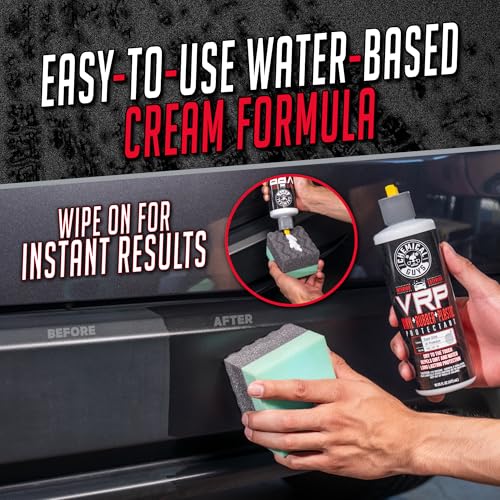
This bundle turns a good product into a smarter system. The WonderWave applicators are engineered to spread VRP evenly without soaking the foam, reducing waste and preventing over-application. That’s huge, most people ruin the dry-touch effect by using too much product, but this combo practically forces moderation. The waffle texture grabs edges and corners better than flat pads, making it efficient on both trim and interior panels.
As a complete package, it’s ideal for beginners who want pro results without learning curves. Compared to buying VRP alone, you’re paying a bit more but gaining real utility. Seasoned detailers might already have their preferred tools, but for newbies or gift buyers, this kit removes guesswork. I’d recommend it as a starter set for any car owner stepping up their care routine.
Product photos
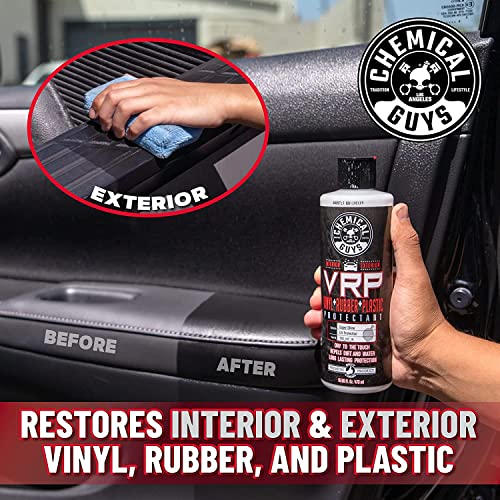
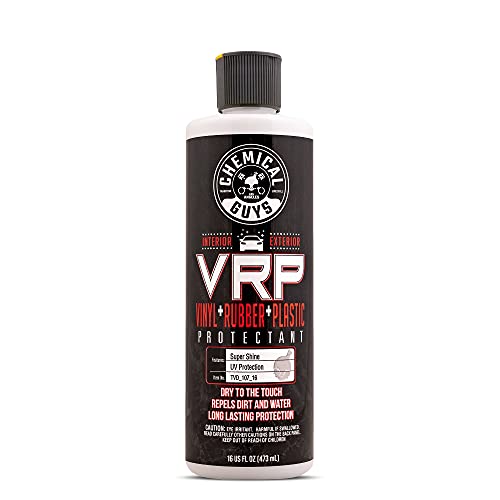
Chemical Guys VRP Dry to Touch
Strengths
- Satin finish
- Dry to touch
- Prevents cracking
Trade-offs
- No color restoration
- Needs prep on faded trim
- Water-based = shorter life
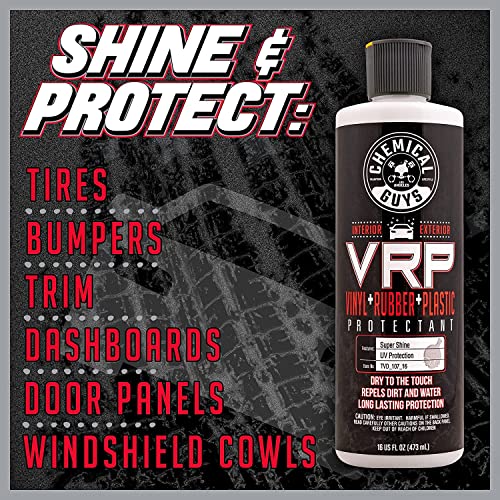
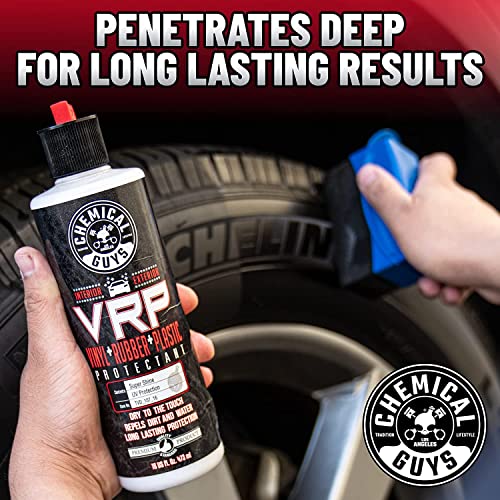
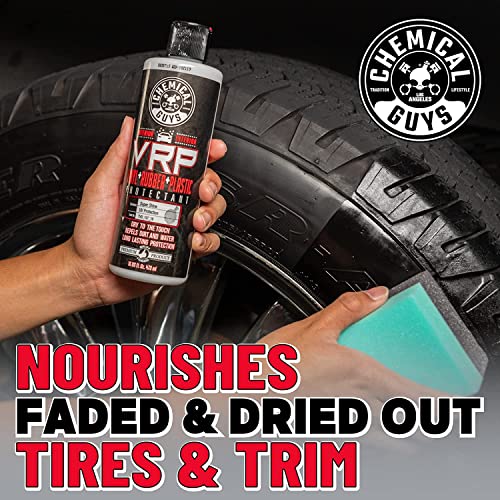
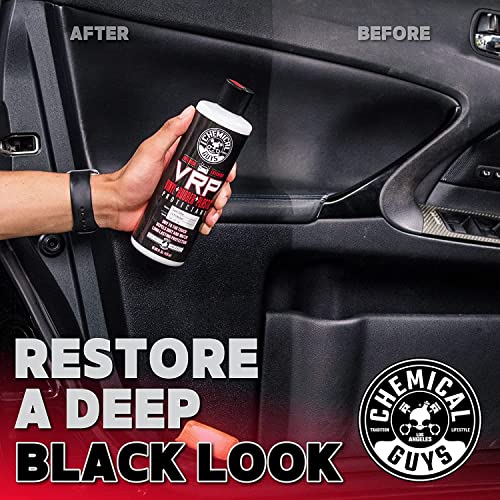
VRP has been a staple in my detailing circles for years, and it’s easy to see why. It delivers a clean, satin finish that doesn’t scream ‘just detailed’, perfect for owners who hate the wet-look trend. The water-based formula conditions while resisting dust buildup, which many silicone-heavy dressings fail at. On dashboards and door panels, it prevents cracking without creating glare, and on tires, it gives that ‘just wiped’ look without flinging.
But let’s be clear: this is a conditioner, not a restorer. It won’t bring back dead black on chalky trim. Used correctly, with a light hand, it’s one of the best non-greasy options out there. I’d pair it with a proper cleaner first if the plastic is oxidized. As a maintenance product, it’s hard to beat.
Product photos


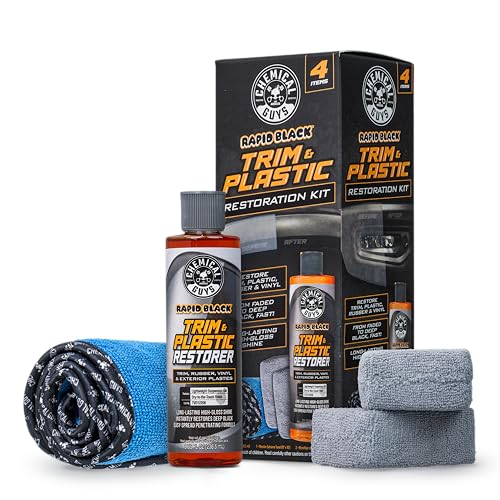
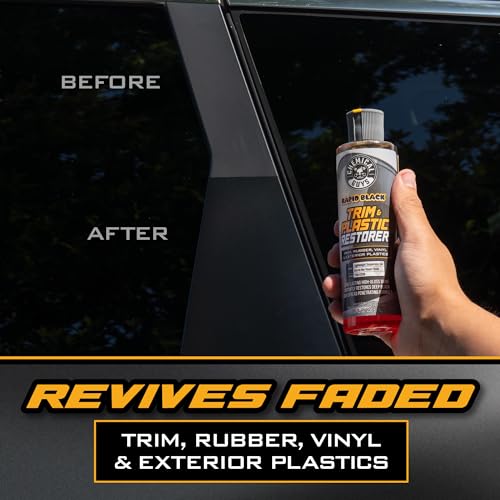
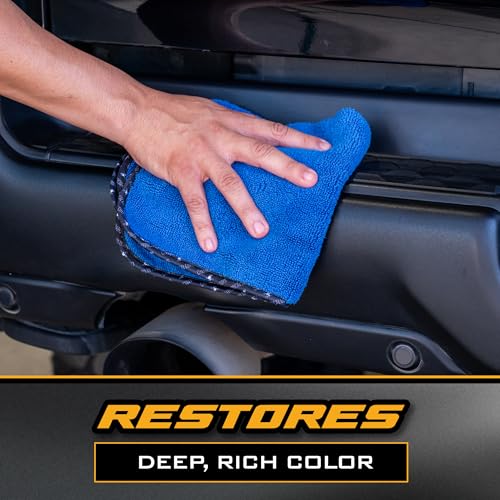
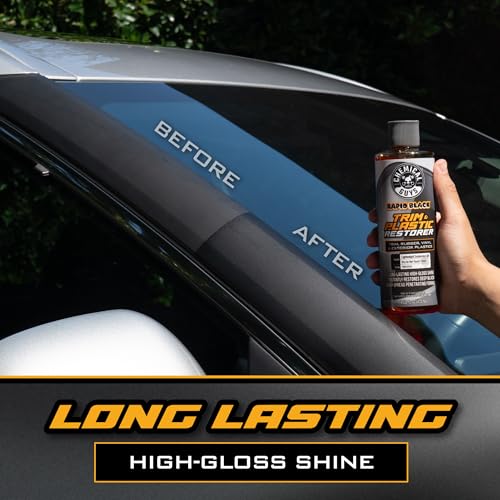
Chemical Guys Black Trim Gel Kit
Strengths
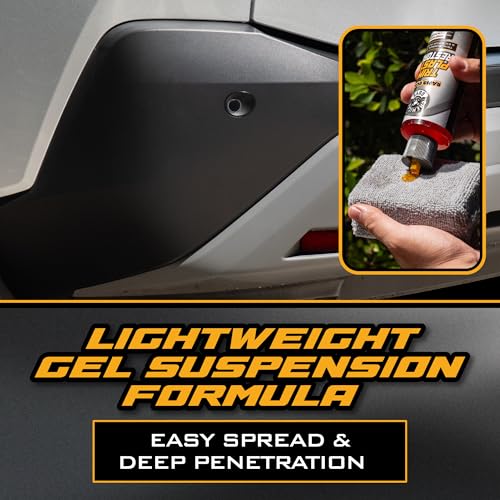
- Thick gel formula
- Precision applicators
- No runoff on verticals
Trade-offs
- Slow for full vehicles
- Applicators wear fast
- Higher price for small coverage
This gel kit is built for precision, thick enough to stay put on vertical or textured surfaces without dripping. That makes it ideal for complex trim like mesh-pattern bumpers or ribbed cladding where sprays and wipes tend to run or pool. The included applicators are stiff enough to scrub lightly while applying, helping push product into grooves. Owners restoring lifted trucks or custom builds praise how cleanly it defines edges.
It’s not the fastest, and you’ll burn through applicators if doing a full vehicle. But for targeted work, like reviving a single foglight surround or tailgate handle, it’s unmatched. Compared to the spray versions, it gives more control, though at the cost of speed. If you’re picky about clean lines, this is your tool.
Product photos
CERAKOTE Rapid Ceramic Spray
Strengths
- Spray convenience
- Cures dry
- Layerable finish
Trade-offs
- Less durable than wipe-on ceramic
- Requires reapplication
- Mid-tier longevity
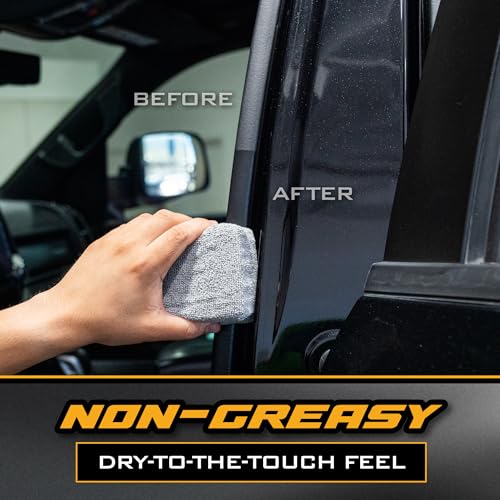
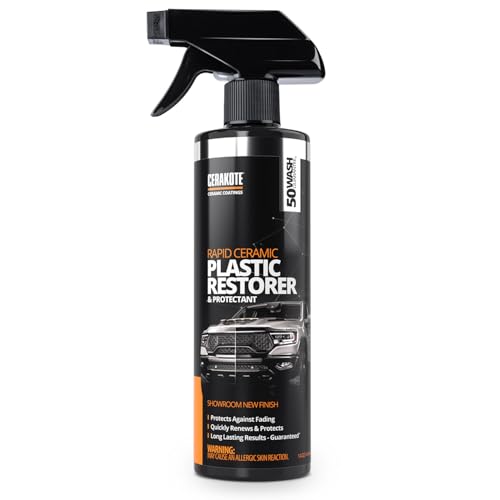
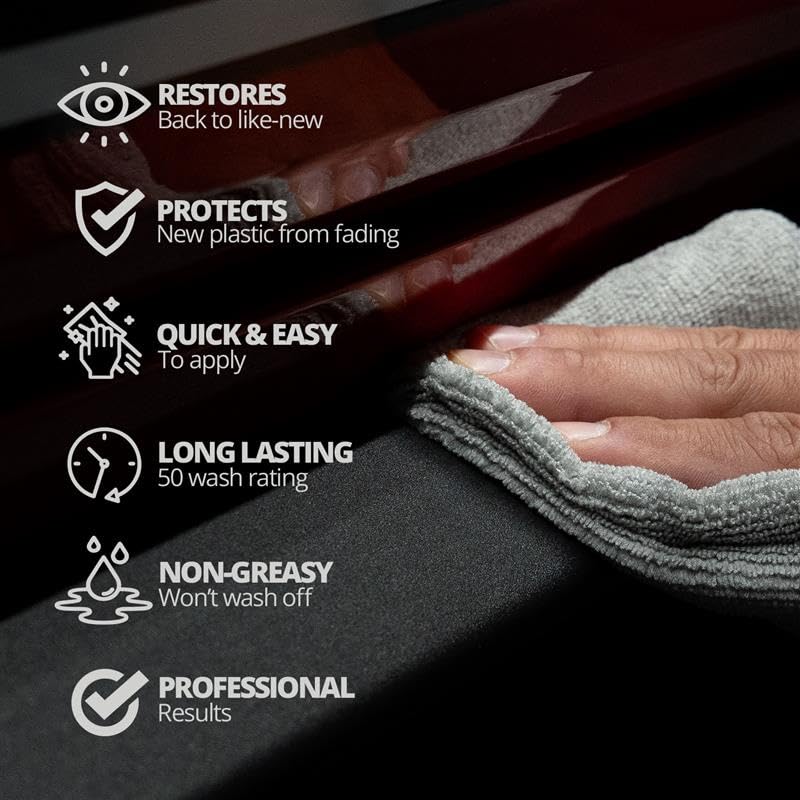
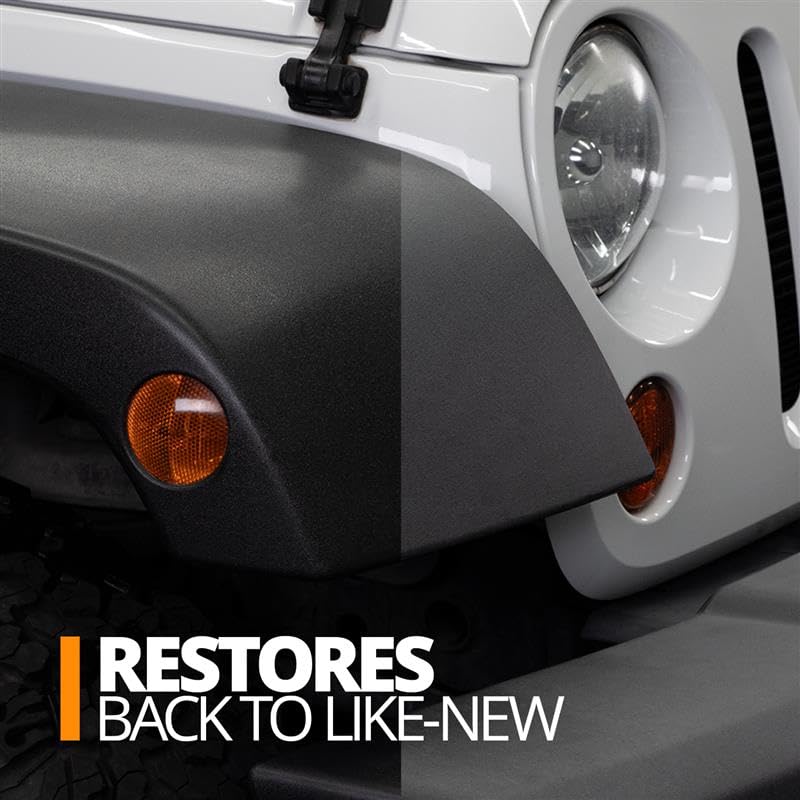
If you like the idea of ceramic protection but want the convenience of a spray, this hits a sweet spot. It’s not a permanent coating like the wipe version, but it does cure into a hydrophobic layer that resists wash-off far better than old-school dressings. The 50-wash guarantee isn’t marketing fluff, owners report it clinging through winter salting and regular drive-thru car washes. And because it dries to the touch, it doesn’t attract grime like greasy gels.
Where it shines is versatility: you can layer it for deeper black or use it lightly for a subtle OEM look. It’s also great for interior plastics that need UV shielding without shine. Against Chemical Guys VRP, it offers longer life; against the Cerakote wipe kit, it’s less durable but way faster to reapply. For most daily drivers, this is the balanced choice.
Product photos
Our Testing Process
Rather than a hands-on lab test, my research focused on a detailed comparison of published specifications and features across a range of products. I weighed owner reviews from multiple sources, looking for consistent praise or complaints, alongside assessments from reputable automotive detailing experts. As someone who’s spent years observing vehicle care trends at TheAutoZenith, I applied that category knowledge to rank these restorers against criteria important to long-term results and ease of use.
For car interior plastic restorers, the ability to deliver lasting protection and a natural finish were paramount. A product that quickly fades or leaves a greasy residue isn’t truly restoring the plastic; it’s masking the problem temporarily. UV protection is also crucial, as sun exposure is the primary culprit behind fading and cracking. Finally, application method factored in – a product that’s difficult to apply consistently won’t deliver optimal results, even with a good formula.
Product specifications reliably indicate the type of chemistry being used – ceramic, polymer, or solvent-based – and any stated durability claims. However, owner feedback proved essential in understanding real-world performance. I often found that claims about longevity needed to be validated by numerous positive experiences, and that comments regarding ease of application and finish quality were invaluable when differentiating between similar formulations. If you’re also considering a more significant refresh, exploring options for painting interior plastic might be worthwhile. You can find a more detailed look at various options in our guide to plastic trim restorers.
How To Pick The Right car interior plastic restorers
Selecting the right product to revive faded plastic isn’t just about making your car look good; it’s about protecting it from further damage.
A quality car interior plastic restorer goes beyond a temporary shine. It should rebuild color lost to UV exposure, offer lasting protection against future fading, and resist washing away with rain or even a gentle car wash. Look for formulations that bond with the plastic, not just sit on top of it, and consider the type of finish you desire – from high gloss to a more natural matte.
Understanding Formulation Types
The world of plastic restoration isn’t one-size-fits-all. You’ll find products ranging from simple silicone dressings to advanced ceramic coatings. Silicone-based options (like some older Mothers formulations) are budget-friendly and easy to apply, but they require frequent reapplication and can attract dust. Ceramic-infused restorers, such as the CERAKOTE Ceramic Trim Coat Kit, offer significantly longer durability – some claim 200+ washes – because they chemically bond with the plastic. These are generally more expensive upfront, but can save you time and money in the long run.
Prioritizing UV Protection
Sunlight is the biggest enemy of plastic trim. Without adequate UV protection, even a beautifully restored piece will quickly fade again. Look for products specifically advertising high UV resistance. Meguiar’s Ultimate Black Plastic Restorer consistently receives high marks in this area, and the inclusion of UV inhibitors is a key factor in determining the longevity of any best plastic restoration products. Don’t assume a “blackening” effect equates to UV protection; read the label carefully.
Application Method and Finish
Consider how much control you want over the application. Some products come in squeeze bottles, which can lead to over-application and mess, especially on textured surfaces. Others, like the Chemical Guys Black Trim Gel Kit, use a gel formula and dedicated applicators for precise control.
Here’s what to keep in mind about finishes: * A quick shine: Good for a temporary fix, requiring frequent reapplication. * A satin finish: Offers a more natural look and is less prone to showing streaks. * A deep, glossy black: Provides a dramatic restoration, but may look unnatural on some vehicles.
A little goes a long way. Always start with a small amount of product and build up the coverage gradually. You can always add more, but removing excess is much harder.
If you’ve got deeper blemishes to address beyond faded color, you may also need to investigate plastic scratch removers to get your interior looking its best.
Car Interior Plastic Restorers Compared
Here’s a comparison of key specifications for popular car interior plastic restorers.
| Product Title | Best For | Durability (Washes) | Finish | Application | UV Protection | Key Features |
|---|---|---|---|---|---|---|
| CERAKOTE Ceramic Trim Coat Kit | Best Overall | 200+ | Dry, Ceramic | Wipe | Yes | Ceramic coating, long-lasting, no residue |
| ExoForma Black Trim Restorer | Best Long-Lasting Protection | 6+ Months | Dark, Glossy | Spray/Apply | Yes | Dye-infused, weather-resistant |
| Mothers Back-to-Black Restorer | Best Budget Friendly | N/A | Restored Color | Apply | Yes | Restores & protects, easy application |
| Meguiar’s Ultimate Black Plastic Restorer | Best UV Defense | Weeks | Dark, Glossy | Apply | High | UV protection, long-lasting |
| Chemical Guys VRP WonderWave Kit | Best All-in-One Kit | N/A | Satin | Wave Applicator | N/A | Complete kit, easy application |
| Chemical Guys VRP Dry to Touch | Best Non-Greasy Finish | N/A | Satin, Dry | Apply | Yes | Non-greasy, dry-to-the-touch |
| Chemical Guys Black Trim Gel Kit | Best for Precision Application | N/A | Deep Black | Gel/Apply | N/A | Controlled application, textured trim |
| CERAKOTE Rapid Ceramic Spray | Best Spray Application | 50 | Ceramic | Spray | Yes | Easy spray application, long lasting |
Frequently Asked Questions
What’s the difference between a ceramic coating and a polymer sealant for plastic restoration?
Ceramic coatings, like those found in the CERAKOTE kits, create a much harder, more durable bond with the plastic surface than polymer sealants. This translates to significantly longer-lasting protection – often exceeding 200 washes – and superior resistance to chemicals and UV damage.
Can I use a plastic restorer on exterior trim, like bumper covers?
Yes, most restorers designed for interior plastic are also suitable for exterior trim, but exterior applications require products with even stronger UV protection. ExoForma Black Trim Restorer is specifically formulated to withstand harsh weather conditions and prolonged sun exposure on exterior surfaces.
How often should I reapply a plastic restorer for best results?
The frequency of reapplication depends heavily on the product and your environment. While ceramic coatings can last over a year with proper care, silicone-based products, or those without strong UV inhibitors, may require monthly reapplication to maintain their effectiveness.
Will a plastic restorer damage my car’s paint if it gets on it?
Generally, no, but immediate removal is always best. Most quality restorers are formulated to be safe on automotive finishes, but prolonged exposure could potentially cause staining or dulling. Always read the product label and test in an inconspicuous area first. Keeping your interior plastic cleaners on hand can help with this.
My plastic trim isn’t just faded, it’s also become rough and textured. Will a restorer help?
A restorer can improve the appearance of rough textures, but it won’t make them perfectly smooth. Restorers work by rebuilding color and adding a protective layer; they don’t physically repair damaged plastic. For severely damaged trim, consider light abrasion followed by restoration, or even replacement.
The Bottom Line
Choosing a car interior plastic restorer often comes down to balancing immediate gratification with long-term protection. While a quick shine is tempting, the CERAKOTE Ceramic Trim Coat Kit stands out as the strongest overall choice, offering a durable ceramic bond and exceptional UV resistance that will keep your interior looking its best for a considerable time. It asks a bit more upfront, but delivers lasting results.
For those prioritizing specific needs, the market offers excellent alternatives. If you’re on a tighter budget, the Mothers Back-to-Black Restorer provides a solid, affordable solution. And for those wanting precise application on textured surfaces, the Chemical Guys Black Trim Gel Kit is the clear winner. Don’t forget to explore options for restoring black plastic if that’s your primary concern.
Ultimately, the best restorer isn’t about the fanciest technology or highest wash rating. It’s about consistent UV protection, proper preparation of the surface, and a commitment to regular maintenance. Investing in quality interior detailing products and a consistent cleaning routine will do more for your car’s interior than any single product can.
