
7 Best Car Medical Kits of 2026
This post contains affiliate links. As an Amazon Associate, we earn from qualifying purchases.
The Crmea 516 Piece First Aid Kit is the best overall car medical kit, packing serious trauma-ready supplies in a durable, well-organized case. For those on a budget, the Amoring 276PCS Car First Aid Kit offers solid coverage in a compact, lightweight build. If you want maximum protection and quick access, the Gevoke 310 Piece HardCase Kit stands out with its rugged shell and smart internal layout.
Out on the open road, breakdowns aren’t the only risk, medical emergencies can happen fast, and help might not be close. A proper car medical kit isn’t about convenience, it’s about being ready when seconds count.
This guide cuts through the clutter to highlight kits that balance real-world usability with reliable contents. I focused on what matters: proven organization, durable cases, and supplies that match actual emergency needs, all based on specs, owner feedback, and the kind of preparedness I’ve learned matters most behind the wheel.
Top 7 Car Medical Kits in the Market
The Best Car Medical Kits, Reviewed
Crmea 516 Piece First Aid Kit
Strengths
- Lay-flat opening
- FSA/HSA eligible
- Burn gel included
- Shoulder carry option
- Trauma shears onboard
Trade-offs
- Heavier than average
- Pricier than alternatives
- Not compact for tight spaces
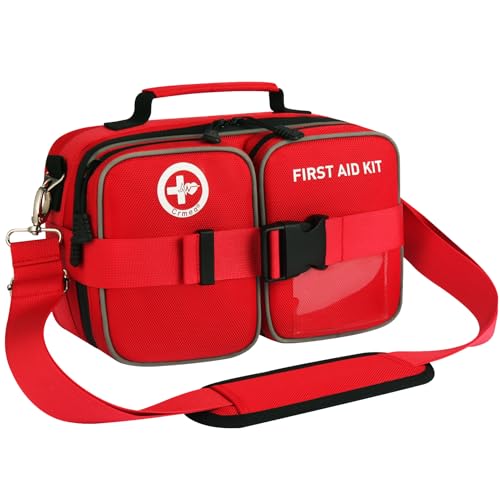
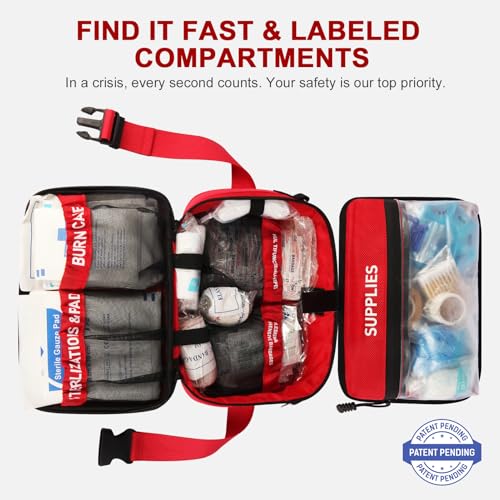
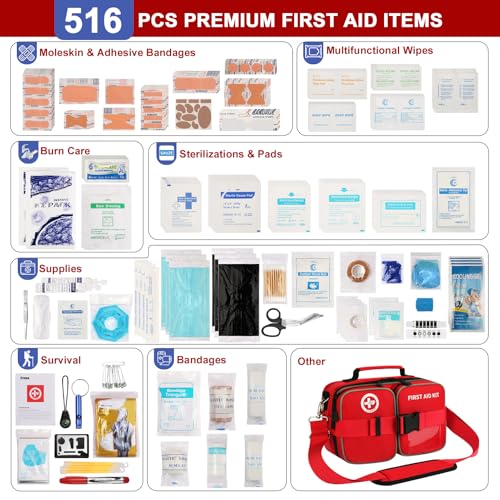
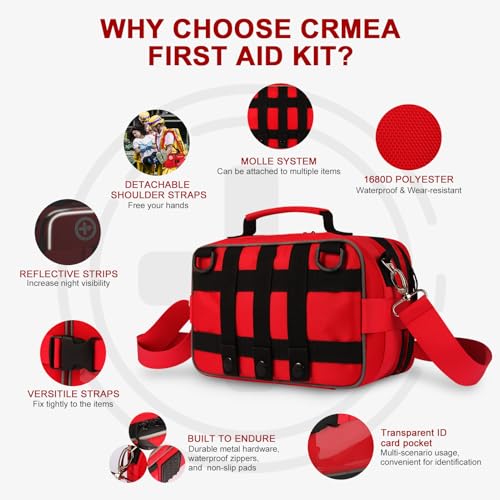
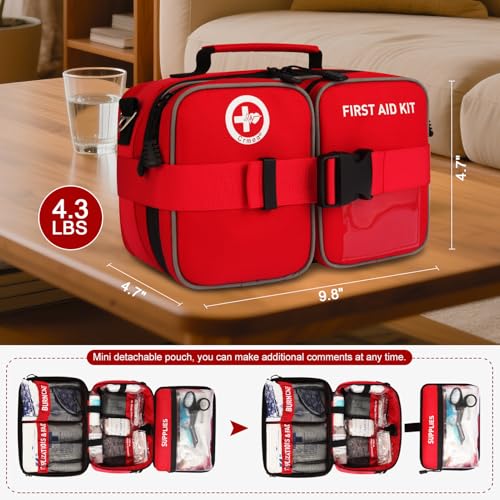
If there’s a gold standard among large consumer kits, this Crmea model comes close. With nearly identical content count to the red 520-piece kit, it improves on usability with a lay-flat design and transparent labeled compartments, reviewers note this makes locating trauma shears or burn gel dramatically faster under stress. The shoulder strap is a small touch, but meaningful when hauling it from vehicle to campsite.
I’d pick this over others in its size class because it balances organization, durability, and thoughtful extras like an emergency poncho and FSA eligibility. While both Crmea and the 520-piece offer tourniquets and blankets, Crmea’s interior layout feels more intuitive. Owners praise how little time they waste digging, which matters when seconds count.
Product photos

520 Pieces Premium First Aid Kit
Strengths
- High piece count
- MOLLE compatible
- Water-resistant build
- Well-organized compartments
- Tourniquet included
Trade-offs
- Bulkier than most
- Overkill for daily commutes
- Some duplicates reduce variety
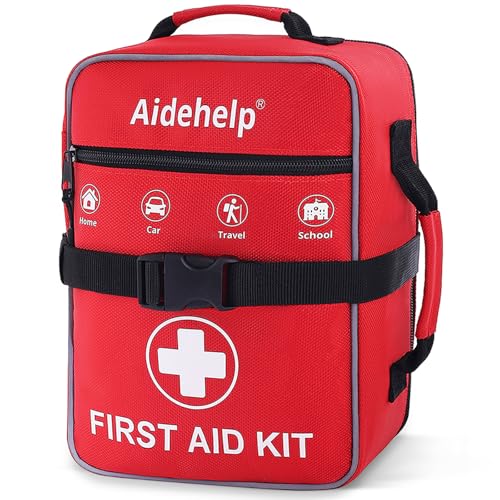
This kit stands out for sheer volume, 520 pieces is a lot for any use case, let alone car duty. On paper, it’s built like a tactical supply drop: MOLLE-compatible straps, durable 1680D polyester, and a compartmentalized layout that owners consistently report makes finding items fast. For someone who values preparedness over portability, this is the kind of kit you’d want in the trunk during a cross-country drive or backcountry trip.
The inclusion of a tourniquet and emergency blanket pushes it into serious first-response territory. Compared to smaller kits, it’s clearly aimed at group use or extended trips where medical help isn’t minutes away. It doesn’t have prescription meds or advanced trauma tools, but for its class, it covers far more than basic cuts and scrapes.
Video review
Amoring 276PCS Car First Aid Kit
Strengths
- Budget-friendly
- Lightweight build
- Includes ice pack
- Water-resistant shell
- Good for office or car
Trade-offs
- No tourniquet
- Basic organization
- Fewer wound dressings
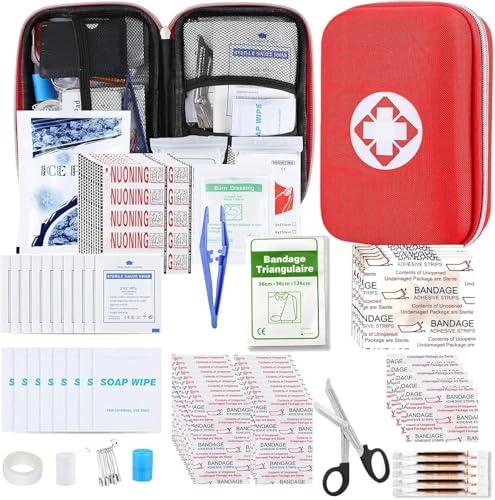
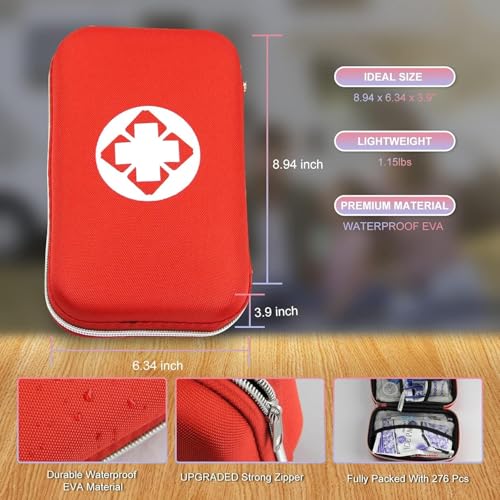
At just over 16 bucks, this AMORNING kit delivers surprising breadth for the price. With 276 pieces, it roughly splits the difference between bare-bones kits and the massive 500+ unit sets. It lacks some critical trauma gear like a proper tourniquet, but includes useful items like an ice pack, tweezers, and safety pins, tools often missing at this tier.
It’s made from EVA material, which holds up better against moisture than soft fabric pouches, though not as tough as hard-shell cases. Given its lightweight footprint and low cost, I see this as the smarter buy over basic drugstore kits. It won’t replace a wilderness med pack, but for everyday drivers or occasional campers, it hits the sweet spot of affordability and function.
Product photos




Gevoke 310 Piece HardCase Kit
Strengths
- Hard-shell protection
- Clear top visibility
- Sliding lock closure
- Includes CPR shield
- Burn gel and tape
Trade-offs
- No MOLLE or mounting
- Average weight for size
- Basic zipper pull design
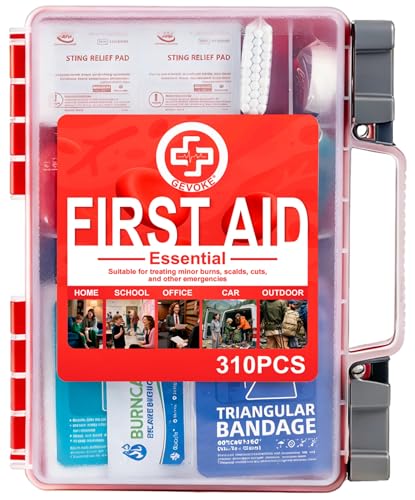
The hard case changes everything. Unlike fabric bags that collapse or get crushed, this GEVOKE kit holds its shape and protects contents from impact, critical if it’s bouncing around a trunk. At 310 pieces, it offers solid medical coverage with burn gel, CPR face shield, triangular bandage, and ample gauze. The clear lid lets you scan contents instantly, and sliding locks keep it sealed during transport.
Compared to similarly sized kits, this one strikes me as the best balance of protection and practicality. It’s not as expansive as the 500+ models, but the quality of organization and case durability stand out. For fleet vehicles, workshops, or family SUVs, this is the kind of kit that stays functional year after year.
Video review
Everlit Car Emergency & First Aid Kit
Strengths
- Digital tire inflator
- Jumper cables included
- Glass breaker/seatbelt cutter
- Reflective warning triangle
- Tow strap and gloves
Trade-offs
- First aid section modest
- Bulky overall package
- Higher price point
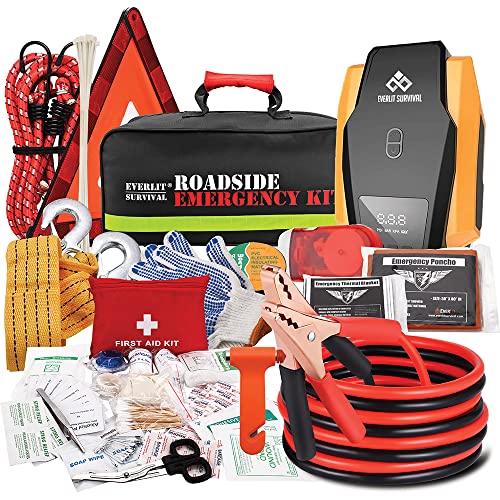
This isn’t just a first aid kit, it’s a full roadside survival system. The inclusion of a digital tire inflator, jumper cables, tow strap, and glass breaker transforms it into a mechanical lifeline. The 108-piece first aid component isn’t the most extensive, but it covers basics like gloves, antiseptic wipes, butterfly bandages, and a CPR mask. Paired with the tools, it becomes the most complete emergency package here.
Owners highlight the air compressor as a standout, auto-shutoff at preset PSI is rare at this level. The reflective triangle and seatbelt cutter add professional-grade safety touches. While the medical portion doesn’t match dedicated kits, the all-in-one nature makes it my top recommendation for unprepared drivers. You’re not just treating injuries, you’re preventing stranded situations altogether.
Product photos


Mini 150 Piece Waterproof Kit

Strengths
- Ultra-portable size
- Waterproof EVA shell
- Tourniquet included
- Carabiner ready
- Affordable entry point
Trade-offs
- Limited supply volume
- No OTC medications
- Small dressing quantities
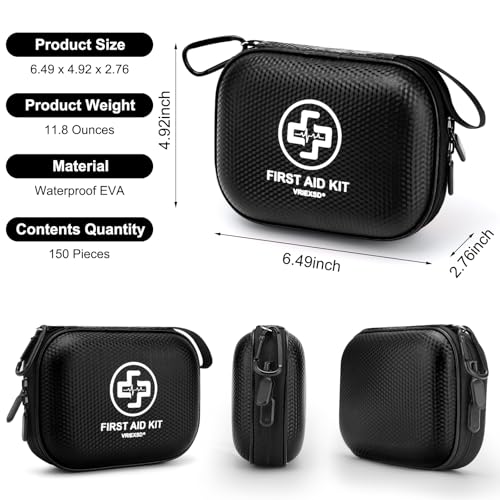
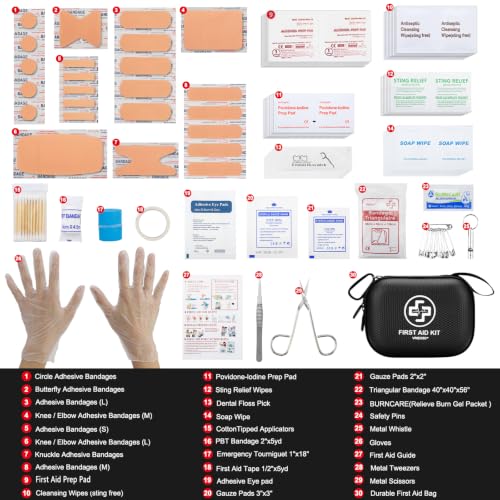
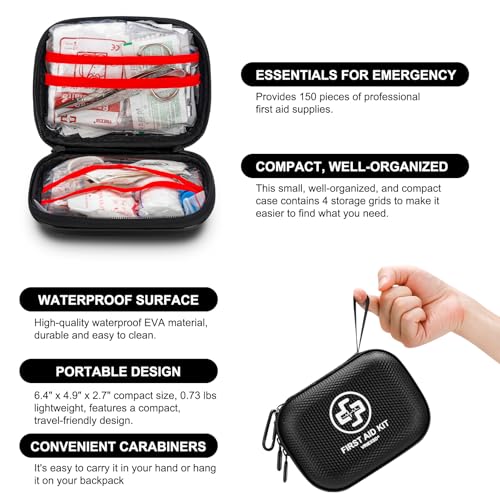
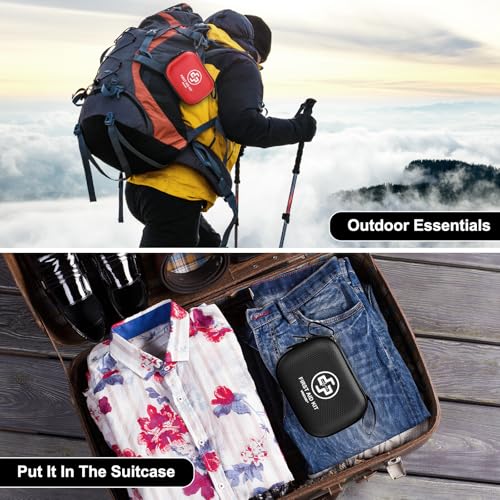
Sometimes small wins. At under 10 bucks and barely over a pound, this mini kit punches above its weight. The 150-piece count includes a tourniquet, tweezers, povidone-iodine pads, and gloves, all packed into a waterproof EVA shell with bonus carabiners. Its size means it can live in a backpack side pocket, bike frame bag, or even a large coat.
While it can’t handle mass casualties, it’s surprisingly capable for solo hikers or daily riders. Compared to other ultra-compact kits, this one avoids the trap of being “just bandaids.” The independent compartments actually work, owners say they don’t turn into chaotic junk drawers. For motorcycle runs or trail access, this is the discreet guardian you forget about, until you need it.
Product photos

BAND-AID 160 Piece All-Purpose Kit
Strengths
- Trusted brand name
- Includes pain and itch relief
- Antibiotic cream onboard
- Latex-free bandages
- Compact rigid case
Trade-offs
- Limited trauma supplies
- No tools like scissors
- Smaller dressing sizes
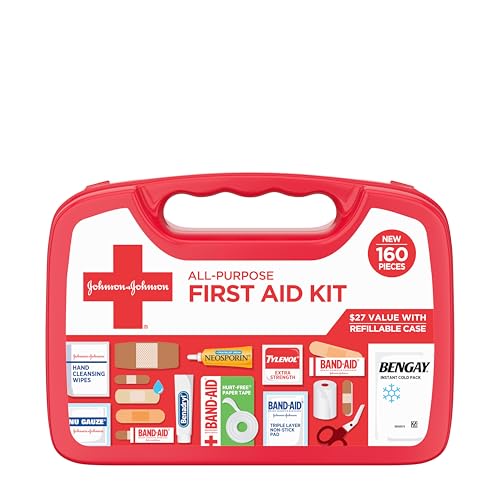
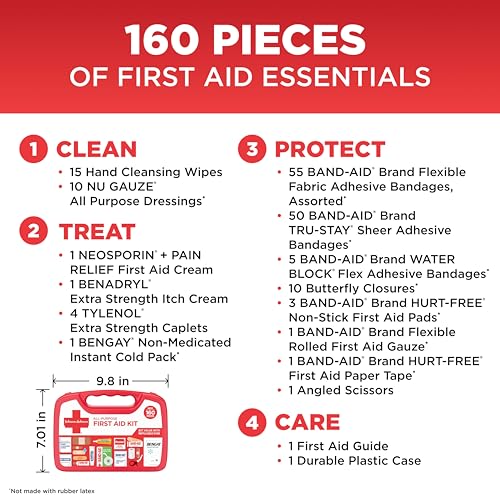
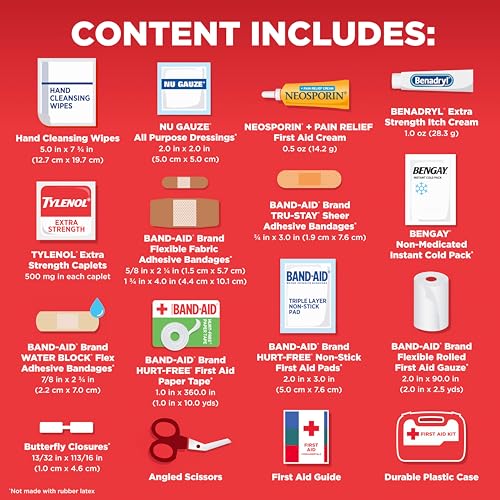
You know the name, and yes, it delivers trust. This isn’t the largest or most rugged kit, but having NEOSPORIN, BENADRYL, TYLENOL, and BENGAY preloaded gives it real medical utility beyond bandages. Most kits skip OTC meds, leaving you to stock them yourself. Here, they’re integrated, making it one of the few truly “ready-to-use” options straight out of the box.
The plastic case is no-frills but durable, and its compact shape fits easily in a glove compartment. Compared to other 160-piece kits, this one leans into brand reliability and immediate treatment value. If you’re handing this to a teen driver or keeping it in a work van, the familiar branding adds peace of mind, even if hardcore preppers will want more gauze and less caplets.
Product photos

How We Picked These car medical kits
As someone who’s spent years exploring the world of vehicles, from restorations to road trips, I understand the importance of being prepared. Rather than a hands-on lab test, this evaluation is a research-led comparison of published specifications and, crucially, owner feedback. I’ve analyzed features, sizes, and contents across a range of kits, then weighed those against what owners are actually saying about usability and durability, looking for patterns in reported experiences.
For car medical kits, the most significant factors are breadth of supplies and organizational design. A kit boasting 500 pieces is less useful if you can’t quickly find a tourniquet in a stressful situation. Durability is also key; a kit that falls apart after a few uses is a waste of money. I prioritized kits that balance a thorough selection of items with practical access and robust construction, knowing that these will prove most valuable when needed.
Published specifications reliably tell you what’s in the kit – the number of bandages, the inclusion of a tourniquet, or the material of the bag. However, owner reviews reveal how those items perform in real-world use and how well the kit holds up over time. I gave substantial weight to owner reports regarding the quality of the included supplies and the ease of accessing them, supplementing this with assessments of overall value and comparisons to other available emergency kits. Don’t forget to also consider a good set of trunk tool kits to complement your medical supplies.
How To Pick The Right car medical kits
Finding the right car medical kit isn’t just about ticking a box on a safety checklist; it’s about preparing for the unexpected with the right tools to handle a range of situations.
A truly effective car medical kit goes beyond a few bandages. It should contain supplies to address cuts, burns, sprains, and even more serious trauma. Prioritize kits with a thorough selection of items, clear organization for quick access, durable construction, and consideration for the specific environments you’ll be traveling in. Look for kits that include trauma dressings, a tourniquet, and emergency blanket – features often absent from basic offerings.
Contents & Coverage
The sheer number of pieces in a kit isn’t everything, but it’s a good starting point. A basic kit might suffice for minor scrapes, but if you spend time on longer trips or in remote areas, you’ll want something far more substantial. Consider what you’re likely to encounter. Do you frequently venture into areas with poisonous plants? Insect sting relief should be included. Are you prone to back pain on long drives? A pain reliever is a must. I often recommend looking at kits designed for outdoor adventures as a baseline, then tailoring them to your specific needs.
- A kit with 100 pieces is alright for daily commutes.
- Between 150-250 pieces is a good sweet spot for most families and typical road trips.
- Over 300 pieces is ideal for extended travel, off-roading, or if you have specific medical concerns within your family, as it provides a broader range of treatments and redundancies.
Case Durability & Organization
Don’t underestimate the importance of the case itself. A flimsy bag won’t protect the contents, and a poorly organized kit is useless in an emergency. Many kits use 600D polyester, but the more robust 1680D polyester offers significantly better tear resistance and water resistance. Hard-shell cases, like those found in the Gevoke kit, provide even greater protection against impact. Beyond the material, look for internal compartments – clearly labeled ones are a huge benefit. If you’re already looking at essential tools for your vehicle, you might also be interested in checking out some thorough car tool kits to ensure you’re fully prepared.
A well-organized kit can mean the difference between quickly stabilizing an injury and fumbling around in a panic. Prioritize kits where every item has a dedicated place and is easily identifiable.
Portability & Mounting Options
A kit stashed in the garage does no good when you’re stranded on the side of the road. Consider how you’ll store and access the kit in your vehicle. Many kits come with MOLLE straps, which allow you to attach them to headrests, seats, or even inside larger backpacks. Size is also crucial. A massive kit might be thorough, but it’s less likely to be used if it doesn’t fit conveniently in your car. If you’re looking for more options, I’ve reviewed a number of car first aid kits that offer various portability features. Don’t forget that even the best medical kit is only part of a broader safety strategy; having the right vehicle first aid kits alongside other emergency supplies is key.
Car Medical Kits Compared
Here’s a comparison of key specifications for various car medical kits to help you determine the best fit for your needs.
| Product Title | Number of Pieces | Case Material | Dimensions (approx.) | Weight (approx.) | Key Features |
|---|---|---|---|---|---|
| Crmea 516 Piece First Aid Kit | 516 | 1680D Polyester | 9.8″x4.7″x4.7″ | 4.3 lbs | Tourniquet, Burn Gel, MOLLE Compatible |
| 520 Pieces Premium First Aid Kit | 520 | 1680D Polyester | N/A | N/A | Tourniquet, Emergency Blanket, Mountable |
| Amoring 276PCS Car First Aid Kit | 276 | EVA | 7.8″ x 5.55″ x 2.9″ | 1 lbs | Compact, Lightweight, Water-resistant |
| Gevoke 310 Piece HardCase Kit | 310 | Plastic | 10.3” x 8.08” x 3.24” | 1.65 lbs | Hard Case, Sliding Lock, Durable |
| Everlit Car Emergency & First Aid Kit | 108 + Tools | N/A | N/A | N/A | Tire Inflator, Jumper Cables, Roadside Assistance |
| Mini 150 Piece Waterproof Kit | 150+ | Waterproof EVA | 6.4″ x 4.9″ x 2.7″ | 0.73 lbs | Waterproof, Compact, Carabiner |
| BAND-AID 160 Piece All-Purpose Kit | 160 | Plastic | N/A | N/A | Trusted Brand, Variety of Bandages, Pain Relief |
Frequently Asked Questions
What’s the minimum number of items a useful car medical kit should have?
Around 150 pieces is a good starting point for most drivers, offering a balance between thorough coverage and reasonable size. This number allows you to address common injuries like cuts and burns, while also including essential items like pain relievers and antiseptic wipes.
Are hard-shell cases really worth the extra cost?
Yes, hard-shell cases provide superior protection against impacts and crushing, especially if you anticipate rough handling or outdoor adventures. While heavier and potentially more expensive, they safeguard the medical supplies within from damage, which is crucial when you may need them most.
How often should I check the expiration dates on the supplies in my kit?
You should inspect your kit at least twice a year, ideally during seasonal vehicle maintenance. Medications and sterile items have expiration dates, and bandages can lose their adhesive properties over time, so regular checks are vital to maintain its effectiveness.
Should I add anything to a pre-assembled kit to make it more complete?
Consider adding any personal medications, allergy treatments (like EpiPens), or specialized items relevant to your health conditions or travel destinations. You might also include a small notepad and pen for recording symptoms or treatment details.
Beyond a medical kit, what other roadside safety items are worthwhile to have in my vehicle?
Having access to power is crucial, so checking out some of the best portable jump starters is a good idea. Additionally, particularly in warmer months, keeping an AC recharge kits on hand can prevent a breakdown from a failing air conditioning system.
The Bottom Line
Choosing a car medical kit often comes down to balancing how much control you want over preparedness versus how much fuss you’re willing to deal with. For the broadest coverage and most robust build quality, the Crmea 516 Piece First Aid Kit stands out. It strikes a strong balance between a thorough selection of supplies and a durable, organized case, features owners consistently praise.
If you’re on a tighter budget or prioritize portability, the Amoring 276PCS Car First Aid Kit is a smart pick. For those who want a truly all-in-one solution, including tools for more than just medical emergencies, the Everlit Car Emergency & First Aid Kit offers a valuable combination, and might be a good complement to a dedicated set of roadside emergency kits. And for peace of mind against unexpected lockouts, consider also researching vehicle lockout tool kits.
Ultimately, the best car medical kit isn’t the one with the most items, but the one you’ll actually know how to use. Familiarize yourself with the contents, understand basic first aid principles, and refresh your knowledge periodically. A well-chosen kit, combined with a little preparation, is the most valuable investment you can make for safety on the road.
