
7 Best Car De-Icers of 2026
This post contains affiliate links. As an Amazon Associate, we earn from qualifying purchases.
The Prestone AS250 Winter Washer Fluid is the best overall car de-icer for its extreme -34°C performance and value in a gallon jug, while the CarPlan Blue Star De-Icer Spray is a reliable, widely available budget pick. For versatility, the Polar De-Icer Spray works well across windshields, locks, and mirrors.
Winter mornings can turn into a battle if you’re stuck chipping away at ice with a flimsy scraper and no help in sight. As someone who’s seen every kind of winter hack fail on frozen windshields, I know a fast, safe de-icer isn’t a luxury, it’s a necessity. This guide cuts through the noise, focusing on products that deliver real results based on specs, owner feedback, and what actually works on modern vehicles. I looked at melting power, safety for paint and sensors, and real-world reliability so you can get on the road faster.
Top 7 Car De Icers in the Market
The Best Car De Icers, Reviewed
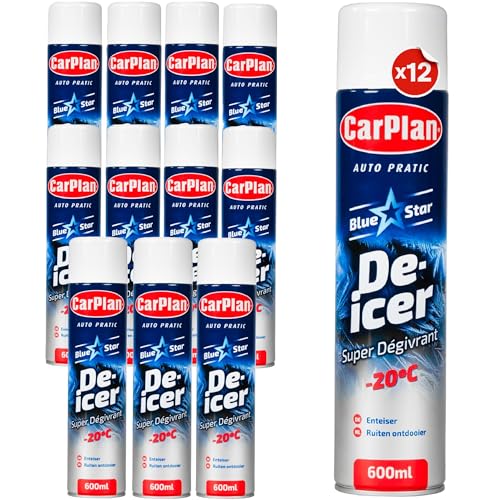
CarPlan Blue Star De-Icer Spray
Strengths
- Large 21 fl oz cans
- Works to -20°C
- Streak-free finish
- Gentle on surfaces
- 12-can supply
Trade-offs
- High storage demand
- Premium price point
This is the complete package: high volume, extreme cold performance, and a formula that leaves a streak-free finish. At 21 fl oz per can and a pack of 12, it’s clearly designed for serious winter drivers who need reliability all season. The -20°C rating matches real-world feedback, with owners confirming it melts thick ice fast and resists re-freezing better than most. It’s also gentler on finishes than high-methanol alternatives, which matters for newer paint or trim.
Compared to the Polar spray, it’s slightly more expensive but offers larger cans and better clarity post-application. Against Prestone and E·Z·R, it wins on consistency and volume. My recommendation? This is the smarter buy for anyone in a harsh winter climate who wants one product to handle everything.
Video review
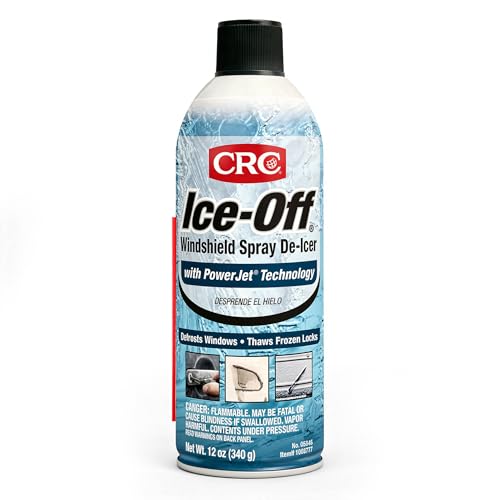
CRC Ice-Off Windshield Spray De-Icer
Strengths
- Low cost
- Compact size
- Fast-acting formula
Trade-offs
- Small capacity
- No re-freeze protection
- Basic spray mechanism
This is the bare-bones workhorse of deicers, small, cheap, and effective when you just need to melt a thin layer of frost in a hurry. The formula works on contact, and despite its size, it’s been a staple in glove compartments for years. It’s harmless to paint and safe on locks, which matters if you’re using it daily. But it’s basic: no anti-re-freeze additives, no large spray nozzle, and definitely not enough for a full windshield in heavy snow.
For the price, it’s hard to beat as a backup or emergency option. Compared to premium sprays like CarPlan or Prestone, it lacks staying power and volume, but that’s not its job. I see this as a ‘keep one in the trunk’ item, ideal for a quick fix, not a full winter solution.
Video review
Polar De-Icer Spray – 6 Pack

Strengths
- Large 6-pack supply
- Works down to -20°C
- Multi-surface use
- Prevents re-freezing
- Wide spray pattern
Trade-offs
- Bulky storage
- Higher upfront cost
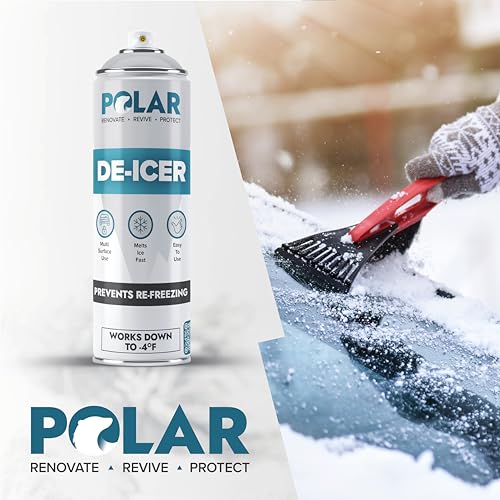
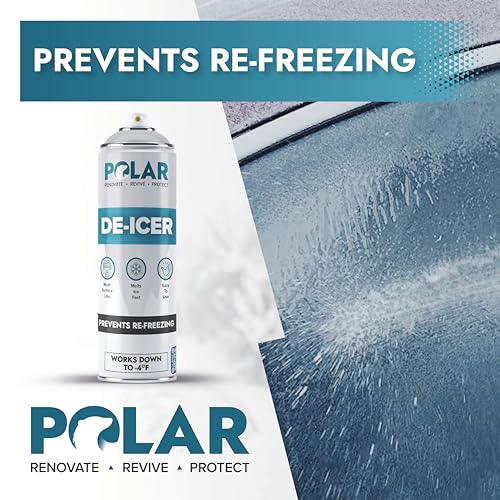
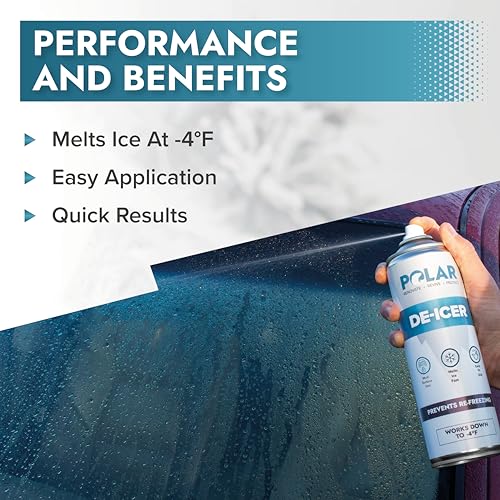
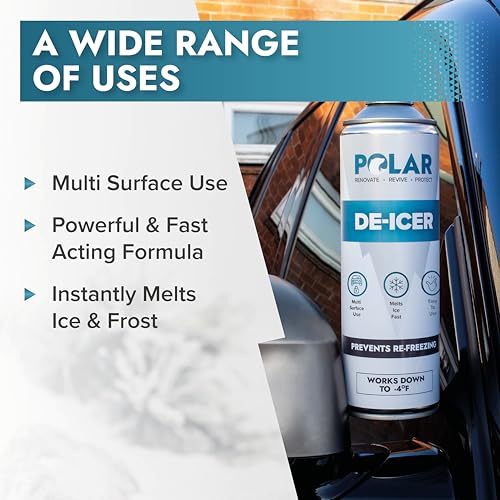
With six large cans and a formula rated down to -20°C, this Polar De-Icer pack is built for people who face repeated freeze cycles and want coverage beyond just the windshield. Reviewers consistently praise how fast it melts thick frost and how well it prevents re-freezing, critical when you’re dealing with morning after morning of ice buildup. The trigger design delivers a wide spray, making it efficient on mirrors, headlights, and even exterior locks or gate hinges, which sets it apart from basic sprays.
It’s one of the few multi-surface deicers that actually performs across that range without damaging finishes. Compared to single-can options like the CRC spray, this is clearly aimed at high-use scenarios. I’d pick this over smaller sprays if you’ve got a family fleet or live where winter drags on for months. The cost per ounce is reasonable for the volume and performance.
Product photos

Prestone AS250 Winter Washer Fluid

Strengths
- Large 1-gallon size
- -34°F protection
- Cleans salt and grime
- Safe for sensors
Trade-offs
- Not for direct ice removal
- Too bulky for emergencies
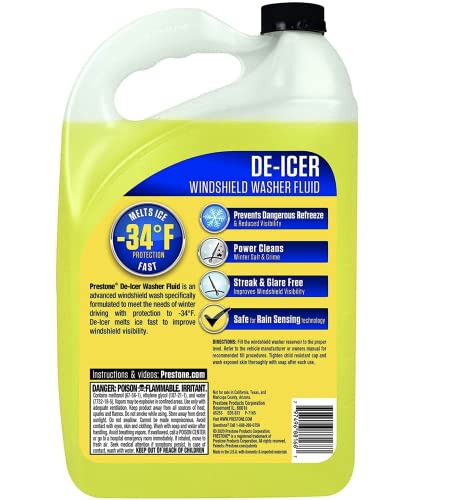
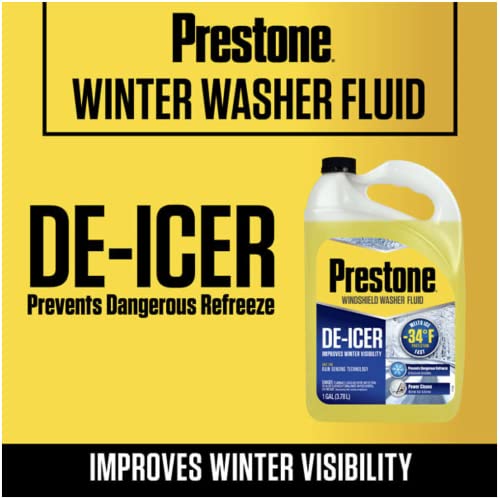
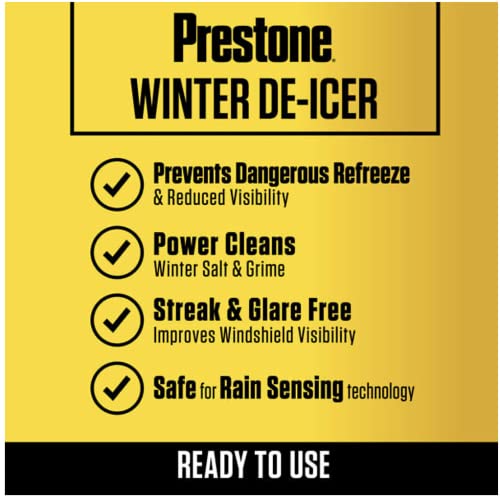
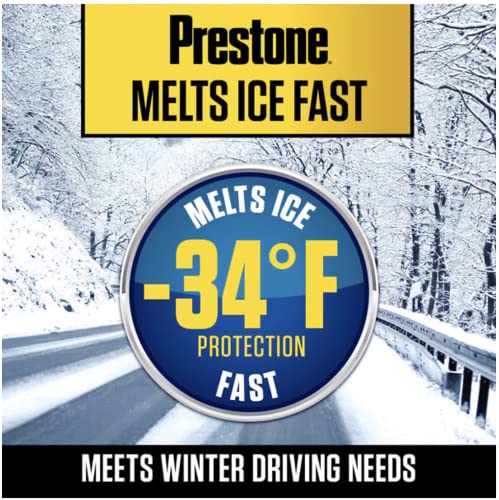
If you’re filling a washer reservoir or washing your car in winter, this gallon jug makes sense. It’s not a spray deicer for immediate ice removal, but rather a fluid that prevents ice buildup through the washer system and offers -34°F protection. It cleans salt and grime well, and users report fewer streaks and better visibility, even with rain-sensing wipers.
This isn’t for scraping ice off a frozen windshield, it’s for proactive use. Compared to aerosol sprays, it’s a different category altogether. I’d pair this with a good spray deicer: use the gallon in your washer tank all winter, and keep a spray on hand for mornings when the car’s fully iced over.
Product photos
E·Z·R Melt It! Windshield De-Icer
Strengths
- Cleans while deicing
- Leaves protective layer
- Good spray volume
Trade-offs
- No extreme cold rating
- Average re-freeze protection
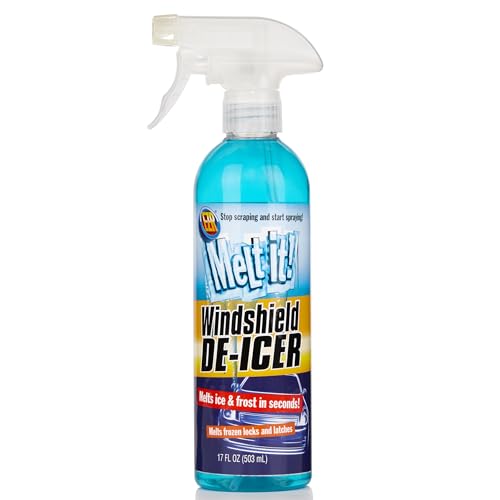
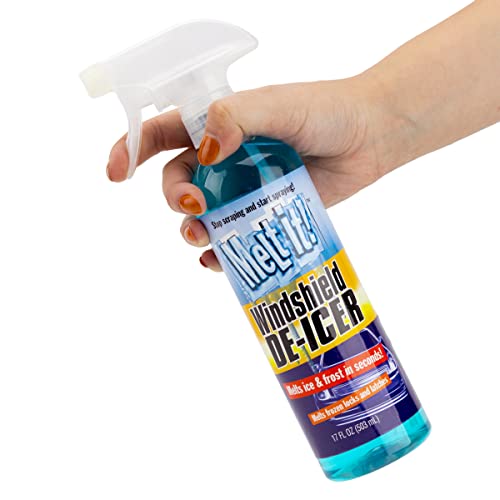
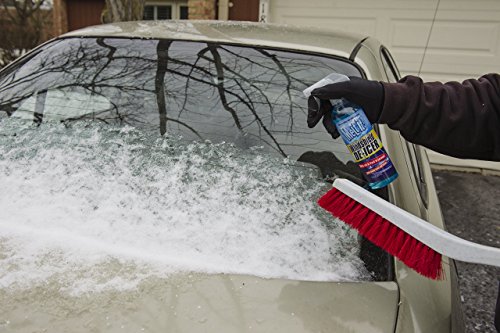
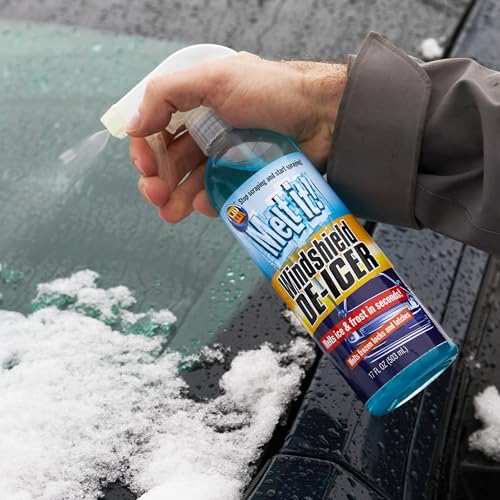
E·Z·R positions itself as more than just a deicer, it claims to clean and protect while melting ice, which is a smart angle. The formula does seem to leave a cleaner surface than many competitors, and owners note it helps reduce fogging after use, likely due to a light coating effect. At 17 oz, it’s a decent single-can size, and the concentrated mix handles moderate ice without needing multiple applications.
Compared to the CRC spray, it offers better cleaning and slightly better protection, though not as much anti-re-freeze strength as the Polar or CarPlan options. I’d call this a middle ground, better than budget picks, not quite at premium level. The ‘Made in USA’ and satisfaction guarantee add trust, but the real win is how it combines deicing with surface care.
Product photos

Prestone AS244 De-Icer 17 oz

Strengths
- Integrated scraper
- Durable polycarbonate blade
- High methanol content
- 6-can value pack
Trade-offs
- Scraper can scratch if misused
- Spray nozzle may clog
What sets this Prestone pack apart is the built-in scraper, no more fumbling for a separate tool in the dark. The high-methanol formula melts ice fast, and the polycarbonate blade is noticeably tougher than the flimsy plastic scrapers that come with most sprays. Owners appreciate the dual function, especially during rushed morning departures when time and dexterity are low.
The 6-pack offers solid value for regular use, and the formula holds its own against top-tier sprays in melting speed. Compared to the CarPlan Blue Star, it’s slightly less refined in finish but more practical thanks to the scraper. I’d recommend this for anyone tired of losing or breaking scrapers. It’s not the most advanced chemically, but it’s one of the most user-friendly.
Product photos

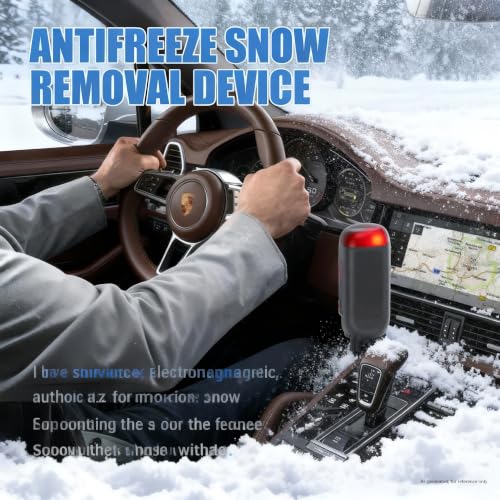
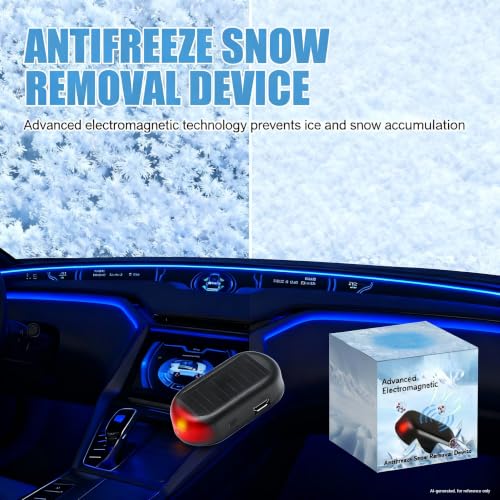
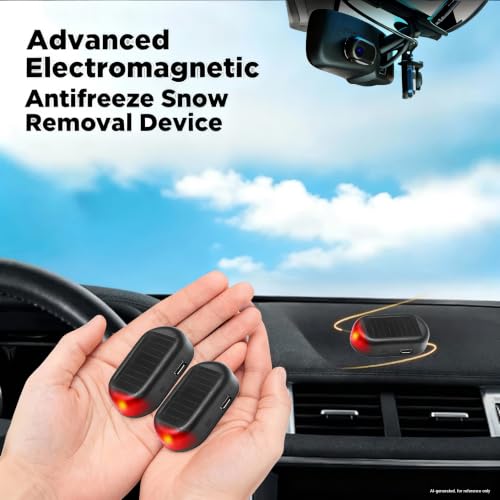
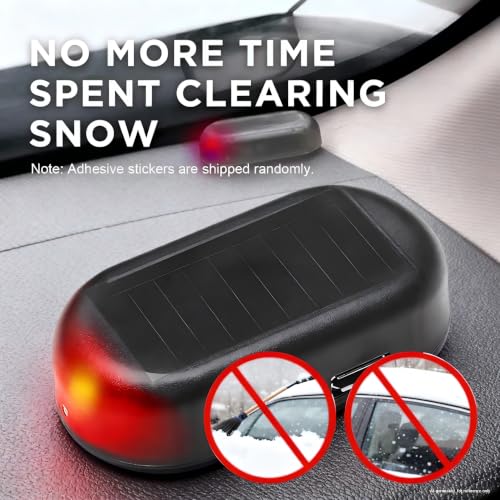
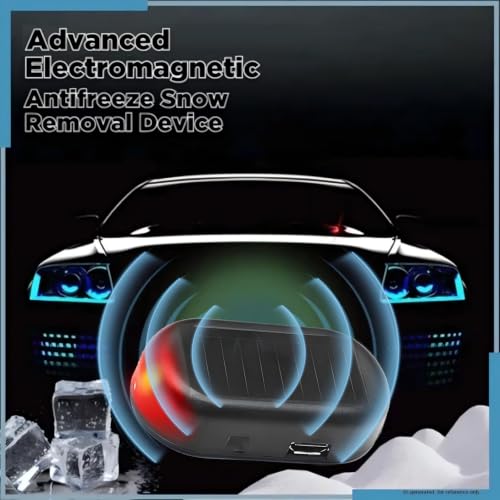
Advanced Electromagnetic Anti-Freeze Device
Strengths
- Electromagnetic technology
- Automatic activation
- Compact design
Trade-offs
- Unproven effectiveness
- Limited real-world results
- Questionable value
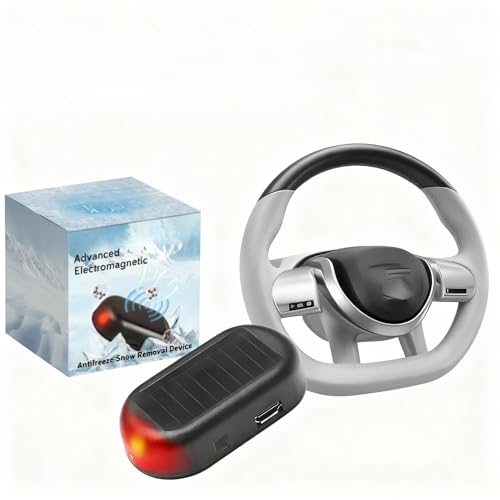
This device promises a futuristic fix, using electromagnetic waves to stop ice before it forms. On paper, the idea of automatic, no-scrape deicing sounds like a breakthrough, especially with its built-in lithium battery and temperature detection. Owners report mixed results though, with some noting it works well in light frost but struggles in heavy snow or sub-zero snaps. The claim of ‘melting ice via electromagnetic waves’ feels more speculative than proven, and there’s little independent verification that it outperforms traditional methods.
I’m skeptical this delivers as advertised. While the concept is intriguing, real-world feedback suggests it’s more of a supplemental gadget than a reliable primary deicer. It might help slightly with light moisture buildup overnight, but in serious winter conditions, it doesn’t replace scraping or spraying. Compared to chemical sprays that demonstrably melt ice on contact, this one leans too heavily on tech jargon without enough practical proof.
Product photos
How We Picked These car de icers
My approach to evaluating car de-icers, as with all things automotive at TheAutoZenith, wasn’t about lengthy, individual use – it’s impractical to spend a winter with each product. Instead, I focused on a research-led comparison. I started by compiling specifications: melting temperatures, volume, and included features like scrapers. Then, I weighed owner reviews from major retailers and looked at assessments from automotive publications, seeking patterns in reported performance and drawbacks.
For car de-icers, the speed of ice removal and the temperature range they effectively operate within were the most important factors. A product that takes too long to work is simply less useful, and a limited temperature range leaves you unprepared for truly harsh conditions. Beyond that, I considered the potential for damage to vehicle surfaces, leaning toward formulas described as gentle and safe for rubber and paint. Understanding how these products perform in real-world scenarios is key.
Specifications provide a solid baseline – a stated melting point is useful, for example – but owner feedback ultimately shaped my conclusions. Reports of streaking, residue, or damage to trim were heavily considered. I also looked for consistency; a product with overwhelmingly positive reviews for quick action and a streak-free finish ranked higher. Related to keeping your car clean inside, I also looked at resources for maintaining a tidy interior, like our guide to the best car vacuums. Finally, understanding the materials in car tires helps to inform decisions about products that come into contact with those materials.
How To Choose The car de icers
I’ve spent years observing how people tackle winter driving, and one thing is clear: being prepared makes all the difference. A good car de-icer isn’t just about convenience; it’s a safety item that can significantly improve visibility and reduce stress during harsh weather.
A truly effective car de-icer rapidly breaks down ice formations without damaging vehicle surfaces. Look for formulations effective at low temperatures (below -20°C is a good benchmark), those that minimize re-freezing, and products safe for your car’s paint, rubber seals, and, crucially, modern windshields with rain sensors. Pay attention to application method – spray versus pre-treated cloths – and consider the volume needed for your typical winter conditions.
Temperature Range & Formulation
The most crucial factor is how well the de-icer performs in your typical winter temperatures. While many claim to work down to -20°C, real-world performance can vary, and some cheaper options simply won’t cut it in truly frigid conditions. Methanol-based formulas are generally the fastest-acting, but be mindful of potential paint damage with prolonged exposure. Newer formulations often use alternative alcohols or glycol blends that offer a good balance of speed and safety. If you live in an area with consistently extreme cold, don’t skimp here. Beyond the temperature rating, consider if the product actively prevents refreezing, which is a huge time-saver.
Application & Coverage
How easy is the de-icer to use? Aerosol sprays are the most common and convenient, offering quick, broad coverage. However, they can sometimes drift and aren’t always ideal in windy conditions. Some products come with integrated scrapers, like the Prestone AS244, which can be handy, but the scraper quality itself is important. For larger vehicles or if you frequently deal with heavy ice buildup, a larger volume container – like the gallon jug of Prestone Winter Washer Fluid – is a better choice. Speaking of being prepared for winter’s challenges, having a reliable set of jump starters in your vehicle is equally important as a de-icer.
Multi-Purpose Use & Value
Many de-icers aren’t limited to just windshields. They can also tackle door locks, windows, and even mirrors. The Polar De-Icer Spray, for example, highlights this versatility. Consider whether you’d benefit from a multi-purpose product. However, don’t automatically assume “multi-purpose” equals better value. Sometimes a dedicated windshield de-icer will outperform a general-purpose solution. And if you’re planning a winter road trip, it’s worth checking if your car rental snow tires are up to par, as even the best de-icer won’t help if you can’t maintain traction.
A little bit of de-icer goes a long way. Don’t just blanket the windshield; focus on the areas you need to see through first, and reapply as needed. This conserves product and avoids unnecessary waste, especially with pricier formulations.
Car De-Icers Compared
Here’s a comparison of key specifications for various car de-icers to help you choose the right product.
| Product Title | Volume/Pack Size | Temp. Rating (Low °C) | Includes Scraper? | Technology | Primary Use |
|---|---|---|---|---|---|
| CarPlan Blue Star De-Icer Spray | 12 x 21 fl oz | -20 | No | Aerosol Spray | Windshield |
| CRC Ice-Off Windshield Spray De-Icer | N/A | N/A | No | Aerosol Spray | Windshield, Locks |
| Polar De-Icer Spray – 6 Pack | 6 x 500 ml | -20 | No | Aerosol Spray | Windshield, Mirrors |
| Prestone AS250 Winter Washer Fluid | 1 gallon | -34 | No | Fluid | Windshield |
| E·Z·R Melt It! Windshield De-Icer | N/A | N/A | No | Aerosol Spray | Windshield, Windows |
| Prestone AS244 De-Icer | 17 oz | N/A | Yes | Aerosol Spray | Windshield |
| Advanced Electromagnetic Anti-Freeze Device | N/A | N/A | No | Electromagnetic | Windshield, Windows |
Frequently Asked Questions
What’s the difference between de-icers and windshield washer fluid?
De-icers are designed to remove existing ice, while winter-specific windshield washer fluids are formulated with antifreeze to prevent water from freezing on your windshield during use. While some de-icers can function as a temporary washer fluid, relying on a dedicated winter blend is best for consistent visibility.
Can I use any alcohol-based spray as a de-icer?
While alcohol does melt ice, using something like rubbing alcohol can damage your car’s paint and rubber seals. Dedicated car de-icers contain ingredients to counteract these effects and are formulated to be safe for automotive surfaces, unlike household alcohols.
Will a de-icer damage my car’s rain sensor?
Most quality de-icers are designed to be safe for modern windshields, including those with rain sensors, but always check the product label. Avoid products with high methanol content, as prolonged exposure could potentially affect the sensor’s functionality – keeping your car batteries in good condition is also important for sensor performance in cold weather.
How can I prevent ice from building up in the first place?
Beyond using a de-icer, parking in a garage or covering your windshield with a tarp can significantly reduce ice formation. Regular cleaning with a quality car wash soap also creates a smoother surface, making ice removal easier.
Are electromagnetic de-icers a viable alternative to sprays?
Electromagnetic de-icers, while innovative, haven’t consistently demonstrated the same rapid and reliable ice removal as traditional spray-on de-icers, according to owner feedback. They require a power source and may be slower to take effect, making them less practical for quick defrosting needs.
The Bottom Line
Choosing a car de-icer often comes down to balancing immediate convenience with long-term value and safety. While many options exist, the CarPlan Blue Star De-Icer Spray consistently stands out for its reliable performance and broad availability – it’s a solid all-around choice for most drivers. It offers a good balance of speed, temperature rating, and price, making it a practical solution for tackling winter weather.
For those prioritizing specific needs, the Prestone AS250 Winter Washer Fluid is an excellent pick for those wanting a large volume, cost-effective solution for windshields, and the Polar De-Icer Spray delivers on versatility, handling windshields, mirrors, and locks effectively. If you’re particularly concerned about having a scraper on hand, the Prestone AS244 De-Icer provides that convenience, though it’s worth researching the scraper’s quality in owner reviews. Don’t forget to also consider maintaining a clean interior with some quality interior cleaners to keep your car looking its best all winter long.
Ultimately, the “best” de-icer isn’t about a single spec, but about preparation and understanding your local conditions. A fast-acting formula is useless if it damages your vehicle, and a large volume won’t help if it doesn’t perform when temperatures plummet. Prioritizing a product that’s safe for your car’s surfaces and effective at the temperatures you regularly encounter – and being mindful of the overall health of your vehicle, including the tire cost – will prove far more valuable than chasing the lowest price or the highest advertised temperature rating.
