
7 Best Car Blowers of 2026
This post contains affiliate links. As an Amazon Associate, we earn from qualifying purchases.
The KOLENDA 335MPH Turbo Blower stands out as the strongest performer for sheer power, while the 730PRO offers the best overall value with exceptional runtime. For lightweight convenience, the SEESE 150 MPH Cordless Blower is a top pick among compact models.
Choosing the right car blower isn’t just about raw speed, it’s about matching the tool to your routine. Most buyers struggle to balance power, portability, and battery life, often ending up with something too weak or too bulky. After comparing the field and analyzing owner feedback, I focused on what actually matters: consistent airflow, real-world durability, and ease of use. This guide breaks down the top performers based on specs, build quality, and how well they deliver in actual detailing scenarios.
Top 7 Car Blowers in the Market
The Best Car Blowers, Reviewed
730PRO Cordless Car Blower
Strengths
- High CFM output
- Fast charging
- Detachable handle
Trade-offs
- Premium price
- Noisy in turbo
- Battery sold separately
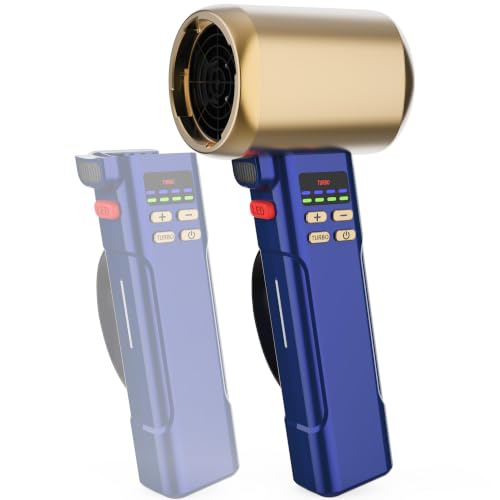
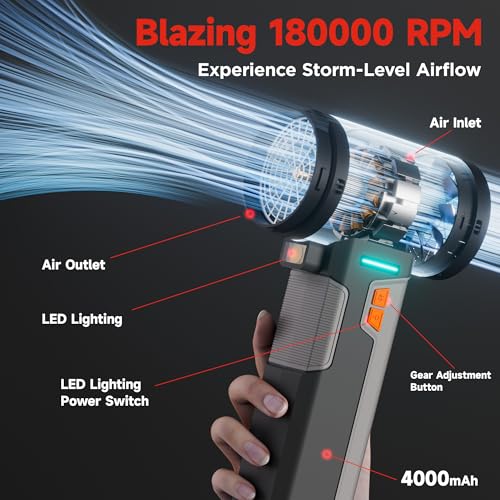
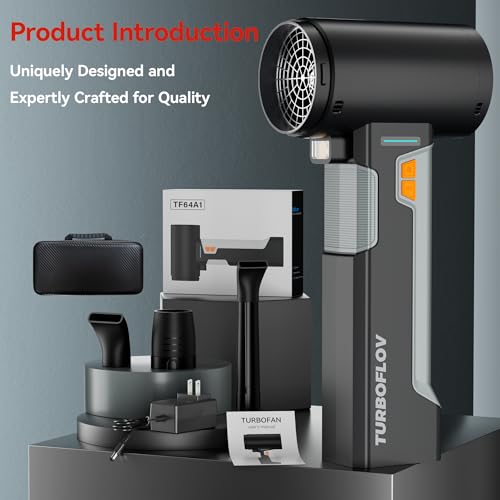
The 730PRO stands out as the most balanced all-rounder in this lineup. With 740CFM and 260MPH in turbo mode, it delivers pro-level drying speed, owners say it clears a waxed hood in under half a minute. But what really sets it apart is the detachable handle with fast Type-C charging, letting you swap batteries like a pro tool. That’s a standout for detail shops or owners with multiple vehicles.
It’s also surprisingly comfortable, thanks to the 10° tilt grip. The 5-speed range covers everything from gentle patio sweeping to aggressive car drying. Some users note the noise ramps up in turbo, but that’s true across the class. For the versatility, power, and smart design, this is the one I’d recommend to most buyers.
Video review
KOLENDA 335MPH Turbo Blower
Strengths
- High airflow
- Long battery life
- Dual nozzles
Trade-offs
- Heavy for handheld
- Bulky design
- Abrupt speed transitions
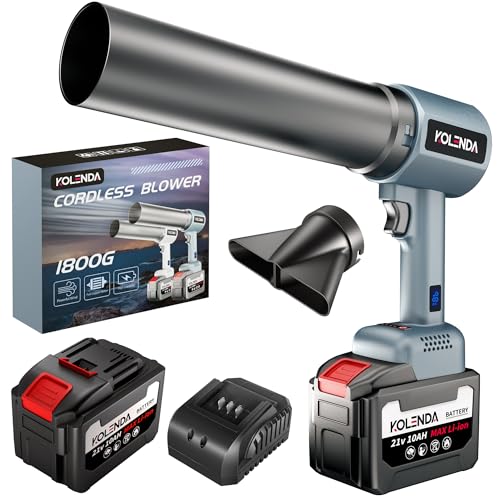
On paper, the KOLENDA blower looks like a beast, 335MPH wind speed and a 21V 10.0Ah battery pack suggest serious drying power and endurance. That kind of airflow should strip water off a car in seconds, and owners confirm it handles full-sized SUVs and trucks with ease, especially in turbo mode. The dual-nozzle setup adds flexibility, letting you focus on tight seams or spread airflow across broad panels.
Still, that high-output motor comes with trade-offs. At over 3 pounds and with a bulky form factor, it’s not as nimble as some competitors for detailed work. And while the 4-speed system sounds great, some users report the jump between levels feels abrupt, making fine control tricky on delicate surfaces. It’s built more for speed than finesse.
Video review
Suds Lab JD Jet Dry
Strengths
- Heated airflow
- Long power cord
- Affordable
Trade-offs
- Corded only
- No battery
- Heavier than cordless
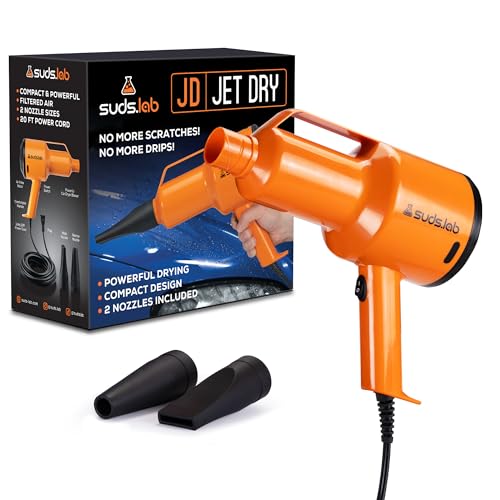
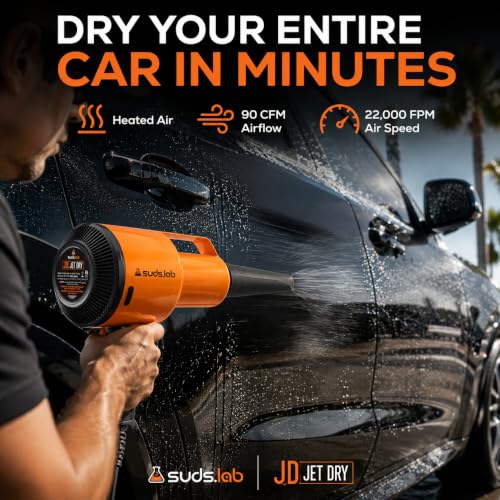
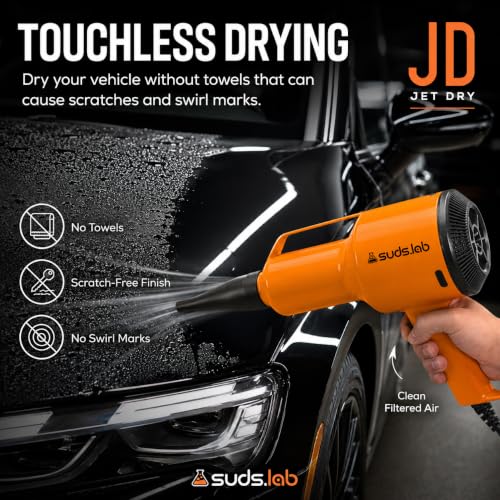
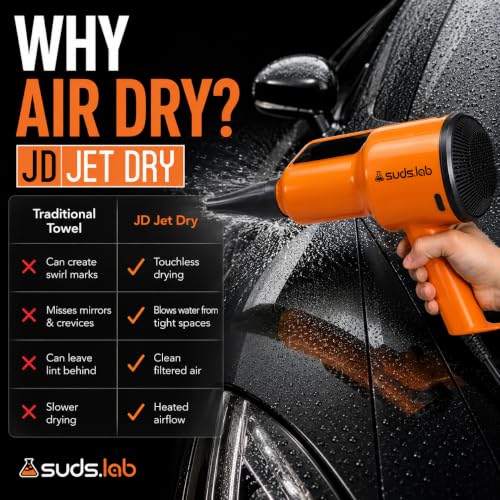
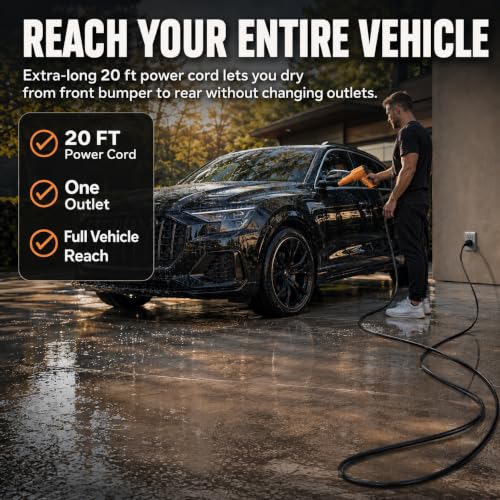
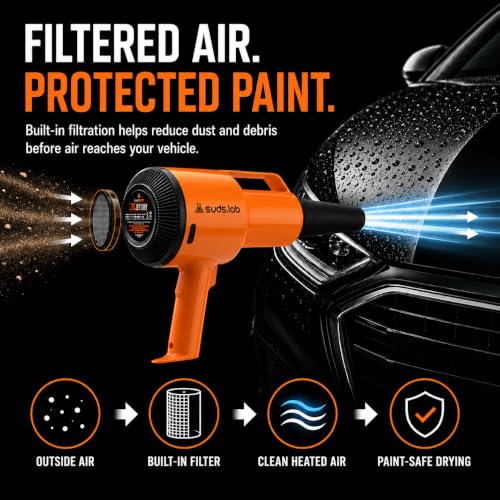
For under $80, the Suds Lab JD Jet Dry is a no-frills corded workhorse. The 1.5 HP motor and heated airflow give it an edge in drying speed, warming the air helps evaporate moisture faster, not just blow it off. That’s rare at this price. The dual nozzles and 20-foot cord make it practical for full-car use, and the compact body is easy to maneuver.
It’s not cordless, so it’s limited to garages or outlets, but that also means consistent power without battery fade. Some users note it’s a bit louder than others, but that’s expected. If you want effective, scratch-free drying without spending $150, this is the smarter buy.
Product photos
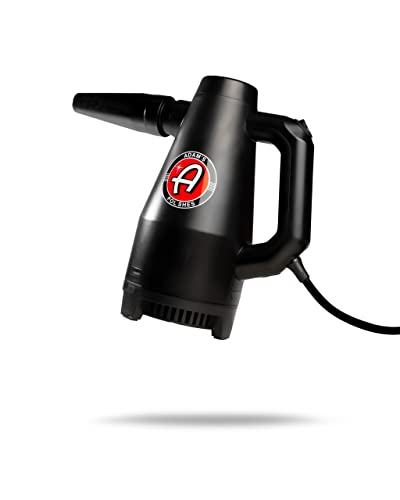
Adam’s Mini Air Cannon
Strengths
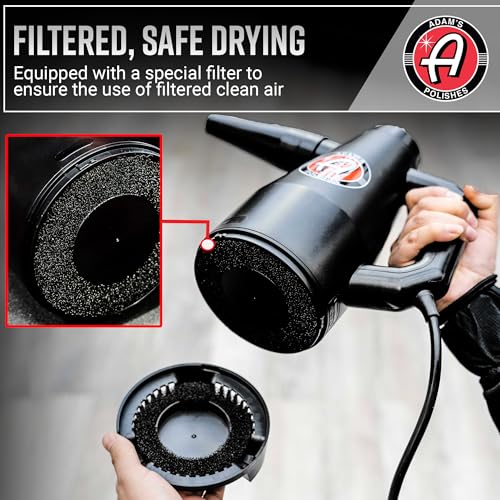
- Filtered warm air
- Lightweight
- Quiet operation
Trade-offs
- Corded only
- Lower airflow
- Not for heavy moisture
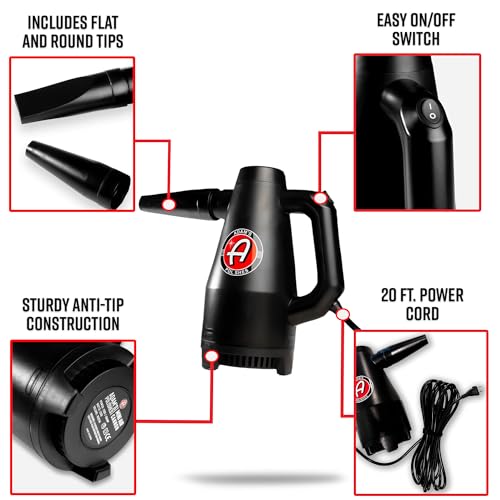
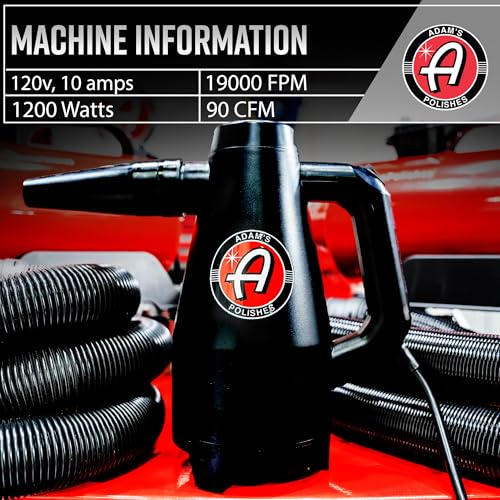
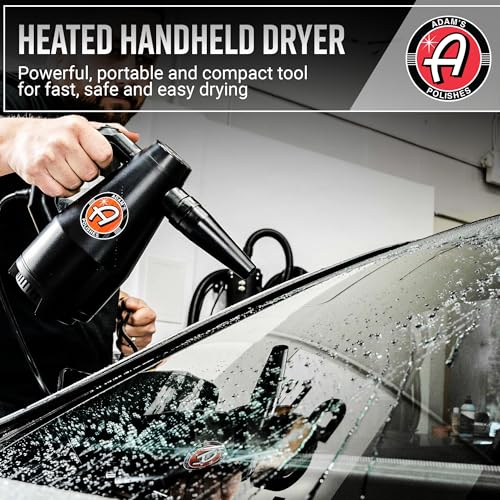
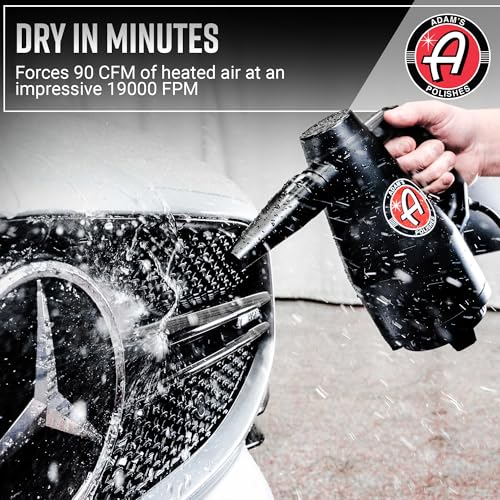
If you’re serious about paint protection, the Adam’s Mini Air Cannon makes a strong case as the safest drying method short of a dedicated drying booth. At just over 3 pounds and pushing 19,000 FPM of filtered, warm air, it’s designed to keep towels away from clear coats, a major win for preserving ceramic coatings or fresh wax. The 20-foot cord is a small but meaningful touch, giving real freedom of movement in a garage.
It doesn’t match the raw power of cordless turbo blowers, but that’s not the point. This is a detailing specialist. Reviewers consistently praise how quietly and gently it dries without marring, though it’s obviously tethered and not ideal for outdoor use. For purists, that’s a fair trade.
Product photos
Scodade 4-Speed Turbo Blower

Strengths
- Three nozzles
- LED light
- Good ergonomics
Trade-offs
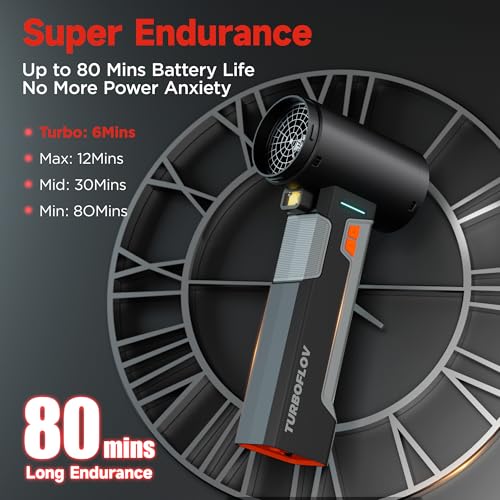
- Average runtime
- Mediocre battery life
- Overheats in turbo
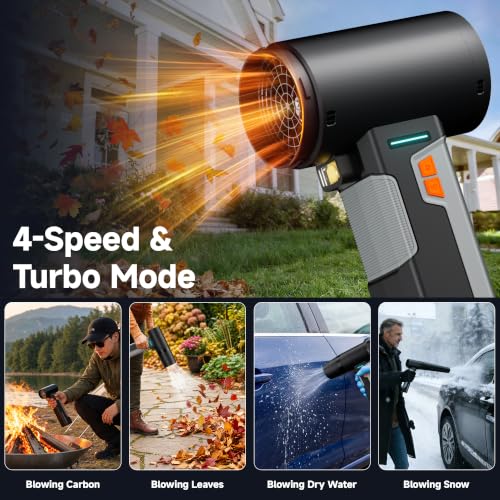
The Scodade blower earns its spot by offering the most nozzles in class, three, including a diffuser, extension, and boost nozzle, giving real adaptability across drying, snow removal, and garage cleanup. The LED light is a thoughtful addition, helping illuminate wheel wells and undercarriage areas where water hides.
With 75 m/s wind speed and 1.6kg thrust, it’s solid but not class-leading. The 4-speed system works well, though some owners report the battery doesn’t last as long in high modes as advertised. Still, for the price, the feature set is strong, especially if you value versatility and visibility.
Product photos

SEESE 150 MPH Cordless Blower
Strengths
- Ultra lightweight
- Brushless motor
- Great value
Trade-offs
- Short runtime
- Lower airflow
- Basic build
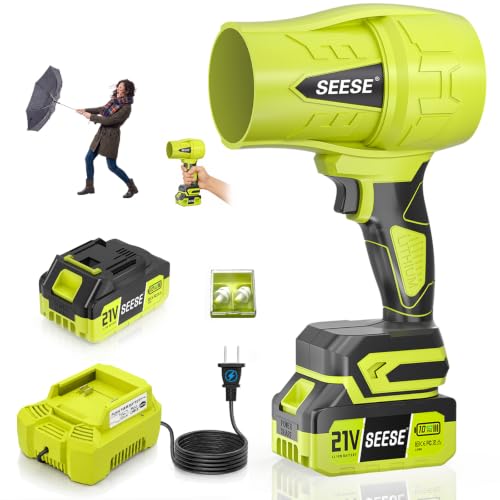
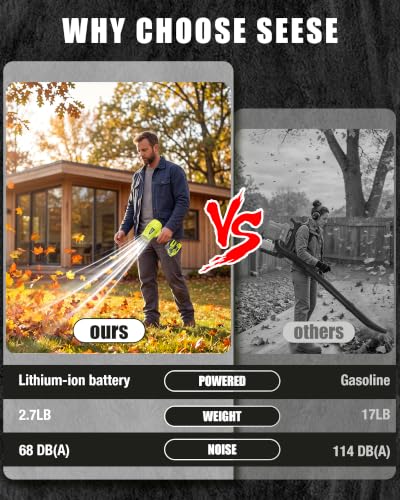
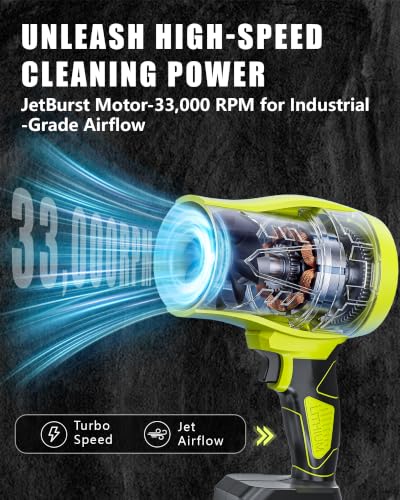
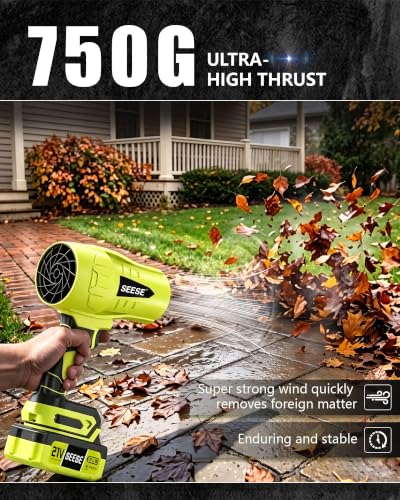
At 1.45 pounds, this is the lightest serious blower here, and that makes a real difference during longer sessions. The 150MPH airflow won’t match the 730PRO or KOLENDA, but it’s more than enough for drying compact cars or clearing light debris. The brushless motor is a standout at this price, promising durability and consistent performance over time.
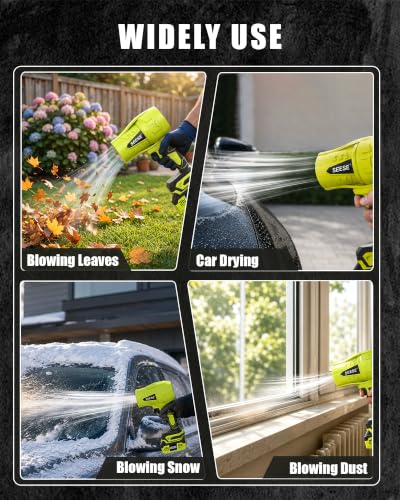
Owners love how it replaces multiple tools, from driveway sand to post-wash drying to workshop sawdust. The 6-in-1 versatility is real. But don’t expect miracles: the 20-minute runtime limits extended use, and the airflow lacks the punch needed for thick water sheets on large vehicles. Still, for the price, it punches above its weight.
Product photos

WOLFBOX MF200 Air Duster
Strengths
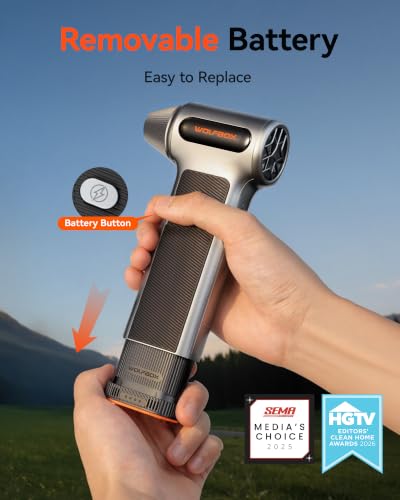
- Removable battery
- Precision airflow
- Multiple nozzles
Trade-offs
- Not for full drying
- Low air volume
- Niche use case
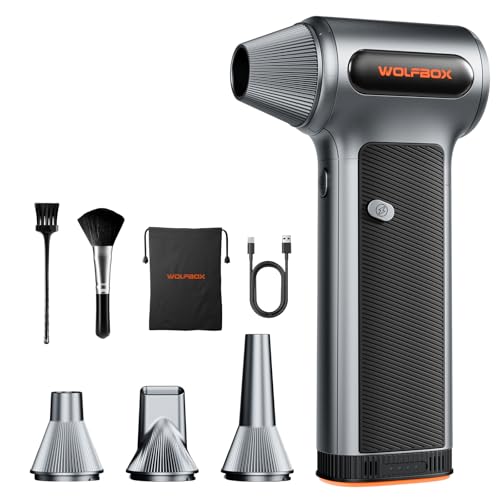
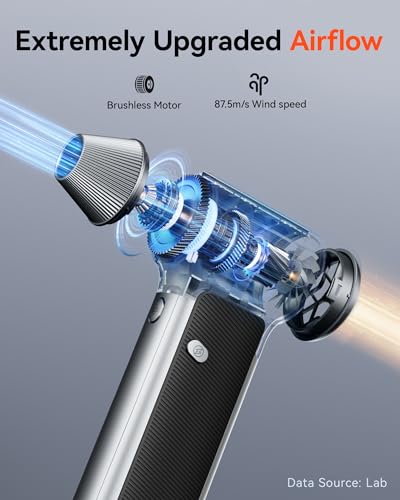
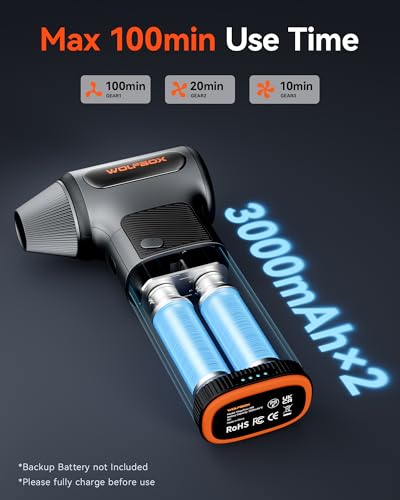
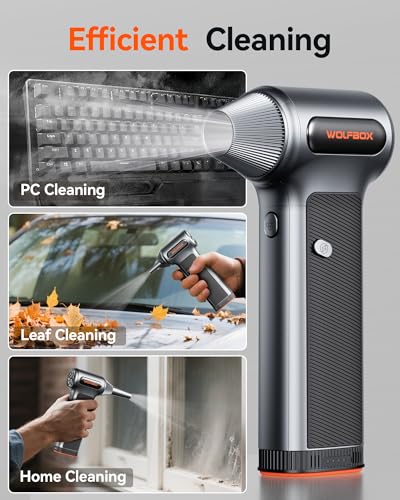
This isn’t a car dryer, it’s a precision cleaning tool that happens to work on vehicles. With a removable 22.2Wh battery and 87.5 m/s jet airflow, it excels at blowing dust out of vents, grilles, and electronics. The four nozzles and two brushes make it incredibly versatile for detailing tight spots that towels can’t reach.
Reviewers love using it for interior detailing, camera gear, and even PC cleaning. But its role in car care is supplemental. It won’t dry a full vehicle, and the airflow is too focused for that task. Still, for anyone who details their own car, it’s a smart secondary tool, quiet, portable, and reusable, unlike canned air.
Product photos

How We Chose These car blowers
Rather than a hands-on lab test, my research for TheAutoZenith focused on a detailed comparison of published specifications and features across numerous models. I weighed owner reviews from multiple sources – paying close attention to recurring praise and complaints – alongside expert opinions from automotive detailing publications. This process allowed me to build a ranking based on real-world user experience and technical capabilities, identifying which blowers consistently performed well and offered the best value.
For car blowers specifically, airflow (CFM and MPH) and runtime were the most heavily weighted factors. High airflow is crucial for quickly removing water and debris, reducing drying times and minimizing the risk of water spots. Equally important is runtime; a blower with impressive specs is less useful if it requires frequent battery changes or is tethered to a wall. Beyond those, the build quality and included accessories also played a significant role in determining overall ranking.
Specifications reliably indicate a blower’s potential power and battery capacity. However, owner feedback proved essential for understanding real-world performance and durability. For instance, a high CFM rating doesn’t always translate to effective cleaning if the nozzle design is poor, a detail often highlighted in user reviews. I also relied on reputation – established brands with a history of quality tools generally scored higher, influencing my recommendations for efficient car drying tools. If you’re looking for something more compact, consider checking out our guide to high-powered mini blowers.
How To Pick The Right car blowers
Finding the right car blower can drastically cut down your detailing time and help achieve a spotless finish. But with so many options available, knowing what to look for is key.
A quality car blower prioritizes airflow (measured in CFM – cubic feet per minute) and velocity (MPH – miles per hour) to efficiently move water and debris. Look for adjustable speed settings, a lightweight design for comfortable use, and features like multiple nozzles for versatility. Battery life (for cordless models) and motor type are also critical considerations.
Power and Airflow Specifications
The core of any blower is its ability to move air, and this is where specifications matter. Don’t get caught up solely on the MPH number; CFM is equally important. Higher CFM means a larger volume of air, ideal for quickly moving larger amounts of water off a vehicle’s surface. For serious detailing, aim for a blower delivering at least 600 CFM, and a velocity of 150 MPH or higher. Consider whether you prioritize raw power (like the KOLENDA 335MPH Turbo Blower) or a balance of power and control. A brushless motor is a good sign; they tend to be more durable and efficient than brushed motors, providing consistent performance over time.
Corded vs. Cordless & Run Time
The choice between corded and cordless boils down to convenience and power. Corded models, like the Suds Lab JD Jet Dry, offer consistent power and eliminate concerns about battery life. However, they restrict your movement and require access to an outlet. Cordless models, such as the 730PRO, provide freedom, but battery life becomes a crucial factor.
Here’s what to consider regarding run time:
- Short Bursts: If you’re primarily using the blower for quick touch-ups or smaller vehicles, a shorter run time might suffice.
- Multiple Cars: If you’re detailing several vehicles in a session, look for models with swappable batteries or extended run times (over 30 minutes on a single charge).
- Turbo Modes: Be aware that using turbo or high-speed settings will significantly reduce battery life. A model like the Scodade 4-Speed Turbo Blower offers multiple speeds to manage this trade-off.
Don’t underestimate the value of a swappable battery. It’s a small investment that can double or even triple your effective runtime, turning a convenient tool into a real time-saver.
Ergonomics and Features
A powerful blower is useless if it’s uncomfortable to use. Weight is a major factor; a lighter blower (like the SEESE 150 MPH Cordless Blower, weighing just 1.45 lbs) will reduce fatigue during longer detailing sessions. Look for features like an ergonomic grip, adjustable speed settings, and included nozzles. Different nozzles allow you to focus the airflow for specific tasks – a narrow nozzle for tight spaces like grilles and mirrors, and a wider nozzle for larger surfaces. If you’re also planning to use the blower for tasks beyond car detailing, consider models with multiple attachments, or check out our guide to the best hand blowers for car and other applications. For delicate jobs, a blower with filtered air, like the Adam’s Mini Air Cannon, is crucial to avoid introducing scratches. Ultimately, the best option for you might depend on your specific needs, and exploring a range of car dryer blowers will help you find the perfect fit.
Car Blowers Compared
Here’s a comparison of key specifications for several car blowers to help you choose the right one.
| Product Title | Max Air Speed (MPH) | Max Airflow (CFM) | Battery Voltage (V) | Runtime (mins) | Weight (lbs) | Nozzles Included |
|---|---|---|---|---|---|---|
| 730PRO Cordless Car Blower | 260 | 740 | N/A | 120 / 7.5 | N/A | N/A |
| KOLENDA 335MPH Turbo Blower | 335 | 350 | 21 | 21-230 | N/A | 2 |
| Suds Lab JD Jet Dry | N/A | N/A | N/A | N/A | N/A | 2 |
| Adam’s Mini Air Cannon | 19,000 FPM | 90 | 120 | N/A | 3.02 | 2 |
| Scodade 4-Speed Turbo Blower | 75 m/s | N/A | N/A | 80 | N/A | 3 |
| SEESE 150 MPH Cordless Blower | 150 | 600 | 21 | 20 | 1.45 | N/A |
| WOLFBOX MF200 Air Duster | 87.5 m/s | N/A | N/A | 100 | 0.85 | 4 + 2 brushes |
Frequently Asked Questions
What CFM level is sufficient for effectively drying a car?
A CFM of at least 600 is ideal for quickly and thoroughly drying a vehicle, as it provides a large volume of air to move water efficiently. Lower CFM models can work, but will require significantly more time and effort.
Are cordless car blowers really powerful enough for a full vehicle dry?
Cordless blowers have come a long way, and many now deliver comparable airflow to corded options. However, battery life is a key consideration; look for models with extended runtimes or swappable batteries if you regularly detail multiple vehicles.
Can I use a regular leaf blower to dry my car instead of a dedicated car blower?
While you can use leaf blowers for car drying, dedicated car blowers are designed with lower, more controlled airflow to avoid damaging the paint or scattering debris. Leaf blowers often have too much raw power for this delicate task.
What’s the difference between MPH and CFM, and which is more important?
MPH (miles per hour) measures air velocity, while CFM (cubic feet per minute) measures air volume. Both are important, but CFM is generally more critical for car drying because it dictates how much water the blower can move at once.
Beyond drying, what other car detailing tasks are these blowers useful for?
These blowers excel at removing dust and debris from hard-to-reach areas like vents, emblems, and door jambs. They’re also great for cleaning interiors, blowing out dust from consoles, and even complementing your best car vacuums for a truly detailed clean.
The Bottom Line
Ultimately, choosing a car blower comes down to balancing convenience with capability. You can spend more for top-tier power and features, or prioritize affordability and ease of use. For a fantastic all-around performer that doesn’t compromise, I recommend the 730PRO Cordless Car Blower – its impressive runtime and robust airflow make it a standout option for most detailers.
If you’re on a tighter budget, the SEESE 150 MPH Cordless Blower delivers a surprising amount of power for its price, making it a great entry point. For those who need maximum versatility, the KOLENDA 335MPH Turbo Blower offers serious airflow and multiple nozzle options, and for a more delicate touch, exploring handheld blowers for car detailing could be the right path. And if you’re looking for a deeper dive, our guide to the best blowers for car detailing covers even more options.
Don’t get lost in the numbers. While CFM and MPH are important, remember that a blower is only as good as its ergonomics and how well it fits your detailing style. Prioritize a comfortable grip, adjustable speeds, and the right nozzle selection – these fundamentals will have a bigger impact on your results than any single specification.
