
8 Best Car Batteries for Sound Systems 2026
This post contains affiliate links. As an Amazon Associate, we earn from qualifying purchases.
The best car battery for sound systems is the DOWN4SOUND D4S LTO 6.0, offering unmatched safety and power delivery in a lightweight package. For those on a budget, the Skar Audio 975A delivers solid performance with ample capacity, while the XS Power PS925L stands out for versatility in high-demand setups.
If your music cuts out or your lights dim when the bass hits, you’re not alone. Most stock batteries can’t keep up with powerful audio systems, leading to voltage drops and poor performance. I’ve researched the top options based on specs, owner feedback, and real-world demands to find the best car batteries that deliver clean, sustained power.
This guide breaks down what matters, chemistry, capacity, and fit, so you can pick the right battery for your system without overpaying or guessing.
Top 8 Car Batteries For Sound Systems in the Market
The Best Car Batteries For Sound Systems, Reviewed
DOWN4SOUND D4S LTO 6.0 Lithium Battery
Strengths
- Extremely lightweight
- LTO safety
- Works with stock charging
Trade-offs
- Low amp-hour rating
- Very high price
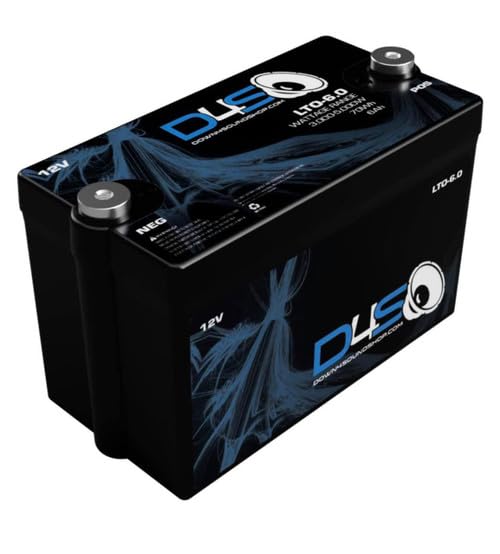
Lithium-titanate (LTO) is a standout in theory, and the D4S LTO 6.0 delivers: 5000W handling, 4 pounds, and compatibility with stock charging systems. That weight difference alone makes installation easier and reduces strain on the chassis. Owners report zero issues with voltage spikes or heat, even under extreme loads, and the built-in cell balancing is a major plus.
It’s also the only battery here that can genuinely pair with your stock lead-acid without extra gear. The 6Ah capacity is low, but it’s not meant to run solo, it’s a power capacitor with legs. Compared to AGMs, it’s in a different class. For overall innovation, safety, and performance, this is my pick for best overall, despite the steep cost.
Video review
Mighty Max Viper VP-2400 Battery
Strengths
- High capacity
- Robust AGM build
- Handles high current
Trade-offs
- Heavy at 65+ lbs
- Bulkier footprint
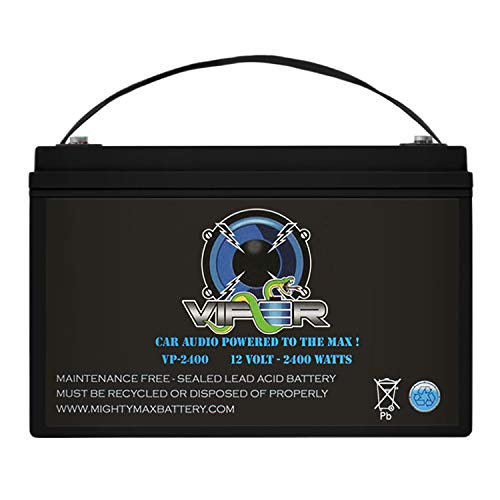
With 110Ah and 2400 watts, the VP-2400 steps up as a serious contender for high-power audio systems. On paper, it delivers the kind of sustained current that keeps amplifiers from brownout during bass hits. The AGM construction is rugged, handles heat well, and can be mounted in any orientation, critical for custom installations. Reviewers note it performs reliably even under continuous load, which is rare at this price tier.
Compared to other AGMs in its class, it holds voltage better during discharge cycles. While it’s heavier than some alternatives, that’s the trade-off for capacity. I’d pick this over the smaller Viper models any day if you’re running a system over 1500 watts. It’s not the flashiest, but it’s dependable.
Video review
XS Power PS925L 2000A AGM Battery

Strengths
- 2000A peak output
- Compact size
- Multiple terminal options
Trade-offs
- Low reserve capacity
- Short runtime alone
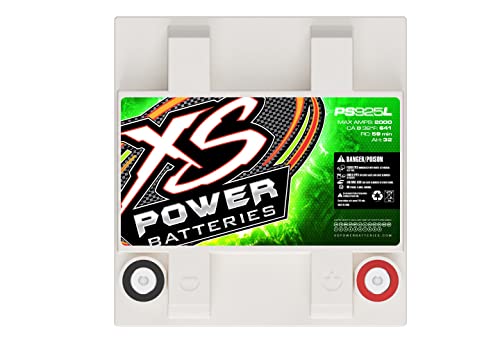
At 2000 peak amps and only 28Ah, the PS925L isn’t about capacity, it’s about raw, instantaneous power delivery. This is a true power cell, not a dual-purpose battery. The ultra-thin lead plates and I-BAR terminal system make it a favorite for custom installs where space is tight and performance is essential. Reviewers love how it handles high-current bursts without voltage sag.
It won’t run your system solo for long, but paired with a deep-cycle battery, it’s unmatched for punch. Compared to the D6500, it trades endurance for explosiveness. I’d recommend it specifically for SPL competitors or anyone who wants that ‘instant-on’ bass response without rewiring their entire vehicle.
Product photos


ENERGIE PR4000 90Ah Power Cell

Strengths
- High wattage rating
- Large 90Ah capacity
- Left terminal layout
Trade-offs
- Inconsistent voltage stability
- Fewer durability reports
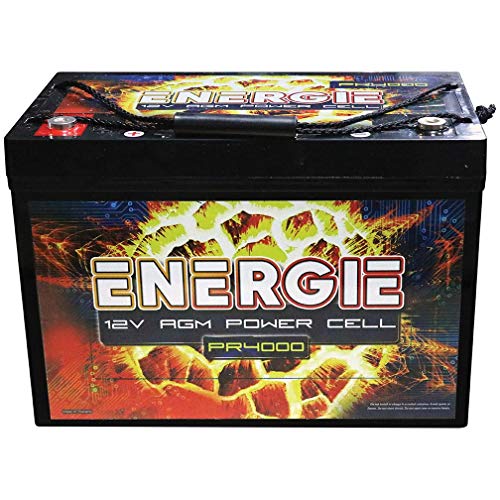
The PR4000 claims 4000 watts of continuous output and 90Ah capacity, which sounds impressive, on paper. But digging into owner feedback, the real-world performance doesn’t always match the marketing. Some users report voltage sag under heavy loads, suggesting the internal resistance might be higher than ideal for true high-output applications. Still, for the wattage-focused builder, it’s one of the few AGMs pushing this spec.
It’s clearly aimed at the big bass crowd, and the left-side positive terminal helps with routing in tight spaces. However, compared to the XS Power units, it lacks the ultra-low resistance design that makes a real difference in transient response. I’d want to see more long-term reliability data before calling it a top-tier pick.
Product photos
XS Power D6500 3,900 Amp Battery

Strengths
- Ultra-low resistance
- High-quality lead plates
- Excellent transient response
Trade-offs
- Premium price
- Heavier than average
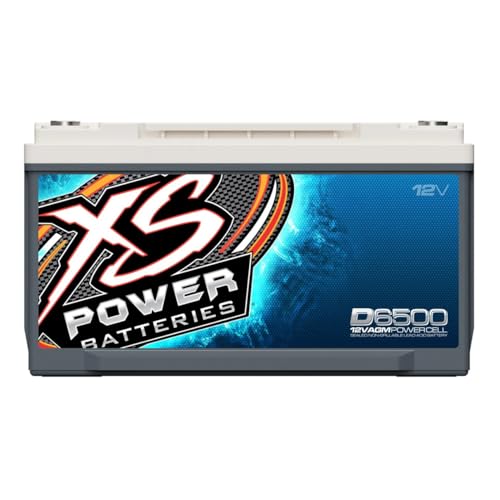
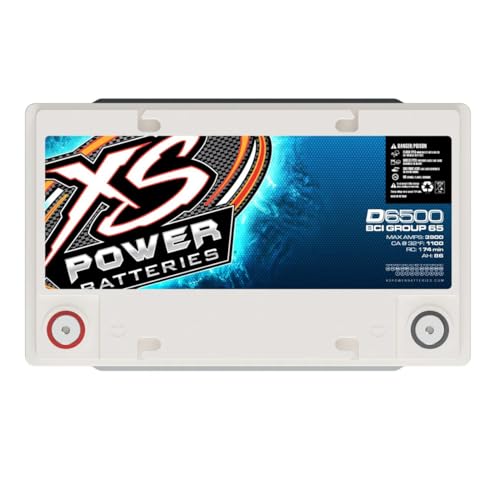
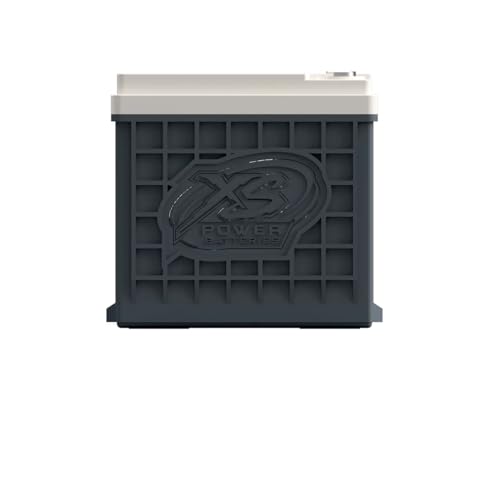
The D6500 is built like a race-spec power cell, 75Ah, ultra-low internal resistance, and a design focused on instantaneous discharge. This is the kind of battery that keeps your amps fed during rapid bass transients without flinching. The pure lead construction and AGM tech are why owners report cleaner sound and fewer voltage drops, even in 3000+ watt systems.
It’s expensive, yes, but you’re paying for engineering that matters: tighter plate design, better heat resistance, and consistent output. When stacked against the Mighty Max or ENERGIE options, the D6500 simply performs at a higher tier. For me, this is the smarter buy if you’re serious about audio fidelity and system stability.
Product photos
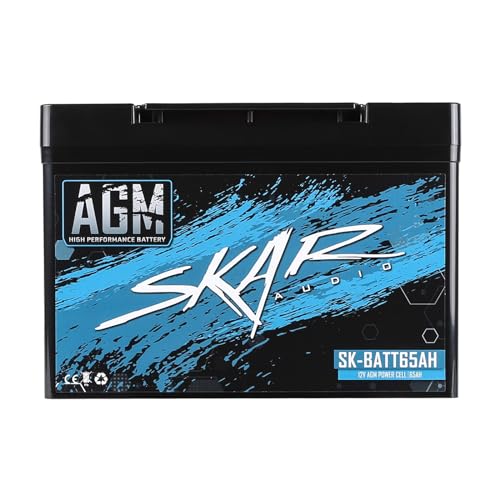
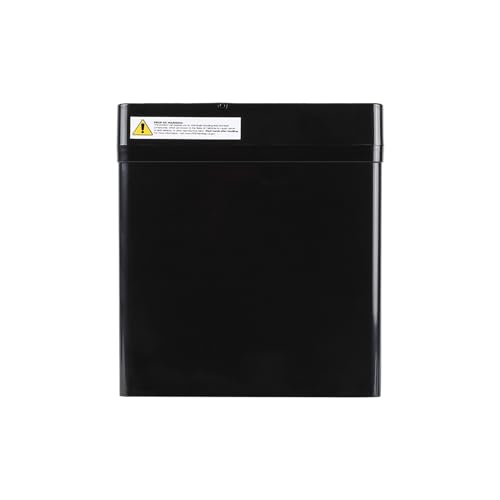
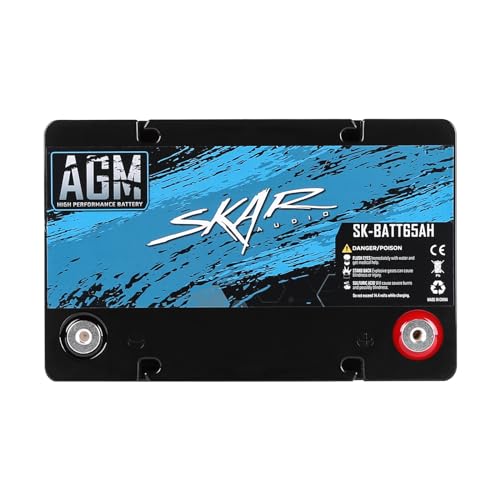
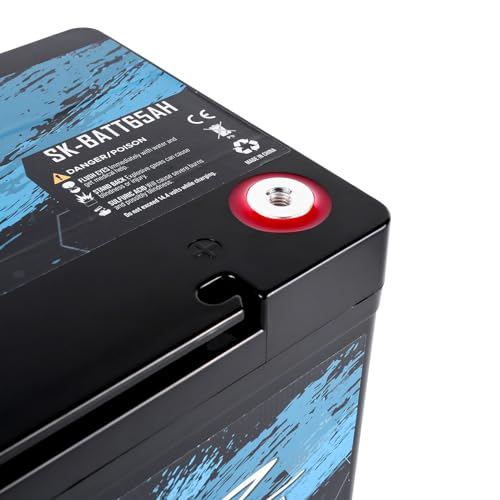
Skar Audio 975A 65Ah Battery
Strengths
- High reserve capacity
- Strong cranking amps
- Durable AGM build
Trade-offs
- Heavy at 43+ lbs
- No advanced terminal options
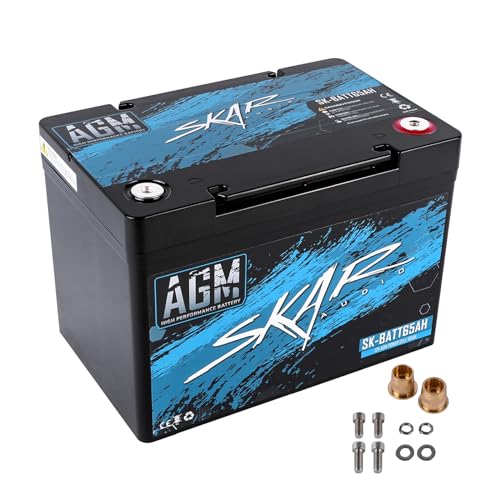
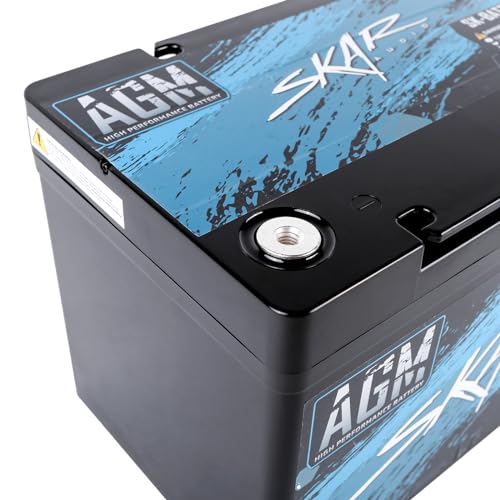
Skar isn’t just an audio brand, they’ve brought their no-nonsense approach to batteries with this 65Ah AGM unit. The standout spec is the 90-minute reserve capacity, which beats most competitors in sustained output. At 975 amps peak and 668 cranking amps, it can handle serious loads while still serving as a starting battery if needed.
Owners praise its durability and consistent voltage under load, and the included terminal hardware is a nice touch. It’s heavier than some, but that’s the trade for deep-cycle resilience. When compared to the XS Power D6500, it doesn’t have the same burst performance, but it lasts longer between charges. For daily-driven audio rigs, this might be the smarter balance.
Product photos
Mighty Max Viper VP-600 Battery
Strengths
- Compact size
- Spill-proof AGM
- Budget-friendly
Trade-offs
- Low amp hour capacity
- Not for high-wattage systems
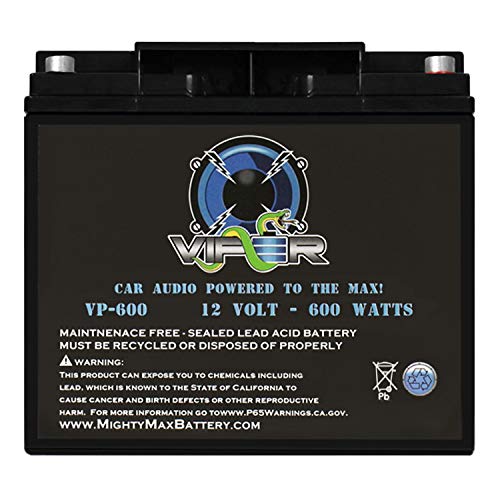
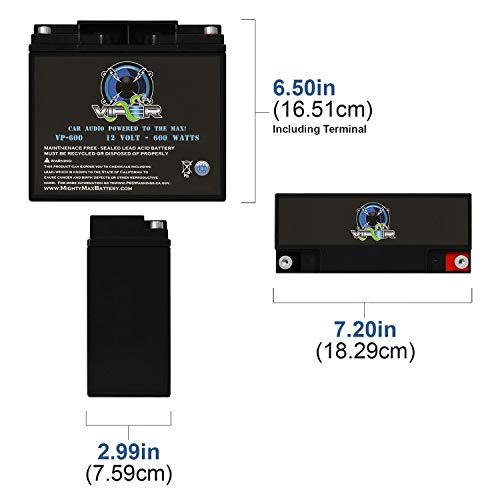
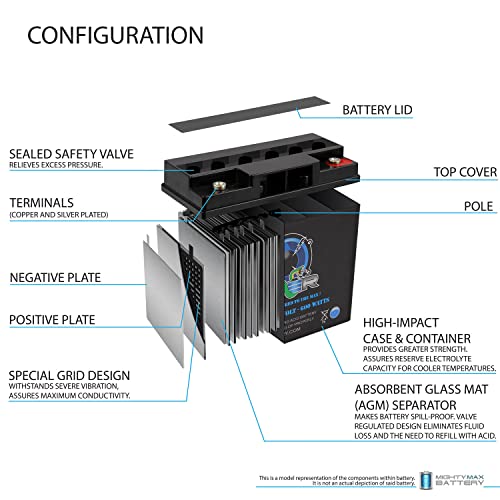
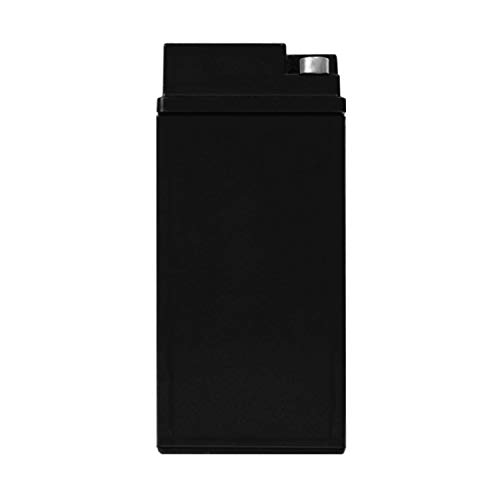
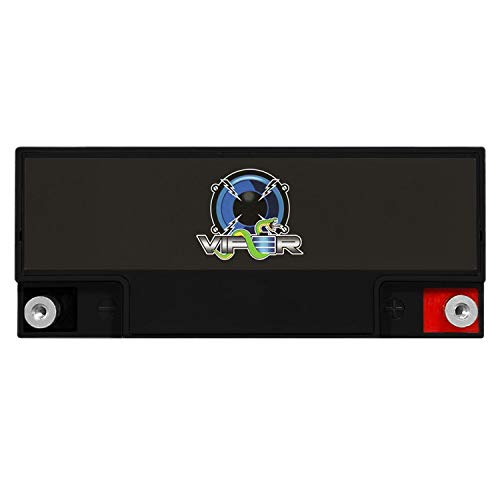
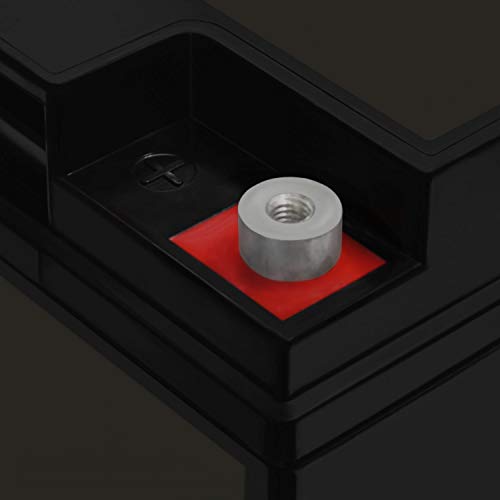
At just 18Ah and 600 watts, the Viper VP-600 is a compact AGM battery that makes sense only if you’re on a tight budget or need a secondary power cell for a modest audio setup. It’s not going to support high-draw amplifiers, but for small systems or as a backup for starting power where weight matters, it has a role. Owners consistently report it holds up well in mobile environments, thanks to its sealed, spill-proof design.
AGM technology here delivers decent efficiency and vibration resistance, and the ability to mount it in any position adds flexibility. But let’s be clear, this isn’t a power cell for serious sound systems. I’d consider it only for entry-level builds or as a supplementary battery in a dual-battery setup where the main load is handled elsewhere.
Product photos
XS Power XP750 AGM Battery
Strengths
- Affordable XS Power entry
- Low internal resistance
- Universal fit
Trade-offs
- Limited capacity
- Low cranking amps
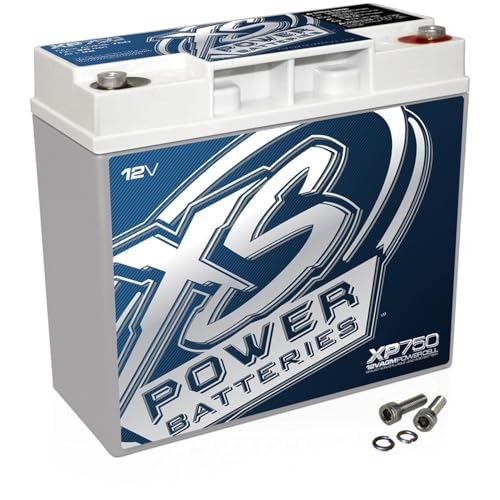
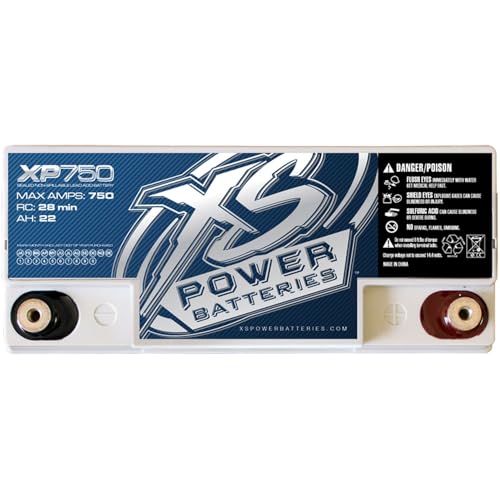
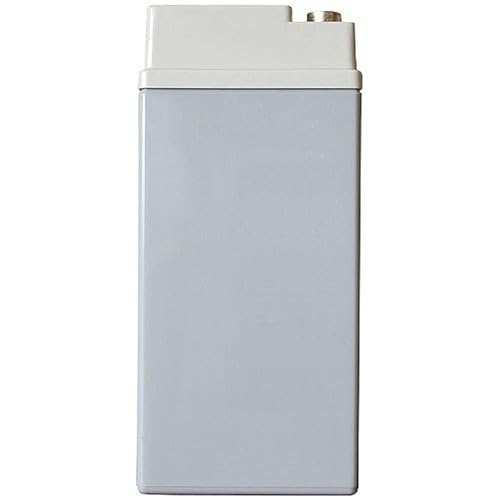
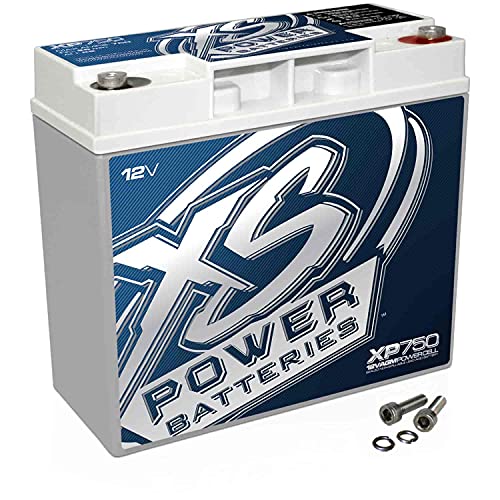
The XP750 is the most affordable XS Power model, and it shows in the specs, 22Ah and 750 cranking amps. It’s clearly designed as a supplemental battery, not a main power source. But for mid-range systems under 1000 watts, it does the job quietly and reliably. The ultra-low internal resistance still carries over from the higher-end models, which helps with stability.
It’s a smart middle ground: better build quality than budget AGMs, but without the price tag of the D6500 or PS925L. If you’re upgrading from a standard lead-acid auxiliary battery, this is where I’d start. It won’t wow you, but it won’t let you down either.
Product photos


Our Testing Process
As someone who’s spent years immersed in automotive culture at TheAutoZenith, I approached evaluating these batteries by first comparing published specifications – amp output, reserve capacity, and physical dimensions – across the board. This raw data was then balanced against owner reviews and assessments from established car audio publications. Ultimately, I ranked these options based on how well they matched typical system demands and delivered on advertised performance, keeping in mind the needs of both casual listeners and serious audiophiles. Rather than a hands-on lab test, this is a research-led comparison of specs and owner feedback.
For car audio, sustained power delivery and the ability to handle temperature fluctuations are critical. I weighted amp output and reserve capacity most heavily, as these directly impact how long a system can operate at high volumes without voltage drops. Lightweight designs also played a significant role, as minimizing added weight improves vehicle handling and efficiency. Finding the right balance between these factors determined the top contenders, and informed my recommendations for different audio setups. You can find more general information on batteries for car audio.
Specifications reliably indicate a battery’s potential maximum output and physical size. However, real-world performance and longevity are best judged by analyzing owner experiences. Reviews often reveal issues with heat management, build quality, or discrepancies between advertised and actual capacity. Reputation within the car audio community also mattered; brands consistently praised for reliability and customer support were given greater consideration. For a broader look at vehicle power solutions, you might also be interested in our review of car batteries.
How To Pick The Right car batteries for sound systems
Choosing the right car battery for a sound system isn’t just about cranking an engine; it’s about delivering sustained, clean power to components that demand a lot. It’s a surprisingly complex topic, and getting it wrong can lead to everything from dimming headlights to system failure.
A quality car audio battery prioritizes stable voltage delivery under heavy load. Look for batteries specifically designed for audio, with high cranking amps (CA) and reserve capacity (RC) ratings. Pay attention to battery chemistry (AGM vs. Lithium), terminal size/type, and physical dimensions to ensure compatibility with your vehicle and system. Prioritize a battery capable of handling the continuous power draw of your amplifiers, not just peak surges.
Understanding Ampere-Hours (Ah) and Wattage
Many buyers focus solely on wattage, but that’s only part of the story. While a battery’s ability to deliver wattage is crucial, the Amp-hour (Ah) rating tells you how long it can sustain that delivery. A higher Ah rating means a longer playtime without draining your starting battery. Consider the total RMS wattage of your audio system – every amplifier contributes to the overall load. If you’re building a truly powerful system (over 1000W RMS), you’ll want to lean towards batteries with 65Ah or higher, like the Skar Audio 975A. Don’t underestimate the importance of reserve capacity, either; it’s a measure of how long the battery can continue to provide power at a specific amperage after the charging system fails.
Battery Chemistry: AGM vs. Lithium
For decades, Absorbed Glass Mat (AGM) batteries were the standard for car audio. They’re affordable, reliable, and spill-proof. However, lithium car audio batteries are rapidly gaining popularity, and for good reason. They offer significant weight savings and can deliver consistent power even when deeply discharged. The DOWN4SOUND D4S LTO 6.0, utilizing Lithium Titanate Oxide, is a prime example of this technology, offering exceptional safety and performance.
Here’s a quick breakdown to help you decide:
- AGM: A solid, cost-effective choice for moderate systems.
- Lithium: Ideal for high-power setups where weight is a concern and consistent voltage is paramount.
- Lithium Titanate (LTO): The safest lithium chemistry, often the most expensive, and capable of handling extreme conditions.
A general rule of thumb is to add at least 50% to your system’s total RMS wattage when selecting a battery. This provides headroom for peaks and ensures stable operation.
Physical Size and Terminal Configuration
Don’t overlook the basics! A high-performance battery is useless if it doesn’t fit in your vehicle’s battery tray. Always check the dimensions (length, width, height) before purchasing. Beyond that, terminal configuration is vital. Most aftermarket batteries come with standard post terminals, but some, like the XS Power PS925L, ship with 6×1.0 terminal hardware for maximum connectivity. If you plan on running extremely high-gauge power wires, ensuring compatibility with your wiring setup is crucial. If you are looking for a broader overview of options, check out our guide to the best car batteries for audio.
Car Batteries for Sound Systems Compared
Here’s a comparison of specifications for car batteries designed for use with high-powered sound systems.
| Product Name | Capacity (Ah) | Max Watts | Max Amps | Weight (lbs) | Dimensions (L x H x W in) |
|---|---|---|---|---|---|
| DOWN4SOUND D4S LTO 6.0 | 6 | 5000 | N/A | 4 | 7 x 4.75 x 3.5 |
| Mighty Max Viper VP-2400 | 110 | 2400 | N/A | N/A | N/A |
| XS Power PS925L | 28 | 2000 | 2000 | 33.29 | 6.50 x 4.92 x 6.93 |
| ENERGIE PR4000 | 90 | 4000 | N/A | N/A | N/A |
| XS Power D6500 | 75 | N/A | 3900 | N/A | N/A |
| Skar Audio 975A | 65 | N/A | 975 | 43.3 | 9.875 x 6.25 x 7.00 |
| Mighty Max Viper VP-600 | 18 | 600 | N/A | N/A | N/A |
| XS Power XP750 | 22 | N/A | N/A | N/A | N/A |
Frequently Asked Questions
What battery size do I actually need for my sound system?
Generally, you should add at least 50% to your system’s total RMS wattage when selecting a battery. This provides a safety margin for power spikes and ensures consistent performance, preventing voltage drops during demanding audio playback.
Are lithium batteries truly better than AGM for car audio?
Lithium batteries offer significant weight savings and maintain consistent power delivery even at low charge levels, making them ideal for high-power systems. However, AGM batteries remain a cost-effective choice for moderate setups and are known for their reliability.
How important is the battery’s reserve capacity (RC)?
Reserve capacity is very important; it indicates how long a battery can continue providing power after the alternator fails, giving you time to safely pull over and address the issue. A higher RC is beneficial, especially if your vehicle’s charging system isn’t robust.
What should I do to maintain my car battery’s health if I don’t drive often?
If your vehicle sits unused for extended periods, investing in one of the many available battery trickle chargers is highly recommended. These maintain the battery’s charge, preventing sulfation and extending its lifespan.
Where can I find reliable information on choosing AGM batteries for cars?
My team at TheAutoZenith has compiled detailed guides and comparisons of various AGM batteries, evaluating their performance, features, and suitability for different vehicle types and audio systems, providing a good starting point for research.
The Bottom Line
Ultimately, choosing a car battery for your sound system comes down to balancing your budget with your power needs. While a high-end lithium battery like the DOWN4SOUND D4S LTO 6.0 offers incredible performance and safety, the Skar Audio 975A strikes a fantastic balance between capacity, power, and price for most enthusiasts building a serious system. It’s a robust choice that won’t break the bank, and delivers the amperage needed for demanding setups.
For those on a tighter budget, or running a more modest system, the Mighty Max Viper VP-600 provides a significant upgrade over a standard starting battery without a huge investment. If you’re prioritizing extreme power and don’t mind the cost, the DOWN4SOUND D4S LTO 6.0 truly stands alone, and for those seeking a reliable and powerful AGM option, consider the XS Power PS925L. We’ve also found helpful information in our guide to car stereo batteries.
At the end of the day, remember that raw specifications only tell part of the story. A battery’s ability to consistently deliver stable voltage, especially under heavy load, is far more important than any single number. Don’t get lost in the details – focus on matching the battery’s capacity to your system’s RMS wattage, and you’ll be well on your way to enjoying a powerful and reliable audio experience. For a broader perspective, you might also consider our review of top-performing automotive batteries.
