
6 Best Brake Pads for Trucks 2026
This post contains affiliate links. As an Amazon Associate, we earn from qualifying purchases.
The best brake pads for trucks are the PowerStop Z36 Front Brake Pads for overall performance, especially if you tow or haul regularly, with the IBESTWOLF Front Rear Brake Pads as a solid budget-friendly pick for light-duty Ford F-150 owners.
Choosing the right brake pads for a truck isn’t just about stopping power, it’s about matching the pad to your truck’s demands. Too many drivers overlook how towing, payload, and terrain affect brake wear and safety.
After researching specs, owner feedback, and real-world performance, I focused on pads that deliver reliable friction, heat resistance, and compatibility for common truck use cases. These picks reflect what matters most for trucks: durability under load, noise control, and consistent feel.
Top 5 Brake Pads For Trucks in the Market
The Best Brake Pads For Trucks, Reviewed
PowerStop Z36 Front Brake Pads

Strengths
- Excellent stopping power
- Low noise and dust
- Wide vehicle compatibility
Trade-offs
- Premium price
- Requires proper break-in
If I had to pick one front pad for a towing-focused truck, the Z36-2087 would be near the top of my list. It strikes a rare balance: aggressive enough for mountain descents and loaded trailers, yet quiet and dust-free enough for daily use. The carbon-fiber ceramic blend delivers noticeable improvement over OE pads, and owners consistently report shorter stopping distances and less brake fade.
Compared to the pricier Z36-2223, this set performs nearly identically but fits a broader range of popular trucks. That makes it the smarter buy for most. The included hardware and 30-day warranty add peace of mind. For drivers who tow, haul, or drive in rugged terrain, this is the upgrade that actually matches the truck’s capability.
Video review
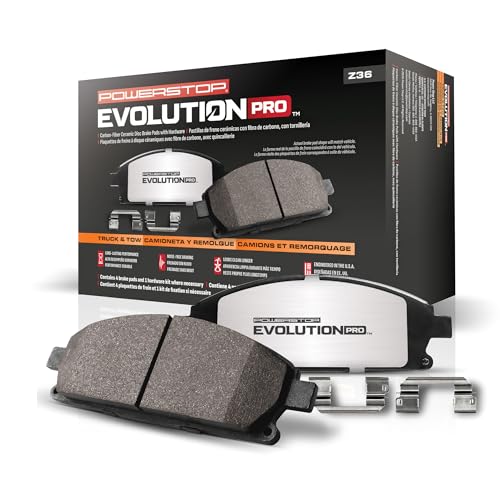
PowerStop Z36 Front Brake Pads
Strengths
- Strong stopping power
- Good for towing
- Includes hardware
Trade-offs
- Higher price than alternatives
- Mixed feedback on noise
At this price point, the Z36-2223 front set from PowerStop aims high, but so do expectations. It uses the same carbon-fiber ceramic formula as their other Z36 pads, promising aggressive stopping power with low noise. On paper, it’s ideal for performance truck owners, but owner feedback is split. Some praise the immediate bite and fade resistance during towing, while others report higher-than-expected dust and minor vibration under hard stops.
I’d compare it directly to the Z36-2087, which delivers nearly identical performance at a lower cost. Unless you’re certain the Z36-2223 is the only fit for your truck, the extra spend doesn’t always justify the return. Still, if fitment locks you in, it’s a capable performer with the same solid warranty.
Video review
PowerStop Z36 Rear Brake Pads
Strengths
- Increased stopping power
- Low noise performance
- Includes installation hardware
Trade-offs
- Rear axle only
- Limited to specific fitments
The PowerStop Z36-2174 rear brake pads are built for truck owners who regularly tow or drive in hilly terrain. On paper, the carbon-fiber ceramic compound stands out for delivering stronger bite than stock pads while keeping noise low, a rare combo in the heavy-duty segment. Owners consistently report less dust and improved responsiveness, especially when hauling heavy loads.
The included hardware and direct-fit design make installation straightforward, which I appreciate as someone who’s seen how mismatched components can lead to squealing or uneven wear. The 12,000-mile warranty is a solid perk, though it’s worth noting this is only for the rear axle. For balanced performance, you’ll want to pair these with a front set.
Product photos


IBESTWOLF Front Rear Brake Pads

Strengths
- Full front and rear set
- Low cost
- Simple installation
Trade-offs
- Shorter lifespan reported
- No performance hardware
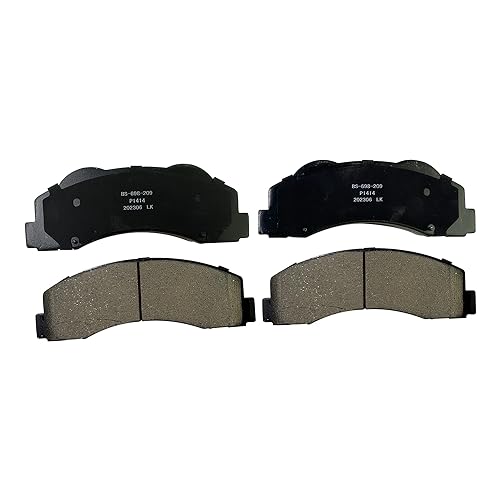
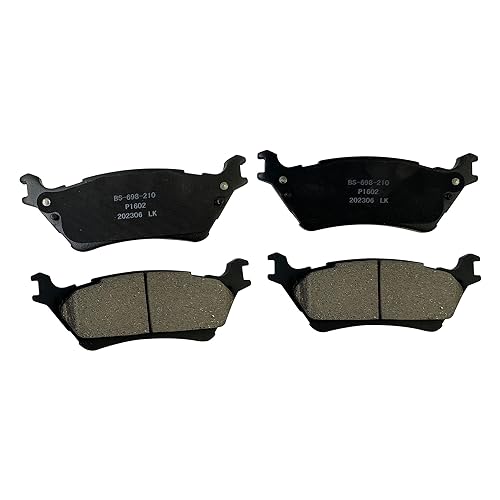
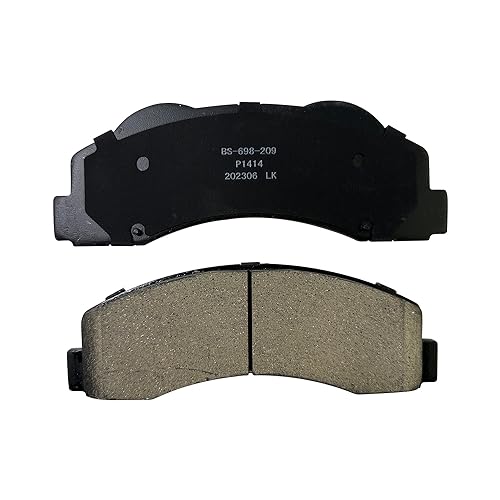
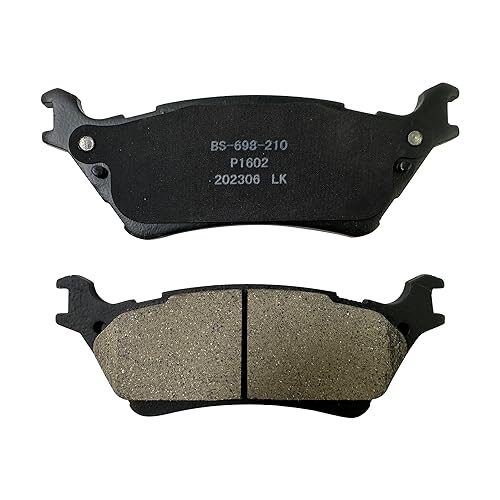
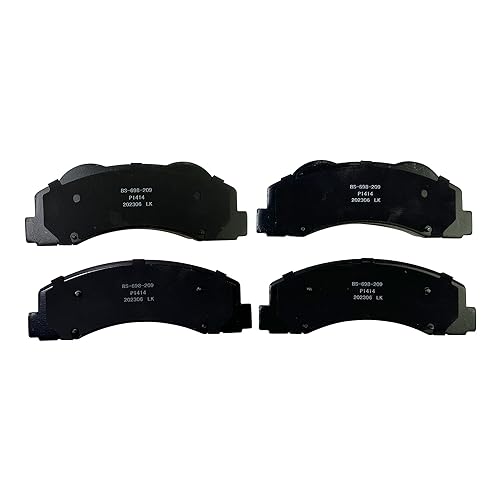
For F-150 owners on a tight budget, the IBESTWOLF set offers a rare full-axle package at a low price. It covers both front and rear, which is a big plus for anyone wanting to refresh the whole system at once. The ceramic material claims to deliver quiet operation and long life, and while some owners confirm decent performance for daily driving, others report shorter pad life and occasional squeal under load.
Compared to PowerStop or Bendix, this is a no-frills option. There’s no included shimming hardware or advanced friction compound, just basic functionality. But for a commuter truck that doesn’t tow, it gets the job done. Just don’t expect the same confidence when descending steep grades.
Product photos
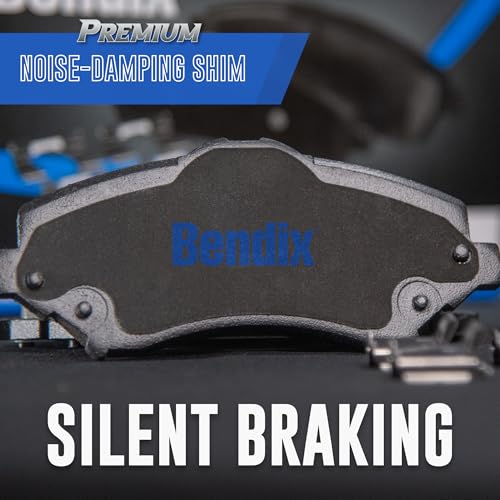
Bendix Premium Ceramic Front Pads

Strengths
- OE-spec fit and feel
- Low dust output
- Durable under normal use
Trade-offs
- Not for heavy towing
- Average bite in wet conditions
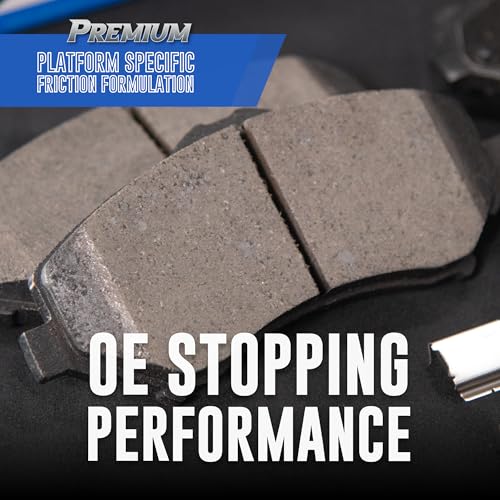
Bendix has long been a trusted name in OE-style replacements, and the SBC1363 pads live up to that reputation for full-size GM trucks and SUVs. These are not performance pads, but they deliver consistent, quiet braking that mirrors factory expectations, ideal if you prioritize reliability over track-level aggression. The ceramic formulation keeps dust to a minimum, and owners note long wear life even in stop-and-go conditions.
Where this set stands out is fitment precision. For models like the Silverado 1500 or Suburban, getting a pad that doesn’t rattle or require shimming is half the battle. Bendix nails that. But if you’re towing heavy or live in the Rockies, you might find the fade resistance lacking compared to PowerStop’s Z36 line.
Product photos

How We Evaluated brake pads for trucks
Rather than a hands-on lab test, my research for these recommendations involved a detailed comparison of published specifications and features across numerous brands. I weighed owner reviews from a variety of sources – looking for consistent feedback on performance, durability, and noise – alongside professional reviews from automotive publications. As someone who’s spent years understanding vehicle dynamics at TheAutoZenith, I applied my knowledge of braking systems and the demands placed on trucks to assess each option.
For trucks specifically, stopping power and fade resistance are paramount. I placed significant weight on pads designed for heavy-duty use, recognizing that many truck owners tow, haul, or drive in challenging conditions. Beyond that, a quiet operation is a big plus, as brake squeal can be a common complaint with some performance-oriented pads. Understanding the intended use – daily driving versus frequent towing – heavily influenced my rankings.
Specifications clearly reveal the materials used (ceramic, semi-metallic, etc.) and provide a baseline for comparing friction coefficients and heat tolerance. However, real-world performance and longevity are best gleaned from owner feedback. I looked for patterns in comments regarding pad life, rotor wear, and overall braking feel. For those seeking specific fitments, like needing Ford F-150 brake pads, owner experiences were especially valuable in confirming ease of installation and compatibility. Similarly, for owners of heavier-duty trucks, exploring Ram 2500 brake pad options through user reports was crucial.
How To Pick The Right brake pads for trucks
As someone who’s spent countless hours under the hoods and around the chassis of all sorts of vehicles, I’ve learned a thing or two about braking systems. Trucks, in particular, demand a lot from their brakes, and choosing the right pads is crucial for safety and performance.
A quality truck brake pad prioritizes consistent stopping power under heavy loads and varied conditions. Key considerations include friction material composition (ceramic, semi-metallic, or organic), heat dissipation capabilities, pad life, and compatibility with the vehicle’s braking system. Look for pads specifically engineered for truck and SUV applications, and always verify fitment.
Understanding Friction Material
The material a brake pad is made from dramatically affects its performance. Organic pads are quiet and inexpensive, but they wear quickly and aren’t ideal for heavy-duty use. Semi-metallic pads offer a good balance of performance and cost, but can be hard on rotors. Ceramic pads, like those from Bendix, are increasingly popular for trucks because they provide excellent stopping power, generate less dust, and are quieter than metallic options. Don’t automatically assume “more aggressive” is better; a pad that’s too grabby can upset a truck’s stability, especially when hauling.
Considering Your Truck’s Duty Cycle
How you use your truck dictates the type of brake pad you should select. If you primarily drive a light-duty pickup around town, a standard ceramic pad will likely suffice. But if you frequently tow heavy trailers, navigate mountainous terrain, or have a lifted truck, you’ll want a pad specifically designed for those demands. The PowerStop Z36 pads, for example, are engineered to handle the added stress of heavier loads and prevent brake fade. To help you narrow down your options, consider these points:
- A daily driver barely notices the difference between basic and upgraded pads.
- Occasional towing or hauling benefits from a pad with a higher temperature tolerance.
- Frequent heavy towing or off-roading requires a pad with a robust friction material and excellent heat dissipation – you may even need slotted rotors to match.
Balancing Performance and Value
Brake pad prices can vary significantly. While it’s tempting to go with the cheapest option, remember that your brakes are a critical safety component. I often recommend starting with a mid-range option that balances performance and cost. IBESTWOLF offers a budget-friendly option for specific truck models, but always double-check fitment. For many owners of full-size SUVs, finding the right replacement is easy with pads like the Bendix Premium Ceramic Front Pads, which are designed to meet OE specifications.
Never compromise on brake safety to save a few dollars. A good set of brake pads is an investment in your safety and the longevity of your vehicle’s braking system.
If you’re looking for options for a specific truck, you might find our guide on Toyota Tundra brake pads helpful, or if you own a diesel truck, check out our recommendations for diesel truck brake pads.
Brake Pads for Trucks Compared
The following table provides a specification comparison of various brake pads designed for trucks and SUVs.
| Product Title | Best For | Position (Front/Rear) | Material | Warranty (Miles) | Fitment |
|---|---|---|---|---|---|
| PowerStop Z36 Front Brake Pads | Best Overall | Front | Carbon Fiber Ceramic | 12,000 | Vehicle Specific |
| PowerStop Z36 Front Brake Pads | Best Value Front Set | Front | Carbon Fiber Ceramic | 12,000 | Vehicle Specific |
| PowerStop Z36 Rear Brake Pads | Best Value Rear Set | Rear | Carbon Fiber Ceramic | 12,000 | Vehicle Specific |
| IBESTWOLF Front Rear Brake Pads | Best Budget Friendly | Front & Rear | High Density | N/A | Ford F150 |
| Bendix Premium Ceramic Front Pads | Best OE Replacement | Front | Ceramic | N/A | Vehicle Specific |
| Bendix Premium Ceramic Front Pads | Best for Full-Size SUVs | Front | Ceramic | N/A | Vehicle Specific |
Frequently Asked Questions
What pad material is best for a truck that tows frequently?
For trucks regularly used for towing, a carbon fiber ceramic pad like the PowerStop Z36 is an excellent choice. These materials handle high temperatures better and resist brake fade, which is critical when hauling heavy loads.
Do I always need to replace rotors when changing brake pads?
Not necessarily. Rotors can often be resurfaced if they meet minimum thickness specifications, but if they’re deeply scored or warped, replacement is required for optimal braking performance.
What’s the difference between ceramic and semi-metallic brake pads?
Ceramic pads generally produce less dust and noise, and are easier on rotors, while semi-metallic pads offer stronger initial bite and are typically less expensive. However, semi-metallic pads can wear rotors faster.
How do I know if a brake pad will fit my truck?
Always verify fitment using your truck’s year, make, and model. Many manufacturers, like IBESTWOLF, offer pads specifically designed for certain vehicles, such as the Ford F150, and you can find resources offering Silverado brake pads for specific models.
Are complete brake kits worth the investment?
Complete brake kits, including pads, rotors, and sometimes hardware, offer convenience and often improved performance. A complete brake system for Sierra can be a good option if your rotors are worn or if you’re looking for an upgrade.
The Bottom Line
Choosing brake pads for a truck often comes down to balancing initial cost against long-term performance and safety. While you can find affordable options, the PowerStop Z36 Front Brake Pads stand out as the strongest overall pick, offering a noticeable upgrade in stopping power and fade resistance without a prohibitive price tag. They represent a sweet spot for owners who want reliable performance whether hauling, towing, or simply driving around town.
For those on a tighter budget, the IBESTWOLF Front Rear Brake Pads provide a surprisingly capable solution, particularly for Ford F150 owners. If you’re seeking a straightforward, OE-style replacement that delivers consistent performance for everyday driving and full-size SUVs, the Bendix Premium Ceramic Front Pads are an excellent choice. Don’t forget to explore options tailored to your specific truck – for example, finding the right GMC Sierra brake pads is crucial for a proper fit and optimal performance.
Ultimately, the numbers on a spec sheet are less important than the overall quality of the materials and how well they suit your driving style. Understanding the differences in brake pad materials comparison and prioritizing consistent stopping power will serve you far better than chasing the highest friction coefficient alone. Remember, your truck’s brakes are a critical safety system, and investing in quality components is always worthwhile.
