
7 Best Skateboards for Beginner Skaters 2026
This post contains affiliate links. As an Amazon Associate, we earn from qualifying purchases.
The best board for beginner skaters is the CCS 97 Star Holographic Skateboard, thanks to its durable 7-ply maple construction and reliable ABEC-7 bearings. For those on a tighter budget, the Nattork 31 Inch Maple Skateboard offers solid performance at a lower price, while the SWCH 3-in-1 Trick & Cruiser Board stands out for versatility with its dual-wheel setup.
Learning to skateboard means falling, scraping parts, and needing gear that won’t quit after a few weeks. A flimsy board kills confidence fast, and the wrong setup can make basic control feel impossible.
As someone who’s spent years around boards, bikes, and anything that rolls, I know how important it is to start with something that’s built right and matches your goals. This guide cuts through the noise by focusing on real specs, owner feedback, and what actually matters when you’re new, so you can pick a board that lasts and helps you progress.
Top 7 Boards For Beginner Skaters in the Market
The Best Boards For Beginner Skaters, Reviewed
CCS 97 Star Holographic Skateboard
Strengths
- Professional-grade build
- Durable maple deck
- Smooth ABEC-7 bearings
Trade-offs
- Hard wheels on rough surfaces
- Higher price point
- Heavier than mini cruisers
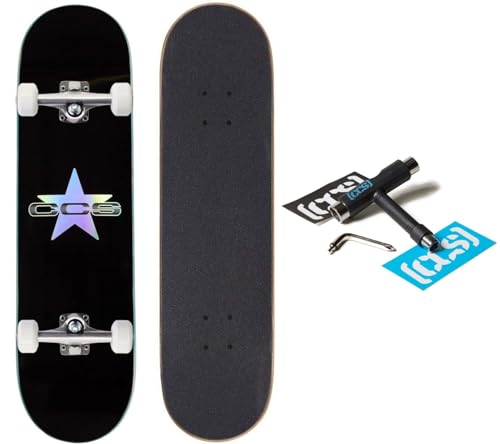
This CCS 97 Star board is in a different league than the rest, built with pro-grade components and a true 8-inch symmetrical deck, it’s clearly designed to last. The 7-ply Canadian maple deck feels solid underfoot, and the steel trucks offer precise turning, which beginners usually struggle to find on budget boards. At 52mm 100A wheels, it’s faster and more responsive than most entry-level setups, though the hardness means a stiffer ride on rough pavement.
Owners consistently rate it as one of the most durable beginner boards they’ve used, and it’s common to see this model still rolling after years of use. Compared to the Nattork or SWCH, it’s less about gimmicks and more about real skateboarding fundamentals. I’d recommend this as the best overall pick if you’re serious about progressing beyond the basics.
Video review
Nattork 31 Inch Maple Skateboard

Strengths
- 9-ply maple deck
- Good wheel grip
- Stable long deck
Trade-offs
- Basic bearings
- No tool included
- Design may feel dated
For the price, the Nattork delivers a surprising amount of substance. A 9-layer Canadian maple deck is overkill for a beginner board, but it means this thing can take abuse. At 31 inches, it’s long enough for stable cruising but still manageable for learning basic tricks. The 82A PU wheels strike a good balance between grip and roll, and owners report it handles sidewalks and driveways without constant kickback.
It’s not flashy, but it’s functional. Compared to the SWCH 3-in-1, it lacks versatility, but it’s more of a traditional skateboard, closer in feel to what you’d get at a skate shop. The ABEC-7 bearings are standard, nothing special, but they do the job. If you want a no-nonsense, durable board that won’t die after a month, this is the smarter buy over plastic-deck mini cruisers.
Video review
SWCH 3-in-1 Trick & Cruiser Board
Strengths
- Tool-free mode switching
- Real maple deck
- Great for progression
Trade-offs
- Heavier than mini cruisers
- Setup changes needed
- Trainer mode limits mobility
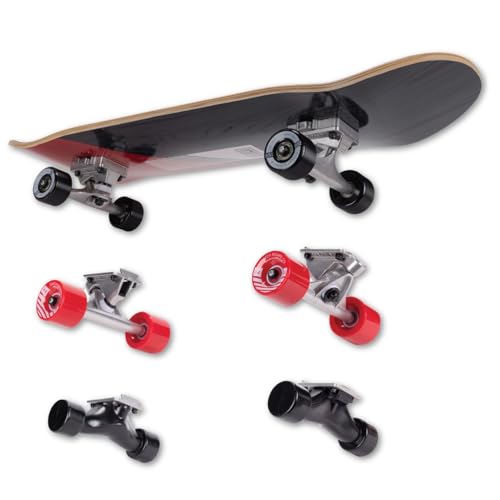
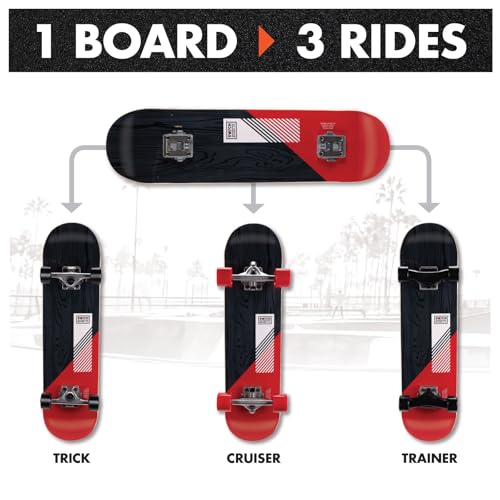
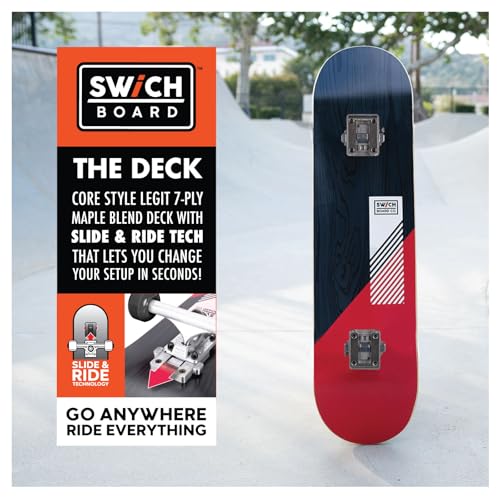
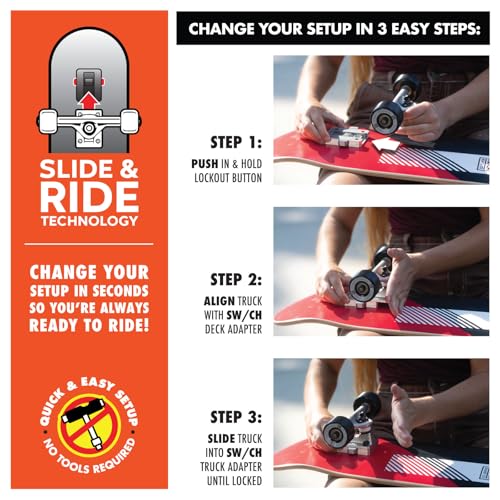
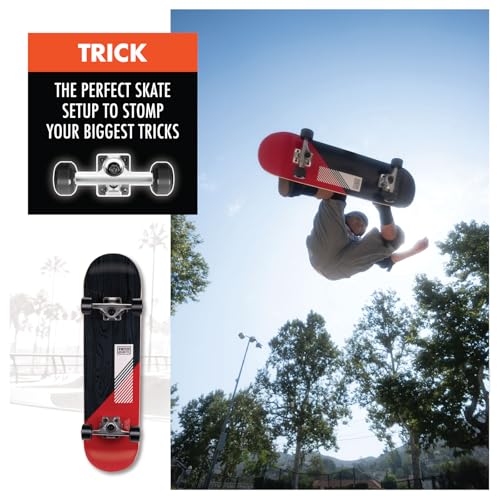
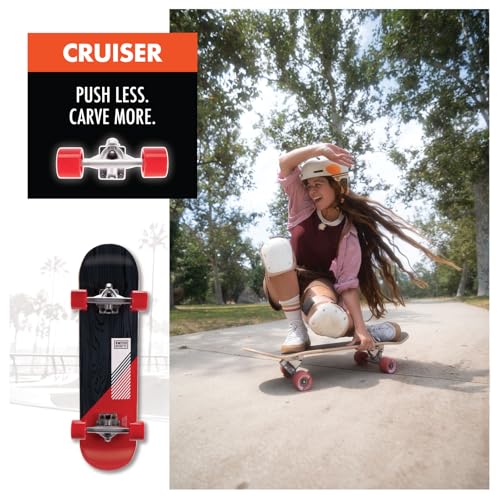
The SWCH 3-in-1 is one of the most clever designs here, especially for parents wanting a board that grows with their kid. The ability to switch between trick, cruiser, and trainer modes, without tools, is a real standout in practice. Owners love how the trainer mode stabilizes the board for total beginners, then converts to a real skateboard as skills improve. The 7-ply maple deck is a standout at this price, offering better pop and durability than plastic alternatives.
At 31 inches, it’s longer than most beginner boards, but that extra length helps with balance. The 62mm cruiser wheels roll over cracks better than smaller wheels, and the 54mm trick setup is decent for learning ollies. Compared to the Nattork or Magneto boards, this one offers far more versatility. I’d pick it over single-mode boards if you’re serious about skill development.
Product photos
Magneto Kids Maple Skateboard

Strengths
- Real maple deck
- Double kicktail for tricks
- Eye-catching design
Trade-offs
- Hard, small wheels
- Bumpy on rough surfaces
- Narrow for teens
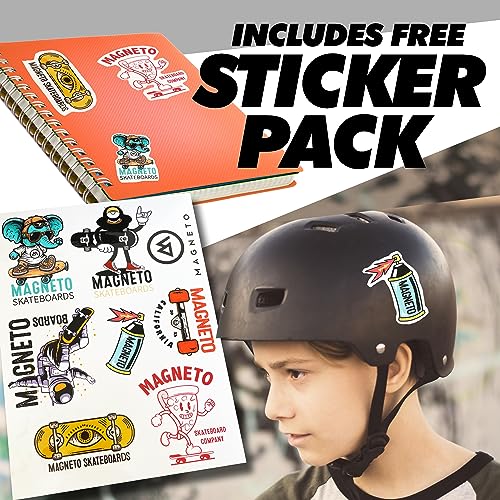
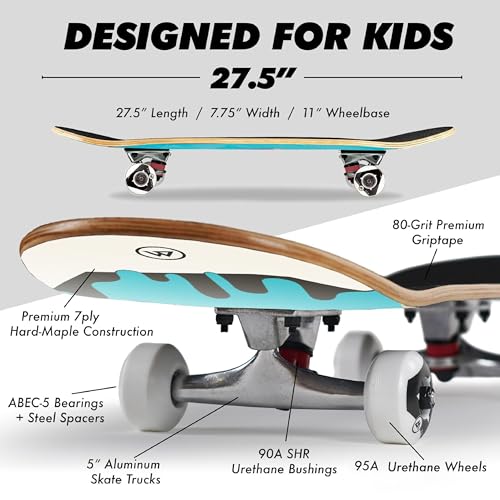
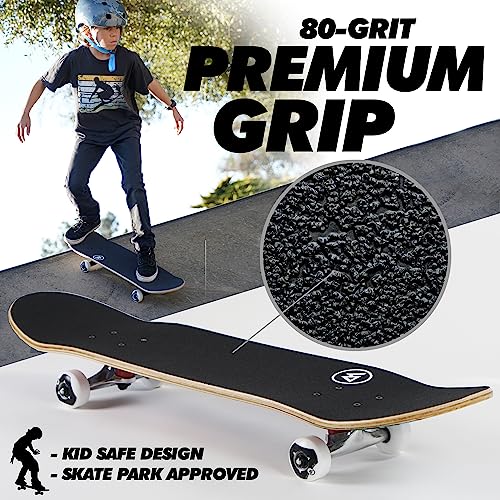
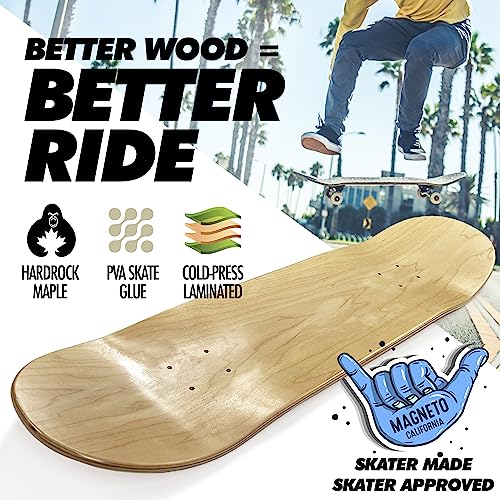
Let’s be honest, this Magneto board is styled to grab attention, and it works. The ice cream graphic and surf-inspired design clearly target younger girls, and owner feedback shows it’s a hit as a gift. But it’s not just looks: the 7-ply maple deck is a big step up from plastic, offering real pop and durability for tricks. The double kicktail lets kids practice ollies and manuals, which most mini cruisers can’t handle.
That said, the 51mm 95A wheels are quite hard and small, making for a bumpy ride on anything but smooth pavement. It’s better for flat-ground tricks than cruising. Compared to the KMX 27-inch, it’s less stable at speed but more capable for skill-building. If you’re buying for a girl aged 6–12 who’s serious about skating, not just riding, this is a smart pick.
Product photos

KMX 22 Inch Mini Cruiser
Strengths
- Ultra lightweight
- LED wheels (no batteries)
- Compact and portable
Trade-offs
- Small wheelbase wobbles at speed
- PP deck lacks pop
- Not for advanced moves
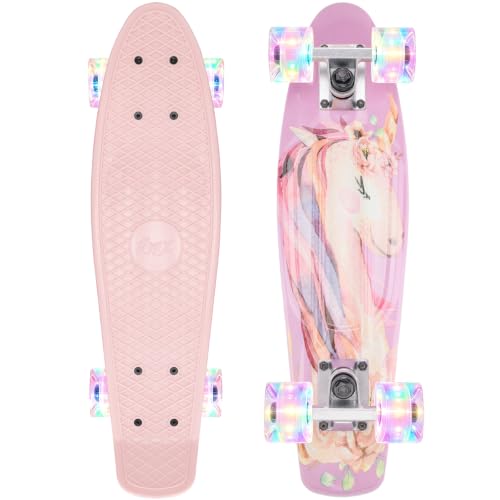
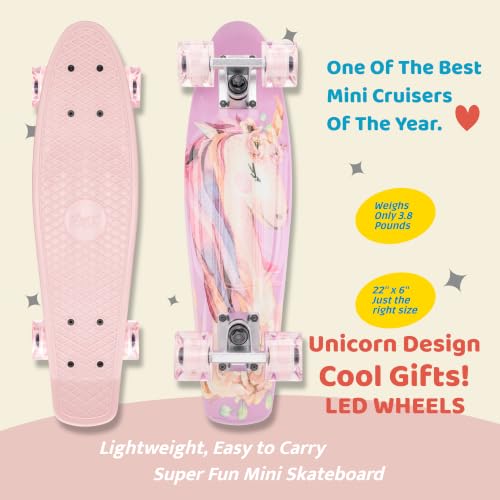
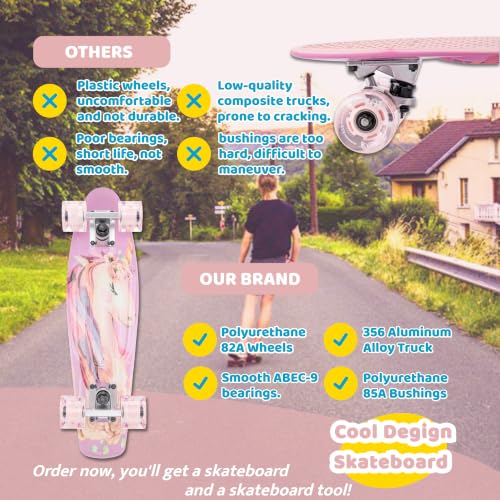
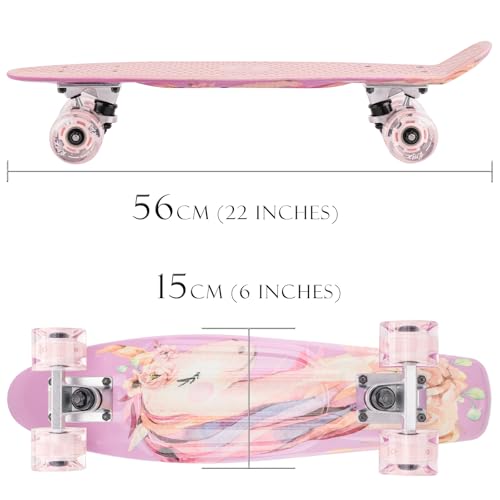
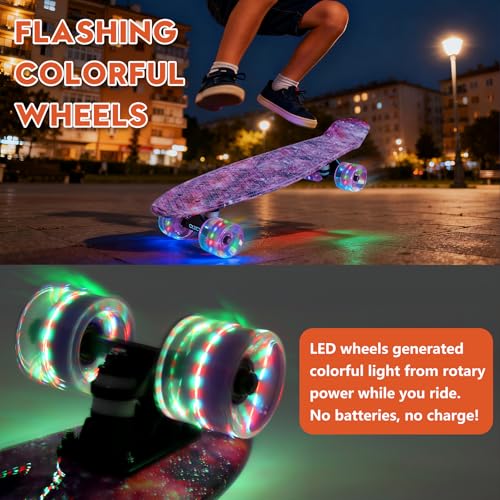
This 22-inch KMX mini cruiser is built for portability first, its 3.7-pound frame slips easily into a backpack, which parents and younger riders clearly appreciate. The 82A 60mm wheels and ABEC-9 bearings deliver a smoother ride than you’d expect at this size, and the LED wheels add a fun, battery-free glow that boosts visibility at dusk. Owners say it’s durable enough for school commutes and driveway sessions, though the Polypropylene deck won’t handle heavy abuse like a maple board would.
It’s smaller and lighter than the 27-inch KMX, so it’s less stable at speed but more agile for tight turns. The unicorn design and flashy wheels make it a hit with younger kids, but the 90kg weight limit means it can grow with them a bit. If you’re comparing this to the CLYCTIP, both have LEDs, but this one feels slightly more refined in truck and wheel quality.
Product photos


CLYCTIP Flashing Wheels Skateboard

Strengths
- LED flashing wheels
- Lightweight plastic deck
- No assembly required
Trade-offs
- Plastic deck flexes
- ABEC-11 overkill
- Not for tricks
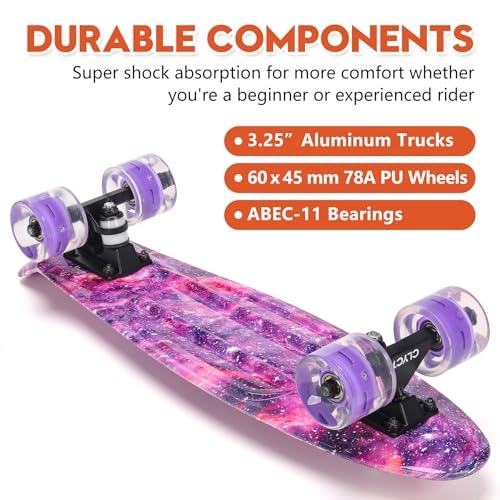
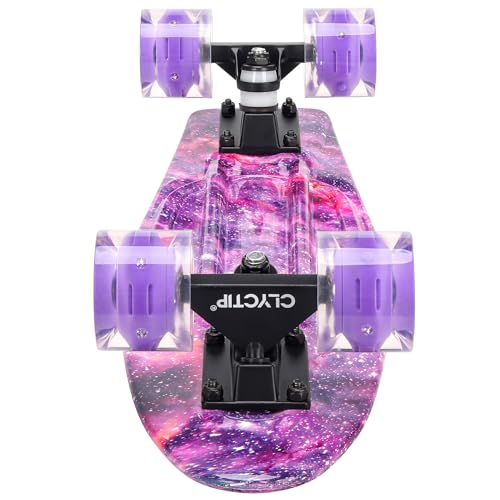
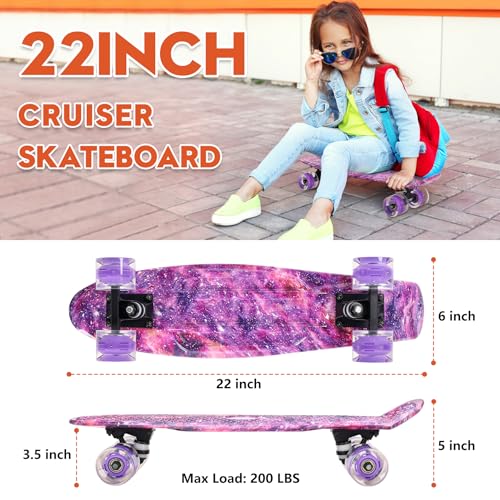
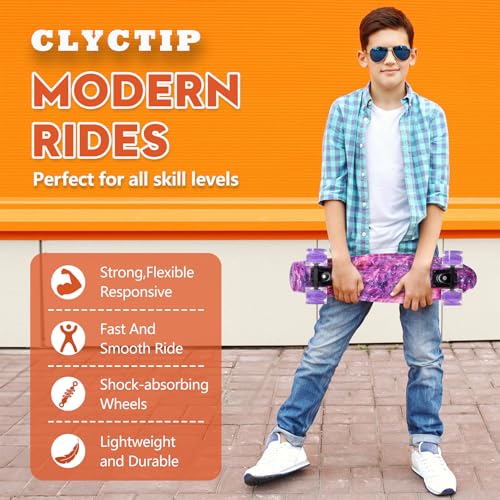
I’ll admit, the flashy LED wheels on this CLYCTIP board make it instantly appealing to younger riders. On paper, the ABEC-11 bearings stand out, though in reality, bearing ratings above ABEC-7 don’t always translate to noticeably smoother rides, especially on a plastic deck. That said, owners consistently report it rolls well enough for sidewalk cruising and short rides, and the 22-inch size feels manageable for kids just getting their balance.
The PP plastic deck keeps it lightweight and durable for rough landings, which is a win for beginners who’ll be bailing a lot. While it’s not built for tricks or high speed, it’s clearly designed for fun and visibility at night. Compared to other mini cruisers, this one leans hard into the ‘fun factor’, and for that, it delivers.
Product photos
KMX 27 Inch Retro Cruiser

Strengths
- Wider deck for stability
- Smooth 60mm wheels
- Durable aluminum trucks
Trade-offs
- PP deck not as rigid as maple
- Not for technical skating
- Bushings may soften over time
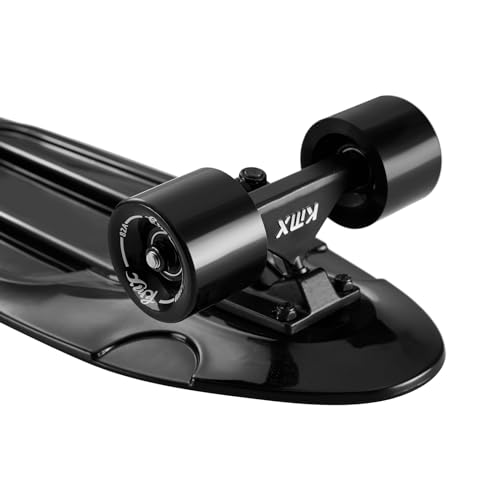
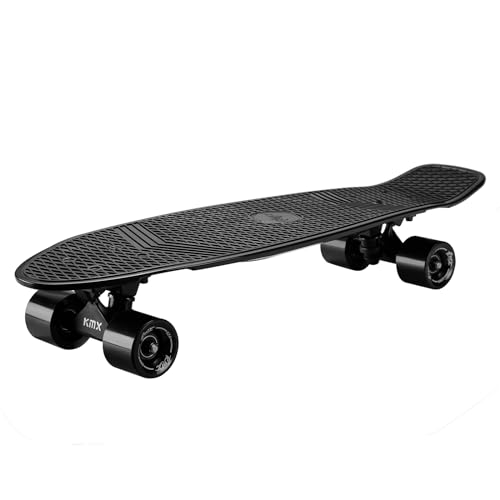
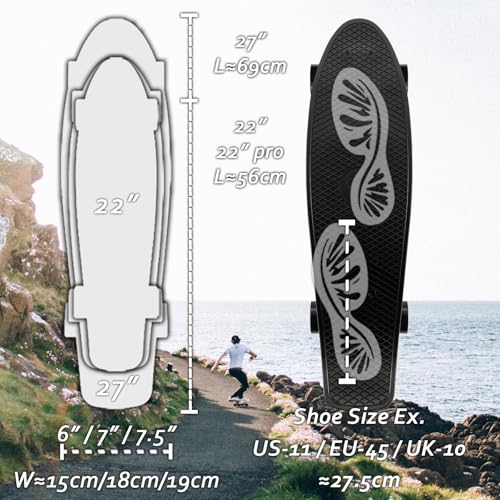
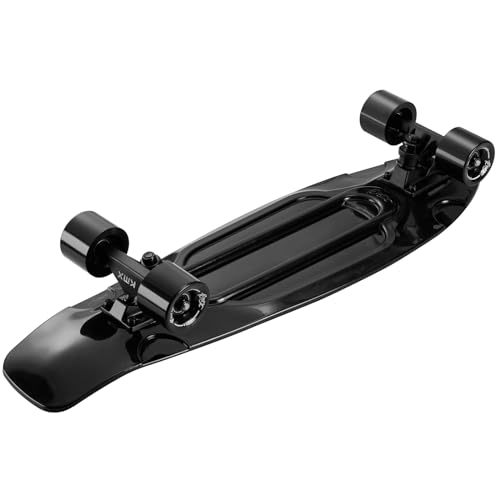
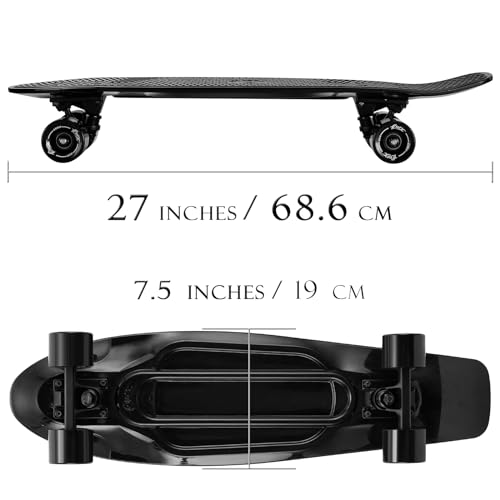
At 27 inches, this KMX cruiser hits a sweet spot between stability and maneuverability, making it one of the better picks for older beginners, teens or adults taking up skating later. The 7.5-inch wide PP deck offers more foot space than most mini boards, and owners note it feels sturdy underfoot, even at moderate speeds. The 60mm 85a wheels paired with A356 aluminum trucks give it a smooth, controlled ride on pavement, which matters when you’re still building confidence.
It’s not a trick board, but it’s not meant to be. Compared to the smaller KMX model in this lineup, this one feels more planted and balanced. The ABEC-9 bearings help with roll speed, and while they’re not top-tier, they outperform the ABEC-5 units on some budget boards. This is the kind of cruiser I’d recommend if you want something that lasts beyond the first month of wobbles.
Product photos
How We Evaluated boards for beginner skaters
Rather than a hands-on lab test, my research for TheAutoZenith focused on a detailed comparison of published specifications and features across several models. I weighed owner reviews from major retailers alongside assessments from reputable skateboarding publications. Years spent observing and appreciating board sports informs my understanding of what contributes to a good experience, and I ranked these boards against criteria essential for those first learning to ride.
For beginner boards, stability, durability, and ease of use were paramount. A forgiving board inspires confidence, and a robust build means it can withstand the inevitable knocks and scrapes. I prioritized decks constructed from quality maple, and looked for setups with components that balance responsiveness with predictability – crucial when someone is still developing their balance and control. Finding the right gear to start is often the hardest part, so I dug into reviews to see what newcomers were saying about their experiences with each board.
Specifications reliably indicate deck material, wheel hardness, and bearing quality, all of which impact ride feel. However, owner feedback proved invaluable in assessing real-world usability. Comments on turning radius, smoothness, and overall confidence-building potential heavily influenced my rankings. If you’re also considering two-wheeled options, you might find our guide to beginner BMX bikes helpful. Ultimately, I looked for boards that offered the best combination of quality, value, and positive user experiences for those seeking skateboards for beginners.
What To Look For In boards for beginner skaters
Finding the right skateboard can feel overwhelming, especially for newcomers. There’s a lot more to it than just picking a cool graphic.
A quality skateboard balances deck material, truck responsiveness, wheel hardness, and bearing precision. Prioritize 7-ply maple decks for durability, aluminum alloy trucks for control, and ABEC-rated bearings for speed. Wheel durometer (hardness) impacts ride smoothness and trick capability; softer wheels are better for cruising, while harder wheels are favored for park skating.
Deck Size and Material
The deck is the foundation of your experience, and getting the right size is crucial. For most adults just starting out, a standard 7.75″ to 8.25″ width is a good place to begin. Smaller riders or those prioritizing maneuverability might prefer something narrower, while larger individuals will want a wider deck for stability. Beyond width, the length matters too. Shorter boards (under 32″) are easier to flip, but longer boards offer more stability for cruising. Almost universally, you want 7-ply maple. It provides the best blend of strength, pop, and flex. Steer clear of plastic boards, as they lack the responsiveness needed for progression. If you’re considering a cruiser style board, like the KMX 27 Inch Retro Cruiser, pay attention to the deck material – some use PP plastic, which is acceptable for casual use but won’t offer the same feel as maple.
Trucks and Bearings: The Ride Feel
Trucks connect the wheels to the deck and heavily influence turning responsiveness. Aluminum alloy trucks are the standard and a solid choice for most levels. Lower-quality steel trucks will feel sluggish and can hinder your ability to learn. When it comes to bearings, you’ll see ABEC ratings. Higher numbers (ABEC-7, ABEC-9) generally indicate greater precision and speed, but don’t get too hung up on the number. A well-maintained ABEC-5 bearing can outperform a poorly maintained ABEC-9. The quality of the bearing seals is also important; they keep dirt and debris out, extending the bearing’s lifespan.
- Budget Boards (Under $100): Expect ABEC-3 or ABEC-5 bearings and basic aluminum trucks. These are fine for learning the basics but won’t provide a super smooth ride.
- Mid-Range Boards ($100 – $200): This is where you’ll start seeing ABEC-7 bearings and more refined trucks, offering a noticeable improvement in performance.
- Higher-End Boards ($200+): ABEC-9 or even ABEC-11 bearings and precision-cast trucks are common, providing maximum speed and control. These are generally for more experienced skaters.
A properly tightened kingpin on your trucks is essential for safety. Too loose, and the board will wobble uncontrollably; too tight, and turning will be difficult.
Intended Use and Features
Think about where you’ll be skating. If you’re primarily interested in cruising around the neighborhood, a softer wheel durometer (78A – 85A) will provide a smoother ride and better grip. Cruiser boards, like the KMX 22 Inch Mini Cruiser, often feature these softer wheels. If you’re aiming to learn tricks and skate at the park, harder wheels (99A – 101A) are preferable. They slide more easily, allowing for quicker maneuvers. Also, consider features like flashing wheels (as seen on the CLYCTIP Flashing Wheels Skateboard) if you plan on skating at night. If you’re a total beginner, exploring resources like our guide to beginner skateboards can provide a more in-depth understanding of the options. Don’t immediately jump into something like a Onewheel boards – a traditional skateboard is a great place to start building balance and coordination.
Boards for Beginner Skaters Compared
Here’s a comparison of specifications for several skateboards designed for those new to the sport.
| Product Title | Deck Material | Deck Length (in) | Wheel Diameter (mm) | Bearings | Max Weight (lbs) |
|---|---|---|---|---|---|
| CCS 97 Star Holographic Skateboard | 7-ply Maple | N/A | 52 | ABEC-7 | N/A |
| Nattork 31 Inch Maple Skateboard | Maple | 31 | N/A | ABEC-7 | 220 |
| SWCH 3-in-1 Trick & Cruiser Board | 7-ply Maple Blend | 31.2 | 54/62 | N/A | N/A |
| Magneto Kids Maple Skateboard | 7-ply Maple | 27.5 | 51 | ABEC-5 | N/A |
| KMX 22 Inch Mini Cruiser | Polypropylene | 22 | 60 | ABEC-9 | 198 |
| CLYCTIP Flashing Wheels Skateboard | PP Plastic | 22 | 78A | ABEC-11 | N/A |
| KMX 27 Inch Retro Cruiser | PP Material | 27 | 60 | Abec-9 | 220 |
Frequently Asked Questions
What wheel hardness should I choose as a complete beginner?
Softer wheels (78A-85A durometer) are the best choice. They offer a smoother, more forgiving ride and better grip, which builds confidence when you’re first learning to balance and push.
Is it really necessary to buy a 7-ply maple deck?
Yes, a 7-ply maple deck is essential for durability and performance. While cheaper plastic decks exist, maple provides the right blend of strength, flex, and pop needed to progress beyond the very basics.
What’s the difference between ABEC-7 and ABEC-9 bearings, and does it matter for a beginner?
ABEC-9 bearings are slightly more precise than ABEC-7, theoretically offering a bit more speed. However, for a beginner, a well-maintained ABEC-7 bearing will perform nearly identically and is a more sensible investment.
If I want to cruise around town, is a traditional skateboard the only option?
Not at all. If you’re focused on cruising, a mini cruiser-style board, like the KMX 22 Inch Mini Cruiser, can be a great alternative. These boards typically have softer wheels and a shorter deck, making them ideal for relaxed riding.
Beyond the board itself, what other gear should a beginner skater invest in?
Protecting yourself is paramount. At a minimum, I recommend a helmet, knee pads, and elbow pads. Don’t forget to look into a pair of durable skateboarding shoes to provide the necessary grip and board feel.
The Bottom Line
Choosing a first skateboard often comes down to balancing how much you want to invest with how seriously you’re taking it up. While a higher price tag doesn’t guarantee instant skill, the CCS 97 Star Holographic Skateboard strikes a fantastic balance between quality components and affordability, making it a solid all-around choice for most beginners. It provides a good platform to learn without breaking the bank, and the specs suggest a durable build that can withstand those early learning curves.
If you have a more specific need, though, there are excellent options tailored to different situations. For younger skaters, the Magneto Kids Maple Skateboard is a fantastic starting point, offering a smaller deck size for increased control. Those drawn to a more casual, cruising experience will appreciate the KMX 22 Inch Mini Cruiser, or if you’re looking to improve your overall balance – perhaps to enhance other sports – exploring options like balance boards could be beneficial.
Ultimately, the best board is the one you’ll actually ride. Don’t get bogged down in chasing the latest technology or highest ABEC rating. Focus on a board that feels comfortable under your feet, is built from quality maple, and encourages you to get out there and have fun. For more detailed skateboard buying advice, and to explore further [rated skateboard decks], remember to check out our full guide.
