
7 Best Bikes for Tweens 2026
This post contains affiliate links. As an Amazon Associate, we earn from qualifying purchases.
The best bikes for tweens balance durability, fit, and room to grow. After comparing the field, the StarterRide 24 Inch Mountain Bike stands out as the top overall pick for its reliable disc brakes and rugged build. For a budget-friendly option that still delivers solid performance, the Glerc 24 Inch Girls Cruiser Bike is a strong contender.
Parents often struggle to find a bike that’s tough enough for daily use, fits well now, and won’t be outgrown in a year. Tweens are in a tricky in-between stage where kid bikes are too small, but adult models aren’t quite right either.
This guide cuts through the noise by focusing on what really matters: frame durability, braking performance, proper sizing, and adjustability. My picks are based on specs, owner feedback, and brand reputation, not hype. We’re looking for bikes that can handle pavement, trails, and the occasional backyard jump, without breaking down or breaking the bank.
Top 7 Bikes For Tweens in the Market
The Best Bikes For Tweens, Reviewed
StarterRide 24 Inch Mountain Bike
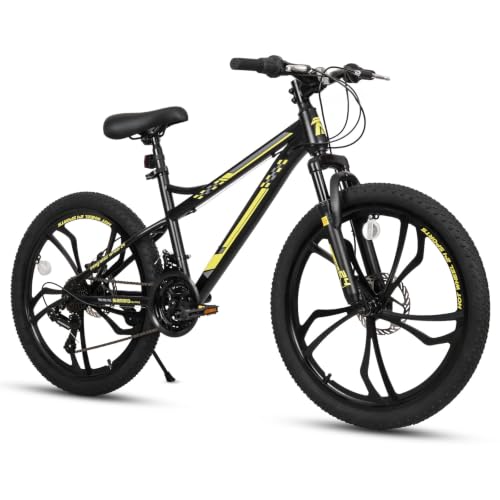
Strengths
- 21-speed drivetrain
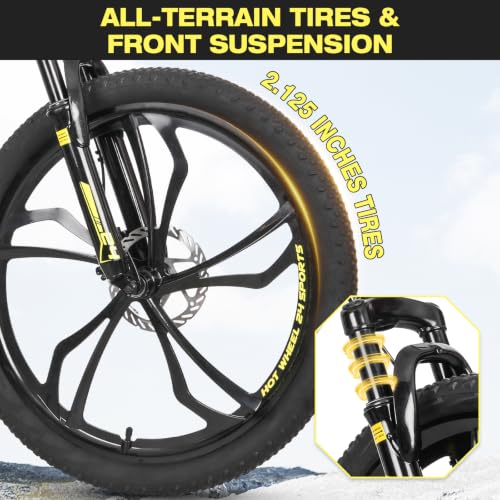
- Front suspension
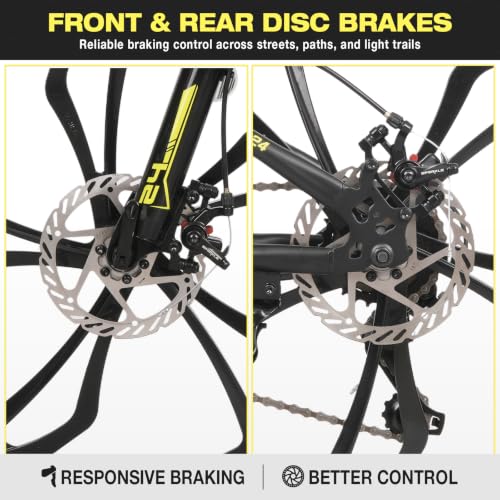
- Disc brakes
- Adjustable seat
- Kickstand included
Trade-offs
- No rear suspension
- Heavier than BMX options
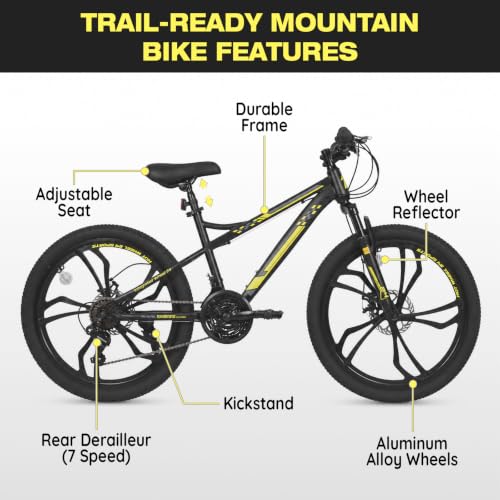
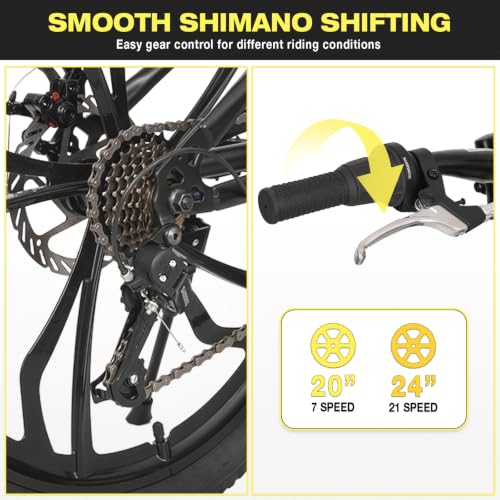
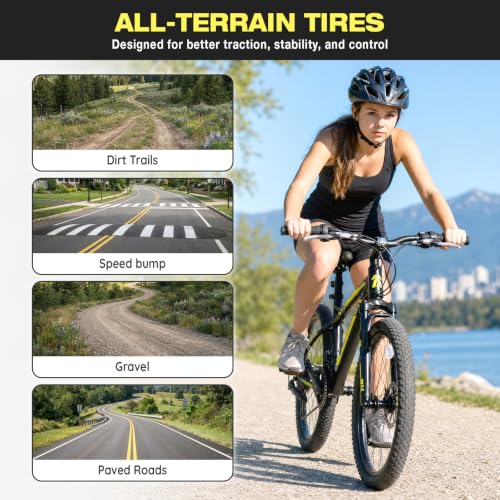
This is the bike I’d pick for a tween stepping up from a smaller model and ready to tackle more than just sidewalks. The 21-speed drivetrain stands out in this category, most competitors in the youth segment stop at 6 speeds, but here you get real range for hills and longer rides. Owners consistently report smooth shifting and solid build quality, especially for the price. The front suspension and disc brakes are legit upgrades over basic caliper setups, offering better control on uneven paths.
On paper, the magnesium alloy wheels sound flashy, but in practice, they contribute to a lighter feel without sacrificing durability. The adjustable seat and stable frame geometry make it a smart long-term choice as kids grow. Compared to budget cruisers, this one behaves more like a scaled-down adult mountain bike, which is exactly what active tweens need.
Product photos
WEIZE 20 Inch Dual Suspension Bike

Strengths
- Dual full suspension
- V-brakes front and rear
- Durable steel frame
- Padded seat
- Lower standover height
Trade-offs
- Heavy build
- Limited gear range
- Basic shifting performance
Dual suspension in a kids’ mountain bike at this price is rare, and it makes this WEIZE model stand out for rough play. The full suspension setup, front fork and rear shock, soaks up bumps far better than rigid or front-only models, which owners confirm makes a real difference on rocky paths or backyard trails. The 6-speed drivetrain is basic but functional, and the V-brakes offer solid stopping power for most conditions.
The 14-inch steel frame keeps it durable, and the lower standover height helps younger riders feel in control. It’s not the lightest, but that weight helps with stability on descents. When compared to the StarterRide, it trades gear count for ride comfort on uneven ground, making it the smarter pick if your kid spends time off-pavement.
Video review
Yventix 20 Inch BMX Trick Bike
Strengths
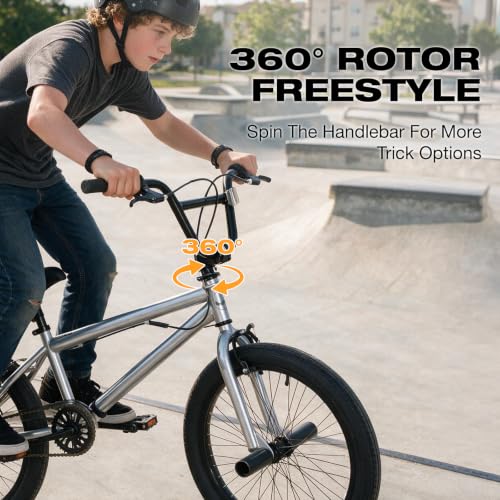
- 360-degree rotor
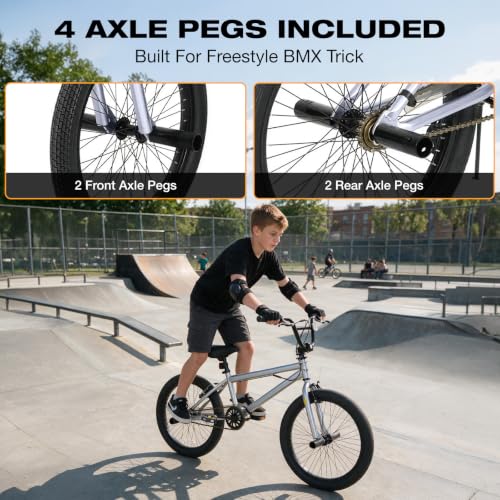
- Axle pegs included
- Rigid frame for tricks
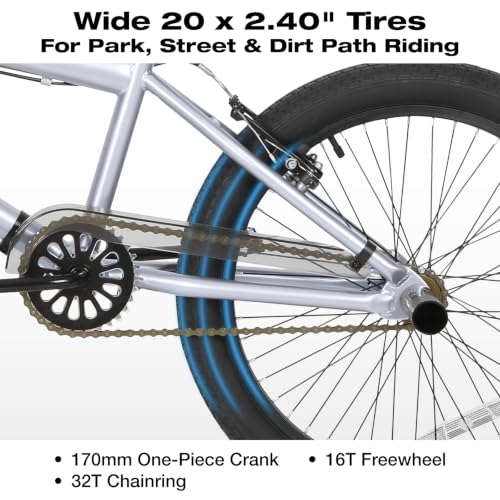
- Wide tires
- Single speed simplicity
Trade-offs
- No suspension
- Only one gear
- Heavier than competition
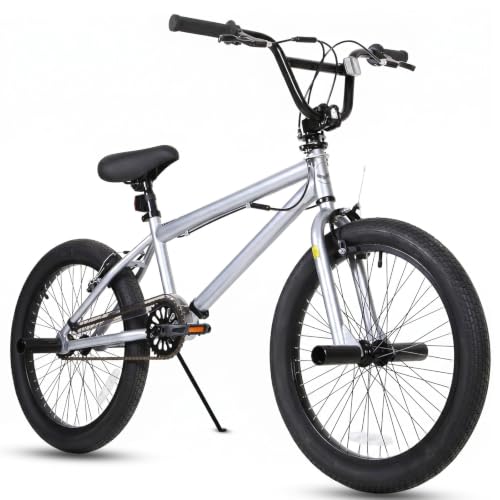
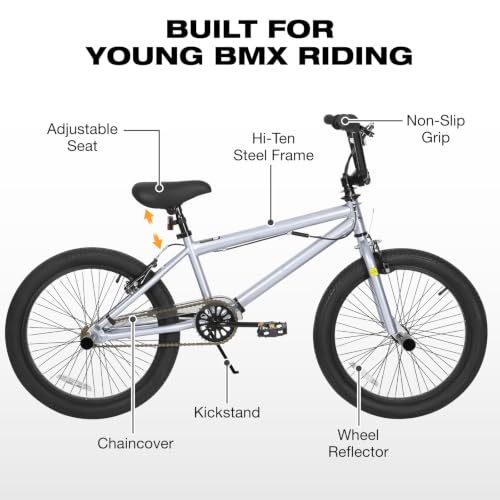
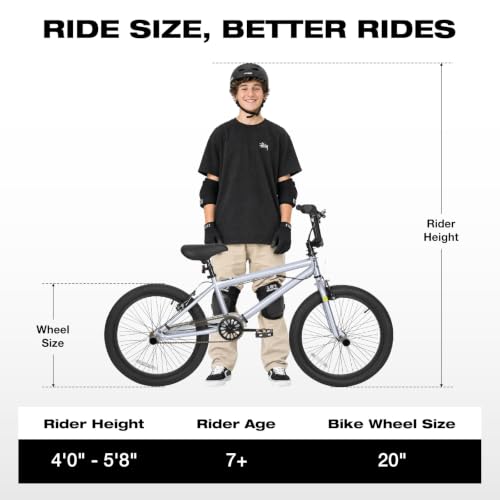
This is the only true freestyle BMX bike on the list, and it shows in the details. The 360-degree rotor and included axle pegs open up real trick possibilities, something most youth bikes don’t support. The rigid frame and 20 x 2.40 inch tires give solid grip for grinds and spins, and the single-speed drivetrain keeps things simple and reliable. Riders between 4’ and 5’8” can comfortably use it, making it a great bridge from beginner to intermediate BMX.
Owners appreciate the Hi-Ten steel frame’s durability, though it does add weight. The rear V-brake is effective for quick stops during park sessions. Compared to mountain or cruiser models, this one sacrifices comfort and gearing for agility and stunt potential. If your tween is into skate parks or street riding, this is the only real choice here.
Product photos
Yventix 20 Inch Cruiser Bike
Strengths
- Affordable price
- Retro aesthetic
- Front and rear V-brakes
- Includes basket and bell
- Adjustable seat
Trade-offs
- Basic steel frame
- Limited gear range
- Not for rough terrain
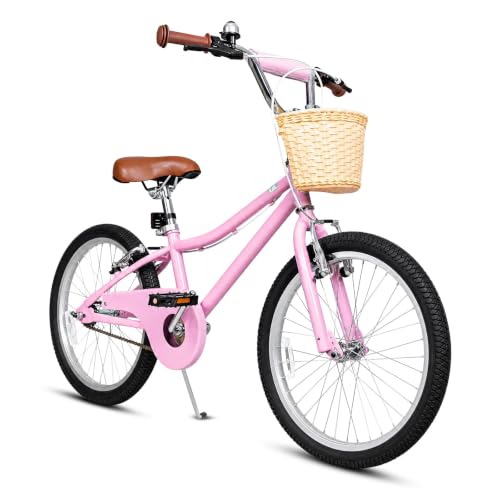
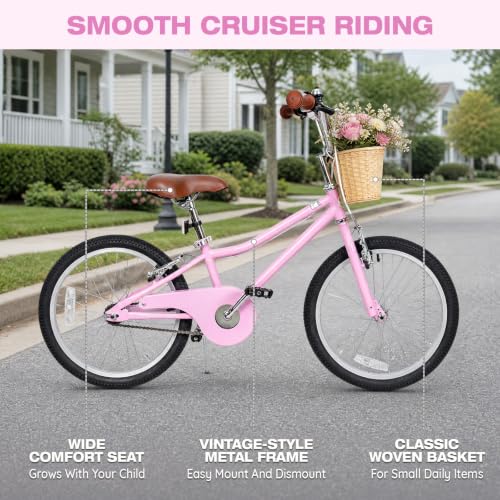
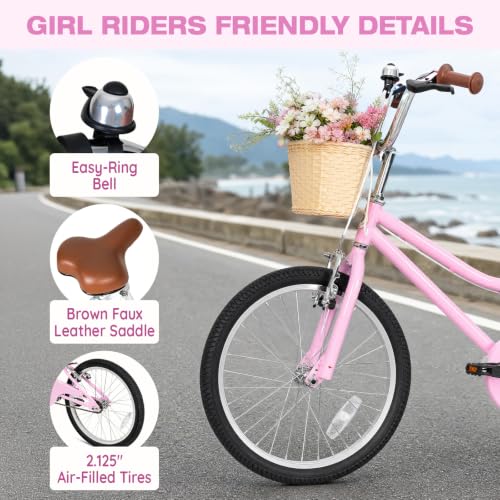
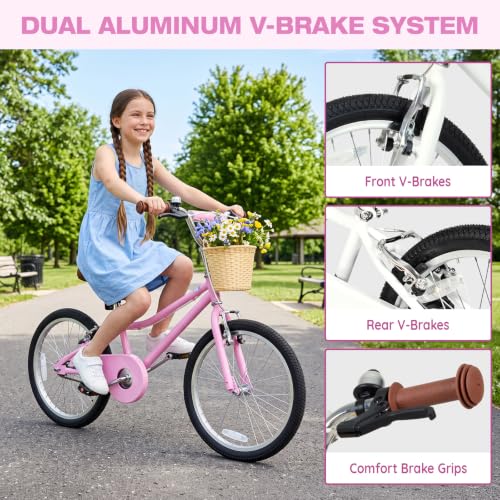
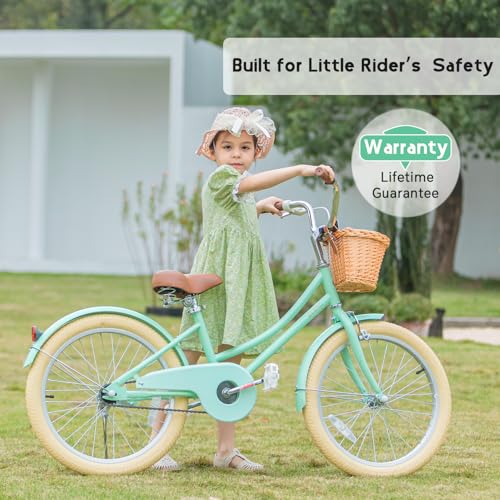
If you’re after charm on a budget, this Yventix cruiser delivers. The retro styling, faux leather saddle, wicker-look basket, and pastel finish, is a hit with younger tweens who care about how their bike looks. It’s not built for speed or rugged terrain, but for short trips to school or weekend park rides, it gets the job done. The V-brakes are a step up from coaster-only models, giving better modulation for new riders.
Air-filled tires help with comfort on pavement, and the adjustable seat means it can grow with the child a bit. Still, the steel frame feels a little basic compared to others in this list, and owners note the brakes need occasional tuning. For the price, it’s a stylish entry point, but don’t expect mountain bike performance.
Product photos
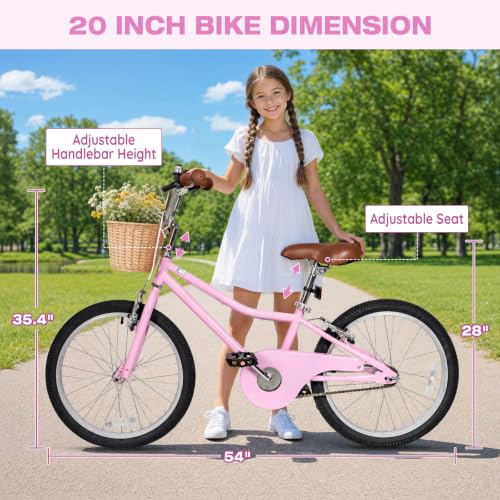
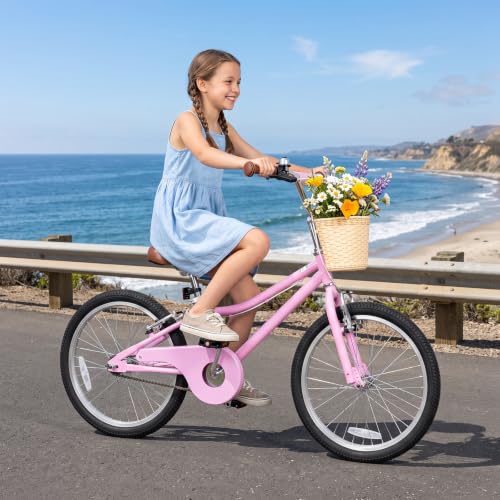
Glerc 24 Inch Girls Cruiser Bike

Strengths
- Shimano 6-speed
- V-brakes with short-travel levers
- Retro styling with practical basket
- Stable frame
- Kickstand included
Trade-offs
- Heavy at 32 lbs
- No front suspension
- Steel frame adds weight
This is the go-to pick when your tween is nearing adult bike size but still needs something scaled for their strength and reach. The 24-inch wheel with a Shimano 6-speed drivetrain gives real versatility, enough for school commutes, weekend trail loops, or long neighborhood rides. The high-carbon steel frame is tough, and the V-brakes with short-travel levers are easier for smaller hands to operate than many competitors.
It’s heavier at 32 lbs, but that adds stability at higher speeds. Owners report it holds up well over months of regular use, and the retro basket and saddle give it a unique flair without sacrificing function. Compared to the StarterRide, it has fewer gears but a more tailored fit for older girls who want both performance and personality.
Video review
WEIZE 20 Inch Girls Mountain Bike
Strengths
- Durable steel frame
- Front suspension
- Affordable
- Adjustable seat
- Ergonomic saddle
Trade-offs
- Caliper brakes
- Limited gearing
- Heavier than aluminum frames
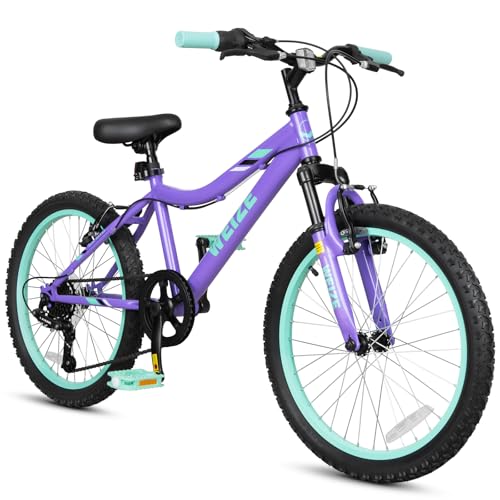
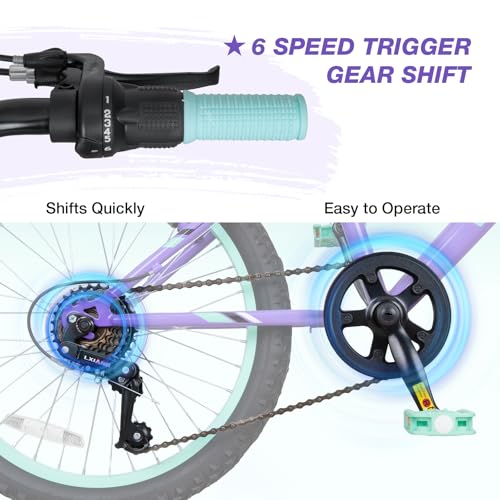
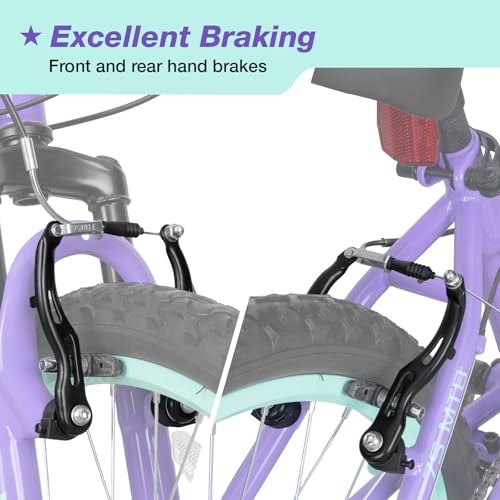
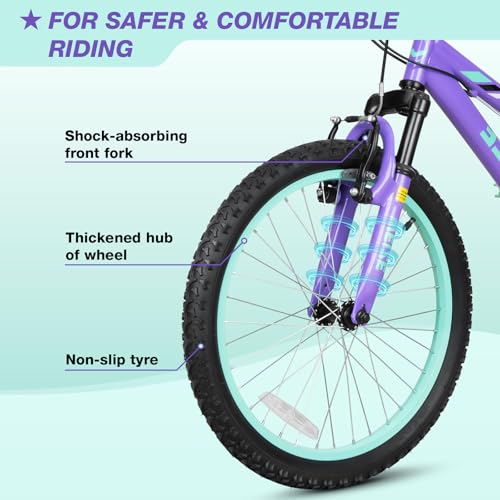
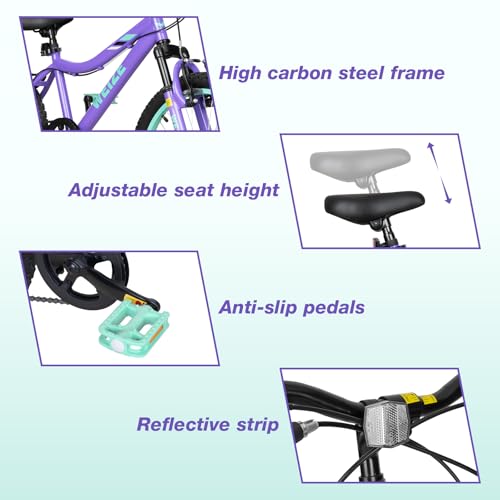
This WEIZE model hits a sweet spot between cost and capability, especially for parents who want a real mountain bike feel without overspending. The high-carbon steel frame is rugged and absorbs bumps well, and the front suspension fork is a noticeable upgrade over rigid forks in this price range. Six speeds may not sound like much, but for most tween riders, it’s enough to handle modest hills and trails.
Owners praise its stability and the fact that it holds up well over time, even with regular use. The caliper brakes work fine on flat ground but struggle a bit on steeper descents, something to consider if your rider hits uneven terrain. Compared to the StarterRide, it lacks disc brakes and gear range, but it’s lighter and more accessible for younger riders.
Product photos
Glerc Little Molly 20 Inch Cruiser
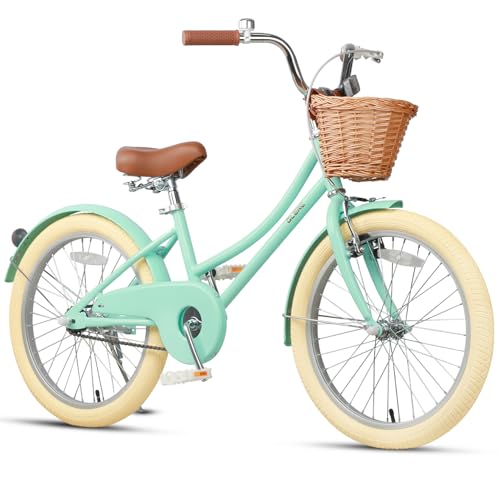
Strengths
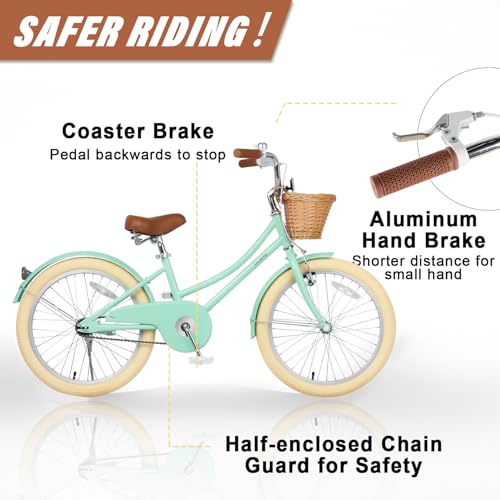
- Hand and coaster brakes
- Stylish retro design
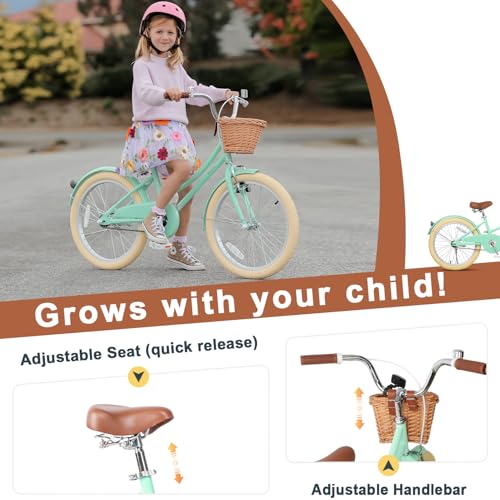
- Lower standover height
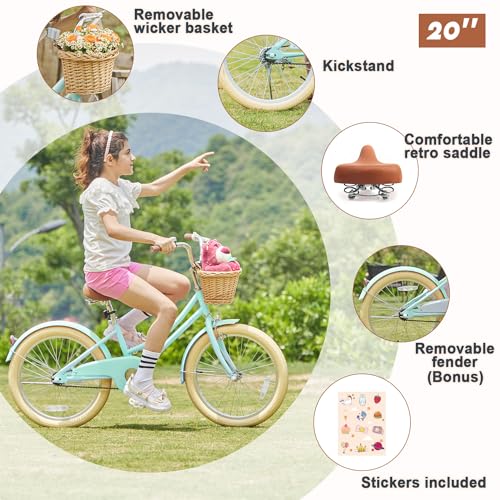
- Includes basket and kickstand
- Protective handlebar pads
Trade-offs
- No gears
- Heavier than expected
- Not for off-road use
The Little Molly is where form meets function in the retro cruiser world. It’s not the fastest or most technical bike here, but it wins on style and beginner-friendly design. The combination of hand brakes and a coaster brake is smart, it gives new riders multiple ways to stop, which builds confidence. The lower standover height and protective handlebar pads show thoughtful touches for safety.
At 26 lbs, it’s not the lightest, but the weight distribution feels balanced. Owners love the wicker basket and vintage look, though some note the brakes need fine-tuning out of the box. When compared to the Yventix cruiser, this one feels a bit more premium, even at a higher price. It’s not built for trails, but for cruising to a friend’s house or around town, it’s a standout.
Product photos

How We Picked These bikes for tweens
My approach to recommending bikes for tweens centered on a research-led comparison of specifications, owner feedback, and established category knowledge. Rather than a hands-on lab test, I analyzed features like frame material, drivetrain components, braking systems, and sizing charts across many models. I then weighed owner reviews, looking for recurring praise and complaints, alongside professional reviews from cycling publications. This process allowed me to build a ranking based on real-world usability and reported reliability.
For this category, I heavily prioritized build quality and appropriate sizing. A bike that doesn’t fit well, or falls apart quickly, is a safety hazard and a waste of money. I also focused on braking performance; responsive and easily modulated brakes are crucial for building confidence in young riders. These factors consistently separated the contenders and determined the final recommendations.
Specifications reliably indicate a bike’s potential, frame materials, gear ranges, and brake types all tell a story. However, owner feedback provided vital context. Comments on durability, ease of assembly, and actual fit were invaluable. Reputation also played a role; brands with a consistent track record for quality and customer service earned higher consideration, and I often cross-referenced with guides on related products like best balance bikes to assess overall brand standing.
How To Pick The Right bikes for tweens
Finding the right bike for a tween is about more than just picking a color. It’s about setting them up for confidence and enjoyment, whether they’re commuting to school or hitting the trails.
A good tween bike balances durability with appropriate sizing, offering a comfortable riding position and reliable components. Key considerations include frame material (steel is common at this price point), gearing options to handle varied terrain, and braking performance suited to their developing skills. Look for adjustable components to accommodate growth spurts and prioritize safety features like reflectors and reliable brakes.
Frame Material and Durability
The frame is the foundation of any bike, and for tweens, durability is paramount. While aluminum frames are lighter, steel frames offer a more forgiving ride and, crucially, are less prone to catastrophic failure from the inevitable bumps and scrapes. Don’t fixate on weight at this age; a slightly heavier bike that can withstand abuse is preferable to a lightweight one that might bend easily. Consider the type of riding your tween will be doing. A heavier steel frame on a cruiser is fine, but if they’re interested in more aggressive riding, you might want to explore aluminum options within your budget.
Gearing and Brake Systems
Tweens are often outgrowing single-speed bikes and ready for gears. A 6- or 7-speed drivetrain is a good starting point, offering enough range for gentle hills and varied terrain. Avoid overly complex systems, as they can be harder to maintain. Disc brakes are becoming increasingly common and offer superior stopping power, especially in wet conditions, compared to traditional V-brakes. However, V-brakes are perfectly adequate for lighter riders and flatter terrain.
- A simple 6-speed setup is a good introductory point for learning gears.
- Disc brakes are a noticeable upgrade, but require more maintenance and can be pricier to repair.
- Consider the terrain: if your tween will be riding primarily on pavement, a basic V-brake system may be sufficient, but for trails and varied surfaces, disc brakes are a worthwhile investment.
Remember: a well-maintained brake system is the single most important safety feature on any bike. Regularly check brake lever travel and pad wear.
Sizing and Adjustability
Getting the right size bike is critical for comfort and control. Too big, and it’s difficult to handle; too small, and they’ll quickly outgrow it. Most manufacturers provide sizing charts based on height and inseam, so use those as a starting point. Beyond the initial fit, look for adjustable components like the seat post and handlebar height. This allows you to fine-tune the fit and accommodate growth spurts, extending the life of the bike. If you’re unsure, it’s always better to err on the side of slightly larger, as a bike can be adjusted down, but not up. If you’re also considering options for younger riders, it’s helpful to look at options like balance bikes for 1-year-olds to build foundational skills. Many parents start their children with bikes for children before moving up to tween sized models.
Bikes for Tweens Compared
Here’s a comparison of key specifications for bikes designed for tweens, to help you find the right fit.
| Product Name | Wheel Size | Speeds | Brake Type | Frame Material | Rider Height |
|---|---|---|---|---|---|
| StarterRide 24 Inch Mountain Bike | 24 inch | 21 | Disc | N/A | 52–64 inches |
| WEIZE 20 Inch Dual Suspension Bike | 20 inch | 6 | V-Brake | Steel | 42-55 inches |
| Yventix 20 Inch BMX Trick Bike | 20 inch | 1 | V-Brake | Hi Ten Steel | 4’0” to 5’8” |
| Yventix 20 Inch Cruiser Bike | 20 inch | N/A | V-Brake | N/A | 46 to 59 inches |
| Glerc 24 Inch Girls Cruiser Bike | 24 inch | 6 | V-Brake | High-Carbon Steel | 51″-65″ |
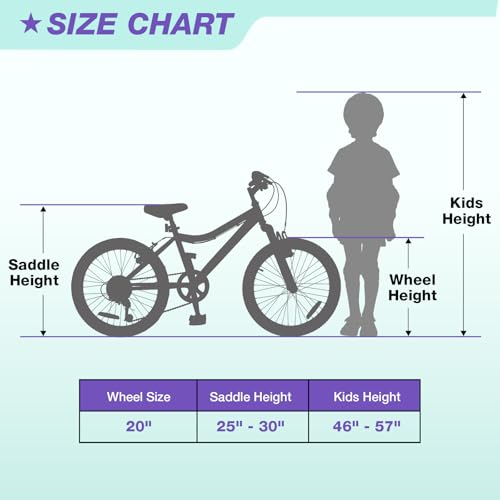
| WEIZE 20 Inch Girls Mountain Bike | 20 inch | N/A | Caliper | Carbon Steel | 42-56 inches |
| Glerc Little Molly 20 Inch Cruiser | 20 inch | N/A | Coaster/V-Brake | N/A | 48″-61″ |
Frequently Asked Questions
What wheel size is best for a tween?
Generally, 20-inch wheels suit tweens around 4’0” to 5’0”, while 24-inch wheels are better for riders between 5’0” and 5’8”. Consider your child’s height and inseam; a properly sized wheel allows for comfortable reach and control.
Are coaster brakes sufficient for a tween’s bike?
Coaster brakes, where you pedal backward to stop, are simple, but they don’t offer the same stopping power or control as hand brakes. While fine for flat surfaces, hand brakes, particularly disc brakes, are preferable for varied terrain and building good riding habits.
How much should I expect to spend on a good quality tween bike?
A decent tween bike typically costs between $150 and $400. Spending more usually gets you lighter components, better brakes, and a more durable frame, but a well-maintained bike in the lower range can still be a great option.
What’s the difference between a mountain bike and a cruiser for a tween?
Mountain bikes feature more rugged tires, suspension (sometimes), and multiple gears for off-road riding. Cruisers prioritize comfort with wider tires and a relaxed riding position, making them ideal for paved paths and leisurely rides. If your child wants to explore trails, a mountain bike is better, but a cruiser is perfect for neighborhood use.
Will my tween quickly outgrow their bike, making it a poor investment?
Tweens grow quickly, but choosing a bike with adjustable seat and handlebar heights can extend its usability. You can also find options like BMX bikes that are designed with growth in mind, and may remain suitable for a longer period.
The Bottom Line
Choosing a bike for a tween often comes down to balancing control with a degree of independence. While a higher price point typically delivers better components and durability, the StarterRide 24 Inch Mountain Bike offers a compelling mix of features and build quality that makes it our overall recommendation. It strikes a great balance for a growing rider tackling varied terrain.
For those on a tighter budget, the WEIZE 20 Inch Dual Suspension Bike is a fantastic starting point. If your tween is leaning towards tricks and skatepark fun, the Yventix 20 Inch BMX Trick Bike is the clear choice, providing the necessary robustness for learning stunts. And if you’re also looking at options for even younger riders, exploring options like bikes for 4-year-olds can help build their cycling confidence from an early age.
Ultimately, the best bike isn’t about the flashiest features or the highest price tag. It’s about finding a bike that fits properly, inspires confidence, and encourages a love of riding. Prioritize a good fit, reliable brakes, and a durable frame – those fundamentals matter far more than the number of gears or the specific brand. And if they are interested in learning tricks, it’s helpful to have some resources for beginner BMX bikes.
