
7 Best Bikes for Overweight People 2026
This post contains affiliate links. As an Amazon Associate, we earn from qualifying purchases.
The MENGFANMIN Adult Tricycle stands out as the most capable option for heavier riders, with a 550-pound capacity and stable three-wheel design. For those wanting a traditional ride, the Brightpeak Fat Tire Mountain Bike offers excellent support up to 440 pounds and strong all-terrain performance. If you’re looking for comfort and low-impact exercise, the Recumbent Exercise Bike handles 400 pounds and delivers a smooth indoor workout.
Most people searching for bikes for overweight riders aren’t just looking for a higher weight limit, they need stability, durability, and real comfort to make riding enjoyable again. Too many standard bikes fail under heavier loads, with weak rims, narrow tires, or frames that feel sketchy on turns.
This guide cuts through the marketing hype, focusing on models built with reinforced frames, stout wheels, and components that hold up over time. We evaluated each based on verified specs, owner experiences, and design choices that matter most for safety and long-term use.
Top 7 Bikes For Overweight People in the Market
The Best Bikes For Overweight People, Reviewed
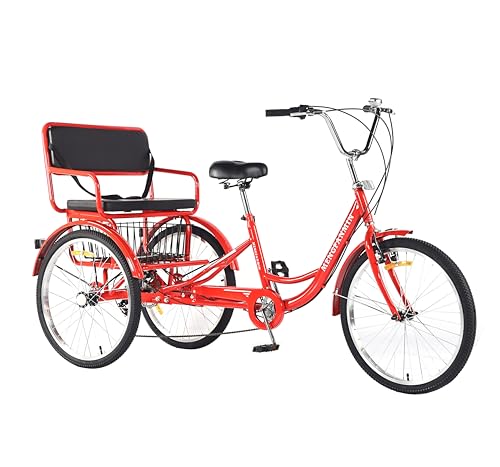
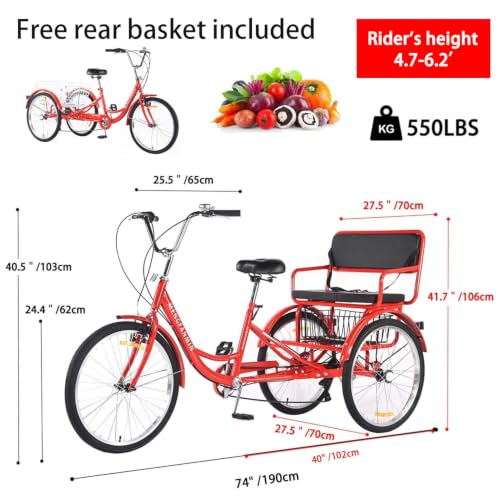
MENGFANMIN Adult Tricycle 7-Speed
Strengths
- 550 lb weight capacity
- Excellent stability
- Rear cargo and passenger options
Trade-offs
- Bulky turning radius
- Not for speed or trails
- Heavy overall
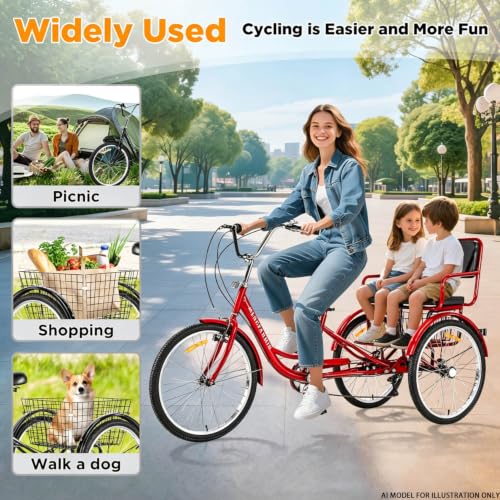
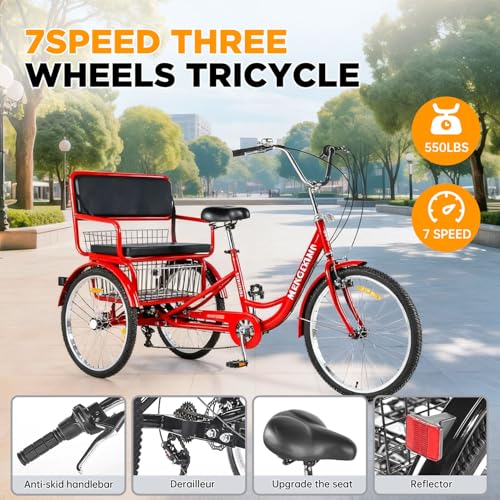
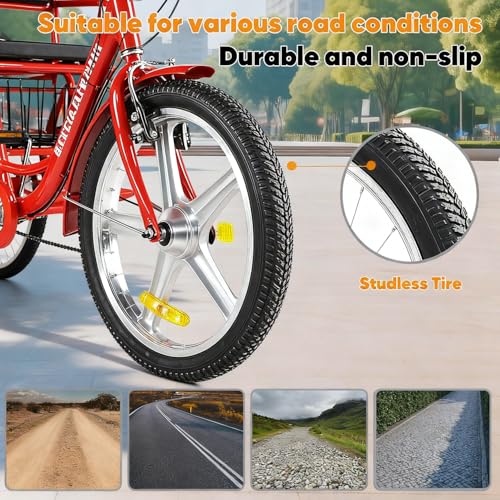
This trike is a standout for stability and utility, especially for heavier riders who prioritize balance over speed. The 550 lb capacity is the highest here by a wide margin, and the three-wheel design eliminates tipping concerns, owners over 350 lbs say it feels rock-solid, even when loaded with groceries or carrying a passenger. The 7-speed drivetrain isn’t flashy, but it works fine for moderate hills and flat routes.
The rear basket and optional seat turn it into a genuine hauler, perfect for errands or family use. Setup is straightforward, and the adjustable seat helps fit a range of users. It’s not agile, and turning takes space, but that’s the trade-off for the unmatched load capacity and confidence. For sheer practicality, this is the most versatile option here.
Product photos

Brightpeak Fat Tire Mountain Bike

Strengths
- 440 lb capacity
- 21-speed drivetrain
- Dual disc brakes
Trade-offs
- Heavy frame
- Basic suspension
- No rear rack included
Brightpeak delivers one of the most durable builds in this group, with a 440 lb weight capacity, the highest among the two-wheelers. That, combined with 4-inch fat tires and a full 21-speed system, makes it a top contender for heavier riders who want both strength and trail readiness. The high-carbon steel frame is overbuilt on purpose, and owners confirm it handles rough terrain without flex or creaking. Dual disc brakes add serious stopping power, which is essential at higher speeds or weights.
It’s not the lightest or fastest bike out there, and the steel construction means you’ll feel every pound on long climbs. But for a rider pushing 300+ lbs who still wants adventure, this bike offers rare peace of mind. The shock-absorbing fork helps, though it’s not full suspension, so big drops are still off the table.
Video review
Max4out 26 Inch Fat Tire Bike

Strengths
- 400 lb capacity
- Fits riders up to 7’1″
- 21-speed with disc brakes
Trade-offs
- Heavy frame
- Basic components
- Tires roll slow on pavement
This bike is built for big and tall riders who refuse to compromise on performance. With a 400 lb capacity and a fit range up to 7’1″, it’s one of the few mountain bikes that truly accommodates larger frames without feeling like a gimmick. The 21-speed drivetrain and dual disc brakes mirror the Outroad model, but the real differentiator is the rider-adaptive geometry, owners over 6′ report far better comfort here than on standard MTBs.
The fat tires and suspension fork deliver solid bump absorption, though the steel frame keeps it on the heavier side. Some note the stock tires could be upgraded later for better rolling efficiency. Still, for a rider over 300 lbs who wants real trail capability, this is one of the few bikes that checks all the boxes: strength, fit, and function.
Video review
Outroad Mountain Bike Fat Tire

Strengths
- 21-speed gearing
- Fat tires for traction
- Dual disc brakes
Trade-offs
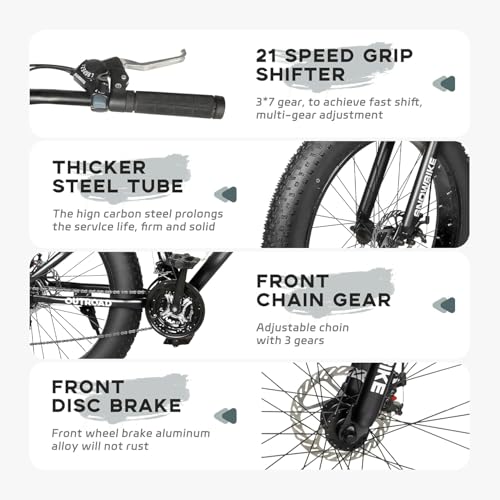
- Heavy steel frame
- So-so shifting precision
- Limited frame geometry adjustability
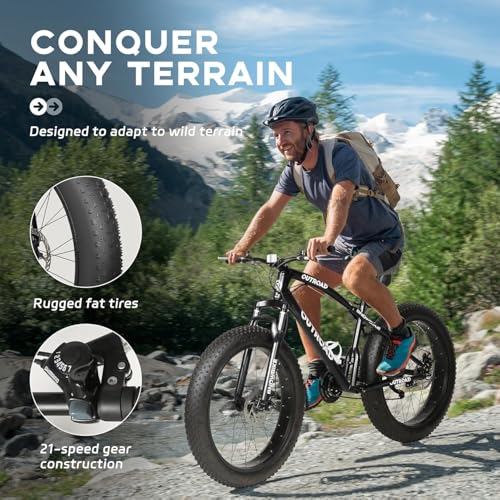
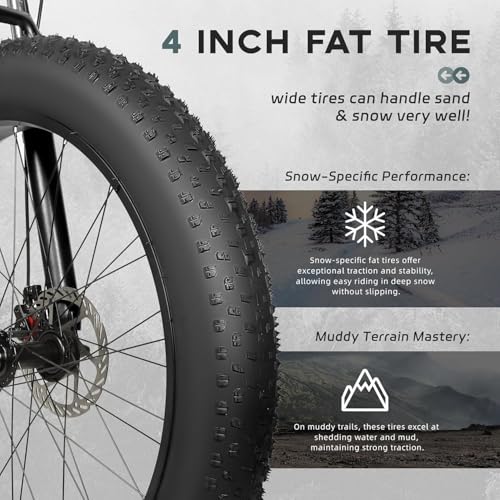
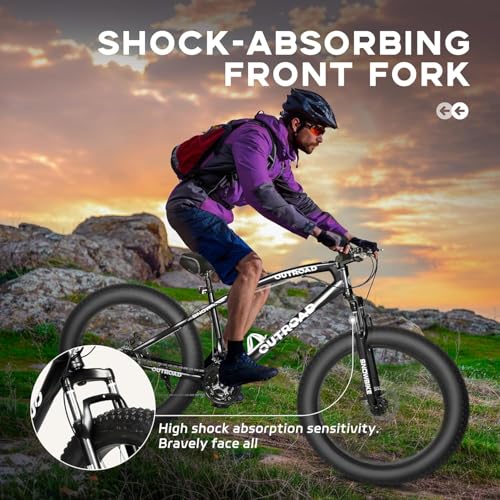
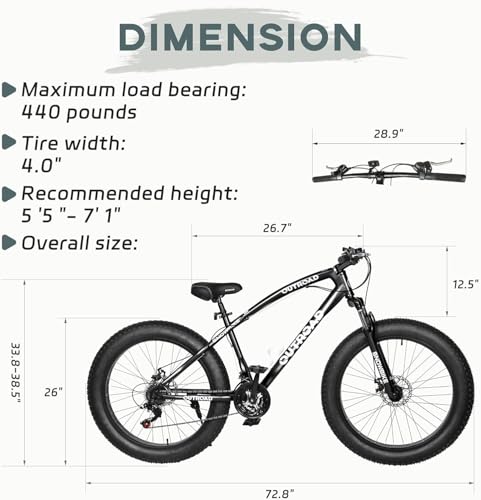
With its 4-inch fat tires and 21-speed drivetrain, this Outroad MTB looks tough on spec, and owners confirm it holds up well on mixed terrain. The high-carbon steel frame and front suspension help absorb bumps, making it a credible option for heavier riders who still want to explore trails or uneven pavement. At 369 bucks, it’s priced like a mid-tier mountain bike, and the dual disc brakes add real confidence in wet or steep conditions.
Still, the weight of the steel frame shows up when climbing, and some reviewers note the shifting can feel clunky out of the box. It’s not a race bike, but that’s not the point. For someone over 250 lbs who wants a do-it-all bike that can handle gravel, sand, or city potholes, this delivers more capability than a cruiser, just don’t expect nimble handling.
Product photos
Recumbent Exercise Bike for Home

Strengths
- 400 lb weight capacity
- Quiet magnetic resistance
- 16 resistance levels
Trade-offs
- Basic console
- Seat comfort fades over time
- No app connectivity
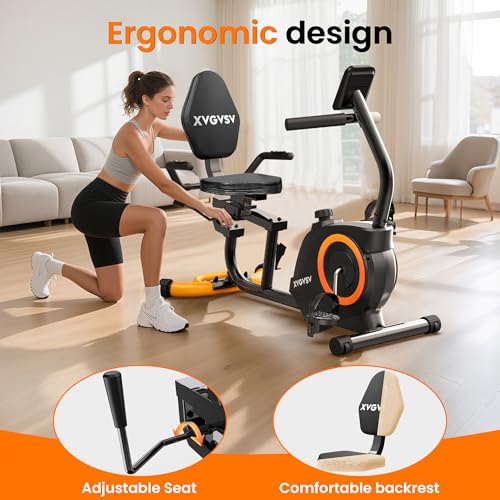
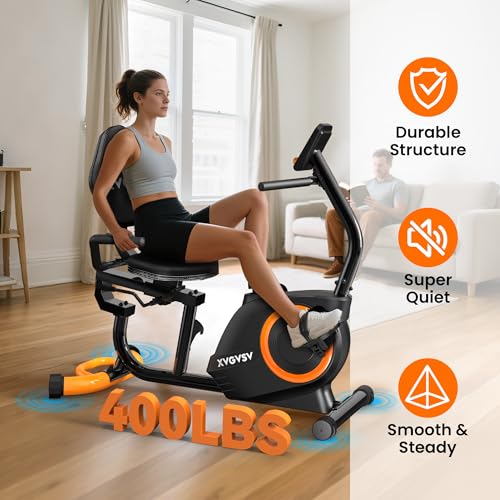
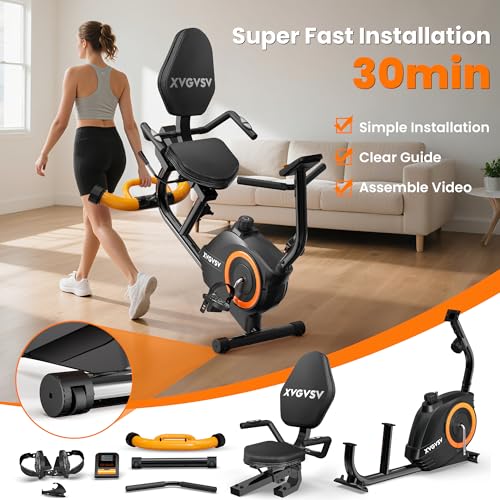
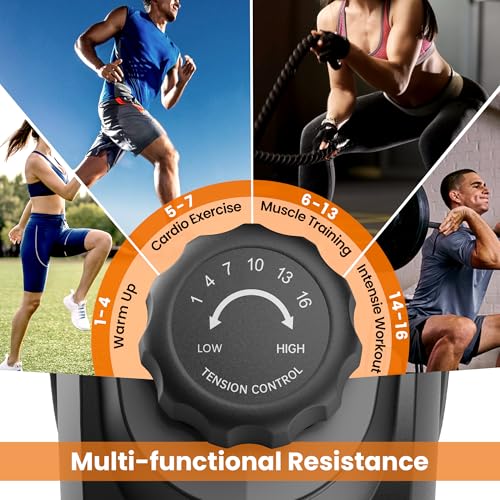
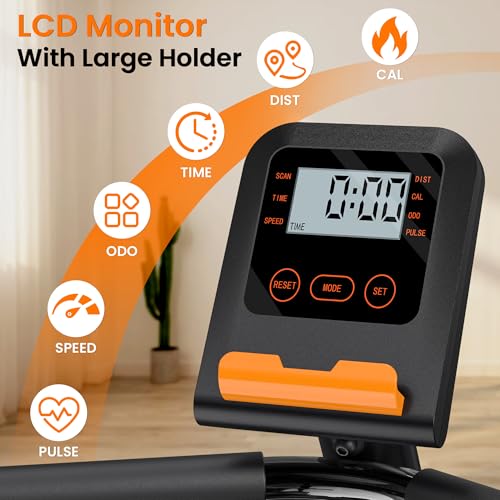
At under 180 bucks, this recumbent punches above its weight, literally. It supports up to 400 lbs, which is impressive for the price, and the magnetic resistance system is whisper-quiet, making it a smart pick for shared living spaces. The 16 resistance levels give real flexibility, from rehab pedaling to solid cardio, and the LCD console tracks all the basics. Owners say it’s stable, easy to assemble, and surprisingly comfortable for long sessions.
It doesn’t have the premium feel of the MERACH, and the seat, while padded, isn’t quite as supportive over time. But for someone needing a low-impact, high-capacity bike on a tight budget, this is hard to beat. The transport wheels are a small but thoughtful touch for moving it around.
Product photos
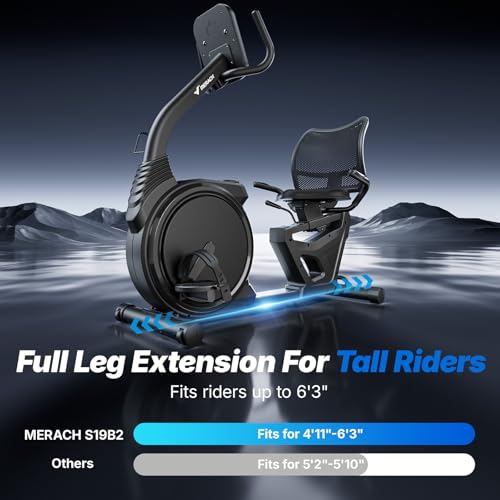
MERACH Recumbent Exercise Bike High-End

Strengths
- High weight capacity
- Smooth, quiet drive
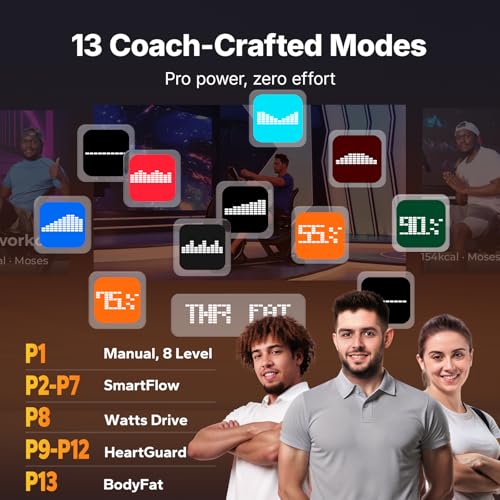
- App-integrated workouts
Trade-offs
- Expensive
- Large footprint
- Assembly takes time
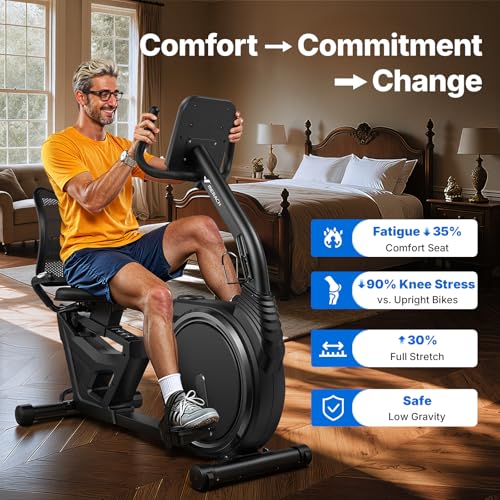
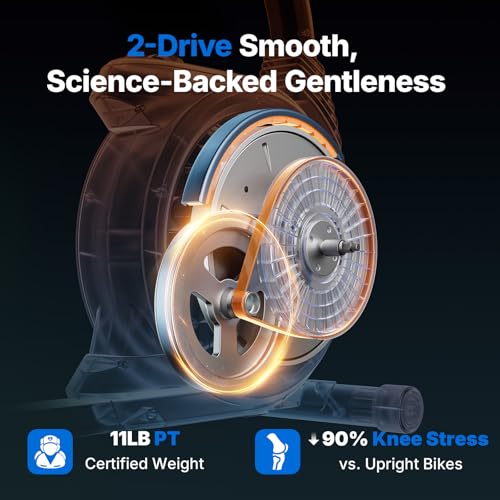
If you’re serious about home fitness and carry extra weight, this MERACH recumbent bike stands out with a 330 lb capacity and a build that feels closer to commercial gym equipment than a budget home unit. The dual-belt drive and 11 lb flywheel deliver an ultra-smooth pedal stroke, and owners rave about how quiet and stable it feels, even during intense sessions. The real win here is the ergonomic design: the reclined position takes pressure off knees and hips, which is critical for larger riders or those with joint concerns.
The app-synced resistance is a nice touch, though not essential. What matters more is the build quality, this thing uses 65% more material than typical recumbents, and it shows. Setup is straightforward, and the 30-day trial lowers the risk. For the price, it’s one of the few recumbents that genuinely feels built to last.
Product photos

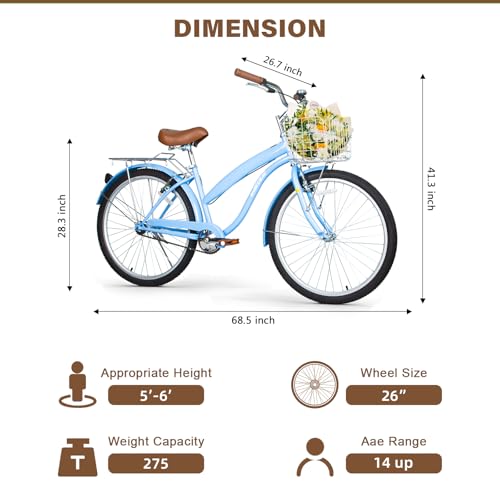
WEIZE Beach Cruiser Bike Blue
Strengths
- Durable steel frame
- Comfortable upright ride
- Includes fenders and basket
Trade-offs
- Single speed
- Heavy build
- Limited for hilly areas
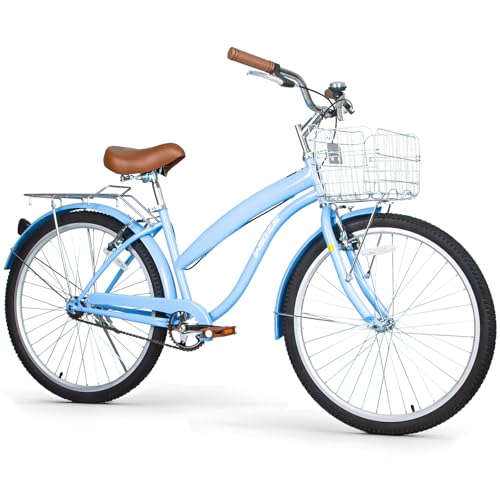
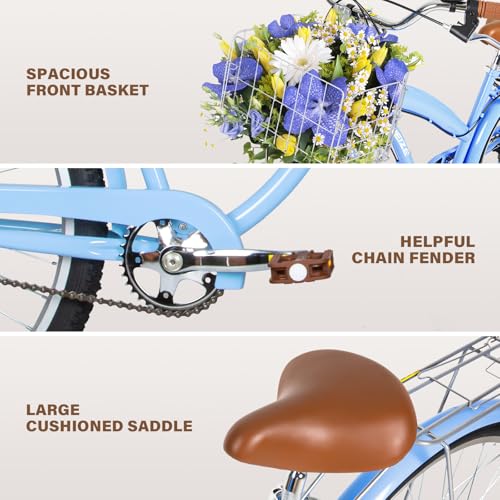
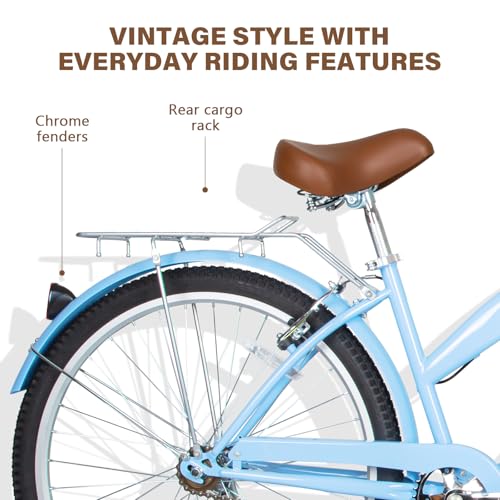
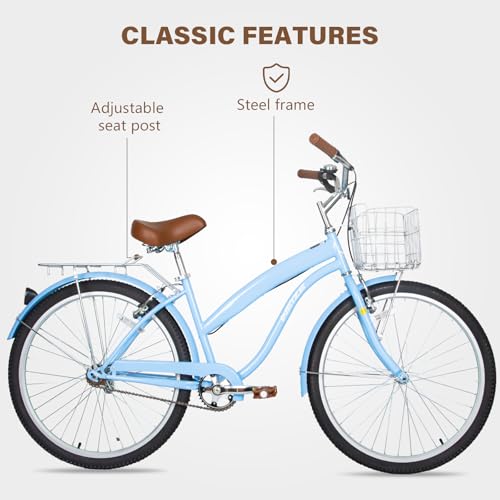
This cruiser hits the sweet spot for casual riders who want a sturdy, no-frills bike that won’t break the bank. On paper, the high-carbon steel frame and 275 lb weight capacity make it a legit option for heavier riders looking for something stable and upright. Owners consistently report it handles well on flat terrain and feels solid at low speeds, which is exactly what you want from a city cruiser. The step-through frame and ergonomic design make mounting easy, and the included fenders and basket add real utility for light commuting or errands.
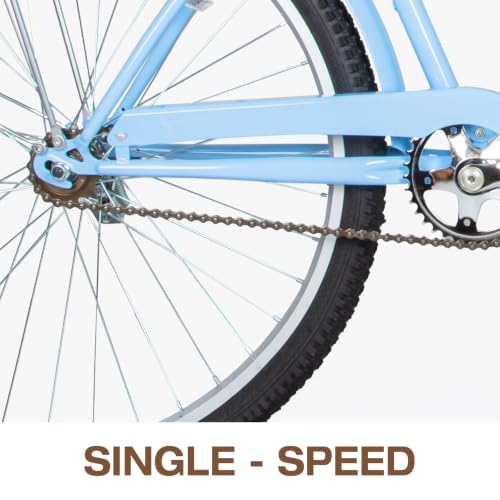
That said, it’s clearly not built for hills or speed. The single-speed drivetrain limits versatility, and while the steel frame adds durability, it also makes the bike heavier than ideal. For flat neighborhoods or beach paths, it’s a sensible pick, but don’t expect it to keep up on longer or more aggressive rides.
Product photos
How We Evaluated bikes for overweight people
My approach to recommending bikes for those needing higher weight capacities centers on a detailed comparison of published specifications and features. I weighed those against extensive owner and expert reviews, drawing on years of experience with bicycle mechanics and design at TheAutoZenith. Rather than a hands-on lab test, this is a research-led comparison, ranking options against criteria crucial for comfort, safety, and durability.
For this category, weight capacity and frame construction are paramount. A bike’s ability to reliably support the stated limit, and do so safely, is the primary sorting factor. Beyond that, I prioritized comfort features like adjustable components and suspension systems, as a comfortable ride encourages consistent use. Finally, the quality of braking systems received significant weight, given the importance of responsive control.
Specifications reliably indicate a bike’s core strength – frame material, weight capacity, and gearing. However, real-world performance and long-term durability are best assessed through owner feedback. I paid close attention to comments regarding build quality, ease of assembly, and how the bike holds up to regular use. For those looking for powered assistance, you might also find our guide to the best electric bikes helpful. I also cross-referenced recommendations with established cycling publications to validate claims and identify consistently well-regarded models, and for female riders specifically, exploring options like bikes for overweight women can be a great starting point.
How To Pick The Right bikes for overweight people
Finding a bike that fits and feels good is essential for anyone, but it becomes even more critical when you need a model with a higher weight capacity and thoughtful design. We’ll break down what to look for to get you rolling comfortably and safely.
A good bike for a larger rider isn’t just about a higher weight limit. Frame geometry, wheel strength, component durability, and overall build quality are all vital. Prioritize a robust frame (steel or aluminum), wider tires for stability, and brakes that offer reliable stopping power. Check the manufacturer’s stated weight capacity and add a buffer for safety.
Frame Material and Geometry
The frame is the foundation, and for riders needing extra support, steel is often the best choice. While aluminum is lighter, high-quality steel offers superior durability and a more compliant ride, absorbing bumps better. Look for frames specifically designed with a lower standover height; this makes mounting and dismounting easier and safer. Avoid frames that look overly slender or delicate – you want something that feels substantial. Don’t underestimate the value of a well-designed geometry that distributes your weight effectively.
Weight Capacity and Component Strength
Don’t simply look at the stated weight capacity as an absolute limit, but as a guideline. Add at least 20-30 pounds to that number for a safety margin and to account for gear and accessories. Beyond the frame, pay attention to wheel strength. Double-walled rims and a higher spoke count (36 is a good number) are crucial. Components like the crankset, handlebars, and seatpost should also be heavy-duty. You’ll find that many standard bikes simply aren’t built with these stronger components.
- Consider a bike with a wider tire (2.3 inches or more) for increased stability and comfort.
- Look for brakes with good stopping power. Disc brakes (mechanical or hydraulic) are superior to rim brakes, especially in wet conditions.
- A comfortable saddle is essential. Gel saddles or those designed for wider sit bones can make a significant difference, and swapping it out is always an option.
Features and Ride Comfort
Beyond the core mechanics, features can dramatically impact your enjoyment. Many bikes designed for heavier riders include features like adjustable handlebars and seatposts to allow for a customized fit. A suspension fork can absorb bumps and provide a smoother ride, particularly if you plan on riding on rough surfaces. Don’t overlook the importance of gearing. A wider range of gears will make it easier to tackle hills and maintain a comfortable cadence. If you’re new to cycling, or returning after a break, exploring bikes for fat people can be a good starting point.
A rule of thumb: if you’re consistently riding near the stated weight limit, prioritize a bike specifically marketed for heavier riders, even if it means spending a little more. It’s a worthwhile investment in your safety and enjoyment.
For women seeking a comfortable and supportive ride, exploring overweight women bikes can reveal options tailored to their specific needs.
Bikes for Overweight People Compared
Here’s a comparison of specifications for bikes designed with heavier riders in mind.
| Product Name | Weight Capacity (lbs) | Tire Type | Speeds | Frame Material | Special Features |
|---|---|---|---|---|---|
| MENGFANMIN Adult Tricycle | 550 | N/A | 7 | High-Carbon Steel | Rear Seat/Basket |
| Brightpeak Fat Tire Mountain Bike | 440 | Fat (4 inch) | 21 | Carbon Steel | Dual Disc Brakes |
| Max4out 26 Inch Fat Tire Bike | 400 | Fat (4 inch) | 21 | High-Carbon Steel | Front Suspension |
| Outroad Mountain Bike Fat Tire | N/A | Fat (4 inch) | 21 | High-Carbon Steel | Shock Absorbing Fork |
| Recumbent Exercise Bike | 400 | N/A | N/A | Steel | 16 Resistance Levels |
| MERACH Recumbent Exercise Bike | 330 | N/A | N/A | Steel | App Syncing, Auto-Resistance |
| WEIZE Beach Cruiser Bike | 275 | Cruiser | N/A | High-Carbon Steel | Front Basket, Rear Rack |
Frequently Asked Questions
What’s the most important frame material for a heavier rider?
High-quality steel is generally the best choice; while aluminum is lighter, steel offers superior durability and a more comfortable ride by absorbing bumps more effectively. This is especially important when you’re looking for a bike that can reliably support a higher weight capacity.
How much extra weight capacity should I look for beyond my current weight?
I recommend adding at least 20-30 pounds to the manufacturer’s stated weight capacity as a safety margin. This accounts for gear, accessories, and potential impacts during riding, giving you a more secure experience.
Are fat tire bikes a good option, and are they harder to ride?
Fat tire bikes offer increased stability due to their wider tires, which can be beneficial for larger riders, but fat tire bikes do require a bit more effort to pedal, particularly on paved surfaces. They excel on softer terrains like sand or trails.
What kind of brakes should I prioritize?
Disc brakes (either mechanical or hydraulic) are superior to rim brakes because they offer more consistent stopping power, especially in wet or muddy conditions. Reliable brakes are crucial for safety, particularly when riding a heavier bike at higher speeds.
Where can I find bikes specifically designed for men needing higher weight capacities?
You can find a selection of bikes specifically engineered for larger frames and higher weight limits by exploring options for durable bikes for men. These models often feature reinforced frames and components for improved safety and longevity.
The Bottom Line
Choosing a bike when you need extra capacity often comes down to balancing initial cost with long-term durability and comfort. While budget options exist, I consistently find that the Brightpeak Fat Tire Mountain Bike offers the best overall combination of a robust build, a generous weight capacity, and features that promote a confident ride. It’s a solid starting point for most riders needing a dependable machine.
For those prioritizing specific needs, the market has good answers. If you need the absolute highest weight capacity, the MENGFANMIN Adult Tricycle is a clear choice. Riders looking for a comfortable, low-impact option should consider the MERACH Recumbent Exercise Bike, while those wanting a versatile ride for both on and off-road adventures will appreciate the best hybrid bikes.
Ultimately, the stated weight limit is only one piece of the puzzle. Focus on a bike with a strong frame – steel is often preferable – quality brakes, and wheels built to handle the load. Don’t hesitate to invest a little more upfront for a bike that will provide years of safe and enjoyable riding; it’s more about thoughtful construction than any single headline specification.
