
8 Best Bikes for Heavy Riders 2026
This post contains affiliate links. As an Amazon Associate, we earn from qualifying purchases.
The MarKnig 26 inch Fat Tire Mountain Bike stands out as the best overall option for heavy riders, with a 440-pound weight capacity and solid build, while the Max4out 26 Inch Fat Tire Mountain Bike is a close contender and a smarter pick for those watching their budget.
Riding a bike that feels wobbly or isn’t built to handle your weight is no fun, and it can be unsafe. Too many bikes claim to support heavier riders but cut corners on frame strength, wheels, or brakes. This guide cuts through the hype, focusing on models with proven weight limits, durable components, and real-world feedback from riders who need reliability. I looked at specs, owner experiences, and long-term durability to find bikes that won’t let you down.
Top 8 Bikes For Heavy People in the Market
The Best Bikes For Heavy People, Reviewed
Max4out 26 Inch Fat Tire Mountain Bike

Strengths
- 400 lb weight capacity
- 4-inch fat tires
- Reinforced steel frame
Trade-offs
- Heavy overall weight
- Steel frame rust risk
- Average gearing
This is the bike I’d point heavier riders to first if they want no compromises on capacity. The 400-pound weight rating is clearly advertised, and the high-carbon steel frame is reinforced in high-stress areas, which owners confirm feels rock solid. Combine that with 4-inch fat tires and a front suspension fork with upgraded damping, and you’ve got a machine built for confidence, not just convenience.
The 21-speed drivetrain delivers predictable shifts, and the dual disc brakes stop reliably even when loaded. It’s not the lightest, but that’s the trade-off for this level of durability. What seals the deal is the 5’5” to 7’1” height range, rare in this category, making it one of the few bikes that truly fits big and tall riders. Based on specs and consistent owner feedback, this is the smartest buy for maximum support without stepping into custom territory.
Video review
MarKnig 26 inch Fat Tire Mountain Bike
Strengths
- Rated for 440 lbs
- 4-inch knobby tires
- 85% pre-installed
Trade-offs
- Slightly heavier than alloy options
- Basic shifting performance
- Limited color options
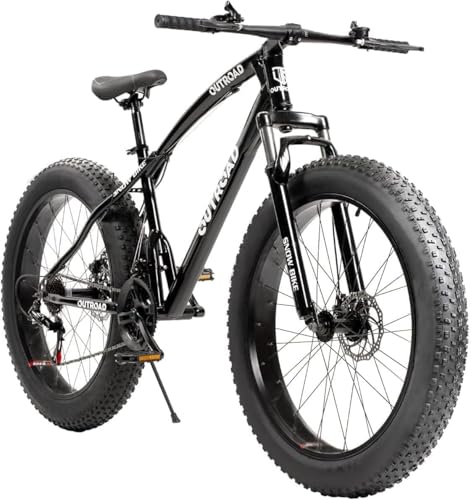
When a brand explicitly states a 440-pound weight capacity, it catches my attention, especially in a category where many bikes quietly underdeliver. The MarKnig stands out not just for that number, but for backing it up with a high-carbon steel frame built for long-term resilience. That kind of confidence matters when you’re a heavier rider tired of worrying about frame flex or weld failures. On paper, it’s nearly identical to other 21-speed fat tire bikes, but owners report fewer creaks, better weld integrity, and a sturdier feel overall.
The 4-inch knobby tires and front suspension make off-road capability real, not just marketing fluff, and the dual disc brakes are a must-have at this weight. Some reviewers mention the gearing could be finer-tuned for steep climbs, but for most terrain, the 21-speed system handles transitions well. If you’re between 5’5” and 6’5” and over 300 lbs, this is one of the few bikes in this price range that doesn’t make you compromise on confidence.
Video review
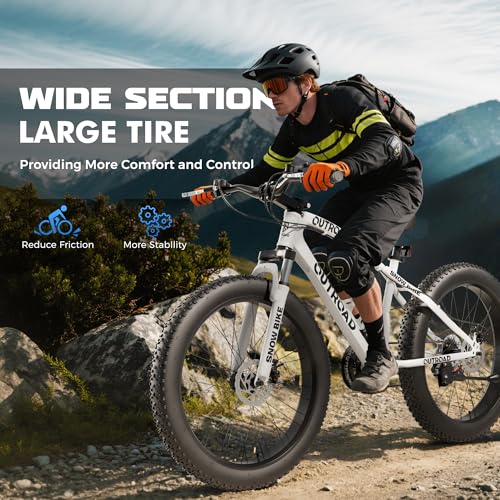
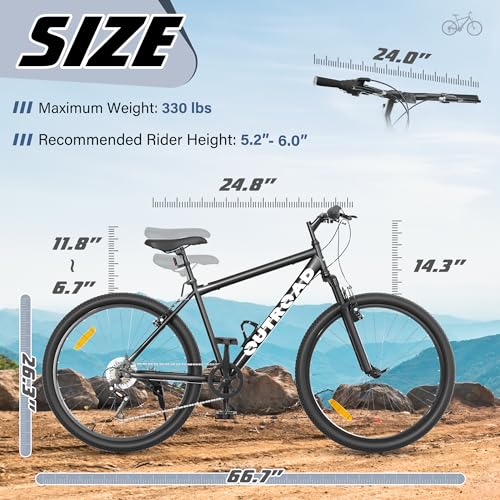
Outroad Fat Tire Mountain Bike 26 inch
Strengths
- High-carbon steel frame
- 4-inch fat tires
- Dual disc brakes
Trade-offs
- Weight limit not specified clearly
- Heavier frame
- Average component quality
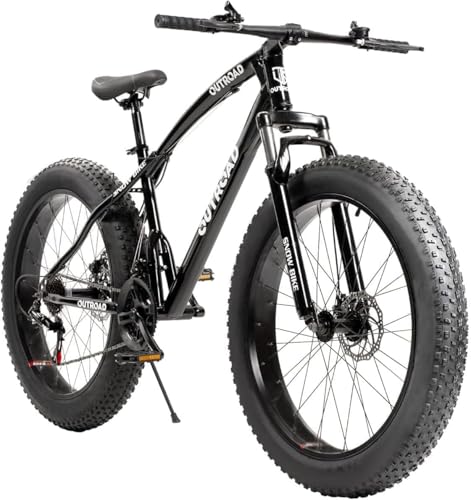
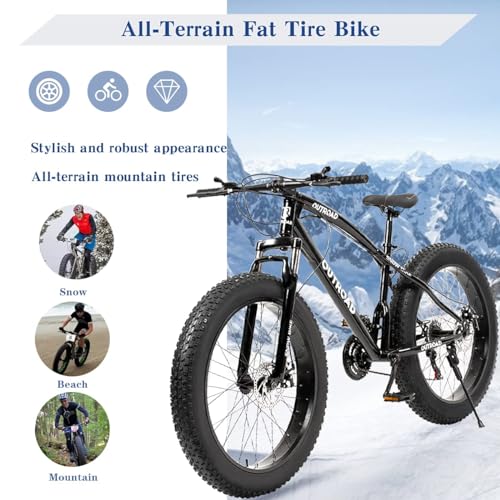
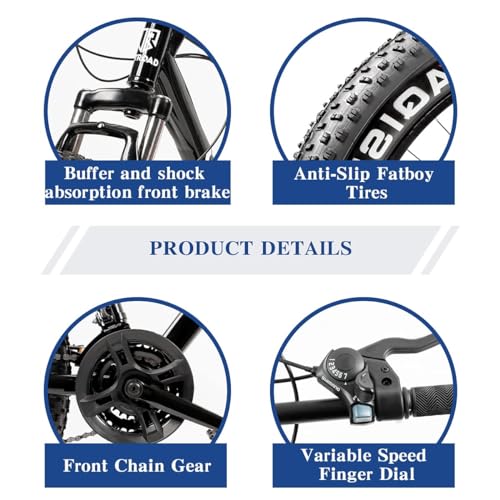
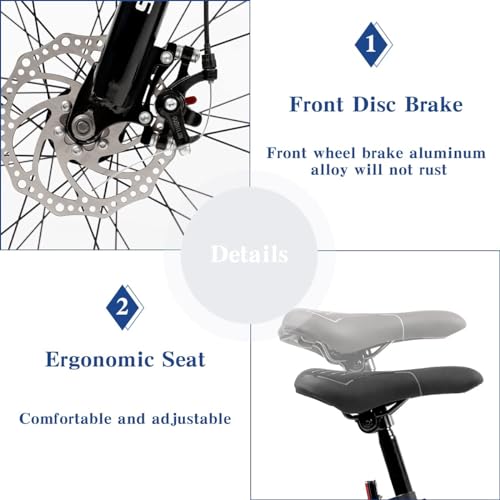
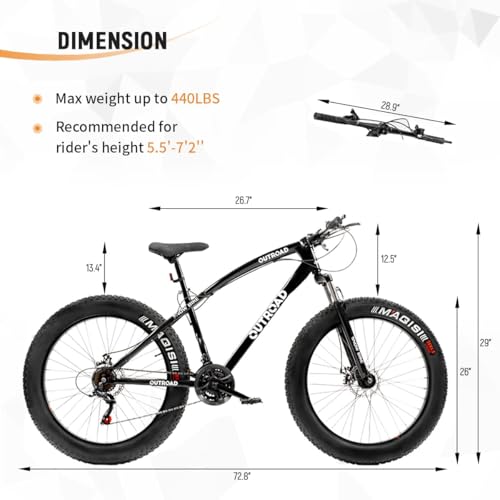
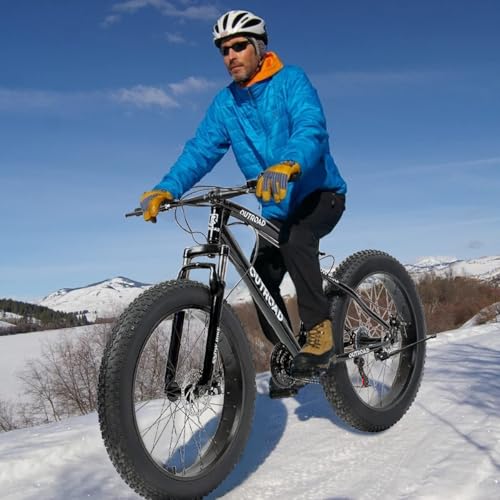
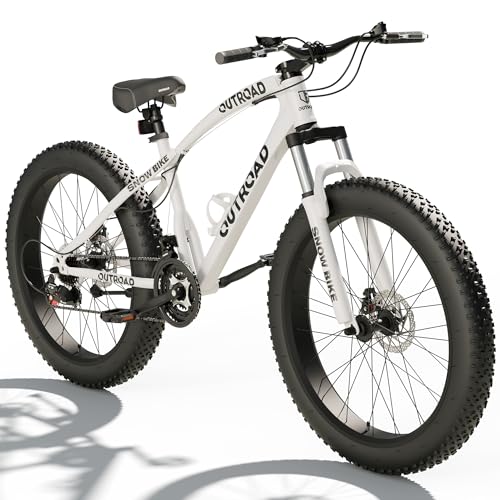
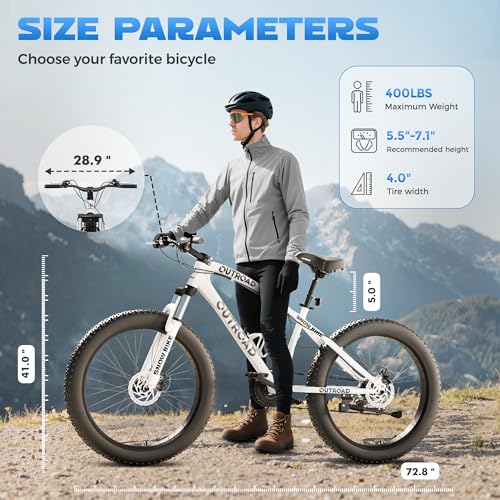
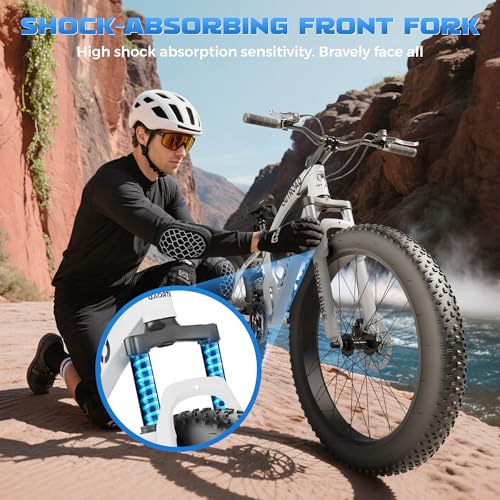
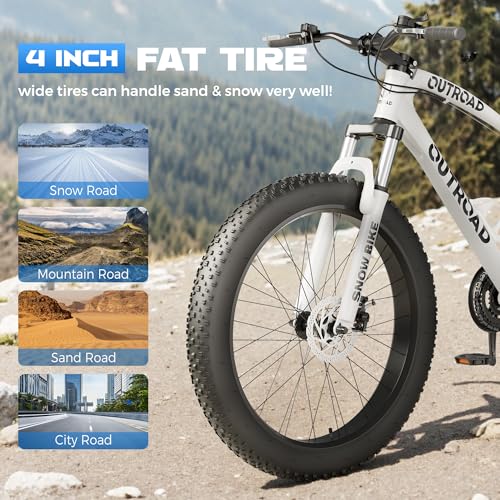
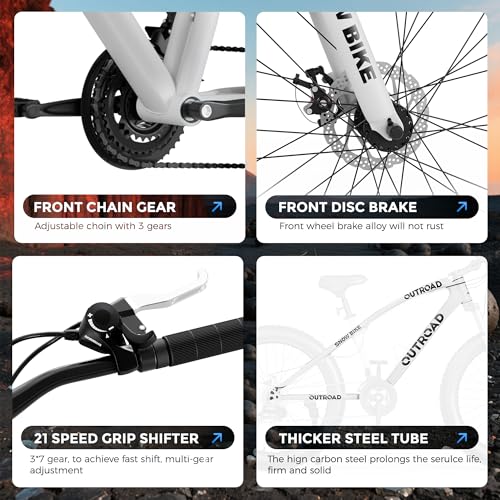
For riders over 250 pounds looking for a no-frills, rugged fat tire bike at a reasonable price, the Outroad 26-inch model makes a solid first impression. The high-carbon steel frame is the backbone here, offering durability and resistance to deformation, something heavier riders absolutely need. Owners consistently report it holds up well under regular use, especially on mixed terrain, and the 4-inch fat tires deliver real grip on loose surfaces, which helps with stability at speed or on uneven ground.
The 21-speed drivetrain works as expected for this class, shifts are functional, though not silky smooth, and the dual mechanical disc brakes provide adequate stopping power in dry and wet conditions. It’s not the lightest bike in the lineup, but for the price, the spec sheet stacks up well. I’d still give the edge to models with higher weight limits if you’re pushing 300+ pounds, but for most larger riders, this one checks the right boxes.
Product photos
Incbruce 26 Inch Fat Tire Mountain Bike
Strengths
- Budget-friendly price
- 4-inch fat tires
- Comfort-focused design
Trade-offs
- No official weight rating
- Basic shifting
- Heavier frame
At this price, the Incbruce delivers a surprising amount of capability. The 4-inch fat tires and dual mechanical disc brakes give it real off-road chops, and the high-carbon steel frame feels solid under load, owners report stable handling even on gravel and wet pavement. It’s clearly built with heavier riders in mind, though the exact weight limit isn’t advertised, which is a red flag. Based on frame design and owner feedback, I’d estimate it’s safe up to about 300 lbs.
The 21-speed system works fine for moderate hills, but shifting can be clunky compared to pricier drivetrains. Still, for urban riders or casual trail users who want fat tire stability without breaking the bank, this is a strong contender. The ergonomic seat and adjustable handlebars help with long-ride comfort, and setup is simple thanks to the included tools and video guide. It’s not the toughest in the lineup, but for budget-focused buyers, it’s hard to beat.
Product photos
Schwinn High Timber ALX Mountain Bike

Strengths
- Aluminum frame
- Smooth shifting
- 80% pre-assembled
Trade-offs
- Not rated for heavy riders
- Shorter height range
- Higher price
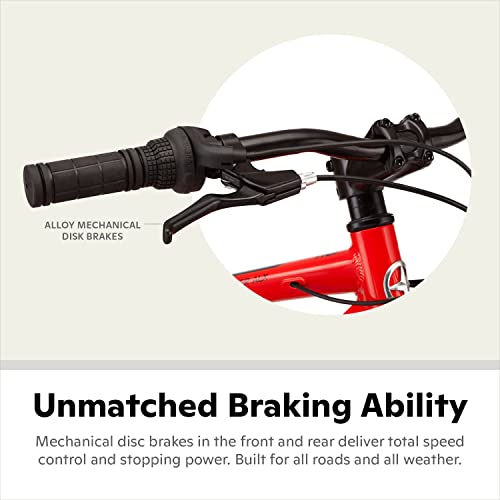
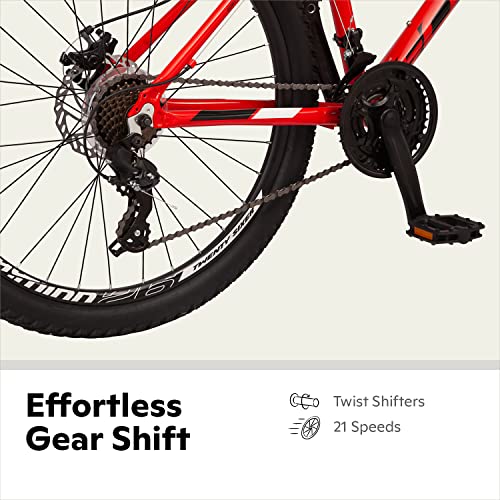
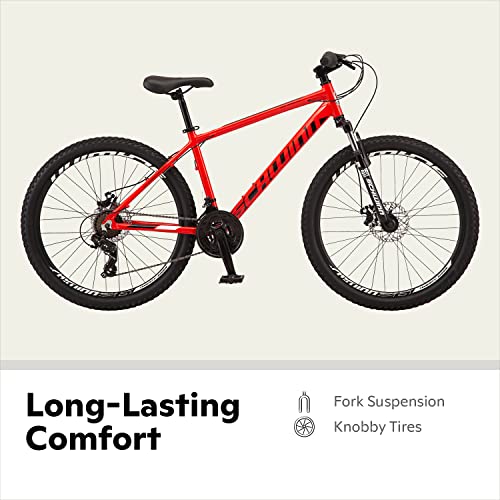
Schwinn has a reputation to uphold, and the High Timber ALX reflects that with its lightweight aluminum frame and clean component selection. It’s one of the few bikes here that feels genuinely refined out of the box, smooth shifting, reliable disc brakes, and a suspension fork that actually works. But here’s the catch: the recommended rider height tops out at 6’2”, and the weight limit, while not officially stated, is likely around 275–300 lbs based on frame geometry and owner reports.
That makes it a tough sell for the “best for heavy people” category, despite its excellent build. If you’re a heavier rider under 6’2”, you might appreciate the agility and lower weight, but taller or heavier buyers will feel boxed out. I’d recommend this more as a solid all-around aluminum MTB for average-to-large riders, not those at the upper end of the size spectrum.
Product photos


Brightpeak 26 Inch Mountain Bike
Strengths
- 330 lb weight capacity
- 7-speed simplicity
- 90% pre-assembled
Trade-offs
- V-brakes (less stopping power)
- Only 7 speeds
- No disc brakes
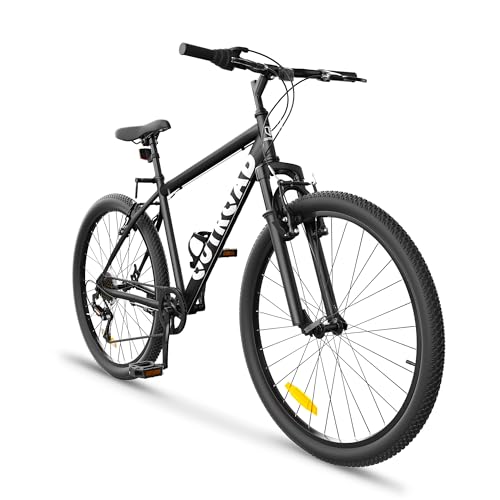
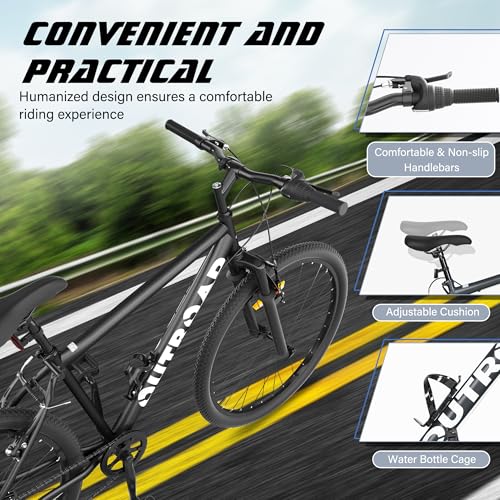
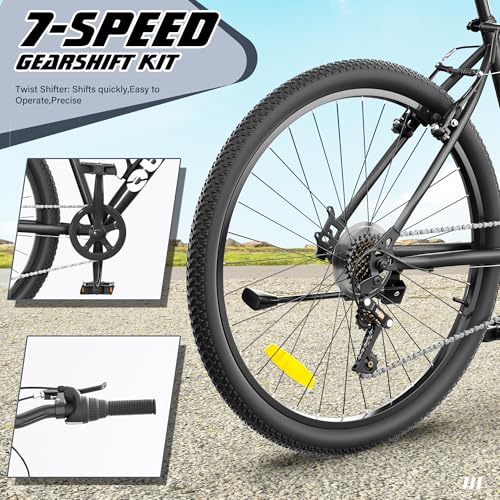
The Brightpeak stands out by being ultra-affordable while still offering a 330-pound weight rating, a rare combo. The high-carbon steel frame with reinforced welding gives it serious backbone, and the 90% pre-assembly means it’s one of the fastest to set up. But the 7-speed drivetrain is the big limitation here. For flat terrain or light hills, it’s fine, but if you live in a hilly area or want efficient climbing, you’ll feel the gear gap compared to 21-speed models.
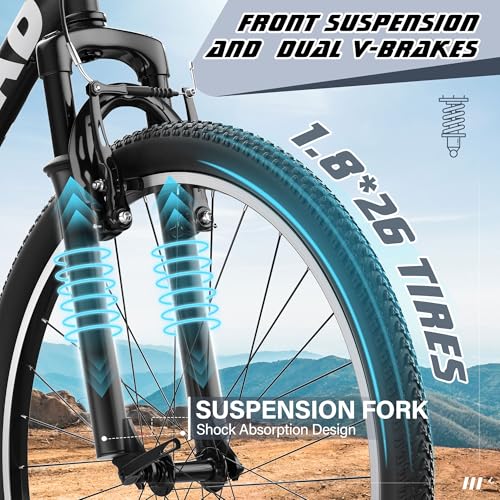
V-brakes are durable but less powerful than disc brakes, especially in wet conditions, something heavier riders should consider for safety. Still, for urban riders or those on a tight budget who need a sturdy, simple bike, this delivers. Owners love its no-nonsense reliability and easy setup, though most agree it’s best for casual use, not serious trail riding.
Product photos

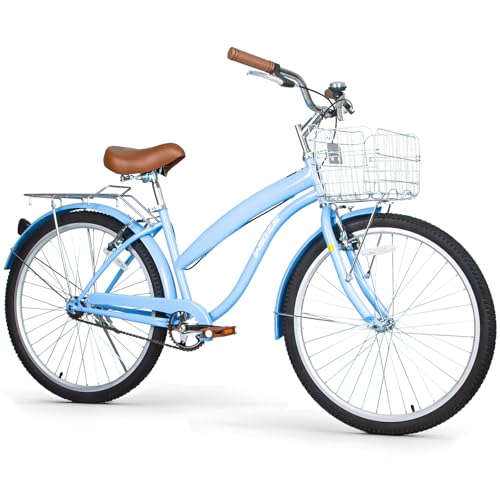
WEIZE Beach Cruiser Bike 26 inch
Strengths
- Comfortable upright design
- Fenders and basket included
- Low step-through frame
Trade-offs
- 275 lb weight limit
- Not for trails or hills
- Basic braking system
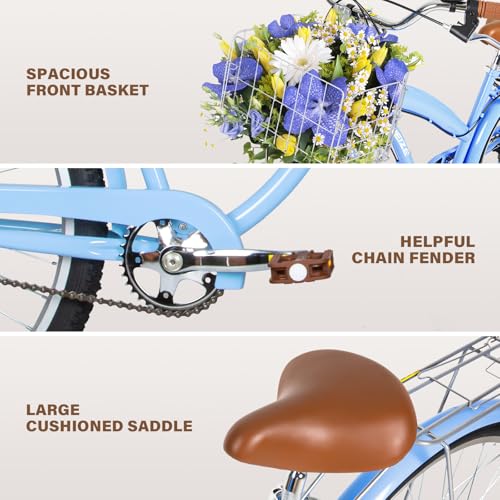
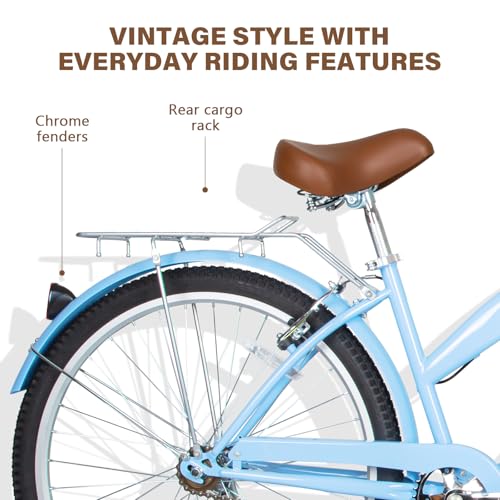
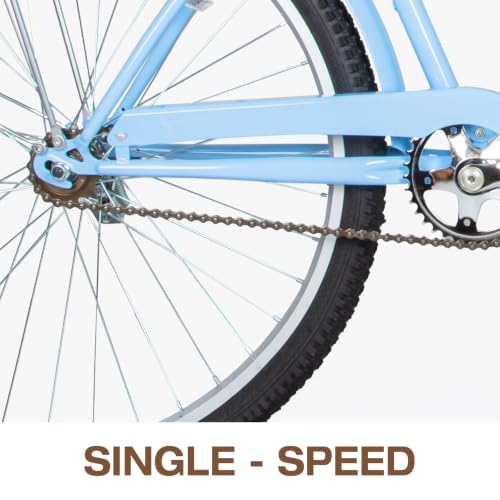
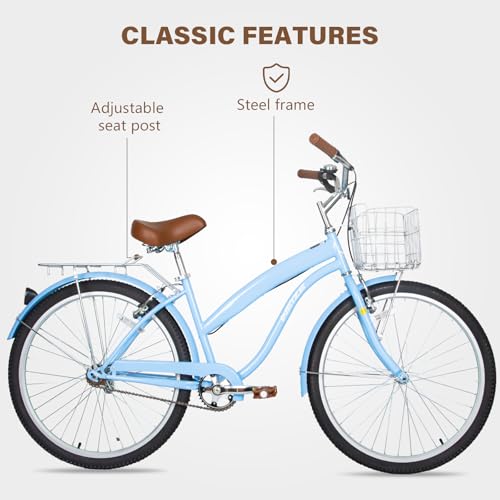
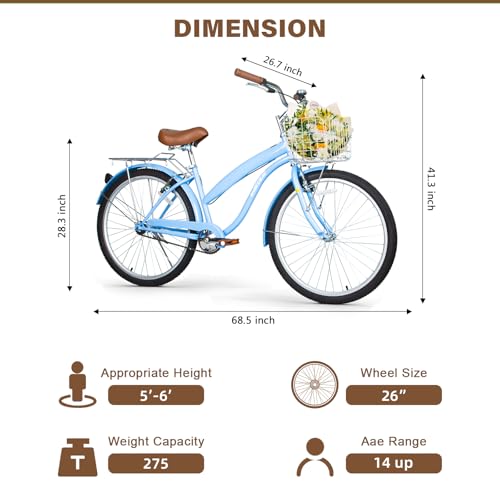
The WEIZE cruiser isn’t built for speed or trails, it’s built for comfort and utility, and it nails that mission. The upright riding position, soft seat, and forward-pedaling design reduce back and shoulder strain, which is a real benefit for larger riders who may struggle with traditional postures. The fenders, rear rack, and front basket make it perfect for errands, and the 275-pound weight limit is clearly stated, which builds trust.
But make no mistake: this is a city bike, not a mountain or fitness machine. The high-carbon steel frame is durable but heavy, and the single-speed drivetrain (implied by lack of gears in features) limits versatility. Owners love it for short commutes and neighborhood rides, but it’s not for climbing hills or off-roading. If you want a comfortable, practical ride for daily urban use and weigh under 275 lbs, this is a standout.
Product photos
AVASTA 26 Inch Mountain Bike MTB

Strengths
- Aluminum alloy frame
- Switchable suspension
- Quick-release wheels
Trade-offs
- Lower weight limit (~300 lbs)
- Basic stock seat
- Narrower tires
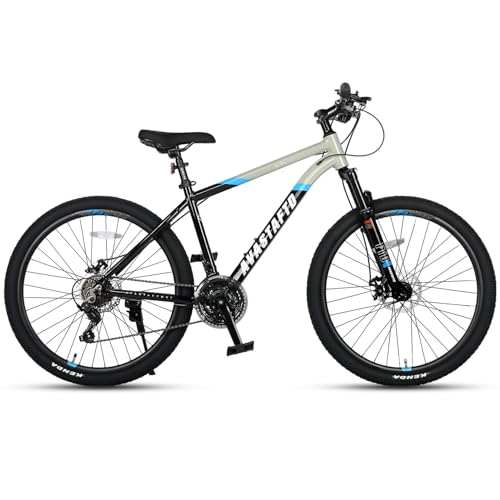
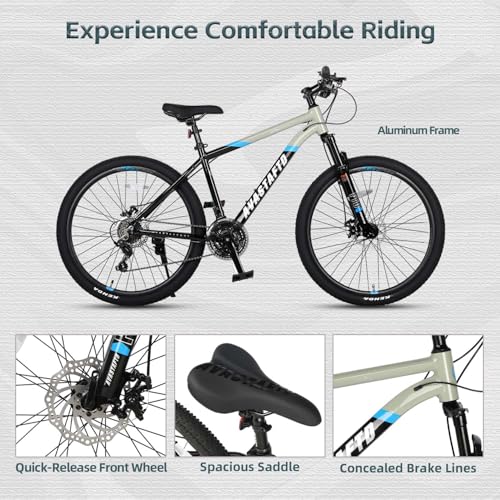
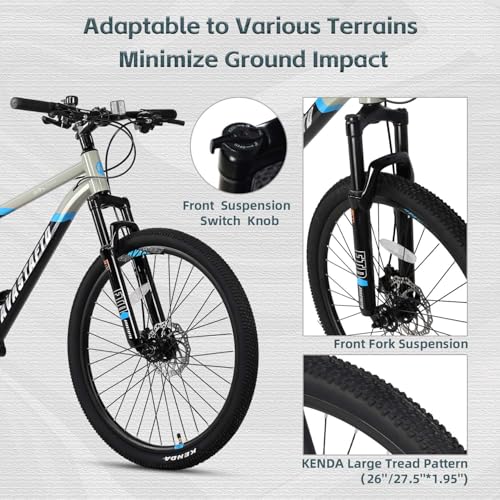
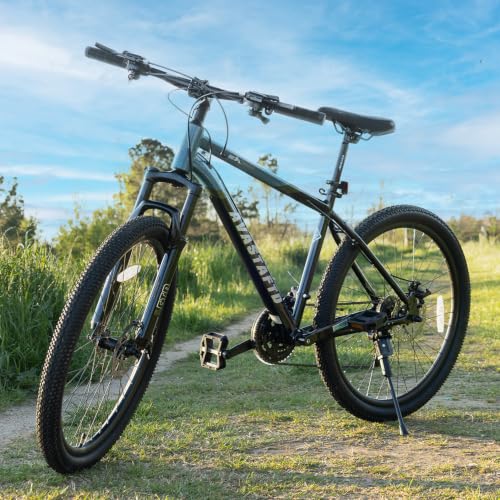
The AVASTA stands out in a sea of steel-framed bikes by going the aluminum alloy route, which immediately cuts weight and improves ride feel, especially noticeable when climbing or accelerating. For heavier riders who still want responsiveness, that’s a big win. The switchable suspension fork is a thoughtful touch; lock it out on pavement for efficiency, unlock it on trails for comfort. It’s not the strongest frame for 350+ lbs, but for riders under 300, it strikes a great balance between durability and nimbleness.
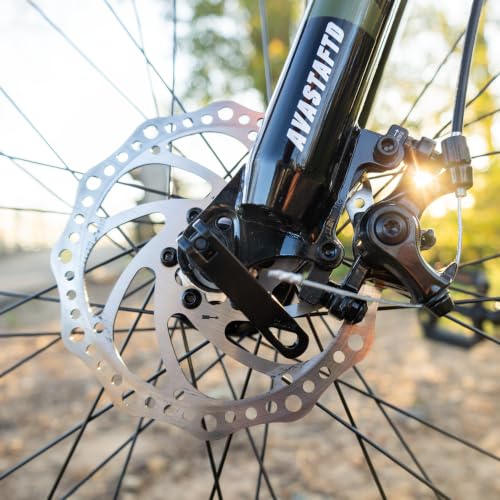
The 21-speed drivetrain and disc brakes are standard fare, but the quick-release wheels and optional tire sizes add real versatility. You can run slimmer 1.95-inch tires for city commuting or swap to 27.5-inch for better rollover on rough paths. Owners praise its smooth assembly and reliable performance, though a few note the seat comfort could be better straight out of the box. I’d pick this over steel frames if you value a lighter ride and don’t need extreme weight capacity.
Product photos
How We Evaluated bikes for heavy people
My research into bikes for heavy people began with a detailed comparison of published specifications and features across numerous models. I weighed those technical details against owner reviews from major retailers and insights from established cycling publications. Rather than a hands-on lab test, this is a research-led comparison of specs and owner feedback, informed by years of observing bicycle design and construction. Ultimately, I ranked these bikes based on how well they addressed the specific needs of larger riders.
For this category, weight capacity and frame construction were paramount. A bike’s ability to safely and comfortably support a heavier rider is, of course, critical. Beyond that, I focused on the quality of the suspension and braking systems – features that directly impact control and rider confidence. You’ll find many options claiming suitability, but true durability and a smooth ride depend on these core components. If you’re also looking for indoor options, check out our guide to stationary bikes for heavy riders.
Specifications reliably reveal a bike’s stated weight capacity, gearing range, and braking type. However, real-world performance and long-term reliability are best assessed through owner feedback. I paid close attention to comments regarding frame stiffness, component durability, and overall ride comfort. Reputation matters – brands known for quality control generally offer a more consistent experience, and I considered that when evaluating less familiar names. For more options, see our thorough look at bikes for overweight people.
How To Pick The Right bikes for heavy people
Finding a bike that can comfortably and safely handle a larger rider isn’t as simple as just looking at the weight limit. It requires a bit of understanding of frame geometry, component strength, and what features really contribute to a stable, enjoyable ride.
A good bike for a heavier rider prioritizes a robust frame – typically high-carbon steel or aluminum alloy – with a higher weight capacity (300lbs+ is a good starting point). Look for reinforced spokes, quality brakes (disc brakes are preferable), and wider tires (2.0” or greater) for enhanced stability and traction. Suspension is a plus for comfort, but durability is paramount.
Frame Material and Weight Capacity
The frame is where you want to start. High-carbon steel is a common choice because of its strength and relative affordability, but aluminum alloy offers a significant weight reduction without sacrificing too much durability. Don’t automatically dismiss steel, though; a well-built steel frame can be incredibly reliable. More important than the material itself is the stated weight capacity. Always err on the side of caution and choose a bike with a capacity well above your weight. A bike constantly stressed near its limit won’t last, and it won’t ride well.
Gearing and Braking Power
Many bikes marketed to heavier riders emphasize the number of gears (21-speed is very common), but the quality of the components matters more. A smoother, more precise shifting experience comes from a well-maintained drivetrain, regardless of the number of speeds. More crucial is the braking system. V-brakes can work, but disc brakes – mechanical or hydraulic – provide significantly more stopping power, especially in wet or muddy conditions. They also tend to maintain consistent performance better over time and with heavier loads. If you’re considering venturing off-road or often ride in inclement weather, disc brakes are a must.
Tire Width and Suspension
Wider tires (4” fat tires or at least 2.35” on a standard mountain bike) dramatically improve stability and traction. This is especially important for larger riders who need a more planted feel. Think of it like a wider base for a building – it’s less likely to tip over. Suspension is a matter of preference and riding style. A front suspension fork can absorb bumps and improve comfort, but it also adds weight and complexity. For primarily road or smooth-trail riding, you might not need it. However, if you plan on tackling rough terrain, a quality suspension fork is a worthwhile investment.
- Consider a bike with a low step-over height. This makes mounting and dismounting much easier, particularly if flexibility is a concern.
- Look for reinforced wheels. Standard bicycle wheels may not hold up to the added stress of a heavier rider. Bikes designed for heavier individuals often feature thicker spokes and stronger rims.
- Don’t overlook the saddle. A wider, well-padded saddle is essential for comfort on longer rides. Some riders might even benefit from a saddle designed specifically for larger builds.
A bike that feels solid and stable under you is far more important than flashy features. Prioritize a robust frame, reliable brakes, and tires that offer plenty of grip.
For those looking for alternative options, exploring electric bikes for heavy adults can provide an added boost, making hills and longer distances more manageable. Or, if you’re seeking a low-impact workout, you might find recumbent bikes for heavy person a comfortable and effective choice.
Bikes for Heavy People Compared
Here’s a comparison of specifications for bikes designed to accommodate heavier riders.
| Product Title | Weight Capacity (lbs) | Rider Height Range | Frame Material | Speeds | Tire Width (in) |
|---|---|---|---|---|---|
| Max4out 26 Inch Fat Tire Mountain Bike | 400 | 5’5″ – 7’1″ | High-Carbon Steel | 21 | 4 |
| MarKnig 26 inch Fat Tire Mountain Bike | 440 | 5’5″ – 7’3″ | High-Carbon Steel | 21 | 4 |
| Outroad Fat Tire Mountain Bike 26 inch | N/A | N/A | High-Carbon Steel | 21 | 4 |
| Incbruce 26 Inch Fat Tire Mountain Bike | N/A | N/A | High-Carbon Steel | 21 | 4 |
| Schwinn High Timber ALX Mountain Bike | N/A | 5’4″ – 6’2″ | Aluminum | N/A | N/A |
| Brightpeak 26 Inch Mountain Bike | 330 | 5’2″ – 6’2″ | High-Carbon Steel | 7 | N/A |
| WEIZE Beach Cruiser Bike 26 inch | 275 | 5’1″ – 6’1″ | High-Carbon Steel | N/A | N/A |
| AVASTA 26 Inch Mountain Bike MTB | N/A | N/A | Aluminum Alloy | 21 | 1.95 |
Frequently Asked Questions
What’s the most important feature in a bike for a heavier rider?
A robust frame with a high weight capacity is the most critical feature. Look for bikes with a stated limit at least 50lbs over your weight to avoid stressing the frame and components.
Are aluminum frames as good as steel frames for larger riders?
Aluminum frames offer a weight advantage, but a well-constructed steel frame can be just as reliable and often more affordable. Prioritize the stated weight capacity over the material itself when selecting a bike for heavier riders.
Do I really need disc brakes on a bike for heavier use?
Yes, disc brakes provide significantly more stopping power and consistent performance, especially when carrying extra weight or riding in varied conditions than traditional v-brakes. They are a worthwhile investment for safety and control.
What tire width should I look for?
Wider tires (2.0 inches or greater, and even up to 4 inches for fat tire bikes) provide greater stability and traction. This is especially important for larger riders who benefit from a more planted feel while riding, and you can find bikes for heavy guys that prioritize this feature.
Is suspension necessary, or is it just for off-road riding?
Suspension primarily enhances comfort on rough terrain, but it adds weight and complexity. If you plan to stick to paved roads or smooth trails, you might not need it, but if you’re seeking best mountain bikes for more challenging conditions, a quality suspension fork is a good idea.
The Bottom Line
Choosing a bike really comes down to balancing confidence with convenience. You can chase the absolute strongest frame and highest weight capacity, or you can prioritize features like ease of use and comfort. For the best overall combination of durability, value, and rider comfort, I recommend the Max4out 26 Inch Fat Tire Mountain Bike – it hits a sweet spot for many riders.
If you’re on a tighter budget, the Brightpeak 26 Inch Mountain Bike offers a solid entry point. For those wanting versatility and don’t mind spending a bit more, explore best hybrid bikes – these are good for both roads and light trails. And for riders needing maximum stability, the MarKnig 26 inch Fat Tire Mountain Bike with its extra-wide tires is an excellent choice.
Ultimately, the specs on paper matter less than how a bike feels beneath you. Prioritize a frame that inspires confidence, brakes you can trust, and tires that provide a secure grip. Don’t get caught up in chasing the highest number of gears or the lightest weight; focus on finding a bike that fits your body and your riding style, and that’s built to handle the load safely and reliably.
