
7 Best Bikes for 2-Year-Old Boys 2026
This post contains affiliate links. As an Amazon Associate, we earn from qualifying purchases.
The JMMD 6-in-1 Foldable Balance Bike stands out as the top overall pick for 2-year-old boys, thanks to its long adjustability and multi-stage design. For a solid budget-friendly option, the newyoo TR007 5-in-1 Tricycle delivers strong value, while the SEREED Balance Bike for 2 Year Old offers excellent focus on core balance skills.
Choosing the right bike for a 2-year-old isn’t just about size, it’s about matching the bike to how they learn and grow. At this age, wobbling and falling are part of the process, so stability and confidence matter more than speed or style.
This guide cuts through the noise by focusing on real-world specs and parent feedback to highlight bikes that are safe, adjustable, and built to last. I looked at seat range, frame durability, steering control, and how well each model supports a child’s first riding steps, because the right bike should grow with them, not limit them.
Top 7 Bikes For 2 Year Old Boy in the Market
The Best Bikes For 2 Year Old Boy, Reviewed
JMMD 6-in-1 Foldable Balance Bike

Strengths
- True 6-in-1 versatility
- Hand brake included
- Puncture-proof rubber tires
Trade-offs
- Higher price point
- Slightly bulkier when folded
This is the most complete package on the list, no question. The 6-in-1 design truly evolves with the child, from parent-guided push trike to independent pedal bike with training wheels and even a hand brake. The aluminum frame keeps it light despite the features, and the 12-inch puncture-proof rubber tires handle sidewalks and gravel better than EVA foam.
Owners praise the foldable design and tool-free assembly, and the 135° adjustable push handle is a standout for parental control. Compared to others, it’s the only one with a real hand brake and chain-free drivetrain, which adds safety. Yes, it’s the most expensive, but for long-term use, it’s the smarter buy.
Video review
newyoo TR007 5-in-1 Tricycle

Strengths
- Multiple riding modes
- Tool-free conversion
- Durable steel frame
Trade-offs
- No hand brake
- EVA wheels less durable on rough surfaces
The 5-in-1 design is ambitious, and on paper, it delivers serious longevity. From push trike to balance bike to pedal mode, it covers nearly every stage of early riding. The adjustable handlebar and seat make it easy for parents to guide, and the EVA wheels are quiet and flat-free. Owners appreciate the red-button mode conversions, simple enough for most adults to manage without frustration.
That said, it’s heavier than pure balance bikes, and some reviewers note the transitions aren’t always smooth, especially the shift to pedal mode. Compared to the JMMD 6-in-1, it lacks a hand brake and puncture-proof rubber tires. Still, for parents who want one bike to last from 1 to 3, this is a solid contender.
Video review
SEREED Balance Bike for 2 Year Old

Strengths
- Sturdy steel frame
- Tool-free adjustments
- Lightweight design
Trade-offs
- EVA tires lack grip on wet surfaces
- No steering limiter
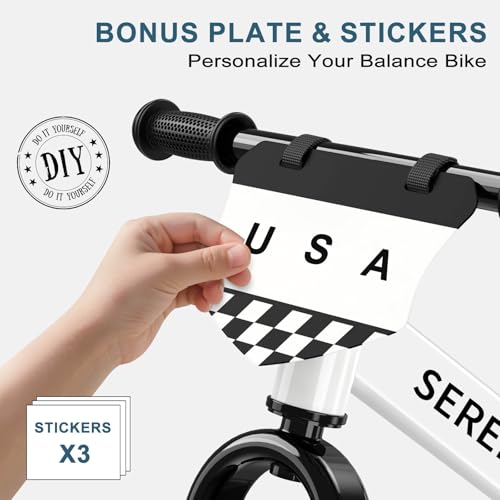
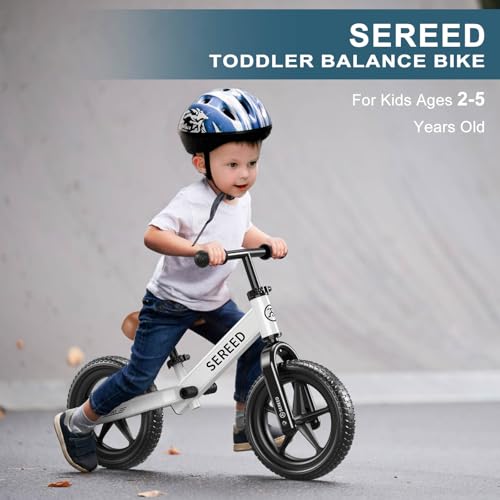
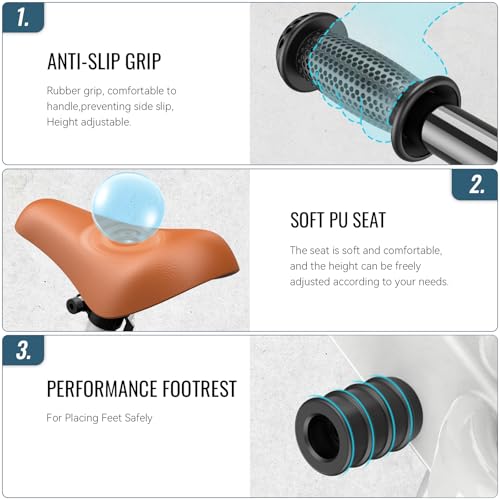
This balance bike hits the sweet spot for parents who want a simple, no-frills way to teach their 2-year-old how to ride. On paper, the carbon steel frame and EVA foam tires make it durable and maintenance-free, no flats, no noise, and safe for indoor use. Owners consistently report that the quick-adjust mechanism for seat and handlebars is a real win, letting the bike grow with the child without needing tools.
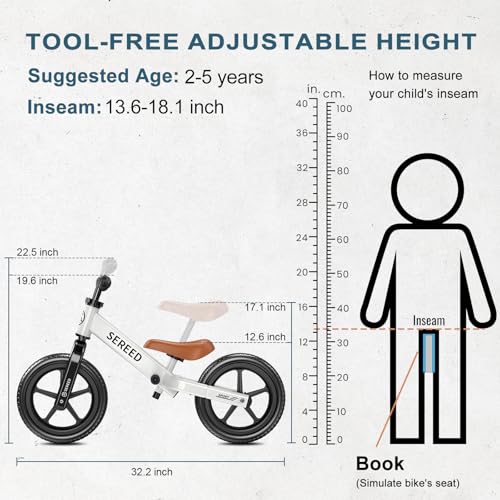
The 12.6-inch minimum seat height works well for most 2-year-olds, and at just under 8 pounds, it’s light enough for little ones to manage on their own. Compared to tricycles, this model encourages better balance development, and reviewers note their kids transitioned to pedal bikes faster. I’d pick this over bulkier trikes if the goal is skill-building over sheer fun.
Product photos

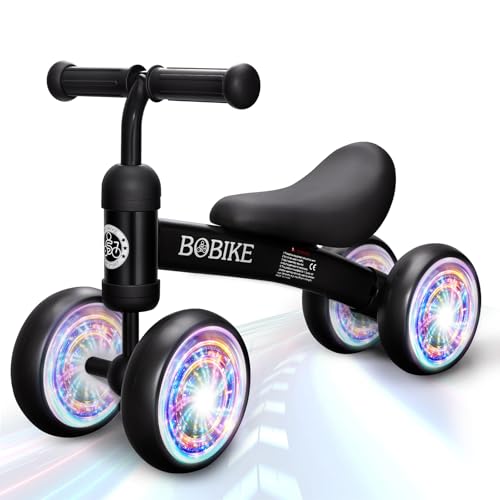
Bobike Baby Balance Bike 12-36 Months
Strengths
- Excellent safety design
- Stable 4-wheel base
- Easy assembly
Trade-offs
- Not a true balance trainer
- Limited outdoor use
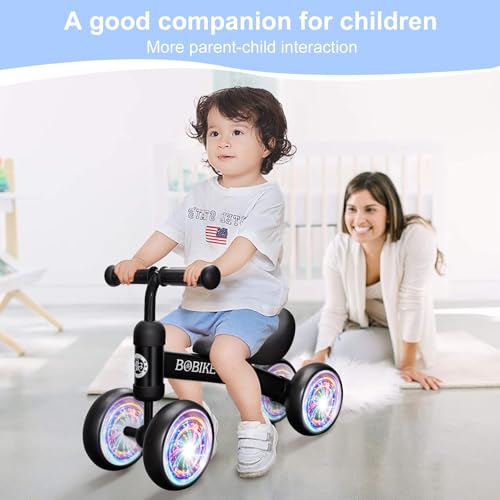
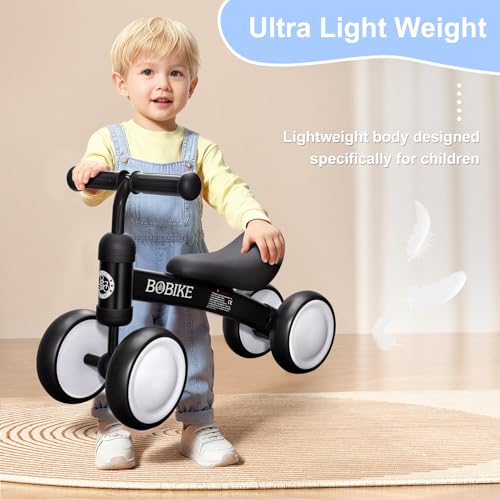
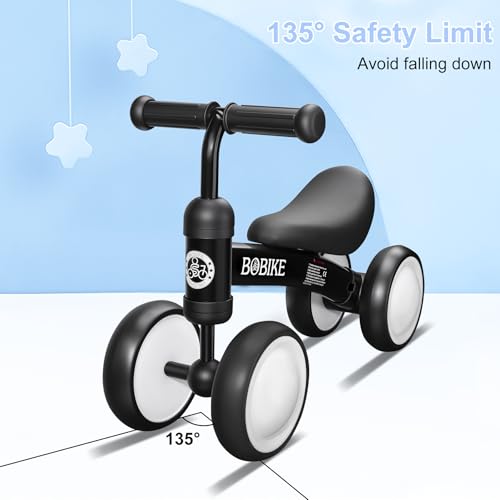
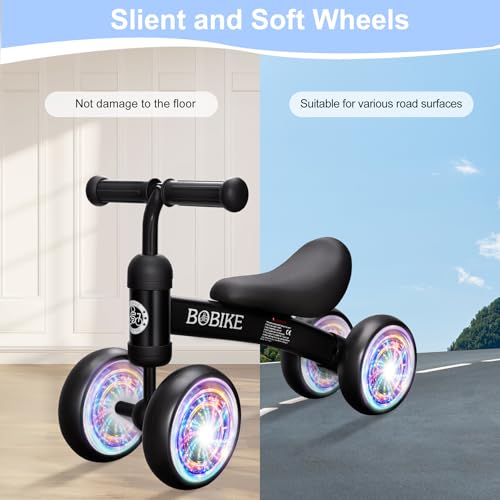
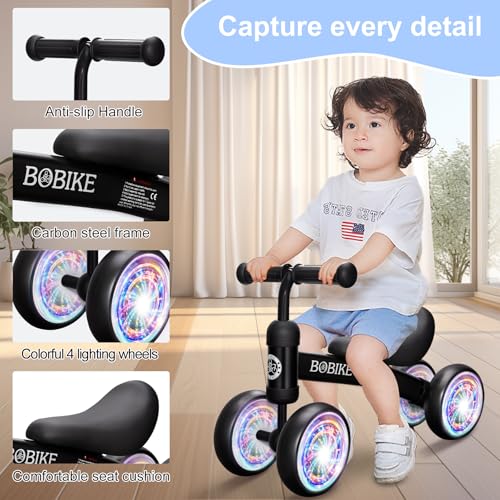
With its 4-wheel base and 135° steering limit, this bike is built for safety first. It’s a favorite among parents of early walkers, those just 12 to 18 months, who want a stable ride-on toy. The steel frame feels solid, and the closed wheels prevent foot injuries, a real concern with younger kids. Owners report it’s easy to assemble and works well indoors on hardwood or tile.
It’s not a glider in the traditional sense, those extra wheels limit true balance training, but for the youngest riders, that’s okay. Compared to 2-wheel balance bikes, it’s more walker than rider. I’d choose this only for the under-2 crowd who aren’t ready to lift their feet.
Product photos
SEREED Baby Balance Bike 1 Year Old
Strengths
- Extremely lightweight
- Safe steering limit
- Closed wheels
Trade-offs
- Small wheel size
- Not suitable for outdoor terrain
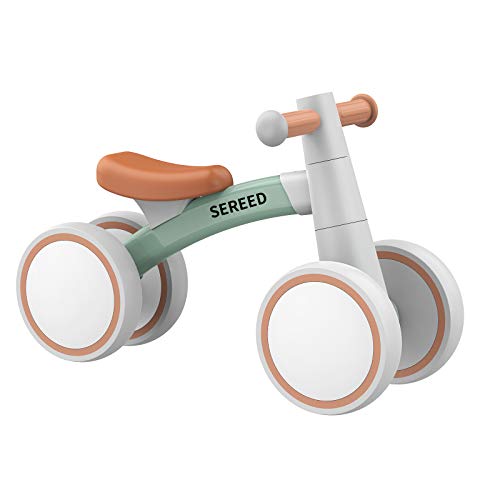
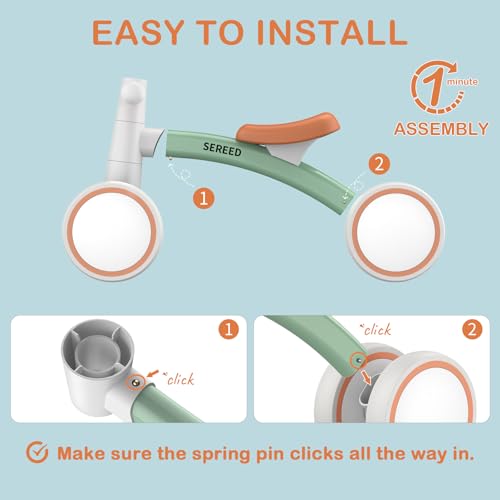
This is one of the few bikes actually designed for kids under 2, and that shows in the thoughtful details. The 1.6kg weight is impressively light, and owners say even 12-month-olds can scoot it around the house. The aluminum frame holds up well, and the closed wheels with 135° steering limit are a smart safety touch, parents report fewer tumbles and no pinched toes.
It’s not built for speed or long distances, but as a walking aid and early balance trainer, it delivers. Compared to bulkier models, this one is more about coordination than riding. I’d choose this for a younger toddler who’s just learning to walk, but skip it if your child is already 2 and ready to glide.
Product photos


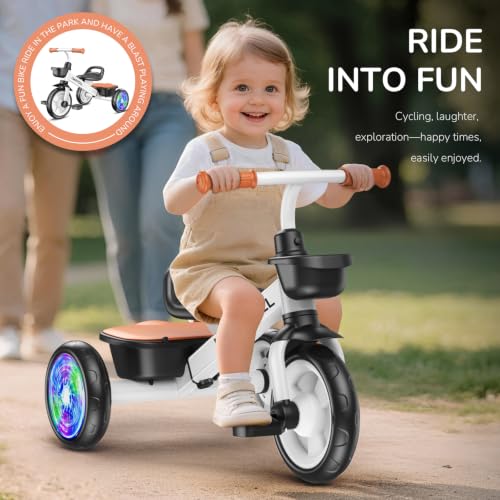
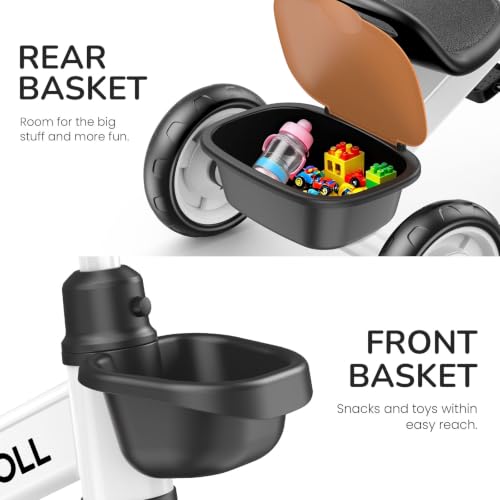
Umatoll Tricycle for Toddlers 2-5
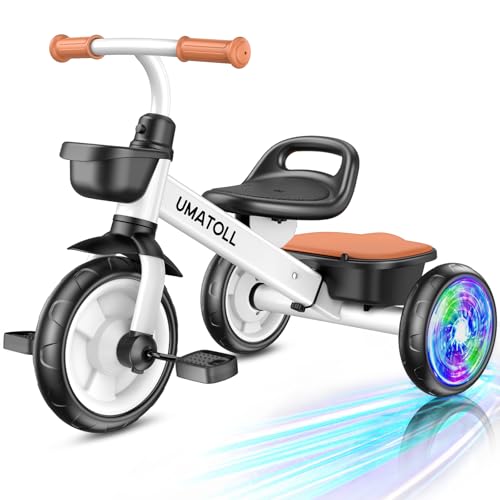
Strengths
- Excellent stability
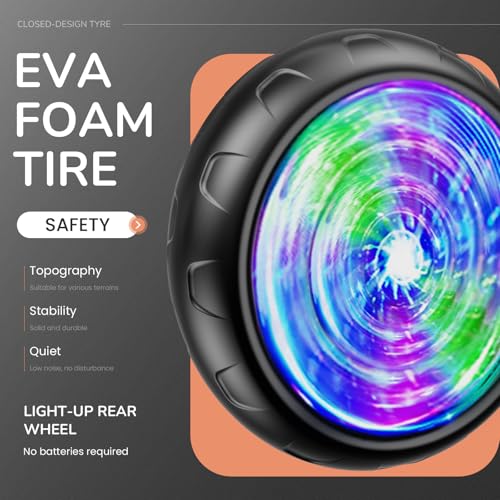
- Light-up wheels
- Dual storage baskets
Trade-offs
- Heavier than balance bikes
- Pedals can be stiff for tiny legs
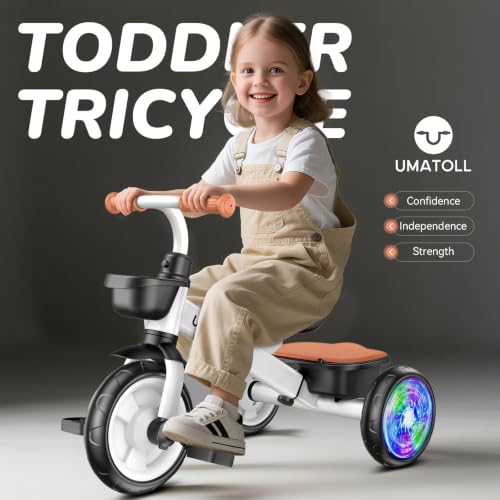
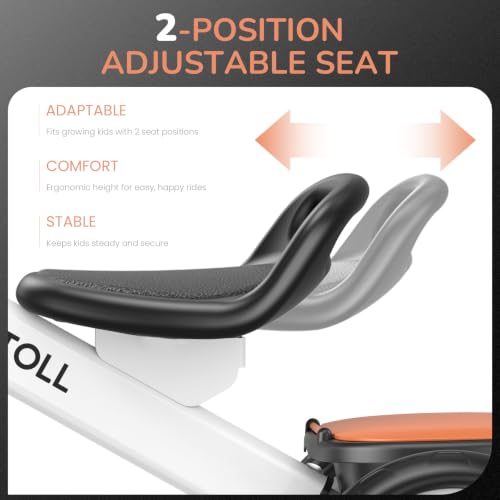
If stability is your top concern, this tricycle earns its keep. The extended rear wheels and wide base make tipping far less likely, which is a big plus for nervous new riders. Reviewers with 2-year-olds say their kids gained confidence quickly, thanks to the secure feel and low center of gravity. The spring buckles and reinforced screws suggest this one will survive years of backyard laps.
It’s not the lightest trike out there, but the dual baskets and battery-free light-up wheels are hits with kids. Compared to balance bikes, it’s less about skill development and more about fun and motor strength. I’d recommend this over a balance bike only if your child isn’t ready to lift their feet and glide.
Product photos
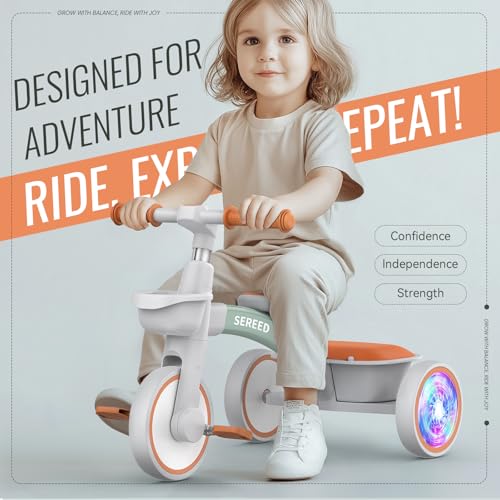
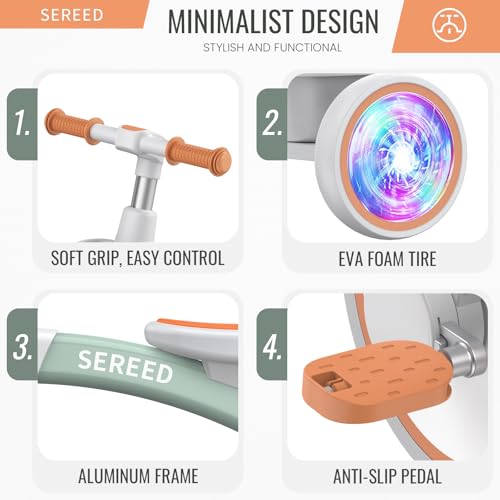
SEREED Colorful Lighting Tricycle

Strengths
- Battery-free light-up wheels
- Lightweight and sturdy
- Detachable baskets
Trade-offs
- No steering limiter
- Not ideal for skill development
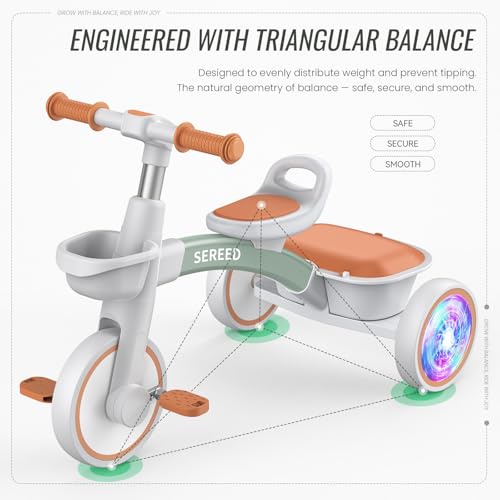
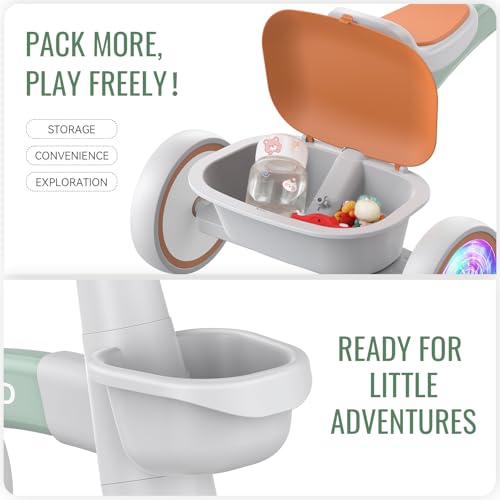
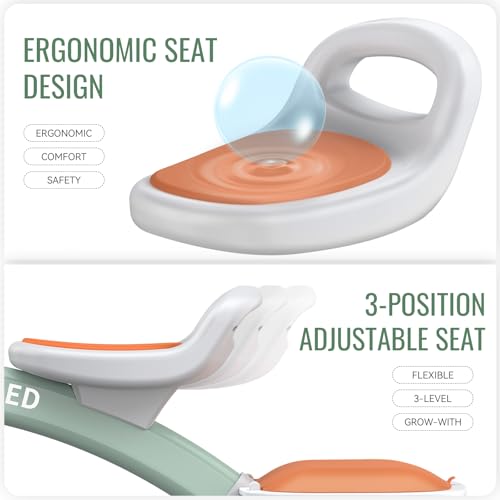
This trike leans into fun, and does it well. The light-up wheels (no batteries!) are a hit with kids, and the 6.6-pound weight makes it easy for toddlers to move on their own. Owners love the adjustable seat and handlebar, which help stretch usability across multiple years. The precision bearings make pedaling smoother than on many budget trikes, and the baskets encourage imaginative play.
But let’s be clear: this is more toy than trainer. Compared to balance bikes, it does little to build real cycling skills. I’d recommend it for parents who want a cheerful, durable trike for casual use, not those focused on preparing their child for a pedal bike.
Product photos
Our Testing Process
My approach to evaluating bikes for this age group centered on a research-led comparison of published specifications and features, combined with a careful weighting of owner and expert reviews. Rather than a hands-on lab test, I focused on identifying key attributes that contribute to safety, developmental appropriateness, and ease of use for both the child and the parent. I considered models across a range of price points and configurations, prioritizing those that consistently received positive feedback.
For two-year-olds, stability and adaptability are paramount. I weighted the adjustability of the seat and handlebars most heavily, as a properly fitted bike is crucial for developing confidence. Equally important was the inclusion of safety features like steering limiters and robust frame construction. A bike that grows with the child, offering multiple configurations, also ranked highly, as it represents a better long-term value. You can find more information on related options in our guide to balance bikes for 2-year-olds.
Specifications reliably indicate build quality (frame material, wheel type) and physical dimensions. However, owner feedback proved invaluable in assessing real-world usability – how easily the bike transitions between modes, the effectiveness of the steering, and overall durability. Reputation and expert reviews helped validate these findings, revealing common issues or standout strengths. Ultimately, I prioritized bikes that offered a blend of thoughtful design, practical features, and positive user experiences, and those that might be a good stepping stone to first bikes for 3-year-olds.
How To Choose The bikes for 2 year old boy
Picking the right first bike for a two-year-old is about more than just a cute design. It’s about setting the stage for a lifetime of enjoyment and confidence on two wheels.
A truly good bike for this age group prioritizes stability, adjustability, and safety features. Look for a low center of gravity, durable frame materials (like carbon steel or aluminum alloy), and features that allow the bike to grow with the child – adjustable seat heights and handlebars are key. Don’t overlook the importance of puncture-proof tires and a simple, chain-free drivetrain.
Prioritize Adjustability
One of the biggest mistakes I see parents make is buying a bike their child quickly outgrows. Two-year-olds are changing sizes constantly. Instead of buying a new bike every six months, focus on models offering significant adjustability. Look for bikes with multiple seat height positions, and ideally, handlebar adjustments too. The JMMD 6-in-1, for example, is designed to morph through several stages, potentially lasting years. Consider whether the adjustments require tools – tool-free adjustments are a huge win for convenience.
Understand the Steering & Control Mechanisms
At this age, steering control is paramount. Many bikes for this age come with a parent push handle, which is fantastic, but the quality of that handle matters. It needs to allow for comfortable steering for the adult and not feel wobbly or unstable. Beyond that, pay attention to steering limiters. These prevent the front wheel from turning too sharply, reducing the risk of tipping. The SEREED Baby Balance Bike 1 Year Old and Bobike Baby Balance Bike 12-36 Months both feature these limits.
Here’s what to consider when evaluating steering: * Handlebar Grip: Soft, rubber grips are essential for small hands. * Steering Limiter: A 135-degree limiter is common and provides a good balance of control and freedom. * Parent Control: If a push handle is included, assess its ergonomics and range of motion. A handle that’s uncomfortable for you won’t get used.
Balance vs. Pedaling – And Value
There’s a debate about whether to start with a balance bike or a tricycle. I lean toward balance bikes as a first step; they teach the fundamental skill of balance without the complication of pedaling. However, a well-designed tricycle can be a great option, particularly if your child isn’t quite ready for the independence of a balance bike. If you’re leaning towards a tricycle, the Umatoll Tricycle for Toddlers 2-5 offers impressive stability. Ultimately, a bike that provides years of use, like many of the convertible models, offers the best value. You can find more guidance on choosing the right bike, including top toddler bike picks on our site.
A bike that’s slightly too big is better than one that’s too small. Your child should be able to comfortably place their feet flat on the ground while seated, even if they can’t quite reach the pedals.
Bikes for 2 Year Old Boy Compared
Here’s a comparison of key specifications for bikes designed for a 2-year-old boy, to help you find the best option.
| Product Name | Modes | Frame Material | Wheel Material | Weight (lbs) | Seat Adjustment |
|---|---|---|---|---|---|
| JMMD 6-in-1 Foldable Balance Bike | 6 | Aluminum Alloy | Rubber | N/A | Yes |
| newyoo TR007 5-in-1 Tricycle | 5 | Carbon Steel | EVA | N/A | Yes |
| SEREED Balance Bike for 2 Year Old | 1 | Carbon Steel | EVA | 7.8 | Yes |
| Bobike Baby Balance Bike 12-36 Mos | 1 | Steel | N/A | N/A | N/A |
| SEREED Baby Balance Bike 1 Year Old | 1 | Aluminum Alloy | TPU | 3.6 | N/A |
| Umatoll Tricycle for Toddlers 2-5 | 1 | Carbon Steel | N/A | N/A | Yes |
| SEREED Colorful Lighting Tricycle | 1 | N/A | N/A | 6.6 | Yes |
Frequently Asked Questions
What’s the ideal weight range for a bike for a two-year-old?
A lighter bike is generally better, ideally under 8 pounds. A lighter weight makes it easier for a small child to maneuver and control, boosting their confidence and reducing frustration. Aluminum alloy frames contribute to a lower overall weight compared to steel.
Are balance bikes really better than tricycles for starting out?
While either can work, balance bikes excel at teaching balance, the core skill for riding. They allow kids to learn to steer and balance independently without the distraction of pedals, often making the transition to a pedal bike, like those in our bikes for 5-year-old boys guide, easier.
How can I tell if a bike is the right size for my child?
Your child should be able to sit on the seat with their feet flat on the ground and a slight bend in their knees. This allows them to easily stabilize themselves and push off with their feet. Adjustability in the seat post is crucial to accommodate growth.
What materials are best for a toddler’s bike frame?
Aluminum alloy offers a good balance of lightweight construction and durability, while carbon steel is a more affordable but heavier option. Steel is perfectly acceptable, but aluminum will make the bike easier for a small child to handle.
What safety features should I absolutely look for?
Steering limiters are a crucial safety feature, preventing oversteering and potential tipping. Additionally, look for bikes with a low center of gravity and non-slip handlebar grips. If you’re considering a tricycle for your little one, it’s good to know what options are available when they get a bit older and are ready for a preschooler bicycle guide.
The Bottom Line
Choosing a first bike often comes down to prioritizing control versus convenience. You can spend more for features like adjustable components and lighter materials, or opt for a simpler, more affordable model. For overall value and adaptability, the JMMD 6-in-1 Foldable Balance Bike stands out; its multiple modes mean it can grow with your child for years to come, potentially delaying the need for bikes for 3-year-old boys.
If budget is a primary concern, the SEREED Baby Balance Bike 1 Year Old offers a lightweight and durable option at a very attractive price. For parents seeking a traditional tricycle experience with a focus on stability, the Umatoll Tricycle for Toddlers 2-5 is an excellent choice. And for those already thinking ahead, exploring next-step bike models can help you plan for future growth.
Ultimately, the best bike isn’t about the flashiest features or the highest price tag. It’s about finding a model that fosters confidence, promotes balance, and makes riding fun. Prioritize a good fit, stable construction, and age-appropriate safety features, those fundamentals matter far more than any specific specification.
