
8 Best Bikepacking Tents for 2026
This post contains affiliate links. As an Amazon Associate, we earn from qualifying purchases.
The Big Agnes Copper Spur UL1 is the best overall bikepacking tent, offering an unmatched blend of light weight and livable space. For those on a tighter budget, the Naturehike Cloud-Up 2P delivers solid performance and includes a footprint. If you’re after top-tier durability with cycling-specific features, the MSR Hubba Hubba Bikepack is a strong contender.
Riding remote routes means your shelter has to be tough, compact, and easy to carry without slowing you down. Too many riders end up with tents that are either too bulky, too fragile, or a nightmare to set up after a long day in the saddle.
This guide cuts through the noise by focusing on real-world specs and feedback from riders who’ve logged miles with these tents. I looked at weight, pack size, fabric durability, and features that actually matter on a bike, so you can pick a tent that works as hard as you do.
Top 8 Bikepacking Tents in the Market
The Best Bikepacking Tents, Reviewed
Big Agnes Copper Spur UL1 Tent
Strengths
- Best weight-to-space ratio
- Excellent ventilation
- Durable, trail-ready build
Trade-offs
- Single door limits access
- Footprint sold separately
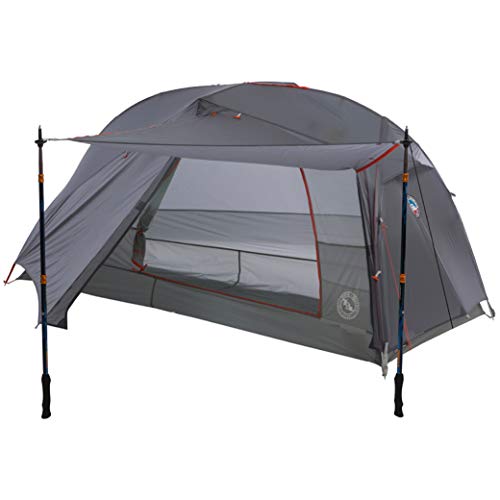
This is my pick for the best overall bikepacking tent, not because it’s the lightest or cheapest, but because it balances weight, livability, and reliability better than any other single-person shelter in the category. At 2 lb 5 oz, it’s impressively light, yet the high-volume hub design gives you real room to sit up, move gear around, and even crawl in dry during a downpour. The DAC poles and Dirt Dagger stakes are overbuilt in the best way, durable without adding bulk.
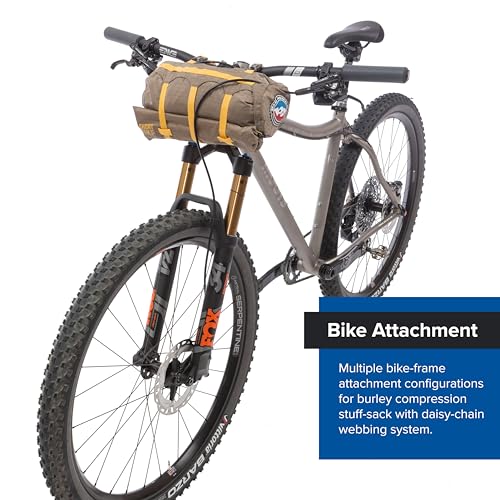
Owners love the color-coded buckles and helmet loops, and the bike-specific compression sack with daisy chains integrates flawlessly with frame bags. Compared to the UL2, you lose a door and some floor space, but for solo riders, that’s a fair trade. The ventilation works well, and the included rainfly sheds storms without flapping wildly. If you ride long miles and value a sanctuary at the end of the day, this is the smarter buy over heavier or flimsier options.
Video review
Big Agnes Copper Spur UL2 Tent
Strengths
- Exceptional interior volume
- Strong DAC poles
- Smart TipLok buckles
Trade-offs
- High price
- Footprint sold separately
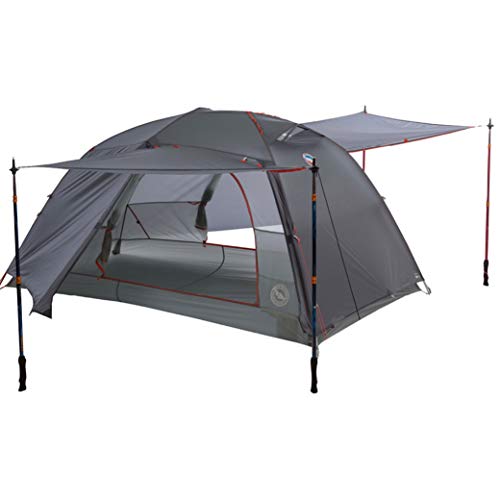
If you’re after the sweet spot between weight, space, and bike-friendly design, the Copper Spur HV UL2 is tough to beat. At 2 lb 15 oz, it’s light, but what sets it apart is the 4-way hub design that expands interior volume, owners consistently say it feels more spacious than other 2-person ultralights. The DAC Featherlite NSL poles are proven performers, and the Dirt Dagger UL stakes included are a rare win: lightweight and grippy in soft soil.
The TipLok buckle system simplifies setup, and the daisy-chain webbing makes it easy to strap the compression sack to a frame or fork. I’ve seen riders use it on everything from gravel grinders to mountain bike shuttles, and the ventilation, dual doors, fly vents, mesh ceilings, keeps condensation in check. It’s expensive, but this is one of those tents where the premium feels justified for two-up comfort on long tours.
Video review
MSR Hubba Hubba Bikepack Tent
Strengths
- Durable DuraShield coating
- Short-fold DAC poles
- Bike-specific handlebar bag
Trade-offs
- Heavy for ultralight backpackers
- No footprint included
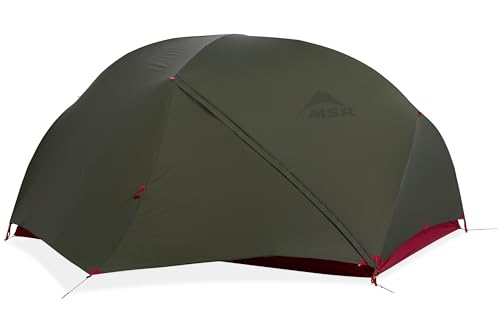
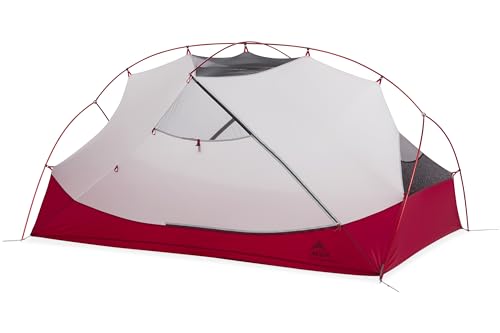
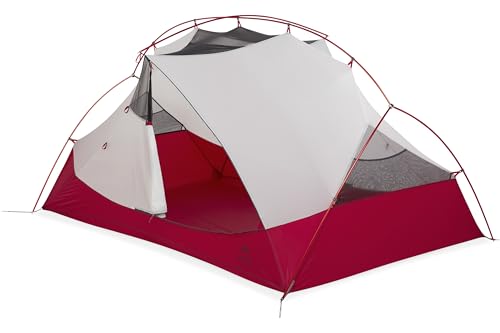
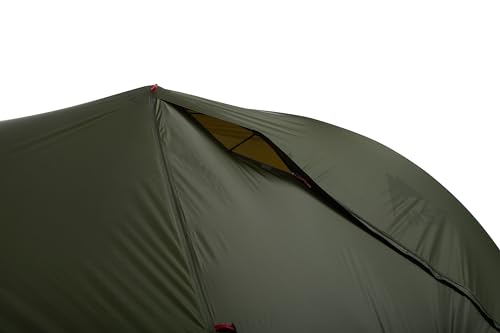
The MSR Hubba Hubba Bikepack stands out as a purpose-built shelter that takes a proven backpacking platform and refines it for bike-specific demands. On paper, its 3 lb 1 oz weight is respectable, but what really impresses is how thoughtfully it integrates with a bicycle setup. The included handlebar storage bag with spacers is a standout for cable clearance, and owners consistently report it stays secure even on rough terrain. The DAC poles folding short is a small detail that makes a big difference when you’re trying to stuff gear into tight frame bags.
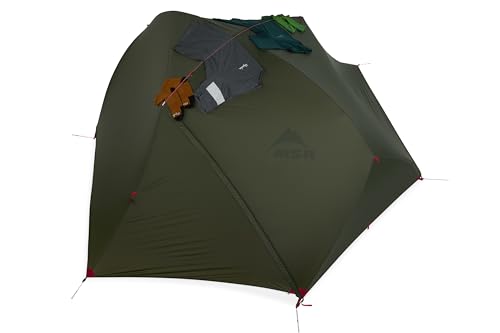
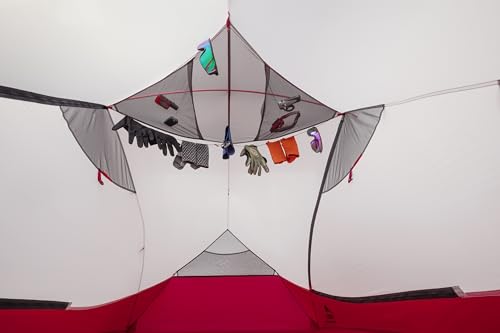
Ventilation and livability are strong here. The true rectangular floor plan gives more usable shoulder room than most ultralights, and the dual vestibules are large enough to stash muddy shoes and even a small bike bag. Reviewers note the internal clotheslines are underrated, perfect for drying gloves or socks after a damp ride. While it’s priced at the top end, it’s built to handle repeated shoulder-season abuse, which matters when you’re grinding through weeks of unpredictable weather.
Product photos
Big Agnes Tiger Wall UL2 Tent

Strengths
- Lightest Big Agnes 2P option
- UV-resistant fabric
- 3D gear shelf
Trade-offs
- Narrower floor plan
- Footprint sold separately
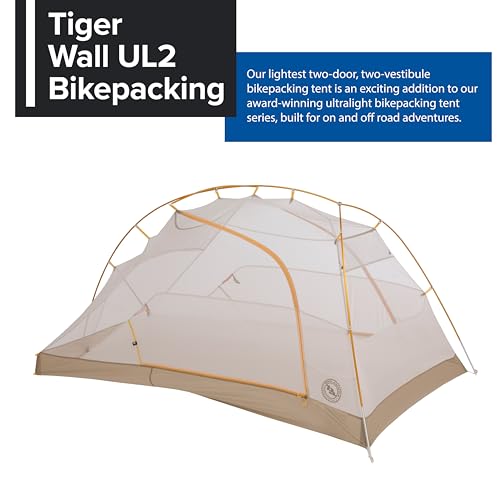
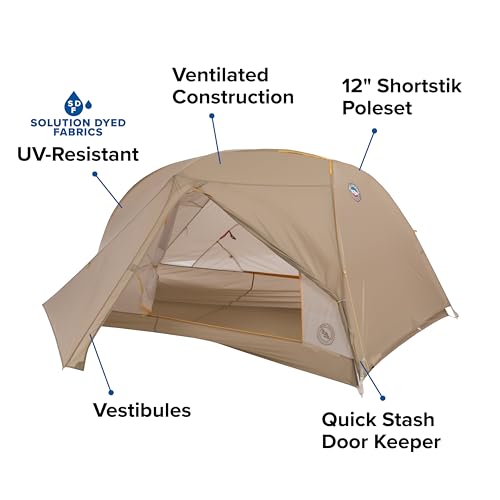
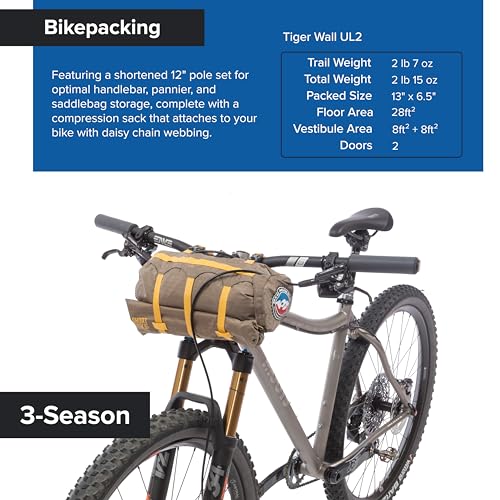
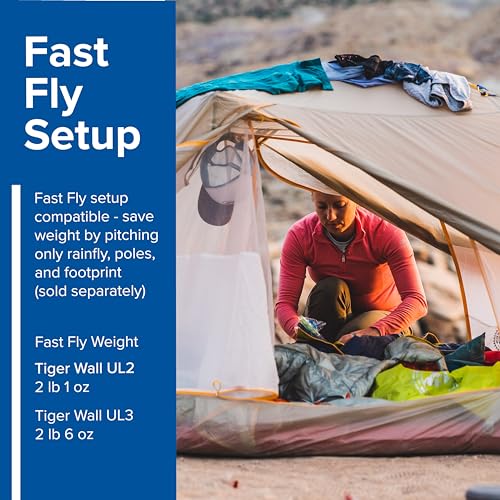
The Tiger Wall UL2 is Big Agnes’ lightest two-person bikepacking tent, and it shows in the details. At 2 lb 7 oz, it’s impressively svelte, and the solution-dyed fabric isn’t just a marketing gimmick, owners report less UV degradation after prolonged sun exposure, which matters on desert or high-altitude routes. The DAC NSL poles and Dirt Dagger stakes keep weight down without sacrificing stability, and the TipLok buckles make setup a one-person breeze.
What I like most is the 3D shelf above the feet, a clever use of dead space for stashing small items. The dual doors and vestibules are well-sized, and the helmet loop is a small touch that pays off after a long ride. Compared to the Copper Spur, it’s slightly narrower, but still comfortable for two. The price is steep, but if you’re counting ounces and riding for weeks, this is the kind of build that won’t let you down.
Product photos
Montiro Wander Hawk 1-2 Person Tent
Strengths
- Freestanding design
- Included footprint
- Good ventilation
Trade-offs
- Heavier than ultralights
- Handlebar bag not as refined
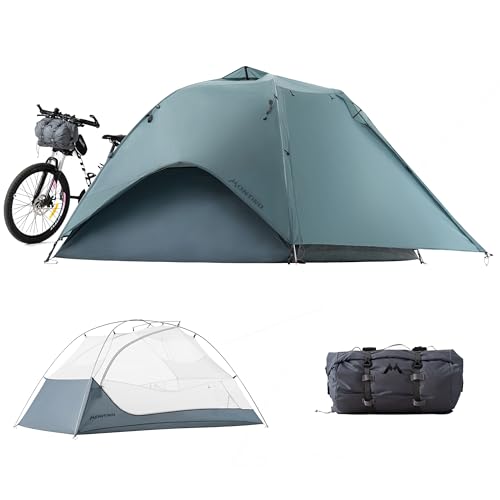
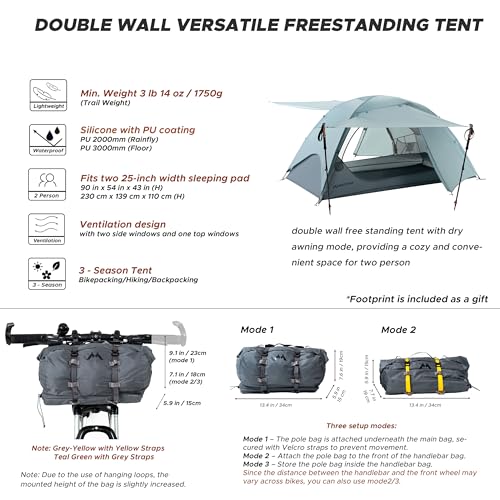
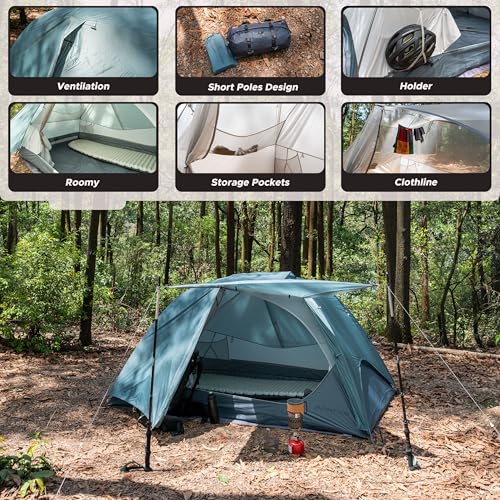
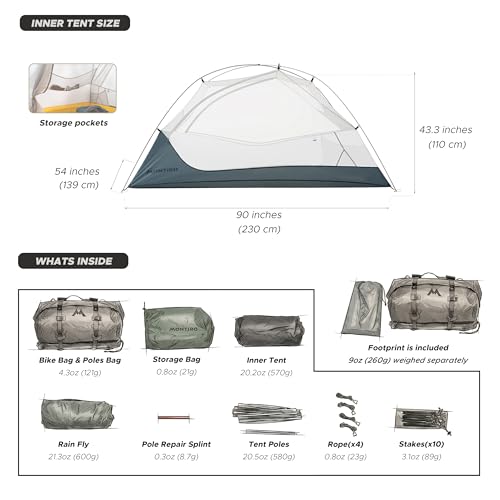
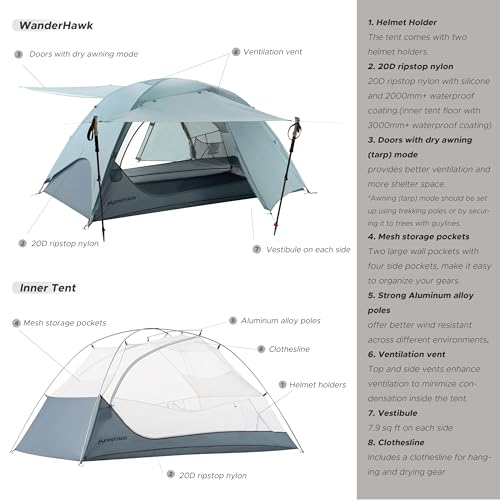
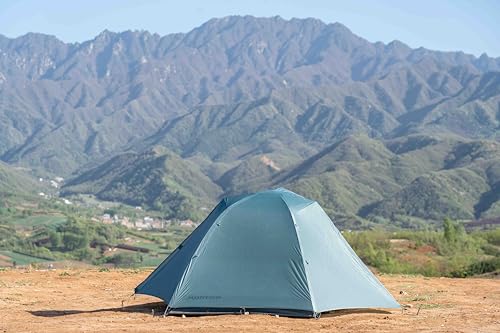
The Montiro Wander Hawk hits a sweet spot in value, under $210 but packing specs that rival tents twice its price. It’s one of the few in this range with a freestanding design, a 43-inch peak height, and a dedicated handlebar bag. Owners appreciate how stable it feels in wind, thanks to the 7001 aluminum poles and silicone-coated 20D nylon. The ventilation system, top and side vents, actually works, reducing condensation better than many budget models.
Where it really stands out is versatility. The included footprint adds floor protection without water pooling, and the helmet storage webbing is a thoughtful touch for riders. It’s not as light as the Big Agnes options, but at 3 lb 14 oz, it’s manageable. For riders who want a do-it-all shelter that works for bikepacking, hiking, and even car camping, this is the kind of tent that disappears into your kit without complaints.
Product photos
QEZER 2 Person Ultralight Tent
Strengths
- Low price point
- Lightweight for class
- Simple one-person setup
Trade-offs
- Zippers feel flimsy
- Moderate weather resistance
- Average ventilation
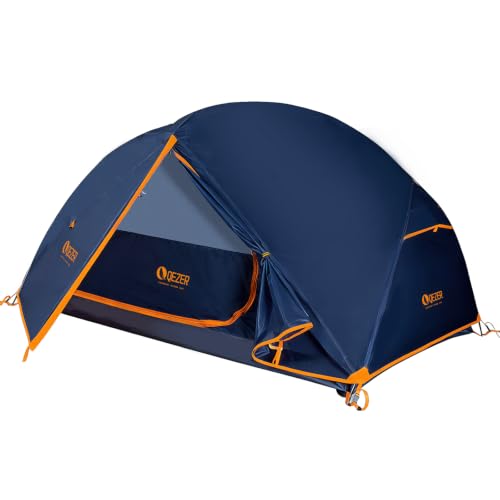
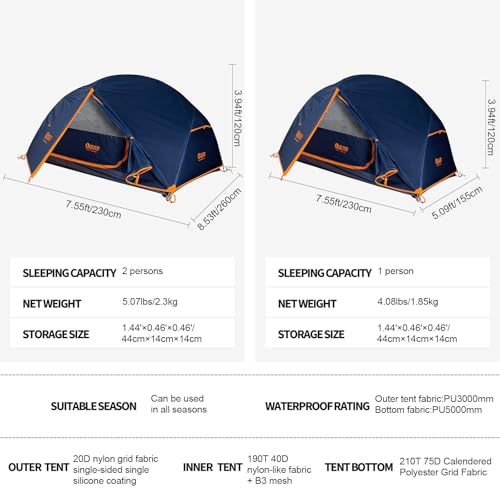
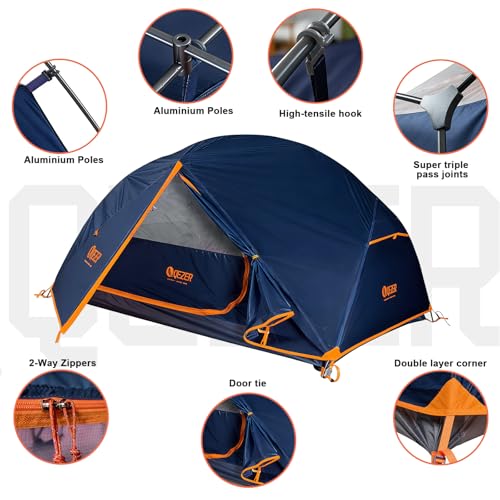
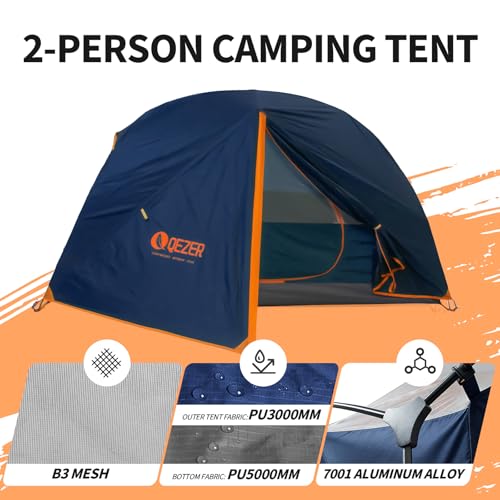
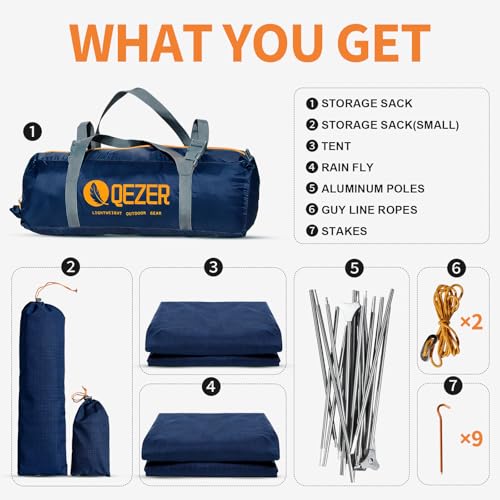
At this price, the QEZER tent delivers surprising specs on paper, 20D ripstop nylon with silicone coating, aluminum poles, and a sub-5.1 lb weight. For riders just getting into bikepacking or those on a tight budget, it checks a lot of boxes. The color-block design does help with visibility at camp, and owners say setup is genuinely straightforward, even for beginners. But when you compare feedback across forums, there’s a pattern: long-term durability raises questions.
The 7001 aluminum poles are solid in theory, but several reviewers mention flex under wind load, and the SBS zippers, while functional, don’t inspire confidence for heavy use. It’s spacious for two in fair weather, but the ventilation setup isn’t as effective in humid conditions, leading to noticeable condensation. I’d recommend this as a fair-weather learner’s tent or a solo backup, but not for extended trips in variable climates.
Product photos
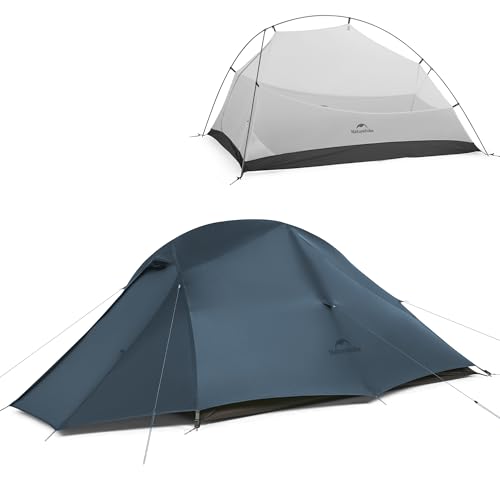
Naturehike Cloud-Up 2 Person Tent
Strengths
- Footprint included
- Good ventilation
- Freestanding setup
Trade-offs
- Not true ultralight
- Zippers could be sturdier
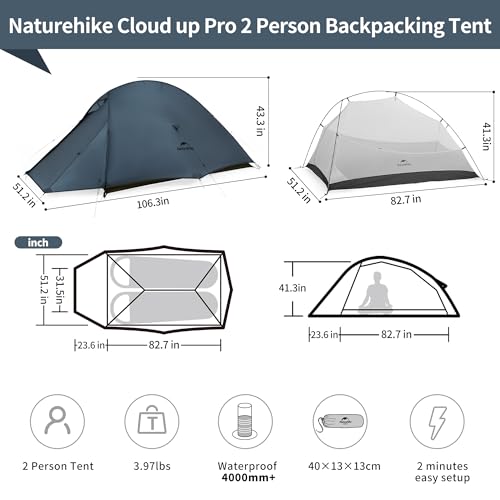
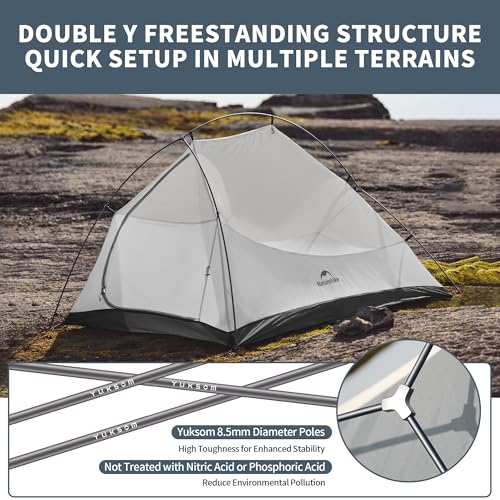
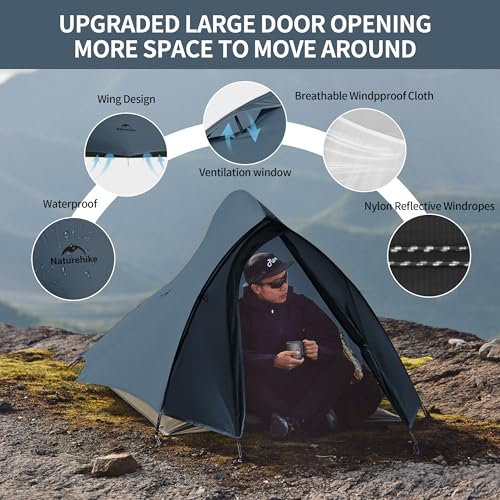
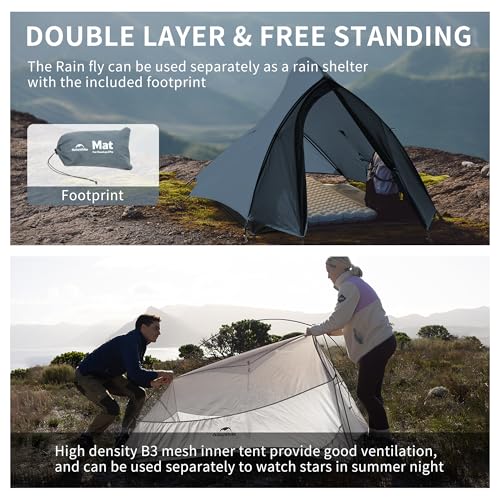
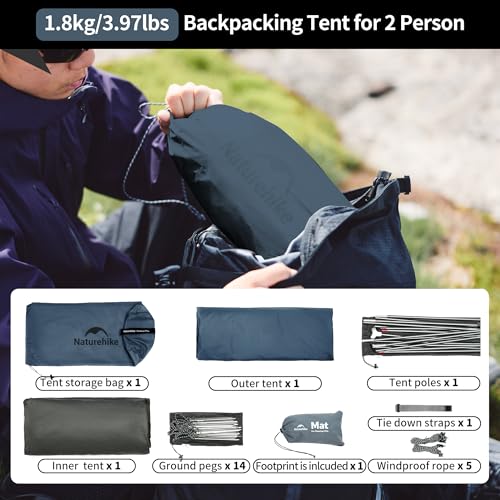
The Naturehike Cloud-Up 2 stands out in a crowded field by including a footprint, rare at this price, and delivering solid performance for under $160. At 3.97 lbs, it’s not ultralight, but it’s light enough for most riders, and the 20D silicone-coated nylon holds up well in rain. Owners consistently praise the upgraded front door and added ventilation window, which cut down on condensation compared to earlier models. The PU4000mm rating means it handles storms without leaking, and the 7001 aluminum poles offer decent rigidity.
Setup is intuitive, and the freestanding design makes it easy to pitch on uneven or rocky ground. Compared to the QEZER or Clostnature, it feels more refined, better stitching, smoother zippers, and a roomier 41.3-inch head height. For solo riders with gear or casual pairs, it’s a smart middle ground. My recommendation: pair it with a groundsheet if you’re on abrasive terrain, but otherwise, it’s a solid performer for the money.
Product photos
Clostnature 2 Person Lightweight Tent

Strengths
- Very affordable
- Freestanding setup
- Good rain protection on paper
Trade-offs
- Heavier than claimed
- Seams may leak over time
- Not truly ultralight
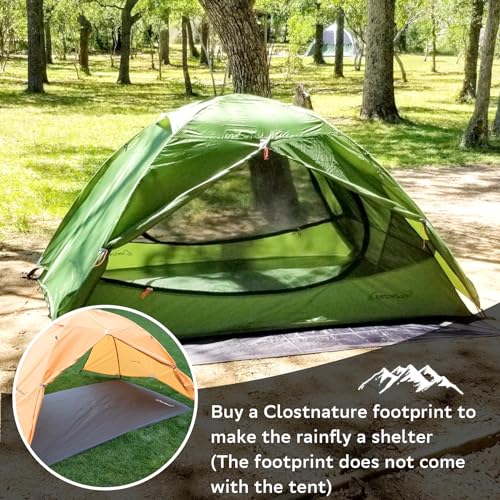
The Clostnature tent is one of those entry-level models that floods the market with bold claims, PU 5000mm waterproofing, ultralight weight, freestanding design, and it does deliver basic shelter at an unbeatable price. At just over 5 lbs, it’s not truly ultralight, but for car campers or weekend hikers adding bikepacking to their rotation, it’s a functional starting point. Owners praise how easy it is to pitch solo, and the dual vestibules offer real utility for storing muddy shoes or a small toolkit.
But category expertise tells me to be cautious. While the PU 5000 coating sounds impressive, real-world feedback suggests the waterproofing degrades faster than premium silicone-treated fabrics, especially if packed damp. The aluminum poles work, but aren’t DAC-level refined. Still, for someone wanting a no-fuss shelter to try out overnight loops, it’s hard to beat the value. Just don’t expect it to thrive in sustained rain or alpine conditions.
Product photos



How We Tested bikepacking tents
My approach to evaluating bikepacking tents centered on a research-led comparison of specifications and owner feedback. I examined published specs – weight, packed size, materials, and features – across a range of models. To build a realistic picture of performance, I weighed owner reviews from multiple sources, looking for recurring themes in both praise and criticism. Finally, I applied my experience with vehicle-based tents and understanding of the demands of bicycle travel to assess which features truly matter for this specific application.
For bikepacking, a tent’s weight and packed size are paramount. A heavier, bulkier tent compromises bike handling and overall enjoyment. Durability is also key; bikepacking gear experiences abrasion and exposure to the elements. I prioritized tents with robust materials and construction, alongside features specifically designed for bicycle compatibility, like streamlined pole sets and attachment points. Finding the right balance between these factors ultimately determined our rankings.
Specifications reliably indicate a tent’s basic construction and potential weight savings. However, owner feedback provided crucial insights into real-world performance – how easily a tent pitches in wind, how well it sheds rain, and its long-term durability. Reputation and brand consistency also played a role; established brands with a history of quality often deliver more reliable products. If you’re also considering options for family trips, exploring car camping tents can offer additional space and comfort. For dedicated bike touring, you might also want to check out our guide to 2-person tents for cycling.
How To Pick The Right bikepacking tents
Choosing the right shelter is crucial for enjoying time on the trail, and bikepacking tents present a unique set of demands.
A good bikepacking tent balances weight, durability, and packability. Key considerations include the tent’s trail weight (fully packed), its ability to securely attach to a bicycle, the quality of materials for weather resistance, and whether it offers sufficient space for a rider and their gear. Look for features like short pole sections for easier transport and daisy-chain webbing for flexible attachment points.
Weight and Packability Are Paramount
For bikepacking, every ounce counts. Unlike traditional backpacking where weight is distributed across your body, on a bike, weight affects handling and efficiency. Don’t just look at the “minimum trail weight” often advertised; consider the packed size too. A tent that’s incredibly light but doesn’t compress well can be a real pain to strap to your handlebars or fit inside a frame bag. The Naturehike Cloud-Up 2 Person Tent, for example, includes a footprint, a nice bonus that doesn’t necessarily add significant bulk.
Fabric and Durability Matter
The conditions you’ll encounter on a bikepacking trip can be demanding. A lightweight fabric doesn’t always equate to a fragile one. Look for tents utilizing ripstop nylon with silicone or polyurethane coatings. Higher denier fabrics (like 20D or 30D) generally offer better tear resistance. The MSR Hubba Hubba Bikepack Tent stands out here, employing a DuraShield coated rainfly and floor, designed to withstand frequent use and shoulder-season storms.
- A basic, entry-level tent might use a PU coating of 3000mm for waterproofing.
- Mid-range options, like the Clostnature 2 Person Lightweight Tent, often bump that up to PU 5000mm, offering improved protection.
- Top-tier tents, such as the Big Agnes Copper Spur UL1 Tent, may use more advanced coatings and fabric constructions to achieve even greater waterproofness and durability without adding substantial weight, justifying their higher price point.
Remember this rule of thumb:
Prioritize a waterproof rating of at least 2000mm for the rainfly and 3000mm for the floor, especially if you anticipate encountering unpredictable weather.
Features Designed for Cyclists
Bikepacking tents often include thoughtful features that address the specific needs of cyclists. Daisy-chain webbing for attachment, short pole sections, and handlebar bags are common examples. The Big Agnes tents, consistently mentioned in reviews of the best tents for bikepacking, integrate these features well. Don’t overlook details like internal gear lofts or pockets to keep electronics and small essentials organized. If you’re planning trips that combine cycling with other activities, you might also consider exploring options for motorcycle tents, finding overlap in the need for compact, durable shelters.
Bikepacking Tents Compared
Here’s a comparison of key specifications for popular bikepacking tents to help you find the right shelter for your ride.
| Product Name | Capacity | Trail Weight | Packed Size | Waterproof Rating (Fly) | Pole Material | Footprint Included |
|---|---|---|---|---|---|---|
| Big Agnes Copper Spur UL1 | 1 Person | 2 lb. 5oz. | 13.5 x 6 in. | N/A | Aluminum | No |
| Big Agnes Copper Spur UL2 | 2 Person | 2 lb. 15oz. | 13.5 x 7 in. | N/A | Aluminum | No |
| MSR Hubba Hubba Bikepack | 2 Person | N/A | N/A | DuraShield | Aluminum | N/A |
| Big Agnes Tiger Wall UL2 | 2 Person | 2 lb. 7oz. | 13 x 6.5 in. | N/A | Aluminum | No |
| Montiro Wander Hawk 1-2P | 1-2 Person | 3 lb 14 oz. | N/A | PU2000mm | Aluminum | Yes |
| QEZER 2 Person | 2 Person | 5.07 lbs | N/A | N/A | Aluminum | No |
| Naturehike Cloud-Up 2P | 2 Person | 3.97 lbs | 15.7” x 5.1” x 5.1” | PU4000mm | Aluminum | Yes |
| Clostnature 2 Person | 2 Person | 5.29 lbs | 16.5”x5.9”x5.9” | PU 5000mm | Aluminum | No |
Frequently Asked Questions
What weight should I aim for in a bikepacking tent?
Ideally, you want a tent under 3 pounds (1.36 kg) for solo bikepacking, but this depends on your priorities. Lighter tents often come with a higher price tag and potentially less durability, so consider how demanding your trips will be.
Are freestanding tents better for bikepacking?
Not necessarily. While freestanding tents are convenient, they often use heavier pole structures. Many excellent bikepacking tents require staking, saving weight and packed size, which is often more important for bicycle travel.
What does “denier” mean when looking at tent fabrics?
Denier (D) refers to the thread count of a fabric – higher numbers indicate a thicker, more durable material. For bikepacking, a fabric of 20D or 30D ripstop nylon is a good balance of weight and tear resistance.
What’s the benefit of having a footprint with my tent?
A footprint (ground cloth) adds a layer of protection to your tent floor, extending its lifespan and preventing damage from abrasion or sharp objects. While not always included, it’s a worthwhile investment, especially considering the cost of replacing a tent.
Where can I find shelter options for other types of vehicle adventures?
If you’re looking for options beyond bikepacking, exploring tents for bikers can open up possibilities for motorcycle camping or general bike travel. For those with trucks, consider looking into truck bed tents for a different kind of outdoor experience.
The Bottom Line
Choosing a bikepacking tent always involves a trade-off between weight savings and overall robustness. While many excellent options exist, the Big Agnes Copper Spur UL1 consistently rises to the top as the strongest all-around performer, offering a fantastic balance of lightweight construction, livable space, and proven durability. It’s an investment, certainly, but one that will pay dividends in comfort and peace of mind on long rides.
For those prioritizing value, the Naturehike Cloud-Up 2 Person Tent delivers impressive specs for the price, including a footprint, making it a solid choice for riders starting out or those on a tighter budget. If you need a versatile option that can handle occasional two-person trips, the MSR Hubba Hubba Bikepack Tent is a well-regarded shelter with a reputation for weathering challenging conditions. Don’t forget to complete your setup with quality bikepacking bags to carry everything comfortably.
Ultimately, the perfect bikepacking tent isn’t about chasing the lightest weight or the highest waterproof rating. It’s about finding a shelter that fits your riding style, the terrain you’ll encounter, and your personal comfort preferences. Prioritize a durable, well-constructed tent that you can rely on, and remember that thoughtful preparation, along with dependable cycling gear bags, will always matter more than any single specification.
