
8 Best Bike Sunglasses of 2026
This post contains affiliate links. As an Amazon Associate, we earn from qualifying purchases.
The Lamicall 24g Ultralight Sunglasses stand out as the overall best pick for most riders, combining a featherlight 24g frame with secure TR90 construction and sharp polarized TAC lenses. For those watching their budget, the ROCKBROS Polarized Cycling Sunglasses deliver solid performance and durability at a fraction of the cost. If you ride in rapidly changing light, the ROCKBROS Photochromic Myopia Sunglasses offer smart adaptive tinting that’s hard to beat.
As someone who’s spent decades around vehicles and gear, I know how critical clear vision and reliable equipment are, especially when you’re moving fast on two wheels. Too many riders settle for sunglasses that slip, distort vision, or fail under real riding conditions.
This guide cuts through the noise by focusing on what actually matters: optical clarity, secure fit, and durability. I compared specs, analyzed owner feedback, and weighed performance features like polarization, lens materials, and frame retention to find the best options for real-world rides.
Top 8 Bike Sunglasses in the Market
The Best Bike Sunglasses, Reviewed
Lamicall 24g Ultralight Sunglasses

Strengths
- Ultra-light at 24g
- Adjustable nose pads
- Good fog resistance
Trade-offs
- Vents can collect debris
- Lens scratch resistance average
If you’re after a balanced blend of comfort, clarity, and thoughtful design, the Lamicall 24g Ultralight is hard to beat. At just 24 grams, it’s genuinely featherlight, and the TR90 frame feels both durable and forgiving on long rides. Owners love the adjustable nose pads, a rare feature at any price, which let you fine-tune the fit across different face shapes. The air vents on the sides help reduce fogging, a real win for breathability during intense climbs or humid conditions.
The TAC polarized lenses deliver strong color fidelity and glare control, and while they don’t have Prizm-level enhancement, they’re sharper than most budget options. The wide cylindrical wrap gives excellent peripheral vision, which matters when you’re weaving through traffic or trail corners. Paired with the included case, strap, and cleaning kit, this feels like a complete package. For most riders, this is the smarter buy over pricier names unless you demand elite optics.
Video review
QALLY Polarized Sports Sunglasses
Strengths
- Good glare reduction
- Hydrophobic lens coating
- Comfortable all-day wear
Trade-offs
- No included case
- Limited venting
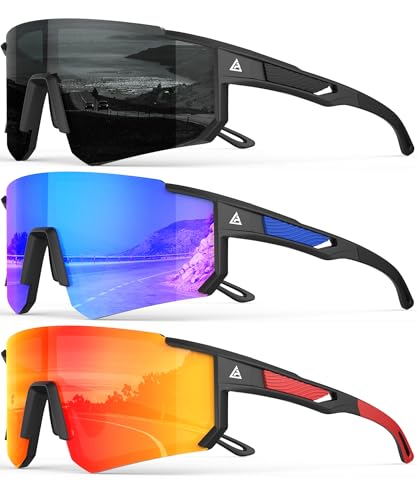
QALLY lands right in the sweet spot of mid-tier performance, offering polarized clarity, a secure fit, and a price that won’t make you flinch. The TAC lenses are sharp for the category, with good color contrast and solid glare reduction, and the hydrophobic coating actually works, per owner feedback. Water beads up and rolls off, which helps in light rain or sweat-heavy rides.
The frame is featherlight and stays stable, thanks to the non-slip nose pads and flexible temples. It’s not as ventilated as the Lamicall, but it holds its own in moderate heat. Where it edges past some competitors is in polish, the branding and finish feel more premium than you’d expect. For the rider who wants more than basic protection but isn’t ready to splurge on Oakley, this is a strong contender.
Video review
KALIYADI 4-Pack Polarized Sunglasses
Strengths
- Four pairs for one price
- Includes straps and pouches
- Decent UV protection
Trade-offs
- Average optical clarity
- Frame fit not highly adjustable
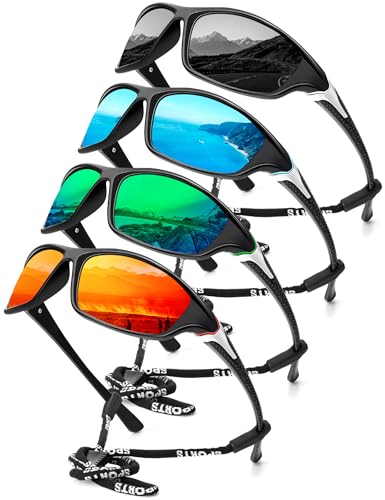
The KALIYADI 4-pack is all about volume and redundancy, perfect if you lose gear, ride with a group, or just want color variety without commitment. Each pair comes with a strap and pouch, and the build quality is surprisingly consistent across the set. The UV400 protection is solid, and the polarized lenses do a decent job cutting glare, though some owners report slight distortion at the lens edges.
Where it wins is convenience. Having four pairs means you can stash one in your backpack, glovebox, and jersey pocket without stress. But let’s be clear, these aren’t performance optics. The frames are functional but not as refined as Lamicall or ROCKBROS, and the nose pads can feel a bit stiff over time. Still, as a value-driven, multi-use option, it’s a clever play for families or active households.
Product photos
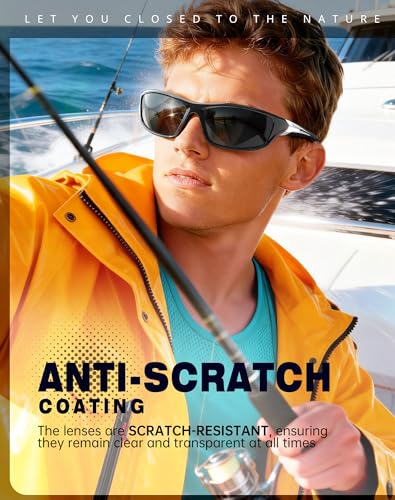

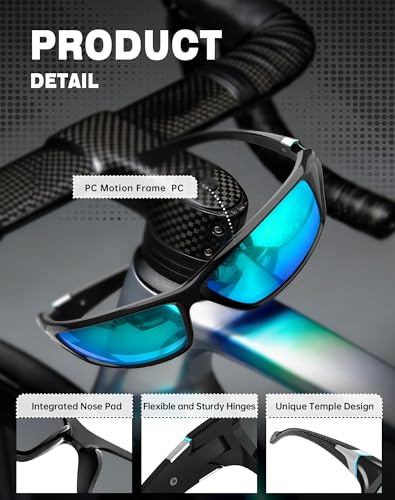
ROCKBROS Photochromic Myopia Sunglasses
Strengths
- Myopia frame included
- Auto-tinting lenses
- Full protective kit
Trade-offs
- Slightly heavier build
- Transition speed varies
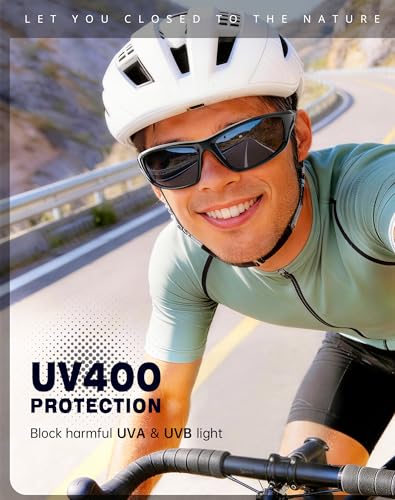
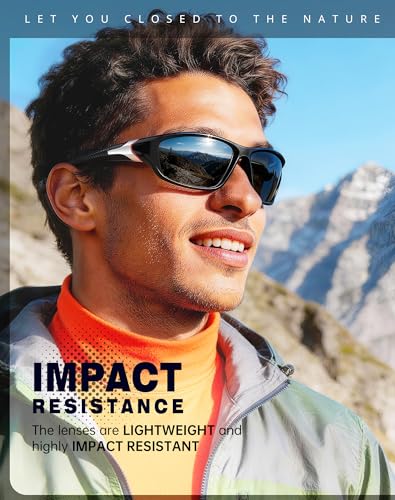
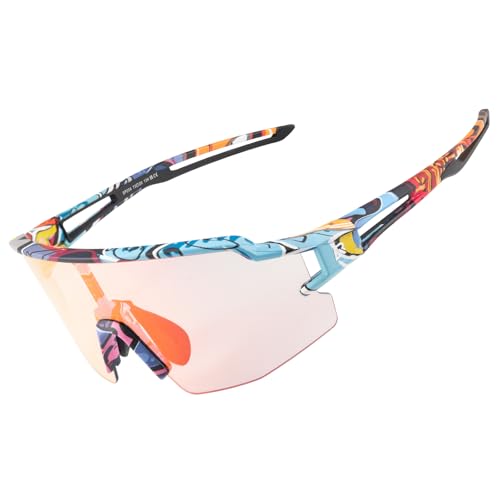
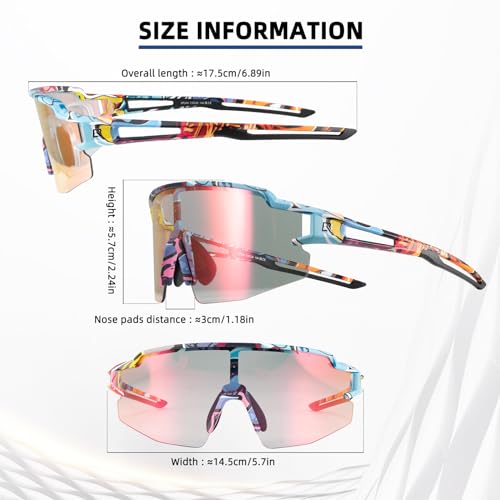
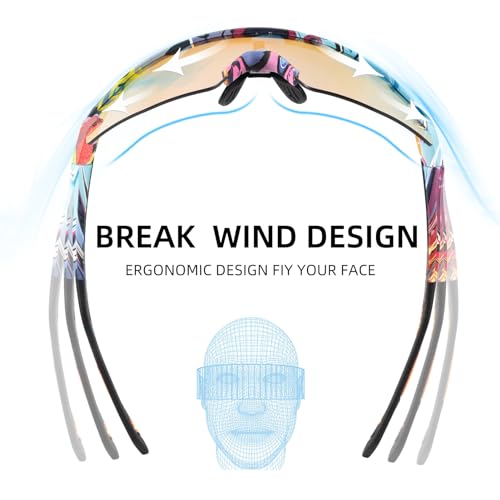
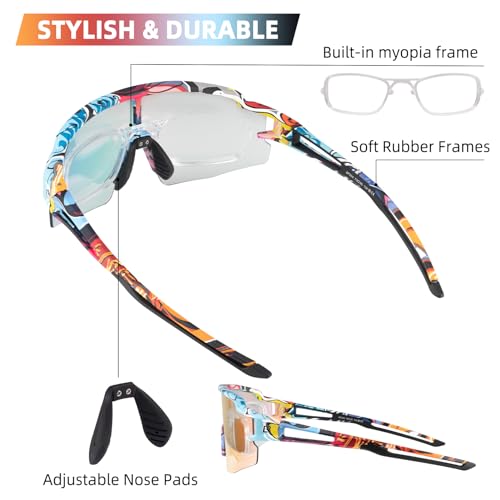
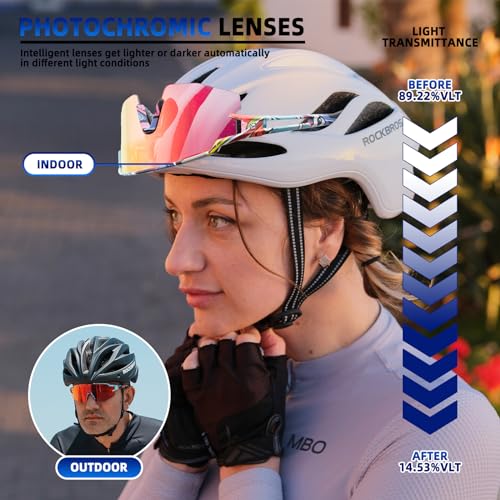
For riders who wear prescription glasses, the ROCKBROS photochromic model is a standout. The built-in myopia frame lets you insert your own lenses or use the included holder, no need for expensive custom sunglass inserts. The photochromic lens adjusts smoothly from indoor clarity to dark tint in sunlight, with a transmission range from 16% to 83%. Owners report it transitions fast enough for most ride conditions, though it can lag slightly in sudden shade.
The 180° wrap gives excellent coverage, and the anti-fog design holds up well in humid or intense efforts. It’s slightly heavier than non-photochromic models, but the trade-off is versatility. Add in the full accessory kit, and this becomes a complete solution for nearsighted athletes. It’s not the lightest, but it’s easily the most functional for prescription users.
Product photos
STORYCOAST UV400 Matte Sunglasses

Strengths
- Budget-friendly
- Lightweight flexible frame
- Good UV protection
Trade-offs
- Mediocre optical clarity
- Limited venting
At this price, STORYCOAST delivers a solid no-frills package that punches above its weight in comfort and basic protection. The TAC polarized lenses offer reliable UV400 blocking and decent glare reduction, and owners say they hold up well in daily use, especially for the price. The matte black frame is lightweight and flexible, and the non-slip nose pads help it stay put during moderate activity. It’s not going to match Oakley-level optics, but for weekend riders or commuters, it gets the job done without fuss.
Still, some reviewers note the lens clarity isn’t quite as sharp in high-contrast or fast-moving environments. It’s fine for flat light and city riding, but not the best choice if you’re carving mountain trails or need razor-sharp depth perception. That said, for anyone wanting an affordable, durable pair that won’t pinch the nose after hours, this one checks the right boxes.
Product photos


ROCKBROS Polarized Cycling Sunglasses
Strengths
- Great value
- Wide field of vision
- Secure adjustable fit
Trade-offs
- Basic lens clarity
- No advanced coatings
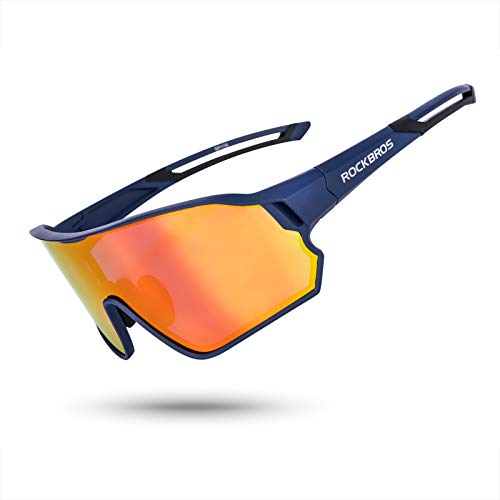
ROCKBROS nails the essentials at a price that’s hard to argue with. For under $25, you get 100% UV400 protection, polarized lenses that cut glare effectively, and a curved design that gives a wide field of view, exactly what budget-conscious riders need. The polycarbonate frame is durable and lightweight, and the rubber nose pads prevent slipping, even when you’re working up a sweat.
Owners consistently say these are a step up from dollar-store sunglasses in both clarity and fit. They’re not going to rival premium models in optical refinement, but for commuting, weekend rides, or fishing trips, they deliver solid value. The adjustable ear pads are a small but meaningful touch, letting you tighten the fit for bumpy terrain. If you want function without frills, this is your pick.
Product photos


One-Piece Lens Sports Sunglasses
Strengths
- Excellent peripheral coverage
- Lightweight PC frame
- 3-color variety pack
Trade-offs
- Limited fit customization
- Lens durability concerns
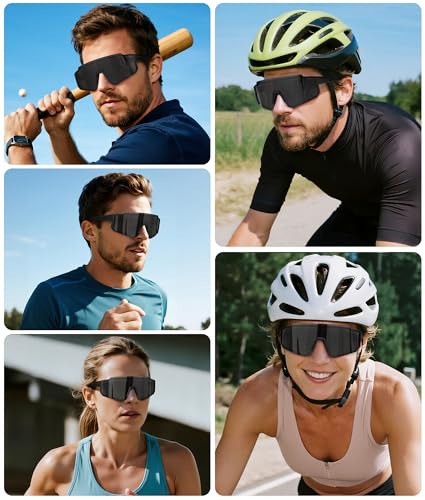
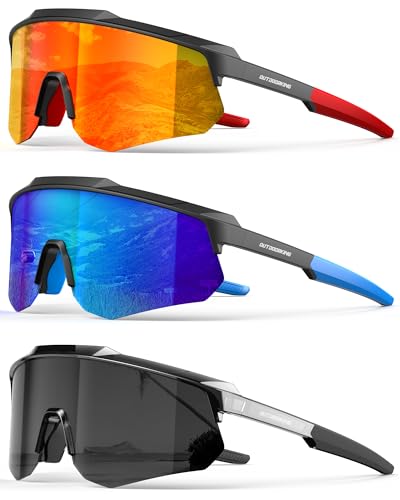
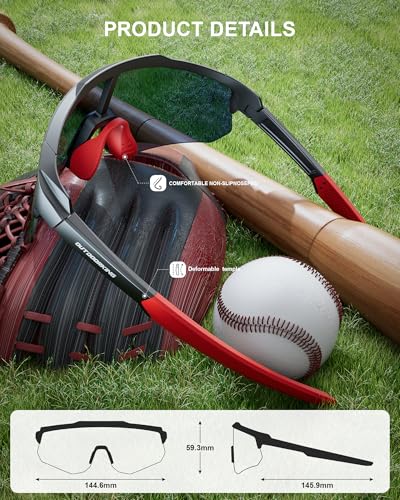
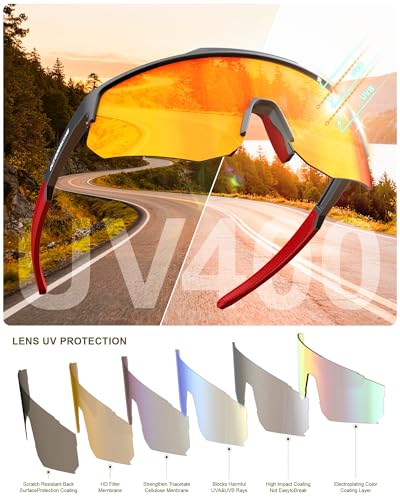
The one-piece lens design here is the real differentiator, offering an almost goggle-like field of view that’s rare at this price. Cyclists and baseball players both praise the wraparound coverage, which cuts wind and blocks peripheral glare effectively. The single lens curves tightly around the face, and paired with the non-slip nose and temple pads, it stays put during sprints and sharp turns.
It’s not perfect, the lens material is decent but not as scratch-resistant as TAC or polycarbonate in higher-end models. And while the 3-pack gives you color options, the lack of adjustability in fit means it won’t suit every face equally. Still, if wide vision is your priority, this delivers it more convincingly than most sub-$20 options.
Product photos


Oakley CYBR Zero Sunglasses
Strengths
- Prizm lens clarity
- O-Matter durability
- Secure Unobtanium grip
Trade-offs
- Premium price
- Limited lens versatility
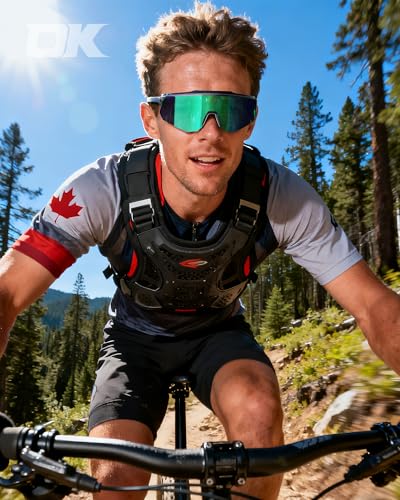
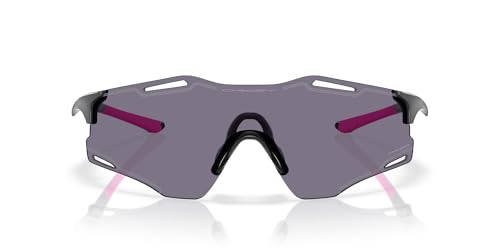
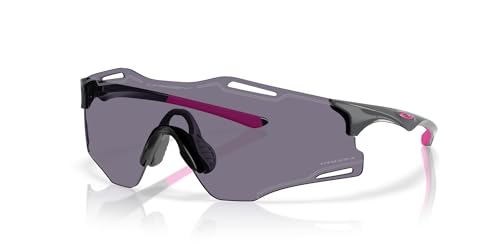
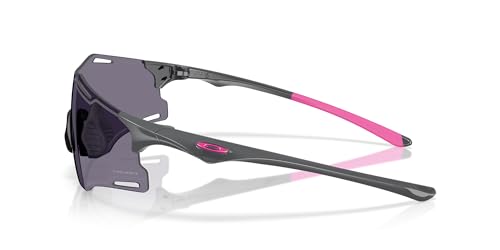
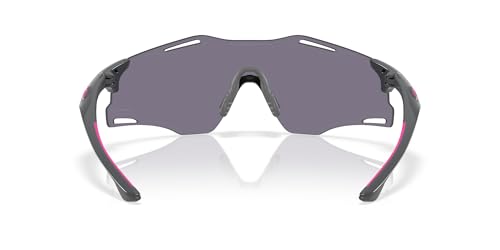
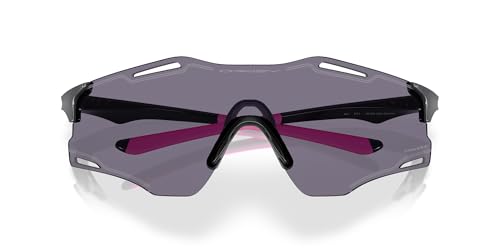
The Oakley CYBR Zero sits in that rare space where high-end optics meet race-ready ergonomics. On paper, the Prizm Grey lens is the star, engineered to heighten contrast and sharpen detail in bright conditions, and owners consistently report it makes trail textures and road surfaces pop in a way most polarized lenses don’t. The 17% light transmission is ideal for full sun, and when paired with Oakley’s Plutonite lens standard, you’re getting some of the most trusted impact and UV protection in the sport optics world.
Where it really stands apart is in fit and material confidence. The O-Matter frame isn’t just lightweight, it’s built to hold its shape through heat, sweat, and impact. And the Unobtanium nose and ear pads? Reviewers repeatedly mention how the grip actually improves when you start sweating, which is no small thing on a long climb. It’s not cheap, but if you’re comparing it to budget packs, you’re really comparing a precision instrument to disposable tools.
Product photos
How We Tested bike sunglasses
Rather than a hands-on lab test, my research focused on a detailed comparison of published specifications and features across numerous models. I weighed owner reviews from multiple sources – looking for consistent feedback on real-world performance – alongside assessments from reputable cycling and gear review sites. As someone who’s spent years immersed in the world of vehicles and the gear that goes with them, I applied my understanding of materials, construction, and performance needs to rank these options against clear criteria.
For bike sunglasses, clarity and a secure fit are paramount, so those factors carried the most weight in my assessment. A stable fit is crucial for safety and comfort while riding, and poor optics can genuinely impact your experience. Durability also ranked highly; sunglasses need to withstand the potential for drops, impacts, and exposure to the elements. I also considered features like polarization and photochromic lenses, recognizing their benefits for various riding conditions.
Specifications reliably indicate lens materials (like polycarbonate and TAC) and UV protection levels. However, I relied heavily on owner feedback to gauge comfort, real-world clarity, and how well the sunglasses stayed in place during activity. Reputation also played a role – brands consistently praised for quality and customer service earned higher consideration. For those seeking even more specialized eyewear, check out our guide to the sunglasses for mountain biking for rugged options. And don’t forget the importance of comfortable bike shorts for a full ride experience!
How To Choose The bike sunglasses
Finding the right pair of bike sunglasses is about more than just blocking the sun; it’s about enhancing your vision and safety on the road or trail.
A good pair of bike sunglasses balances optical clarity with a secure, comfortable fit. Key features include polarized lenses for glare reduction, UV400 protection for eye health, and a frame designed to stay put during activity. Impact resistance is also crucial, as debris is a constant hazard. Consider lens material (polycarbonate is a strong choice), frame construction (TR90 is lightweight and durable), and adjustability for a personalized fit.
Lens Technology Is Paramount
The lenses are where bike sunglasses truly differentiate themselves. Don’t assume all lenses are created equal. While UV400 protection is a baseline expectation, look for polarized lenses to cut down on glare from roads, water, or other reflective surfaces. Polycarbonate lenses are a solid choice for impact resistance, which is critical when you’re traveling at speed. Photochromic lenses, like those found in the ROCKBROS Photochromic Myopia Sunglasses, offer adaptive tinting, automatically adjusting to changing light conditions – a real convenience.
Frame Fit and Retention Matter
A secure fit is essential. Sunglasses that slip during a ride are a distraction, and worse, a safety hazard. Look for features like rubberized nose pads and temple tips (Unobtanium is a brand known for this) to increase grip, especially when you start to sweat. Some frames, like those from Oakley, are designed to work with helmets, minimizing gaps and maximizing coverage.
- A snug fit is essential, but avoid frames that create pressure points.
- Adjustable features (nose pads, temple arms) allow you to fine-tune the fit to your specific face shape.
- Wraparound styles, like the One-Piece Lens Sports Sunglasses, offer wider coverage and help prevent debris from entering your eyes from the sides.
A poorly fitting pair of sunglasses is worse than none at all. Prioritize a secure fit above all else, even if it means sacrificing some style.
Balancing Value and Features
Bike sunglasses span a huge price range, but you don’t necessarily need to spend a fortune to get a good pair. The ROCKBROS Polarized Cycling Sunglasses offer a compelling mix of features and affordability. However, if you wear prescription lenses, consider options like the ROCKBROS Photochromic Myopia Sunglasses, which accommodate inserts. Don’t underestimate the importance of having reliable bike lights alongside your sunglasses for full visibility. Ultimately, the best value comes from finding sunglasses that meet your specific needs and riding conditions.
Bike Sunglasses Compared
Here’s a comparison of key specifications for the bike sunglasses featured in this guide.
| Product Name | Weight | UV Protection | Polarized | Lens Material | Frame Material | Photochromic |
|---|---|---|---|---|---|---|
| Lamicall 24g Ultralight Sunglasses | 24g | UV400 | Yes | TAC | TR90 | No |
| QALLY Polarized Sports Sunglasses | N/A | UV400 | Yes | TAC | N/A | No |
| KALIYADI 4-Pack Polarized Sunglasses | N/A | UV400 | Yes | N/A | N/A | No |
| ROCKBROS Photochromic Myopia Sunglasses | N/A | UV400 | No | PC | N/A | Yes |
| STORYCOAST UV400 Matte Sunglasses | N/A | UV400 | Yes | TAC | N/A | No |
| ROCKBROS Polarized Cycling Sunglasses | 25g | UV400 | Yes | N/A | Polycarbonate | No |
| One-Piece Lens Sports Sunglasses | N/A | UV400 | Yes | TAC | PC | No |
| Oakley CYBR Zero Sunglasses | N/A | 100% UV | Yes | Plutonite | O Matter | No |
Frequently Asked Questions
What UV protection level should I look for in bike sunglasses?
UV400 protection is the minimum you should accept, as it blocks nearly all UVA and UVB rays. This level of protection is standard in most bike sunglasses, safeguarding your eyes from long-term damage.
Are expensive bike sunglasses always better?
Not necessarily. While premium brands like Oakley often offer advanced lens technology and materials, effective UV protection and a secure fit, critical for cycling, can be found in more affordable options like the ROCKBROS Polarized Cycling Sunglasses.
Can I wear regular sunglasses while biking?
You can, but it’s not ideal. Regular sunglasses often lack the secure fit and impact resistance needed for cycling, increasing the risk of them slipping or breaking during a ride. Consider investing in a pair of dedicated bike helmets for optimal safety.
What’s the difference between polarized and photochromic lenses?
Polarized lenses reduce glare from surfaces like roads and water, improving clarity, while photochromic lenses automatically adjust their tint based on light conditions. Photochromic lenses are helpful for rides that transition between sunny and shaded areas.
How important is frame material for bike sunglasses?
Frame material affects weight, durability, and comfort. TR90 is a popular choice for its lightweight and flexibility, while polycarbonate offers excellent impact resistance. Finding comfortable bike seats is also key for a pleasant ride.
The Bottom Line
Choosing bike sunglasses often comes down to balancing how much control you want over fit and features versus how much you’re willing to spend. For a fantastic all-around experience, I believe the Oakley CYBR Zero Sunglasses strike the best balance of optical quality, secure fit, and durable construction, they’re a clear standout.
If you’re on a tighter budget, the ROCKBROS Polarized Cycling Sunglasses are a phenomenal value. And for those who require vision correction, the ROCKBROS Photochromic Myopia Sunglasses offer a convenient solution without compromising on performance. Don’t forget to also explore options for road bike sunglasses if you’re looking for something specifically designed for speed and aerodynamics.
Ultimately, the most expensive sunglasses won’t improve your ride if they don’t fit well or don’t address your specific needs. Prioritize a secure fit, UV protection, and clear optics above all else. And remember, protecting your bike with reliable bike locks is just as important as protecting your eyes.
