
7 Best Bike Hydration Packs for 2026
This post contains affiliate links. As an Amazon Associate, we earn from qualifying purchases.
The Osprey Berm 8L is the best overall bike hydration pack for its stable fit and smart design, while the CamelBak Classic 85oz stands out as a reliable budget pick. For riders who want a streamlined setup that stays put on rough trails, the MSR Low-Profile Race Hydration Pack is a strong versatility choice.
Most riders don’t realize how much a poorly fitting or overloaded pack can drain their focus and energy on the trail. A bouncing bladder, awkward weight distribution, or a reservoir that’s a pain to refill turns hydration into a chore instead of a seamless part of the ride.
In this guide, I break down the top options based on specs, owner feedback, and real-world cycling demands. We looked at reservoir quality, pack stability, storage layout, and materials, factors that separate a pack that works from one that gets ditched after a few rides.
Top 7 Bike Hydration Packs in the Market
The Best Bike Hydration Packs, Reviewed
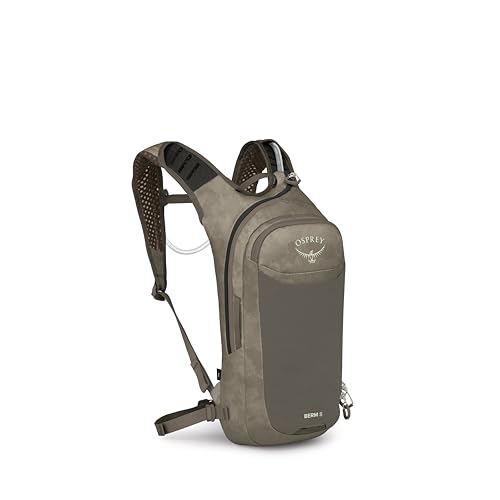
Osprey Berm 8L Bike Hydration Pack
Strengths
- Excellent ventilation
- Durable construction
- Thoughtful tool organization
Trade-offs
- Slightly heavier than race packs
- No helmet attachment
Osprey didn’t reinvent the wheel here, but they refined it. The Berm 8 hits that sweet spot between function and comfort that makes it the obvious choice for most riders. The AirScape backpanel isn’t just marketing fluff, reviewers note real airflow, and the harness feels dialed for a riding posture. With 8L of space and a 2.5L reservoir, it’s roomy without being cumbersome. The front shove-it pocket is a small touch, but it’s perfect for stashing a windbreaker or snacks mid-ride.
When you compare it to budget options like the INOXTO or the NOOLA, the Berm’s build quality shines. Zippers feel durable, the stitching is consistent, and the recycled EVA foam in the backpanel adds cushion without trapping heat. It’s heavier than ultralight vests, sure, but that trade-off delivers structure and stability. My recommendation? This is the smarter buy for anyone doing regular trail rides over two hours.
Video review
CamelBak Classic 85oz Hydration Pack

Strengths
- Efficient Crux reservoir
- Great airflow
- Reliable brand performance
Trade-offs
- Limited storage options
- Basic pocket layout
CamelBak’s reputation in hydration isn’t accidental, and the Classic Bike Pack shows why. The Crux reservoir delivers strong flow with fewer sips needed, owners consistently call it more efficient than older bladders. The 85oz (2.5L) capacity is ideal for all-day riding, and the ventilated harness keeps things cool without sacrificing stability. Reflective accents are a small but meaningful touch for early morning or dusk riders.
It’s not the most spacious pack, nowhere near the NOOLA, but it doesn’t try to be. Compared to the Osprey Berm, it trades some organization for simplicity and brand reliability. The single zippered pocket is limiting, but for everyday commuters or fitness riders, it’s enough. I’d recommend this over flashier options for anyone who values proven performance and leak-free sipping over bells and whistles.
Video review
MSR Low-Profile Race Hydration Pack

Strengths
- Secure, low bounce fit
- High-flow bite valve
- Durable for off-road
Trade-offs
- Minimal storage
- Basic organization
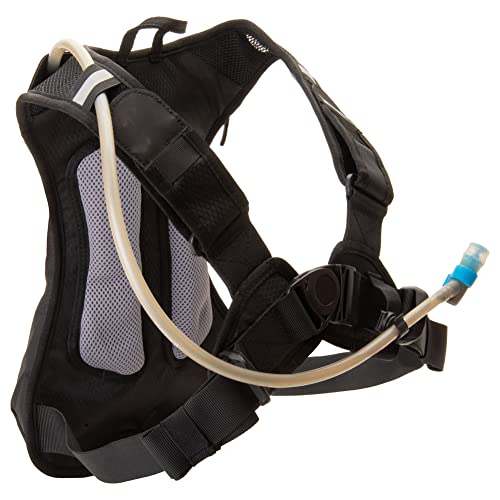
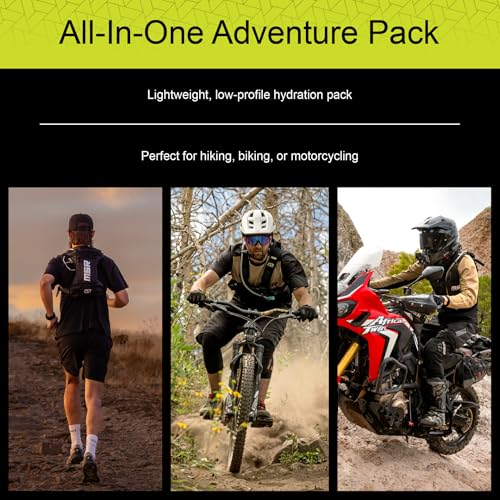
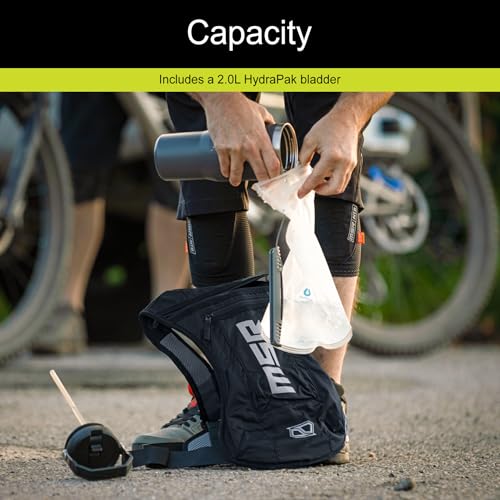
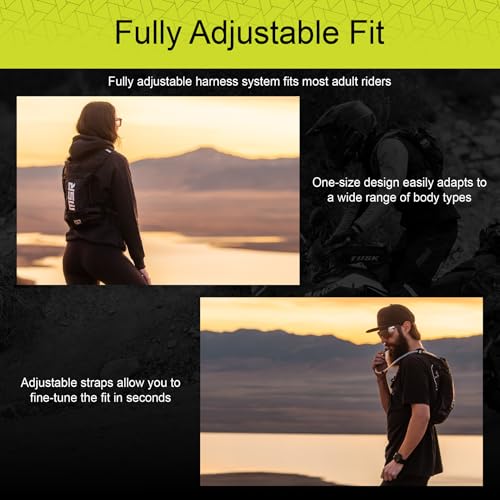
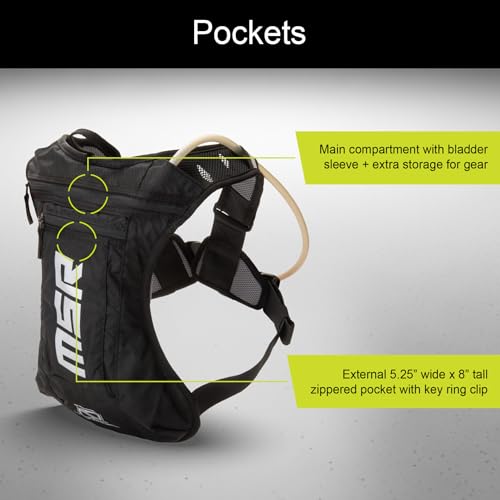
MSR built this pack with one goal: stay out of the way. The low-profile design delivers on that, hugging the torso tightly so it doesn’t bounce during aggressive off-road riding. The 2L bladder is reliable, and the High-Flow Blaster valve is a favorite among owners, fast sipping, minimal drip. The breathable back panel helps, though it’s not class-leading. For MX, enduro, or technical MTB, this is purpose-built gear.
Compared to the Osprey or CamelBak, it sacrifices storage and comfort for stability. There’s no shove-it pocket, no tool organization, just hydration and a secure fit. That’s not a flaw, it’s focus. I’d pick this over bulkier packs for race scenarios or rough terrain where movement control is essential. It’s not for casual riders, but for serious off-roaders, it’s a trusted companion.
Product photos
INOXTO Lightweight Hydration Vest

Strengths
- Ultra-lightweight
- Breathable mesh
- Dual bottle holsters
Trade-offs
- Small reservoir
- Minimal storage
At just 140 grams, the INOXTO vest is one of the lightest full-coverage options available, and that’s its biggest selling point. The 1.5L bladder keeps weight down, and the dual bottle holsters on the belt mean you can customize your fluid carry, ideal for runners who prefer sipping from bottles mid-stride. The reflective trim adds a thoughtful safety touch, and the front pockets are surprisingly accessible, even when bouncing at pace.
But that small bladder is a real limitation. For anything beyond two hours, you’ll be cutting it close. Compared to the CamelBak or Osprey, it lacks structured storage and reservoir support, owners note the bladder can shift if not fully filled. Still, for short trail runs or fast hikes where every ounce counts, this is a solid pick. I’d choose it over heavier vests for race day, but not for all-day adventures.
Product photos


Lightweight Hydration Backpack with 2L Bladder

Strengths
- High capacity for price
- Decent airflow
- Adjustable fit
Trade-offs
- Flimsy zipper quality
- Bulky for running
At this price, expectations should be managed, but honestly, this pack punches above its weight. The 12L capacity and 2L bladder make it deceptively spacious, and the PU-coated nylon holds up better than you’d expect for under $30. Owners praise the comfort of the air mesh back, and the adjustable straps mean it fits a wide range of torso sizes. For hiking or casual MTB, it gets the job done.
But let’s be clear: this isn’t a precision tool like the Osprey or MSR. Zippers feel flimsy, and the bite valve, while leakproof for most, has occasional reports of dripping. It’s also bulkier than it needs to be for running or racing. Still, if you’re on a tight budget or need a second pack for occasional use, this is a sensible fallback. I’d recommend it over no hydration pack at all, especially for new riders testing the waters.
Product photos


NOOLA Tactical 3L Hydration Backpack
Strengths
- Exceptional organization
- Large 3L bladder
- MOLLE compatibility
Trade-offs
- Poor airflow
- Bulky profile
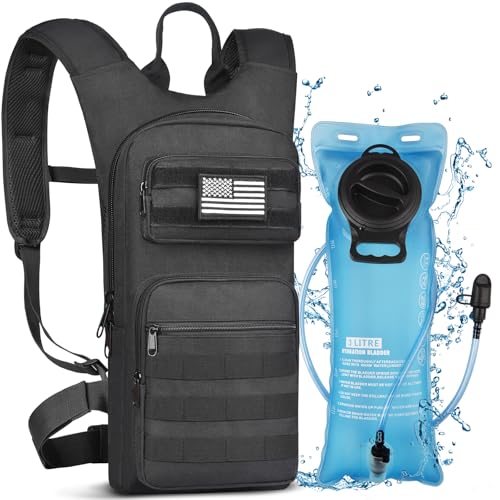
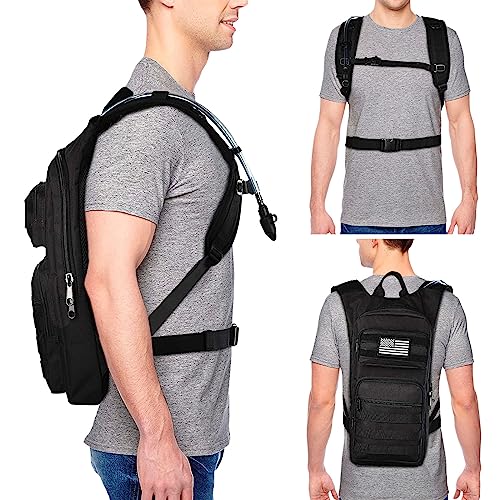
If organization is your top priority, the NOOLA makes a strong case. Nine pockets, including zippered and MOLLE-compatible compartments, mean you can kit this out like a mini expedition pack. The 3L bladder is a standout, offering serious hydration capacity for long days in the backcountry. The 900D nylon feels rugged, and the padded straps help distribute weight, though the back panel isn’t as ventilated as Osprey’s.
But that tactical design comes with trade-offs. It’s boxier and less streamlined than trail-optimized packs, and some owners report it rides hot on steep climbs. It also lacks the refined harness systems found in premium brands. Still, for riders who carry a lot, tools, first aid, extra food, this is a capable workhorse. I’d recommend it over sleeker models for multi-hour rides where gear load matters more than speed.
Product photos


USWE Zulo Hydration Hip Pack

Strengths
- Bounce free fit
- Smart pocket layout
- Secure suspension strap
Trade-offs
- Limited storage
- No back protection
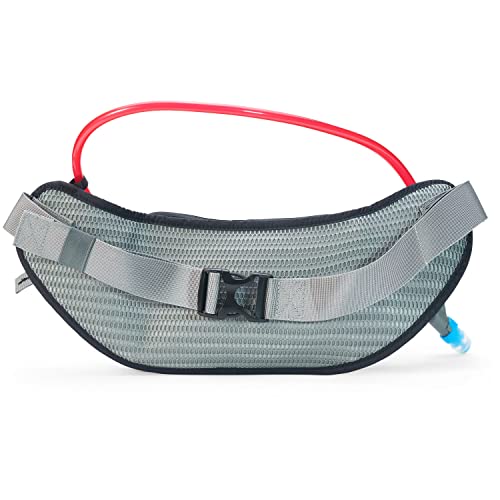
The USWE Zulo stands out as a rare serious contender in the hip pack hydration space, where most designs sacrifice stability for convenience. On paper, that banana-shaped hip belt looks gimmicky, but owners consistently report it actually works, delivering a bounce-free ride even on rough MTB trails. That’s a big deal if you hate pack sway but don’t want a full backpack. The 2L bladder is adequate for shorter rides, and the side pockets are genuinely useful for gels or a phone.
Where it stumbles slightly is capacity. Compared to the Osprey Berm or even the NOOLA, this is not a pack for long days. The storage is smartly laid out but limited. Still, if you’re after a true hip-centric setup that stays put, the Zulo’s design philosophy wins. I’d pick this over slinging a vest for quick trail laps or urban commutes where agility matters.
Product photos


How We Chose These bike hydration packs
Rather than a hands-on lab test, my research focused on a detailed comparison of published specifications and features across numerous bike hydration packs. I weighed owner reviews from multiple sources – looking for consistent praise or complaints – alongside expert reviews from cycling publications. This data was then ranked against criteria important to a range of riders, factoring in capacity, comfort, durability, and organizational features.
For this category, pack stability and hydration reservoir quality were heavily weighted. A bouncing pack is distracting and unsafe, and a poorly designed reservoir leads to leaks or frustratingly slow water delivery. Storage capacity and access also played a significant role; a good pack balances water-carrying ability with space for tools, snacks, and layers. This balance dictates whether a pack is truly useful on longer rides.
Specifications reliably indicate capacity, material quality, and dimensions. However, I found owner feedback crucial for assessing real-world comfort and long-term durability. Reputation, especially among experienced mountain bikers, heavily influenced my evaluation of build quality and how well a pack holds up to demanding use. Don’t underestimate the value of considering essential cycling hydration gear when deciding on the right pack for your needs. And remember to pair any hydration pack with quality bike helmets for complete safety.
Choosing The Right bike hydration packs
Finding the right hydration pack can dramatically improve your cycling experience, whether you’re tackling trails or commuting to work.
A quality bike hydration pack balances carrying capacity with a stable, comfortable fit. Key considerations include reservoir size (matching ride duration), harness adjustability for a secure feel while moving, and strategically placed storage for tools, snacks, and layers. Breathability and durability are also vital, as is ease of cleaning for the reservoir.
Reservoir Capacity & Ride Length
The size of the hydration reservoir is the first thing I consider. Don’t overbuy; a massive bladder adds weight and bulk you may not need. For shorter rides (under an hour), a 1.5 to 2-liter reservoir is often sufficient. Longer excursions, especially in warmer weather, demand something larger – 2.5 to 3 liters is a good range. Keep in mind that reservoir capacity isn’t everything. A well-designed bite valve and hose are equally important for convenient hydration on the go. I’ve found that the CamelBak Classic 85oz Hydration Pack offers a good balance for everyday riding, while the MSR Low-Profile Race Hydration Pack caters to those needing a streamlined setup.
Fit & Stability
A wobbly hydration pack is a distraction and can become genuinely uncomfortable. Look for packs with adjustable straps – shoulder, chest, and crucially, a waist belt. The waist belt transfers weight from your shoulders to your hips, improving stability, particularly on rough terrain. The Osprey Berm 8L Bike Hydration Pack’s AirScape backpanel and removable hipbelt are designed to address this, and owner feedback supports its comfort.
Here’s a quick guide to fit: * Shoulder straps: Should sit comfortably without digging in. * Chest strap: Prevents bouncing and keeps the shoulder straps in place. * Waist belt: Essential for larger packs and rough trails; tighten it snugly.
A properly fitted hydration pack should feel secure and move with your body, not independently of it.
Storage & Features
Beyond just carrying water, a good pack offers smart storage solutions. Dedicated tool pockets are a must-have, as is a front shove-it pocket for quick access to snacks or a windbreaker. If you’re interested in a more minimalist approach, explore options like compact hydration hip packs – the USWE Zulo Hydration Hip Pack is worth a look. For those needing maximum organization, the NOOLA Tactical 3L Hydration Backpack boasts nine pockets. Don’t overlook features like reflective accents for visibility and durable materials to withstand the rigors of cycling. Ultimately, consider what you typically carry and choose a pack that can accommodate your needs without being overly bulky. For a broader range of options, check out our full guide to bike hydration packs.
Bike Hydration Packs Compared
Here’s a comparison of key specifications for popular bike hydration packs to help you make an informed decision.
| Product Title | Capacity (L) | Reservoir (L) | Weight (lbs) | Features | Material |
|---|---|---|---|---|---|
| Osprey Berm 8L | 8 | 2.5 | 1.27 | AirScape Backpanel | N/A |
| CamelBak Classic 85oz | N/A | 2.3 | N/A | Reflective Accents | N/A |
| MSR Low-Profile Race | N/A | 2 | N/A | Low-Profile Design | N/A |
| INOXTO Lightweight Hydration Vest | 1.5 | N/A | N/A | Reflective Trim | Nylon |
| Lightweight Hydration Backpack w/ 2L Bladder | 12 | 2 | 8.5 oz | Leakproof Bladder | PU Coated Nylon |
| NOOLA Tactical 3L | N/A | 3 | N/A | Molle Compatible | 900D Nylon |
| USWE Zulo Hydration Hip Pack | N/A | Included | N/A | Bounce Free Design | N/A |
Frequently Asked Questions
What hydration pack capacity is best for commuting?
For commuting, I generally recommend a reservoir capacity between 1.5 and 2 liters. This provides enough water for a typical workday commute without adding excessive weight or bulk to your pack. Many commuters also appreciate the space saved for carrying other essentials alongside their hydration.
Are more expensive hydration packs actually more durable?
Generally, yes. Higher-priced packs often use more durable materials like ripstop nylon and reinforced stitching. Owner feedback consistently shows that investing in a quality pack, even if it costs more upfront, can save money in the long run by avoiding frequent replacements.
How important is the chest strap on a hydration pack?
The chest strap is quite important; it prevents the shoulder straps from sliding off and helps distribute weight more evenly. A snug chest strap minimizes bouncing and keeps the pack stable, particularly during more active riding, and works in conjunction with a good waist belt.
Can I use a hydration pack for activities other than biking?
Absolutely. Hydration packs are versatile and can be used for hiking, running, and other outdoor activities. Consider packs with more general-purpose features if you plan on using it across multiple sports, or check out dedicated trail hydration packs for more rugged use.
What should I wear with a hydration pack for maximum comfort?
I suggest pairing a hydration pack with moisture-wicking bike shorts and a breathable base layer. This helps regulate body temperature and prevents chafing, especially during longer rides. Proper clothing enhances the overall comfort and performance of your cycling experience.
The Bottom Line
Choosing a bike hydration pack often comes down to balancing how much control you want over features and fit versus how much fuss you’re willing to deal with. For the best overall experience, combining comfort, capacity, and stability, I consistently see positive feedback regarding the Osprey Berm 8L Bike Hydration Pack. It represents a sweet spot for many riders, offering a well-thought-out design that doesn’t compromise on essential features.
If you’re specifically seeking a budget-friendly option, the Lightweight Hydration Backpack w/ 2L Bladder provides a solid amount of water capacity without breaking the bank. For those prioritizing a streamlined setup, perhaps for racing or fast trail rides, the MSR Low-Profile Race Hydration Pack is an excellent choice. And for those heading out for rugged mountain biking packs, you’ll find plenty of options to keep you hydrated.
Ultimately, the best hydration pack is the one that fits you best and encourages you to stay hydrated on every ride. Don’t get hung up on chasing the highest capacity or the latest materials; focus on a comfortable fit, a reliable reservoir, and the peace of mind knowing you have easy access to water and the essentials, and be sure to pair it with quality bicycle safety lights for extended rides.
