
8 Best Bike Helmets for Women 2026
This post contains affiliate links. As an Amazon Associate, we earn from qualifying purchases.
The Giro Fixture MIPS II Helmet stands out as the best overall choice for women, combining reliable safety tech and a secure fit. For budget-conscious riders, the Retrospec Lennon Helmet w/LED delivers solid protection with the added bonus of a built-in light, while the Schwinn Thrasher Adult Helmet offers great versatility with its removable visor and wide adjustability.
Too many riders settle for ill-fitting or outdated helmets, compromising both safety and comfort. A helmet should feel like part of the ride, not a chore to wear.
After researching the field and analyzing specs, owner feedback, and fit features critical for women, I focused on models that deliver real-world performance. This guide breaks down what actually matters, fit systems, ventilation, and impact protection, so you can pick a helmet you’ll trust and wear every time.
Top 8 Bike Helmets For Women in the Market
The Best Bike Helmets For Women, Reviewed
Giro Fixture MIPS II Helmet
Strengths
- MIPS brain protection
- Superior fit system
- Reflective details
Trade-offs
- Higher price point
- Limited size range
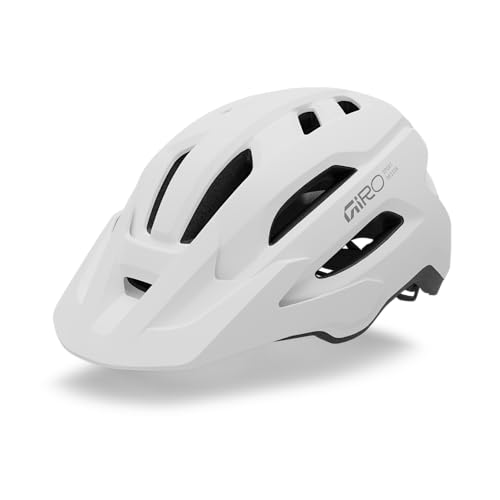
If you’re serious about safety and comfort, this is the helmet to beat. The integrated MIPS system is the real deal, it’s not just a sticker, it’s engineered into the fit system, which reduces rotational forces in angled impacts. Reviewers consistently highlight how secure and comfortable it feels, even on rides over an hour. The Roc Loc Sport fit system clicks smoothly and holds firm, and the build quality screams Giro’s long-standing reputation in cycling gear.
It’s also surprisingly well-ventilated for a helmet with this level of protection. The matte white finish looks clean, and the reflective details add a layer of safety for early morning or evening rides. Yes, it costs more, but for me, this is the smarter buy over flashier models without real safety upgrades.
Video review
Bell Thalia Women’s Bike Helmet

Strengths
- Women-specific fit
- Simple dial adjustment
- Good airflow
Trade-offs
- No MIPS protection
- Visor not included
Bell designed this one with women in mind, and it shows, not just in the color options, but in the fit. The True Fit system is simple: twist the dial, and it locks in place without over-tightening. The 16 vents provide solid airflow, and the shape follows a more oval, women-friendly head profile, which many owners say makes a real difference in comfort.
It doesn’t have MIPS or a removable visor, but it hits the sweet spot for riders who want a helmet that’s both stylish and functional. The matte mint finish is a standout, and it’s lightweight enough for daily commutes. For women tired of unisex helmets that don’t quite fit, this one stands out as a tailored alternative.
Video review
Zacro Adult Bike Helmet
Strengths
- Very affordable
- 18 large vents
- Removable visor
Trade-offs
- Basic impact protection
- Plastic feel compared to premium models
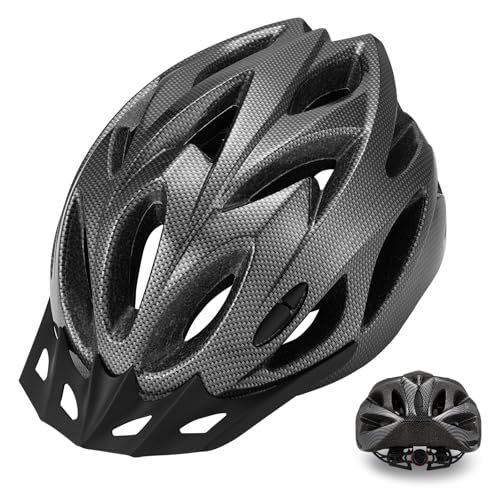
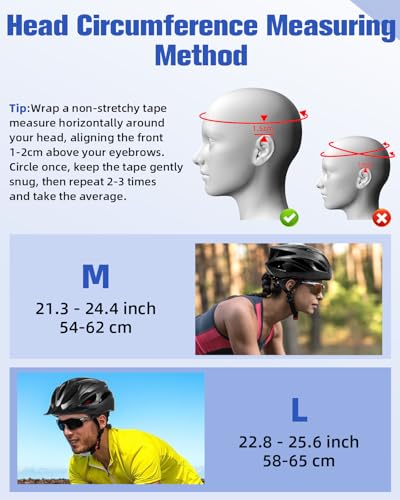
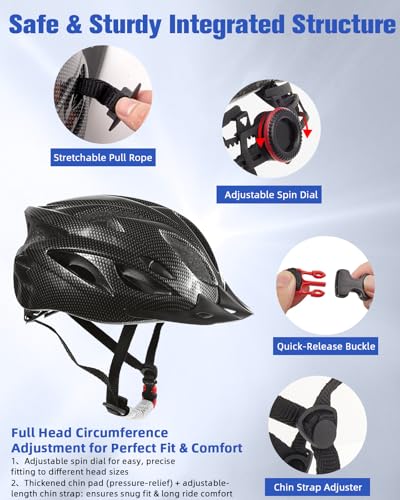
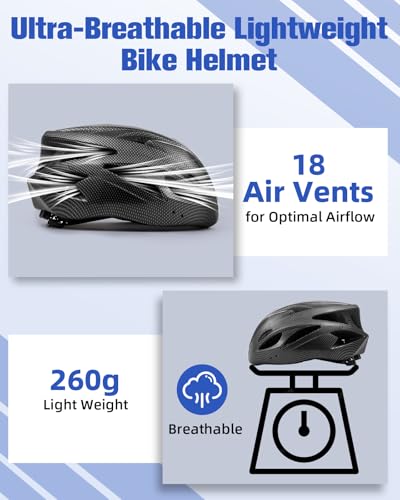
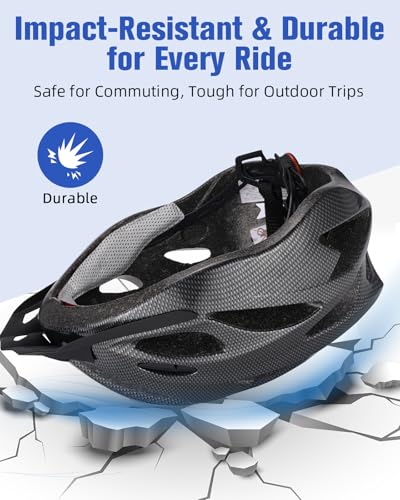
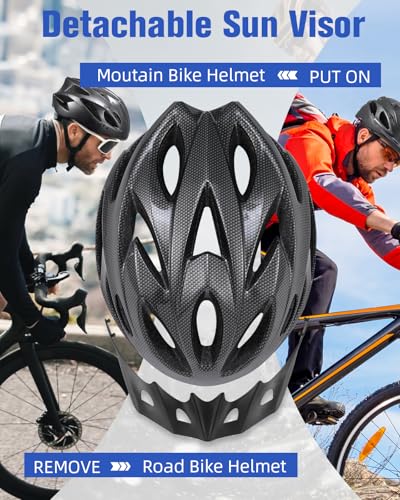
At under $25, this helmet is a budget win, especially with 18 vents and a removable visor. The ultra-light 260g build is impressive for the price, and owners say it stays comfortable even on longer rides. The dial fit works smoothly, and the wide 54–63cm range means it fits most adults without hassle.
Safety-wise, it meets CPSC and CE standards, but the foam and shell materials are basic. It won’t match Giro or Bell in impact absorption, but for occasional riders or kids transitioning to adult sizes, it’s more than adequate. The washable liner is a nice touch, and the sleek design doesn’t scream ‘budget’. For the price, it’s hard to beat.
Product photos
Schwinn Thrasher Adult Helmet

Strengths
- Lightweight microshell
- 20 large vents
- Secure dial fit
Trade-offs
- Padding less plush than premium models
- Visor can catch wind
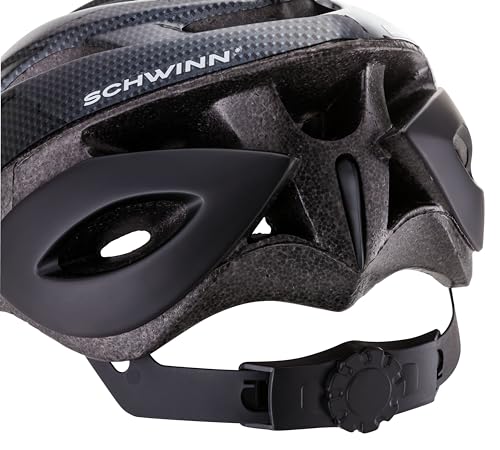
Schwinn has been in the game long enough to know how to build a dependable entry-level helmet, and this one nails the fundamentals. The microshell construction keeps it light without feeling flimsy, and the 20 vents provide noticeably better airflow than many budget models. Owners praise the Roc Loc-style dial system, it’s intuitive and holds its setting well, even on bumpy trails.
The fit runs slightly larger, so smaller-headed riders might need to tighten it fully. It lacks MIPS, but it meets CPSC standards and feels sturdier than some sub-$30 options. I’d pick this over the white version just for the slightly lower price, though both are nearly identical. For beginners or families needing a second helmet, it’s a smart, no-surprise buy.
Product photos


Retrospec Lennon Helmet with LED
Strengths
- Integrated LED light
- Removable visor
- Good low-light visibility
Trade-offs
- Heavier than average
- Light requires charging
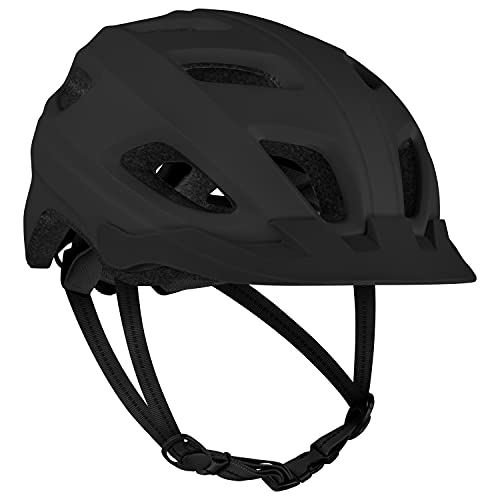
The built-in 5-LED light is the star here, and it works better than most gimmicky add-ons. Owners say it’s bright enough to get noticed by drivers, with three modes including a steady beam and flash patterns. That alone makes this a standout for night or low-light riders. The visor is removable, and the 15 vents keep airflow decent, though not class-leading.
The ErgoKnob-2 dial system is smooth, and the padding is moisture-wicking, which helps on humid days. It’s not the lightest helmet, and the light adds a bit of bulk, but the trade-off is real safety visibility. I’d pick this over others if I were doing regular evening rides.
Product photos


Findway Pro Bike Helmet

Strengths
- Good vent count
- Built-in sun visor
- CPSC and CE certified
Trade-offs
- No MIPS or rotational protection
- Visor not removable
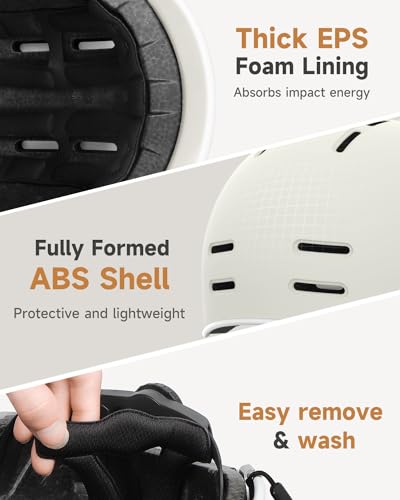
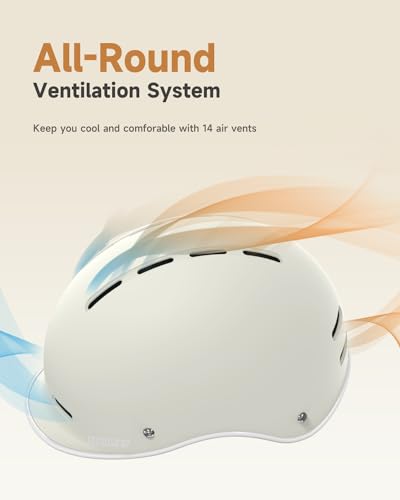
This helmet punches above its weight in ventilation and sun protection, and owners consistently report it’s a solid commuter pick for the price. The 14 vents do their job well, and the built-in visor is a nice touch, eliminating the need for sunglasses in many conditions. On paper, the ABS shell and EPS foam meet standard safety certifications, which is expected at this tier, but it doesn’t stand out in impact tech.
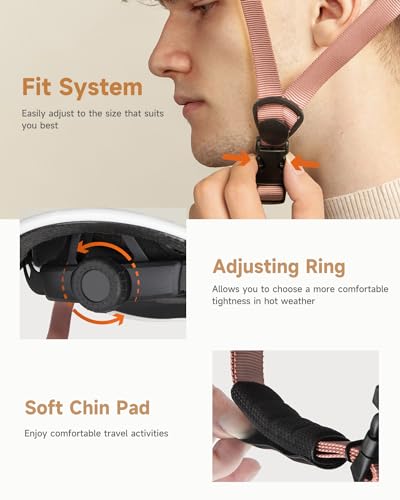
Where it really wins is versatility. Reviewers note it works just as well for skateboarding or scootering as it does for road biking. The adjustable dial makes fine-tuning the fit simple, and the removable, washable pads mean it stays fresh over time. For most urban riders, this is a no-fuss, reliable option that covers the basics well.
Product photos


Odoland Helmet with Sunglasses

Strengths
- Includes UV 400 glasses
- Removable brim
- Good airflow
Trade-offs
- No advanced impact protection
- Glasses may fog in humidity
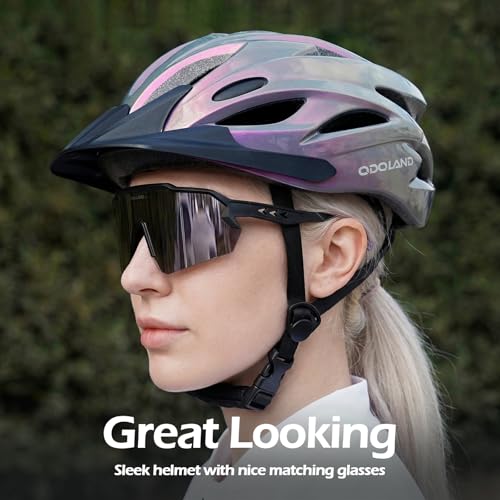
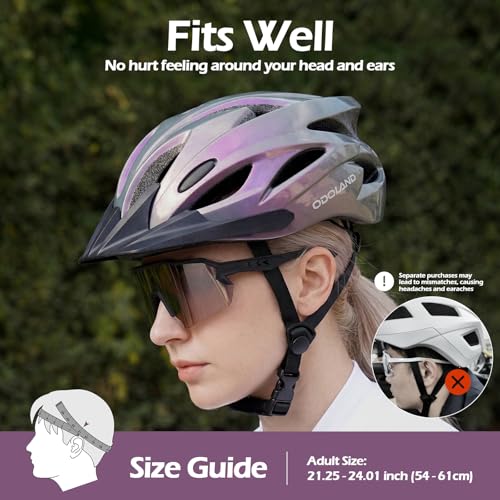
The idea of a helmet and glasses combo is smart, especially for riders tired of carrying multiple pieces of gear. The UV 400-rated glasses clip on cleanly and actually stay put, according to owners, which is more than I can say for some add-on solutions. The helmet itself has a clean look and 18 vents that keep airflow strong, even on warmer days.
I appreciate the removable brim, it lets you switch between a mountain bike-ready profile and a sleeker road look. The dial fit system works smoothly, and the washable pads add to long-term comfort. But the lack of MIPS or similar tech keeps it from being a top-tier safety pick. Still, for the price, this set delivers solid value for casual to moderate use.
Product photos


Schwinn Thrasher White Helmet

Strengths
- Extremely lightweight
- Microshell durability
- Dial-adjustable fit
Trade-offs
- No advanced safety tech
- White finish stains easily
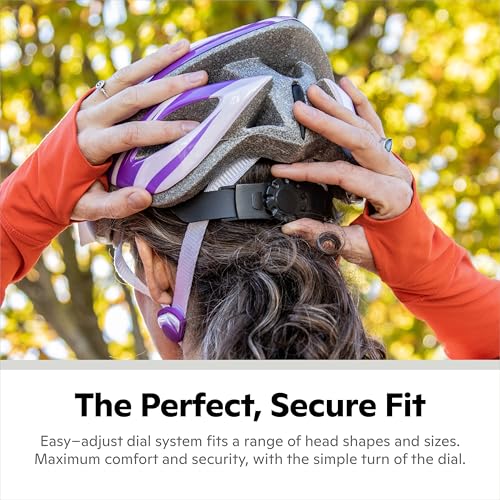
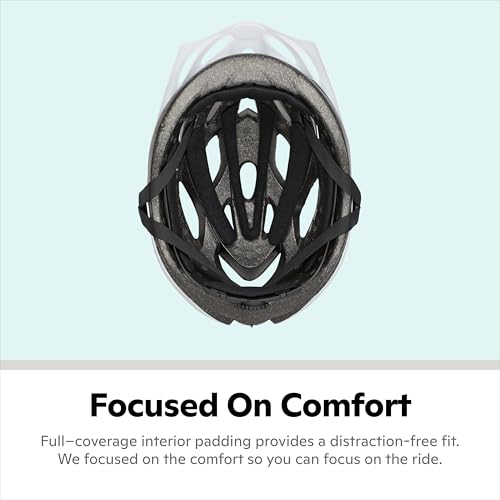
This is the same solid helmet as the black version, just in a brighter shell, and it’s one of the lightest in the sub-$30 category. At around 300g, it disappears on your head after a few minutes, which makes it a favorite among casual riders who hate helmet fatigue. The microshell not only cuts weight but also adds to durability, and the 20 vents prevent overheating during summer rides.
The fit is consistent with the other Schwinn models, but some owners note the white finish shows scuffs more easily. It’s not flashy, but it’s dependable. If you want a clean, lightweight helmet for short to mid-length rides, this one delivers. I’d still give the nod to the black version for longevity, but the white is a strong contender for visibility.
Product photos



Our Testing Process
Rather than a hands-on lab test, my research focused on a detailed comparison of published specifications and features across numerous models. I weighed owner reviews from multiple sources, including major retail sites and cycling forums, against expert opinions from cycling publications and safety organizations. This process allowed us to rank helmets against clear criteria, building a picture of real-world performance and value.
For women’s bike helmets, fit and comfort were paramount, alongside safety certification. Ventilation also played a large role, as riders often spend extended periods wearing these helmets. We prioritized helmets incorporating MIPS technology, recognizing its increasing importance in rotational impact protection; you can explore more about MIPS bike helmets in our dedicated guide. A secure and adjustable fit system was also crucial to ensure optimal protection.
Specifications reliably indicated construction materials (EPS foam density, shell type) and safety standards met (CPSC, ASTM). However, judgments about comfort, ventilation effectiveness, and real-world usability came primarily from owner feedback and reputation. We considered recurring themes in reviews, looking for consistent praise or complaints. Ultimately, our selections aim to provide a range of choices for various needs, and you can find a broader look at recommended helmets for women.
How To Choose The bike helmets for women
Choosing the right bike helmet is about more than just meeting safety standards; it’s about finding one that fits well, feels comfortable, and suits your riding style.
A good bike helmet prioritizes impact absorption through EPS foam, secure fit via adjustable systems (dial or straps), and adequate ventilation to prevent overheating. Look for certifications like CPSC (US) or EN 1078 (Europe) to verify safety testing. Consider features like MIPS for rotational impact protection and reflective elements for visibility.
Prioritize Fit and Retention
I often see riders with helmets that are simply the wrong size, or aren’t adjusted properly. A helmet does no good if it shifts around during a crash. Don’t rely on age/size ranges alone; measure your head circumference and compare it to the manufacturer’s sizing chart. Many brands, like Bell, offer Universal Fit options, but even those benefit from fine-tuning with the retention system. Dial-fit systems (like those found on the Schwinn Thrasher) are particularly convenient for on-the-fly adjustments.
Understand Impact Protection Technologies
Beyond the basic EPS foam, look for helmets incorporating technologies designed to address rotational impacts. MIPS (Multi-directional Impact Protection System), as featured in the Giro Fixture MIPS II, is the most widely recognized. It allows a slight rotation of the helmet shell during an angled impact, potentially reducing the force transmitted to the brain. While MIPS adds cost, many riders find the added peace of mind worthwhile. It’s worth comparing to other rotational management systems, but MIPS remains the gold standard.
Balance Ventilation, Weight and Value
Ventilation is key for comfort, especially on warmer rides. More vents generally mean better airflow, but can also compromise structural integrity. Consider your typical riding conditions. If you’re primarily a casual rider, a helmet with 15-20 vents (like the Retrospec Lennon) is likely sufficient. For intense rides, look for models with more extensive ventilation. Here’s what I look for when comparing:
- Vent count: Less is okay for casual riding.
- Internal channeling: Better airflow than just holes.
- Weight: Lighter helmets (under 300g) reduce neck strain on longer rides, but often come at a higher price. If you’re looking for a great all-around helmet, you can find excellent options in our guide to the best bike helmets.
A helmet that fits well and is consistently worn is far more valuable than the most technologically advanced helmet that sits on a shelf.
Finding the right helmet doesn’t have to break the bank. There are fantastic options available for every budget. If you are specifically looking for a helmet designed for women, you can review our guide to women’s bike helmets for more recommendations.
Bike Helmets for Women Compared
Here’s a comparison of key specifications for several bike helmets designed for women.
| Product Title | MIPS | Vents | Fit System | Size (cm) | Weight (g) | Features |
|---|---|---|---|---|---|---|
| Giro Fixture MIPS II Helmet | Yes | N/A | Roc Loc Sport | N/A | N/A | Reflective Details |
| Bell Thalia Women’s Helmet | No | 16 | True Fit | 54-58 | N/A | Women’s Specific Fit |
| Zacro Adult Bike Helmet | No | 18 | Adjustable Dial | 54-63 | 260 | Detachable Visor |
| Schwinn Thrasher Adult Helmet | No | 21 | Dial Fit | 58-62 | N/A | Removable Visor |
| Retrospec Lennon Helmet w/LED | No | 15 | ErgoKnob-2 | N/A | N/A | Built-in LED Light |
| Findway Pro Bike Helmet | No | 14 | Adjustable Dial | 54-61.5 | N/A | ABS Shell |
| Odoland Helmet w/Sunglasses | No | N/A | Adjustable Dial | 54-61 | N/A | Includes Sunglasses |
| Schwinn Thrasher White Helmet | No | 20 | Dial Fit | 58-62 | N/A | Removable Visor |
Frequently Asked Questions
What helmet features are most important for road cycling?
A secure fit and good ventilation are key for road cycling, as you’ll likely be riding at higher speeds and generating more heat. Look for helmets with advanced ventilation systems and a dial-fit adjustment to ensure a snug, comfortable fit, and consider models offering MIPS technology for enhanced protection.
How often should I replace my bike helmet?
You should replace your bike helmet every 3-5 years, even if it hasn’t been involved in a crash. The materials degrade over time, reducing its protective capabilities, and the fit system can wear out.
Are more expensive helmets significantly safer?
Not always, but pricier helmets often incorporate advanced features like MIPS or WaveCel, and may have a lighter, more comfortable design. While a higher price doesn’t guarantee greater safety, the added technologies can provide an extra layer of protection in certain impact scenarios.
Can I use a mountain bike helmet for commuting?
Yes, a mountain bike helmet can be used for commuting, though it might not be the most streamlined option. Mountain bike helmets typically offer more coverage and ventilation, but can be bulkier than helmets specifically designed for road or urban cycling. For safe helmets for city rides, a dedicated commuter helmet might be a better choice.
Where can I find helmets designed specifically for a woman’s head shape?
Many manufacturers now offer helmets tailored to women’s head shapes, which are generally rounder than men’s. You can find a wide selection of options designed specifically for women, including stylish cycling helmets for women, at dedicated cycling retailers or online.
The Bottom Line
Choosing a bike helmet always comes down to balancing protection with practicality. While advanced features like MIPS are valuable, a properly fitted, comfortable helmet is the one you’ll actually wear – and that’s the most important thing. For overall performance and a blend of safety and comfort, I believe the Giro Fixture MIPS II Helmet strikes the best balance for most riders.
If you’re on a tighter budget, the Retrospec Lennon Helmet w/LED offers surprising features and solid safety at a great price. And for those prioritizing airflow, especially during warmer months, you’ll find a curated list of ladies’ helmets with exceptional ventilation in our guide to ventilated bike helmets. But don’t get lost in the details.
Ultimately, the specifications matter less than the fit. Taking the time to measure your head, trying on different styles, and ensuring a snug, secure fit will provide the greatest peace of mind. Explore our top ladies’ helmet picks to begin your search, but remember to prioritize a helmet that feels right for you and the kind of riding you do.
