
7 Best Bike GPS Trackers 2026
This post contains affiliate links. As an Amazon Associate, we earn from qualifying purchases.
The PAJ LED Bike 4G GPS Tracker is the overall best for real-time security and crash detection, while the Orbit Velo Advanced Bike Tracker stands out as a top budget-friendly pick with years of battery life and no subscription. For stealth, the SEVEN SWAN Smart Bike Tracker Bell blends in perfectly as a functional bell.
Every cyclist knows the sickening feeling of coming back to where you locked your bike, only to find an empty post. A GPS tracker won’t stop a theft, but it gives you a real shot at recovery, and peace of mind when riding in crowded or high-risk areas. After researching the market, comparing specs, and analyzing owner experiences, I focused on what actually matters: reliable tracking, battery longevity, stealth, and ease of use.
This guide breaks down the top options based on real-world performance and practical needs, from no-fee Bluetooth models to cellular-powered trackers with live monitoring. I looked at how they mount, how long they last, and whether they’ll survive rain, vibration, and tampering. No fluff, no hype, just the facts to help you pick the right one for your ride.
Top 7 Bike Gps Tracking Devices in the Market
The Best Bike Gps Tracking Devices, Reviewed
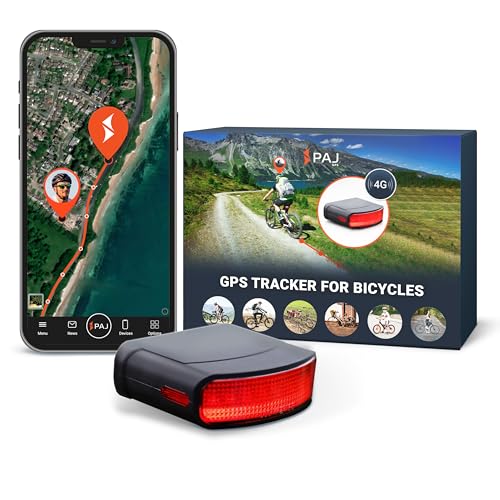
PAJ LED Bike 4G GPS Tracker
Strengths
- Real-time 4G GPS tracking
- Crash and movement alerts
- Dual function as bright rear light
Trade-offs
- Requires subscription after 2 years
- Short battery under heavy use
- App dependency
This is the most complete anti-theft and safety package in the group. It’s a 4G GPS tracker disguised as a rear light, which means real-time location updates, geofencing, and crash detection, all while improving your visibility on the road. The IP67 rating and 20-day standby battery are strong specs, and owners confirm it installs easily on most seat posts.
What sets it apart is the built-in SIM and actual cellular connectivity. Unlike Bluetooth-based trackers, this one gives you live tracking and historical routes, which is huge if your bike gets stolen. The subscription after two years is a downside, but the initial 3-month premium and 2-year lite plan soften the blow. Compared to others, this is the closest thing to a true ‘set and forget’ GPS tracker for e-bikes or high-value rides.
Video review
Orbit Velo Advanced Bike Tracker

Strengths
- 3-year battery life
- Secure tamper-resistant mount
- Reliable Apple Find My sync
Trade-offs
- Non-rechargeable battery
- iOS only
- No real-time alerts
Three years of battery life on a single coin cell? That’s the headline here, and it’s legit. The Orbit Velo leans into simplicity: it mounts securely under your bottle cage with tamper-proof bolts, syncs with Apple Find My, and stays forgotten until you need it. Owners consistently report it lasts the full three years, and the IPX6 rating means it shrugs off rain and grime.
It doesn’t do anything flashy, no rechargeable battery, no app-based geofencing, but it’s incredibly reliable for basic anti-theft tracking. When compared to rechargeable models, the trade-off is clear: less frequent maintenance in exchange for eventual battery replacement. For riders who want a ‘fit and forget’ tracker, this is the gold standard.
Video review
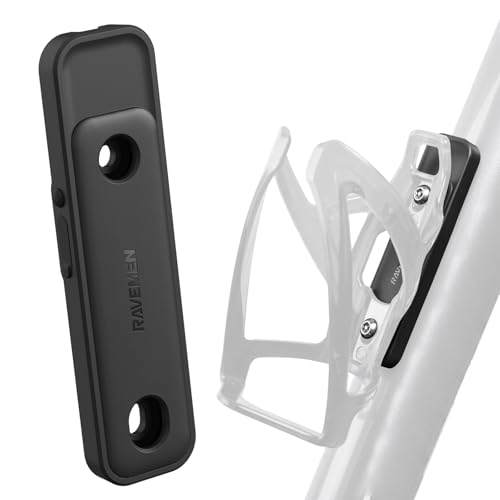
Ravemen Bike Tracker Rechargeable
Strengths
- USB-C rechargeable
- 8-month battery life
- Discreet under-frame mount
Trade-offs
- Apple-only ecosystem
- No Android support
- Network-dependent tracking
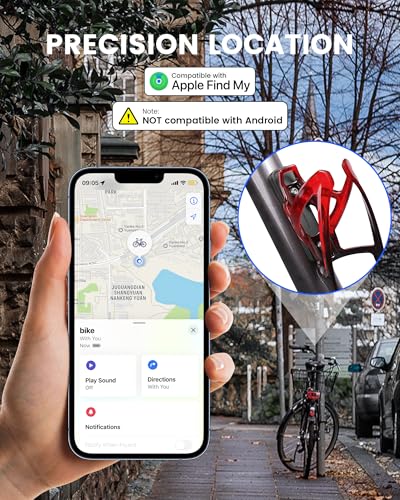
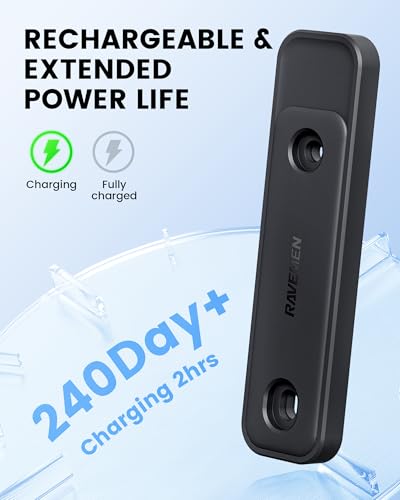
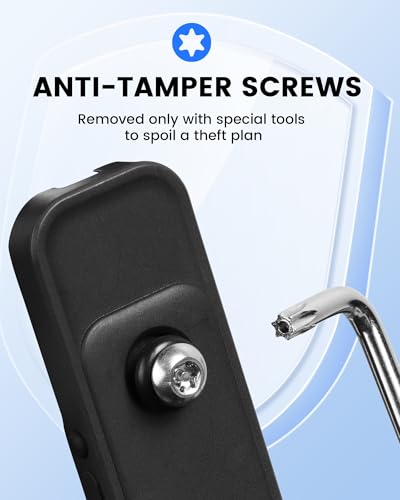
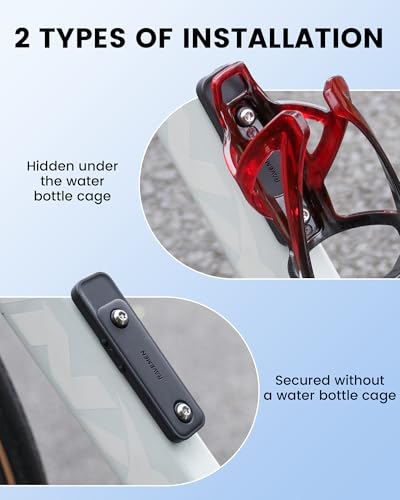
Rechargeable bike trackers are still rare, and this one stands out for its 8-month battery life and USB-C charging. It’s compact, IPX6 waterproof, and installs under the water bottle cage, making it hard to spot unless you’re looking for it. Owners appreciate the tamper-resistant screws and the low-power alerts that give you time to recharge before it dies.
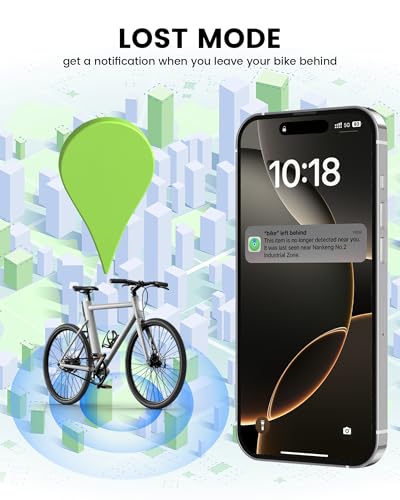
Compared to models with replaceable batteries, the rechargeable design is more convenient long-term, even if it means plugging it in eventually. It’s fully integrated with Apple Find My, so you get instant movement alerts and Lost Mode. The only real limitation is the same network dependency as other Bluetooth trackers, but for Apple users who hate battery swaps, this is the cleanest solution.
Product photos
MiLi Upgraded Bike Mount with AirTag
Strengths
- Budget-friendly
- Dual ecosystem support
- Enhanced night visibility
Trade-offs
- Bluetooth range limited
- No real-time GPS
- Mounting fit varies
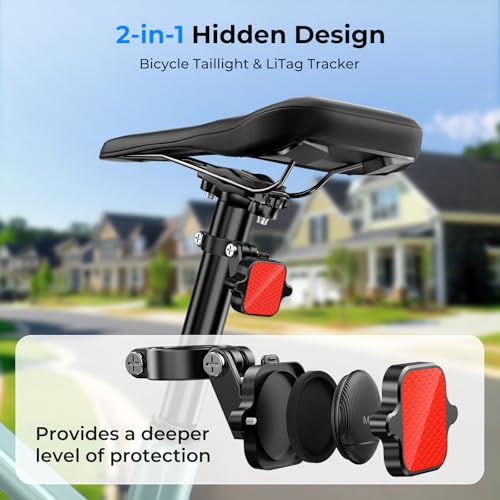
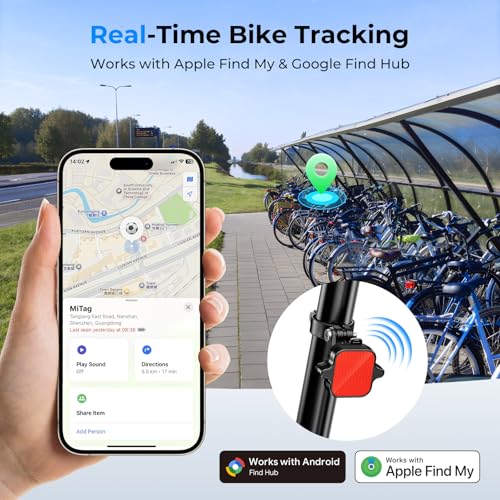
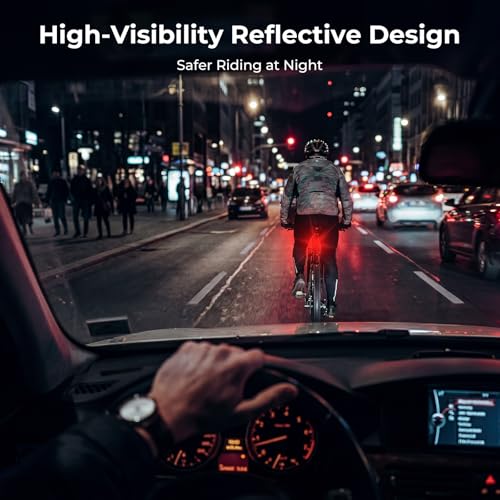
At this price, it’s hard to beat the value. This mount does two things well: it securely hides an AirTag (or uses its own Bluetooth tracker) and boosts nighttime visibility with reflective materials. It’s compatible with both Apple Find My and Google Find Hub, though not simultaneously, so pick your ecosystem.
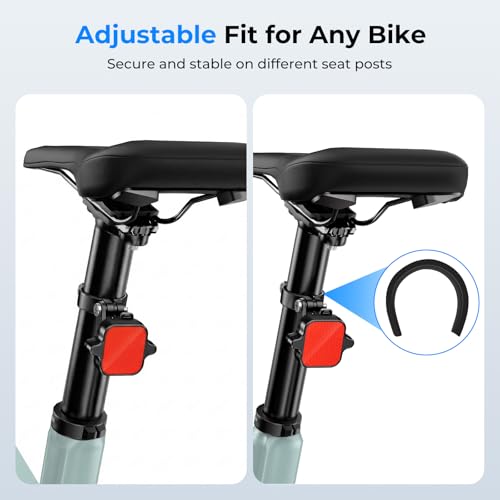
Owners note it’s simple to install and survives daily wear without loosening. The reflectivity is a nice bonus for urban riders, and the fact that it works without a subscription is a big plus. But it’s not without trade-offs: the tracking range maxes out around 200 feet via Bluetooth, and outside that, you’re dependent on network crowdsourcing. Still, for the price, it’s one of the most practical entry points into bike tracking.
Product photos

SEVEN SWAN Smart Bike Tracker Bell
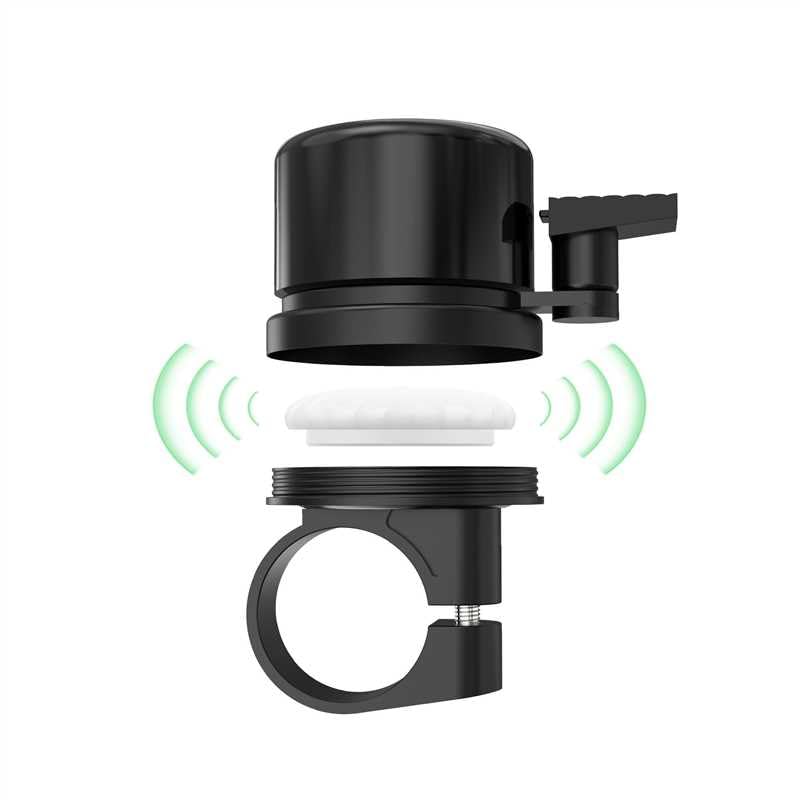
Strengths
- Stealth bell design
- Works with Apple Find My
- 120dB safety bell
Trade-offs
- No real-time GPS
- iOS only
- Limited range reliance
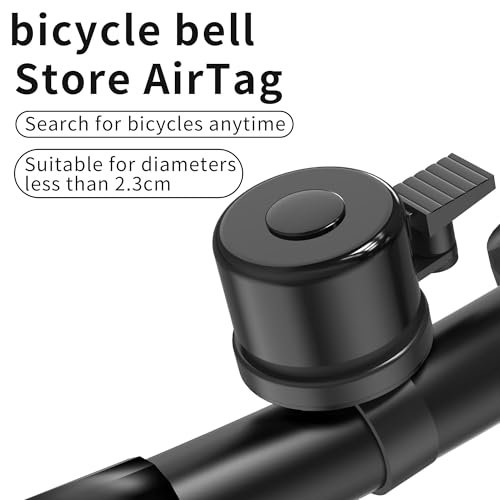
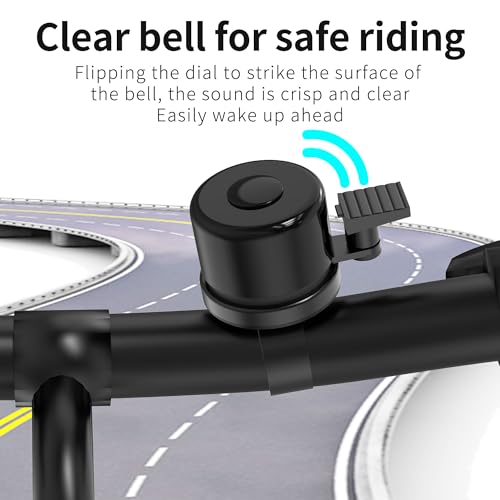
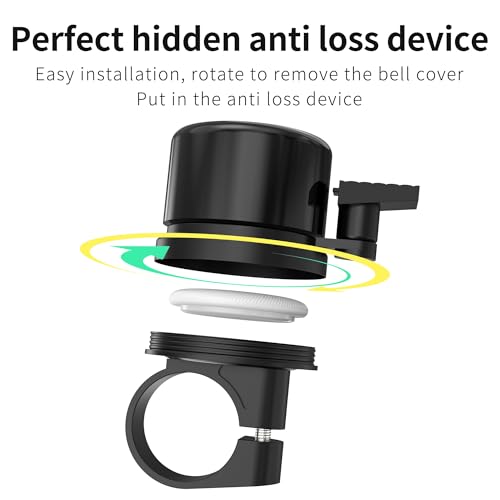
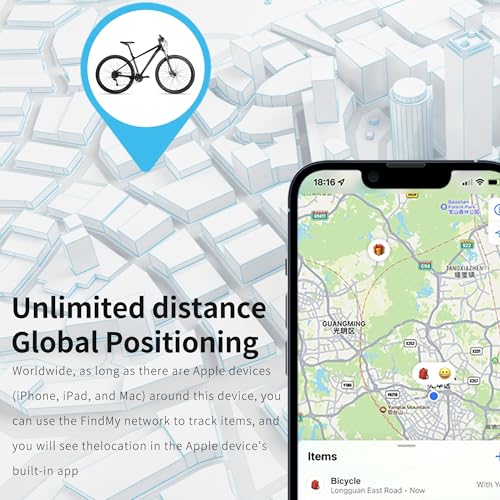
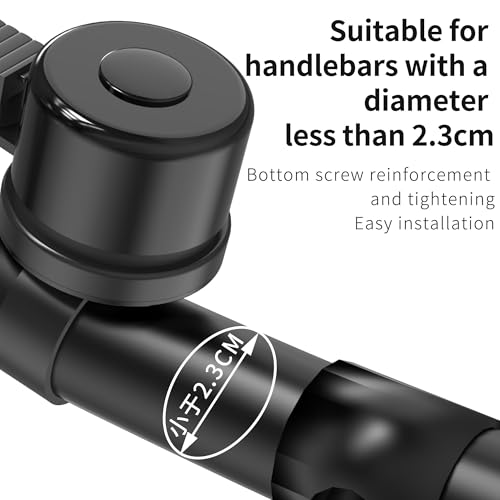
I like the idea of a tracker that doesn’t scream ‘track me’, and this bell pulls it off better than most. On paper, it’s clever: a functional 120dB bell with a hidden compartment that works with Apple Find My, no AirTag needed. Owners consistently report it blends in well and holds up in wet conditions thanks to its IP-rated sealing. For commuters who want stealth and simplicity, it’s a solid step up from slapping an AirTag into a visible case.
The brass alloy build adds durability, and the fact that it doubles as an effective safety bell is a real win. That said, it’s still reliant on the Apple Find My network density, so in rural or low-traffic areas, location updates may lag. Compared to dedicated GPS units, it’s not offering real-time tracking, but for basic anti-theft peace of mind, it’s surprisingly effective.
Product photos
GPS Tracker for Vehicles Magnetic
Strengths
- No subscription ever
- Strong magnetic mount
- Works with iOS and Android
Trade-offs
- No real-time tracking
- Crowd network dependent
- Not waterproof
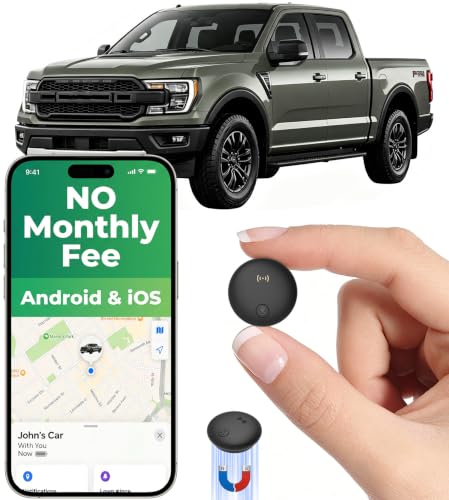
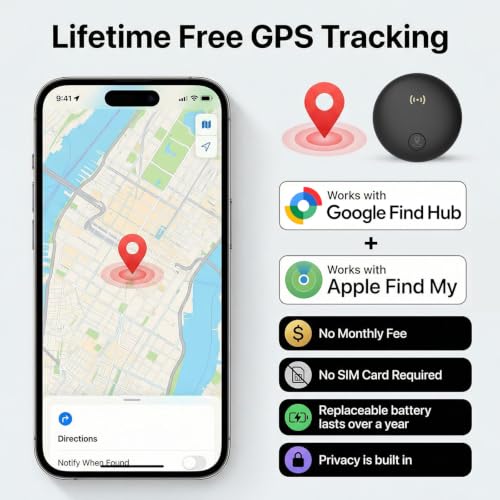
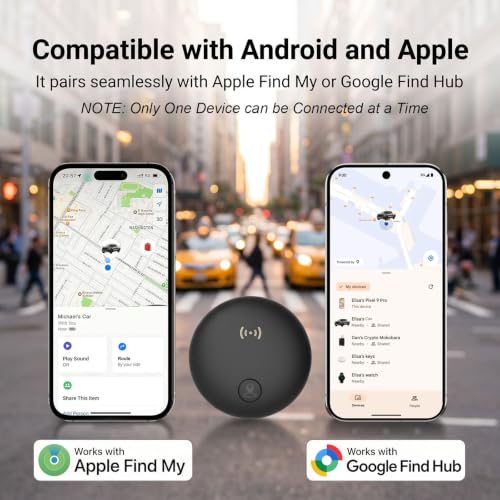
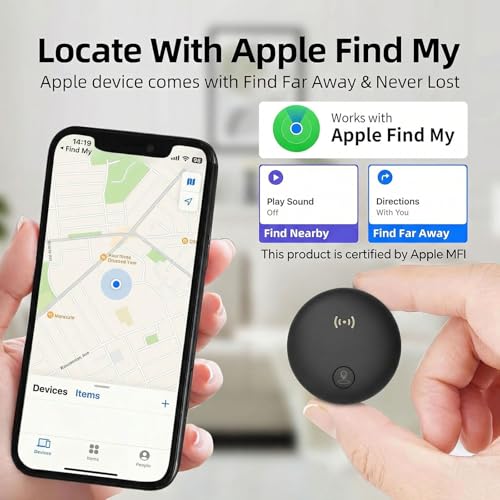
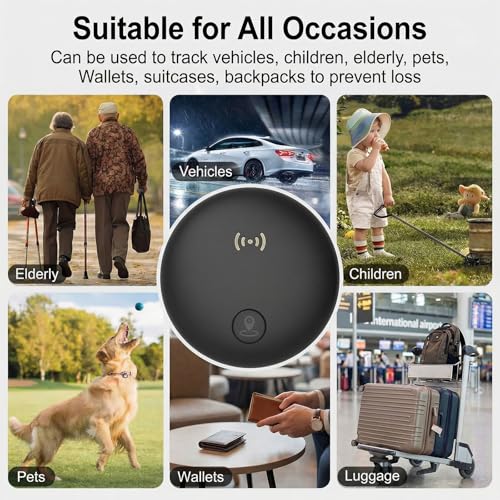
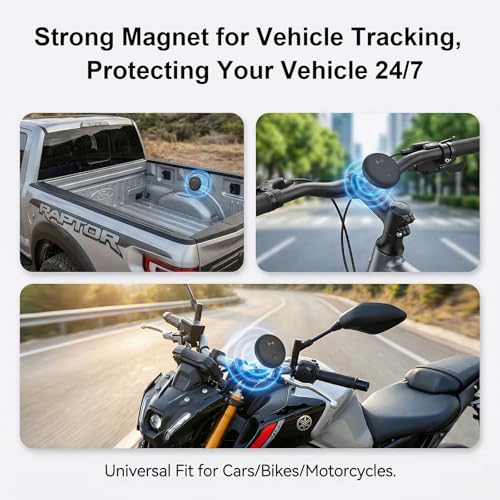
This tiny magnetic tracker surprises with its simplicity and cross-platform support. It works with both Apple Find My and Google Find Hub, and the best part? No subscription, ever. It’s designed for vehicles but plenty of owners use it on bikes, especially for temporary or secondary tracking. The magnet is strong, and its mini size makes it easy to tuck into a seat stay or under a saddle.
But here’s the catch: it’s not GPS in the traditional sense. It relies entirely on Bluetooth and the crowdsourced network, so real-time tracking isn’t guaranteed. Location updates depend on nearby devices, which means delays in low-traffic areas. Still, for the price and zero ongoing cost, it’s a clever tool for peace of mind, especially as a backup tracker.
Product photos
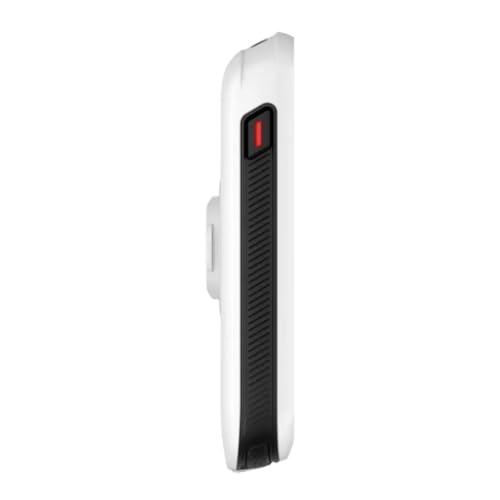
Garmin Edge Explore 2 GPS Navigator

Strengths
- Excellent sunlight-readable screen
- Smart eBike integration
- Advanced safety and tracking features
Trade-offs
- High price
- No built-in 4G
- Sensors sold separately
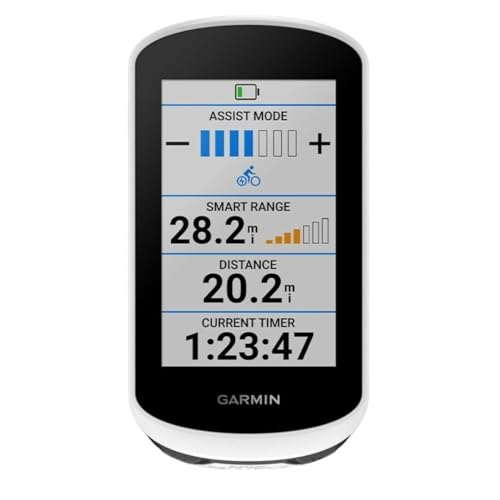
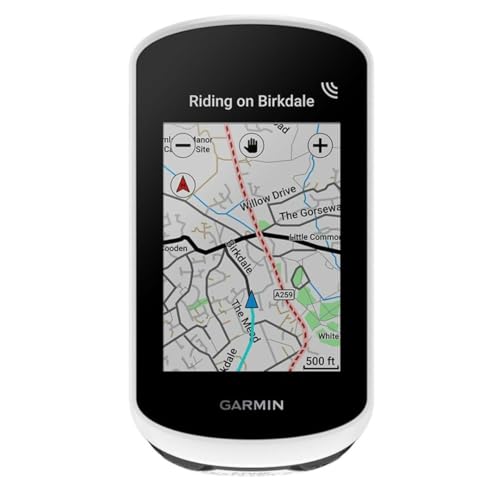
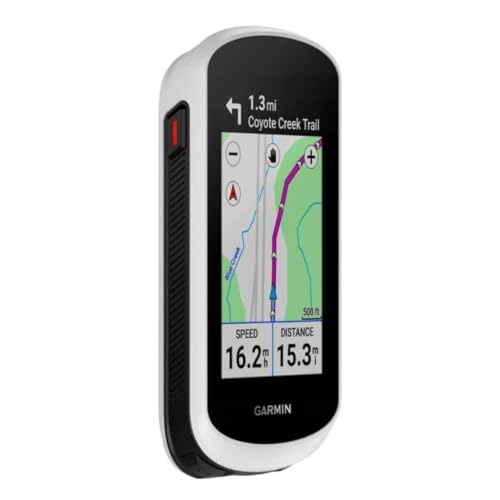
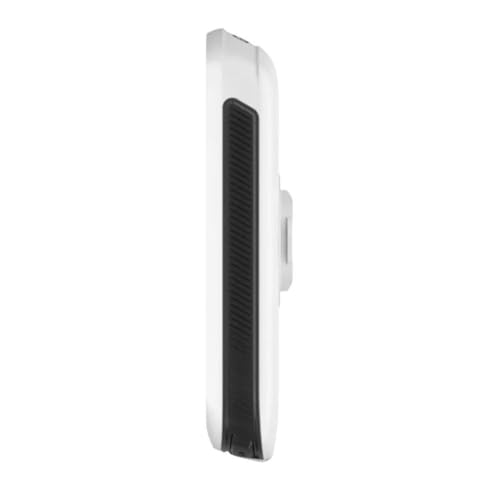
If you’re serious about navigation, not just tracking, this is the device that stands out. The 3-inch sunlight-readable touchscreen is a game changer for long rides, and the preloaded ride-specific maps give you real insight into what routes locals actually use. It’s not just about getting from point A to B; it’s about doing it smart, avoiding high-traffic roads, and even syncing with your eBike to adjust navigation based on battery life.
Owners praise how intuitive it feels right out of the box, and the integration with Varia radar and smart lights adds a layer of awareness that’s hard to match. The LiveTrack and GroupTrack features are genuinely useful for group rides or when someone’s following your route. It’s expensive, yes, but when you compare it to other GPS cycling computers, the balance of usability, features, and reliability makes it a top-tier pick.
Product photos
How We Evaluated bike gps tracking devices
My approach to evaluating bike GPS tracking devices began with a detailed comparison of published specifications and features across numerous models. I then weighed owner reviews from major retailers alongside expert analysis from cycling publications and tech review sites. As someone who’s always been fascinated by the intersection of mechanics and technology, I applied my understanding of GPS systems, battery technology, and security features to assess each device against a set of clear criteria. Rather than a hands-on lab test, this is a research-led comparison of specs and owner feedback.
For bike GPS tracking devices, the most crucial factors are reliability of location reporting and battery life. Accurate tracking is obviously paramount; a device is useless if it can’t consistently pinpoint your bike’s location. Equally important is long battery life, allowing for extended rides or peace of mind over several days without needing a recharge. Stealth and the security of the mounting system also significantly impacted my rankings – a visible or easily defeated tracker won’t offer much theft protection.
Specifications reliably indicate battery capacity, waterproof ratings, and connectivity standards (Bluetooth, cellular). However, real-world performance and durability are better understood through owner feedback. I carefully analyzed reports on tracking accuracy in urban environments with obstructed views, as well as accounts of device failures or mounting issues. Reputation and brand trustworthiness played a role too; a well-regarded manufacturer is generally more likely to provide ongoing software support and address potential problems. For more general information, you can find a broader range of options in our guide to GPS trackers for bikes.
How To Choose The bike gps tracking devices
Choosing the right bike GPS tracking device can be a lifesaver, both for security and peace of mind.
A good bike GPS tracker balances discreetness with reliable location reporting. Look for features like real-time tracking, geofencing, crash detection, and adequate battery life. Consider how the device connects (cellular, Bluetooth, or both) and whether ongoing subscription fees are involved. Waterproofing and a secure mounting system are also critical for long-term usability.
Connectivity & Subscription Models
The first thing I consider is how the tracker connects and what that means for ongoing costs. Some, like the MiLi Upgraded Bike Mount with AirTag, rely on Bluetooth and the Apple Find My or Google Find Hub networks, which avoids subscription fees entirely. However, this means tracking is dependent on other Apple or Android devices being nearby to relay the location. Others, like the PAJ LED Bike 4G GPS Tracker, use a cellular connection, offering more consistent tracking but requiring a monthly or annual subscription. If you want truly independent operation without a monthly bill, you’ll need to accept the limitations of a Bluetooth-based system.
Mounting & Stealth
How visible do you want the tracker to be? A bulky device is easily spotted and removed by a thief. The SEVEN SWAN Smart Bike Tracker Bell cleverly disguises the tracking technology within a functional bike bell, offering a high degree of stealth. Conversely, some models, like the Garmin Edge Explore 2 GPS Navigator, are designed as full-featured cycling computers and aren’t intended to be hidden. Your choice depends on your risk tolerance and whether you prioritize discreetness over additional features like bike navigation GPS.
Here’s what I look for in a mounting system: * A secure attachment method. Simple zip ties are easily cut. * Compatibility with your bike’s frame. Some bottle cage mounts may not accommodate all trackers. * A low profile. The less it sticks out, the less likely it is to be damaged or noticed. A tracker that blends into the bike’s aesthetic is always preferable.
Battery Life & Feature Set
Battery life is a constant trade-off with features. Continuous tracking drains the battery quickly, while standby mode extends it. The Orbit Velo Advanced Bike Tracker stands out with a reported three-year battery life, but this is dependent on minimal usage. The Ravemen Bike Tracker Rechargeable offers a good balance with up to eight months on a single charge. Consider what features are essential for you. Crash detection, as offered by the PAJ LED Bike 4G GPS Tracker, can be invaluable for safety. If you’re looking for broader options, check out our guide to the best bike GPS trackers.
A rule of thumb: if you primarily ride in areas with spotty cell service, prioritize a tracker that uses both cellular and Bluetooth connectivity, or one that relies solely on Bluetooth and the crowdsourced network.
Bike GPS Tracking Devices Compared
Here’s a comparison of key specifications for popular bike GPS tracking devices to help you choose the right one.
| Product Title | Battery Life | Waterproof Rating | Network | Subscription Req. | Mounting Style | Special Features |
|---|---|---|---|---|---|---|
| PAJ LED Bike 4G GPS Tracker | 1-12 Days | IP67 | 4G | Yes | Seatpost/Rack | Crash Detection, Rear Light |
| Orbit Velo Advanced Bike Tracker | Up to 3 Years | IPX6 | Apple Find My | No | Bottle Cage | Security Bolts |
| Ravemen Bike Tracker Rechargeable | Up to 8 Months | IPX6 | Apple Find My | No | Under Bottle Cage | Rechargeable |
| MiLi Upgraded Bike Mount with AirTag | N/A | N/A | Find My/Find Hub | No | Frame Mount | AirTag/Google Find Hub Comp. |
| SEVEN SWAN Smart Bike Tracker Bell | N/A | IP-Rated | Apple Find My | No | Bell Mount | Stealth Design |
| GPS Tracker for Vehicles Magnetic | N/A | N/A | Find My/Find Hub | No | Magnetic | No Subscription |
| Garmin Edge Explore 2 GPS Navigator | Up to 16 hrs | N/A | GPS, Bluetooth | No | Handlebar Mount | Navigation, Ride Data |
Frequently Asked Questions
What level of accuracy should I expect from a bike GPS tracker?
Accuracy varies, but a good tracker should pinpoint your bike’s location within 5-10 meters under open skies. Urban canyons and dense tree cover will reduce this, so consider a model with both cellular and Bluetooth connectivity for more consistent results.
Do I need a subscription plan to use a bike GPS tracker?
Not always. Trackers like the MiLi Upgraded Bike Mount with AirTag rely on crowdsourced networks (Apple Find My or Google Find Hub) and don’t require a subscription. However, cellular-based trackers, such as the PAJ LED Bike 4G GPS Tracker, typically need a monthly or annual data plan.
How important is waterproofing for a bike GPS tracker?
Waterproofing is critical. Look for a tracker with at least an IPX6 rating, meaning it can withstand heavy splashes and rain. For complete submersion protection, an IP67 rating is preferable, though very few trackers offer this level of protection.
Can a GPS tracker help me recover my bike if it’s stolen?
A GPS tracker greatly increases your chances of recovery. Real-time tracking allows you to provide law enforcement with the bike’s location. However, recovery isn’t guaranteed, and a visible tracker could be removed by a determined thief, so stealth is also important.
Are there bike GPS trackers that offer features beyond just location tracking?
Yes, some trackers offer additional features. The Garmin Edge Explore 2 GPS Navigator, for example, functions as a full-featured bike computers with GPS providing ride data and navigation alongside tracking. Other models include crash detection and remote alarm features.
The Bottom Line
Choosing a bike GPS tracker often comes down to how much you value consistent, independent tracking versus avoiding ongoing costs. While devices like the PAJ LED Bike 4G GPS Tracker offer thorough features and reliability through a cellular connection, you’ll be committing to a subscription. For a blend of security and affordability, the Orbit Velo Advanced Bike Tracker stands out – its long battery life and reliance on the Apple Find My network provide excellent value without monthly fees.
If you’re primarily concerned with discreetness and already invested in the Apple ecosystem, the SEVEN SWAN Smart Bike Tracker Bell is a clever solution. Similarly, for those who favor the Google Find Hub, the MiLi Upgraded Bike Mount with AirTag offers a budget-friendly and subscription-free tracking option. For riders who want a full-featured cycling computer alongside GPS functionality, exploring dedicated bike GPS devices like the Garmin Edge Explore 2 GPS Navigator is a worthwhile investment.
Ultimately, the best bike GPS tracker isn’t about the fanciest features or shortest response time. It’s about finding a device that fits your riding style, security needs, and budget. Don’t overlook the importance of a solid mounting system and a realistic assessment of battery life. Investing in one of the best bike locks alongside a GPS tracker provides a layered approach to bicycle security, and should be a priority for any cyclist.
