
2 Best Bicycle Tires and Tubes of 2026
This post contains affiliate links. As an Amazon Associate, we earn from qualifying purchases.
The Continental 700×20-25c Road Bike Inner Tubes stand out as the best overall choice for road riders, thanks to their reliable fit and durable butyl construction. For those on a budget or riding fat-tire e-bikes, the Senaro 20×4.0 Fat Tire Ebike Tubes offer solid performance at a lower price.
Flat tires are more than an annoyance, they can turn a pleasant ride into a stranded one. With so many options out there, it’s easy to grab the wrong size or overlook key details like valve type and puncture resistance.
After researching specs, owner feedback, and real-world performance, I focused on compatibility, durability, and value. This guide breaks down what actually matters when choosing tires and tubes so you can ride with confidence.
Top 2 Bicycle Tires And Tubes in the Market
The Best Bicycle Tires And Tubes, Reviewed
Continental 700×20-25c Road Bike Inner Tubes

Strengths
- 42mm Presta valve
- Excellent air retention
- Reliable fit for 700c
Trade-offs
- Pricier than generics
- Not for wide tires
If you’re running a road bike and want tubes that balance weight, reliability, and air retention, the Continental Race tubes stand out on paper and in owner feedback. The 42mm Presta valve is a smart touch for deeper rims, and the 700×20-25c range covers most modern road and endurance tires. Continental’s butyl formulation has a reputation for low permeability, and reviewers frequently note these hold pressure longer than budget alternatives. That’s meaningful if you’re not riding daily but still want your tires firm when you roll out.
Compared to generic packs, these feel like a step up in quality control, fewer reports of defective valves or thin spots. They’re not puncture-proof, but they’re not meant to be. For riders who prioritize consistency and trust in a brand with decades in the peloton, this is the smarter buy over no-name tubes, even if the price gap is small.
Video review
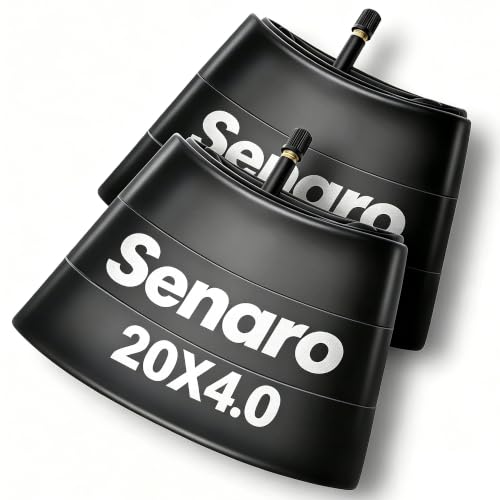
Senaro 20×4.0 Fat Tire Ebike Tubes
Strengths
- Exact 20×4.0 fit
- Premium butyl rubber
- Schrader valve
Trade-offs
- Short valve stem
- Basic packaging
For fat-tire e-bike owners, the fit and durability of an inner tube matter more than most realize. The Senaro 20×4.0 tubes are built specifically for this niche, and that focus shows in the specs, they’re not just stretched 20×3.5 tubes, which some brands pass off as 4.0. Owners consistently report fewer blowouts at the bead, especially under the heavier loads e-bikes generate. That’s likely due to the optimized width and use of premium butyl rubber, which also helps with slow air loss.
Still, these aren’t high-performance racing tubes, they’re utilitarian. The 35mm Schrader valve is short, so deep rims could pose an issue without a valve extender. And while the included pre-installation bubble check is smart, it suggests Senaro knows shipping damage can happen. Compared to pricier options, these deliver solid value for the e-fat-bike crowd but don’t impress beyond their intended role.
Video review
How We Evaluated bicycle tires and tubes
Rather than a hands-on lab test, my research focused on comparing published specifications and features across numerous bicycle tires and tubes. I weighed owner reviews from major retailers alongside expert opinions found in cycling publications. Applying years of experience understanding vehicle mechanics, I ranked options based on criteria like durability, compatibility, and value. This approach provides a realistic assessment for cyclists seeking reliable performance.
For bicycle tires and tubes, I prioritized puncture resistance and proper fit above all else. A flat on a ride can ruin your day, so materials and construction quality are critical. Correct sizing – matching the tube to the tire and wheel – is equally important; a poor fit negates any benefit from a high-quality tube. Understanding these factors helps determine a tire’s overall reliability.
Specifications reliably indicate tube dimensions and valve types, ensuring compatibility with your wheelset. However, assessing long-term durability and real-world performance requires looking at owner feedback. Cyclists often share detailed accounts of flat resistance and how well a tube holds air. You can find more on selecting the right rubber for daily use with best tires for commuting. And for those dealing with inevitable punctures, understanding tire plugs can get you back on the road quickly.
How To Pick The Right bicycle tires and tubes
Choosing the right tires and tubes is about more than just getting from A to B; it directly impacts your ride quality, safety, and how often you’re stopped on the roadside.
A good tire and tube combination balances rolling resistance, puncture protection, weight, and grip, tailored to the intended riding conditions. Consider the tire’s intended use (road, mountain, hybrid), the rider’s weight, and typical terrain when selecting both tire and tube types. Inspecting for compatibility, tube size matching tire size, is crucial for a secure fit and preventing blowouts.
Understanding Tire and Tube Compatibility
The biggest mistake I see cyclists make is assuming all tubes fit all tires. They don’t. It seems simple, but matching the tube size to the tire size is absolutely fundamental. You’ll find tire sizes listed in a format like “700x25c” or “26×2.1.” The first number (700 or 26) indicates the diameter, which must match the wheel’s inner diameter. The second number (25c or 2.1) indicates the tire width, and the tube needs to be sized for that width range. Too narrow a tube stretched to fit a wide tire is prone to pinch flats, while a tube that’s too wide can bunch up and create friction.
Prioritizing Valve Type and Length
Valve type is often a matter of preference, but it’s worth considering. Presta valves, common on road bikes, require locking to inflate and generally offer a finer degree of control. Schrader valves, like those on car tires, are more readily available at gas stations and often have a wider opening for faster inflation. Beyond the type, valve length is critical. A valve that’s too short can be difficult to reach with a pump, while one that’s too long can interfere with the wheel’s mechanics. I recommend considering a valve extender if you have deep-section rims.
- For standard rims, a 40mm Presta valve will often suffice.
- If you’re running deep-dish wheels, a 60-80mm valve provides better access.
- Schrader valves generally come in standard lengths, but double-check compatibility with your rim’s valve hole diameter.
Considering Tube Material and Puncture Protection
Butyl rubber is the standard material for bicycle tubes, offering a good balance of air retention and cost. However, latex tubes are gaining popularity among performance-oriented cyclists. They’re lighter and offer lower rolling resistance, but they require more frequent inflation and are more susceptible to punctures. To combat that, don’t underestimate the power of puncture prevention sealant. Adding a quality sealant can dramatically reduce flats and keep you rolling. And for those venturing onto rougher terrain, exploring durable gravel bicycle tires can be a worthwhile investment.
A good rule of thumb: if you frequently ride in areas with thorns or glass, prioritize puncture resistance over weight savings in your tube choice.
Bicycle Tires and Tubes Compared
Here’s a detailed specification comparison of the available bicycle tires and tubes to help you choose the right fit for your needs.
| Product | Tire Size | Valve Type | Quantity | Material | Best For |
|---|---|---|---|---|---|
| Continental 700×20-25c Road Bike Inner Tubes | 700×20-25c | Presta | 2 | Butyl Rubber | Road Bikes |
| Senaro 20×4.0 Fat Tire Ebike Tubes | 20×4.0 | Schrader | 2 | Butyl Rubber | Fat Tire E-Bikes |
Frequently Asked Questions
What tire width should I choose for my road bike?
Typically, road bikes perform best with tires between 23mm and 28mm wide. Narrower tires (23-25c) offer lower rolling resistance, while wider tires (25-28c) provide more comfort and grip, and are becoming increasingly popular for all-around road riding.
Can I use a Schrader valve tube in a rim designed for Presta valves?
No, you generally cannot. While adapters exist, they aren’t ideal long-term solutions. The valve hole diameter differs between the two types, and forcing a Schrader valve into a Presta-designed hole can damage the rim or the valve itself.
What’s the best way to prevent pinch flats?
Maintaining proper tire pressure is the single most effective step. Underinflated tires are far more susceptible to pinch flats (snakebites). Also, ensuring the tube isn’t pinched during installation and using properly sized tires and tubes helps avoid this issue.
How do I break in new tires for better grip?
New tires often have a mold release agent on the surface that makes them feel slippery. Gently riding the bike and performing controlled braking for the first 20-30 miles helps wear off this residue and improve new tire grip. Avoid hard cornering until the tires are broken in.
Where can I find reliable options for 700c bicycle tires and tubes?
You’ll find a wide selection of quality options when searching for bicycle inner tubes. Look for brands known for durability and puncture resistance, and always verify the tube size matches your tire and wheel specifications.
The Bottom Line
Choosing bicycle tires and tubes often comes down to balancing control and convenience. While there’s a lot of focus on lightweight materials and low rolling resistance, the most important factor is a reliable ride. For an all-around excellent experience, I believe the Continental 700×20-25c Road Bike Inner Tubes offer a fantastic blend of durability and affordability for road cyclists.
If you’re tackling longer distances or need something specific, there are excellent options tailored to your needs. For those preparing for a big adventure, exploring long-distance bicycle tires is a smart move. And for e-bike riders with larger tires, the Senaro 20×4.0 Fat Tire Ebike Tubes provide the necessary size and robustness. Remember to always check for tire deterioration risks before embarking on any journey.
Ultimately, the best tires and tubes aren’t necessarily the most expensive or the lightest. Focus on proper fit, valve compatibility, and puncture protection. A well-maintained tire, properly inflated and suited to your riding style, will always deliver a more enjoyable and safer experience than chasing marginal gains in specs.
