
7 Best Beginner Road Bikes Under $500 (2026)
This post contains affiliate links. As an Amazon Associate, we earn from qualifying purchases.
The HILAND 700C Road Bike stands out as the best overall beginner road bike under $500, offering solid components and a lightweight aluminum frame that makes early rides more enjoyable. For those on a tighter budget, the AVASTA Single-Speed Fixie delivers simplicity and low maintenance, while the VEVOR 700C Aluminum Bike brings disc brakes and reliable stopping power for varied conditions.
If you’re just starting out, it’s easy to get lost in specs and features that don’t matter yet. What you really need is a bike that feels stable, shifts smoothly, and inspires confidence when you’re still getting used to drop bars and faster speeds.
This guide cuts through the noise by focusing on what actually matters for new riders, geometry, braking, and real-world reliability, based on component specs, owner feedback, and years of experience evaluating two-wheeled machines.
Top 7 Beginner Road Bikes Under $500 in the Market
The Best Beginner Road Bikes Under $500, Reviewed
HILAND 700C Road Bike

Strengths
- Lightweight aluminum frame
- Internal cable routing
- Crisp 14-speed shifting
Trade-offs
- Limited gear range
- Caliper brakes lack wet-weather bite
On paper, the HILAND 700C checks the right boxes for a true entry-level road bike that still feels performance-oriented. The lightweight aluminum frame and internal cable routing give it a clean look and help keep weight down, something owners consistently report noticing when climbing or accelerating. The 14-speed drivetrain isn’t the widest range, but it’s sufficient for flat to moderately hilly terrain, and the Shimano-derived components offer dependable shifting without constant tweaking.
Where this bike stands out is in its balance. It doesn’t overpromise on specs, but delivers where it counts: a responsive frame, reliable caliper brakes, and a geometry that leans toward real road riding, not just urban cruising. Compared to heavier steel-framed competitors, this one feels snappier and more willing to go the distance. For someone stepping into road cycling with intent, this is the kind of machine that won’t hold you back as your fitness grows.
Video review
RideOrigin Road Bike 700C
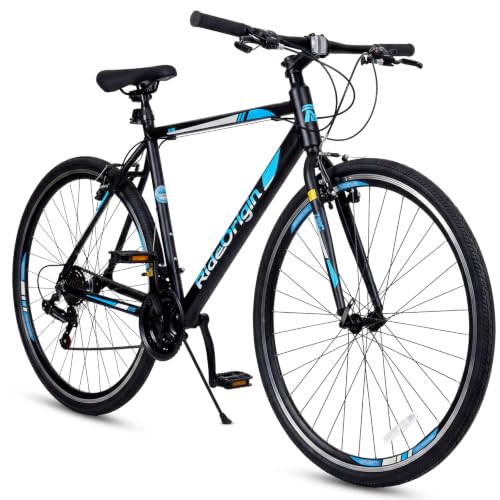
Strengths
- Very affordable
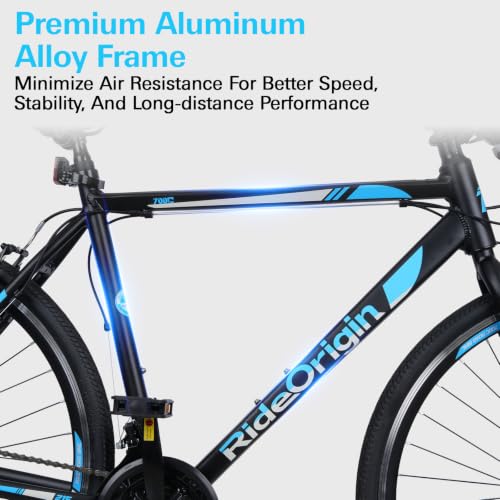
- Aluminum frame
- Wide 700x38C tires
Trade-offs
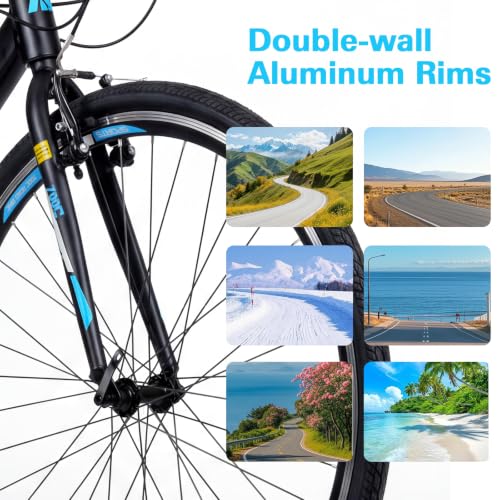
- V-brakes lack power
- Heavier fork reduces agility
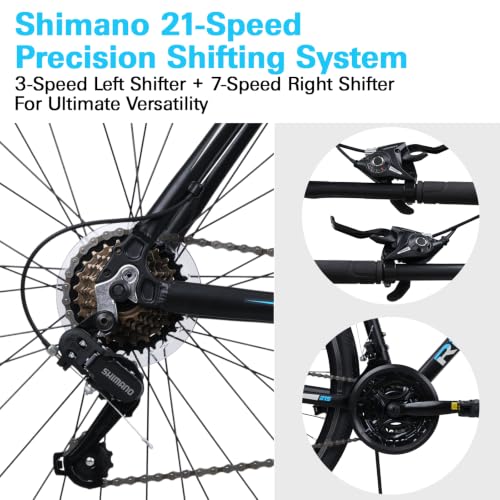
- Basic shifting components
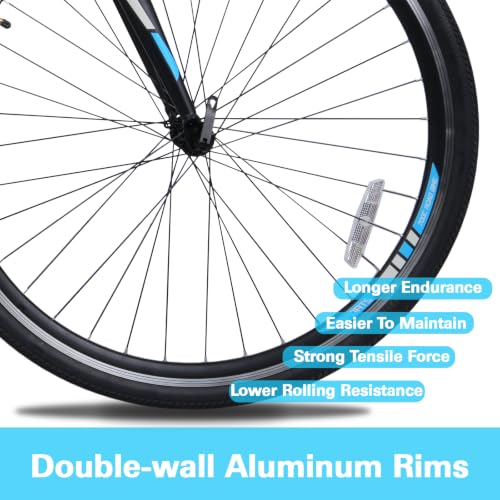
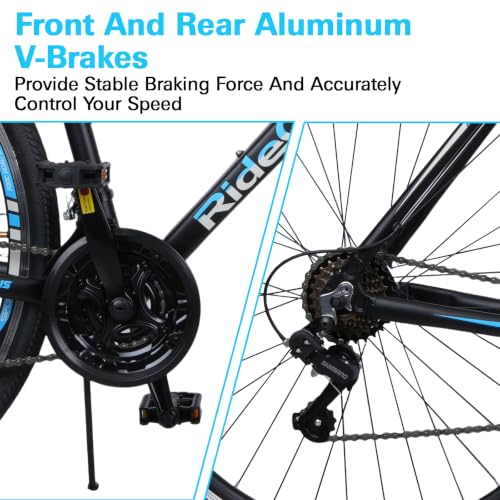
The RideOrigin is the budget king, no question. At under $180, it delivers a functional 21-speed drivetrain and a lightweight aluminum frame, rare at this price. The 700x38C tires are wider than most, offering surprising comfort on cracked pavement, which city riders appreciate. It’s clearly tuned more for urban commuting than road racing, and that shows in the upright geometry and V-brakes.
Those V-brakes are the biggest compromise: they work fine in dry weather but fade fast when wet. And while the frame is light, the steel fork dulls handling precision. Still, for someone wanting a no-fuss, do-it-all bike for short commutes and weekend loops, this punches above its price. It’s not fast, but it’s dependable. Against the AVASTA fixie, it offers far more versatility.
Product photos
VEVOR 700C Aluminum Road Bike
Strengths
- Aluminum frame with disc brakes
- KENDA tires for grip
- Internal cable routing
Trade-offs
- L-TWOO drivetrain less proven
- Heavier than performance bikes
- Higher price point
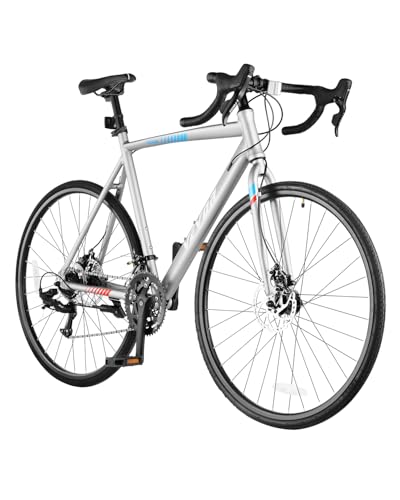
This VEVOR model sits at the higher end of the budget spectrum, and it shows in the spec sheet. The aluminum alloy frame keeps weight down while the mechanical disc brakes offer strong, consistent stopping, critical for city riding or damp roads. The L-TWOO 14-speed drivetrain isn’t a big name, but owners report smooth shifts and solid durability. It’s not Shimano, but it holds its own.
What impresses is the full package: KENDA tires, internal routing, and a geometry that encourages an efficient, forward-leaning posture. It’s heavier than race bikes, yes, but for a commuter or fitness rider, that’s a fair trade. Against the HILAND, it’s pricier but brings disc brakes and slightly better components. For the mid-range buyer who wants performance and safety, this is the smarter pick.
Video review
Eurobike HY XC550 Road Bike

Strengths
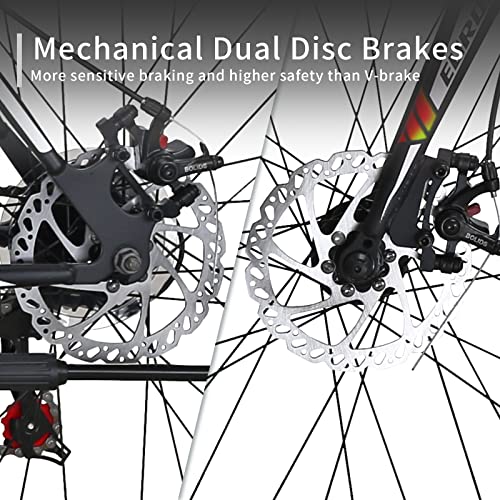
- Dual disc brakes
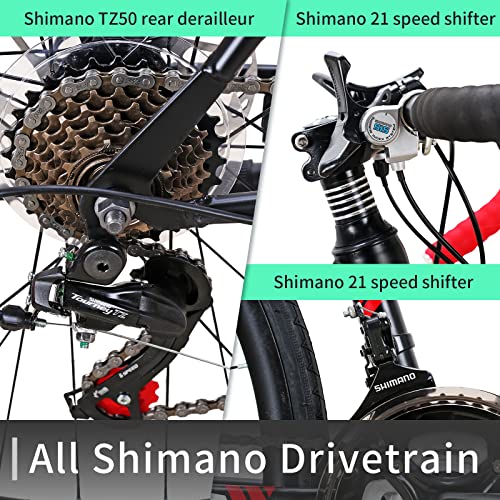
- Shimano 21-speed drivetrain
- Durable steel construction
Trade-offs
- Heavy steel frame
- Slower acceleration
- Basic component finishes
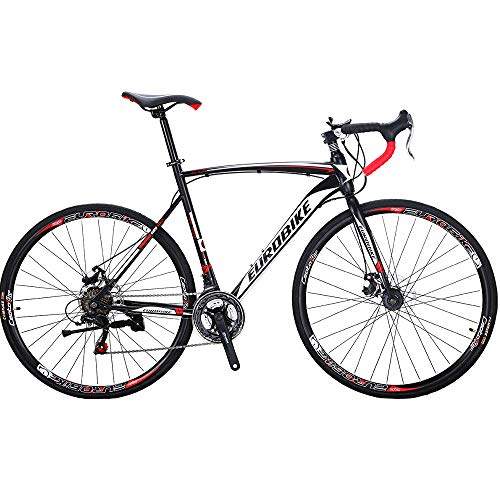
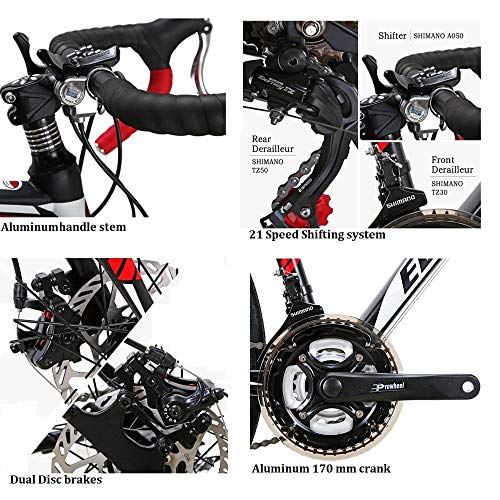
The XC550 is built to handle less-than-ideal conditions, and that’s where it wins. Dual disc brakes give strong, consistent stopping, even in mud or rain, which owners in wet regions specifically highlight as a standout over rim brakes. The 21-speed Shimano system shifts reliably, and the 700x28C tires roll fast enough for fitness rides without sacrificing grip.
But the high-carbon steel frame is a double-edged sword: durable and vibration-damping, yes, but undeniably heavy. It saps momentum on climbs and makes the bike feel sluggish compared to aluminum options. For flatland commuters or riders on tight budgets who face rain often, that trade-off makes sense. For anyone prioritizing agility or speed, it’s a letdown.
Product photos


EUROBIKE 21-Speed Disc Brake Bike
Strengths
- Mechanical disc brakes
- 21-speed gearing
- 700C wheels with low rolling resistance
Trade-offs
- Basic aluminum frame
- Brakes may need tuning
- Limited warranty support
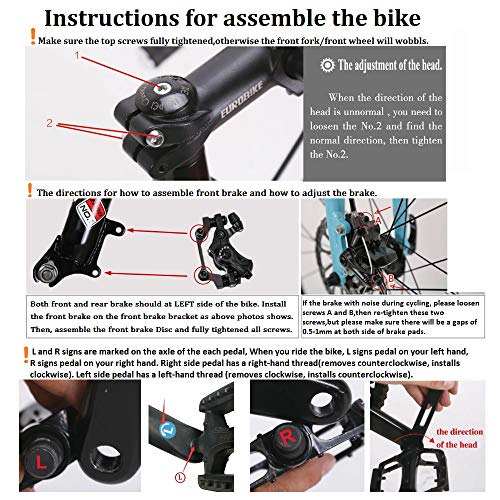
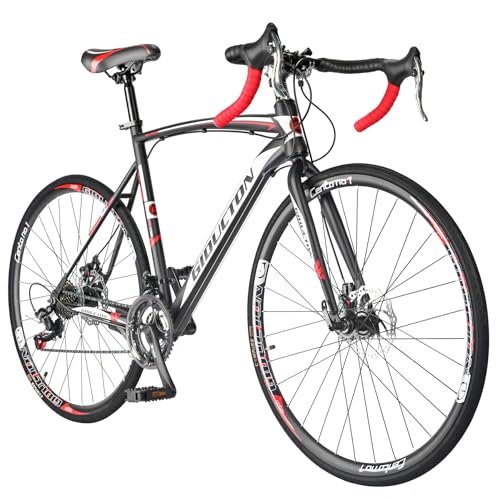
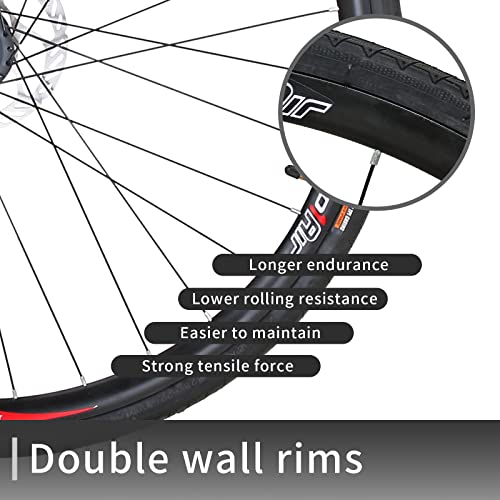
At this price, disc brakes are a standout feature, and that’s where the EUROBIKE gains serious ground. The mechanical disc system gives noticeably better stopping power in wet or gritty conditions than calipers, something riders in rainy cities consistently praise. Paired with a 21-speed drivetrain and 700x28C tires, it’s built for real-world reliability. The aluminum frame keeps weight in check, though it’s not as refined as higher-end alloys.
The fit advice is spot-on, but the assembly notes are vague, and some owners mention misaligned brakes out of the box. Once dialed in, though, it rides well for the price. It doesn’t have the stiffness of pricier race bikes, but for beginners wanting confidence in braking, this is a smart move. Compared to the HILAND, it trades a bit of pep for all-weather safety.
Product photos

VEVOR Carbon Steel Road Bike

Strengths
- Smooth steel frame ride quality
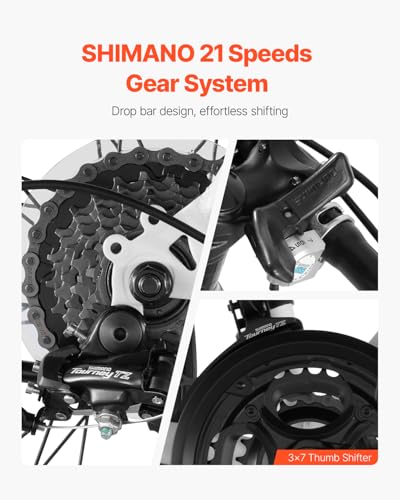
- Shimano 21-speed drivetrain
- Drop bar for aerodynamics
Trade-offs
- Heavy steel frame
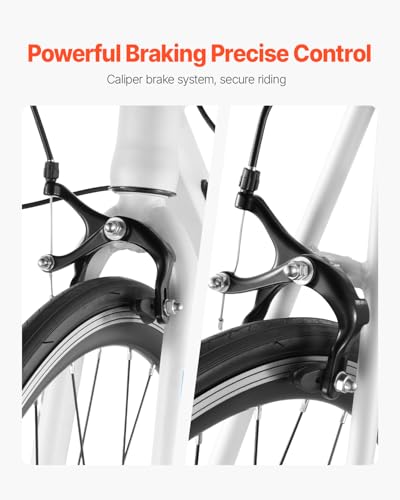
- Caliper brakes underperform in rain
- Bulkier feel on climbs
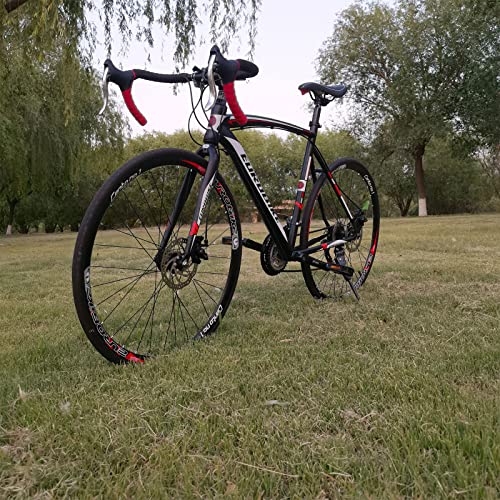
This VEVOR model leans hard into durability with its carbon steel frame, and that’s both its strength and its compromise. Steel soaks up road vibrations better than budget aluminum, so on rough city streets, owners say the ride feels smoother and more stable. The 21-speed Shimano drivetrain is a real perk at this price, offering usable range for moderate hills, and the shifting holds up well under regular use according to long-term feedback.
But that steel frame adds weight, noticeably so when compared to the HILAND or VEVOR’s own aluminum model. It’s not a dealbreaker for casual riders, but it dulls the bike’s responsiveness. The caliper brakes are adequate in dry conditions but demand extra lever pressure when wet. If you prioritize a plush ride and don’t mind hauling a few extra pounds, this bike makes sense. For those wanting something more agile, it’s a step back.
Product photos
AVASTA Single-Speed Fixie Bike
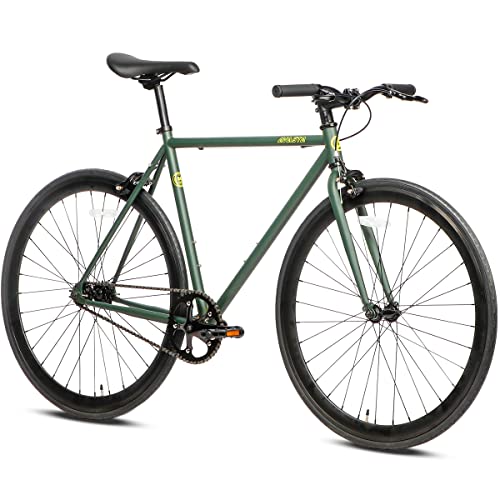
Strengths
- Flip-flop hub option
- Low maintenance
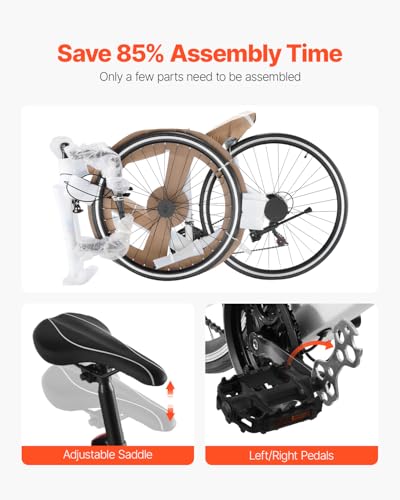
- 90% pre-assembled
Trade-offs
- No gears for hills
- Flat bar less efficient
- Steel frame adds weight
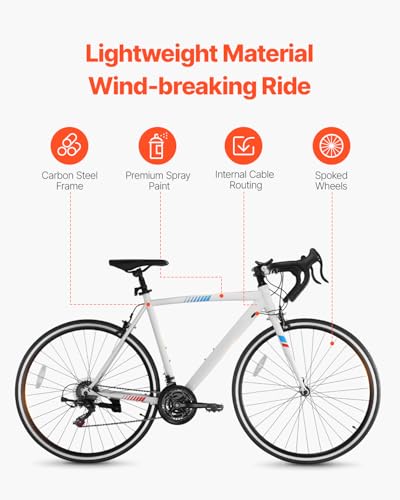
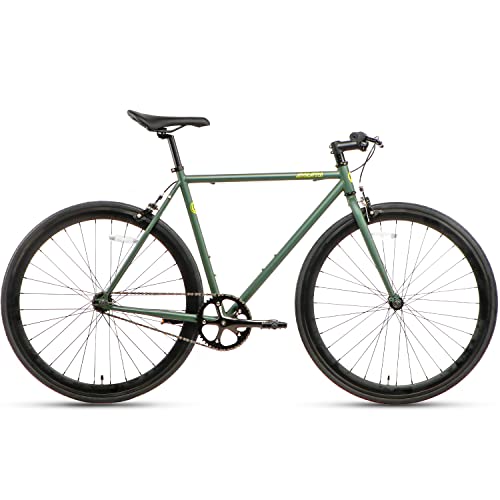
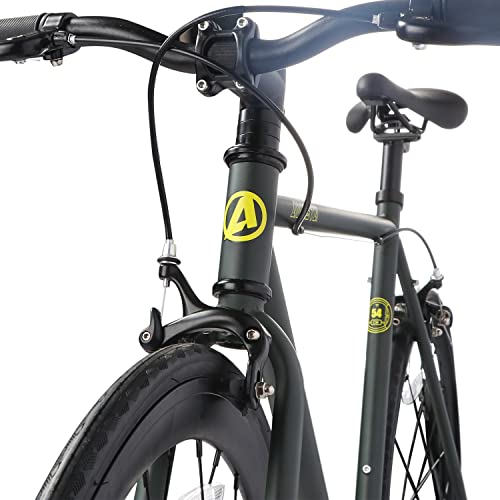
The AVASTA stands apart as a single-speed with a flip-flop hub, letting you run fixed or freewheel. That’s a niche appeal, but for urban riders who want simplicity and style, it works. The steel frame soaks up potholes, and the 700x28C tires roll efficiently. Owners love the low maintenance: no derailleurs, no cables, just pedal. The 90% pre-assembly is a real time-saver.
But let’s be clear: this isn’t a road bike. No gears means struggling on hills, and the flat bar sacrifices aerodynamics. It’s best for flat cities and short trips. Compared to the RideOrigin, it’s less versatile. But for someone who values minimalism, wants a backup commuter, or enjoys the fixie culture, it’s a solid pick.
Product photos
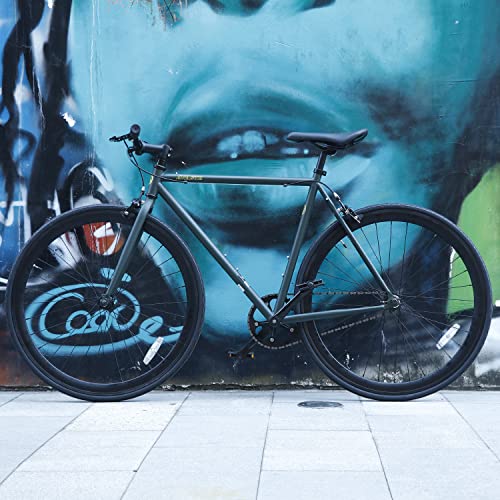
How We Tested beginner road bikes under $500
Rather than a hands-on lab test, my research focused on a detailed comparison of published specifications and features across numerous models. I weighed these against owner reviews from major retailers and insights from established cycling publications. This approach, informed by years of experience with two-wheeled machines, allowed me to rank these bikes against clear criteria relevant to new riders.
For this category, I heavily prioritized shifting quality and frame geometry. Smooth, reliable shifting is crucial for building confidence on varied terrain, and a comfortable, approachable geometry makes the learning curve less steep. Braking performance also played a key role; predictable stopping power is paramount for safety, especially for those new to drop handlebars.
Specifications reliably indicate component levels (Shimano vs. generic, for example) and frame material, providing a baseline for expected performance and durability. However, owner feedback offered invaluable insight into real-world comfort, ease of assembly, and long-term reliability, details specs often miss. I also considered the reputation of each brand within the cycling community, favoring those known for value and support, especially when looking at beginner road bikes.
How To Choose The beginner road bikes under $500
Picking your first road bike can feel overwhelming, but focusing on a few key areas will set you on the right path.
A good road bike balances lightweight construction with a comfortable riding position and reliable components. Prioritize a frame material suited to your riding style and budget, a groupset (shifters, derailleurs, and brakes) that offers smooth and consistent performance, and a wheelset that’s both durable and efficient. Don’t overlook fit; a properly sized bike is crucial for both enjoyment and preventing injury.
Frame Material and Ride Quality
The frame is the heart of any road bike, and the material dramatically impacts the ride. Aluminum is the most common choice at this price point, offering a good balance of weight, stiffness, and affordability. Carbon fiber is lighter and more compliant, but generally found on more expensive models. Steel provides a comfortable, classic ride feel but is heavier. Don’t automatically equate a higher price with a better frame; geometry and construction quality are just as important. A well-designed aluminum frame can often outperform a poorly-made carbon one.
Gearing and Shifting Performance
For a beginner, the number of gears isn’t as crucial as the quality of the shifting. Shimano is the dominant player in road bike components, and even their entry-level groupsets (like Claris or Sora) offer reliable performance. I’ve seen riders get perfectly good use out of a 14-speed or 21-speed setup, and often, the difference in weight between a higher-end groupset and a lower one isn’t significant enough to justify the cost when you’re looking at budget road bikes.
Here’s what to consider when evaluating gearing: * Fewer gears (single-speed or 1x drivetrain) simplifies operation. * A wider range of gears allows tackling varied terrain with more ease. * Smooth, precise shifting is paramount; it keeps you efficient and in control, especially on longer rides.
Brakes and Control
Reliable stopping power is absolutely essential. Caliper brakes are traditional and generally adequate for dry conditions, but disc brakes offer superior performance in wet or muddy environments. If you live in an area with frequent rain or plan to ride off-road, disc brakes are a worthwhile investment. Remember this rule of thumb:
Never compromise on brakes. A cheaper bike with better brakes is almost always a smarter choice than a slightly nicer bike with subpar stopping power.
When starting out, consider how confident you feel handling a bike. Exploring options like the first road bike can provide valuable insights into what suits your riding style and needs. I often recommend starting with a bike that inspires confidence, even if it means sacrificing a little bit of performance in other areas. Finding the right affordable road bicycles doesn’t have to be complicated.
Beginner Road Bikes Under $500 Compared
Here’s a spec comparison to help you evaluate your options within the beginner road bike market.
| Product Name | Speeds | Brake Type | Wheel Size | Frame Material | Pre-Assembled |
|---|---|---|---|---|---|
| HILAND 700C Road Bike | 14 | Caliper | 700C | Aluminum Alloy | 90% |
| RideOrigin Road Bike 700C | 21 | V-Brake | 700C | Aluminum Alloy | 85% |
| VEVOR 700C Aluminum Bike | 14 | Disc | 700C | Aluminum Alloy | 85% |
| Eurobike HY XC550 | 21 | Disc | 700C | Carbon Steel | 85% |
| EUROBIKE 21-Speed Disc | 21 | Disc | 700C | N/A | 85% |
| VEVOR Carbon Steel Bike | 21 | Caliper | 700C | Carbon Steel | 85% |
| AVASTA Single-Speed Fixie | 1 | Dual | 700C | Carbon Steel | 90% |
Frequently Asked Questions
Will I need to tune up a bike in this price range immediately after purchase?
Generally, yes, some adjustment is likely. Bikes under $500 often ship partially assembled and may require brake and derailleur adjustments to optimize shifting and ensure safe operation. Expect to spend a little time, or a small fee at a local shop, getting it dialed in.
What’s the difference between caliper and disc brakes on a road bike?
Caliper brakes are the traditional style, using rubber pads to squeeze the wheel rim. Disc brakes use a rotor attached to the wheel hub and offer more consistent stopping power, particularly in wet conditions, but they add weight and complexity.
Are single-speed road bikes a good option for beginners?
Single-speed bikes can be excellent for building strength and simplifying the riding experience. However, they are best suited for flat terrain. If you live in a hilly area, a geared bike is almost certainly more practical, and there are many beginner cycling options available.
What size road bike should I get?
Proper sizing is critical for comfort and efficiency. Most manufacturers provide size charts based on your height, but it’s best to consult a first road bike guide or visit a local bike shop for a professional fitting. A bike that’s too large or too small will make riding unpleasant and could lead to injury.
Could a hybrid bike be a better starting point than a road bike?
Absolutely. If you’re unsure about committing to the drop handlebar position of a road bike, or if you plan on riding on mixed surfaces, consider budget hybrid bikes. They offer a more upright riding position and wider tires for increased versatility and comfort.
The Bottom Line
Choosing a road bike under $500 often comes down to prioritizing simplicity versus features. You’ll find yourself trading ultimate component quality for a lower price point, and that’s perfectly acceptable when starting out. For the best overall balance of quality and value, I believe the HILAND 700C Road Bike stands out; it offers a reliable build and a geometry that’s forgiving for new riders.
If specific needs drive your decision, there are excellent options tailored for you. Riders looking for versatility and tackling varied terrain will appreciate the wide gear range of the RideOrigin Road Bike 700C. For those wanting the added stopping power of disc brakes without breaking the bank, the VEVOR 700C Aluminum Bike is a solid choice. And for female cyclists looking for a more tailored fit, exploring women’s beginner road bikes will be a helpful next step.
Ultimately, the best beginner road bike isn’t about the flashiest specs or the most expensive components. It’s about finding a bike that fits you well, inspires confidence, and gets you out riding. Don’t get bogged down in chasing marginal gains; focus on a comfortable position, reliable shifting, and dependable brakes. If you’re looking for more options, consider exploring affordable road bike models.
