
7 Best All Terrain Truck Tires of 2026
This post contains affiliate links. As an Amazon Associate, we earn from qualifying purchases.
The BFGoodrich All-Terrain T/A KO3 stands out as the best overall all terrain truck tire, delivering serious off-road toughness and solid highway manners. For those watching their budget, the Sailun Terramax R/T offers surprising capability and a strong warranty at a lower price. If you want a smooth, quiet ride with light trail readiness, the Bridgestone Dueler A/T Revo 3 is a top versatility pick.
Most truck owners aren’t just weekend warriors, they need tires that handle potholed backroads, sudden downpours, and the occasional dirt trail without sacrificing daily drivability. Too many all-terrain tires either feel harsh on pavement or fold under real off-road stress.
This guide cuts through the hype by focusing on what actually matters: real-world durability, consistent traction, and long-term value. I compared specs, owner experiences, and design features across the category to find tires that deliver where it counts.
Top 7 All Terrain Truck Tires in the Market
The Best All Terrain Truck Tires, Reviewed
BFGoodrich All-Terrain T/A KO3

Strengths
- CoreGard sidewall protection
- Serrated shoulder design
- 50K mile warranty
Trade-offs
- Higher price point
- Slightly louder on road
The BFGoodrich KO3 isn’t just an update, it’s a benchmark. With CoreGard Technology and an Advanced Deflection Design, this tire is built to resist cuts and punctures in brutal off-road environments. The new tread compound and pattern improve on the KO2’s already strong mud and snow performance, and the serrated shoulder blocks bite hard in loose terrain. It’s one of the few tires that genuinely earns the ‘rugged’ label.
Reviewers note it tracks straight on highway and stays reasonably quiet, though it’s not the softest ride in the class. The 50,000-mile treadwear warranty is shorter than some competitors, but real-world feedback suggests it often exceeds that. Compared to the Falken or Bridgestone, it’s clearly more off-road focused. I’d recommend it over the others for anyone who actually uses ‘all-terrain’ as more than a marketing phrase.
Video review
Falken Wildpeak A/T4W
Strengths
- True all-weather design
- Strong wet traction
- Durable tread blocks
Trade-offs
- Moderate off-road aggression
- Not top-tier in deep mud
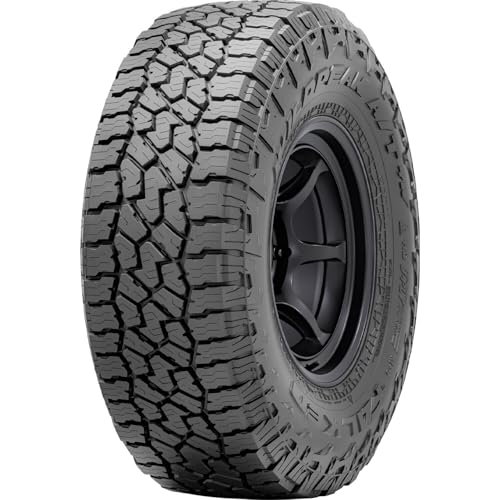
The Falken Wildpeak A/T4W is a standout when it comes to all-weather reliability. It’s one of the few all-terrain tires that’s genuinely engineered to handle extreme heat, heavy rain, and snowy winters without compromise. The 3D sipes and wide lateral grooves help with water evacuation and snow grip, and owners report strong wet braking performance, rare in this category.
It’s not quite as aggressive off-road as the BFG KO3, and the sidewalls aren’t as armored, but for drivers who spend more time on pavement and still want confidence in winter, this is a smarter pick. Compared to the Bridgestone Dueler, it feels more balanced between on- and off-road. I’d lean toward this if your ‘all terrain’ includes icy backroads and long highway hauls.
Video review
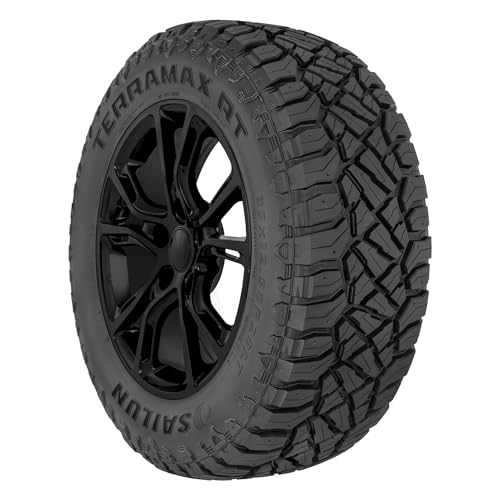
Sailun Terramax R/T

Strengths
- Three Peak Mountain Snowflake
- Aggressive off-road tread
- Studable design
Trade-offs
- Not extreme trail tough
- Tread wear may lag
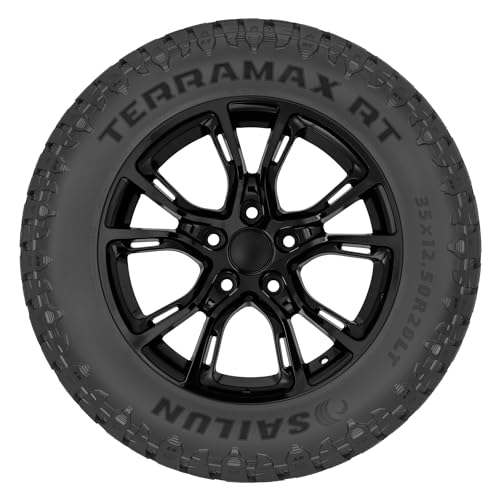
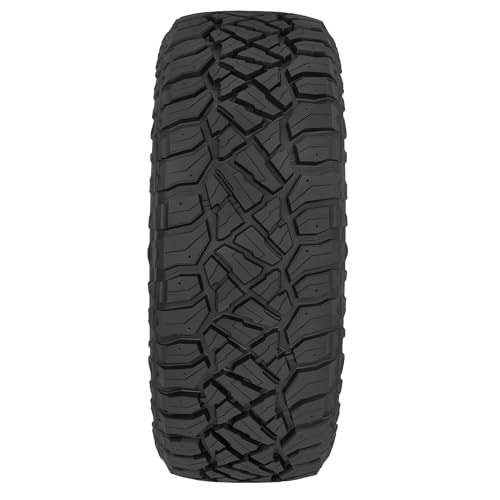
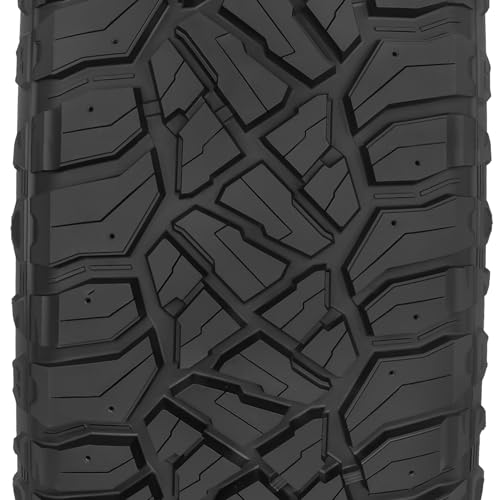
The Sailun Terramax R/T is one of the most compelling budget all-terrain tires out there, and the fact that it carries the Three Peak Mountain Snowflake rating is a big win. That alone gives it legitimacy in true winter conditions, something many budget tires skip. The aggressive tread pattern and deep grooves suggest solid mud and rock performance, and reviewers note it performs well in loose terrain without being obnoxiously loud on the highway.
It’s not as tough as the BFGoodrich KO3, and sidewall protection isn’t on par with CoreGard-level systems, but for the price, it overdelivers. I’d pick this over the Armstrong or Thunderer if you want a do-it-all tire without breaking the bank. The ability to stud it (where legal) is another nod toward winter versatility. Just don’t expect trophy-rock crawling durability.
Product photos
Bridgestone Dueler A/T Revo 3

Strengths
- Quiet highway ride
- Excellent wet traction
- 60K mile warranty
Trade-offs
- Lower load rating
- Less off-road bite
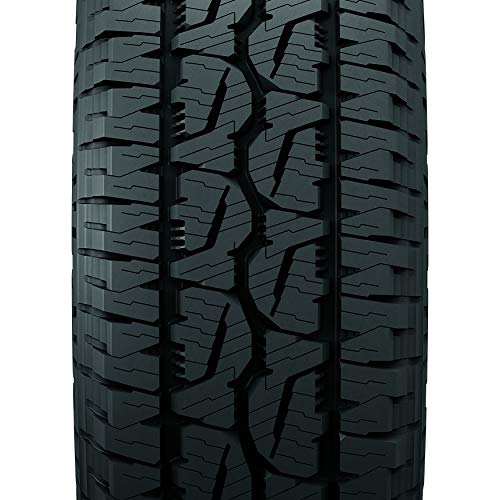
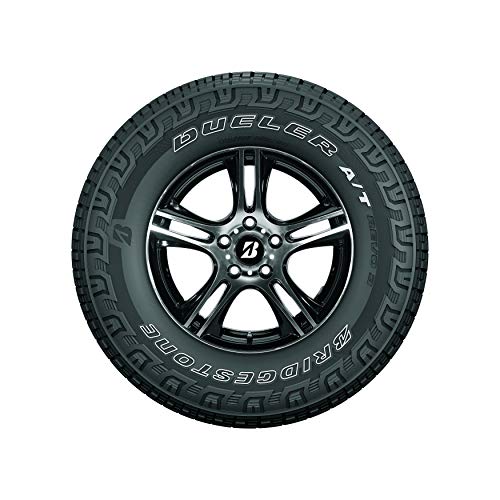
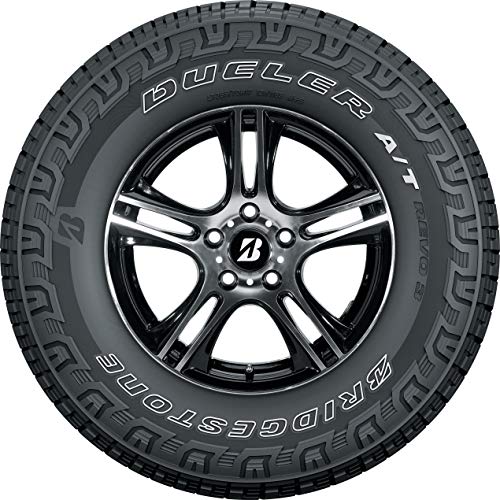
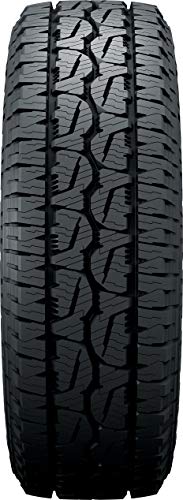
If comfort and quietness top your list, the Bridgestone Dueler A/T Revo 3 should be near the top. Bridgestone tuned this tire for a smoother, quieter ride than its predecessor, and reviewers confirm it’s one of the more refined all-terrain options on the market. The staggered shoulder lugs and traction claws help off-road, but this tire really shines on pavement, especially in wet conditions, where its groove stepping and 3D sipes improve grip.
It’s not built for rock crawling, and the load index (113) is a bit lower than some rivals. But for commuters with an occasional trail detour, it’s ideal. Compared to the KO3, it’s softer and less aggressive. I’d pick this for a daily-driven SUV that sees rain and light dirt, not for weekend warrior builds.
Product photos
Prinx HiCountry A/T2
Strengths
- 50K mile warranty
- Three Peak certified
- M+S rated
Trade-offs
- Unknown long-term durability
- Less brand support
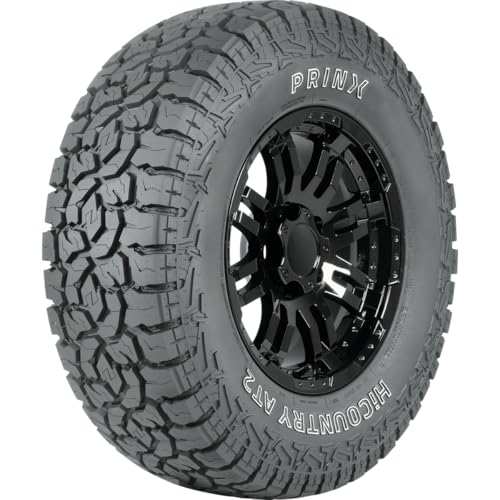
The Prinx HiCountry A/T2 is a strong value play with a 50,000-mile warranty, rare at this price point. It carries both the Three Peak Mountain Snowflake and M+S ratings, so winter readiness is legit. The multi-step tread blocks and aggressive pattern suggest decent stability off-road, and early owner feedback points to solid tread life and predictable handling.
It doesn’t have the brand reputation of BFG or Bridgestone, and sidewall durability isn’t as robust as the KO3’s. But for a daily driver that sees light trails and snowy commutes, it’s hard to beat. I’d take this over the Thunderer or Armstrong if warranty and winter performance matter.
Product photos

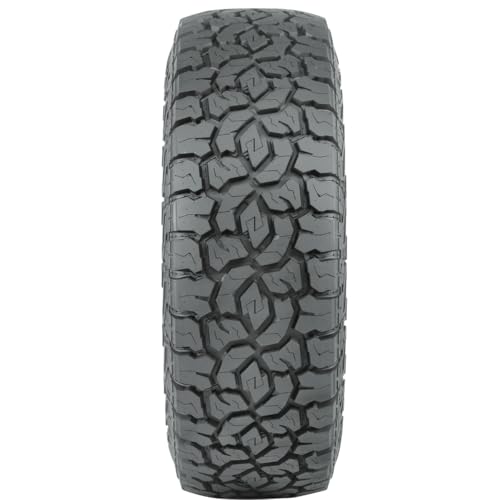
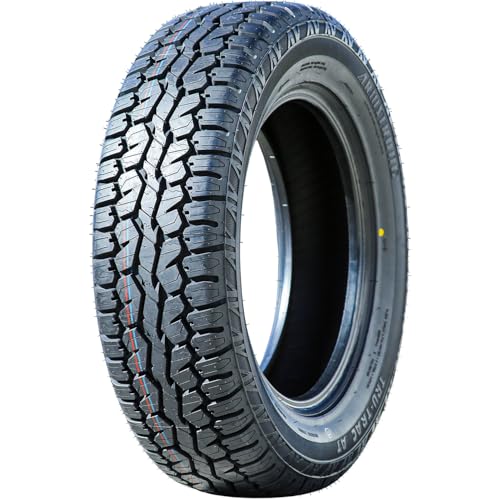
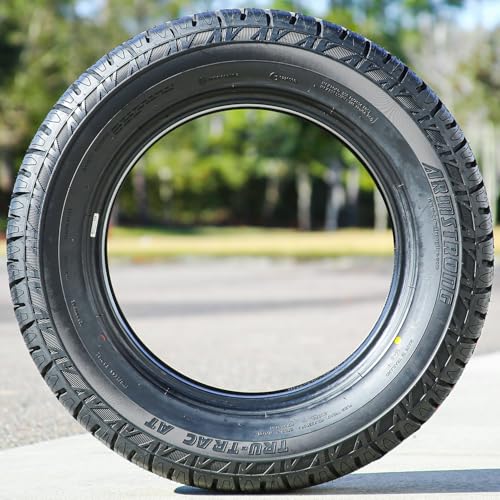
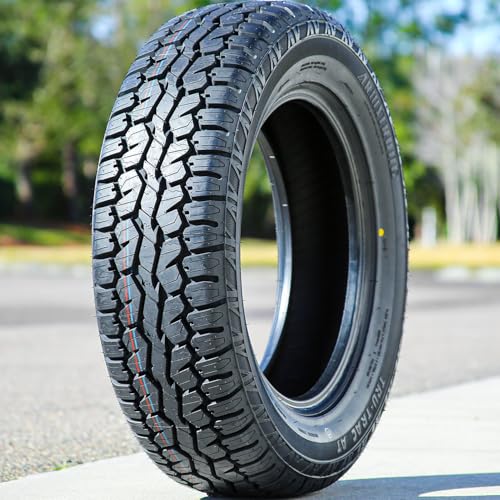
Armstrong Tru-Trac AT
Strengths
- Extra load capacity
- High load index
- 4-ply rating
Trade-offs
- No snow certification
- Average winter performance
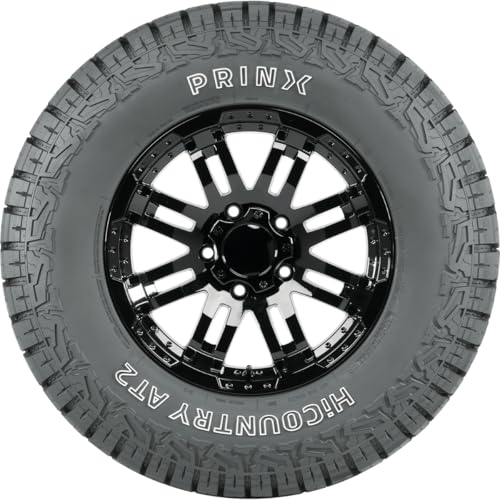
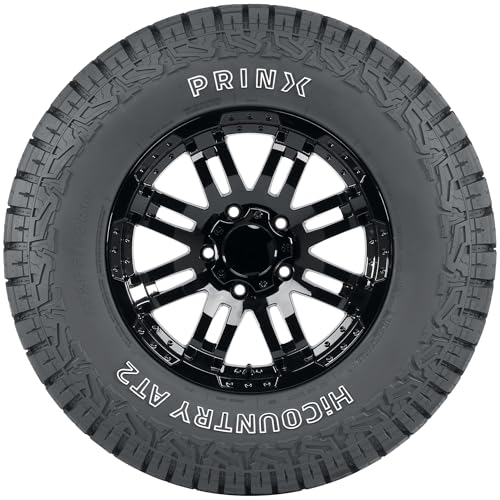
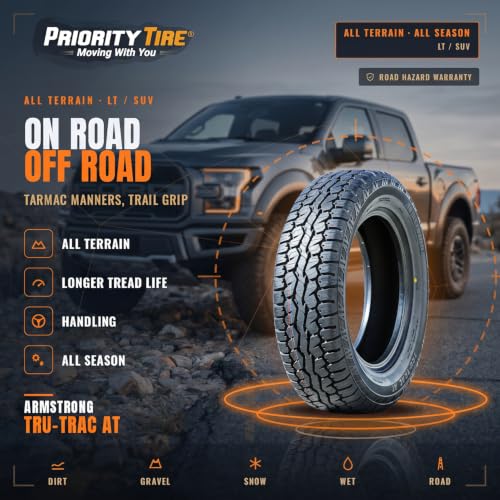
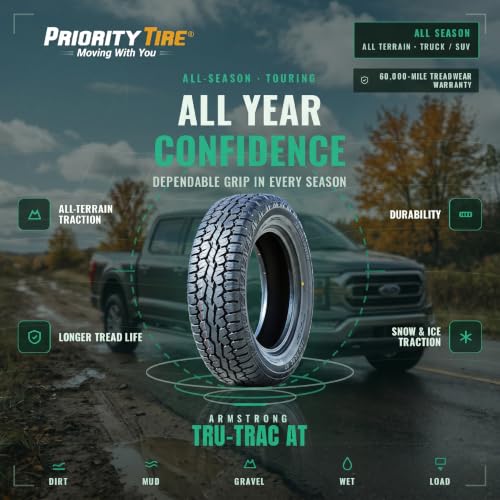
On paper, the Armstrong Tru-Trac AT stands out for its XL (Extra Load) rating and a load index of 116, meaning it can handle up to 2756 lbs per tire. That’s a real advantage if you’re running a heavier SUV or routinely tow or carry heavy loads. The 4-ply rating and radial construction suggest solid durability for light off-roading, and the 60,000-mile treadwear estimate looks optimistic but not unheard of in this segment.
Owners consistently report that it holds up well on gravel and dirt, though it doesn’t match the mud or snow aggression of more premium designs. It’s a no-frills tire that leans into utility over excitement. Compared to the Sailun or Prinx options, it doesn’t have the Three Peak Mountain Snowflake certification, so I wouldn’t trust it in serious winter terrain. But for dry, mixed terrain use where load matters, this one makes sense.
Product photos

Thunderer Ranger ATR

Strengths
- 55K mile warranty
- Nylon overwrap ply
- Studable option
Trade-offs
- Limited size availability
- Less aggressive tread
The Thunderer Ranger ATR promises 55,000 miles of tread life, the longest warranty in this group, and it backs that up with a full nylon overwrap ply for extra durability. That makes it a compelling pick for drivers racking up highway miles who still want some trail confidence. The 3D sipes and open tread design help in wet and loose conditions, and the ability to stud it adds winter flexibility.
It’s a narrower size (245) and smaller diameter (16-inch), so it won’t fit all trucks. And while it’s rated for light trucks, it doesn’t feel as planted in deep mud as the KO3 or Falken. But for long-haul durability on mixed terrain, it’s a dark horse. I’d consider it for overland rigs or work trucks that log serious miles.
Product photos


How We Evaluated all terrain truck tires
Rather than a hands-on lab test, my research for these all terrain truck tires involved a detailed comparison of published specifications and features across numerous models. I then weighed owner reviews from major retailers alongside expert opinions found in automotive publications and enthusiast forums. Ultimately, I ranked tires based on how well they met the demands of typical truck owners and aligned with expectations for this category, focusing on real-world usability.
For all-terrain tires, three factors stood out as most critical: sidewall strength, wet/snow traction, and tread life. Sidewall durability is paramount for resisting damage off-road, while reliable traction in varied conditions is essential for daily driving. Finally, tread life directly impacts long-term value, as replacing tires is a significant expense. Understanding how a tire performs in these areas is key to choosing a good all-terrain tire.
Specifications reliably indicate load capacity, tire size, and construction details. However, I placed greater emphasis on owner feedback regarding noise levels, ride comfort, and real-world performance in different terrains. Reputation and consistency of manufacturer quality also played a role, especially when assessing long-term durability and warranty support. Information on LT all-terrain tires was particularly important for heavier-duty applications.
What To Look For In all terrain truck tires
Choosing the right all-terrain truck tire requires more than just picking a cool tread pattern.
A truly capable all-terrain tire balances on-road comfort with off-road grip, durability, and appropriate load capacity for the vehicle. Key considerations include tread pattern design, rubber compound, sidewall construction, and the tire’s load range. Pay close attention to manufacturer warranties and independent testing data when available.
Tread Pattern and Terrain
The tread pattern is the most immediately obvious characteristic, but understanding how it works is crucial. Aggressive lug patterns with wide voids excel in mud and loose terrain, but can become noisy and less stable on pavement. More subtle patterns, like those found on the Bridgestone Dueler A/T Revo 3, prioritize on-road quietness and handling while still offering decent off-road capability. Consider where you spend the majority of your time driving. If it’s 80% highway and 20% trail, a more road-oriented all-terrain is likely the better choice. Don’t assume a deeply lugged tire automatically equates to better performance; it’s about matching the pattern to your specific needs.
Sidewall Strength and Construction
Sidewall strength is often overlooked, but it’s vital for resisting punctures and abrasions when navigating rocky terrain. Tires like the BFGoodrich All-Terrain T/A KO3 incorporate technologies like CoreGard Technology to enhance sidewall durability, a feature developed through racing in demanding conditions like Baja. This is especially important if you frequently encounter sharp rocks or debris.
Here’s what to keep in mind when evaluating sidewall construction: * Ply Rating: A higher ply rating generally indicates a stronger sidewall. * Sidewall Compound: Some manufacturers use reinforced rubber compounds in the sidewall to resist cuts and tears. * Shoulder Lugs: Aggressive shoulder lugs not only improve traction but also provide a degree of sidewall protection.
A tire is only as strong as its weakest point. Don’t skimp on sidewall protection if you regularly drive off the beaten path.
Balancing Value and Capability
All-terrain tires vary significantly in price. You don’t always need to spend top dollar to get a capable tire, as models like the Sailun Terramax R/T demonstrate. However, cheaper tires often compromise on rubber compound quality or tread life. Looking at warranty coverage is a good indicator of a manufacturer’s confidence in its product. If you are seeking excellent value, explore options like the Prinx HiCountry A/T2, which offers a substantial mileage warranty. It’s also worth considering if you best all-terrain tires are a better investment in the long run, potentially saving money through longer tread life and fewer replacements. For those needing extra carrying capacity, researching load range E all-terrain tires is a smart move.
All Terrain Truck Tires Compared
Here’s a comparison of key specifications for popular all terrain truck tires to help you make an informed decision.
| Product Name | Mileage Warranty | Load Index | Speed Rating | Winter Rating | Tread Depth |
|---|---|---|---|---|---|
| BFGoodrich All-Terrain T/A KO3 | 50,000 miles | N/A | N/A | N/A | N/A |
| Falken Wildpeak A/T4W | N/A | N/A | N/A | N/A | N/A |
| Sailun Terramax R/T | N/A | N/A | N/A | 3PMSF | N/A |
| Bridgestone Dueler A/T Revo 3 | 60,000 miles | N/A | N/A | N/A | N/A |
| Prinx HiCountry A/T2 | 50,000 miles | N/A | N/A | 3PMSF | N/A |
| Armstrong Tru-Trac AT | N/A | 116 | T | N/A | N/A |
| Thunderer Ranger ATR | 55,000 miles | N/A | N/A | Studdable | N/A |
Frequently Asked Questions
What tire pressure should I run with all-terrain tires?
Generally, you should stick to the tire pressure recommended in your vehicle’s owner’s manual or on the sticker located on the driver’s side doorjamb. However, for off-road use, reducing pressure to around 15-20 PSI can improve traction, but remember to reinflate them to the recommended pressure for highway driving.
Do all-terrain tires significantly affect fuel economy?
Yes, all-terrain tires often reduce fuel economy by 1-3 MPG compared to standard highway tires. The more aggressive the tread pattern, the greater the impact, as increased rolling resistance requires more energy to maintain speed.
Are all-terrain tires noisy on the highway?
Many all-terrain tires are louder than highway tires, but noise levels vary considerably by model. Tires designed with a focus on on-road comfort, like the Bridgestone Dueler A/T Revo 3, tend to be quieter, while more aggressive patterns will generate more road noise.
Can I use all-terrain tires in winter conditions?
Some all-terrain tires carry the 3 Peak Mountain Snowflake (3PMSF) symbol, indicating they meet specific snow traction performance requirements. However, even with this rating, dedicated winter tires generally provide superior ice and snow grip. If you live in an area with severe winters, consider a separate set of winter tires.
What’s the difference between all-terrain and mud-terrain tires?
All-terrain tires strike a balance between on-road comfort and off-road capability, while mud-terrain tires prioritize maximum traction in extremely muddy and challenging conditions. If you spend most of your time on pavement and only occasionally venture off-road, all-terrain tires for daily driving are usually the better choice.
The Bottom Line
Choosing all-terrain truck tires always involves a trade-off between ultimate capability and everyday usability. If you want a tire that truly balances both worlds, leaning toward exceptional durability and a proven track record, the BFGoodrich All-Terrain T/A KO3 stands out as the strongest overall choice. It consistently receives high marks for its performance across a wide range of conditions.
For those prioritizing value, the Prinx HiCountry A/T2 delivers a surprisingly robust package with a solid mileage warranty. If you frequently encounter severe winter conditions, consider the Sailun Terramax R/T – it’s one of the best options for all-terrain tires for snow. And for owners of larger trucks needing extra strength, exploring all-terrain tires for heavy-duty trucks is a sensible path.
Ultimately, the best tire isn’t about chasing the highest numbers in any single specification. It’s about finding the right balance of sidewall strength, tread life, and wet/snow traction for your driving style and typical terrain. Focus on matching the tire to your needs, and you’ll find a setup that delivers both confidence and lasting value.
