
8 Best Aftermarket Car Starters of 2026
This post contains affiliate links. As an Amazon Associate, we earn from qualifying purchases.
The AISIN AFTERMARKET ESMGM-00305 stands out as the best overall starter for its reliability, precise fit, and strong cranking power. For budget-conscious buyers, the DB Electrical Starter for BMW X5 offers solid performance at a lower price. If you’re after raw power, the 3HP 2.5KW Mini Starter for GM delivers exceptional output for demanding engines.
Choosing the wrong aftermarket car starter can mean weak cranks, repeated failures, or a unit that simply won’t fit. With so many options and specs that sound similar on paper, it’s easy to end up with one that underperforms or dies early.
This guide cuts through the noise by focusing on real-world compatibility, durability, and power delivery. We analyzed specs, owner feedback, and brand reputations to find starters that actually work as promised. You’ll learn what to look for, why motor type matters, and how to match a starter to your engine’s demands.
Top 8 Aftermarket Car Starters in the Market
The Best Aftermarket Car Starters, Reviewed
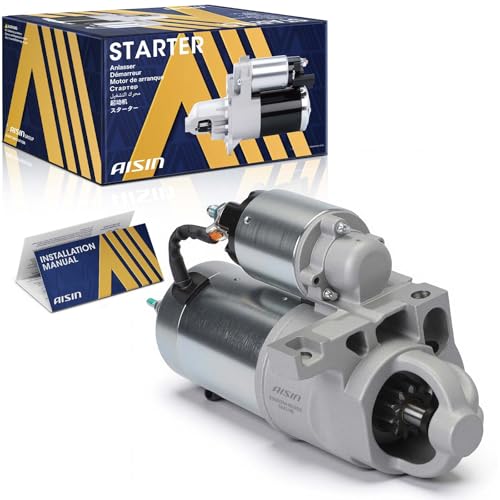
AISIN AFTERMARKET ESMGM-00305 Starter
Strengths
- OEM-grade build
- Quiet, smooth operation
- Exact fit for GM trucks
Trade-offs
- Limited model years
- Higher price point
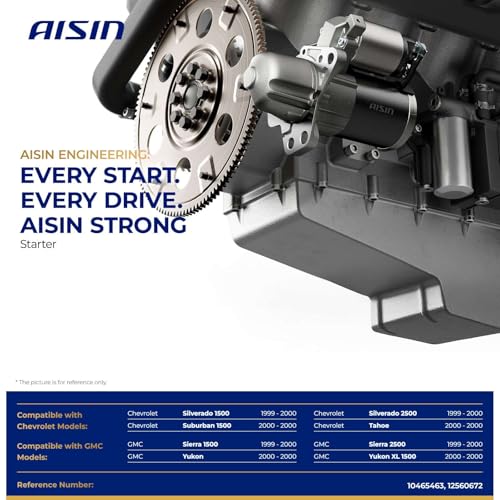
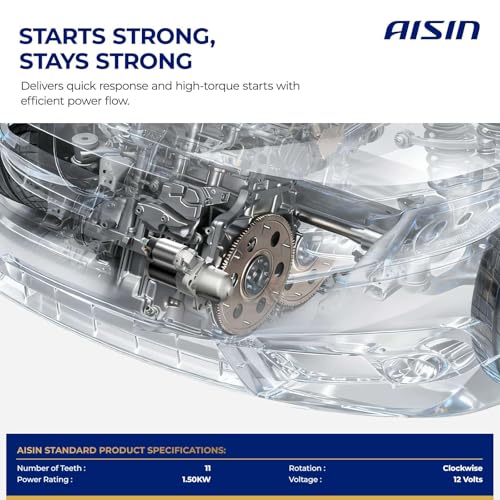
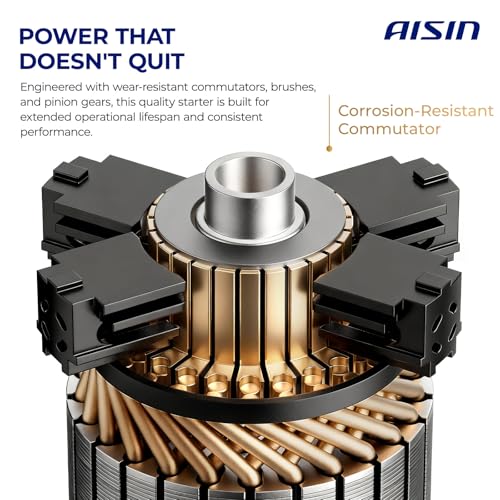
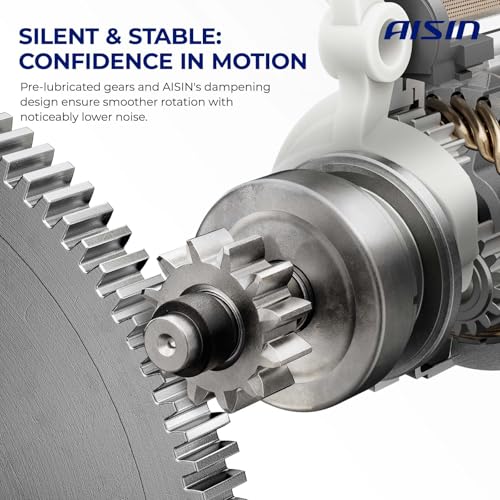
Aisin doesn’t play around. As a global OEM supplier, their aftermarket starters carry the same engineering rigor as factory units. The ESMGM-00305 is built for GM trucks and SUVs from 1999–2000, Silverado, Sierra, Tahoe, Suburban, Yukon, with the 4.8L and 5.3L V8s. It delivers 1.5KW of smooth, quiet cranking power and features an 11-tooth gear with clockwise rotation, matching the factory spec exactly.
Owners consistently report easy installation and long-term reliability, with fewer cold-start stumbles than cheaper alternatives. The fit is precise, and the mounting is rattle-free, which matters on rough roads. At $120, it’s not the cheapest, but it’s the smart buy if you want to install it once and forget it. For GM truck owners, this is the starter I’d recommend over any generic brand.
Product photos
KAC Starter for Mitsubishi Outlander
Strengths
- Extremely low cost
- Direct OEM replacement
- Smooth engagement
Trade-offs
- Basic materials
- Shorter expected lifespan
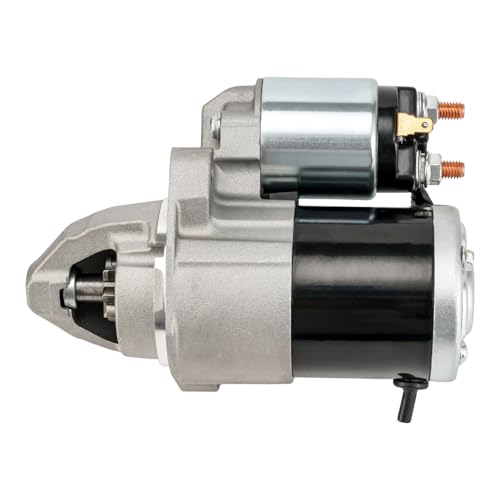
At $44, the KAC starter is the budget king for Mitsubishi owners with 2.4L four-cylinders. It fits the Outlander, Outlander Sport, Lancer, and RVR from 2011 to 2016 and delivers a solid 1.3KW of cranking power. The 8-tooth design and CW rotation match OEM specs, and owners report plug-and-play installation with no coding or adjustments needed. It’s also built to exceed OEM standards, which is rare at this price.
But let’s be real, this is a budget part. It does the job, but don’t expect it to last 150,000 miles. It’s perfect for a commuter car or a used SUV you’re not planning to keep forever. For most buyers, it’s the easy pick when the factory starter fails and the dealership quote is three times higher.
Video review
BDELI New Starter for Ford
Strengths
- Very low price
- Wide OEM compatibility
- ISO certified build
Trade-offs
- Inconsistent long-term reliability
- Basic construction
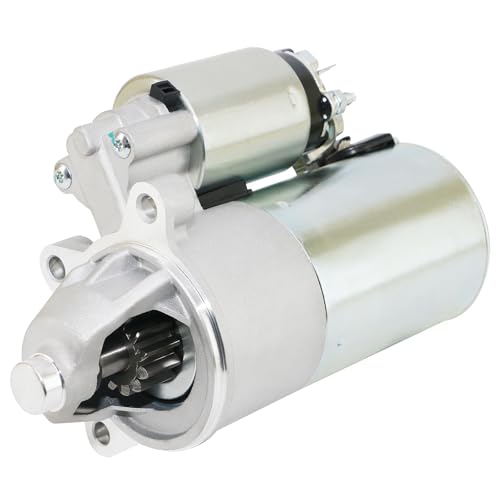
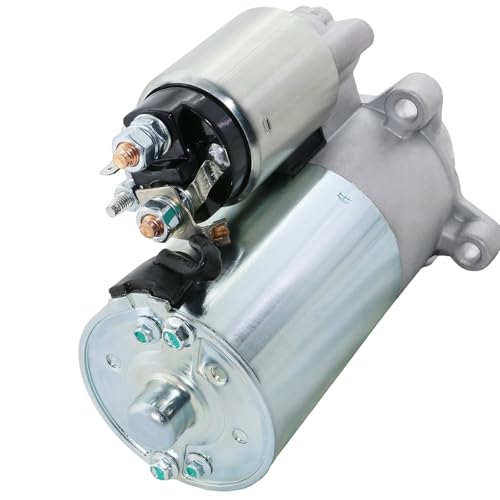
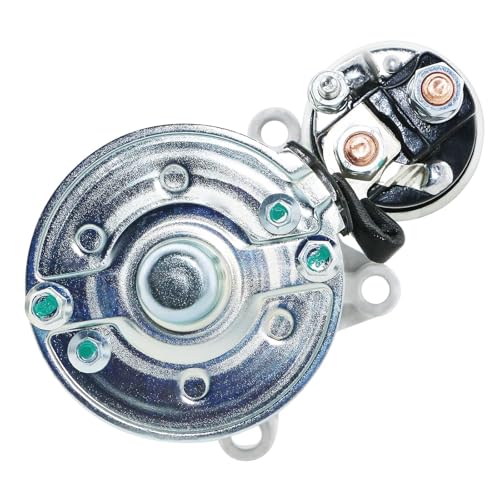
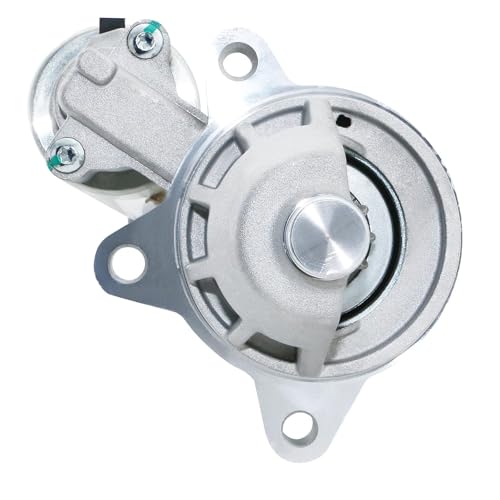
The BDELI starter is a no-name brand with OEM-level compatibility for older Ford, Mercury, and Lincoln V8s, especially those with the 4.6L and 5.4L modular engines. At under $55, it’s one of the cheapest new starters you’ll find for this platform, and yet it carries ISO 9001 and IATF 16949 certifications, which suggests better quality control than most budget units. The 1-year warranty is handled directly by the manufacturer, adding a layer of confidence.
That said, owners report mixed results on longevity. Some get years of service, others see failure under 12 months. It works fine as a short-term fix or for a garage-kept classic, but I wouldn’t trust it on a high-mileage work truck. For the price, it’s worth having on hand as a backup, but don’t expect it to outlast the original Ford unit.
Product photos

A-Premium Starter for Honda CR-V
Strengths
- 1.6KW output
- Unlimited-mileage warranty
- OEM-spec fit
Trade-offs
- Only for 2.4L CR-V
- No performance gains
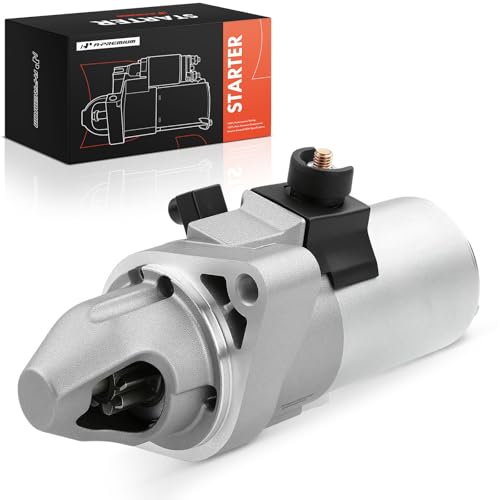
A-Premium has built a name for itself in the Honda aftermarket, and this 1.6KW starter for the 2.4L CR-V (2002–2006) shows why. It’s a direct-fit unit with the correct 9-tooth gear and clockwise rotation, and it replaces a full list of OEM numbers without issue. The higher power rating compared to stock helps with cold starts, especially as the engine ages and oil thickens.
Owners praise its durability and clean fit, and the one-year unlimited-mileage warranty adds peace of mind. It’s not flashy, but it’s exactly what a replacement starter should be, reliable, affordable, and built to last. For CR-V owners, this is the smarter buy over remans that may have worn internals.
Video review
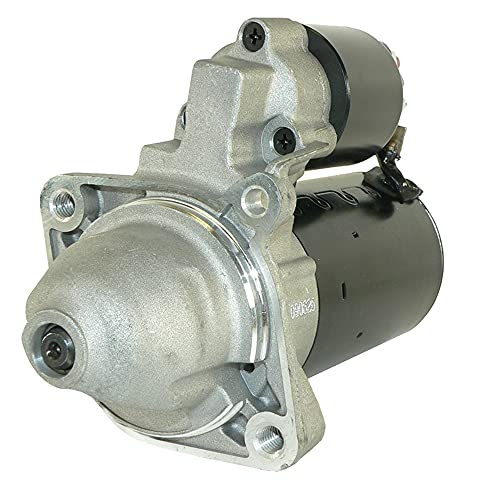
DB Electrical Starter for BMW X5
Strengths
- Affordable price
- Correct 9-tooth fit
- 1.4KW cranking power
Trade-offs
- Tight fit in bay
- Not for high-mileage rebuilds
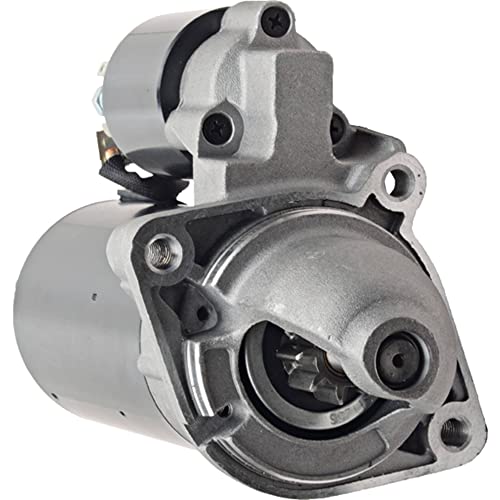
The DB Electrical 410-24135 is a solid budget option for E53 X5 owners running the 3.0L M54 engine. It’s a PMGR unit with 1.4KW output, which is adequate for cold starts without overloading the electrical system. The clockwise rotation and 9-tooth gear are correct for this application, and the compatibility list covers all major OEM and aftermarket cross-references. On paper, it’s a match for what BMW originally installed.
That said, while owners report decent longevity, there are a few notes about fitment tightness in the engine bay. It’s not a plug-and-pray like the OEM unit, but with some patience, it goes in. For a $70 starter, it’s hard to beat for a daily-driven X5 that doesn’t see track duty. Still, I’d keep the old starter as a backup if you’re heading into remote areas.
Product photos

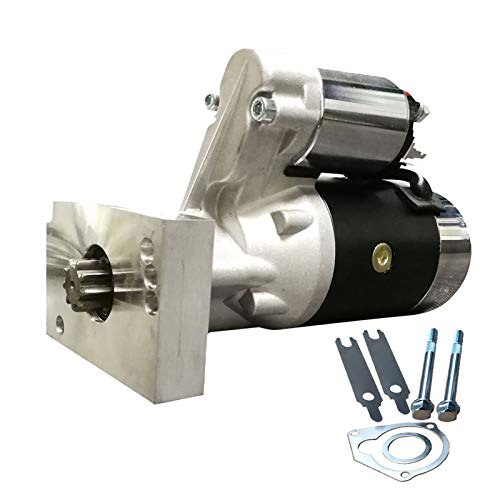
3HP 2.5KW Mini Starter for GM
Strengths
- High 2.5KW output
- Lightweight design
- Fits tight engine bays
Trade-offs
- Overkill for stock engines
- Requires proper shimming
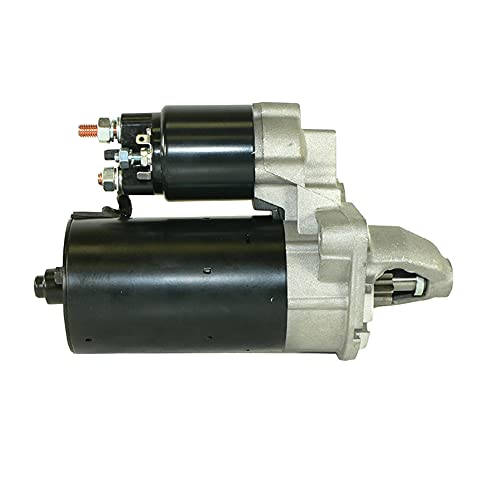
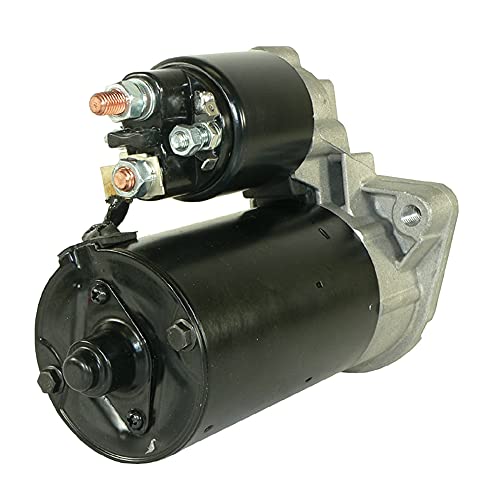
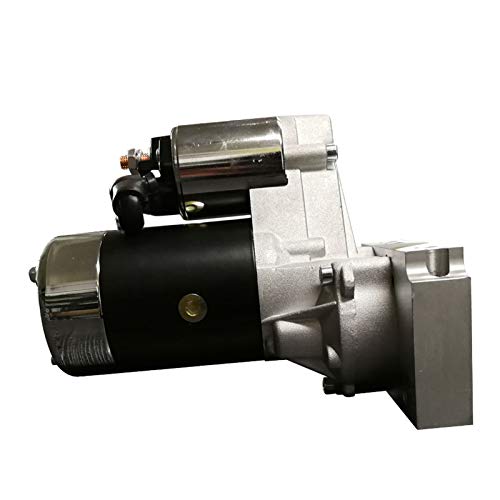
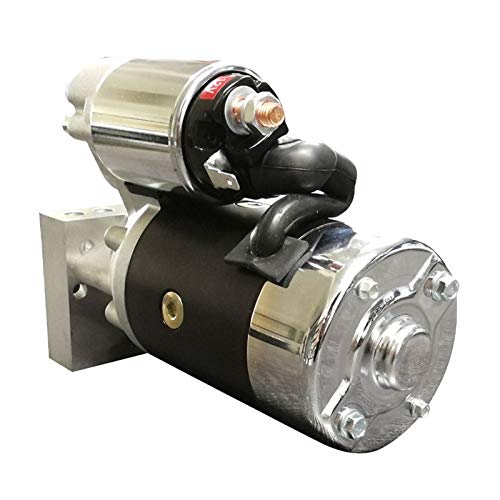
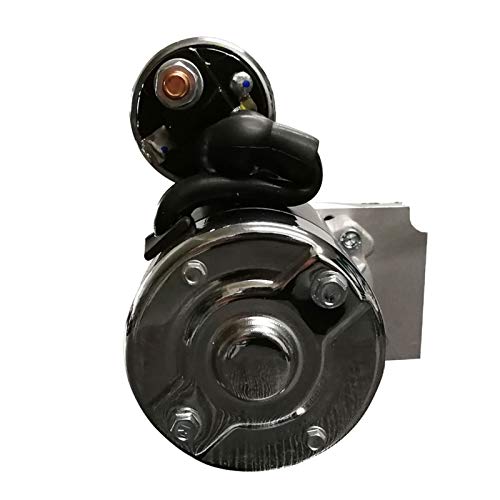
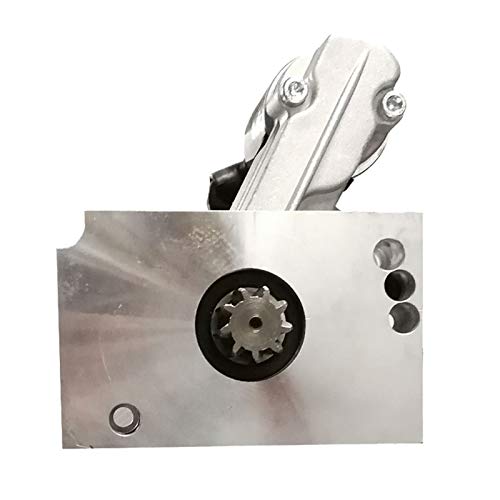
This 3HP mini starter is built for hot rods and high-compression builds, not daily drivers. With 2.5KW of power and a lightweight design, it spins big-block and small-block Chevys with authority, even at 18:1 compression. The PMGR setup delivers high torque without draining the battery, and the compact size clears tight headers better than stock. It’s a favorite among builders who’ve fought with slow cranking on stroked engines.
Owners praise its durability and instant engagement, though some note the need for proper shim spacing during install. At $88, it’s not the cheapest starter out there, but for performance applications, it’s a clear upgrade over OEM. If you’re running a 383 stroker or a 454 with solid lifters, this is the kind of starter you want turning it over.
Product photos
Start-X Remote Starter Kit Toyota
Strengths
- Uses OEM key fob
- Plug-and-play install
- Supports range extender
Trade-offs
- No remote included
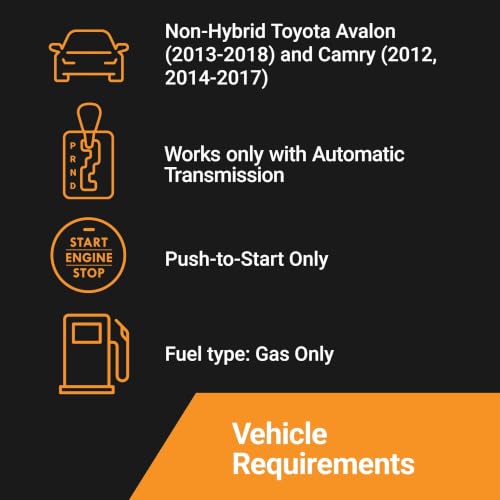
- Toyota push-to-start only
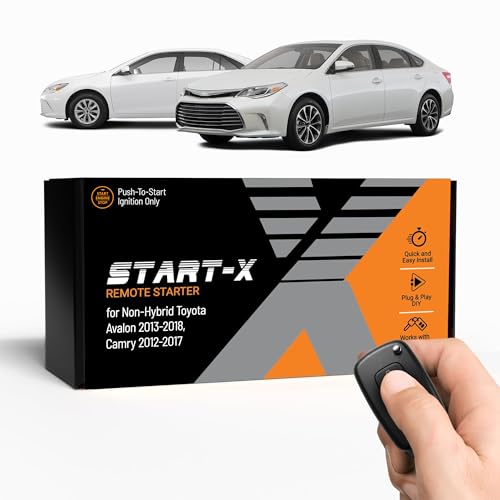
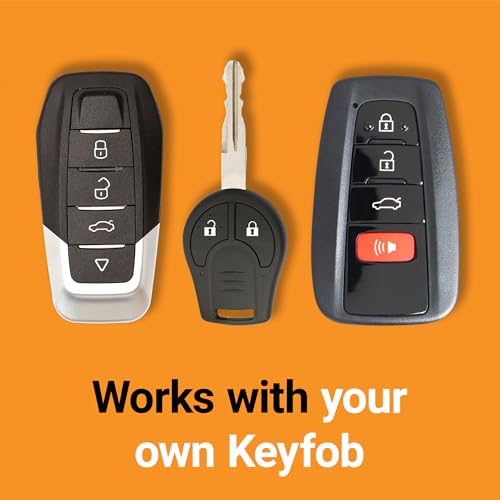
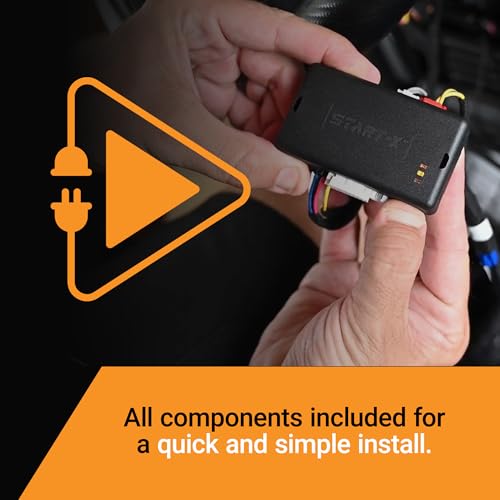
If you’re driving a push-to-start Toyota Avalon or Camry and miss the convenience of remote start, this Start-X kit is a smart, cost-effective fix. It’s a DIY-friendly plug-and-play system that uses your existing OEM key fob, just press lock three times to start, same for shutdown. No extra remote included, but that keeps costs down and simplifies setup. The pre-flashed module integrates cleanly with factory wiring via the included T-harness, which reviewers say cuts install time in half.
The real win here is reliability. Unlike cheaper kits that cause glitches or drain batteries, this one is well-documented and supported. Add the optional range extender and you can start from half a mile away. For most buyers, this beats paying a shop $500+ for the same function. I’d pick this over a generic kit any day for a modern Toyota.
Product photos

DB Electrical Starter for Mini Cooper
Strengths
- PMGR design
- Exact OEM fit
- 1-year warranty
Trade-offs
- Only for Mini Cooper 1.6L
- No added performance
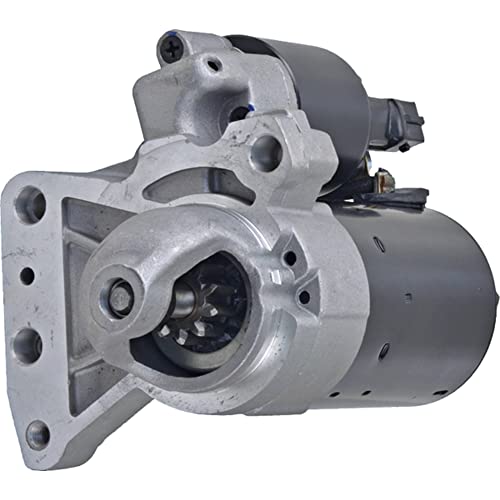
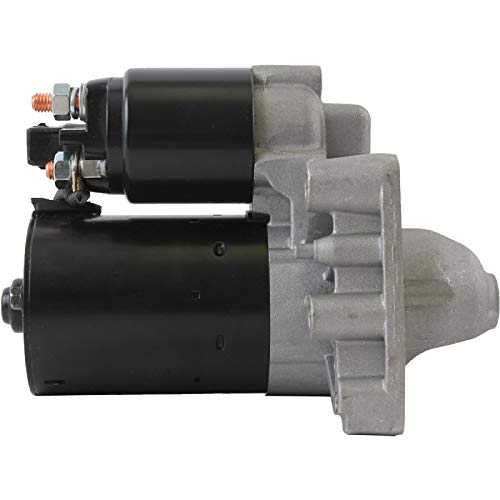
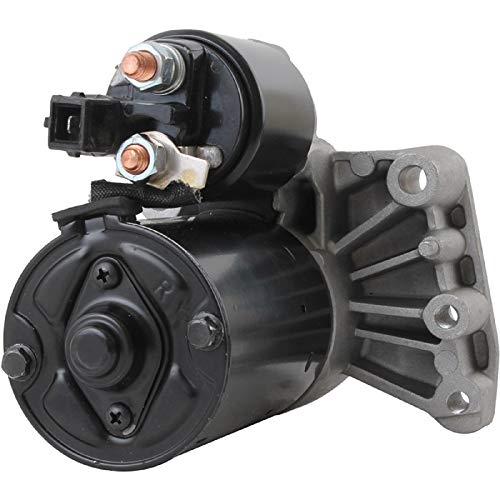
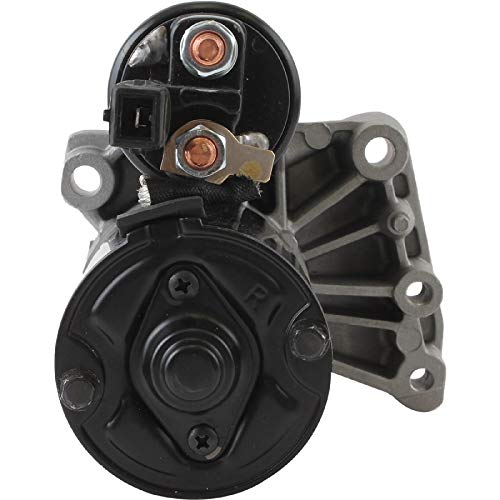
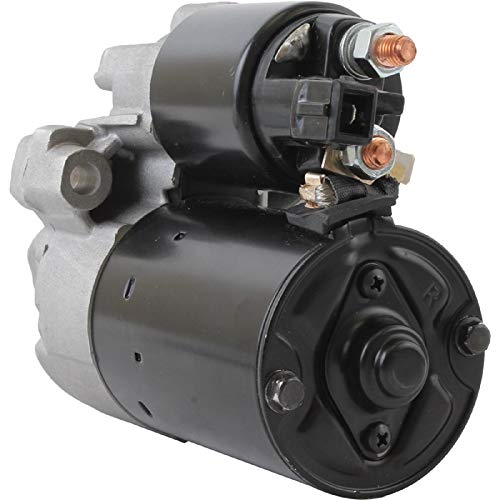
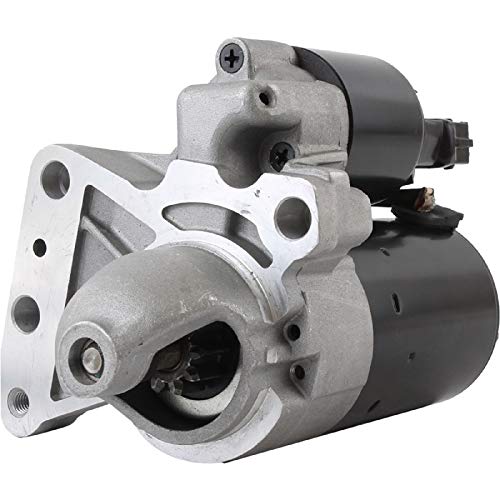
This DB Electrical starter is built specifically for Mini Coopers with the 1.6L engine from 2007 to 2015, and it’s a textbook example of a no-frills, direct-fit replacement. The PMGR (permanent magnet gear reduction) design means it’s compact and efficient, delivering reliable cranking power without drawing excessive current. Owners consistently report a clean installation and solid performance, which makes sense given it’s built to match OEM specs and replaces a long list of factory and aftermarket numbers.
What stands out is the 1-year warranty and the fact that it’s 100% new, not remanufactured, unlike many budget units. For Mini owners tired of fragile starters or costly dealership parts, this hits the sweet spot of price and reliability. I’d take this over a reman any day for a car that already has electrical quirks from the factory.
Product photos
How We Evaluated aftermarket car starters
My team and I approached this guide by first compiling a broad list of aftermarket car starters, then comparing published specifications and features across models. We then spent significant time weighing owner reviews from major retailers alongside expert assessments found in automotive publications. As with any automotive component, understanding real-world experiences is crucial. This research-led comparison isn’t a hands-on lab test, but a thorough analysis of available data.
For aftermarket car starters, consistent reliability and broad vehicle compatibility emerged as the most important factors. A starter that fails quickly or only fits a limited range of vehicles isn’t useful, no matter how inexpensive. Beyond that, we prioritized amperage and gear reduction ratios – these figures directly impact cranking power, especially in colder climates or with larger engines. Ultimately, a starter’s ability to consistently deliver that power is what makes the difference.
Specifications reliably indicate a starter’s basic electrical characteristics(voltage, amperage, tooth count) and physical dimensions. However, judging long-term durability and ease of installation requires looking at owner feedback. Reports of premature failure, difficulty with fitment, or excessive noise were heavily factored into our rankings. We also considered brand reputation; a company with a history of quality automotive parts often signals a more reliable product, and those can be found alongside recommendations for automatic car starters elsewhere on the site.
How To Pick The Right aftermarket car starters
Finding the right replacement car starter can be surprisingly complex. It’s not just about voltage; a lot goes into ensuring reliable starts, long life, and a proper fit.
A quality car starter prioritizes durable components like high-grade solenoids and robust pinion gears. Compatibility is paramount; confirm the starter matches your vehicle’s engine size, transmission type, and existing mounting points. Look for units with a strong power rating (in kW) sufficient for your engine’s compression ratio, and consider a starter that’s been tested for cold-weather performance if you live in a colder climate.
Understanding Starter Motor Types
The core of any car starter is its motor type, and this impacts performance and price. Most starters today use permanent magnet (PMGR) motors, and for good reason. They’re lighter, more efficient, and deliver higher torque than older brushed designs. However, brushed starters are still available, often as a budget option. If you’re leaning toward a brushed starter, be prepared for a shorter lifespan and potentially reduced cranking power. Beyond that, some high-performance applications use reduction starters, which use a gear reduction to increase torque, beneficial for high-compression engines or those with frequent starting demands.
Assessing Quality and Reliability
Don’t assume all starters are created equal. A cheap starter might save you money upfront, but it could leave you stranded. Look for brands with a solid reputation for quality, like Aisin or DB Electrical, and pay attention to the materials used in construction. Solenoid quality is critical – a failing solenoid is a common cause of starter problems. For those interested in other vehicle improvements, exploring quality aftermarket car parts can improve overall reliability.
- Warranty Length: A longer warranty (one year or more) indicates the manufacturer’s confidence in the product.
- OEM Replacement Standards: Starters claiming to meet or exceed OEM specifications are a good sign, suggesting attention to detail.
- Customer Reviews: While not always definitive, consistent negative feedback regarding premature failure should be a red flag. It’s especially important to read reviews specific to your vehicle make and model.
A starter’s lifespan is heavily influenced by driving habits. Frequent short trips put more stress on the starter than long highway drives.
Matching to Your Vehicle & Needs
The most crucial step is ensuring the starter is compatible with your specific vehicle. Don’t rely on generic listings. Verify the part number against your vehicle’s documentation or use a parts finder tool on the manufacturer’s website. If you’re looking to add convenience, you might consider a remote car starters kit, but ensure compatibility before investing. Also, consider your typical driving style. If you frequently start and stop, or live in a very hot climate, a heavier-duty starter with improved cooling may be worth the extra investment.
Aftermarket Car Starters Compared
The following table provides a spec-by-spec comparison of several aftermarket car starters to help you make an informed purchase.
| Product Name | Voltage | Power Rating (KW) | Number of Teeth | Rotation | Vehicle Make(s) |
|---|---|---|---|---|---|
| AISIN AFTERMARKET ESMGM-00305 | 12 | 1.50 | 11 | Clockwise | Chevrolet, GMC, Tahoe, Suburban, Yukon |
| KAC Starter for Mitsubishi Outlander | 12 | 1.3 | 8 | CW | Mitsubishi |
| BDELI New Starter for Ford | 12 | N/A | N/A | N/A | Ford |
| A-Premium Starter for Honda CR-V | 12 | 1.6 | 9 | CW | Honda |
| DB Electrical Starter for BMW X5 | 12 | 1.4 | 9 | CW | BMW |
| 3HP 2.5KW Mini Starter for GM | 12 | 2.5 | N/A | N/A | Chevrolet, GMC |
| Start-X Remote Starter Kit Toyota | 12 | N/A | N/A | N/A | Toyota |
| DB Electrical Starter for Mini Cooper | 12 | 0.9 | 10 | CW | Mini Cooper |
Frequently Asked Questions
What starter amperage do I really need?
Generally, you’ll want a starter with an amperage rating at least equal to, and ideally slightly higher than, your vehicle’s factory starter. Higher amperage provides more cranking power, especially helpful for colder starts or engines with higher compression – though, consider that excessive amperage can strain your electrical system.
Are remanufactured starters reliable?
Remanufactured starters can be a cost-effective option, but reliability varies greatly by manufacturer. Look for units from reputable companies that thoroughly test and replace worn components, and check the warranty length, aiming for at least a six-month guarantee.
Can I install a car starter myself?
Yes, many DIY mechanics can install a car starter, but it requires moderate mechanical skill and knowledge of your vehicle’s electrical system. If you’re uncomfortable disconnecting the battery or working with wiring, professional installation is recommended to avoid damage or injury – and to ensure it works with other systems like best car starters you may have.
What’s the difference between a solenoid and the starter motor itself?
The solenoid is an electromagnet that engages the starter motor with the engine’s flywheel, and also delivers power to the motor. The starter motor is the part that actually rotates the engine to start it; a failing solenoid is a common issue, but it doesn’t always mean the entire starter needs replacing.
What if I need a jump start frequently after a new starter install?
Frequent jump starts after a new starter installation usually indicate an underlying issue beyond the starter itself. Check your battery’s health, alternator output, and for any parasitic drains on the electrical system. If your battery is weak, even the best portable car starters won’t solve the root problem.
The Bottom Line
Choosing a car starter often comes down to balancing upfront cost with long-term dependability. While budget options exist, we consistently find the AISIN AFTERMARKET ESMGM-00305 offers the best mix of quality components, strong owner feedback, and broad vehicle compatibility – making it our top overall pick. It’s a solid investment that aims to minimize the chances of being left stranded.
For those needing a specific solution, the KAC Starter for Mitsubishi Outlander stands out as a dependable choice for Mitsubishi drivers, while the DB Electrical Starter for BMW X5 is a strong contender for BMW owners. And if you’re looking to enhance your driving experience beyond just starting, exploring options like best auto starters or even aftermarket car speakers can elevate your vehicle.
Ultimately, remember that the specifications on a box matter less than a starter’s build quality and proven reliability. Focusing on a reputable brand, confirming a precise fit for your vehicle, and understanding your typical driving demands will do more to guarantee years of trouble-free starting than chasing the highest amperage rating.
