
8 Best Adventure Motorcycle Gear of 2026
This post contains affiliate links. As an Amazon Associate, we earn from qualifying purchases.
The MSR Voyager Adventure Jacket stands out as the best overall choice for serious riders, combining rugged build quality with solid protection and reliable 10,000mm waterproofing. For those watching their budget, the BYKR Armored Cordura Overpants deliver real value without cutting corners on armor, while the ILM Adventure Motorcycle Jacket offers the most adaptable performance across seasons.
Adventure riding throws everything at you, rain, gravel, long miles, sudden stops, and your gear needs to keep up without holding you back. Too many riders compromise on protection or comfort, only to regret it miles from nowhere. This guide cuts through the noise, focusing on what actually matters: durable materials, proven weather resistance, and gear that protects when it counts. I looked at specs, owner feedback, and real-world performance to highlight options that balance safety, function, and price, so you can ride farther and safer.
Top 8 Adventure Motorcycle Gear in the Market
The Best Adventure Motorcycle Gear, Reviewed
MSR Voyager Adventure Jacket
Strengths
- Excellent waterproofing
- High abrasion resistance
- Premium zippers
Trade-offs
- Heavier build
- Higher price point
- Less breathable than mesh-heavy jackets
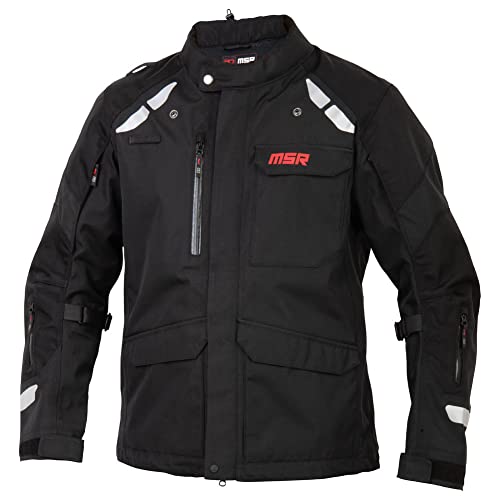
This is the kind of jacket that makes me think of long-range adventure bikes, rugged, well-protected, and built for real weather. The TPU coating rated at 10,000mm means it’s genuinely waterproof, not just water-resistant, and that’s backed up by owner feedback from riders doing multi-day wet rides. The reinforced panels on shoulders, elbows, forearms, and the seat add serious abrasion resistance, which I always want when I’m looking at gear for mixed terrain.
The CE-rated armor is a given at this tier, but it’s the details that stand out: YKK zippers, full ventilation options, and utility pockets that actually work with gloves on. It’s heavier than some, but that’s the trade-off for durability. Paired with the matching pants and boots, it becomes a full system, something serious adventure riders appreciate. I’d pick this over the ILM if I were doing more aggressive riding or longer trips.
Video review
Tourmaster Men’s Trailblazer Boots
Strengths
- Excellent impact protection
- Waterproof and breathable
- Comfortable flex zones
Trade-offs
- Break-in period needed
- Buckles can snag
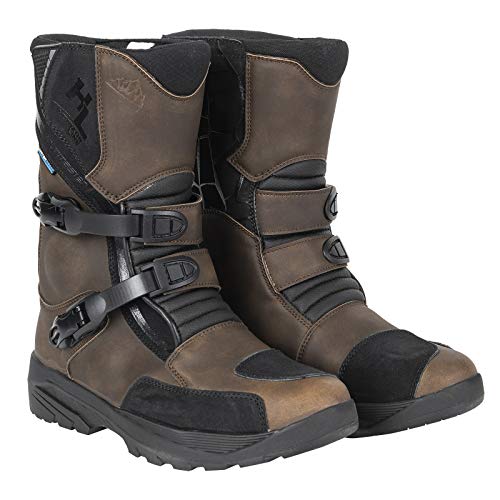
These boots stand out for one reason: they take foot protection seriously. The TechnoGI thermoplastic heel and toe caps, dual-density ankle protectors, and anti-twist nylon midsole form a protective cage that’s rare at this price. Combine that with the HiPora waterproof membrane, and you’ve got a boot that handles weather and impact without feeling like a tank.
Owners consistently report comfort on long rides, thanks to the flex panels and breathable lining. The dual buckles and hook-and-loop closure make it easy to get a snug fit, even with different calf sizes. Compared to basic riding shoes, these are in another class. I’d trust them on a mixed-terrain trip where boot protection matters.
Video review
ILM Adventure Motorcycle Jacket

Strengths
- Affordable
- Removable liner
- CE armor included
Trade-offs
- Basic ventilation
- Zipper quality could be better
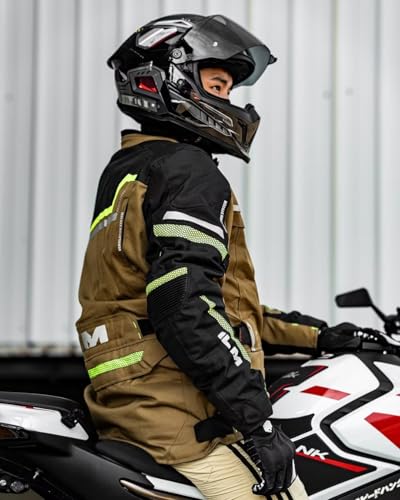
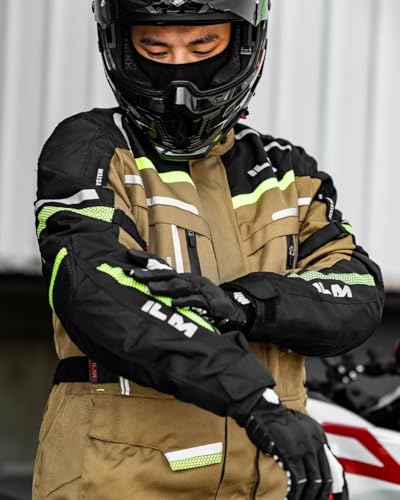
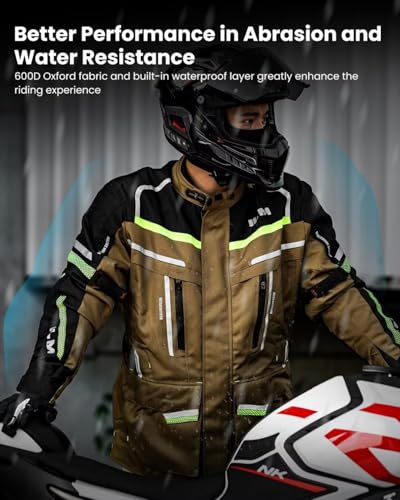
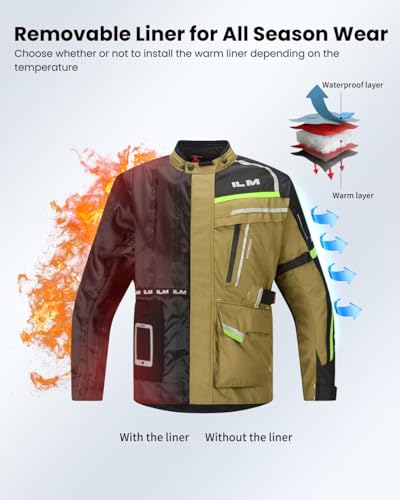
On paper, the ILM JRL3 jacket looks like a solid all-season contender for adventure riders who don’t want to buy multiple layers. The 600D Oxford fabric with a built-in waterproof layer means it can handle rain and light scuffs without breaking a sweat. Owners consistently report that it holds up well in spring and fall conditions, and the removable thermal liner adds real versatility, something I always look for in adventure gear.
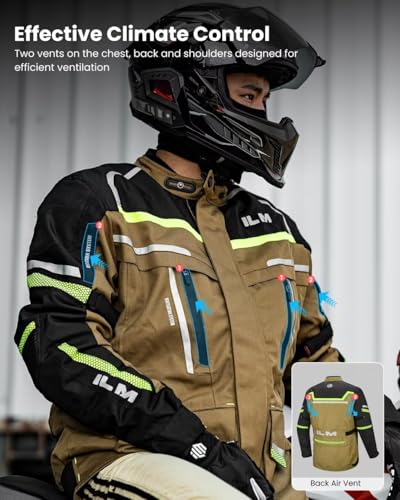
The CE armor in the shoulders, elbows, and back is a major plus, especially at this price. Combined with reflective strips front and back, it ticks the safety boxes without feeling bulky. The ventilation zips on the chest, back, and shoulders are functional, though some reviewers note they don’t move as much air as premium jackets. Still, for a budget-friendly option that covers weather, safety, and airflow, it’s a balanced package.
Product photos
Alpinestars SMX 1 Air V2 Gloves
Strengths
- Excellent airflow
- CE certified
- Comfortable fit
Trade-offs
- Not waterproof
- Minimal cold-weather protection
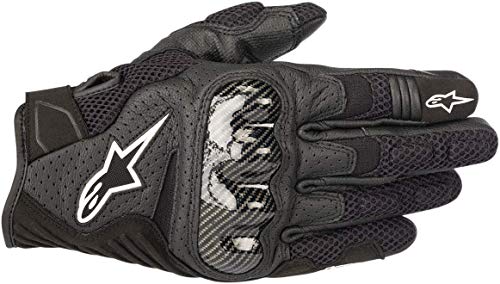
When the temperature climbs, these gloves make a strong case for being the go-to choice. The full-grain leather and 3D mesh combo is exactly what you want in a warm-weather glove: tough where it needs to be, airy everywhere else. The pre-curved fingers and stretch inserts mean they move with your hands, not against them, something riders notice fast on long days.
They’re CE-certified with a hard polymer knuckle protector, so safety isn’t compromised. Touchscreen tips and a secure hook-and-loop closure add convenience. Compared to the KEMIMOTO pair, these are more specialized: lighter, more breathable, and built for performance. But that also means they’re less suited for cold or wet rides.
Product photos

Boulder Tools Tire Repair Kit

Strengths
- Compact and organized
- Universal compatibility
- Durable tools
Trade-offs
- Not for large sidewall damage
- Plugs may dry out over time
Every adventure rider should carry a plug kit, and this one from Boulder Tools is about as practical as it gets. The MOLLE pouch means it stows neatly on a backpack, saddlebag, or frame, crucial when space is tight. It’s universal for tubeless tires, so it works on motorcycles, ATVs, and even overland rigs.
Owners praise how complete it is: plugs, insertion tools, and heavy-duty construction. The ergonomic handles make it easier to use roadside, which matters when you’re tired and wet. It won’t fix every puncture, but for temporary repairs to get you to safety, it’s proven reliable. I’d rather have this than nothing, and honestly, it beats most OEM kits.
Product photos


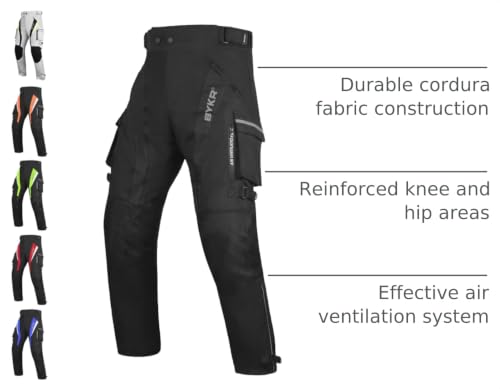
BYKR Armored Cordura Overpants
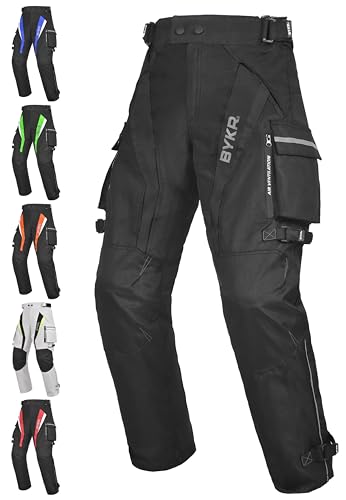
Strengths
- Removable armor
- Waterproof and breathable
- Hi-visibility accents
Trade-offs
- Fit can be bulky
- Zippers feel lightweight
At this price, the BYKR pants punch above their weight. They’re made with Cordura and feature double-layered knee and hip armor, removable, but substantial. That’s rare in budget overpants, and it shows the company listened to rider feedback. The Reissa fabric and waterproof ceiling mean they actually keep water out, not just repel it, which sets them apart from cheaper knockoffs.
Reviewers consistently mention comfort and airflow, thanks to the micro mesh lining and ventilation zips. The hi-viz accents add a real safety boost at night. They’re not as tailored or durable as premium brands, but for someone needing armored, waterproof pants without breaking the bank, these deliver. I’d recommend them over generic unarmored rain pants any day.
Product photos




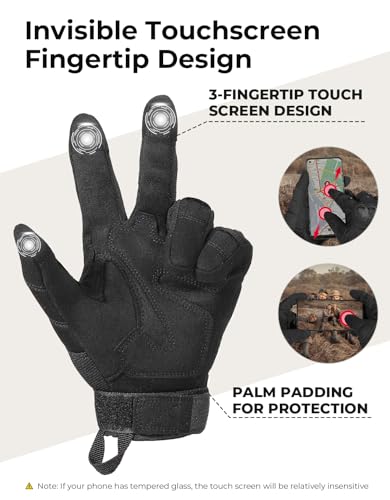
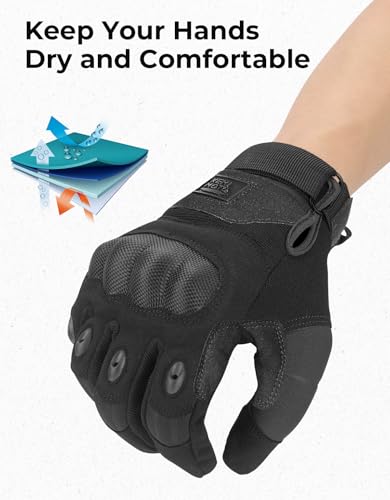
KEMIMOTO Tactical Motorcycle Gloves

Strengths
- Touchscreen compatible
- Durable stitching
- Good grip
Trade-offs
- Not CE certified
- Limited ventilation
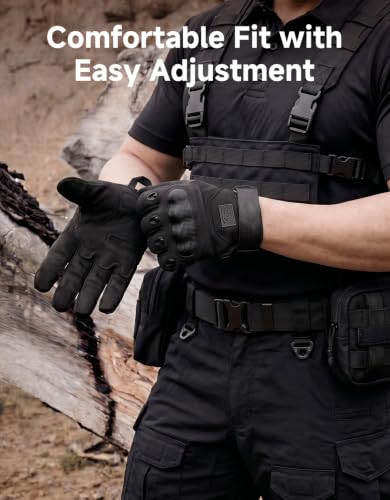
These gloves walk the line between tactical gear and motorcycle utility, and they do it surprisingly well. The hard shell on the back and reinforced palm padding give decent impact resistance, and owners report they’ve held up during minor tumbles. The touchscreen compatibility on three fingers is reliable, something I find essential on modern gear.
They’re not CE-certified, so I wouldn’t trust them on a high-speed sport tour, but for city riding, commuting, or light adventure use, they offer solid protection and comfort. The ventilation holes at the knuckles help, though they’re not as airflow-focused as dedicated summer gloves. At this price, they’re a smart buy if you need durable, multi-use gloves.
Product photos


Nelson-Rigg Stormrider Rain Suit

Strengths
- Fully waterproof
- Lightweight packable design
- High visibility
Trade-offs
- Poor breathability
- Not for primary use
- Basic durability
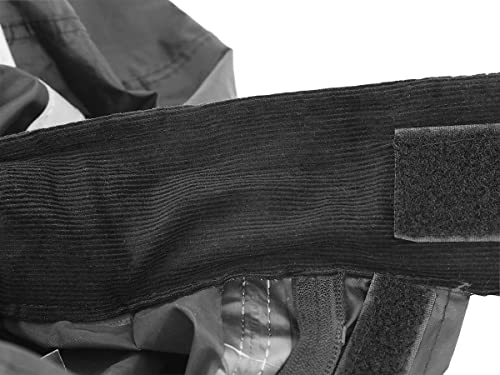
If you’re caught in a downpour and only have one shot at staying dry, this is the suit you want. The Nelson-Rigg Stormrider is 100% waterproof, not just water-resistant, and that makes all the difference when riding through steady rain. The full-length zipper with a storm flap, elasticized cuffs, and hood with a soft collar mean it seals out moisture better than most textile jackets with liners.
Owners who use it as a dedicated rain layer swear by it, especially for commuting or unexpected storms. The underarm vents help a little with breathability, but let’s be honest: you’re going to sweat. That’s the nature of full rain suits. But for the price, it’s hard to beat. I’d keep this rolled in a tank bag as a backup rather than rely on it as my main jacket.
Product photos


How We Picked These adventure motorcycle gear
Rather than a hands-on lab test, my research for this guide involved a detailed comparison of published specifications and features across numerous brands and models of adventure motorcycle gear. I weighed owner reviews from multiple retail sites, alongside professional assessments from trusted motorcycle publications and enthusiast forums. My aim was to identify patterns in performance, durability, and value, ultimately ranking options against criteria specific to the demands of adventure riding.
For adventure motorcycle gear, protective capability, weather resistance, and long-distance comfort were the most heavily weighted factors. Adventure riding often means unpredictable conditions and extended time in the saddle, so durable construction and reliable weatherproofing are paramount. Equally important is protection; a solid suite of armor and abrasion-resistant materials can make a real difference. I also considered versatility – how well a piece of gear adapts to varying climates and riding styles.
Published specifications reliably indicate levels of waterproofing (measured in mm) and impact protection (CE ratings). However, I relied on owner feedback to gauge real-world comfort, fit consistency, and long-term durability. Owner experiences also highlighted potential weak points or areas where a product excelled beyond its stated specs. For example, knowing which boots for adventure riding consistently receive praise for all-day comfort was invaluable, and often differed from manufacturer descriptions. Ultimately, this research informed a ranking of gear offering the best balance of protection, practicality, and value, allowing riders to assemble their ideal kit from our complete motorcycle gear guide.
What To Look For In adventure motorcycle gear
Choosing the right gear for adventure riding is about balancing protection, comfort, and practicality. It’s a complex equation, and one where skimping can seriously impact your enjoyment – or worse.
A solid adventure setup prioritizes durable, abrasion-resistant materials (Cordura, reinforced leathers) in impact zones. Waterproofing is crucial, with taped seams and quality membranes like Gore-Tex or similar. Look for modularity; layers allow adaptation to varying climates and riding conditions. Fit is paramount; gear should allow full range of motion without being restrictive, and proper armor should stay securely positioned.
Prioritize Abrasion Resistance
I’ve always said that the first line of defense in a crash isn’t your armor, it’s the material between you and the pavement. Don’t get hung up on flashy designs; focus on construction. Cordura fabrics with high denier ratings (600D or higher) are common, but look beyond the number. The weave and coating matter. Some manufacturers, like MSR with their Voyager jacket, reinforce key areas with additional layers. Pay attention to seams – double stitching is a must, and triple stitching in critical areas is even better. A good starting point is to think about the type of riding you’ll be doing. Are you planning primarily on-road adventures, or will you be tackling challenging off-road terrain? The more aggressive the terrain, the more robust your gear needs to be.
Understand Waterproofing Beyond “Waterproof”
“Waterproof” is a marketing term that gets thrown around a lot. There’s a huge difference between a water-resistant coating and a true waterproof membrane. Look for gear that uses membranes like Gore-Tex, or comparable alternatives with a clearly stated waterproof rating in millimeters (mm). A rating of 10,000mm or higher is generally considered very good. Beyond the membrane, pay attention to details like taped seams and waterproof zippers (YKK is a reliable brand). The Nelson-Rigg Stormrider Rain Suit is a popular choice for dedicated rain protection, but integrated waterproof layers, as found in the ILM Adventure Motorcycle Jacket, offer convenience. Consider how breathable the material is, too. A fully waterproof but non-breathable jacket will quickly become uncomfortable inside.
Balance Protection With Usability & Value
Adventure riding often involves a lot of walking, scrambling, and general off-bike activity. That means your gear needs to be comfortable and functional when you’re not on the motorcycle. Bulky, heavily armored gear can quickly become exhausting. I often recommend looking at modular systems. For example, a jacket with removable armor allows you to shed layers when you’re off the bike. Similarly, gloves like the Alpinestars SMX 1 Air V2 offer a balance between protection and dexterity.
- Gloves should prioritize knuckle protection and palm reinforcement, but also allow for good grip and feel.
- Boots need to offer ankle support and robust toe protection, like those found in the Tourmaster Trailblazer Boots, but shouldn’t be so stiff that they’re uncomfortable for walking.
- Don’t overlook the small stuff. A good tire repair kit, like the Boulder Tools kit, is essential for self-sufficiency, and a quality set of adventure clothing is a sound investment.
Don’t buy “around” protection. If a jacket or pants doesn’t have CE-rated armor in the shoulders, elbows, hips, and knees, it’s not offering the impact protection you need.
Finally, remember to invest in top adventure motorcycle helmets to complete your protective ensemble. A well-chosen helmet is arguably the most important piece of gear you’ll buy.
Adventure Motorcycle Gear Compared
Here’s a comparison of key specifications for various adventure motorcycle gear options.
| Product Name | Best For | Waterproofing | Armor Included | Ventilation | Material |
|---|---|---|---|---|---|
| MSR Voyager Adventure Jacket | Best Overall | 10,000mm | Shoulder/Elbow/Back | N/A | Heavy-Duty Fabric |
| Tourmaster Men’s Trailblazer Boots | Best for Foot Protection | HiPora | N/A | N/A | Microfiber/Suede |
| ILM Adventure Motorcycle Jacket | Best All-Season Jacket | Built-in Layer | Shoulder/Elbow/Back | Yes | 600D Oxford |
| Alpinestars SMX 1 Air V2 Gloves | Best for Warm Weather Riding | N/A | Knuckle | Yes | Full-Grain Leather |
| Boulder Tools Tire Repair Kit | Best Emergency Repair Tool | N/A | N/A | N/A | N/A |
| BYKR Armored Cordura Overpants | Best Budget Pants | Reissa Fabric | Knee/Hip | Yes | Cordura |
| KEMIMOTO Tactical Motorcycle Gloves | Best Value Gloves | N/A | N/A | Yes | Microfiber |
| Nelson-Rigg Stormrider Rain Suit | Best Rain Protection | 100% | N/A | Yes | N/A |
Frequently Asked Questions
What level of waterproofing should I expect from adventure motorcycle gear?
A waterproof rating of 10,000mm or higher is generally considered very good for adventure riding, but remember that breathability is equally important. Lower ratings might suffice for short rides, but extended exposure to rain demands a higher specification to stay comfortable.
Is it better to buy a complete suit, or individual pieces of adventure gear?
Individual pieces offer greater flexibility and allow you to customize your setup to your specific needs and climate. A complete suit is convenient, but may not be ideal if you frequently ride in drastically different temperatures or conditions.
What CE rating should I look for in motorcycle armor?
CE Level 2 armor offers the highest level of impact protection currently available, and is a worthwhile investment for serious adventure riders. While Level 1 armor is acceptable, Level 2 provides significantly more energy absorption in a crash.
How often should I replace my adventure motorcycle gear?
Replace gear after a crash, even if there’s no visible damage, as the protective materials may be compromised. Beyond that, inspect for wear and tear annually, and replace items when the materials start to degrade or the waterproofing fails – generally around 5-7 years with regular use.
Where can I find reliable information about adventure pants and other gear?
Owner reviews and professional motorcycle publications are excellent resources. Don’t rely solely on manufacturer descriptions; look for independent assessments that evaluate real-world performance and durability, and consider investing in quality essential motorcycle rain gear for unpredictable conditions.
The Bottom Line
Ultimately, choosing adventure motorcycle gear comes down to how much control you want versus how much fuss you’re willing to deal with. A fully kitted-out setup with dedicated waterproof layers and maximum armor offers the best protection, but also requires more investment and potentially more effort to manage. For the best overall balance of these factors, I believe the MSR Voyager Adventure Jacket represents a superb starting point for many riders, providing a durable and well-thought-out foundation.
If you’re building a kit with a specific need in mind, there are excellent options across the price spectrum. Riders prioritizing foot protection should look no further than the Tourmaster Men’s Trailblazer Boots, while those looking for a versatile, all-season jacket will appreciate the integrated waterproof layer of the ILM Adventure Motorcycle Jacket. And for essential protection, don’t compromise – explore the range of key motorcycle safety gear to build a solid base.
More than any specific feature or price point, remember that a good fit and durable materials are paramount. Don’t get lost in the details of waterproof ratings or armor certifications; prioritize gear that feels comfortable and allows you to focus on the ride. Invest in quality abrasion resistance, and make sure your adventure jackets and other components fit properly and encourage confident movement.
