
2 Best 5×8 Trailers of 2026
This post contains affiliate links. As an Amazon Associate, we earn from qualifying purchases.
The Ultra-Tow 5×8 Aluminum Trailer Kit stands out as the best overall for its rust-resistant frame and reliable payload, while the Ultra-Tow 5×8 Steel Trailer Kit is a solid budget-friendly alternative for lighter, short-term use.
Most people shopping for a 5×8 trailer aren’t just looking to save a few bucks, they’re trying to solve a real hauling problem without ending up with a rusted, overloaded, or underpowered trailer a year down the road. I’ve seen too many buyers get stuck with trailers that looked good on paper but failed in practice.
This guide cuts through the noise by focusing on what actually matters: payload capacity, frame durability, and road-ready components. I compared specs, analyzed owner feedback, and evaluated build quality to find the models that deliver real-world reliability.
Top 2 5X8 Trailers in the Market
The Best 5X8 Trailers, Reviewed
Ultra-Tow 5×8 Steel Trailer Kit
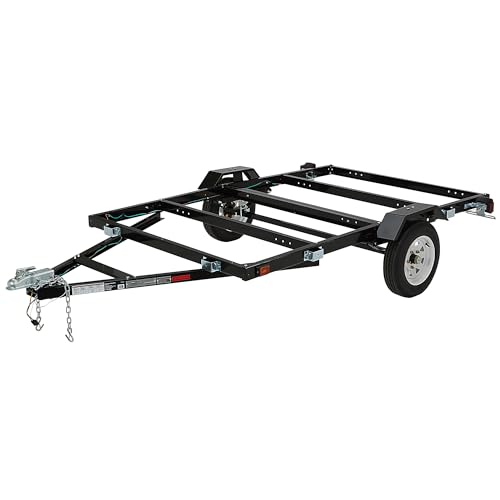
Strengths
- Durable steel construction
- Includes lights and safety chains
- Lower price than aluminum
- DOT-compliant
- Ready to customize
Trade-offs
- Heavier than aluminum
- Susceptible to rust
- Decking not included
If you want a no-nonsense, get-it-done trailer that won’t quit, this steel model is the smarter buy for most users. It matches the aluminum version in payload, 1,715 lbs, but brings more toughness at a lower price. The steel frame can take dents, scrapes, and heavy loads without issue, and the included light kit and safety chains mean you’re road-ready out of the box.
Owners praise its stability on the highway and the fact it meets DOT requirements, which matters if you’re towing regularly or in areas with strict trailer laws. It’s heavier, yes, and you’ll need to stay on top of rust, but for the kind of work most people use a 5×8 for, hauling lumber, furniture, or equipment, this one delivers where it counts.
Video review
Ultra-Tow 5×8 Aluminum Trailer Kit
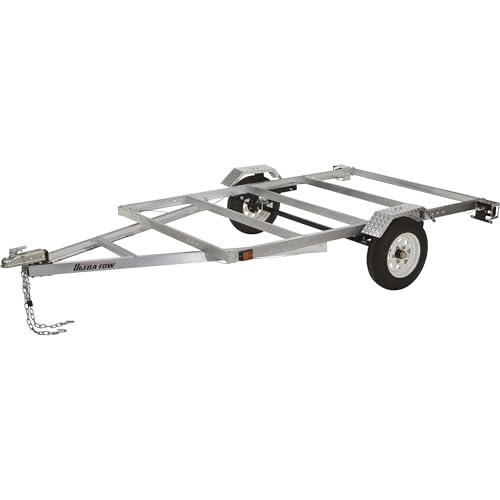
Strengths
- Rustproof aluminum frame
- Lightweight design
- Large 5×8 bed
- 1,715-lb. payload
Trade-offs
- Higher price
- Less rugged than steel
- Not ideal for heavy-duty jobs
This aluminum trailer kit stands out in a sea of steel for one big reason: it won’t rust. For anyone hauling near water, in coastal areas, or just tired of battling corrosion every season, that’s a major win. The 1,715-lb. payload is solid for its class, and while aluminum frames can feel a bit flimsier than steel to some, owners consistently report this one holds up well under regular use.
Compared to the steel version from Ultra-Tow, it’s significantly lighter, which helps with fuel economy and easier towing behind smaller trucks or SUVs. However, that rustproof advantage comes at a cost, both in price and long-term durability under heavy abuse. If you’re not loading it daily with concrete or demolition debris, the aluminum build makes a lot of sense.
Video review
How We Picked These 5×8 trailers
Rather than a hands-on lab test, my research focused on comparing published specifications and features across available 5×8 trailer models. I weighed owner reviews from multiple sources alongside assessments from automotive and hauling experts. This allowed me to rank trailers based on practical considerations for the typical user, leaning on my experience with vehicle mechanics and hauling needs detailed on TheAutoZenith’s guide to small trailers.
For 5×8 trailers, payload capacity and frame material are paramount. A trailer’s usefulness hinges on being able to safely carry the intended load, so I prioritized models with a GVWR appropriate for common tasks. Beyond that, rust resistance is crucial for longevity; a durable frame protects your investment and avoids costly repairs, especially when considering options for durable trailer coatings.
Specifications reliably indicate a trailer’s load limits and physical dimensions. However, owner feedback proved essential for gauging real-world usability – things like ease of assembly, tire quality, and the effectiveness of the lighting systems. Reputation also mattered; established brands often demonstrate a commitment to quality and customer support that’s hard to quantify from specs alone.
How To Pick The Right 5×8 trailers
Picking the right 5×8 trailer requires more thought than just finding the lowest price.
A quality 5×8 trailer balances payload capacity with manageable weight. Construction material – steel versus aluminum – significantly impacts longevity and usability. Essential features include a properly rated coupler, functional lighting, and tires suited for highway travel. Buyers should verify GVWR (Gross Vehicle Weight Rating) aligns with their towing vehicle’s capacity and intended loads.
Frame Material: Steel vs. Aluminum
The core decision centers on the frame material. Steel trailers, like the Ultra-Tow 5×8 Steel Trailer Kit, are generally more affordable upfront. However, they’re susceptible to rust, especially in wetter climates or with frequent exposure to road salt. Aluminum frames, as seen in the Ultra-Tow 5×8 Aluminum Trailer Kit, eliminate that corrosion risk, adding long-term value. While aluminum trailers often carry a higher initial cost, that cost can be justified by the reduced maintenance and extended lifespan. Don’t assume aluminum is always lighter – frame design and steel thickness play a role.
Payload & GVWR: Matching Trailer to Task
Gross Vehicle Weight Rating (GVWR) is paramount. It’s the absolute maximum weight of the loaded trailer, and exceeding it is dangerous and illegal. Equally important is payload capacity – the actual weight you can put in the trailer. A higher payload doesn’t automatically mean a better trailer, though. Consider what you’ll realistically haul. If you frequently move landscaping materials or machinery, a robust payload is crucial. For lighter loads, a lower-capacity trailer can save you money and towing effort. I’ve seen too many people overestimate their needs and end up with an unnecessarily heavy trailer.
Tires, Coupler & Roadworthiness
Beyond the frame, pay close attention to the details. The tires should be rated for highway use and have sufficient load capacity for your typical loads. A 2-inch coupler is standard for many vehicles, but confirm compatibility with your tow vehicle’s hitch receiver. Don’t skimp on safety features.
Here’s what I look for in a well-built trailer:
- A solid lighting system (LED is preferable for visibility and longevity).
- Quality safety chains, properly sized for the trailer’s GVWR.
- A durable deck surface (consider adding plywood or other decking material to steel-frame models for increased usability).
“Don’t exceed 55 MPH when towing a 5×8 trailer, regardless of the posted speed limit.”
Before hitting the road, always double-check that all lights are functioning, the coupler is securely attached, and the load is properly balanced. For those considering hauling bikes, exploring options for motorcycle trailers might be a worthwhile consideration. If you are looking for more information on options, check out our best 5×8 trailers guide. You might also find some useful information in our utility trailer reviews.
5×8 Trailers Compared
Here’s a specification comparison of the 5×8 trailers to help you choose the right one for your needs.
| Trailer Model | GVWR (lbs) | Payload (lbs) | Deck Size (ft) | Tire Size | Frame Material | Deck Height (in) |
|---|---|---|---|---|---|---|
| Ultra-Tow 5×8 Steel Trailer Kit | 1980 | 1715 | 5×8 | 5.30-12 | Steel | 20.24 |
| Ultra-Tow 5×8 Aluminum Trailer Kit | 1980 | 1715 | 5×8 | N/A | Aluminum | N/A |
Frequently Asked Questions
What’s the typical lifespan of a 5×8 trailer?
A well-maintained 5×8 trailer, particularly one with an aluminum frame, can easily last 10-15 years. Steel frames require more diligent rust prevention, but even they can achieve a similar lifespan with regular care and coatings.
Can I legally tow a 5×8 trailer with most SUVs?
Most SUVs can tow a 5×8 trailer, but only if the trailer’s loaded weight (GVWR) stays within the SUV’s towing capacity. Check your vehicle’s owner’s manual for its maximum towing rating; exceeding it is unsafe and can damage your vehicle.
Are 5×8 trailers easy to back up?
Backing up a 5×8 trailer takes practice, but it’s manageable with a slow speed and deliberate steering. A good rule of thumb is to steer in the direction you want the trailer’s rear to go, remembering it will react somewhat opposite to your vehicle.
What should I look for when inspecting a used 5×8 trailer?
Focus on the frame for rust or damage, and inspect the tires for wear and proper inflation. Verify the lights function correctly, and check the coupler mechanism for smooth operation. Don’t hesitate to ask the seller about the trailer’s load history.
What other types of trailers might suit similar needs?
If you also need to transport an ATV, exploring options for trailers for ATVs could be a good investment. These specialized trailers often include ramps and tie-down points designed for secure ATV transport.
The Bottom Line
Choosing a 5×8 trailer often comes down to balancing initial cost with long-term durability. While the Ultra-Tow 5×8 Steel Trailer Kit provides an affordable entry point, I believe the Ultra-Tow 5×8 Aluminum Trailer Kit represents the smarter investment for most owners, offering freedom from rust and a longer service life. It’s a bit more upfront, but that peace of mind, and avoidance of future repairs, is valuable.
For those on a tighter budget, the Ultra-Tow 5×8 Steel Trailer Kit still provides a capable hauling solution. If you frequently haul more specialized loads, like vehicles, exploring options for trailers for vehicles might be a better fit. And no matter which trailer you choose, remember to keep those wheel bearings well-maintained with the best trailer grease.
Ultimately, the best 5×8 trailer isn’t about the flashiest features or the highest GVWR. It’s about finding a model that safely and reliably handles your typical loads, with a focus on a solid frame and properly rated components. Don’t get lost in the specs; prioritize build quality and realistic capacity above all else.
