
7 Best 225/75R16 Motorhome Tires of 2026
This post contains affiliate links. As an Amazon Associate, we earn from qualifying purchases.
The Michelin Agilis CrossClimate is the best overall 225/75R16 motorhome tire, offering serious all-season grip and a rugged build. For a more budget-friendly option, the GT Radial Savero HT2 delivers solid durability and a long treadlife without breaking the bank.
Picking the wrong tires for your motorhome can mean a rough ride, poor handling, or worse, blowouts on the highway. These rigs are heavy, sit high, and need tires that can handle the load and the miles without compromise.
After comparing the field and weighing specs against real-world owner feedback, I focused on load range, sidewall strength, and all-season performance. This guide breaks down what actually matters so you can choose with confidence.
Top 7 225 75R16 Motorhome Tires in the Market
The Best 225 75R16 Motorhome Tires, Reviewed
Michelin Agilis CrossClimate Commercial Tire
Strengths
- 3PMSF certified
- Excellent wet grip
- CurbGard protection
Trade-offs
- Higher cost
- Heavier than some
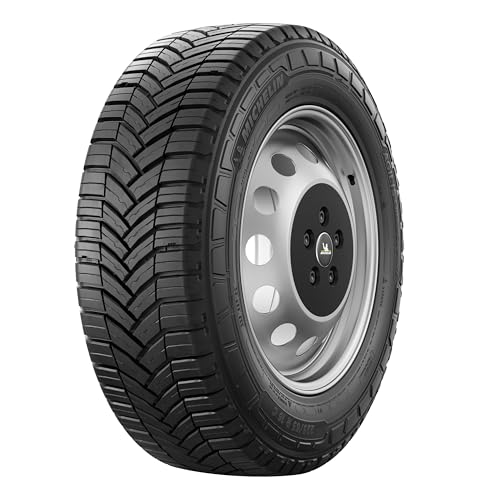
The Michelin Agilis CrossClimate is the benchmark in this category, and for good reason. Its 3PMSF certification means it’s genuinely equipped for snow, not just labeled ‘all-season’ as a formality. Reviewers note shorter stopping distances on wet pavement compared to rivals, and the SipeLock design delivers hundreds of biting edges that stay effective as the tread wears. For a motorhome, where braking performance is critical, this is a major advantage.
StabiliBlock Technology and MaxPressure Profile add real confidence under heavy loads and high torque, common realities for motorhomes. The CurbGard sidewall protection is a thoughtful touch for those tight campsite maneuvers. Yes, it’s one of the pricier options, but when I weigh durability, safety, and performance across seasons, this is the smarter buy over the long haul, especially compared to budget-oriented tires like the GT Radial or Starfire.
Video review
Finalist Terreno A/T All-Terrain Tires

Strengths
- All-terrain capable
- 10-ply rated
- Road hazard warranty
Trade-offs
- No 3PMSF rating
- S speed rating
- Limited brand service network
The Finalist Terreno A/T is built for light trucks and aims to bridge on-road comfort with off-pavement capability, and on paper, it delivers a lot: 10-ply rating, 3D siping, step-down tread blocks, and a 50,000-mile warranty with 3-year road hazard coverage. For motorhome owners who occasionally leave the pavement, say, for boondocking or forest roads, this tire offers solid all-terrain confidence at a reasonable price per set.
Compared to the Cooper Discoverer Stronghold AT, it’s similarly capable in mud and snow but lacks the 3PMSF mark, so I wouldn’t fully trust it in severe winter. Still, the load capacity matches most Class B and smaller Class C motorhomes. The S speed rating is a limitation, but acceptable for most RV speeds. If you want rugged tread without the premium Michelin price, this is a compelling alternative.
Video review
Firestone Transforce CV2 Commercial Tire

Strengths
- Robust tread
- Reinforced sidewall
- Fuel efficient
Trade-offs
- Mediocre snow grip
- Not for rugged terrain
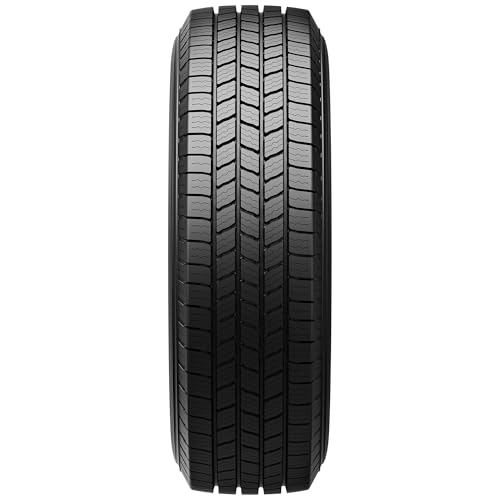
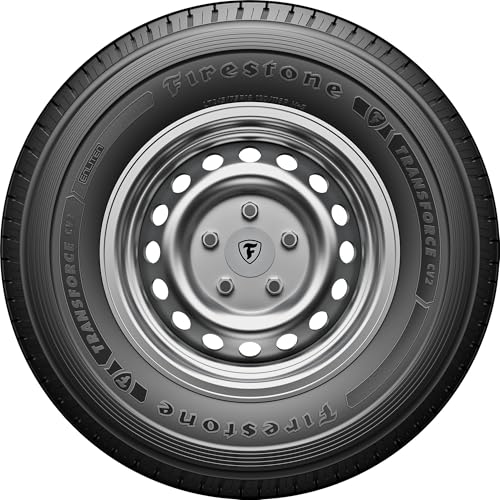
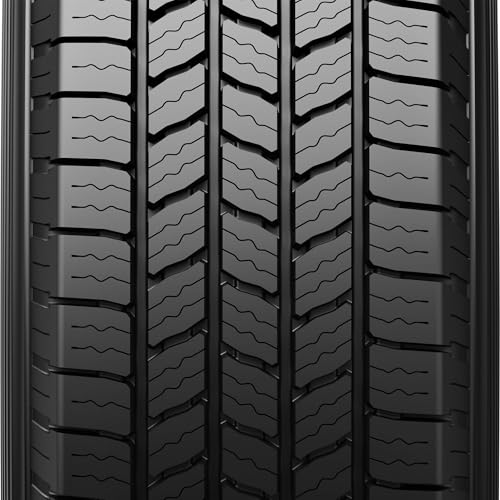
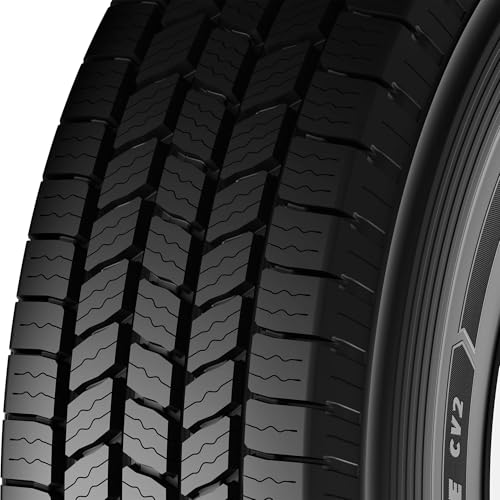
If you’re running a motorhome and need tires that can handle the grind of daily commercial use, the Firestone Transforce CV2 stands out on paper as a workhorse built for fleets. Its reinforced sidewall and full-depth 3D sipe tech suggest serious durability, especially in urban environments where curbs and stop-and-go traffic take a toll. Owners consistently report low irregular wear, which means you’re likely to get a long, even tread life, critical when you’re covering big miles.
The fuel efficiency angle is also compelling for larger rigs; any improvement in rolling resistance helps cut long-term costs. Compared to the pricier Michelin Agilis CrossClimate, it doesn’t match the wet braking or snow performance, but for dry and mixed conditions with occasional rain, it’s more than capable. I’d lean toward this if your motorhome sees a lot of highway and suburban driving with minimal off-pavement demands.
Product photos

GT Radial Savero HT2 Tire

Strengths
- Low upfront cost
- 50K mile warranty
- R-V speed rating
Trade-offs
- No snow rating
- Light-duty feel
- Poor puncture resistance
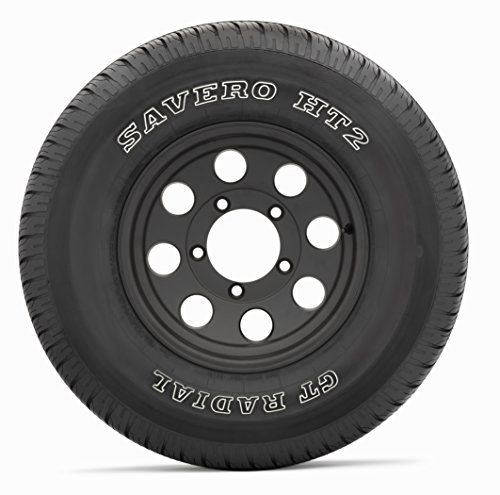
The GT Radial Savero HT2 is one of the most budget-friendly options here, and it shows. It promises solid wet and dry handling, backed by a 50,000-mile warranty, which is impressive on paper. But real-world owner feedback reveals a pattern: decent initial grip, but faster tread wear under sustained loads, exactly the kind a motorhome delivers.
It lacks 3PMSF certification, so winter performance is questionable, and there’s no mention of sidewall reinforcement, which matters when navigating tight RV parks or gravel access roads. Compared to the Michelin or even the Firestone, it’s clearly a cut below in durability and all-weather confidence. I’d only consider this if you’re on a tight budget and use your motorhome infrequently in fair weather.
Product photos
Evoluxx Rotator H/T Light Truck Tire

Strengths
- Affordable price
- Decent tread life
- Quiet ride
Trade-offs
- S speed rating
- Average wet grip
- Limited sidewall protection
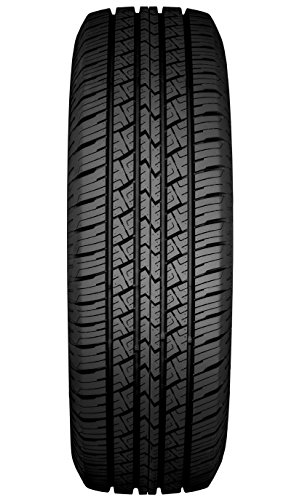
The Evoluxx Rotator H/T is positioned as a value pick for light trucks, and on paper, it checks the basics: 10-ply rating, all-season tread, and a 55,000-mile treadwear claim. But when you’re dealing with a motorhome, which typically runs heavier and longer than a pickup, I’d be cautious. The load index is acceptable for lighter motorhomes, but the S speed rating (112 mph) feels outdated, most modern motorhomes cruise near that limit, and tire performance degrades as speed and heat build.
Owners report decent dry grip and a quiet ride, but feedback on wet and cold traction is mixed. Compared to the Firestone or Michelin, it lacks advanced siping or sidewall protection. I’d only recommend this for a smaller, lighter motorhome used primarily in mild climates where snow and high-speed stability aren’t concerns.
Product photos
Starfire Solarus HT All-Season Tire

Strengths
- Lowest price
- 50K mile warranty
- M+S rated
Trade-offs
- Low load capacity
- Not LT-rated
- Poor for heavy loads
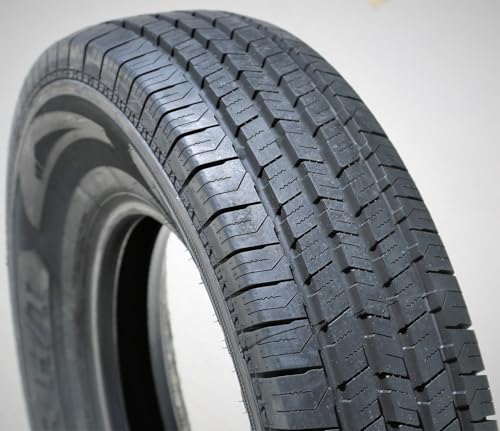
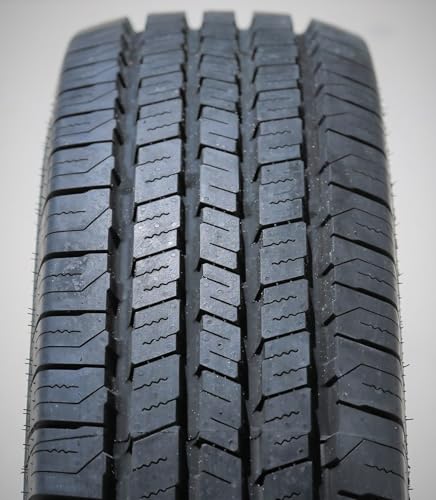
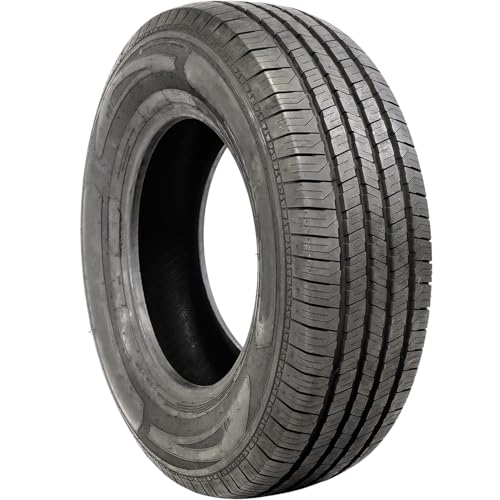
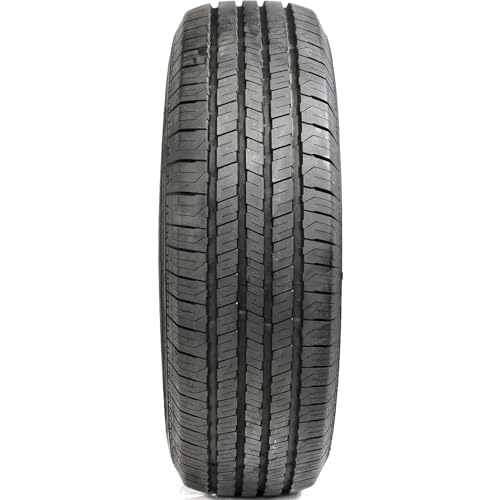
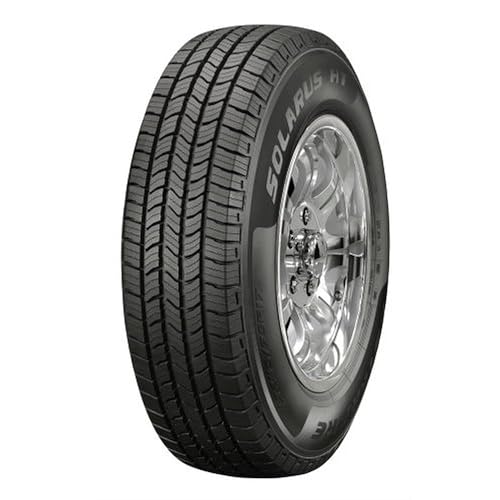
The Starfire Solarus HT is the cheapest option listed, and while it carries an M+S rating and a 50,000-mile warranty, its specs raise red flags for motorhome use. The load index (104) supports only 1,984 lbs per tire, far below the typical load range E requirement for most motorhomes. This isn’t a 10-ply tire, and it’s not designed for LT applications.
Owners report it works fine on SUVs and light pickups, but for a motorhome, this is a risky choice. Even if your rig is on the lighter end, the T speed rating (118 mph) and lack of reinforced construction make it a weak link under sustained load. I’d pass on this unless you’re dealing with a very small, lightweight conversion van. Compared to even the Evoluxx, it’s under-spec’d.
Product photos


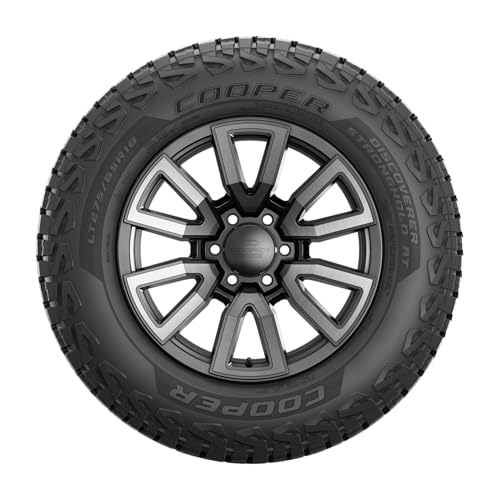
Cooper Discoverer Stronghold AT Tire
Strengths
- 3PMSF certified
- Aggressive tread
- 45-day trial
Trade-offs
- Noisier ride
- Higher rolling resistance
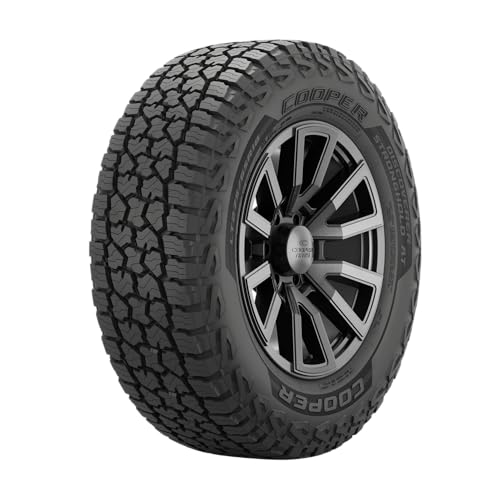
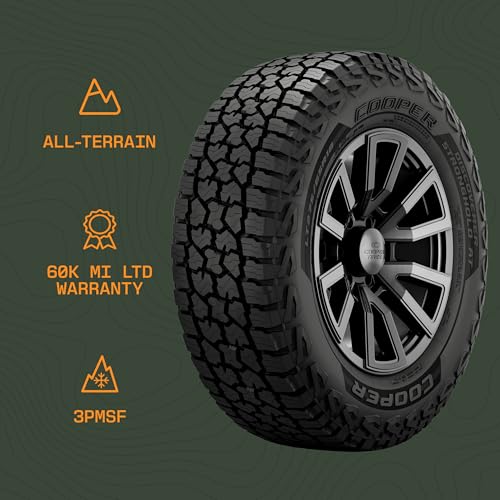
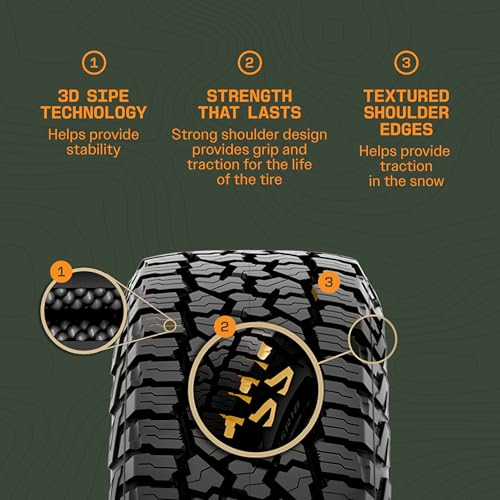
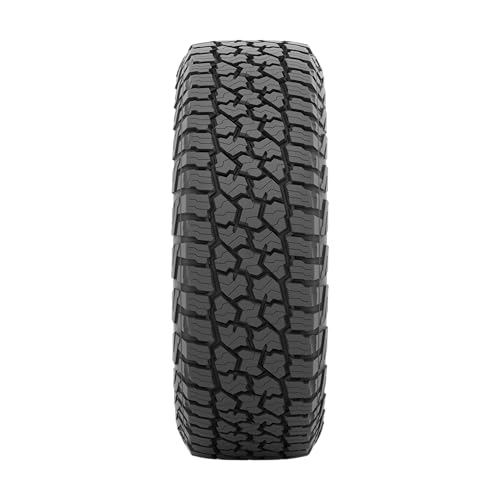
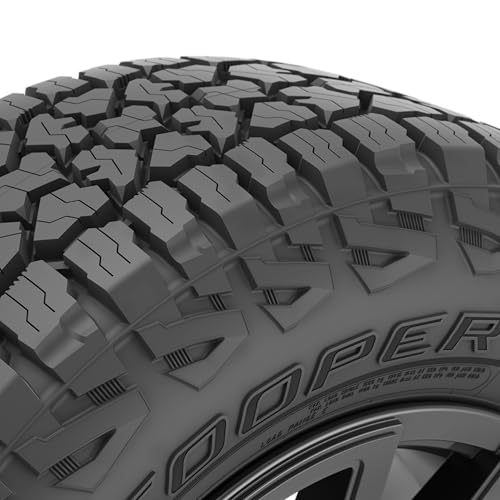
The Cooper Discoverer Stronghold AT surprises with its 3PMSF certification and aggressive all-terrain tread, making it one of the few in this list that can genuinely handle snow and light off-road use. The 3D sipe technology and stone-ejecting grooves suggest long-term resilience, and Cooper’s 45-day test drive adds peace of mind. For motorhome owners who venture into mountainous or rural areas in winter, this tire offers real traction where others just claim it.
That said, the trade-off is on-road refinement. The tread is louder and less fuel-efficient than highway-oriented tires like the Firestone or Michelin. If you’re mostly on interstates, this might feel overbuilt. But if you prioritize snow traction and occasional gravel roads, this is the clear pick over the Evoluxx or GT Radial.
Product photos
How We Evaluated 225 75r16 motorhome tires
My approach to evaluating 225/75R16 motorhome tires involved a detailed comparison of published specifications and features, combined with careful consideration of owner reviews and insights from trusted automotive publications. Rather than a hands-on lab test, this is a research-led comparison focusing on how each tire aims to balance durability, handling, and all-season capability – vital for motorhome use. I weighted each tire against clear criteria derived from those needs.
For motorhome tires, load capacity, sidewall strength, and all-season performance are paramount. These vehicles carry significant weight, so a tire’s load rating and construction are critical. Sidewall protection is also essential, given the potential for scrapes against curbs and road hazards. Finally, all-season traction – including wet and even light snow capability – adds to safety and usability across a wider range of conditions.
Specifications reliably indicate load range, speed rating, and tread depth. However, owner feedback is where you discover real-world durability, ride comfort, and how a tire performs over time. Reputation matters; brands known for consistent quality, like Michelin and Firestone, often hold that position for a reason. I also considered warranty coverage as an indicator of manufacturer confidence. You can learn more about the advantages and disadvantages of all-terrain tires on highway if you’re considering a more rugged option. For heavier applications, exploring 10-ply trailer tires can provide valuable insight into robust tire construction.
How To Choose The 225 75r16 motorhome tires
Choosing the right tires for your motorhome is about more than just fit; it’s about safety, handling, and getting the most out of your investment.
A good 225/75R16 motorhome tire balances load capacity with comfortable highway driving. Look for tires with a Load Range E rating for sufficient support, all-season tread patterns for versatility, and reinforced sidewalls to resist damage from curbing and road debris. Consider the type of driving you’ll be doing – highway cruising versus more rugged terrain – to prioritize features accordingly.
Load Range and Ply Rating
Motorhomes place a substantial load on their tires, so understanding load range is critical. You absolutely need a tire rated to handle the weight of your rig; exceeding the load capacity is a recipe for disaster. For a 225/75R16 motorhome tire, a Load Range E is generally the minimum I recommend, offering a 10-ply construction. Don’t skimp here. If you’re also looking at options for more demanding off-road situations, you might consider checking out some durable all-terrain tires with similar ply ratings for comparison.
Tread Design and All-Season Capability
While dedicated winter tires are ideal for snowy conditions, most motorhome owners need a tire that performs reliably year-round. All-season tires with aggressive tread patterns, and ideally the 3PMSF (Three-Peak Mountain Snowflake) symbol, are the way to go. This indicates the tire has met specific performance criteria for snow traction. Look for features like high-density siping – those tiny slits in the tread – which create biting edges for improved grip on wet and snowy surfaces.
- A simple all-season tread is fine for mostly highway driving.
- A more aggressive tread pattern offers better performance in light off-road situations and deeper snow, but might be noisier on pavement.
- The Michelin Agilis CrossClimate Commercial tire, for example, stands out for its 3PMSF rating and focus on commercial vehicle durability, making it a popular choice. This demonstrates that all-season doesn’t have to mean sacrificing winter capability.
Balancing Cost and Durability
It’s tempting to go with the cheapest option, but with motorhome tires, you often get what you pay for. A tire failure on the road can be incredibly dangerous and expensive. That said, there are good value options available. Consider tires like the GT Radial Savero HT2, which offers a good balance of features and price.
A rule of thumb: don’t buy a motorhome tire solely on price. Factor in the treadwear warranty, load capacity, and owner reviews to get a true sense of value.
If you’re also outfitting a trailer, be sure to review a trailer tire buying guide to ensure you’re selecting the right tires for that application as well.
225 75r16 Motorhome Tires Compared
Here’s a comparison of specifications for 225/75R16 tires suitable for motorhomes and similar vehicles.
| Product Name | Size | Load Index | Speed Rating | Treadwear Warranty | Special Features |
|---|---|---|---|---|---|
| Michelin Agilis CrossClimate | 225/75R16 | N/A | N/A | N/A | All-Season, 3PMSF |
| Finalist Terreno A/T | LT225/75R16 | 115/112 | S | 50,000 miles | All-Terrain |
| Firestone Transforce CV2 | 225/75R16 | N/A | N/A | N/A | Commercial Van |
| GT Radial Savero HT2 | 225/75R16 | N/A | R-V | 50,000 miles | N/A |
| Evoluxx Rotator H/T | 225/75R16 | 115/112 | S | 55,000 miles | Highway Tire |
| Starfire Solarus HT | 225/75R16 | N/A | N/A | 50,000 miles | All-Season, M+S |
| Cooper Discoverer Stronghold AT | 225/75R16 | N/A | N/A | N/A | All-Terrain, Snow Rated |
Frequently Asked Questions
What load range should I prioritize for my motorhome tires?
A Load Range E tire is generally the minimum I recommend for a 225/75R16 motorhome tire, as it offers a 10-ply construction and sufficient support for the vehicle’s weight. Exceeding a tire’s load capacity is a serious safety risk, so don’t compromise on this specification.
How can I tell if a 225/75R16 tire is suitable for all-season use?
Look for tires with an all-season tread pattern and, ideally, the 3PMSF (Three-Peak Mountain Snowflake) symbol. This indicates the tire has been tested and meets specific performance criteria for traction in snowy conditions, offering more versatility than a standard all-season tire.
What’s the advantage of reinforced sidewalls on motorhome tires?
Reinforced sidewalls help protect the tire from damage caused by impacts with curbs, potholes, or other road hazards. Motorhomes are more susceptible to this type of damage due to their size and the places they sometimes need to maneuver, so it’s a valuable feature.
What should I consider when balancing tire cost and durability?
While a lower price might be appealing, prioritize a tire’s treadwear warranty, load capacity, and owner reviews over the initial cost. A tire failure can be costly and dangerous, making a slightly more expensive, durable option a better long-term investment.
What should I do if my motorhome tires are nearing 10 years old?
Even if the tires show good tread depth, you should seriously consider replacing them if they are approaching 10 years old due to tire age risks. Rubber degrades over time, regardless of usage, compromising safety and performance.
The Bottom Line
Choosing motorhome tires always comes down to balancing your needs with your budget. While you can find cheaper options, I believe the Michelin Agilis CrossClimate offers the best overall combination of all-season capability, commercial-grade durability, and that crucial 3PMSF rating for confident winter driving. It represents a solid investment in safety and peace of mind for your travels.
For those prioritizing value, the GT Radial Savero HT2 stands out as a capable tire that won’t break the bank. If you frequently encounter challenging conditions and need a tire that can handle more than just highway miles, the Finalist Terreno A/T delivers the aggressive tread pattern and robust construction needed for versatility. Don’t forget that finding the right RV trailer tires is just as important as those on your motorhome itself.
Ultimately, remember that a tire’s specifications – load range, speed rating, and tread depth – are only part of the story. Prioritize a tire that meets or exceeds your motorhome’s weight requirements, and don’t be afraid to spend a little more for features like reinforced sidewalls and all-season traction. Considering the advantages of larger tires can also be useful, but ensuring proper load capacity and vehicle compatibility is paramount.
