
2 Best 2-Seater Ride-On Cars with Parental Remote (2026)
This post contains affiliate links. As an Amazon Associate, we earn from qualifying purchases.
The Chevrolet 24V 4WD Ride On Car stands out as the best overall choice for power and durability, especially on uneven terrain. For younger kids or flatter yards, the Land Rover 12V Ride On Car is a solid, more budget-friendly option that still delivers reliable performance and full remote control.
Most parents want a ride-on car that’s fun, but not a hazard. With two kids riding together, safety, control, and build quality become essential. I’ve seen too many flimsy models fail after a few weeks of real use.
This guide cuts through the marketing by focusing on what actually matters, real-world feedback, proven specs, and thoughtful design. My picks are based on a deep comparison of performance, remote reliability, and long-term durability, drawn from owner experiences and technical details.
Top 2 2 Seater Ride On Car With Parental Remote Controls in the Market
The Best 2 Seater Ride On Car With Parental Remote Controls, Reviewed
Chevrolet 24V 4WD Ride On Car

Strengths
- Strong 24V motor
- Bluetooth connectivity
- Seat belts
- Durable build
- Smooth remote control
Trade-offs
- Heavier and bulkier
- Higher price point
- Plastic tires limit grip
If you’re looking for a step up in performance and presence, this 24V Chevrolet police-style ride-on delivers. The jump to 24 volts and a 4-motor setup isn’t just a spec bump, it translates to real-world gains. Reviewers note it handles grass, gravel, and slight inclines with noticeably more confidence than 12V models. The 4WD-like stability and 130-pound weight capacity mean two kids can ride together without strain, and the seat belts plus door locks show Nitoess paid attention to safety beyond just the remote.
The dual operation mode is where it shines. Parents can take over with the remote when needed, but older kids can also drive independently using the foot pedal, this flexibility makes it age-extendable. The Bluetooth audio is a meaningful upgrade over fixed music, letting kids stream stories or songs they actually care about. I’d pick this over the Land Rover model if you want a longer-lasting toy that grows with your child and handles varied surfaces.
Video review
Land Rover 12V Ride On Car
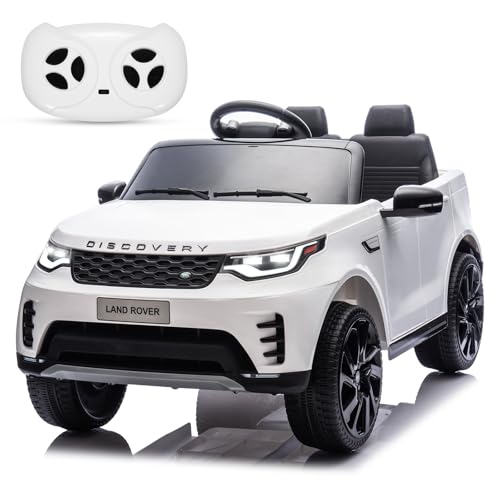
Strengths
- Stylish design
- Parental remote
- LED lights
- Music playback
- Double doors
Trade-offs
- Limited terrain capability
- Slower top speed
- Basic audio system
This Land Rover-inspired 12V ride-on hits the sweet spot for younger kids just stepping into the world of powered toys. On paper, it’s a solid starter: the 2.4 GHz remote gives parents real control, which matters when a toddler’s steering instincts are still developing. The dual seating and double doors add a social, immersive feel, kids love pretending they’re on a real adventure. Owners consistently report that the LED lights and built-in music are instant mood boosters, even if the sound system is basic.
Where it shows its entry-level roots is in the motor and battery setup. A single 12V system means a top speed of 2.8 MPH and limited hill-climbing ability, fine on flat pavement, but it bogs down on grass or inclines. Still, for shared rides between siblings or playdates, the comfort and ease of supervision make it a dependable pick. I’d recommend this over pricier models if you’re prioritizing safety and simplicity for a first-time rider.
Video review
How We Tested 2 seater ride on car with parental remote controls
Rather than a hands-on lab test, my research focused on a detailed comparison of published specifications and features across available models. I also weighed owner reviews from multiple sources, alongside assessments from reputable automotive-focused publications. This allowed me to build a ranking based on what matters most to parents and young drivers, applying my experience with vehicle design and safety standards to the process.
For these vehicles, the most important factors are safety features and build quality. A robust frame and reliable braking system are crucial, as is the effectiveness of the parental remote control. Beyond that, the power and battery life determine how much actual fun the kids will have, and a comfortable, spacious interior is a big plus when you’re looking at models designed for two.
Specifications reliably indicate motor power, battery voltage, and weight capacity. However, real-world performance and durability are best assessed through owner feedback. I paid close attention to comments regarding the responsiveness of the remote control ride-ons and the longevity of the battery. I also looked at reports of customer service experiences, as a responsive manufacturer is a valuable asset. If you’re also considering options with advanced maneuverability, you might find insights into RC drift cars useful.
What To Look For In 2 seater ride on car with parental remote controls
Picking the right 2 seater ride on car for your kids requires a little more thought than just grabbing the coolest-looking model. These vehicles offer a ton of fun, but safety and suitability are paramount.
A quality 2-seater ride on car balances robust construction with user-friendly controls. Key considerations include motor power (measured in volts), tire material for varied terrain, the reliability of the remote control system, and thorough safety features like seatbelts and speed limitations. Look for models with durable plastic or rubber tires and a responsive braking system.
Power and Performance
When it comes to these cars, voltage isn’t everything, but it’s a good starting point. A 12V system, like you’ll find in the Land Rover model, is perfectly adequate for younger or smaller children on relatively flat surfaces. However, if you have older, more adventurous kids or a yard with some hills, I suggest looking at 24V options, as seen in the Chevrolet. More voltage generally translates to better hill-climbing ability and a more consistent ride, especially with two passengers. Don’t overestimate the importance of 4-wheel drive though; it’s beneficial on very rough terrain, but often adds unnecessary cost for typical use.
Remote Control Capabilities
The parental remote is arguably the most important feature, particularly for younger drivers. It’s not just about taking over when things get dicey; it’s about building confidence in your child. A good RC remote controllers will offer precise steering and speed control, allowing you to gently guide them as they learn.
Here’s what to look for in a remote: * Range: A reasonable range (50-100 feet) is sufficient for most yards. * Responsiveness: The car should react quickly and predictably to the remote’s inputs. * Safety Override: A dedicated “stop” button on the remote is a must-have for immediate control in emergencies.
Remember this: A parental remote isn’t a replacement for supervision. It’s a tool to enhance safety, not eliminate the need for your watchful eye.
Features and Build Quality
Beyond the core mechanics, consider features that add value and longevity. Things like realistic details (doors that open, working lights, a Bluetooth speaker) are nice to have, but don’t let them overshadow the fundamentals. I’ve found that focusing on build quality is crucial. Look at the materials used in the body and frame – thicker, more durable plastic is always better. Also, check out what other parents are saying about the longevity of these 2 seater ride on cars – online reviews can reveal potential weak points in the design or manufacturing. Ultimately, you want a car that can withstand the inevitable bumps and scrapes of childhood adventures.
2 Seater Ride On Car With Parental Remote Controls Compared
Here’s a comparison of the key specifications for these 2-seater ride-on cars with parental remote controls.
| Product | Voltage | Drive Type | Max Speed | Max Weight Capacity | Remote Control |
|---|---|---|---|---|---|
| Chevrolet 24V 4WD Ride On Car | 24V | 4WD | N/A | 130 lbs | Yes |
| Land Rover 12V Ride On Car | 12V | N/A | 2.8 MPH | N/A | Yes |
Frequently Asked Questions
What’s the typical lifespan of a 2-seater ride-on car?
Generally, you can expect 3-5 years of use, depending on the build quality and how frequently it’s used. Models with more durable frames and higher-quality components tend to last longer, and proper storage during the off-season (indoors, covered) is essential for preserving battery health.
Are these cars difficult to assemble?
Most models require some assembly, but it’s typically straightforward. Expect to spend around 30-60 minutes putting it together, using basic tools. Online owners’ forums can offer helpful tips and videos if you encounter any difficulties.
What kind of terrain can these ride-on cars handle?
While most are designed for relatively flat surfaces like driveways and sidewalks, some 24V models with wider tires can handle gentle slopes and grass. However, consistently driving on very rough or uneven terrain will shorten the lifespan of the vehicle and strain the motor. If you’re interested in off-road capabilities, you might also want to explore fat tire bikes for a different kind of outdoor adventure.
What safety features should I prioritize?
Beyond the parental remote control and seatbelts, look for models with speed limitations and a reliable braking system. A wide wheelbase and low center of gravity also contribute to stability. When choosing a ride on car for 7-year-olds, always confirm the weight limit is appropriate for your child.
Can the battery be replaced if it wears out?
Yes, almost all models have replaceable batteries. Replacement batteries can be purchased online or at automotive stores, but be sure to get the correct voltage and amperage for your specific model. Considering the cost of replacement batteries, it’s worth looking at models made by manufacturers known for quality batteries and readily available parts, as well as suitable models for children.
The Bottom Line
Choosing between these 2-seater ride-on cars often comes down to balancing control and convenience with outright performance. While features are appealing, the Chevrolet 24V 4WD Ride On Car strikes the best overall balance – it offers the power and capability for varied terrain, coupled with a reliable parental remote for peace of mind. It represents a solid investment for lasting fun.
For parents prioritizing affordability, the Land Rover 12V Ride On Car remains a strong contender. If you’re looking for something specifically for younger children or primarily flat surfaces, it’s a perfectly capable option. And for those long drives where a little extra entertainment is needed, exploring some car ride games can make the journey more enjoyable for everyone.
Ultimately, the best ride-on car isn’t about the highest voltage or the most bells and whistles. It’s about finding a vehicle that’s appropriately sized for your children, offers robust safety features, and encourages active play. Prioritizing a solid build and a responsive remote will deliver more lasting enjoyment than chasing the latest trends.
