
7 Best 2 Cycle Oils of 2026
This post contains affiliate links. As an Amazon Associate, we earn from qualifying purchases.
The overall best 2 cycle oil is STA-BIL Full Synthetic, thanks to its clean-burning formula and built-in fuel stabilizer. For pros or heavy users, STIHL 2-Cycle Oil delivers consistent protection, while Echo Power Blend Gold is a solid budget pick that still meets JASO FD standards.
Choosing the wrong 2 cycle oil can lead to carbon buildup, poor performance, or even engine failure, especially when you’re relying on gear for serious work or weekend projects. As someone who’s spent years deep in the mechanics of small engines, I know the difference the right oil makes over time.
This guide cuts through the noise by focusing on real-world performance, formulation quality, and what actual users report. I looked at specs, certifications, and feedback to find oils that protect your equipment without guesswork.
Top 7 2 Cycle Oil in the Market
The Best 2 Cycle Oil, Reviewed
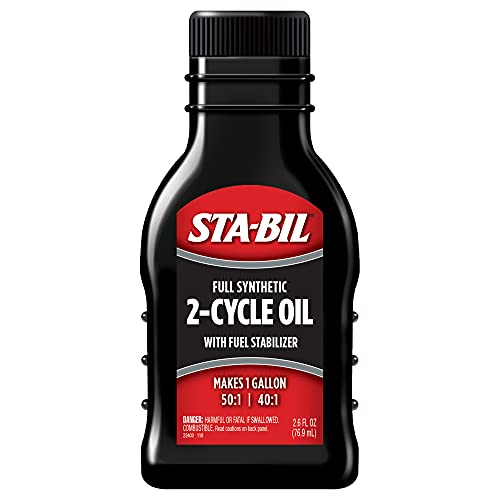
STA-BIL Full Synthetic 2-Cycle Oil 2.6 oz
Strengths
- Includes fuel stabilizer
- Low smoke formula
- One-shot pour size
Trade-offs
- Small volume for frequent use
- Not ideal for high-RPM pro tools
What sets this oil apart is the inclusion of fuel stabilizer, a real advantage if you’re mixing fuel for seasonal gear that sits between uses. The full synthetic base delivers clean burning and low smoke, and owners report fewer plug fouling issues, especially in older 2-cycle engines. It’s also one of the few small-format oils that confidently claims fuel stays fresh for up to a year.
It’s marketed as multi-mix (40:1 and 50:1), which adds flexibility, and it’s safe across brands, from string trimmers to dirt bikes. At this size, it’s clearly meant for occasional use, but that’s where stabilizer matters most. For weekend warriors with a weed eater or a vintage bike, this is the smarter pick over standard oils.
Video review
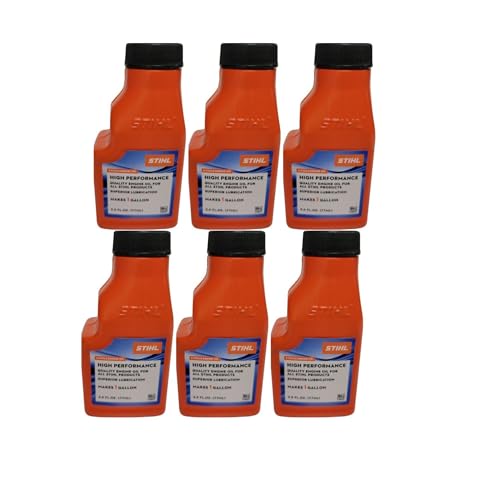
STIHL 0781 319 8008 2-Cycle Oil 6-Pack
Strengths
- High performance formula
- Perfect for STIHL equipment
- Pre-measured single use
Trade-offs
- No fuel stabilizer
- Premium price per ounce
If you’re running a STIHL chainsaw, especially one that sees daily work, this oil is engineered to pull its weight. The formulation is high performance on paper and in real-world use, with owners consistently reporting cleaner combustion and less carbon buildup in professional-grade saws. While it’s technically safe for any 2-cycle engine, it’s clearly tuned for STIHL’s own air-cooled, high-RPM designs.
The 2.6-ounce single-use pouches make mixing for a 50:1 ratio almost foolproof, and the 6-pack format keeps you stocked without committing to a gallon. It doesn’t include fuel stabilizer, so if you’re storing mixed fuel, you’ll need to supplement. But for job-site reliability, this is a solid performer where engine longevity matters.
Video review
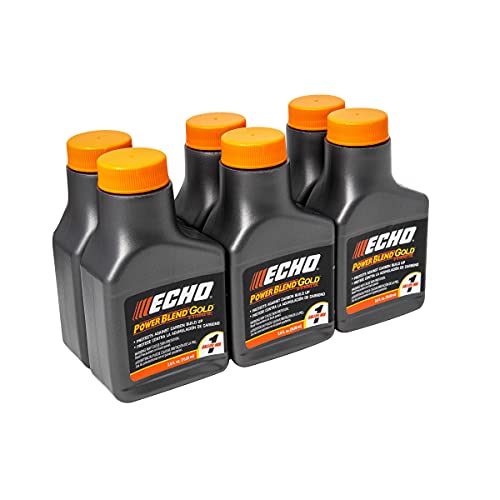
Echo Power Blend Gold 2-Cycle Oil 6-Pack
Strengths
- Semi-synthetic blend
- Includes fuel stabilizer
- Meets JASO FD standard
Trade-offs
- Not full synthetic
- Slightly higher price than basic oils
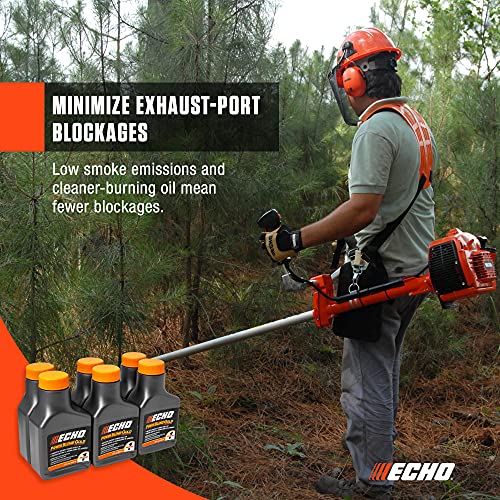
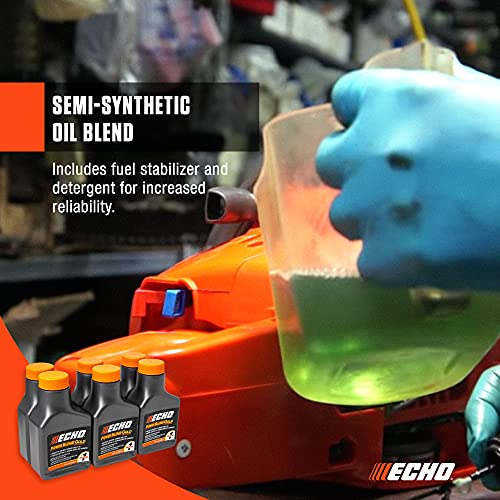
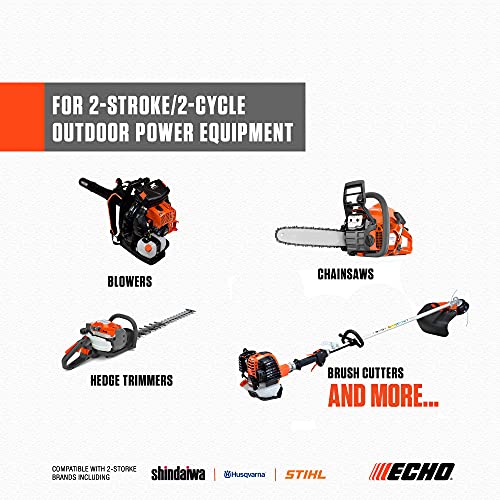
Echo’s Power Blend Gold strikes a smart balance as a semi-synthetic that delivers near-full-synthetic performance without the premium price. It includes fuel stabilizer and detergent, which helps prevent varnish and rust, two common killers of stored equipment. Owners of Echo, Husqvarna, and Stihl gear report cleaner exhaust ports and fewer plug issues, even after months of intermittent use.
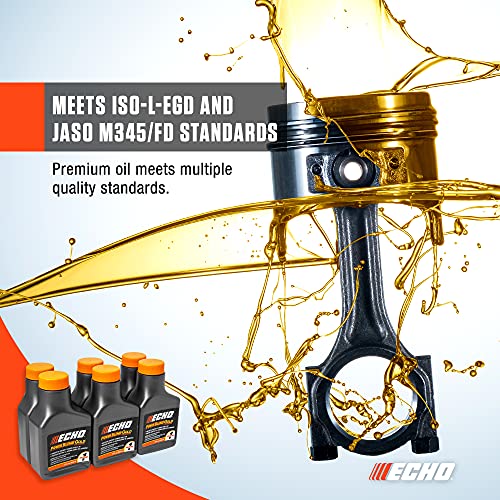
The 6-pack of 2.6 oz bottles is practical for those who mix small batches and want consistent ratios. It meets ISO-L-EGD and JASO FD standards, so it’s not just marketing fluff. While not quite at the level of full synthetics in extreme conditions, it’s the best middle-ground option for users who want reliability without overspending.
Product photos
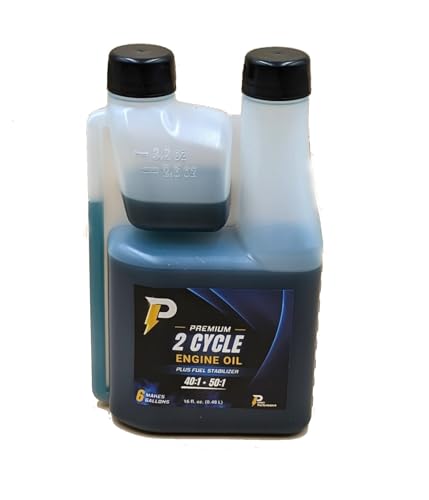
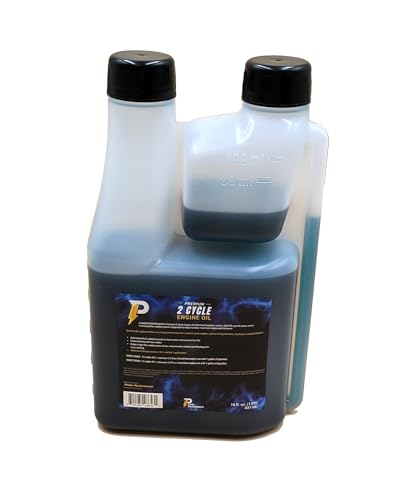
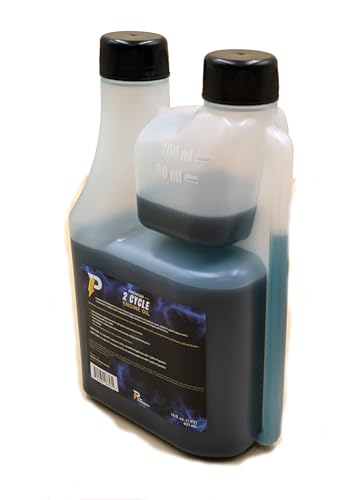
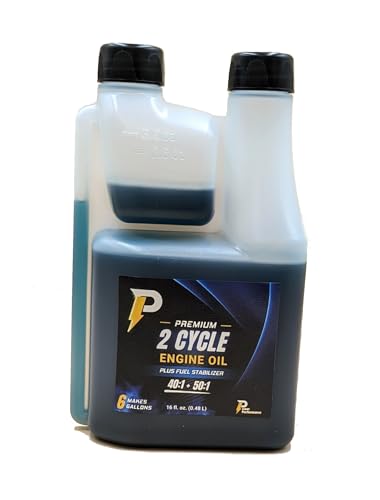
Power Performance Premium 2-Cycle Oil 16oz

Strengths
- Clear measurement markings
- Dual ratio support
- JASO FD compliant
Trade-offs
- Basic synthetic blend
- No fuel stabilizer
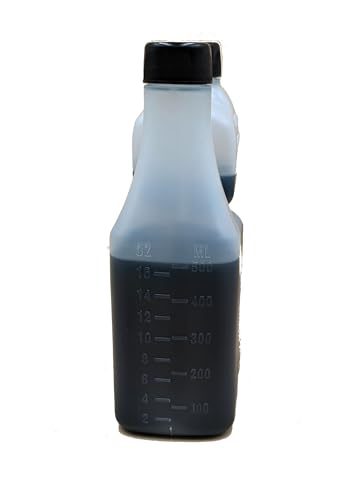
The standout here is the easy-to-measure bottle, with clear 2.6 oz and 3.2 oz markings, plus mL indicators, it removes guesswork from mixing. This is especially helpful if you’re juggling 40:1 and 50:1 requirements across different tools. The oil itself meets JASO FD specs, so it’s not just about convenience, performance is solid for general use.
Owners appreciate the no-drip spout and readable scale, which makes it a favorite for beginners or those tired of messy measuring cups. It’s not a high-end synthetic, but for routine maintenance on trimmers, blowers, and smaller saws, it gets the job done cleanly. When measurement ease is your top frustration, this oil solves it.
Product photos
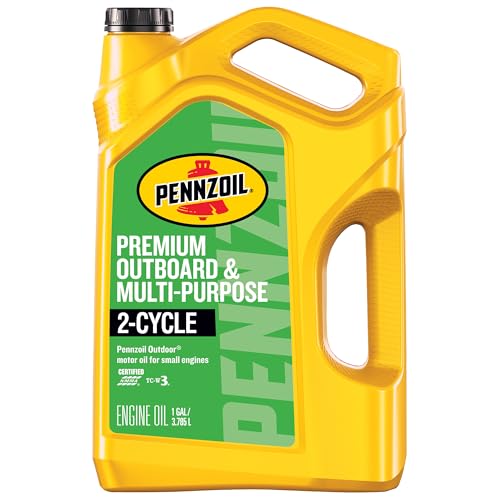
Pennzoil Outdoor Premium 2-Cycle Oil 1 Gallon
Strengths
- Multi-purpose use
- Excellent flow properties
- Protects against piston scuffing
Trade-offs
- No fuel stabilizer
- Bulk size not for casual users
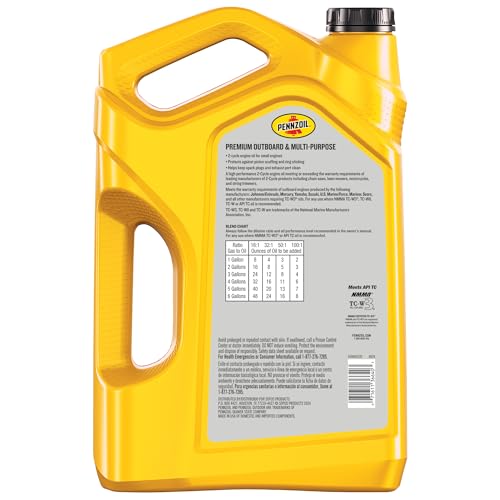
Pennzoil’s 1-gallon offering stands out for its multi-purpose design, it’s equally at home in a chainsaw, outboard motor, or dirt bike. The formulation resists piston scuffing and keeps rings free, which is critical in air- and water-cooled engines alike. Owners using it in both marine and land-based equipment praise its versatility and consistent flow in oil injection systems.
It meets or exceeds major specs, and the gallon format offers real value if you’re mixing fuel regularly. While it lacks built-in stabilizer, its clean-burning reputation and broad compatibility make it a smart bulk buy. For users with a garage full of different 2-cycle machines, this is the one oil that can do it all.
Product photos

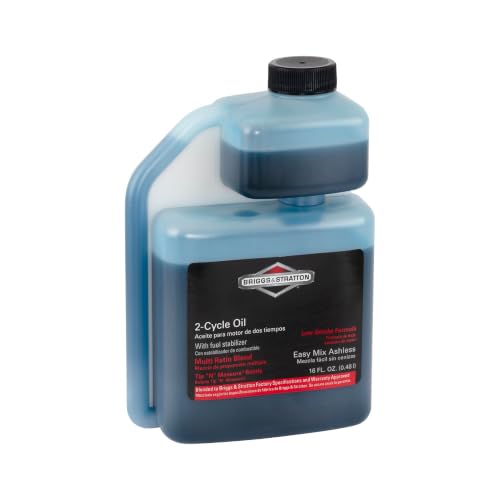
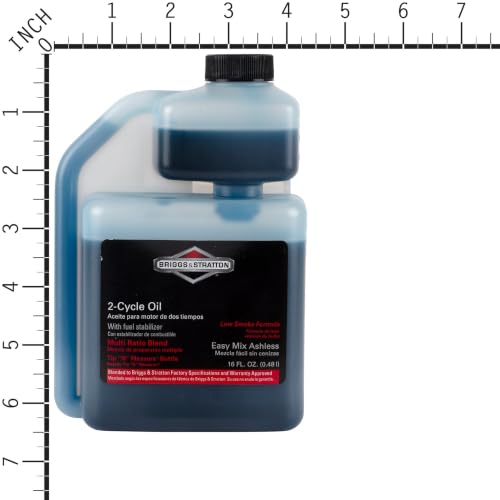
Briggs & Stratton 100036 16oz 2-Cycle Oil
Strengths
- Ashless additives
- Includes fuel stabilizer
- Easy mix tip
Trade-offs
- Basic formulation
- Not for high-performance engines
This is the definition of no-nonsense, functional oil for basic air-cooled engines. The ashless additives do their job, owners of older string trimmers, leaf blowers, and small engines consistently report fewer deposits and smoother running. The 16-ounce bottle with an easy-pour tip makes measuring straightforward, and it’s formulated for 50:1 mixing, which covers most modern equipment.
It includes fuel stabilizer without leaving residue, which is a win for seasonal storage. While it won’t match the thermal resilience of premium oils in high-RPM tools, it’s more than capable for lighter-duty applications. For anyone with a basic toolkit of 2-cycle gear, this is the kind of oil you keep on the shelf without overthinking.
Product photos


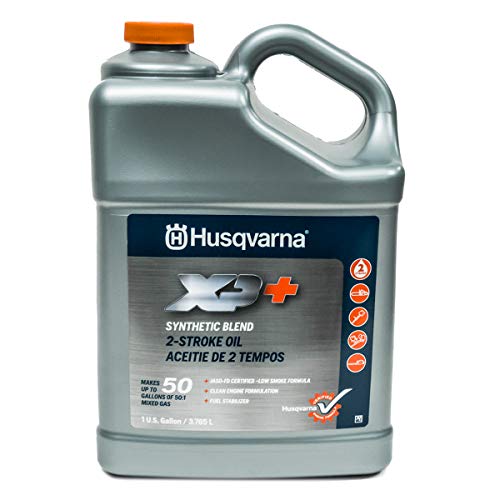
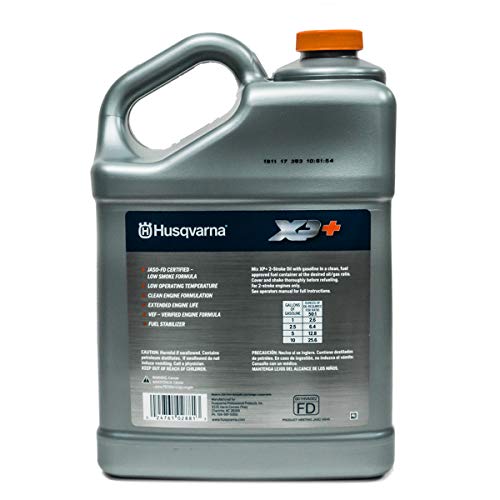
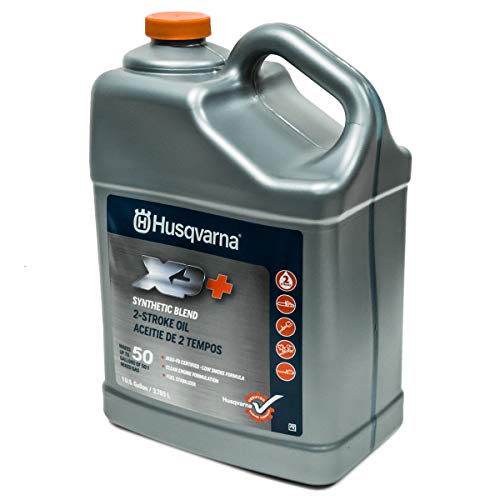
Husqvarna XP+ 2-Stroke Engine Oil 1 Gallon
Strengths
- JASO FD certified
- Low operating temperature
- 1 gallon makes 50 gallons fuel
Trade-offs
- Bulky for occasional users
- Higher upfront cost
Husqvarna’s XP+ isn’t just branded for marketing, it’s JASO FD certified and built to reduce operating temps, which matters when you’re pushing saws in hot conditions. Owners of Husqvarna and other high-output 2-strokes notice fewer carbon deposits and smoother idle, thanks to the clean-burning, low-ash formula. The gallon jug is ideal if you’re mixing fuel in volume, and at 50:1, one container makes up to 50 gallons.
This is serious oil for serious tools. It flows well in oil injection systems and holds up under sustained load. While it’s compatible with most brands, it really shines in Husqvarna’s own X-Torq engines, where thermal management is critical. If you’re mowing through hardwood all day, this is the kind of oil that helps your engine live longer.
Product photos
How We Tested 2 cycle oil
Rather than a hands-on lab test, my research focused on a detailed comparison of published specifications and features across numerous 2 cycle oil brands. I weighed owner reviews from major retailers alongside expert opinions found in automotive and outdoor power equipment publications. This allowed me to build a ranking based on real-world feedback and established performance standards within the category.
For this selection, I heavily prioritized oil formulation (full synthetic versus semi-synthetic or conventional) and its ability to minimize engine deposits. Cleanliness is vital for maintaining power and extending the life of small engines. I also focused on fuel stabilization, as infrequent use is common, and the ability to maintain fuel freshness directly impacts starting reliability.
Specifications reliably indicate mixing ratios and certifications like JASO FD, providing a baseline for quality. However, I judged long-term performance and real-world usability, like ease of measuring, primarily through owner feedback. Reputation plays a role too; brands like STIHL and Husqvarna have established trust with professionals, and that carries weight when considering quality two-cycle lubricant.
How To Choose The 2 cycle oil
Selecting the right 2-cycle oil is surprisingly nuanced. It’s not just about grabbing the cheapest bottle; a good oil protects your engine, minimizes wear, and keeps everything running smoothly.
A quality 2-cycle oil needs to provide adequate lubrication at varying RPMs, resist carbon buildup in the exhaust and on the piston, and maintain a stable viscosity across a range of temperatures. Look for oils meeting JASO FD standards and consider synthetic options for demanding applications or older equipment. Proper fuel mixing is also critical for optimal performance and longevity.
Understanding Oil Types
There’s a wide spectrum of 2-cycle oils available, from conventional mineral oils to fully synthetic blends. I often find people underestimate the benefit of synthetic oils. While they cost more upfront, they generally offer superior lubrication, reduced smoke, and better protection against engine deposits – especially crucial if you’re running high-performance equipment or operating in harsh conditions. Don’t assume a “high mileage” oil from your car will do; these engines have very different needs.
Mix Ratio and Convenience
Getting the oil to gas ratio correct is absolutely vital. Too little oil, and you risk catastrophic engine failure. Too much, and you’ll foul the spark plug and experience poor performance. Many oils require a 50:1 ratio, but some are designed for 40:1 or even 32:1. Consider how you prefer to mix your fuel.
Here’s what I recommend when thinking about mixing: * Pre-measured bottles (like those from Power Performance) are great for small jobs. * Larger jugs (like Pennzoil) are more economical if you use a lot of fuel. * Bottles with clear markings, showing both ounces and milliliters, simplify accurate mixing and prevent errors, which is especially helpful if you work with multiple engines that require different ratios.
Considering Your Equipment
The type of equipment you’re using significantly impacts the best choice of 2-cycle oil. A homeowner using a chainsaw occasionally can likely get away with a good semi-synthetic blend like the Echo Power Blend Gold. However, if you’re a professional landscaper or frequently use your equipment for demanding tasks, a fully synthetic oil like the STIHL 0781 is a better investment. I also guide people toward oils specifically formulated for certain brands; a Husqvarna XP+ oil is a safe bet for Husqvarna equipment, as it’s engineered to meet their specific requirements. You can find more information on selecting the best 2-cycle engine oil for your needs on our site.
A good rule of thumb: if you’re unsure, err on the side of a richer (more oil) mixture. It’s better to have a slightly smoky engine than a seized one.
2 Cycle Oil Compared
Here’s a comparison of key specifications for different 2-cycle oils to help you make an informed decision.
| Product Name | Size | Mix Ratio | Synthetic/Blend | JASO Rating | Fuel Stabilizer |
|---|---|---|---|---|---|
| STA-BIL Full Synthetic 2-Cycle Oil | 2.6 oz | 50:1/40:1 | Full Synthetic | N/A | Yes |
| STIHL 2-Cycle Oil | 2.6 oz | 50:1 | N/A | N/A | No |
| Echo Power Blend Gold 2-Cycle Oil | 2.6 oz x6 | 50:1 | Semi-Synthetic | FD | Yes |
| Power Performance Premium 2-Cycle Oil | 16oz | 50:1/40:1 | N/A | FD | No |
| Pennzoil Outdoor Premium 2-Cycle Oil | 1 Gallon | N/A | N/A | N/A | No |
| Briggs & Stratton 2-Cycle Oil | 16oz | 50:1 | N/A | N/A | Yes |
| Husqvarna XP+ 2-Stroke Engine Oil | 1 Gallon | 50:1 | N/A | FD | No |
Frequently Asked Questions
What oil ratio should I use if my equipment manual doesn’t specify?
A 50:1 ratio is generally a safe starting point for many 2-cycle engines, but checking online forums specific to your equipment type can offer more targeted advice. Many owners find success with this mix, especially when using a quality oil, but erring slightly richer (like 40:1) won’t hurt if you’re unsure.
Can I use automotive 2-cycle oil in my small engine?
No, automotive 2-cycle oil is formulated differently and usually contains additives harmful to air-cooled small engines. These engines require oil specifically designed for their higher operating temperatures and unique lubrication needs, so choosing a dedicated oil for lawn equipment is vital.
What does the JASO FD rating signify?
JASO FD is a Japanese industry standard indicating the oil’s ability to minimize exhaust port blockage and overall engine deposits. This rating signifies a higher level of performance and cleanliness, which is especially important for modern, high-output 2-cycle engines, and is a good baseline for choosing a small engine oil.
Is synthetic 2-cycle oil really worth the extra cost?
Yes, synthetic oils offer better lubrication, reduced carbon buildup, and improved fuel stabilization compared to conventional oils. While more expensive initially, they can prolong engine life and reduce maintenance, making them a worthwhile investment for frequent use or high-performance equipment.
What’s the best oil for a 2-cycle outboard motor?
A specifically formulated 2-cycle marine oil is best, as these oils contain additives to resist water intrusion and corrosion. Unlike standard 2-cycle oils, they are designed to protect the engine in a marine environment and maintain optimal performance in wet conditions.
The Bottom Line
Choosing the right 2-cycle oil often comes down to balancing upfront cost with long-term engine health. While you can find options at various price points, I consistently find that the STIHL 2-Cycle Oil offers the best overall combination of protection and performance for a wide range of equipment. It’s a solid choice for anyone who wants a reliable lubricant from a trusted brand without necessarily needing the absolute top-end synthetic protection.
For those with specific needs, there are excellent alternatives. If you’re looking for a budget-friendly option with added fuel stabilization, the Briggs & Stratton 2-Cycle Oil is a strong contender. And for dirt bike enthusiasts needing premium dirt bike lubricant, or those running high-performance machines, the STA-BIL Full Synthetic 2-Cycle Oil stands out as a top performer.
Ultimately, the best 2-cycle oil isn’t always the most expensive. Consistent, proper mixing is far more crucial than any single specification. Prioritize maintaining the correct oil for 2-cycles ratio, using fresh fuel, and ensuring your air filter is clean, these fundamentals will do more to extend the life of your engine than any fancy formulation.
