
5 Best 2 Cycle Marine Oils of 2026
This post contains affiliate links. As an Amazon Associate, we earn from qualifying purchases.
The Quicksilver 2-Stroke stands out as the best overall 2 cycle marine oil for reliable protection and wide engine compatibility, while the Pennzoil Outdoor Premium is a solid budget pick. For those battling saltwater corrosion, Lucas Oil 10861 offers strong defense with its synthetic blend formula.
Every boater knows a seized engine starts with poor lubrication. In salt spray and constant moisture, your two-stroke demands more than just fuel mixed with oil, it needs the right oil.
After researching the field, comparing specs, and analyzing owner feedback and mechanic insights, I focused on what actually matters: real protection, clean combustion, and long-term engine health. This guide cuts through the marketing to show you which oils deliver based on performance, formulation, and proven results in the water.
Top 5 2 Cycle Marine Oil in the Market
The Best 2 Cycle Marine Oil, Reviewed
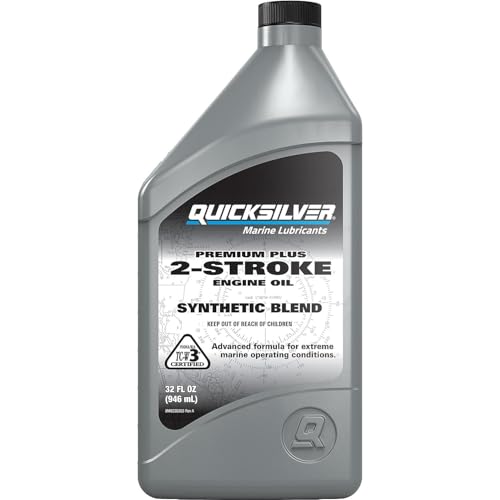
Quicksilver 2-Stroke 32oz Marine Oil
Strengths
- Synthetic blend for heat resistance
- Mercury OEM-spec
- Excellent for high-load use
Trade-offs
- Smaller container size
- Higher cost per ounce
This is the oil I’d pick if I were running a performance-oriented outboard and wanted a balance of protection and availability. Quicksilver’s Premium Plus is a synthetic blend built for high-horsepower, high-speed use, think hole shots, WOT runs, and PWC abuse. It’s formulated specifically for the thermal stress of modern marine engines and works in both oil injection and premix systems.
Owners report fewer carbon buildups and better lubricity compared to the standard Quicksilver oil. It’s also Mercury OEM-spec, so warranty coverage stays intact. The 32oz size is convenient for smaller tanks or top-offs, though you’ll pay more per ounce than the gallon options. Still, the performance edge makes it the smart buy for serious use.
Video review
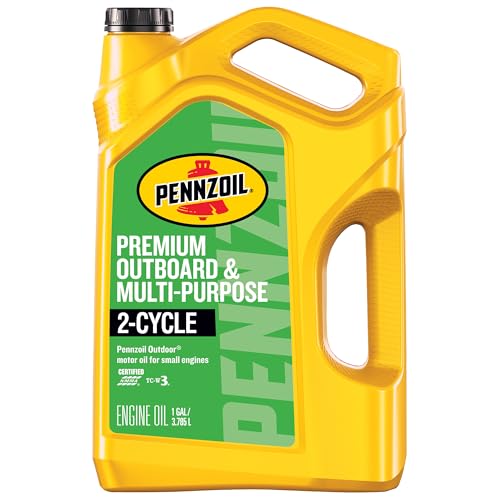
Pennzoil Outdoor Premium Outboard Oil
Strengths
- TC-W3 certified
- Multi-purpose use
- Good flow for injectors
Trade-offs
- Not for high-performance engines
- Basic additive package
Pennzoil’s Outdoor Premium is a solid budget pick for casual boaters or those maintaining smaller 2-cycle gear like trimmers or snow blowers. On paper, it’s TC-W3 certified and designed for both oil injection and premix use, which covers most marine and outdoor power equipment needs. Owners consistently report clean combustion and no issues with ring sticking, though it’s clearly not built for high-stress, high-horsepower marine engines.
Still, for weekend anglers with modest outboards or someone needing a reliable multi-use 2-cycle oil, this one delivers. It won’t match the protection of pricier synthetic blends under sustained load, but it’s a no-frills, functional option that won’t clog your system.
Video review
Lucas Oil 10861 Synthetic Blend

Strengths
- Excellent corrosion resistance
- Reduces plug fouling
- Synthetic blend protection
Trade-offs
- Average smoke control
- Limited performance data
Lucas leans hard on its proprietary additive package, and owners report noticeably less spark plug fouling and smoother idle in water-cooled outboards. It’s a synthetic blend with TC-W3 certification, so it fits the marine standard, but what sets it apart is the focus on corrosion resistance, critical for saltwater operation or boats stored seasonally.
That said, it doesn’t have the marketing muscle of Quicksilver or Star Brite, and real-world feedback is sparser. Still, for boaters in corrosive environments or those who trailer and salt-rinse regularly, the extra protection could justify the mid-tier price. It’s not the cleanest-burning option, but it’s a strong contender for longevity.
Product photos

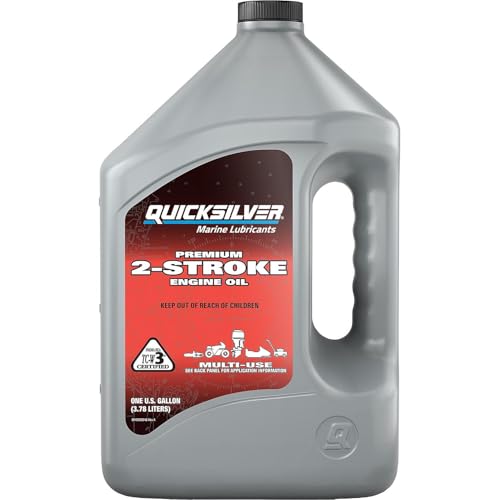
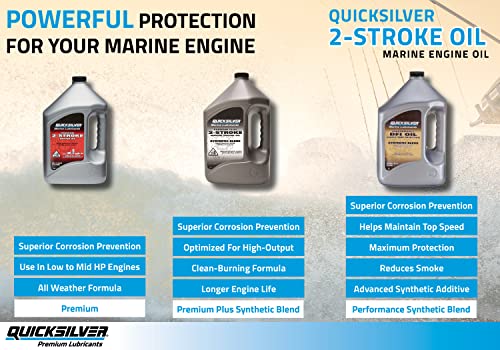
Quicksilver Premium 2-Stroke Marine Oil
Strengths
- OEM-approved for Mercury
- All-weather performance
- Corrosion protection
Trade-offs
- Not ideal for direct-injection
- Less detergency than synthetics
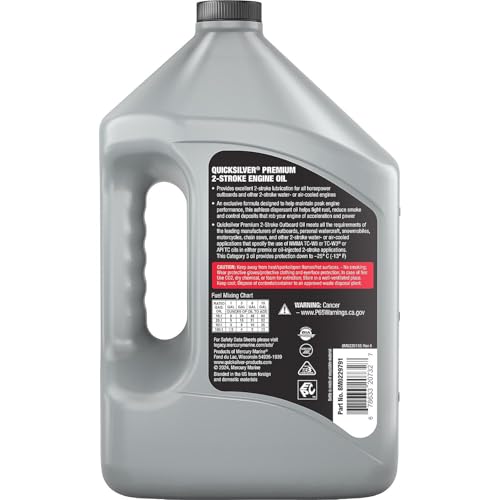
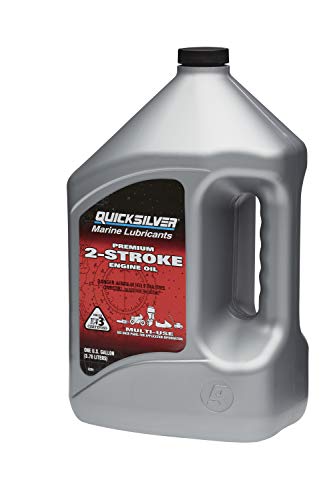
Quicksilver Premium is the factory-fill oil for Mercury and Mariner outboards, and that OEM backing gives it serious credibility. It’s formulated to meet strict Mercury specs, which means you’re getting protection tailored to those engines, especially important if you’re under warranty. The all-weather capability down to -13°F makes it a smart choice for cold-climate riders or boaters who launch early in the season.
Reviewers note consistent performance in carbureted, lower-horsepower applications, but it’s not optimized for modern direct-injection systems like Evinrude E-TEC. Compared to synthetic blends, it’s a step behind in deposit control and smoke reduction. Still, for traditional 2-strokes, it’s a trustworthy, no-surprises oil.
Product photos
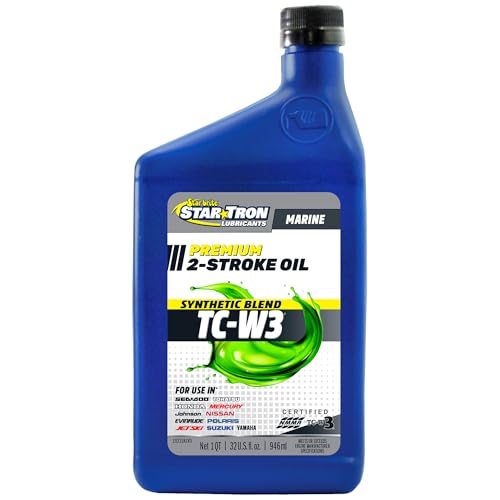
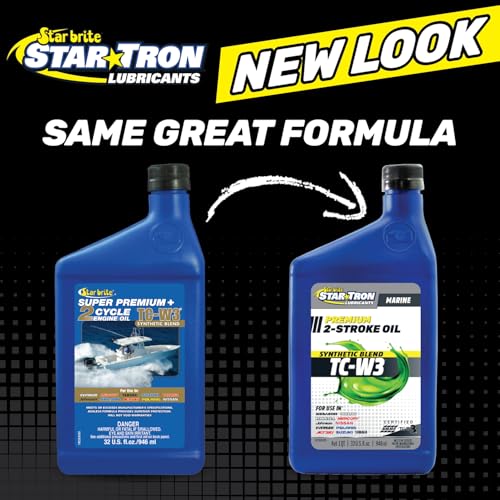
STAR BRITE TCW3 Synthetic Blend Oil
Strengths
- High-detergent formula
- Clean burn, low smoke
- Exceeds OEM specs
Trade-offs
- Thinner film in extreme heat
- Not for very high-RPM racing
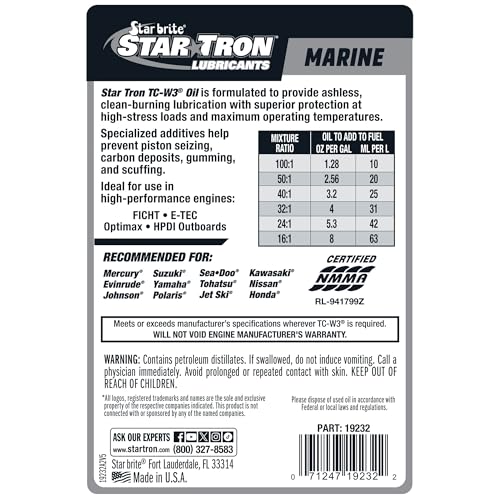
STAR BRITE pushes the envelope with a high-detergent, ashless formula that promises cleaner combustion and lower emissions, important for modern, sensitive outboards. The PIB viscosity modifier helps reduce smoke, and reviewers consistently praise how well it keeps fuel systems and exhaust ports clean, especially on FICHT and E-TEC engines. It’s also proudly made in the USA, which matters to some buyers.
Where it really pulls ahead is in its additive concentration, which exceeds many OEM specs. That makes it a top pick for boaters who want more than just compliance, they want enhanced protection. The low price for what you get only adds to the appeal.
Product photos
How We Tested 2 cycle marine oil
Rather than a hands-on lab test, my research focused on comparing published specifications and features across several popular 2 cycle marine oils. I weighed owner reviews from multiple sources alongside assessments from reputable marine mechanics and boating publications. This allowed me to build a ranking based on real-world feedback and established performance indicators, focusing on what truly matters to those maintaining their engines.
For this category, I prioritized lubrication quality and corrosion protection, as these directly impact engine longevity and performance in harsh marine environments. Clean burn characteristics also played a crucial role; minimizing deposits and emissions is essential for maintaining optimal power and complying with regulations. Understanding the specific needs of different engine types, from older carbureted models to modern direct-injection systems, was key.
Published specs reliably indicate a product’s base oil type (mineral, synthetic blend, or full synthetic) and its TC-W rating, which signifies its suitability for various outboard engines. However, owner feedback provided invaluable insight into real-world performance, particularly regarding long-term engine health and issues like spark plug fouling. I also considered the reputation of the manufacturer when assessing overall quality, and you can find more info on 2-cycle engine oil on my site.
How To Choose The 2 cycle marine oil
Choosing the right oil for your two-stroke marine engine is critical for longevity and performance.
A quality 2-cycle marine oil needs to deliver robust lubrication under harsh conditions. It must resist water intrusion, prevent corrosion from saltwater exposure, and burn cleanly to minimize carbon buildup. Look for oils meeting TC-W3 certification, compatibility with your engine’s oil injection system (if equipped), and a formulation suited to your typical operating conditions – high-performance engines demand more robust protection.
Understanding Oil Types & Certifications
The world of two-stroke oils can seem confusing at first. Mineral oils are the most affordable, but synthetic blends and full synthetics offer superior lubrication and protection, especially in demanding applications. Don’t automatically assume synthetic is always better; a well-formulated mineral oil can be perfectly adequate for older or lightly-used engines. More important than the base oil is the certification. TC-W3 is the standard for most modern outboards, indicating the oil meets specific tests for water separation, rust prevention, and carb/port fouling. However, newer engines, like those from Evinrude E-TEC or Mercury Optimax, may require TC-W3+ or specific manufacturer-approved formulations. Checking your owner’s manual is paramount.
Prioritizing Corrosion Protection
Saltwater is brutal on engines, and corrosion is a two-stroke’s biggest enemy. Look for oils specifically formulated with corrosion inhibitors. Lucas Oil and Quicksilver consistently receive positive feedback for their ability to combat corrosion, even in prolonged saltwater use. Beyond the base oil, additives play a vital role here. Phosphate esters and other corrosion packages work to neutralize acids formed during combustion and create a protective barrier on metal surfaces.
Here’s what to consider when evaluating corrosion protection: * Price: A lower price doesn’t automatically mean less protection. * Additives: Look closely at additive packages, focusing on corrosion inhibitors. * Engine Type: High-performance engines, or those frequently used in saltwater, benefit from higher levels of corrosion protection.
A little preventative maintenance goes a long way. Regularly flushing your engine and using a high-quality 2-cycle marine oil is far cheaper than a complete rebuild.
Balancing Performance & Fuel Economy
Beyond lubrication and corrosion, consider how the oil impacts performance and fuel economy. Oils with lower ash content tend to burn cleaner, leaving fewer deposits on spark plugs and in the exhaust system. This can lead to improved throttle response and slightly better fuel efficiency. STAR BRITE’s formulations, for example, emphasize a cleaner burn, which is especially beneficial for direct-injection engines. If you’re looking for a thorough guide to 2-cycle oil, you’ll find that the balance between lubrication, corrosion prevention, and clean burning is key. It’s also worth looking into a 2-cycle outboard oil for your specific engine.
2 Cycle Marine Oil Compared
Here’s a specification comparison of the 2-cycle marine oils to help you evaluate your options.
| Product Name | Capacity | TCW Rating | Synthetic Blend | Best For | Corrosion Protection |
|---|---|---|---|---|---|
| Quicksilver 2-Stroke | 32oz | N/A | No | Overall | Yes |
| Pennzoil Outdoor Premium | N/A | N/A | No | Budget | N/A |
| Lucas Oil 10861 | N/A | N/A | Yes | Corrosion | Yes |
| Quicksilver Premium 2-Stroke | N/A | N/A | No | High-Horsepower | Yes |
| STAR BRITE TCW3 | N/A | TCW3 | Yes | Clean Burn | Yes |
Frequently Asked Questions
What TC-W rating should I prioritize?
TC-W3 is the most common and generally recommended rating for modern outboard engines, but always check your owner’s manual. Some newer, high-performance engines require TC-W3+ or a manufacturer-specific oil to maintain warranty coverage.
Can synthetic 2-cycle oil damage older engines?
No, but it’s generally unnecessary for older, carbureted engines. Synthetic oils offer benefits, but a well-formulated mineral oil provides adequate protection for lower-demand applications, and can be a more economical choice.
What’s the best oil for saltwater use?
Lucas Oil 10861 consistently receives high marks for its corrosion protection, which is especially critical in saltwater environments. Look for oils with phosphate esters or other additives designed to neutralize acids and create a protective barrier.
How often should I change my 2-cycle oil?
You generally don’t “change” the oil in a 2-cycle engine; you mix it with the fuel. Follow the manufacturer’s recommended fuel-to-oil ratio, and always use fresh fuel. Checking your oil for 2-cycle engines regularly is a good practice.
Is a cleaner-burning oil worth the extra cost?
Yes, especially for direct-injection engines, as cleaner-burning oils like STAR BRITE TCW3 minimize carbon deposits and maintain optimal performance. Keeping deposits down also supports good fuel economy and smooth operation, and can save you money on best motor oil in the long run.
The Bottom Line
Choosing a 2-cycle marine oil always comes down to balancing your engine’s needs with your budget and how you use your boat. While synthetic blends offer enhanced protection, Quicksilver 2-Stroke stands out as the strongest overall performer, consistently earning praise for its reliability and broad compatibility – a solid choice for most boaters. It delivers a great mix of lubrication, corrosion resistance, and overall value.
For those prioritizing affordability, Pennzoil Outdoor Premium offers a dependable mineral oil option without sacrificing essential protection. If corrosion is your primary concern, particularly with frequent saltwater exposure, Lucas Oil 10861 is a standout, celebrated for its robust additive package. And if you’re focused on keeping your engine running cleanly, especially in a direct-injection system, STAR BRITE TCW3 is a great pick. You might also consider looking into quality two-cycle oil for your specific engine needs.
Ultimately, the TC-W rating and corrosion protection are the most vital factors. Don’t get lost in the details of base oil type or fancy additives if those core needs aren’t met. Regular oil changes and a focus on preventative maintenance, perhaps even looking at marine four-stroke oil for other engines you own, will always provide the best return on your investment and keep your engine running smoothly for years to come.
