
7 Best Dirt Bike Helmets of 2026
This post contains affiliate links. As an Amazon Associate, we earn from qualifying purchases.
The Fox Racing V Core MIPS is the best overall dirt bike helmet, combining strong safety tech with smart ventilation and a magnetic visor. For riders on a budget, the CARTMAN Matte Black Adult Helmet delivers solid basics at a low price, while the O’Neal 2SRS Rancid strikes a smart balance between cost, comfort, and protection.
Out in the dust and heat, your helmet isn’t just gear, it’s what stands between you and serious injury. Too many helmets claim to be tough but skimp on airflow or skip modern impact protection entirely. After comparing the field using specs, owner feedback, and what decades of riding have taught me about real-world needs, these are the models that stand out.
We focused on safety certifications, ventilation design, and whether a helmet includes rotational impact systems like MIPS, because protection shouldn’t depend on how you crash. Fit, weight, and long-term comfort also played major roles in our picks.
Top 7 Dirt Bike Helmets in the Market
The Best Dirt Bike Helmets, Reviewed
Fox Racing V Core MIPS Helmet

Strengths
- MIPS impact protection
- Excellent airflow
- Magnetic vis or release
Trade-offs
- No ECE certification
- Sizing runs slightly tight
- Higher price point
The Fox Racing V Core MIPS is where I’d put my money if I were outfitting a serious trail or amateur race rider. The inclusion of MIPS technology is the big differentiator, it’s not just marketing fluff. On paper and in owner reports, it delivers measurable reduction in rotational forces during angled impacts, which matters on technical trails where crashes are often glancing, not direct. The polycarbonate/ABS shell strikes a smart balance between weight and durability, and the nine intake vents make this one of the best-ventilated helmets in its class.
The magnetic visor release is a clever safety feature: it stays put when you’re flying through roost, but detaches under high torque to reduce neck strain. Fit is precise, though some owners recommend sizing up if between measurements. Compared to the O’Neal Sierra, it lacks ECE certification, but the ventilation and MIPS integration give it the edge for most riders. This is the helmet I’d pick for regular trail use or weekend racing.
Video review
O’Neal Sierra Helmet Black/Gray

Strengths
- ECE and DOT certified
- Integrated adjustable shield
- Double-D chin strap
Trade-offs
- Heavier than rivals
- Average ventilation
- No MIPS
The O’Neal Sierra stands out for one reason: dual certification to both DOT and ECE 22.05 standards. That’s rare at any price, and it signals a serious commitment to safety, ECE is generally considered more rigorous, especially in impact testing and shell retention. The polycarbonate/ABS shell feels robust, and the integrated face shield operates smoothly with height adjustment, a feature most budget helmets skip entirely. The double-D chin strap is a pro touch, offering superior security over quick-release buckles.
Owners report it’s on the heavier side, and ventilation is adequate but not class-leading. It doesn’t have MIPS, which keeps it behind the Fox V Core in high-speed protection, but the ECE rating makes it a strong contender for riders who value regulatory rigor. If you’re the type who reads safety protocols for fun, this helmet will speak to you. For commuting or technical trail riding where safety compliance is essential, it’s a standout.
Video review
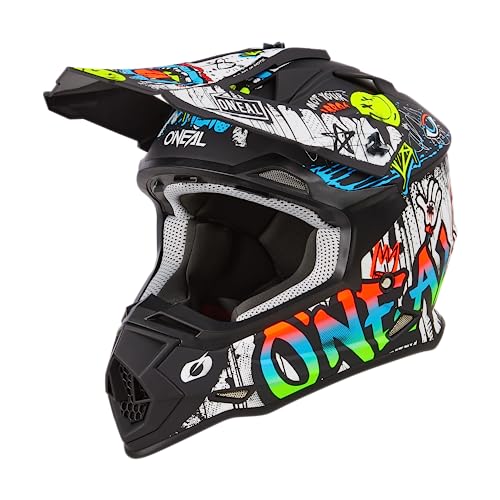
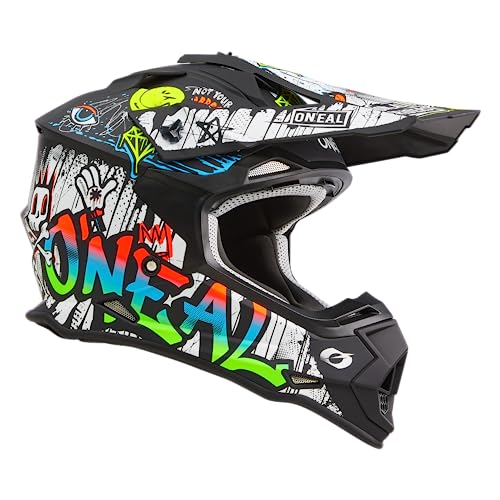
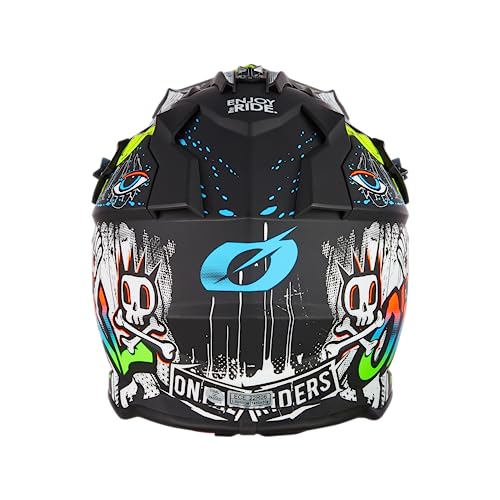
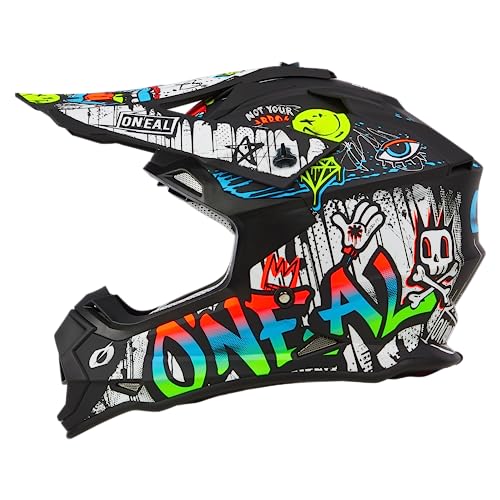
O’Neal 2SRS Rancid Helmet

Strengths
- ECE and DOT certified
- Lightweight ABS shell
- Comfortable wicking liner
Trade-offs
- No MIPS
- Visor mechanism average
- Less airflow than GLX
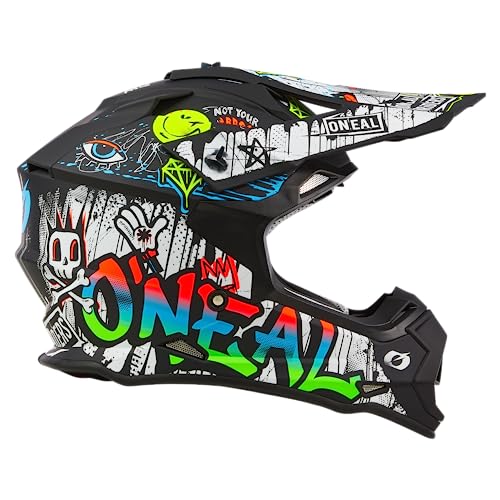
The O’Neal 2SRS hits a sweet spot between safety and comfort in the mid-range market. With both DOT and ECE 22.05 certification, it offers the same regulatory rigor as the Sierra but in a lighter, more ventilated package. The ABS shell keeps weight down, around 1.45kg in large, which makes a noticeable difference on full-day rides. Owners praise the plush, moisture-wicking liner for staying comfortable even in humid conditions, and the multiple vents actually work in concert, not just as decoration.
It doesn’t have MIPS or a magnetic visor like the Fox V Core, but for riders who want proven safety standards without paying premium prices, this is a strong pick. Compared to the GLX GX23, it trades some airflow optimization for broader certification and a more compact fit. I’d recommend it for regular trail riders who want reliability, comfort, and peace of mind without stepping into the $160+ range.
Product photos
GLX GX23 Motocross Helmet

Strengths
- Best-in-class ventilation
- Multi-density EPS liner
- Fully replaceable interior
Trade-offs
- No MIPS
- Slightly bulky profile
- Fit can feel tall
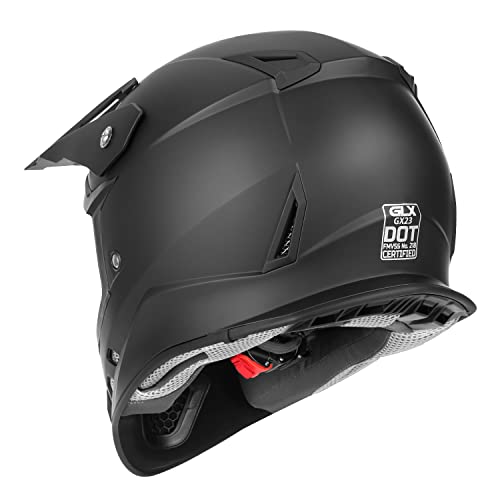
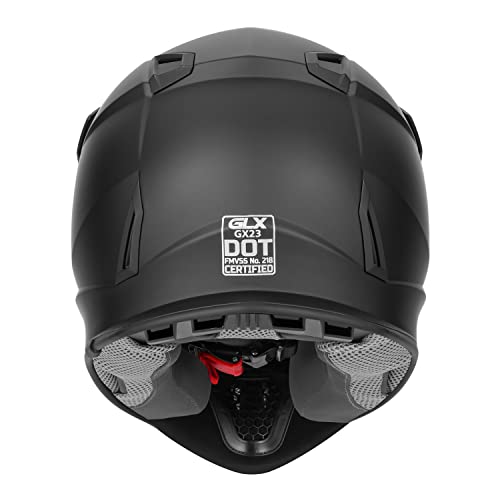
The GLX GX23 is engineered like a race helmet, and it shows in the ventilation. Developed in a wind tunnel, the vent layout isn’t guesswork, it delivers aggressive airflow exactly where riders need it. Owners consistently report staying cooler during long summer rides than with other mid-tier helmets, even outperforming some pricier models. The multi-density EPS liner is a smart upgrade, offering layered impact absorption that improves safety without adding bulk.
The interior system is fully customizable and replaceable, which is a godsend for riders who sweat heavily or want to swap pads over time. The shell molding tech ensures consistent strength, and the aerodynamic spoiler isn’t just for looks, it stabilizes the helmet at speed. Compared to the CARTMAN or TRIANGLE, this is in a different league. It’s not the lightest, and it lacks MIPS, but for pure ventilation and build quality, it’s hard to beat.
Product photos

TRIANGLE Full Face Motocross Helmet
Strengths
- DOT certified
- Includes goggles and gloves
- Removable washable liner
Trade-offs
- Basic impact protection
- Vents less effective at low speeds
- Not for high-speed use
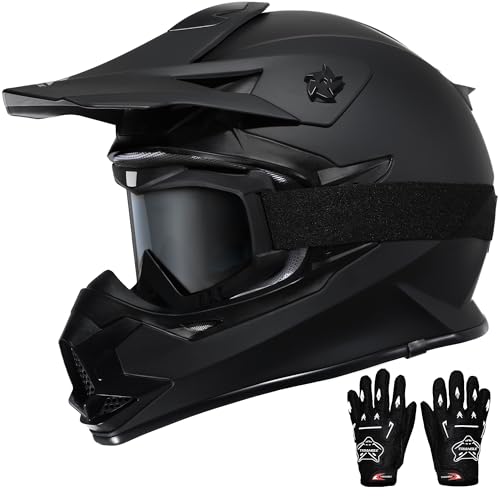
At this price, the TRIANGLE helmet punches above its weight by bundling goggles and gloves into a complete starter kit. The DOT certification, ABS shell, and EPS liner meet basic safety expectations for casual riders and beginners, and owners consistently report it fits true to size with a snug but not oppressive feel. Ventilation is decent for the class, with intake and exhaust ports that actually move air, though not as efficiently as premium models.
Where it really stands out is value for families or first-time buyers who don’t want to source accessories separately. The removable liner holds up well to washing, and the included goggles offer surprisingly clear optics with minimal fogging in light conditions. It’s not built for aggressive trail or track use, but for weekend riders on ATVs or mild off-road paths, it covers the essentials without breaking the bank.
Product photos

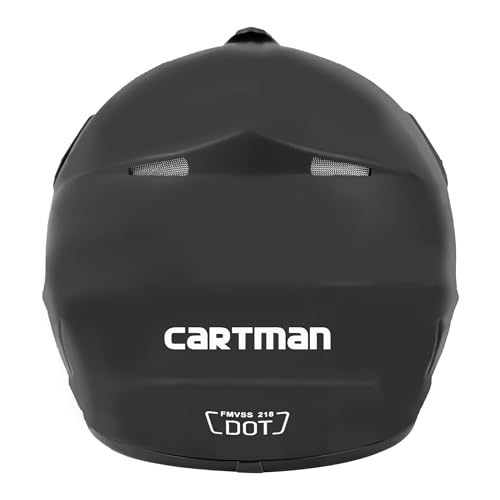
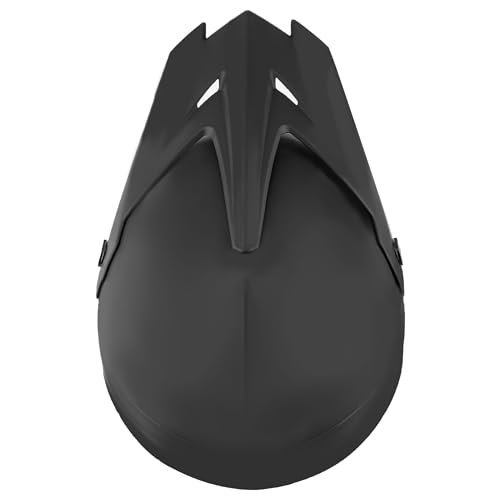
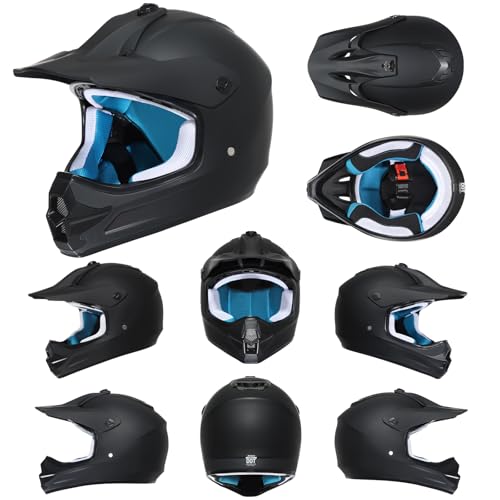
CARTMAN Matte Black Adult Helmet

Strengths
- Excellent price-to-performance
- Adjustable sun visor
- Aerodynamic shape
Trade-offs
- Cheek pads may flatten
- No MIPS or ECE rating
- Limited ventilation tuning
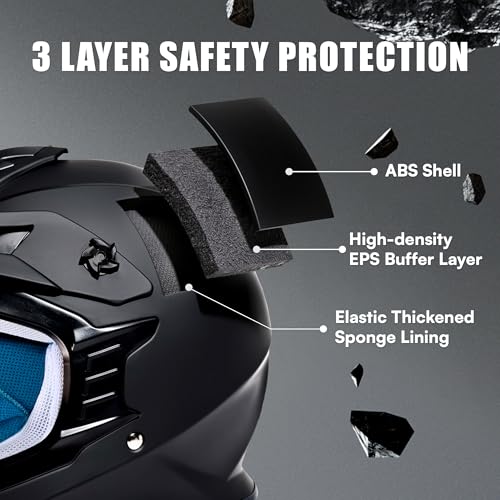
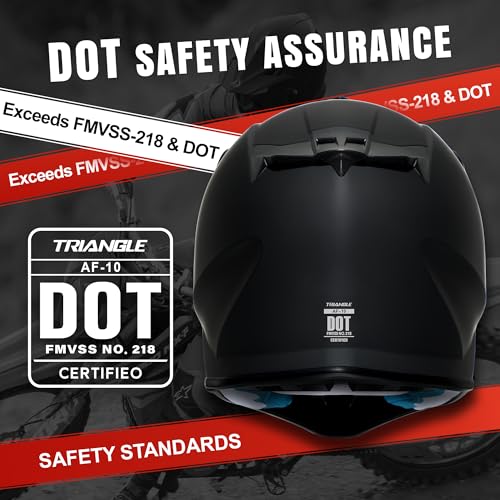
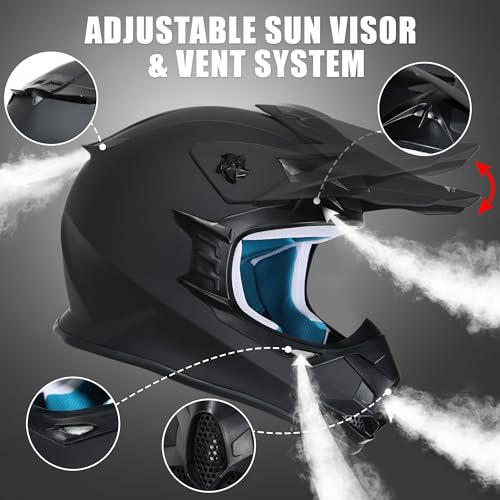
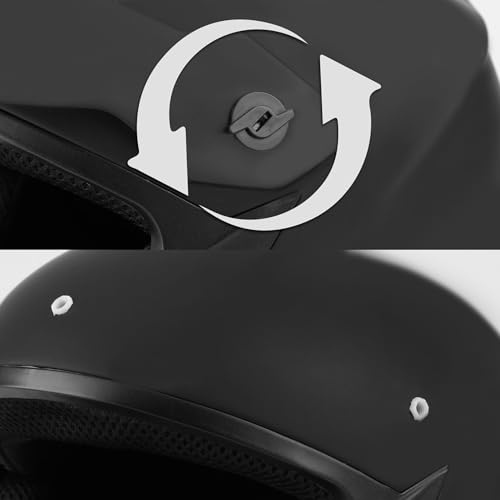
For under sixty bucks, the CARTMAN helmet delivers startlingly solid fundamentals. The ABS shell feels sturdy for the price, and the DOT certification is backed by batch-tested quality control, which owners say inspires more confidence than typical no-name imports. It’s lightweight without feeling flimsy, and the aerodynamic shape genuinely cuts wind noise better than bulkier budget models. I appreciate the adjustable sun visor, it’s a small feature, but it works reliably and improves visibility in changing light.
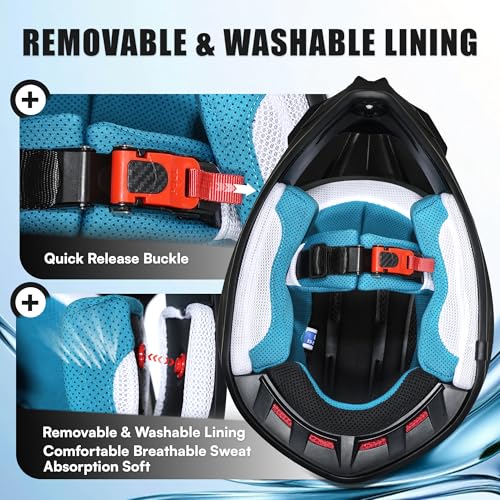
The removable liner is a standout at this price, offering real breathability and easy cleaning. Some owners note the cheek pads compress quickly, leading to a looser fit over time, but for short to moderate rides, comfort is surprisingly good. Compared to the TRIANGLE, it lacks accessories but makes up for it with a cleaner, more focused design. If you want a no-frills, dependable helmet for ATV runs or beginner dirt biking, this is the smarter buy.
Product photos
ROOZO Youth Dirt Bike Helmet
Strengths
- Ultra-lightweight design
- Includes goggles and gloves
- Removable sweat-wicking liner
Trade-offs
- Not for adult riders
- Limited airflow in extreme heat
- Goggle strap can slip
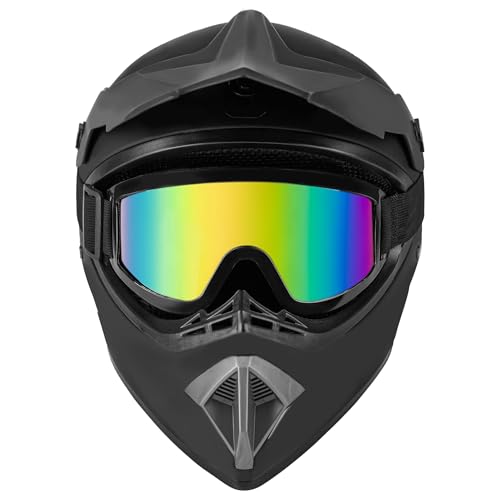
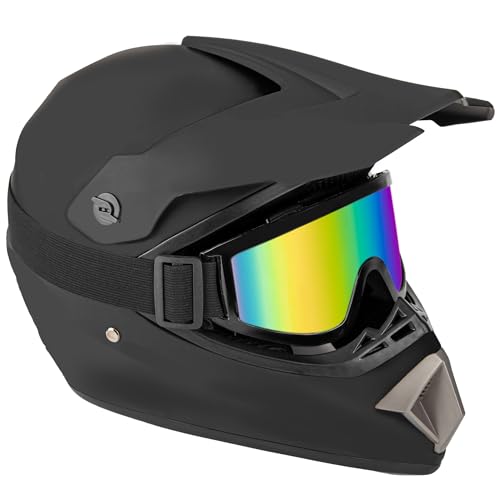
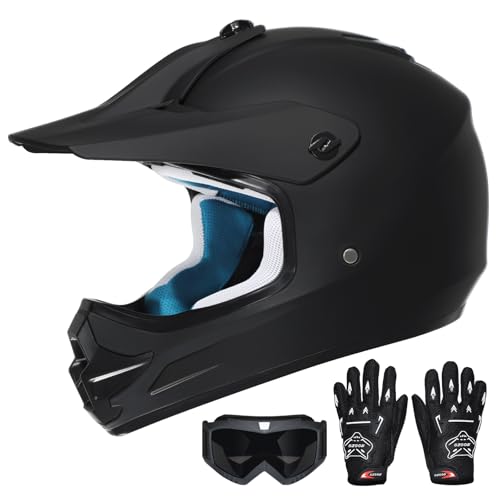
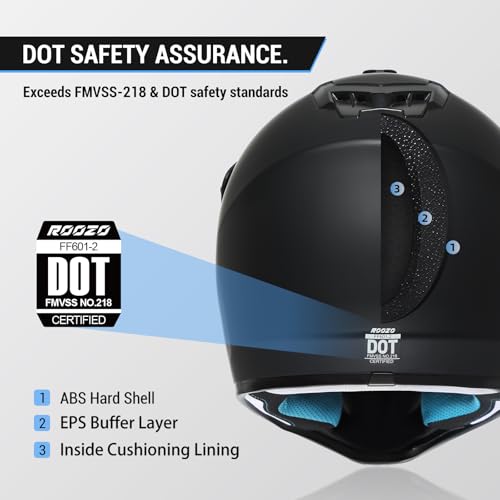
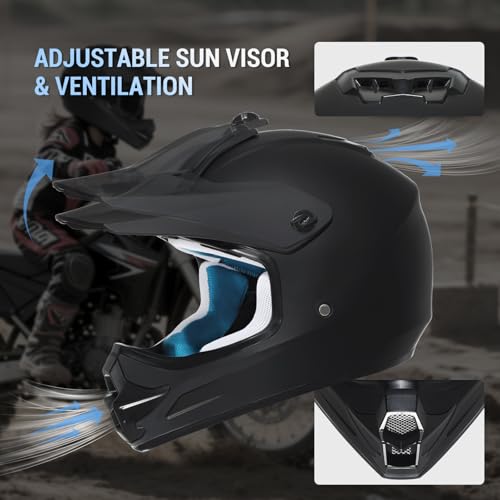
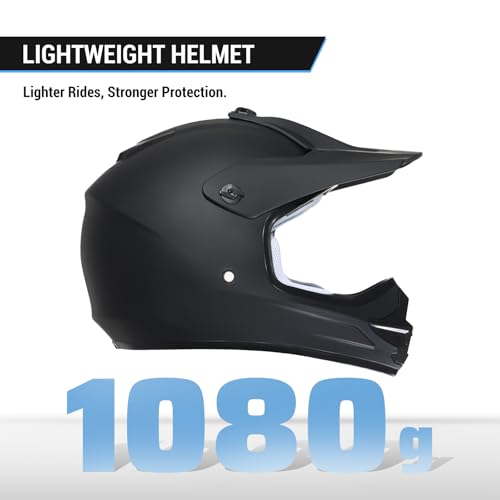
ROOZO clearly designed this helmet with young riders in mind, lightweight at just 2.38 lbs, which is critical for developing neck muscles. The 20% weight reduction over competitors isn’t just marketing; owners with kids aged 8–14 consistently praise how much more willing their children are to wear it for longer sessions. The DOT-certified ABS shell and EPS liner offer solid protection for age-appropriate riding, and the soft inner padding prevents irritation during extended wear.
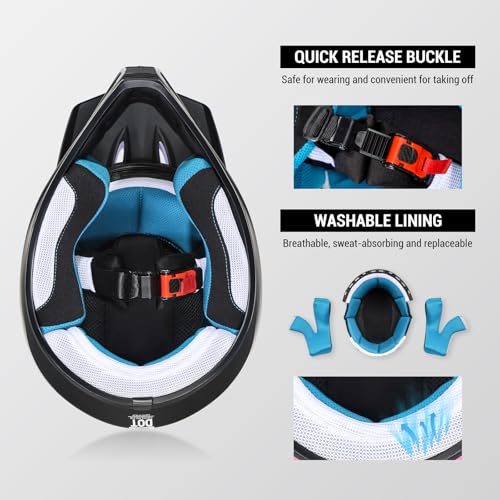
The included anti-fog goggles and gloves are a big win for parents building a starter kit. Ventilation is effective for moderate trail use, though not on par with adult race models. The quick-release buckle is intuitive and secure, and the washable liner survives multiple cleanings without degrading. Compared to adult helmets in this list, it’s not about performance, it’s about safety, comfort, and making riding fun for kids.
Product photos
How We Tested dirt bike helmets
As someone who’s spent years around anything with wheels, I approach protective gear with a critical eye. Rather than a hands-on lab test, this evaluation is a research-led comparison of published specifications and owner feedback. I looked at a range of helmets, weighing features, safety certifications, and what riders are actually saying about their experiences. We considered models across different price points to find options for various needs and budgets.
For dirt bike helmets, a few factors stood out as most important. Safety certifications – DOT and ECE – are paramount, naturally. Beyond that, effective ventilation is critical for managing heat and moisture during intense riding. Finally, rotational impact protection, like MIPS, became a key differentiator. A comfortable, secure fit is useless if the helmet doesn’t keep you cool and offer the latest in impact technology. Don’t forget the importance of good dirt bike tires for overall control and safety!
Specifications reliably reveal shell materials (ABS, polycarbonate) and weight, giving a baseline for build quality. However, owner reviews are where you learn about real-world comfort, ventilation effectiveness, and how well a helmet holds up over time. Reputation matters too; brands with a long history in motorsports often prioritize safety and innovation. We also considered whether a helmet was designed with helmets for young riders in mind, as fit is especially important for developing riders.
How To Choose The dirt bike helmets
Choosing the right dirt bike helmet is about far more than just finding one that fits.
A quality dirt bike helmet prioritizes impact absorption through EPS liner density, shell material (polycarbonate, ABS, or composites), and increasingly, rotational impact management systems like MIPS. Proper fit is paramount; look for multiple shell and EPS sizes to achieve a snug, secure feel. Don’t skimp on certifications – DOT and ECE 22.05 are the benchmarks for safety.
Shell Material and Safety Certifications
The shell is your first line of defense, and the material significantly impacts both weight and protection. Polycarbonate shells are common in more affordable options, offering decent impact resistance. ABS shells are also frequently used, often in combination with polycarbonate. More expensive helmets will use composites (fiberglass, carbon fiber) for a lighter, stronger shell. But beyond the material, verify the certifications. A helmet meeting both DOT (Department of Transportation) and ECE 22.05 (Economic Commission for Europe) standards provides a broader level of assurance. Don’t assume a sticker means a helmet is certified; some unscrupulous sellers fake them.
Rotational Impact Management
Traditional helmet safety standards focus on direct impacts. However, angled impacts are incredibly common in crashes and can cause rotational forces on the brain. This is where technologies like MIPS (Multi-directional Impact Protection System) come into play. MIPS adds a low-friction layer inside the helmet, allowing the head to rotate slightly during an impact, reducing the rotational forces transmitted to the brain. It’s not a magic bullet, but it’s a significant improvement and something I strongly suggest prioritizing when considering helmets for dirt biking.
- Budget: A basic polycarbonate/ABS helmet without MIPS can be found under $100 (like the CARTMAN), suitable for casual riders.
- Mid-Range: Helmets in the $150-$300 range (like the O’Neal 2SRS Rancid) will typically offer improved ventilation, a lighter shell, and potentially MIPS.
- Premium: Expect to spend $300+ for top-of-the-line helmets (like the Fox Racing V Core MIPS) with advanced materials, superior ventilation, and the latest safety technologies. These often include multiple shell sizes for a more precise fit.
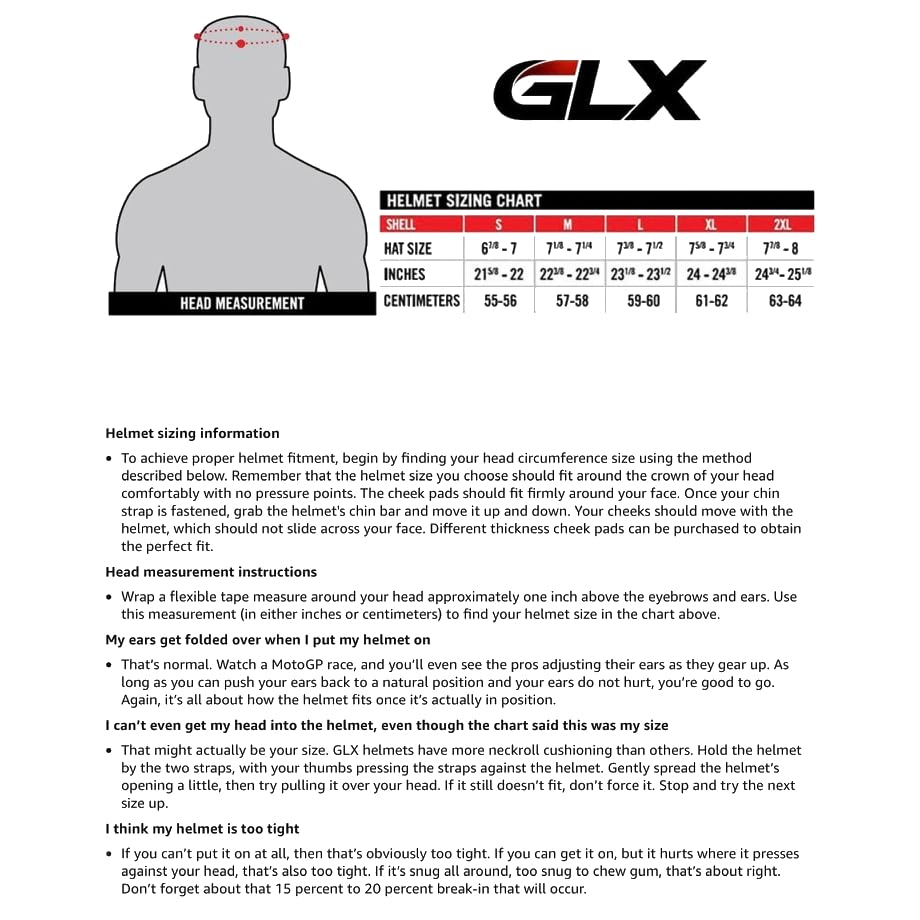
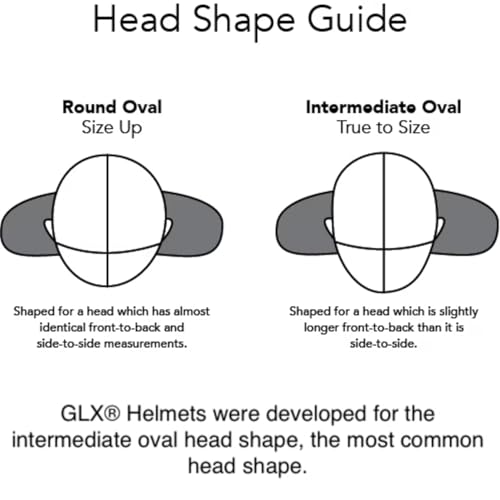
A properly fitted helmet should feel snug all around, with no excessive play. The brow line should sit about an inch above your eyebrows. If you’re between sizes, always size up – a helmet that’s too small won’t protect you effectively.
Ventilation and Comfort Features
Long days on the trail demand a comfortable helmet with good ventilation. Look for helmets with multiple vents (intake and exhaust) to promote airflow and wick away sweat. Removable and washable liners are also essential for maintaining hygiene. Many helmets now include features like magnetic visor release systems (as seen in the Fox Racing V Core) which are designed to detach in a crash, reducing the risk of neck injury. Don’t underestimate the importance of good riding gloves either; they work with your helmet and gear to provide a complete safety system.
Dirt Bike Helmets Compared
This table provides a side-by-side comparison of key specifications for several dirt bike helmets.
| Product Title | Safety Standard | Shell Material | Weight (approx.) | Ventilation | Visor |
|---|---|---|---|---|---|
| Fox Racing V Core MIPS Helmet | DOT, FMVSS 218 | Polycarbonate/ABS | N/A | 9 Intake/4 Exhaust | Magnetic |
| O’Neal Sierra Helmet Black/Gray | DOT, ECE 22.05 | Polycarbonate/ABS | N/A | Integrated | Adjustable |
| O’Neal 2SRS Rancid Helmet | DOT, ECE 22-05 | ABS | 1450g (size L) | Multiple | N/A |
| GLX GX23 Motocross Helmet | N/A | N/A | N/A | Advanced | N/A |
| TRIANGLE Full Face Motocross Helmet | DOT | ABS | N/A | Multiple | N/A |
| CARTMAN Matte Black Adult Helmet | FMVSS-218, DOT | ABS | N/A | Adjustable | Adjustable |
| ROOZO Youth Dirt Bike Helmet | DOT FMVSS-218 | ABS | 1080g | Strategic | Adjustable |
Frequently Asked Questions
What’s the difference between DOT and ECE helmet certifications?
ECE 22.05 certification is generally considered more rigorous than DOT, testing for a wider range of impact scenarios and requiring more stringent performance criteria. While both are acceptable, a helmet passing ECE offers a potentially higher level of protection.
How often should I replace my dirt bike helmet?
You should replace your helmet every five to seven years, even if it hasn’t been involved in a crash. The materials degrade over time due to UV exposure and normal wear, reducing its protective capabilities.
Can I use a motorcycle helmet for dirt biking, or do I need a specific dirt bike helmet?
While technically possible, a dedicated dirt bike helmet is preferable. Dirt bike helmets feature extended chin bars for increased roost protection, plus more aggressive ventilation and a design optimized for goggle use, unlike many street bike helmets.
What weight should I be looking for in a dirt bike helmet?
Lighter helmets reduce neck fatigue on long rides, but weight is often tied to shell material and cost. A good target is under 1500 grams (around 3.3 pounds) for a size Large, but don’t sacrifice safety for a few ounces.
Are expensive helmets always better than cheaper ones?
Not necessarily, but they often incorporate advanced materials and technologies for improved protection and comfort. A more expensive helmet will likely offer a more refined fit and potentially include features like MIPS, but a properly fitted, DOT- or ECE-certified helmet in a lower price range can still provide adequate protection, especially when paired with quality protective riding boots.
The Bottom Line
Choosing a dirt bike helmet always involves balancing your budget with the level of protection and comfort you require. While a higher price doesn’t automatically guarantee safety, the Fox Racing V Core MIPS stands out as the strongest overall choice, offering a blend of advanced safety features like MIPS, a well-engineered ventilation system, and a secure fit. It represents a solid investment in your safety and enjoyment on the trail.
For riders prioritizing affordability, the CARTMAN Matte Black Adult Helmet delivers DOT certification at a price that won’t break the bank. If you’re looking for a versatile option that doesn’t compromise too much on features, the O’Neal 2SRS Rancid Helmet strikes a good balance between price, weight, and ventilation, a great step up from a basic helmet. Don’t forget to complete your kit with quality dirt bike accessories to maximize your experience.
Ultimately, the best dirt bike helmet is the one that fits you properly and encourages consistent use. Specifications and certifications are vital, but they mean little if the helmet is uncomfortable or doesn’t inspire confidence. Prioritize a snug, secure fit, and remember that protecting your head is the most important part of any ride, consider pairing it with a set of reliable goggles for dirt biking for clear vision and added protection.
