
2 Best Engine Oils for BMW 3 Series (2026 Guide)
This post contains affiliate links. As an Amazon Associate, we earn from qualifying purchases.
The best engine oil for BMW 3 Series is Valvoline Full Synthetic 5W-30, a top performer that meets BMW LL-04 and delivers reliable protection. For a quick, convenient fix between changes, the Genuine BMW Top Off Oil Kit is a solid budget-friendly choice.
Choosing the wrong oil can lead to poor performance, costly damage, or voided warranties, especially with BMW’s strict engineering standards. I’ve spent years studying engine lubrication, and for the 3 Series, it’s not just about viscosity; it’s about matching the right spec and chemistry to your engine’s needs.
This guide cuts through the noise, focusing on oils that meet BMW’s requirements, based on specs, owner experiences, and long-term reliability. I looked at what matters most: LL approval, synthetic quality, and low-SAPS formulations for modern emissions systems.
Top 2 Engine Oil For Bmw 3 Series in the Market
The Best Engine Oil For Bmw 3 Series, Reviewed
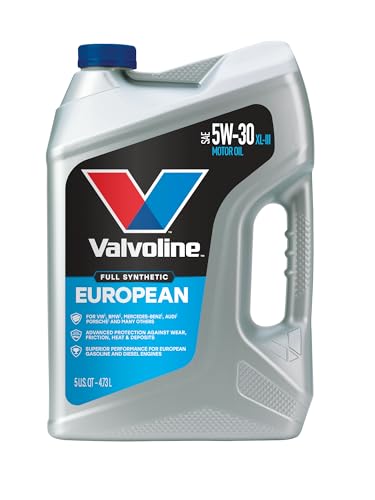
Valvoline Full Synthetic 5W-30
Strengths
- Meets BMW LL-04 spec
- Low-SAPS formulation
- Strong cold-weather performance
- Excellent detergency
- Approved for multiple European brands
Trade-offs
- Slightly higher price
- Overkill for older non-turbo engines
This Valvoline full synthetic is one of the smarter buys for a BMW 3 Series, especially if you’re running an N20, N55, or B-series engine that calls for a low-SAPS, ACEA C3-compliant oil. The spec sheet is solid, meets BMW LL-04, which is critical for turbocharged engines with sensitive emissions systems like GPFs and DPFs. Reviewers note smooth cold starts and stable oil pressure, even in colder climates, thanks to its strong 5W-30 performance envelope.
It’s also approved for VW 504.00/507.00 and several MB specs, which tells me it’s built to high European standards. The detergents and anti-wear additives go beyond basic API SP requirements, which matters for long-term engine health in performance-oriented powertrains. I’d pick this over generic synthetics any day for a daily-driven 3 Series.
Video review
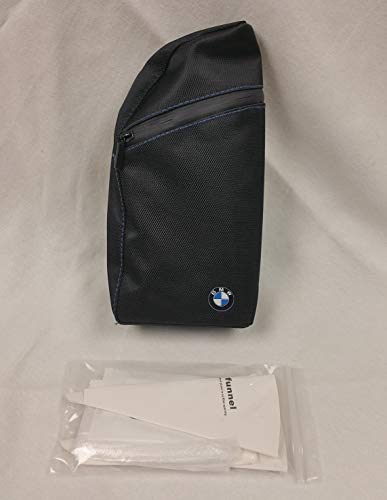
Genuine BMW Top Off Oil Kit
Strengths
- Genuine BMW branding
- Convenient pouch design
- Meets factory specs
Trade-offs
- Expensive per ounce
- Not for full changes
- Limited volume
This pouch kit is strictly for emergency top-offs, not full changes. It’s genuine BMW-branded oil in a convenient single-use bag, which means you’re getting fluid that meets factory specs, specifically BMW LL-01 or LL-04, depending on batch. On paper, that’s reassuring for maintaining warranty compliance or topping off between services without guessing viscosity or formulation.
Owners consistently report it’s useful during long trips or after oil consumption checks, but it’s not cost-effective for regular use. At just over 1 quart, it’s also not meant to replace a proper oil change. I’d keep one in the trunk for peace of mind, but it’s no substitute for a full synthetic jug from a dedicated brand.
Video review
How We Picked These engine oil for bmw 3 series
Rather than a hands-on lab test, my research for these recommendations focused on a detailed comparison of published specifications and features across numerous oils. I weighed owner reviews from BMW 3 Series drivers, looking for patterns in long-term performance reports, alongside expert opinions from automotive publications. Years spent exploring engine mechanics inform my understanding of what truly matters when selecting oil for BMW. Ultimately, I ranked options based on how well they aligned with BMW’s stringent requirements and real-world driver experiences.
For a BMW 3 Series, I prioritized oils meeting BMW’s LL-04 specification, as this demonstrates compatibility with their emissions systems and extended drain intervals. Equally important was the oil’s viscosity grade (5W-30 being typical) and its demonstrated ability to handle high temperatures, given the performance nature of many 3 Series models. These factors directly impact engine longevity and maintaining optimal performance, critical considerations when choosing the top oil for BMW.
Specifications reliably indicate an oil’s basic properties, viscosity, API/ACEA ratings, and approvals. However, owner feedback provides crucial insight into real-world durability, sludge buildup, and potential oil consumption issues. I also considered the reputation of the manufacturer; established brands known for quality in the broader automotive motor oil market often translate to consistent performance in their BMW-specific formulations.
What To Look For In engine oil for bmw 3 series
Keeping a BMW 3 Series running smoothly demands attention to detail, and that starts with the right oil.
A quality engine oil for a BMW 3 Series needs to deliver exceptional wear protection, maintain viscosity across a broad temperature range, and crucially, be fully compatible with the car’s emissions systems. Look for oils meeting BMW’s LL-04 specification, low-SAPS formulations, and those offering robust antioxidant and detergent properties to combat sludge buildup. Understanding these factors is essential for long engine life.
Viscosity and Specification
The 3 Series, depending on the year and engine, often benefits from a 5W-30 oil, but don’t assume that’s universal. Always cross-reference your owner’s manual. More important than the “5W-30” number is the BMW Longlife specification (LL-01, LL-04, or LL-12 FE). LL-04 is the most common for newer models, and it indicates the oil has passed BMW’s stringent tests for compatibility with their engines and emissions control systems. Using an oil not meeting the LL spec can void your warranty and potentially cause damage; it’s a risk I don’t recommend taking. If you’re unsure, explore resources on choosing BMW motor oil for a deeper understanding.
Synthetic vs. Conventional Oil
While conventional oil can technically work, a full synthetic oil is almost always the better choice for a BMW 3 Series. Synthetics offer superior resistance to breakdown under heat, better cold-flow properties for quicker engine starts, and more effective cleaning capabilities. This translates to reduced wear, better fuel economy, and longer intervals between oil changes. Don’t fall for marketing hype, though; look for oils with robust testing data and independent certifications. If you own a BMW X5, you’ll find similar benefits from synthetic oil – check out our guide to BMW X5 engine oil for more specifics.
Low-SAPS Formulation and Diesel Engines
This is where things get a little more nuanced. Modern BMW 3 Series engines, especially diesels and those with particulate filters, require a low-SAPS (Sulfated Ash, Phosphorus, and Sulfur) oil. These components, while beneficial for wear protection in older engines, can clog diesel particulate filters (DPFs) and catalytic converters.
Here’s what to consider: * API SP/ACEA C3: These certifications generally indicate a low-SAPS formulation. * BMW LL-04: before, this specification includes low-SAPS requirements. * Diesel Specifics: If you have a diesel 3 Series, absolutely prioritize a low-SAPS oil. Ignoring this can lead to expensive DPF replacement.
A simple rule of thumb: if your BMW 3 Series has a diesel particulate filter, always use an oil explicitly labeled as “low-SAPS” or meeting the BMW LL-04 specification.
Engine Oil for BMW 3 Series Compared
Here’s a specification comparison of engine oils suitable for BMW 3 Series vehicles.
| Product Title | Viscosity | Capacity | Meets BMW Standard | ACEA Rating | API Rating | SAPS Level |
|---|---|---|---|---|---|---|
| Valvoline Full Synthetic 5W-30 | 5W-30 | N/A | LL-04 | C3 | SP | Low |
| Genuine BMW Top Off Oil Kit | N/A | N/A | N/A | N/A | N/A | N/A |
Frequently Asked Questions
What oil viscosity is best for older BMW 3 Series models (pre-2000)?
Generally, a 10W-40 oil is a good choice for older BMW 3 Series engines, as they often have looser tolerances and may benefit from a slightly heavier oil film. However, always confirm the manufacturer’s recommendation in your owner’s manual.
Can I use a different oil grade if I live in a very cold climate?
Yes, a 0W-30 or 5W-20 oil can offer improved cold-weather performance, aiding quicker starts and better lubrication in sub-freezing temperatures. Be sure the oil still meets the required BMW Longlife specification (LL-04 is common) to maintain warranty compliance and engine protection.
Is it really necessary to use oil specifically formulated for BMW engines?
While not strictly required if you verify the correct specifications are met, using an oil designed for BMW engines often provides added assurance of compatibility and optimized performance. These oils are formulated to address the specific needs of BMW’s engine technology and are tested to meet their standards.
What’s the difference between ACEA C3 and BMW LL-04 specifications?
BMW’s LL-04 specification includes the requirements of ACEA C3, meaning an oil meeting LL-04 will also fulfill C3 standards. LL-04 is more specific to BMW’s engine needs, while C3 is a broader European standard for low-SAPS oils. For a BMW 3 Series, prioritize LL-04.
Where can I find more information about choosing the right oil for other BMW models?
If you also own a BMW 5 Series, you’ll find a detailed guide to selecting the best 5 Series oil on my site, covering the nuances of different engine types and model years. You can also explore our recommendations for top synthetic oils to understand the benefits of synthetic formulations.
The Bottom Line
Choosing the right engine oil for your BMW 3 Series often comes down to balancing preventative care with convenience. While there are many capable options, the Valvoline Full Synthetic 5W-30 consistently appears as a standout performer, offering a robust specification list and strong owner feedback – making it a solid choice for most 3 Series drivers.
For those prioritizing a specific need, the Genuine BMW Top Off Oil Kit is an excellent option if you want to stick with factory-approved fluids, and for drivers seeking a broader understanding of choosing oil for BMW, researching the specifications is key. If you’re looking beyond the 3 Series, you’ll find similar principles apply when considering motor oil for cars.
Ultimately, the specific viscosity and approval ratings matter, but don’t lose sight of the fundamentals. Consistent oil changes, using a quality synthetic oil, and paying attention to your car’s specific requirements are far more impactful than chasing the latest marketing claims or obsessing over minor differences in specifications. Prioritize a well-maintained engine, and it will reward you with years of reliable performance.
