
7 Best Cross Country Bike Tires for 2026
This post contains affiliate links. As an Amazon Associate, we earn from qualifying purchases.
The Vittoria Barzo XC stands out as the best overall cross country bike tire, delivering a sharp balance of speed, grip, and durability. For riders on a budget, the Maxxis Ikon 27.5×2.20 offers solid performance without breaking the bank, while the Maxxis Ikon 3C MaxxSpeed is our top pick for fast rolling on hardpack trails.
Out on the trail, the wrong tire can turn a flowing climb into a slog or make descents feel sketchy and unstable. Too much tread slows you down, too little leaves you slipping when you need traction. As someone who’s spent years dissecting wheel and rubber pairings, I know how much the right tire choice matters.
This guide cuts through the noise by focusing on real-world specs and rider feedback. I looked at tread design, casing durability, rubber compound, and how each model performs in typical cross-country conditions, from dusty fire roads to root-strewn singletrack.
Top 7 Cross Country Bike Tires in the Market
The Best Cross Country Bike Tires, Reviewed
Vittoria Barzo XC Tire

Strengths
- World Cup-proven design
- Fast-rolling center tread
- Superior cornering knobs
Trade-offs
- Limited size availability
- Higher price for niche use
When a tire is named after a World Champion and actually used by one, you know it’s built for results, and the Vittoria Barzo isn’t just marketing hype. On paper, its alternating ridge center tread and V-formation cornering blocks are engineered for speed and precision, and owner feedback confirms it: this tire excels in technical, root-laden XC courses where both rolling speed and late-braking grip matter. The TNT bead construction enhances tubeless reliability, which is a big win for racers avoiding burps mid-descent.
Compared to the Maxxis Ikon or Kenda Small Block Eight, the Barzo feels more aggressive and race-tuned, especially in looser soil. It’s not the most durable for daily beatings, but if you’re lining up at start gates or pushing pace on punchy climbs, this is the smarter buy. The 26-inch size also makes it a rare gem for older or specialty frames.
Video review
Maxxis Ikon 27.5×2.20

Strengths
- Affordable entry point
- E25 e-bike compatible
- Reliable EXO sidewall
Trade-offs
- Single compound wears quicker
- Less grip in loose conditions
Maxxis keeps the Ikon relevant by making it accessible without sacrificing core performance, and this single-compound version proves you don’t need fancy rubber layers to get predictable handling on most trails. It rolls fast, corners with reliability, and the EXO protection holds up well against typical trail debris. The E25 rating makes it a solid pick for low-power e-MTB builds, and reviewers frequently praise its neutral feel, neither too stiff nor too soft, which helps maintain bike agility.
It doesn’t dig in as aggressively as the Vittoria Barzo or Continental Cross King in muddy turns, but for dry to mixed conditions, it’s impressively balanced. I’d pick this over pricier options if you’re budget-conscious but still want a tire that won’t hold you back during long rides. That said, the single compound wears faster on abrasive surfaces compared to dual or triple compound versions.
Video review
Maxxis Ikon 3C MaxxSpeed

Strengths
- 3C MaxxSpeed compound
- Low rolling resistance
- Tubeless-ready EXO build
Trade-offs
- Not for aggressive terrain
- Premium price for XC class
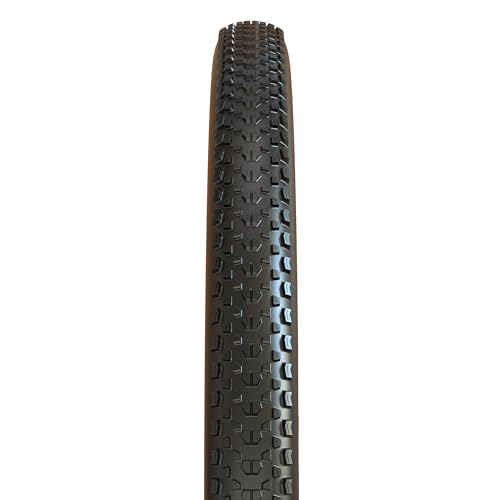
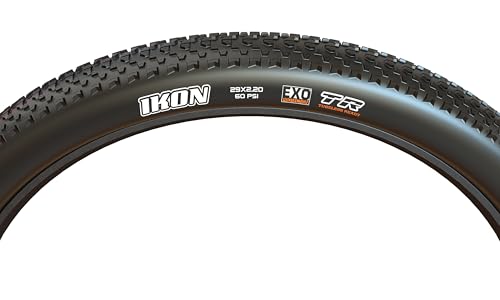
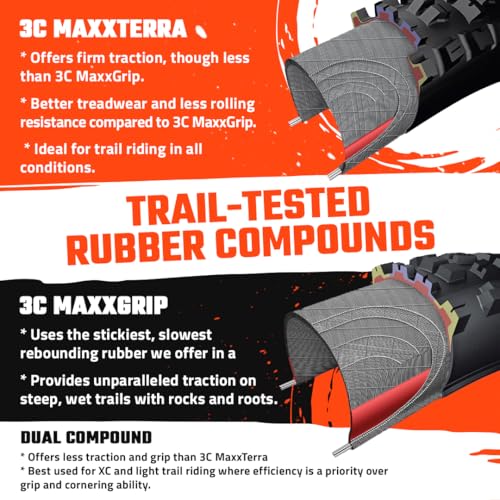
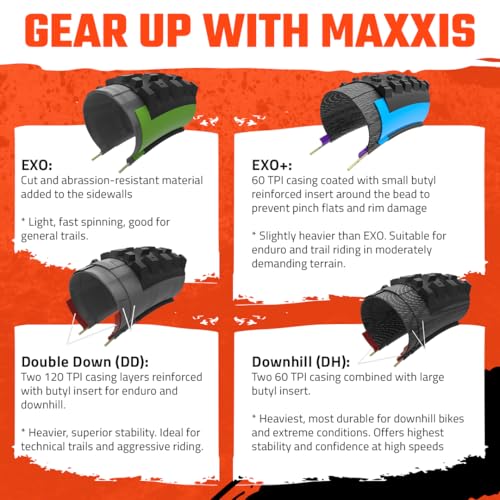
This version of the Maxxis Ikon steps up with 3C MaxxSpeed compound, and that’s where it pulls ahead of the single-compound sibling, it’s noticeably faster rolling and more responsive under power, making it a favorite among XC racers who still want some cushion and cut resistance. The EXO casing keeps things light while offering real protection against slashes, and the tubeless setup is generally smooth according to owner reports. At 27.5×2.2, it fits a wide range of legacy and modern frames.
It trades some ultimate grip for speed, so it won’t claw through mud like a Barzo, but on firm trails and race circuits, it’s one of the most efficient tires here. I’d pick this over the Continental Cross King if I were racing timed laps and counting watts. The lack of DH-level armor means it’s best kept off brutal rock gardens.
Product photos
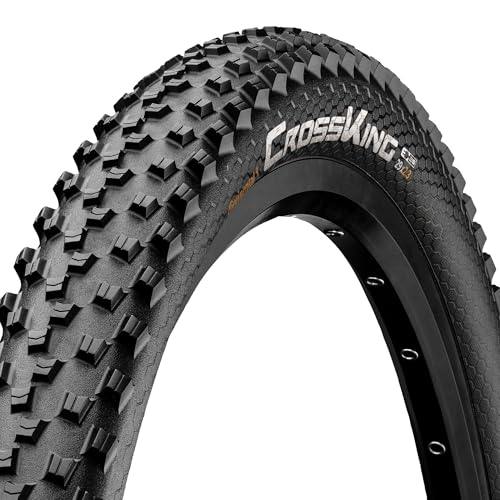
Continental Cross King
Strengths
- All-terrain grip
- E25 e-bike rated
- Tubeless ready
Trade-offs
- Slightly heavier
- Higher rolling resistance than race-focused tires
The Continental Cross King stands out as a true all-rounder in the cross country tire game, and it’s easy to see why so many riders land here when they want one tire that can handle everything from race-day speed to weekend trail laps. The PureGrip compound delivers consistent bite on mixed terrain, and owners consistently report confidence in loose corners and damp forest floors. Paired with the ShieldWall casing, it strikes a smart balance between weight and puncture resistance, no surprise it carries an E25 e-bike rating, which speaks volumes about its durability under extra load.
Still, it’s not the absolute fastest-rolling option on hardpack, where some racers might favor a semi-slick profile. But for riders who value adaptability over niche performance, this tire earns its reputation. Compared to the Maxxis Ikon, it grips better in wet conditions but adds a bit more rotational mass. If you’re building a quiver-of-one setup, this is the kind of tire I’d lean on.
Product photos
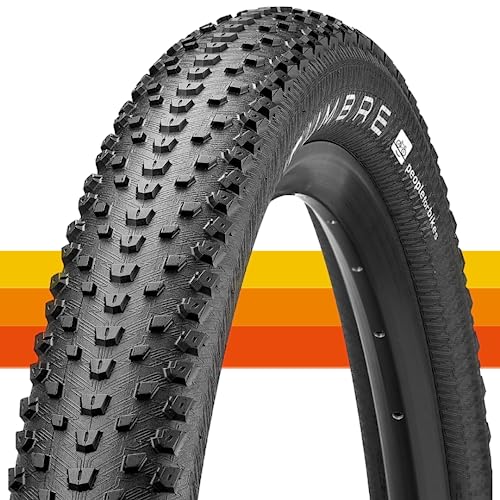
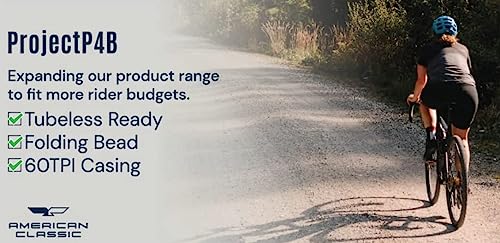
American Classic Project P4B
Strengths
- Low cost
- Eco-friendly packaging
- Supports cycling advocacy
Trade-offs
- Average grip in loose terrain
- Limited sidewall protection
At this price, the American Classic Project P4B surprises with solid specs and a mission-driven angle, proceeds support People for Bikes, which gives your purchase some social traction. The 60TPI casing offers decent suppleness and improved puncture resistance when paired with sealant, and owners report it works well tubeless on compatible rims. It’s labeled as a fast-rolling XC tire, and while it doesn’t match the outright speed of a Maxxis Ikon 3C MaxxSpeed, it’s no slouch on gravel or hardpack.
What it lacks is standout performance in any one area. It’s not tough enough for rugged backcountry, nor sticky enough for technical climbs. But for beginners or multi-use riders wanting a cheap, ethical tire for light trails and fire roads, this is a quietly smart pick. Compared to the Kenda Small Block Eight, it’s less aggressive but more versatile across surfaces.
Product photos
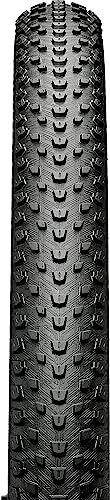


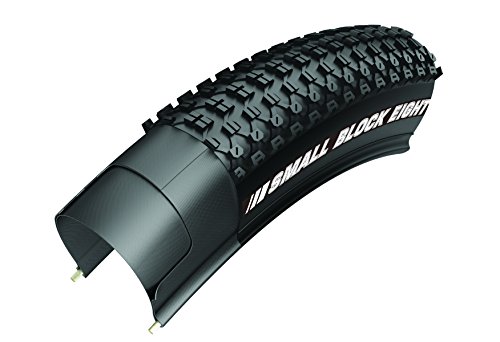
Kenda Small Block Eight
Strengths
- Excellent hardpack speed
- Durable DTC compound
- Front/rear versatility
Trade-offs
- Wire bead only
- Poor wet-weather bite
If you spend most of your time on hardpack, dry trails or even mix in some pavement, the Kenda Small Block Eight is built exactly for that sweet spot. Its semi-slick center row with multiple contact knobs delivers quick acceleration and low rolling resistance, and the Dual Tread Compound (DTC) helps extend life on the center while keeping shoulder grip intact. It’s a favorite among endurance XC riders who prioritize speed over deep mud capability.
Owners consistently note its longevity and predictable breakaway behavior in corners, nothing exciting, but reliable. Compared to the Vittoria Barzo, it’s slower to hook up in wet roots or loose over hard, but on dry climbs, it’s hard to beat. The wire bead keeps weight up and limits foldability, so it’s not ideal for travel. But for riders chasing efficiency on sun-baked trails, this tire earns respect.
Product photos
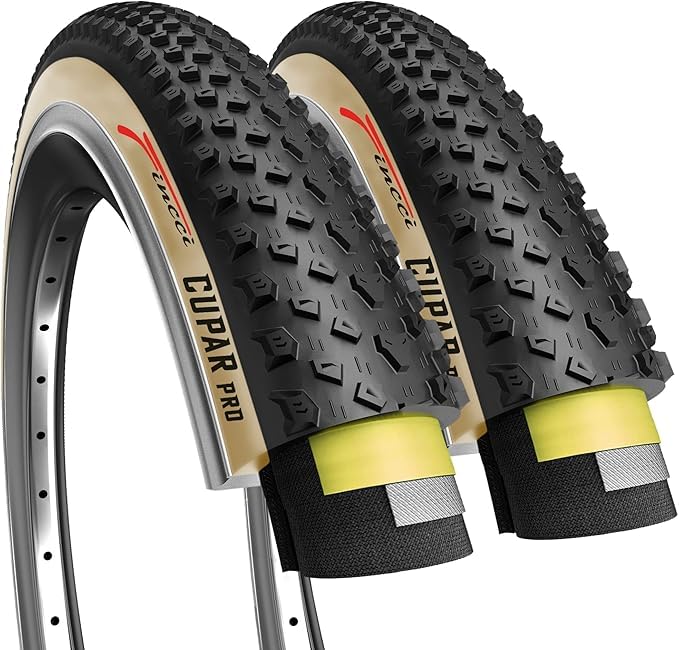
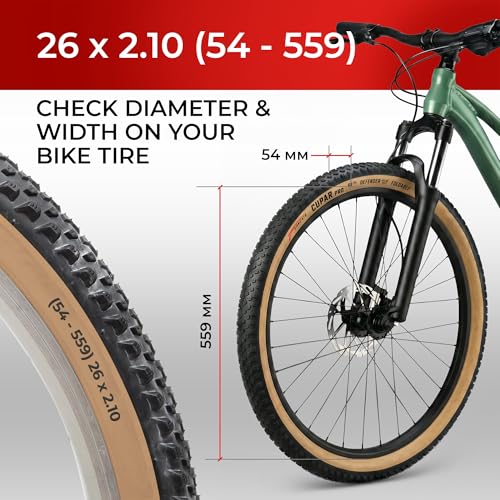
Fincci 26×2.10 Foldable
Strengths
- Excellent puncture barrier
- Foldable design
- Stylish tan sidewall
Trade-offs
- No E25 or official e-bike rating
- Average tread life
- Not ideal for racing
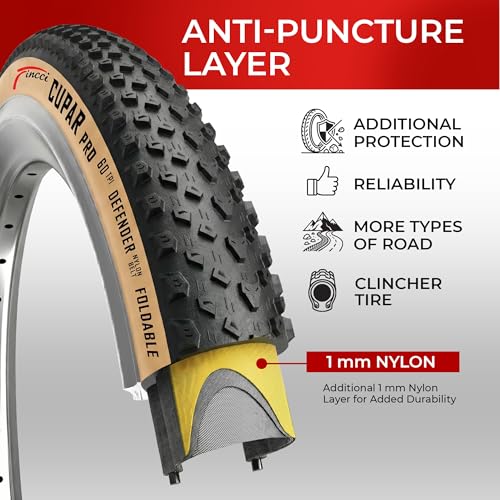
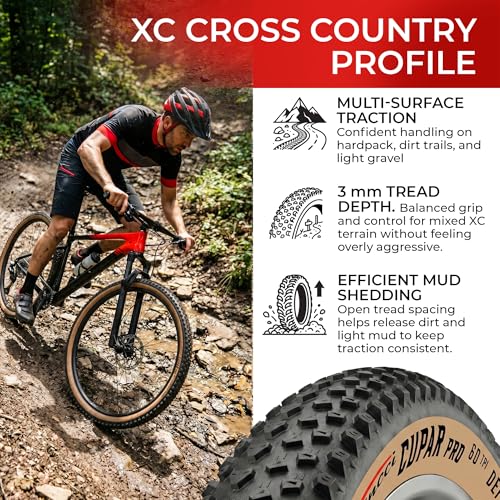
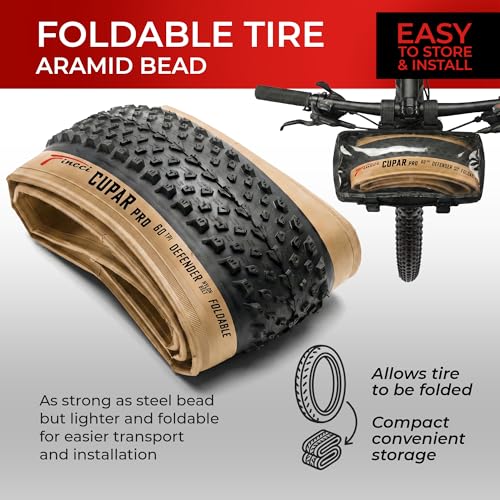
The Fincci 26×2.10 stands out purely for its puncture defense, a full 1mm nylon anti-puncture layer isn’t common at this price, and for riders plagued by flats on urban trails or rocky paths, that could be a standout. The foldable Kevlar bead adds convenience, especially for those using folding bikes or needing compact storage. Owners note decent rolling speed and surprisingly confident cornering for a tire so focused on protection.
But let’s be clear: this isn’t a race tire. The tread pattern is competent but generic compared to the Vittoria or Maxxis options, and there’s no e-bike rating despite being marketed for electric commutes. Still, for city-to-trail hybrids or backup wheels where flat prevention is king, it fills a real gap. I’d recommend it over basic tires for anyone tired of sealant top-ups.
Product photos

How We Picked These cross country bike tires
Rather than a hands-on lab test, my research for these cross-country bike tires focused on a detailed comparison of published specifications and features. I weighed owner reviews from multiple retailers alongside expert opinions found in cycling publications. As someone who’s spent years understanding the nuances of wheel and tire combinations, I applied that knowledge to assess how each tire’s design would perform in typical cross-country scenarios. Ultimately, I ranked these tires based on how well they addressed key rider needs.
For cross-country tires, rolling resistance, grip in dry conditions, and puncture protection are paramount. A fast-rolling tire conserves energy on climbs and maintains speed on smoother sections, while sufficient grip inspires confidence on descents and varied terrain. Puncture resistance is crucial, as repairs can be time-consuming and disruptive during a ride. These three factors heavily influenced my rankings, with a slight preference given to tires balancing speed and grip – a hallmark of successful cross-country MTB tires.
Specifications reliably indicate construction details like TPI (threads per inch) which correlates to suppleness and weight, and compound choices which impact grip and rolling resistance. However, real-world performance – especially concerning durability and how a tire feels on different trail surfaces – is best gleaned from owner feedback. I paid close attention to reports of flatting frequency and how well tires held up to extended use, supplementing the technical data with a sense of how these tires perform in actual riding conditions, and whether they might also be suitable for versatile trail riding tires.
How To Choose The cross country bike tires
Choosing the right cross country bike tire is about more than just slapping on something round and knobby.
A truly effective cross country tire balances rolling resistance, grip, weight, and durability. Look for tires with tread patterns suited to your local terrain, casing construction that protects against punctures, and a compound that offers a good blend of speed and traction. Pay attention to sidewall protection and, if you ride aggressively, consider a tubeless setup.
Tread Pattern and Terrain
The tread is where a tire really shows its personality. Aggressive, widely spaced knobs like those on the Vittoria Barzo are fantastic for loose over hardpack conditions, providing excellent bite when cornering and braking. However, they can feel sluggish on smoother surfaces. Conversely, a tire like the Maxxis Ikon 3C MaxxSpeed prioritizes speed with a tighter tread pattern and faster-rolling compound – ideal if you spend most of your time on fire roads and hard-packed trails. Don’t overestimate the impact of tread; a tire designed for mud won’t magically transform a rocky trail into a smooth ride, and vice versa.
Casing and Protection
The casing is the tire’s foundation, and it dramatically impacts how it rides. Higher TPI (threads per inch) casings are more supple and offer a better ride quality, but they’re also more susceptible to punctures. Lower TPI casings are more durable but can feel harsher. Many manufacturers, like Maxxis and Continental, incorporate reinforcement layers like EXO or ShieldWall to improve cut and abrasion resistance without adding significant weight. If you’re frequently battling thorns or rocky terrain, prioritize a tire with robust sidewall protection. For those seeking a precise fit, it’s also important to consider rim width; American Classic’s Project P4B highlights the importance of matching tire width to internal rim width for optimal performance.
Compound and Value
Rubber compound is a critical but often overlooked factor. Softer compounds grip better but wear faster, while harder compounds last longer but offer less traction. Dual or triple-compound tires, like the Maxxis Ikon 3C MaxxSpeed, attempt to offer the best of both worlds, using a harder compound in the center for rolling efficiency and softer compounds on the shoulders for cornering grip. When balancing performance with cost, remember that you often get what you pay for. While a budget-friendly option like the Maxxis Ikon can be a great starting point, investing in higher-quality compounds and casings can significantly enhance your riding experience. If you’re exploring options for smaller wheel sizes, you’ll find a variety of 26-inch mountain bike tires available, including models focused on puncture resistance like the Fincci 26×2.10.
A tire’s durability is directly related to its intended use. Don’t run a lightweight XC race tire if you’re regularly smashing through rock gardens.
Ultimately, selecting the right set of cross-country tires depends on your riding style, terrain, and budget. Considering these factors will help you find the top cross-country tire models that elevate your time on the trails.
Cross Country Bike Tires Compared
Here’s a spec comparison to help you evaluate different cross country bike tire options.
| Tire Name | Size | Compound | Protection | PSI | Best For |
|---|---|---|---|---|---|
| Vittoria Barzo XC | N/A | N/A | TNT | N/A | Overall |
| Maxxis Ikon 27.5×2.20 | 27.5×2.20 | Single | EXO | N/A | Budget Friendly |
| Maxxis Ikon 3C MaxxSpeed | N/A | 3C MaxxSpeed | EXO | N/A | Fast Rolling |
| Continental Cross King | N/A | PureGrip | ShieldWall | N/A | All-Rounder |
| American Classic P4B | 2.25/2.4/2.5 | N/A | 60 TPI | N/A | Value |
| Kenda Small Block Eight | N/A | DTC | N/A | 35-80 | Hardpack |
| Fincci 26×2.10 | 26×2.10 | N/A | 1mm Nylon | N/A | Puncture Prot. |
Frequently Asked Questions
What tire pressure should I run for cross-country riding?
Optimal tire pressure depends heavily on rider weight and terrain, but a good starting point is between 22-28 psi for tubeless setups. Lower pressures improve grip and comfort, while higher pressures reduce rolling resistance and pinch flat risk.
Are wider tires always better for cross-country?
Not necessarily. While wider tires (2.35” or greater) offer more traction and comfort, they also increase rolling resistance. Many riders still prefer the speed of narrower tires (2.2” – 2.25”) particularly if they prioritize efficiency over outright grip, or are looking at 29-inch tires.
Can I use cross-country tires for gravel riding?
Some cross-country tires can work well on gravel, especially those with tighter tread patterns like the Maxxis Ikon. However, dedicated gravel bike tires generally offer a better balance of speed, comfort, and durability on mixed surfaces.
What does TPI mean, and why is it important?
TPI stands for threads per inch and refers to the casing density of the tire. Higher TPI casings are more supple, offering a more comfortable ride and lower rolling resistance, but are typically less durable than lower TPI options.
How do I prevent punctures when cross-country riding?
Using a tubeless setup with sealant is the most effective way to prevent punctures. Additionally, selecting tires with reinforced sidewall protection, like those featuring EXO or ShieldWall technology, and maintaining proper tire pressure will greatly reduce your chances of a flat.
The Bottom Line
Choosing cross-country bike tires always comes down to balancing speed and security. Do you prioritize a fast rolling time, or a tire that can withstand rough terrain? For the best all-around performance, I believe the Vittoria Barzo XC strikes that balance exceptionally well, offering a confident ride without sacrificing too much speed.
If your needs are more specific, there are excellent options at different price points. Riders seeking a capable tire on a budget will find the Maxxis Ikon 27.5×2.20 a solid performer, while those focused on pure speed should look to the Maxxis Ikon 3C MaxxSpeed. And for those frequently battling thorns and rough surfaces, exploring options in our puncture-resistant tires guide is a smart move.
Ultimately, remember that the most expensive tire won’t magically make you a faster rider. Focus on finding a tire that suits your local trails, your riding style, and your overall bike setup. A well-maintained tire, run at the correct pressure, and paired with a quality tube or sealant will always outperform a top-of-the-line tire that’s neglected. If you’re looking for a more thorough tire guide, we’ve got you covered.
