
6 Best Commuter Bike Pedals of 2026
This post contains affiliate links. As an Amazon Associate, we earn from qualifying purchases.
The best commuter bike pedals deliver reliable grip, weather-resistant durability, and smart visibility, after comparing the field, the 2026 Urban Commuter Pedals stand out as the top overall pick, with the Hapleby Premium Aluminum Pedals offering strong performance at a more accessible price.
Commuting asks a lot from your bike, and pedals take constant abuse from weather, pavement, and daily wear. A poor choice can mean slippage in the rain, premature failure, or wasted energy on your ride.
As someone who’s spent years breaking down how two-wheeled machines work, I looked beyond marketing claims to focus on what actually matters: real-world feedback, material integrity, and functional design. This guide cuts through the noise to highlight models that balance grip, longevity, and value based on specs and owner experiences.
Top 6 Commuter Bike Pedals in the Market
The Best Commuter Bike Pedals, Reviewed
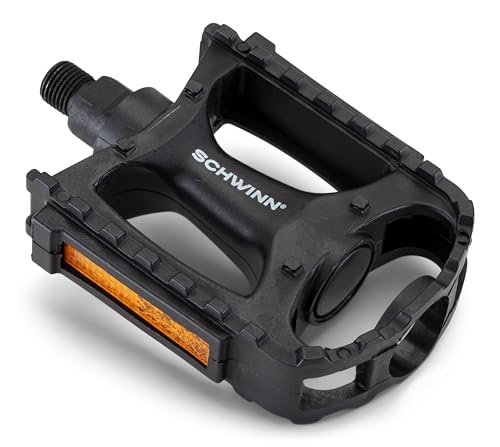
Schwinn Composite Bike Pedals
Strengths
- Dual axle compatibility
- Rust-resistant
- Built-in reflectors
Trade-offs
- Average grip
- Composite durability
- Minimalist design
Schwinn’s no-frills composite pedals stand out for one key reason: compatibility. The inclusion of both 1/2-inch and 9/16-inch axle options is rare at any price, making these a smart pick for someone with older or mixed-bike garages. Owners appreciate the straightforward swap, and the molded pegs offer decent grip without chewing up shoe soles.
They’re not flashy, but that’s the point. The reflectors are a real safety plus, and while the composite body isn’t as tough as aluminum, it holds up fine for city miles. For someone upgrading from worn-out stock pedals, this is the smarter buy over pricier options that don’t offer dual threading.
Video review
2026 Urban Commuter Pedals

Strengths
- 360° reflectivity
- Aluminum alloy
- Wide platform
Trade-offs
- Slightly heavier
- Pin count overkill
- Wrench not always included
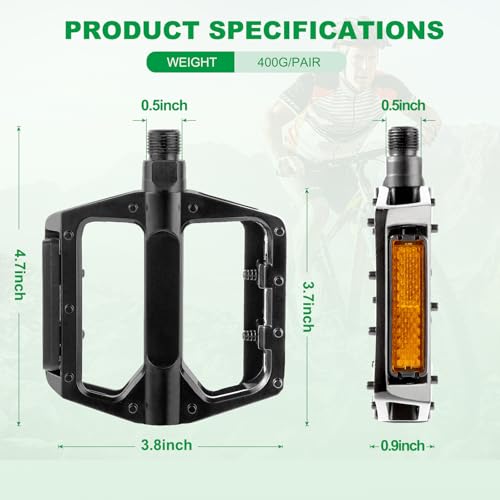
If visibility is your top concern, these BEHUU pedals earn their ‘Best for Night Visibility’ tag. The 360-degree reflective strips are not just stickers, they’re integrated and tested for 200-meter visibility, which owners confirm makes a noticeable difference in predawn or urban night riding. The aluminum alloy body is a clear step up from plastic, offering better impact resistance and a longer service life.
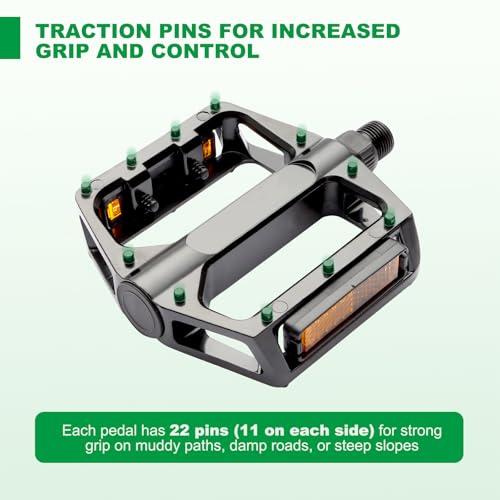
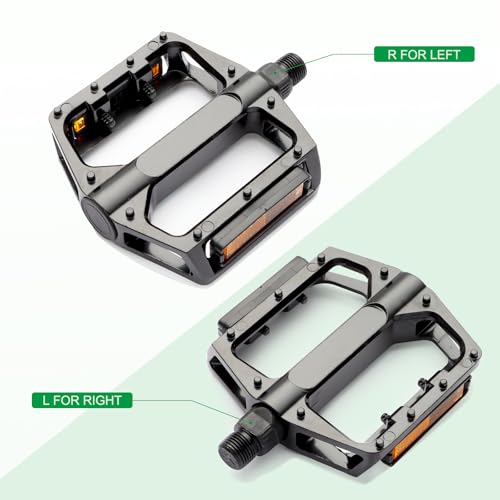
The wide platform and 22 anti-slip pins deliver solid foot stability, and the sealed bearings mean low maintenance. While installation requires a 15mm wrench (included in some listings), most riders find the L/R markings clear. Compared to basic composites, these feel like a real upgrade without crossing into premium pricing.
Product photos

Universal Nylon Platform Pedals

Strengths
- Lightweight
- Rust-proof
- Reflective strips
Trade-offs
- Plastic durability limits
- Basic grip
- Narrow platform
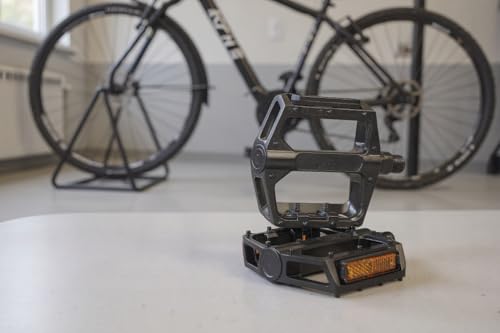
On paper, these nylon pedals deliver where it counts for budget commuters. The reinforced PP body keeps weight down to just 255 grams per pair, and owners consistently report they hold up well under daily use, even in wet conditions. The sealed bearings and rust-proof construction are smart touches for someone who leaves their bike outside.
I’d recommend them for fair-weather riders or those replacing worn-out stock pedals without breaking the bank. They won’t match metal in durability, but at this price, the trade-off makes sense. The dual-sided anti-slip studs and reflectors add real utility, though serious all-weather riders might want something sturdier.
Video review
Hapleby Premium Aluminum Pedals
Strengths
- Excellent grip
- Wide platform
- Sealed bearings
Trade-offs
- Pin sharpness varies
- No reflectors
- Wrench quality inconsistent
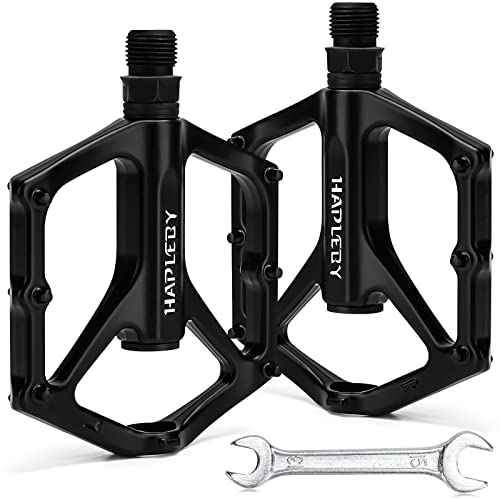
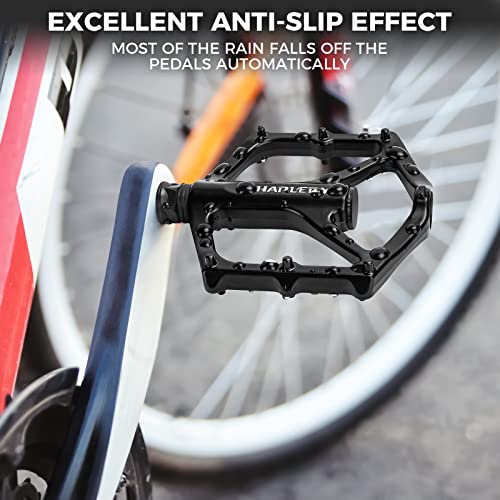
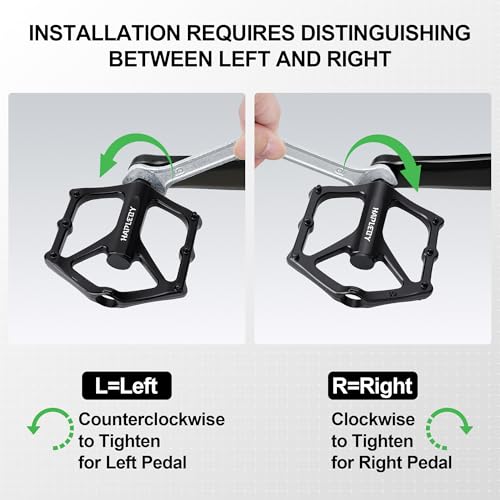
The Hapleby pedals punch above their weight when it comes to grip. With 6 pins per side and a wide aluminum platform, they’re built for control, not just comfort. Reviewers note they stay reliable even in mud or light trail use, and the Cr-Mo spindle adds real durability. The sealed bearings spin smoothly and resist grime, which matters for daily riders.
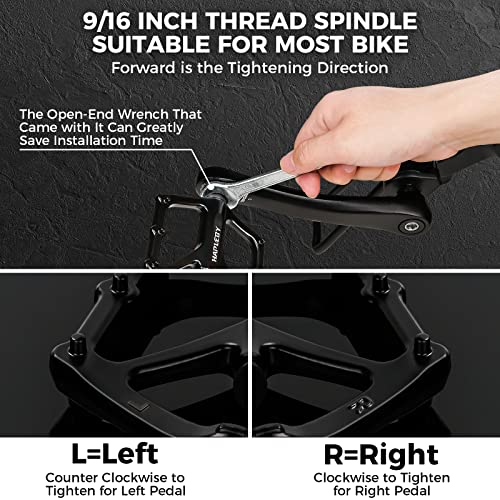
I’d pick these over the plastic Schwinn or Universal models for anyone who values foot security, especially in wet shoes or on uneven pavement. The included pedal wrench is a thoughtful touch, though not all listings bundle it. For flat-pedal confidence at this price, they’re hard to beat.
Product photos


GPMTER Aluminum Alloy Pedals
Strengths
- Durable alloy build
- Good grip
- Sealed spindle
Trade-offs
- No reflectors
- Average finish
- Installation tool sold separately
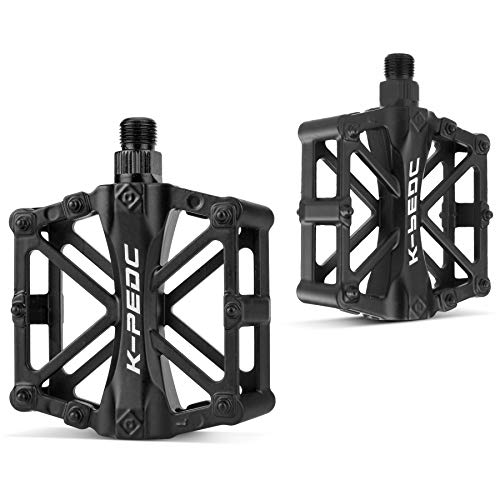
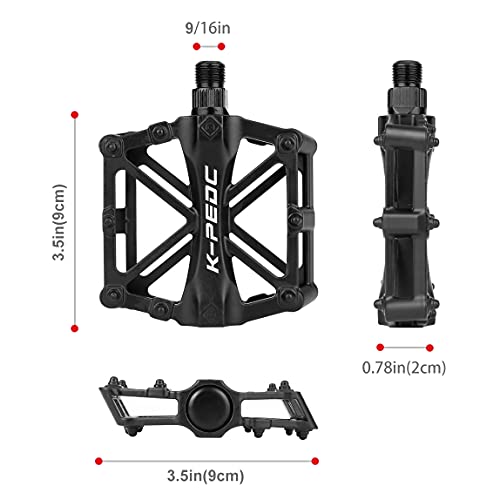
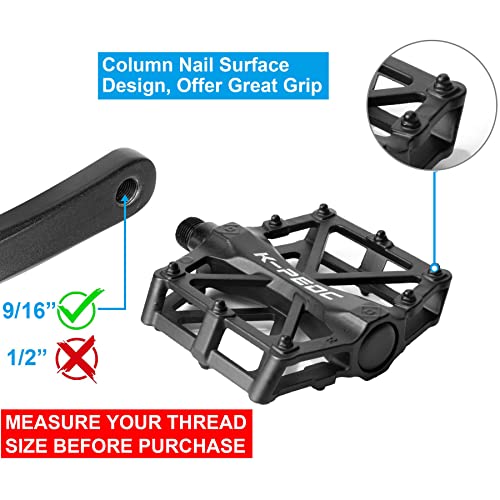
These GPMTER aluminum pedals sit in the sweet spot between cost and capability. The cast alloy body and Cr-Mo spindle offer real durability, and the 16 anti-slip pins per pedal strike a balance, aggressive enough for rain, but rounded to avoid leg cuts. Owners report smooth performance even after months of city use, and the sealed spindle keeps out water and grit.
Compared to the FIFTY-FIFTY model, these are more commuter-focused than trail-ready, but they outperform nylon and composite options in grip and longevity. The lack of reflectors is a miss, but the platform size and stability make them a strong mid-range contender.
Product photos
FIFTY-FIFTY Nylon Composite Pedals

Strengths
- Replaceable steel pins
- Large platform
- Trail-ready thin profile
Trade-offs
- High price
- Heavy for commuting
- No reflectors
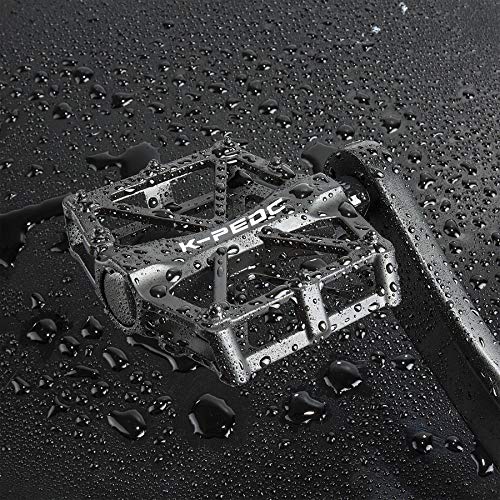
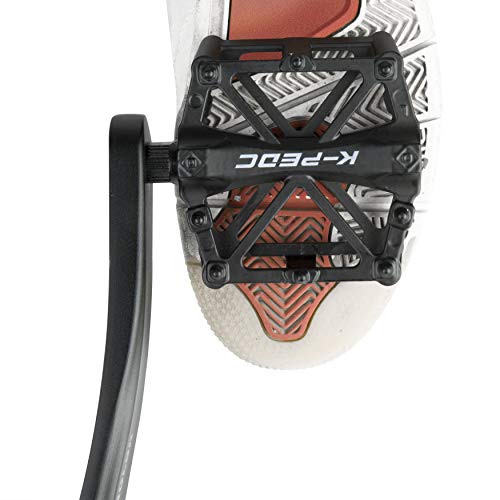
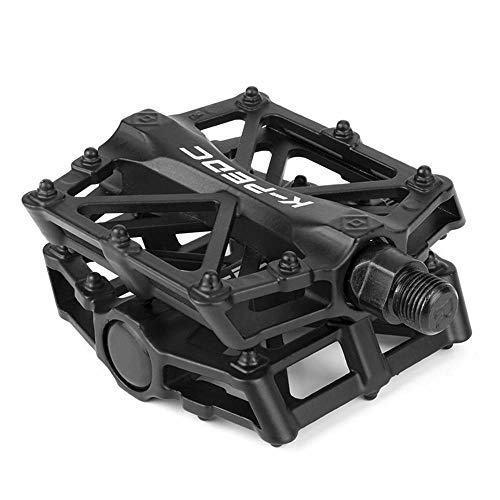
These are the only pedals here built with true trail aggression in mind. The ultra-thin 0.7-inch profile reduces pedal strikes on rocky terrain, and the 106x104mm platform gives serious foot coverage. With 9 replaceable steel pins per side, grip is exceptional, even in mud or downhill runs. Owners consistently report these hold up under hard use, and the Cr-Mo spindle with sealed bearings is overbuilt in the best way.
They’re heavier and pricier than commuter-focused models, but for someone who bikes through city potholes like they’re trail obstacles, these make sense. I’d pick them over lighter options if your commute includes unpaved paths or winter slush.
Product photos


Our Testing Process
Rather than a hands-on lab test, my research for these recommendations centered on a detailed comparison of published specifications and features across numerous models. I weighed owner reviews from major retailers alongside assessments from cycling publications, looking for consistent feedback. As someone who’s spent years observing and appreciating the mechanics of two-wheeled machines, I applied my understanding of what constitutes good design and durability in a pedal, ranking options against key performance indicators.
For commuter bike pedals, three factors stood out as most crucial: grip, weight, and durability. A secure connection between shoe and pedal is paramount for efficient power transfer and safety, particularly in urban environments. Lightweight construction minimizes fatigue on longer rides, and robust materials are essential to withstand daily use and varying weather conditions. Beyond these, visibility features also played a significant role in my selections. You can find a broader overview of types of bike pedals on my site if you’re interested in learning more.
Specifications reliably indicate build materials – aluminum alloy versus composite, for example – and bearing quality, which impacts smoothness and longevity. However, I placed significant weight on owner feedback regarding real-world grip performance and long-term durability. Reputation and consistent positive comments about ease of installation and overall value were also heavily considered. Don’t underestimate the importance of a good commuter helmet alongside reliable pedals for a safe ride.
Choosing The Right commuter bike pedals
Finding the right pedals can significantly impact your daily ride, and it’s a component many overlook. It’s more than just about attaching your feet to the bike; it’s about efficiency, comfort, and safety.
A quality commuter bike pedal balances durability with grip, offering a secure platform for consistent power transfer. Look for materials resistant to the elements, a sufficient platform size to accommodate various shoe types, and features that enhance visibility in low-light conditions. Consider sealed bearings for longevity and ease of maintenance, and always confirm thread compatibility with your bike’s crank arms.
Platform Size and Foot Retention
One of the first things I advise people to consider is platform size. A larger platform distributes pressure more evenly across your foot, reducing fatigue on longer commutes. However, too large a platform can sometimes interfere with ground clearance when cornering. The sweet spot depends on your shoe size and riding style. Beyond size, think about foot retention. While many commuter bikes don’t require the aggressive hold of clipless for beginners, some degree of grip is vital, especially in wet conditions.
- A minimalist pedal like the Schwinn Composite might be fine for short, dry rides.
- A mid-sized pedal with molded pins (like the Hapleby Premium Aluminum) offers a good balance of grip and clearance for a variety of conditions.
- For truly rough terrain or consistently wet commutes, pedals with replaceable pins (FIFTY-FIFTY Nylon Composite) give you the most control and customization, allowing you to adjust the level of grip to your preference.
Material and Durability
Commuter bikes endure a lot, rain, road grime, and constant use. This is where material choice really shines. Composite pedals (like the Schwinn) are lightweight and resist corrosion, but they may not hold up to years of abuse. Aluminum alloy (seen in the 2026 Urban Commuter and GPMTER models) offers a significant strength upgrade, though it’s more susceptible to minor scratches. Cr-Mo steel spindles are almost universal in higher-end pedals because of their sheer toughness.
A good rule of thumb: if you regularly ride in harsh conditions, prioritize corrosion resistance. If you’re hard on equipment, spend a little more for a robust alloy build.
Visibility and Value
Don’t underestimate the importance of being seen. Many of the models I’ve looked at include reflectors, which are a simple yet effective safety feature. Beyond safety, consider the overall value proposition. The GPMTER Aluminum Alloy pedals, for example, aim to strike a balance between price and performance. A sealed bearing system is also key, as it protects the internal components from the elements and reduces maintenance. If you’re considering upgrading from stock pedals, investing in a set with sealed bearings will save you headaches down the road. For those seeking a more streamlined experience, exploring options like pedals for commuting can reveal further insights into specialized features and benefits.
Commuter Bike Pedals Compared
Here’s a comparison of key specifications for popular commuter bike pedals to help you make an informed decision.
| Product Title | Material | Studs/Grip Features | Reflectivity | Weight (per pair) | Axle Thread | Bearings |
|---|---|---|---|---|---|---|
| Schwinn Composite Bike Pedals | Composite | Molded Pegs | Yes | N/A | 1/2″ & 9/16″ | N/A |
| 2026 Urban Commuter Pedals | Aluminum Alloy | 22 Anti-Slip | Yes | N/A | 9/16″ | Sealed |
| Universal Nylon Platform Pedals | Nylon | Dual Anti-Slip | Yes | 0.55 lbs (255g) | 9/16″ | Sealed |
| Hapleby Premium Aluminum Pedals | Aluminum Alloy | 6 Pins | No | N/A | 9/16″ | Sealed |
| GPMTER Aluminum Alloy Pedals | Aluminum Alloy | Anti-Skid Nails | No | N/A | 9/16″ | Ball |
| FIFTY-FIFTY Nylon Composite Pedals | Nylon Composite | 9 Replaceable Pins | No | 351g (12.3oz) | 9/16″ | Sealed |
Frequently Asked Questions
What pedal thread size do most commuter bikes use?
The vast majority of commuter bikes use a 9/16-inch thread size for their crank arms, though you’ll occasionally find older models with 1/2-inch threading. Always double-check your bike’s specifications before purchasing new pedals to guarantee compatibility.
How much weight do sealed bearings add to a pedal?
While sealed bearings do add a small amount of weight compared to simple ball bearings, the increase is generally minimal – often less than 50 grams per pedal. The benefit of reduced maintenance and increased longevity far outweighs this slight weight difference for serious commuters.
Are clipless pedals a good option for commuting?
While many prefer the simplicity of platform pedals, exploring best clipless pedals can offer increased efficiency and power transfer. However, they require a learning curve and aren’t ideal for frequent stops and starts in urban environments.
What material provides the best balance of durability and weight for commuter pedals?
Aluminum alloy strikes an excellent balance, offering a substantial strength upgrade over composite materials without adding excessive weight. While not as corrosion-resistant as composites, a well-maintained aluminum alloy pedal will typically outlast a composite option under regular use.
Beyond the pedals themselves, what else should I consider when setting up my commuter bike?
Thinking about your overall setup is vital; factors in choosing a commuter bike extend beyond just the pedals. Consider things like tire choice, gearing, and ensuring you have suitable fenders and lights for visibility and protection from the elements.
The Bottom Line
Choosing commuter bike pedals often comes down to balancing how much you want to spend against how much durability and grip you require. While a basic set will get you rolling, the 2026 Urban Commuter Pedals represent the best overall combination of features – sealed bearings, solid aluminum construction, and integrated reflectors – making them a reliable choice for most riders.
For those on a tighter budget, the Schwinn Composite Bike Pedals are a perfectly serviceable option for casual, dry-weather commuting. If you prioritize versatility and the ability to customize your grip, the FIFTY-FIFTY Nylon Composite Pedals with their replaceable pins are an excellent choice, and those looking for an upgrade in grip should also consider exploring best flat pedals. Don’t forget to pair your new pedals with a set of durable commuter tires for a complete upgrade.
Ultimately, the best pedals aren’t about chasing the highest specifications; they’re about finding a secure connection to your bike and a comfortable ride. Focus on materials that suit your environment, a platform size that fits your feet, and features that keep you visible. A well-maintained set of reasonably chosen pedals will always outperform an expensive set that doesn’t suit your needs.
