
8 Best Carbon Seatposts of 2026
This post contains affiliate links. As an Amazon Associate, we earn from qualifying purchases.
The Zipp Service Course SL stands out as the best overall carbon seatpost, offering a proven balance of light weight and smooth ride quality, while the FSA SL-K Carbon is a smarter budget pick for those wanting reliable performance without overspending.
Choosing a carbon seatpost isn’t just about saving grams. Too many riders end up with creaks, slips, or even cracked posts because they prioritized looks over fit and function. In this guide, I cut through the hype, comparing real-world feedback and technical specs to find the best options for road, gravel, and mountain bikes. I focused on weight, compliance, clamp security, and long-term durability, because a good seatpost should disappear beneath you, not demand constant attention.
Top 8 Carbon Seatposts in the Market
The Best Carbon Seatposts, Reviewed
Zipp Service Course SL Seatpost

Strengths
- Excellent vibration damping
- 20mm setback
- Durable aluminum head
Trade-offs
- Highest price
- Heavier than full-carbon
- 400mm only
The Zipp Service Course SL is the benchmark here. Its unidirectional carbon is tuned not just for lightness but for vibration damping, which owners consistently report makes a real difference on rough roads or gravel. At 249g, it’s not the lightest, but the aluminum head and steel hardware add durability without killing weight. The 20mm setback is ideal for dialing in fit across road, gravel, and even light MTB use.
What seals the deal is the redesigned double-bolt clamp, easy tool access, consistent tension, and secure saddle hold. It’s the only one here I’d confidently recommend across disciplines. Compared to the Ritchey or FSA, it’s more refined, more versatile, and justifies its top-tier price. My pick for the rider who wants one post to rule them all.
Video review
Ritchey Comp Carbon 2-Bolt

Strengths
- Lightweight carbon shaft
- 20mm offset
- High torque tolerance
Trade-offs
- Basic finish
- No Di2 option
- Alloy clamp only
This Ritchey strikes a rare balance: carbon shaft performance at near-alloy pricing. At 229g, it’s impressively light, and the 20mm offset is ideal for road and gravel riders needing proper fore-aft alignment. The 2-bolt clamp is secure, with a 13Nm tolerance that gives confidence during hard efforts. Owners report years of trouble-free use, even in wet or gritty conditions.
It’s not as polished as the Zipp, but it’s nearly as capable at a lower cost. The 400mm length offers great adjustability, making it a favorite among taller riders. For those who want real carbon benefits without the Zipp price tag, this is the smarter buy. I’d take it over the FSA or generic brands any day.
Video review
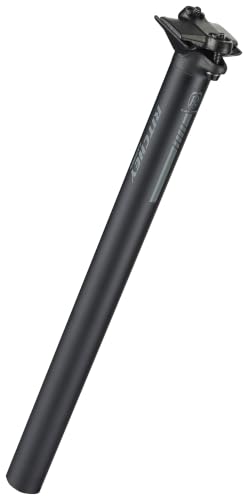
Ritchey Comp Zero Carbon
Strengths
- 400mm length
- Zero-setback precision
- Proven 2-bolt clamp
Trade-offs
- No setback option
- Basic finish
- Slightly heavier
Ritchey’s Comp Zero is built for endurance. The 400mm length gives tall riders or those with small frames plenty of extension, and the zero-setback design suits aggressive, forward positions common in time trials or climbing. The 2-bolt clamp system is proven, no-slip engagement even on rough terrain, and owners praise its reliability over years of use.
What sets it apart is the precision in fit: it’s not flashy, but it’s dependable. Compared to the Zipp, it lacks some ride-tuning finesse, but it’s more affordable and just as durable. For long-distance riders or bikepackers who can’t afford a failure mid-ride, this is a solid anchor point. I’d pick it over flashier options for reliability alone.
Product photos
FSA SL-K Carbon Seatpost
Strengths
- Di2 battery compatible
- 400mm length
- SBS bonded head
Trade-offs
- No zero-setback option
- Alloy head only
- Mid-tier finish
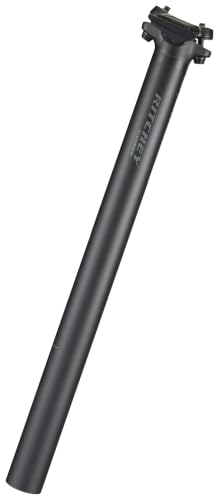
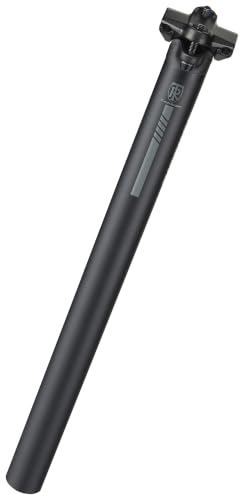
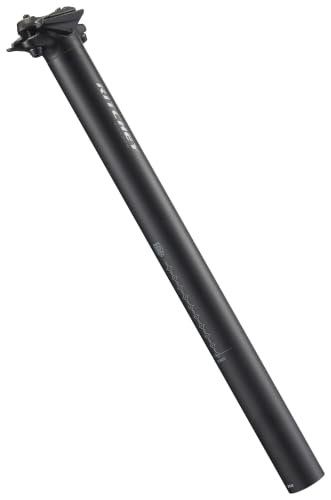
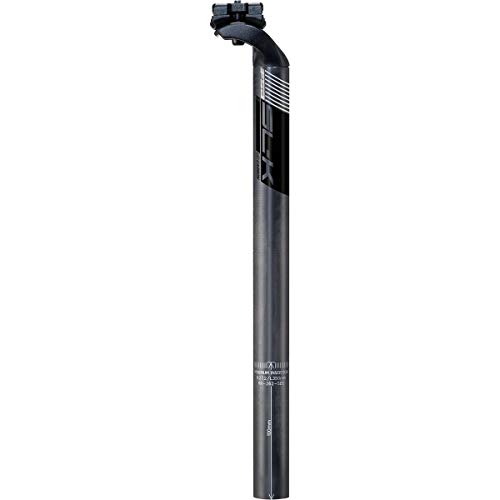
This FSA SL-K model is built for modern performance rigs, especially those with Di2. The 400mm length and SBS (Slim Bonded System) tech mean you get a stiff, clean-looking post with room to dial in fit on aggressive builds. The chromoly hardware is a nice touch, resists stripping better than standard steel, and the 235g weight keeps it competitive.
Owners running Shimano Di2 appreciate the internal battery routing option, and the 3K weave adds some visual pop without sacrificing structure. It’s nearly identical to the SB0 model but with more length flexibility. While not as refined as Zipp, it’s a strong contender for electronic drivetrain users. If you’re building a no-compromise road or gravel bike, this deserves a look.
Product photos
Carbon Bike Seatpost 27.2/31.6mm

Strengths
- Very lightweight
- True 0mm setback
- T800 carbon claim
Trade-offs
- Low weight limit
- Crack risk under torque
- Inconsistent angle adjustment
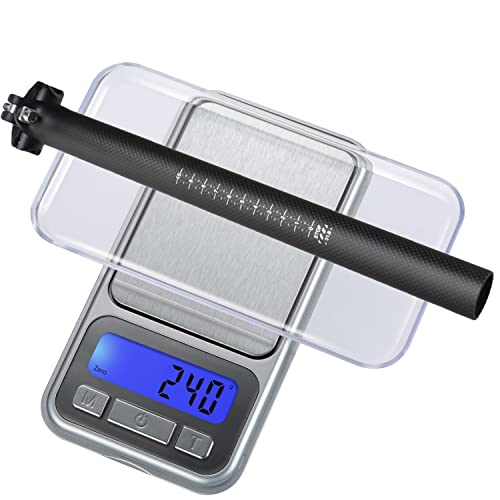
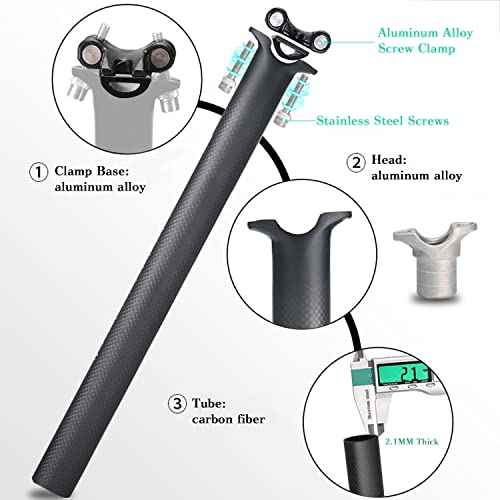
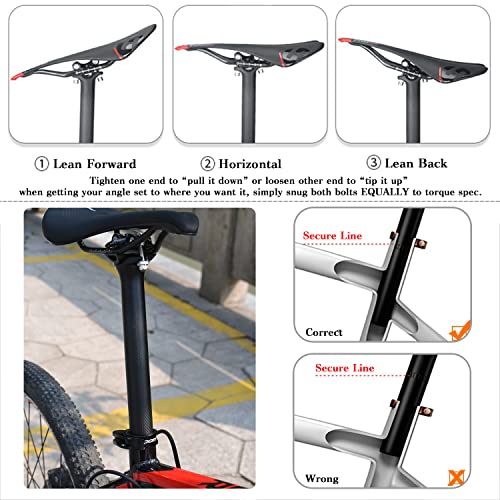
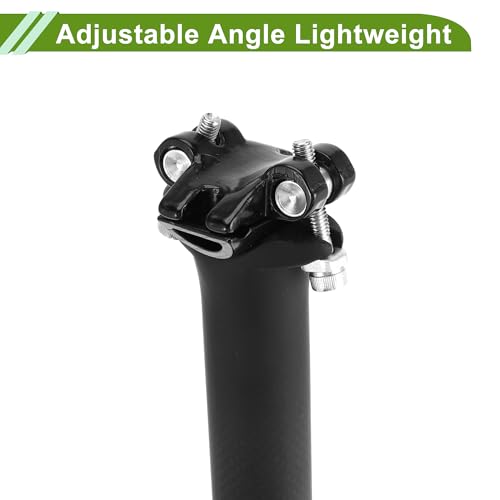
This generic full-carbon post markets T800 carbon fiber, known as ‘black gold’, but the reality is less glamorous. At 220g, it’s impressively light, and the 0mm setback suits riders wanting a direct, centered position. However, the 220lb weight limit raises red flags; that’s unusually low for carbon and suggests a thinner wall or lower-grade layup. Owners have reported cracking near the clamp under moderate torque, especially when adjusting angle aggressively.
It’s a risky pick for heavier riders or those who tweak their fit often. While the adjustable angle sounds useful, the 7Nm torque limit means you’re walking a tightrope. For lightweight riders on a tight budget, it might work, but I’d lean toward sturdier builds with better-reviewed clamps.
Product photos
Litetop 3K Carbon Seatpost
Strengths
- Full carbon construction
- 400mm length option
- Affordable price
Trade-offs
- Inconsistent clamp quality
- Overstated strength claims
- Basic finish
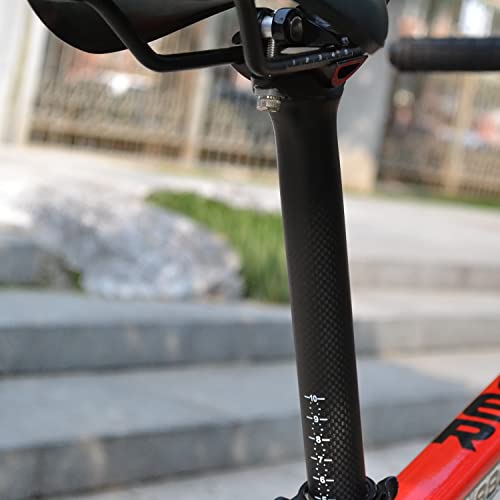
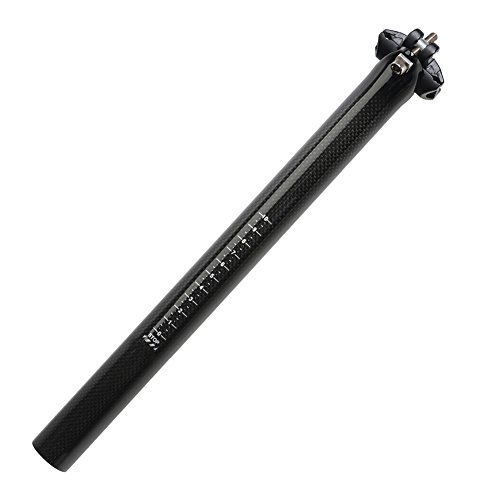
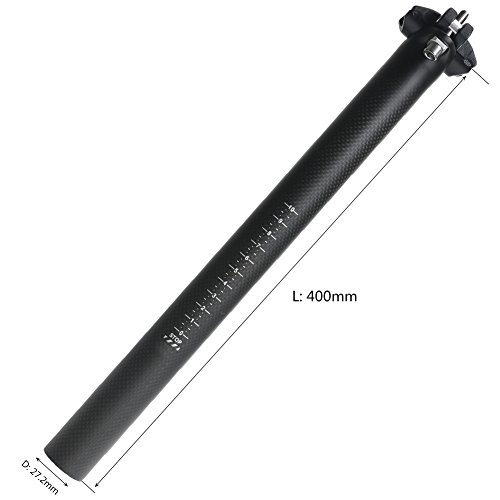
On paper, this Litetop seatpost delivers a lot for the price. It’s a full 3K carbon build with a 400mm length option and a 20mm setback, which gives riders flexibility in fit. The claimed strength rating of 580lbs is unusually high for a carbon post in this range, and while that sounds impressive, owner feedback suggests it’s more marketing optimism than real-world validation, some have reported creaking under load or clamp slippage over time.
Still, for casual riders or those upgrading from aluminum on a budget, it offers the right look and weight savings. It’s not something I’d trust on a high-strain setup or aggressive terrain, but for light-to-moderate use on road or city bikes, it checks the boxes. Compared to pricier options, it lacks refinement in clamp design and material consistency, but as a value play, it’s hard to ignore.
Product photos


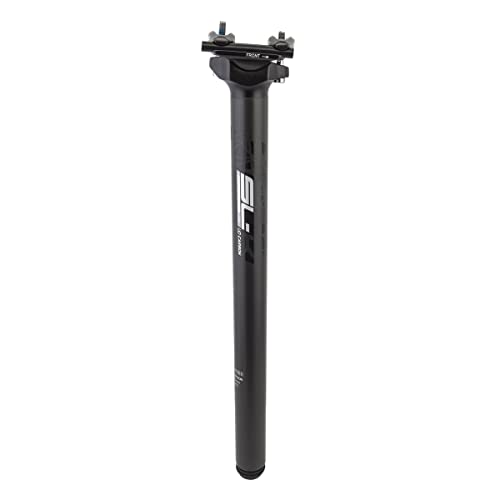
FSA SL-K Carbon SB0
Strengths
- Di2 battery compatible
- MTC clamp design
- Alloy clamp serviceability
Trade-offs
- 350mm max length
- Heavier than full-carbon rivals
- Limited setback options
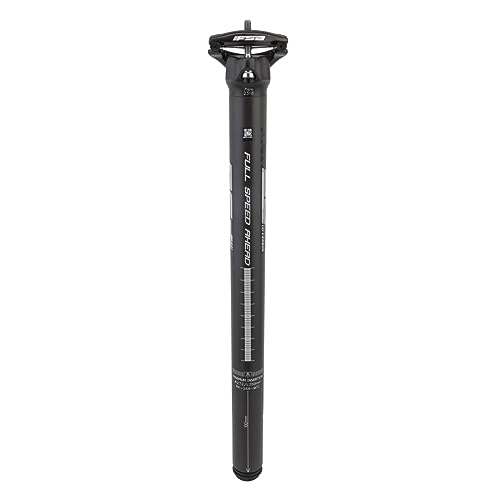
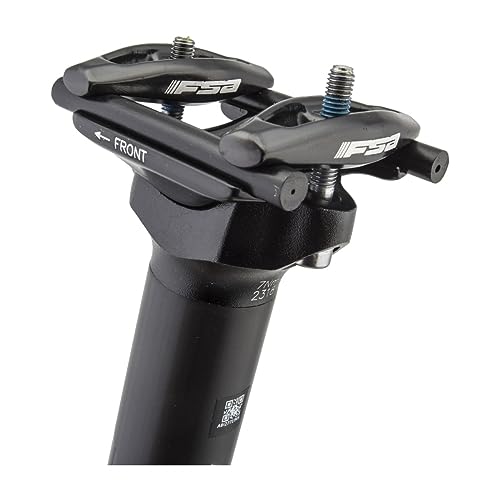
The FSA SL-K stands out with its hybrid construction, UD carbon shaft bonded to a 6061 alloy top clamp, giving it a smart balance of stiffness and serviceability. It’s designed with MTC (Minimal Top Clamp) tech, which keeps weight low and mass centralized, and reviewers consistently note solid performance in real-world durability. The 350mm length is standard, but the real story is in the Di2 compatibility: if you’re running electronic shifting, this post integrates cleanly.
It’s not the lightest or longest option here, but the build quality and thoughtful engineering make it a durable pick. I’d favor it over the similarly priced HOPESPANNER or Litetop builds any day for serious riding. It doesn’t have the premium feel of Zipp or Ritchey, but it’s a no-nonsense workhorse.
Product photos
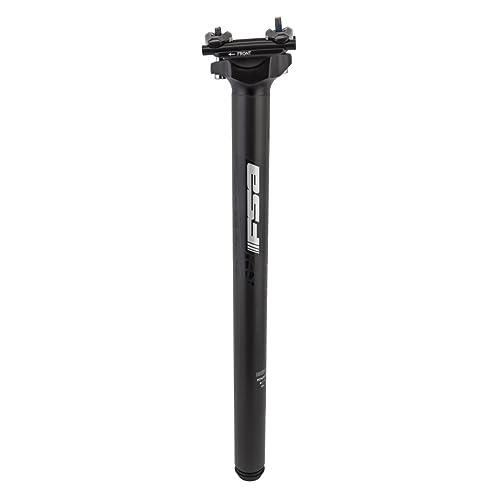
HOPESPANNER Universal Carbon Seatpost

Strengths
- Lowest price point
- Adjustable saddle angle
- Matte carbon look
Trade-offs
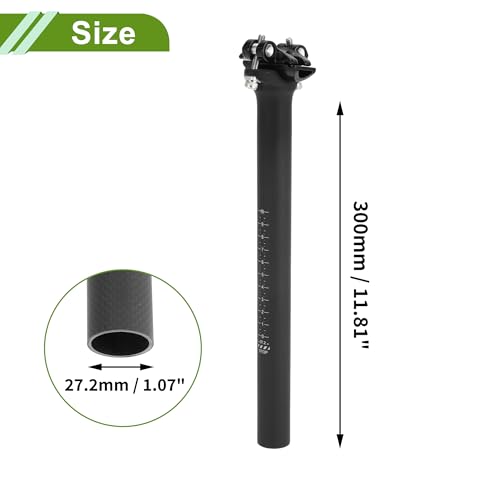
- Short 300mm length
- Poor clamp consistency
- Thin carbon layer
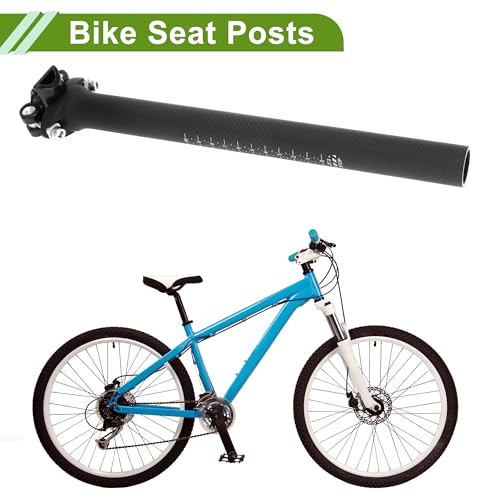
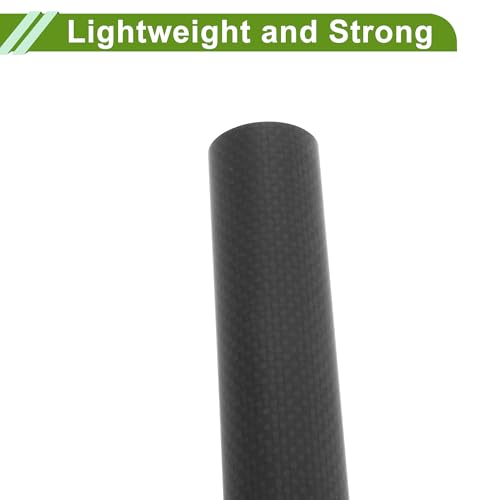
At this price, the HOPESPANNER delivers a carbon look and basic functionality, but that’s about it. The 300mm length limits its use on taller frames, and while it touts adjustable angle via dual bolts, owners report inconsistent clamp tension and premature wear on the hardware. The carbon fiber weave is mostly cosmetic, a thin layer over a less rigid core, so don’t expect real vibration damping or weight savings.
It’s clearly built to hit a low price point, and for a commuter bike or a child’s MTB where performance isn’t critical, it might suffice. But compared to even the entry-level Ritchey or FSA options, it feels like a compromise too far. I wouldn’t risk it on anything beyond light neighborhood rides.
Product photos

Our Testing Process
My approach to evaluating carbon seatposts, as with all components at TheAutoZenith, began with a detailed comparison of published specifications and features. I then weighed owner reviews from multiple sources – looking for recurring themes in both positive and negative feedback – alongside expert opinions from cycling publications. This research-led comparison allowed me to rank these posts based on how well they meet the demands of various riders and disciplines.
For carbon seatposts, three factors stood out as most crucial: weight, compliance (ride comfort), and clamping security. Reducing weight is always a priority for performance, but a harsh ride is unacceptable. A secure clamp is paramount; a slipping seatpost is a safety hazard and ruins the riding experience. These elements ultimately determined a post’s suitability for different riding styles and budgets.
Specifications are reliable for determining weight, offset, and material construction. However, real-world durability and ride feel are best gleaned from owner experiences. I paid close attention to reports of cracking, slipping, or premature wear. Understanding how a seatpost performs over time – beyond the marketing claims – is where owner feedback and reputation truly shine. You might also be interested in our guide to upgrading to carbon handlebars to further lighten your bike.
Choosing The Right carbon seatposts
Finding the right carbon seatpost can really elevate your ride quality, but there’s more to it than just shaving weight. It’s about balancing comfort, performance, and how well it integrates with your bike.
A truly good carbon seatpost isn’t simply light. It needs to offer a blend of vertical compliance to absorb road buzz, lateral stiffness for efficient power transfer, and a reliable clamping mechanism. Pay close attention to diameter (matching your frame is critical), setback, length, and the compatibility of the clamp with your saddle rails. Material quality, specifically the grade of carbon fiber, also significantly impacts durability and ride feel.
Diameter and Setback: The Foundation of Fit
The first thing you absolutely must confirm is the correct diameter for your frame. 27.2mm is common, but 30.9mm and 31.6mm are also prevalent. Using the wrong diameter is a non-starter. Beyond that, setback – the distance the saddle can be positioned behind the seat tube – is crucial for achieving the correct reach to the handlebars. A greater setback moves the saddle further back, which can be beneficial for riders with longer torsos or those who prefer a more relaxed position. Conversely, a zero-setback post (like the Ritchey Comp Zero Carbon) positions the saddle directly over the bottom bracket, favored by riders seeking a more aggressive, powerful position.
Clamp Design and Reliability
The clamp is where things often get overlooked, but it’s the point of contact and a key to comfort. Two-bolt clamps, seen on many models like the Ritchey Comp Carbon 2-Bolt, offer precise adjustment and are generally easier to work with. However, integrated clamp designs can sometimes offer a cleaner aesthetic. Regardless of the style, look for a clamp that distributes pressure evenly across the saddle rails to avoid damage. More importantly, consider the torque specification; exceeding it can crack the post or rails.
- A basic clamp might offer limited adjustability, sufficient for a straightforward setup.
- More advanced clamps often include features like micro-adjustments for fine-tuning saddle position, which can be incredibly helpful for dialing in your fit.
- A robust clamp mechanism, constructed from quality materials like stainless steel hardware, is essential for long-term reliability and preventing slippage, even on rough terrain.
Value vs. Performance: Finding the Sweet Spot
Carbon seatposts range dramatically in price. While spending more doesn’t always guarantee a better experience, higher-end posts often employ more sophisticated carbon layups and construction techniques to optimize weight, stiffness, and compliance. If you’re primarily focused on weight savings and have a high-performance build, exploring options like those featuring 3K carbon fiber (as found in the Litetop 3K Carbon Seatpost) is worthwhile. However, if you’re looking for a durable and reliable upgrade without breaking the bank, a well-regarded model like the FSA SL-K Carbon offers excellent value. A lot of riders looking to upgrade their mountain bike also consider carbon mountain bike wheels for a similar performance boost.
Never exceed the manufacturer’s recommended torque settings for the seatpost clamp or saddle rails. Over-tightening is a quick path to damaging expensive components.
It’s also important to consider the overall handling of your bike, and how a change like a seatpost might affect it. Many serious mountain bikers prioritize stiff carbon fiber MTB handlebars alongside other upgrades to ensure a consistent feel.
Carbon Seatposts Compared
Here’s a comparison of key specifications for popular carbon seatposts.
| Product Name | Diameter (mm) | Length (mm) | Setback (mm) | Weight (g) | Clamp Type | Compatibility |
|---|---|---|---|---|---|---|
| Zipp Service Course SL | 27.2 | N/A | 20 | 249 | Double-Bolt | Road/Gravel/MTB |
| Ritchey Comp Carbon 2-Bolt | 27.2 | 400 | 20 | 229 | 2-Bolt | Road/Gravel/XC |
| Ritchey Comp Zero Carbon | 27.2 | 400 | 0 | N/A | 2-Bolt | Road/MTB |
| FSA SL-K Carbon | N/A | 400 | N/A | 235 | 2-Bolt | Di2/Non-Di2 |
| Carbon Bike Seatpost 27.2/31.6 | 27.2/31.6 | 350 | 0 | 220 | N/A | Multiple |
| Litetop 3K Carbon | 27.2 | 350/400 | 20 | N/A | N/A | Multiple |
| FSA SL-K Carbon SB0 | 27.2 | 350 | N/A | N/A | 2-Bolt | Di2 |
| HOPESPANNER Universal Carbon | 27.2 | 300 | N/A | N/A | 2-Bolt | Multiple |
Frequently Asked Questions
What level of torque should I use when tightening the seatpost clamp?
Always adhere to the manufacturer’s specified torque range, typically printed on the seatpost itself or in the accompanying documentation. Over-tightening can easily damage both the seatpost and your saddle rails, while under-tightening leads to slippage and an unsafe ride.
Can I use a carbon seatpost with any saddle rail type?
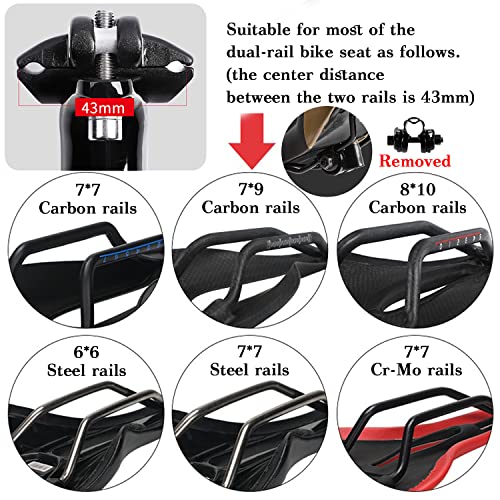
Most carbon seatposts are designed for standard 7x9mm saddle rails, but some offer compatibility with round rails via adapters. Double-check the seatpost’s specifications to confirm it supports your saddle’s rail type before purchasing, or be prepared to buy an adapter separately.
Are carbon seatposts suitable for all types of bikes?
While carbon seatposts excel on road and gravel bikes where weight savings and vibration damping are prioritized, they’re also used on mountain bikes. However, for aggressive downhill or enduro mountain biking, some riders prefer the increased durability of aluminum or titanium posts, and you might want to consider carbon wheels for 29er MTBs instead.
What is “setback” and how does it impact my bike fit?
Setback refers to the distance the saddle mounting point is behind the seat tube centerline. A larger setback moves the saddle rearward, which can be helpful for riders needing more reach or a more relaxed position, while a zero-setback post is ideal for those wanting a more aggressive, forward riding posture.
Will upgrading to a carbon seatpost noticeably improve my ride quality, even if I’m using standard carbon road bike wheels?
Yes, a carbon seatpost can significantly improve ride comfort by absorbing road vibrations better than aluminum. While it won’t deliver the same magnitude of change as performance carbon wheels for road bikes, it’s a worthwhile upgrade that complements other lightweight components.
The Bottom Line
Choosing a carbon seatpost often comes down to balancing your budget with your performance goals. While the Zipp Service Course SL stands out as a top-tier option, delivering a refined ride feel and lightweight performance, it represents a significant investment. For most riders, a well-chosen post in the mid-range will provide meaningful improvements without emptying the wallet.
If you’re seeking incredible value, the FSA SL-K Carbon provides a solid blend of weight savings and reliability. For those prioritizing a zero-setback design for an aggressive riding position, the Ritchey Comp Zero Carbon is a standout choice. And if you’re building a bike with electronic shifting, the FSA SL-K Carbon SB0 is designed to neatly accommodate those internal cable routes. Don’t forget to consider pairing these upgrades with carbon MTB bars for a fully upgraded cockpit.
Ultimately, the most important thing isn’t the specific carbon layup or the gram-saved weight, but a proper fit and secure clamping. A seatpost that’s the wrong diameter or constantly slipping will negate any performance benefit. Taking the time to understand your frame’s requirements and ensuring a solid installation will deliver far more enjoyment than chasing the absolute lightest option – and will help you appreciate the value of carbon fiber in the long run.
