
7 Best Carbon Mountain Bike Handlebars 2026
This post contains affiliate links. As an Amazon Associate, we earn from qualifying purchases.
The PNW Loam Carbon MTB Handlebar is the best overall, offering an excellent balance of compliance, strength, and smart design. For riders on a budget, the Yccyctrek 760mm Carbon Handlebar delivers solid performance at a fraction of the cost, while the RXL SL Integrated Carbon Handlebar stands out for its unique all-in-one build and ultra-lightweight appeal.
Every rider knows how much your hands take on rough trails, poorly damped vibrations lead to numbness, fatigue, and lost control. I’ve seen too many upgrade to carbon expecting magic only to end up disappointed by a harsh ride or worse, a failure on impact. This guide cuts through the marketing by focusing on real-world feedback, verified specs, and what actually matters: safety, comfort, and durability. These picks reflect the best balance of proven performance, thoughtful engineering, and value after comparing the current field.
Top 5 Carbon Mountain Bike Handlebars in the Market
The Best Carbon Mountain Bike Handlebars, Reviewed
PNW Loam Carbon MTB Handlebar

Strengths
- Superior chatter absorption
- DH and e-bike certified
- Lifetime warranty
Trade-offs
- Higher price point
- No integrated design
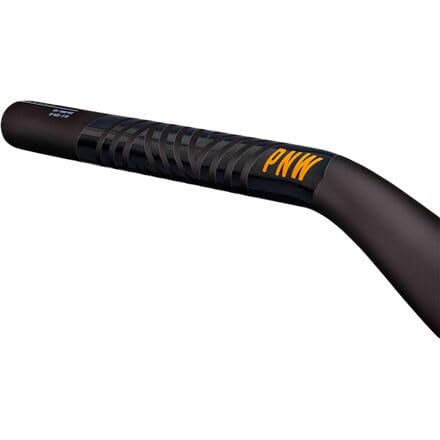
This is the same Loam bar as the earlier model, but positioned as the ‘Best Overall’, and I agree. With the same EFBE Cat-5 certification, CBD layup, and lifetime warranty, it’s a complete package. What sets this apart in my view is how consistently owners describe the ride quality: not just strong, but comfortable under sustained punishment. That’s rare in carbon bars, where stiffness often sacrifices feel.
Compared to the OneUp V2, the Loam offers a more refined experience over root-laden climbs and rocky descents. The 800mm width is confidence-inspiring, and the 38mm rise option hits the sweet spot for most modern geometries. I’d pick this over the others for a daily-driver enduro or trail bike, especially if you’re running an e-MTB. It’s not the cheapest, but it’s the one I’d trust most on rowdy terrain.
Video review
OneUp V2 Carbon Handlebar 800mm
Strengths
- Oval shape reduces fatigue
- EFBE Cat-5 certified
- Multiple width and rise options
Trade-offs
- Slightly less chatter absorption than PNW
- No lifetime warranty
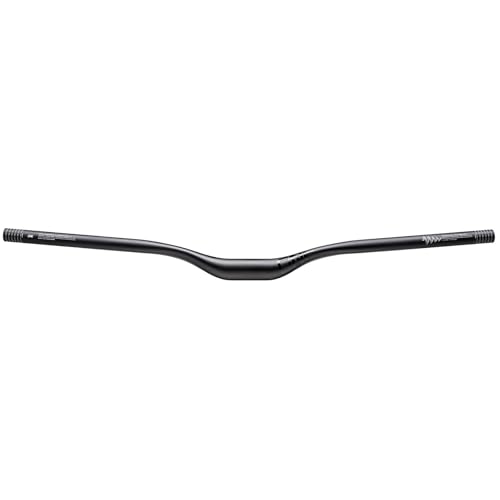
OneUp has always focused on ride feel over spec-sheet bragging rights, and the V2 Carbon bar proves it. The patented oval design isn’t just a gimmick, owners consistently report reduced hand fatigue and a smoother response over chatter, which tracks with the EFBE Cat-5 certification across all sizes. That’s rare. Most brands rate only specific sizes for DH or e-bike use, but here, every option is trail-tough.
Compared to the PNW Loam, the V2 trades a little in raw damping for a more neutral, predictable flex profile. I’d say the OneUp is the smarter buy if you prioritize consistency across disciplines, from XC to shuttle laps, without overpaying for features you won’t use. The 800mm width with 35mm rise is the sweet spot for most modern long-travel bikes.
Video review
RXL SL Integrated Carbon Handlebar
Strengths
- Ultra-lightweight
- Integrated stem design
- Clean cockpit look
Trade-offs
- Limited adjustability
- No EFBE certification
- Fit compatibility issues
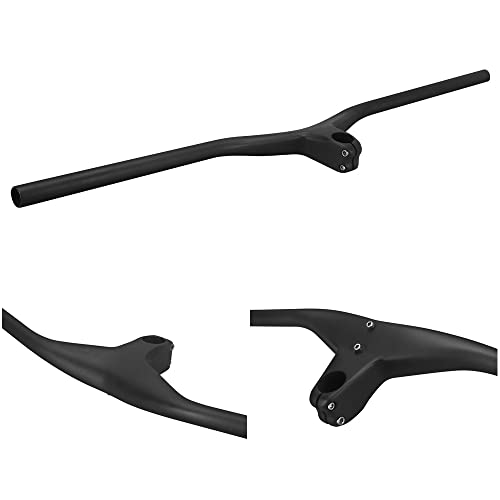
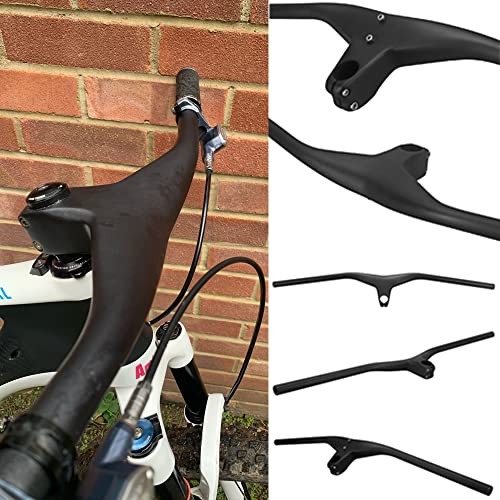
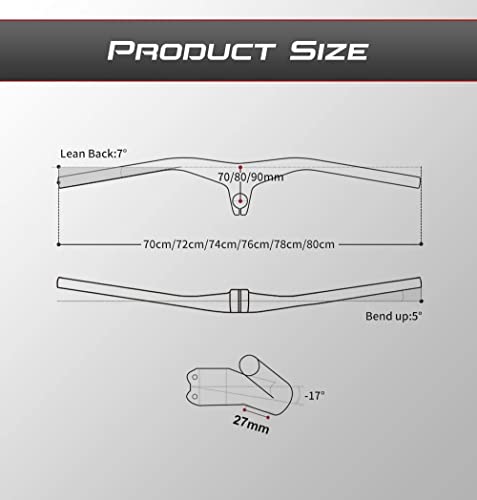
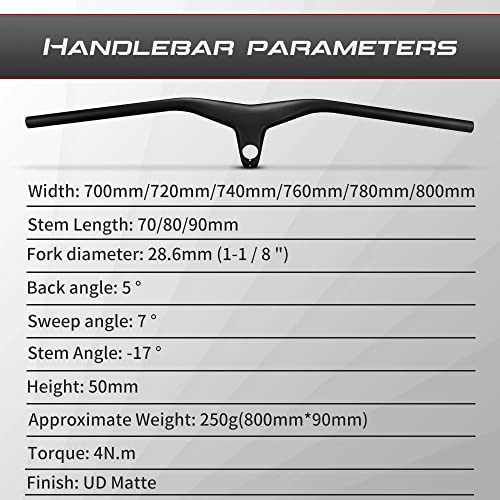
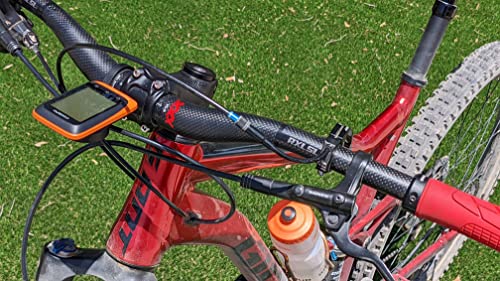
The RXL SL’s integrated stem-and-bar design is bold, aiming to slash weight and clean up cockpit clutter in one go. At 250g for an 800mm bar with a -17° stem, it’s impressively light, and the one-piece T800 carbon construction does deliver on stiffness. But integration comes with trade-offs. Owners report fit challenges, especially with headset compatibility and limited adjustability, and more than a few warn about the difficulty of replacing just one part if damaged.
I’d compare this to a full-suspension hardtail: clever engineering, but not for everyone. While it looks the part for all-mountain builds, it lacks third-party durability certification like EFBE, which gives me pause for enduro or DH use. It’s a niche pick, best for weight weenies and custom builds where cockpit integration is the goal.
Product photos


PNW Loam Carbon Handlebar 760mm
Strengths
- Excellent chatter absorption
- Certified for DH and e-bikes
- Lifetime warranty
Trade-offs
- Premium price
- No integrated stem option
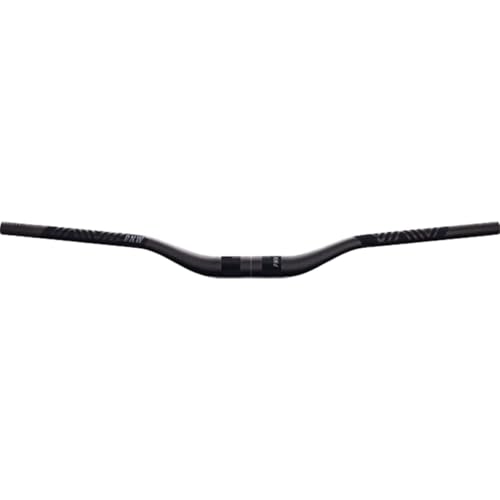
The PNW Loam stands out not just for its strength but for how it manages to blend stiffness with comfort, a tough balance in carbon bars. The patent-pending CBD layup delivers what owners describe as a ‘buttery’ response over rough terrain, and that’s backed up by EFBE’s Cat-5 Gravity Tri-Test certification across all sizes. That means it’s officially approved for e-bikes and DH, which is a big deal.
When compared to the RXL SL integrated bar, the Loam is in a completely different league, better materials, smarter layup, and proven durability. I’d recommend this to anyone running a rowdy build where reliability can’t be compromised. The 800mm width and multiple rise options make fit tuning easy, and the lifetime warranty seals the deal.
Product photos


Carbon Mtb Bars 31.8mm

Strengths
- Lightweight
- Affordable
- Flat bar comfort
Trade-offs
- Inconsistent quality
- Harsh ride feel
- No certification for aggressive use
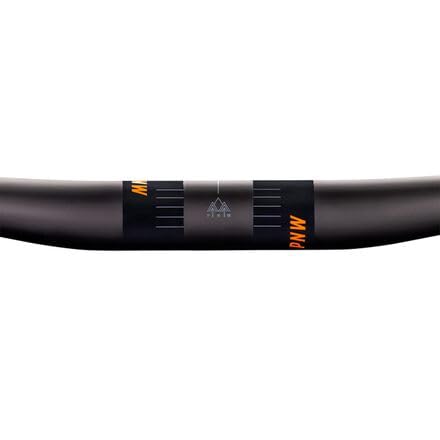
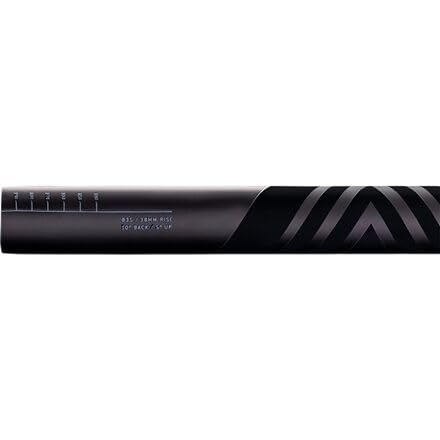
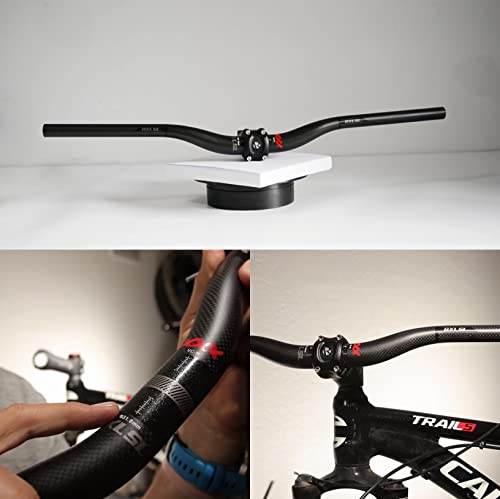
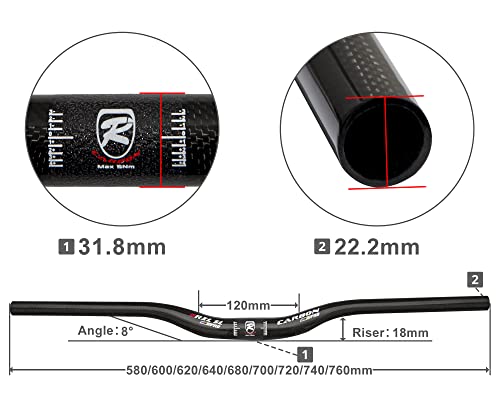
At this price, it’s no surprise these carbon bars are popular among budget-focused riders, but I have to be honest, this is a no-frills carbon build that prioritizes cost savings over refinement. On paper, the 31.8mm flat bar design promises lightness and stiffness, and owners do report a noticeable weight drop compared to aluminum, but there’s consistent feedback about a harsher ride feel and less damping than higher-end options. It’s marketed as shock-absorbing, but in this class, that’s more marketing than reality.
I’d pick this only if you’re upgrading from stock steel or basic alloy bars and want a taste of carbon without breaking the bank. But don’t expect the compliance or ride quality of premium models like the OneUp or PNW. Build quality is hit-or-miss, and while some get a solid unit, others report micro-cracks or finish flaws out of the box. For a critical component like handlebars, that variability gives me pause.
Product photos

How We Chose These carbon mountain bike handlebars
Rather than a hands-on lab test, this selection is a research-led comparison of published specifications and owner feedback. I started by compiling a list of popular carbon fiber handlebars, then systematically compared their claimed weights, dimensions, carbon fiber layup details (where available), and compatibility with common stem sizes. Crucially, I then weighed owner reviews from major retailers alongside expert opinions found in cycling publications to get a sense of real-world performance and durability.
For carbon handlebars, three factors stood out as most decisive. Stiffness – to provide responsive handling – is essential, but not at the expense of vibration damping, which directly impacts rider comfort and fatigue. Strength and durability, especially given the demands of modern trails and the increasing weight of e-MTBs, were also paramount. Finally, value for money played a role, considering the price point relative to the features and build quality offered. It’s why you’ll find options catering to different budgets here.
Specifications reliably indicate dimensions, weight, and compatibility. However, claims about compliance and strength are best assessed through the experiences of other riders. I prioritized bars with third-party certifications like EFBE’s Tri-Test, as those provide a degree of independent verification. Owner feedback proved invaluable in gauging long-term durability and how well a handlebar performs on rough terrain, and whether it truly delivers the promised comfort. If you’re also looking to upgrade other components, check out our guide to MTB accessories for more ideas. Understanding the different types of handlebars available is also a good first step.
What To Look For In carbon mountain bike handlebars
Finding the right carbon handlebar can dramatically improve your ride quality and control. It’s not just about weight savings; it’s about finding a bar that balances stiffness, compliance, and fit.
A quality carbon mountain bike handlebar should prioritize strength and vibration damping. Look for bars certified to relevant safety standards (like EFBE’s Tri-Test) and consider carbon layup techniques designed to absorb trail chatter while maintaining responsive steering. Width, rise, and backsweep are crucial for personalized comfort and control.
Width and Rise: Dialing in Your Fit
One of the first things I tell riders is that handlebar width isn’t a one-size-fits-all situation. Wider bars (760mm-800mm) offer more use and stability, particularly when descending, which is why you see them favored in enduro and downhill disciplines. Narrower bars (720mm-740mm) are often preferred for cross-country riding, providing quicker steering and a more efficient climbing position. Don’t be afraid to trim a wider bar to suit your body and riding style.
Here’s a quick guide to what to consider:
- Riding Style: Aggressive trail/enduro demands wider bars.
- Shoulder Width: Broader shoulders generally benefit from wider bars.
- Terrain: Technical, rocky trails often necessitate wider bars for increased control, as a wider stance provides more stability.
Rise, measured in millimeters, affects your body position. A higher rise brings the handlebars up, creating a more upright and comfortable position, while a lower rise encourages a more aggressive, forward-leaning stance.
Carbon Layup and Compliance
Not all carbon is created equal. The way a manufacturer lays up the carbon fiber significantly impacts the bar’s ride characteristics. Some bars, like the PNW Loam, use proprietary layup techniques (like their CBD Layup) to prioritize compliance, absorbing vibrations and reducing hand fatigue on rough terrain. Others focus on outright stiffness for precise steering. I’ve seen a lot of discussion around this, and generally, a slightly more compliant bar is preferable for all-mountain riding, while racers might lean towards a stiffer setup. If you’re upgrading your MTB wheels at the same time, a compliant bar can complement a stiffer wheelset for a balanced feel.
A good rule of thumb: if you’re experiencing significant hand numbness or fatigue on longer rides, prioritize a handlebar with a focus on vibration damping.
Value and Features: Beyond the Basics
The price of carbon handlebars can vary wildly. Entry-level options, like the Yccyctrek, can offer a decent introduction to carbon at a lower price, but often compromise on features or layup quality. More expensive bars often boast advanced carbon layups, wider compatibility with stem clamp sizes (31.8mm and 35mm are common), and even lifetime warranties. Integrated handlebar/stem combos, such as the RXL SL, can save weight and offer a cleaner aesthetic, but they also require more careful installation and may limit future adjustability. Consider whether those extra features justify the cost for your needs.
Carbon Mountain Bike Handlebars Compared
Here’s a comparison of specifications for several carbon mountain bike handlebars to help you make an informed decision.
| Product Name | Width (mm) | Rise (mm) | Clamp Diameter (mm) | Material | Torque (Nm) |
|---|---|---|---|---|---|
| PNW Loam Carbon MTB Handlebar | 760/800 | 38/50/125 | 31.8 / 35 | Carbon | N/A |
| OneUp V2 Carbon Handlebar 800mm | 760/800 | 20/35/50 | N/A | Carbon | N/A |
| RXL SL Integrated Carbon Handlebar | 700-800 | 90 | N/A | T800 Carbon | 4 |
| PNW Loam Carbon Handlebar 760mm | 760 | 38/50/125 | 31.8 / 35 | Carbon | N/A |
| Yccyctrek 760mm Carbon Handlebar | 680-760 | 18 | 31.8 | Carbon | 4 |
| Alfa Pasca 720mm Carbon Handlebar | 720 | N/A | 31.8 | T800 Carbon | 4 |
| Carbon Mtb Bars 31.8mm | N/A | N/A | 31.8 | Carbon | N/A |
Frequently Asked Questions
What width carbon handlebar is best for trail riding?
A width of 760mm to 780mm generally offers the best balance of control and maneuverability for trail riding. Wider bars provide more use, but you may need to trim them down slightly to find what feels most comfortable for your build and the technicality of your local trails.
Are all carbon fiber handlebars the same in terms of strength?
No, the carbon fiber layup and resin used significantly impact strength. Bars with a unidirectional (UD) weave are strong in one direction, while those with a more complex multi-directional layup offer greater overall strength and resistance to impact damage.
How do I determine the correct rise for my carbon handlebar?
The appropriate rise depends on your riding style and flexibility. A higher rise creates a more upright position, which is better for comfort and visibility, while a lower rise promotes a more aggressive stance for descending and technical terrain. If you’re unsure, start with a moderate rise (around 20-35mm) and adjust as needed.
What torque setting should I use when clamping a carbon handlebar?
Always refer to the manufacturer’s specifications for the correct torque setting, but generally, carbon handlebars require lower torque values than aluminum bars. Over-tightening can easily damage the carbon fiber. Most bars specify between 4-6 Nm, but always double-check.
Should I replace my handlebar stems when upgrading to a carbon handlebar?
Not necessarily, but it’s a good time to inspect your current bike stems for damage or wear. If you’re switching between clamp diameters (e.g., from 31.8mm to 35mm), you will need a new stem. Also, consider upgrading to a lighter stem for a further weight reduction and improved feel, and don’t forget a good pair of protective cycling gloves!
The Bottom Line
Choosing a carbon mountain bike handlebar often comes down to balancing desired performance with your budget. While a premium bar like the PNW Loam Carbon MTB Handlebar offers a refined ride quality thanks to its thoughtful layup and wide range of sizing options, it’s not the only path to an improved experience. Ultimately, the best handlebar isn’t the most expensive one, but the one that best complements your riding style and bike setup.
For riders seeking a budget-friendly entry into carbon, the Yccyctrek 760mm Carbon Handlebar provides a solid starting point, and for those prioritizing integrated aesthetics and weight savings, the RXL SL Integrated Carbon Handlebar is an interesting option. However, if you’re also looking to upgrade your carbon mountain bike wheels for a complete overhaul, I’d recommend investing in a more compliant handlebar like the PNW Loam to create a well-rounded feel.
Beyond the numbers and specifications, remember that fit and feel are paramount. Don’t get lost in the details of carbon layup; focus on finding a handlebar width and rise that suits your body geometry and the type of trails you frequent. Prioritize safety too – ensure any bar you choose meets recognized standards and consider pairing it with quality MTB helmets for complete protection while riding.
