
7 Best Car Seats for 35 lbs and Up 2026
This post contains affiliate links. As an Amazon Associate, we earn from qualifying purchases.
The Graco Extend2Fit Convertible is the best overall choice for kids 35 lbs and up, offering extended rear-facing and a strong safety profile. For budget-conscious families, the Safety 1st Grand 2-in-1 Booster delivers solid protection and a slimmer fit for tight back seats.
Parents often struggle to find a seat that keeps their growing child safe without sacrificing ease of use or long-term value. At this stage, it’s easy to jump to a booster too soon, but staying in a harnessed seat longer is smarter and safer. This guide cuts through the noise, focusing on real safety engineering, longevity, and practical fit based on specs, owner experiences, and what I’ve learned reviewing car safety systems over the years.
Top 7 Car Seats For 35 Lbs And Up in the Market
The Best Car Seats For 35 Lbs And Up, Reviewed
Graco Extend2Fit Convertible Car Seat

Strengths
- Extended rear-facing up to 50 lbs
- Adjustable legroom panel
- Strong crash protection
Trade-offs
- No booster mode
- Heavier than average
- Higher price point
The Extend2Fit is my pick for the best overall seat if you’re serious about rear-facing. That 4-position extension panel gives up to 5 inches of extra legroom, which means your kid can stay rear-facing safely well past toddlerhood, up to 50 lbs. That’s a big deal, because rear-facing is safer, and most seats force the switch too early. The Graco ProtectPlus engineering adds real peace of mind, and owners say it installs solidly even in smaller cars.
It’s pricier than other Gracos, but the build and safety features justify it. Compared to the TriRide, it’s more focused, less booster flexibility, but superior rear-facing performance. The harness adjusts smoothly, and the seat stays comfortable on longer drives. If you want to maximize rear-facing time without upgrading to a premium brand, this is the smart buy.
Video review
Safety 1st Ellaris 3-in-1 Car Seat
Strengths
- Affordable 3-in-1
- Slim for small cars
- Travel-friendly design
Trade-offs
- Fewer headrest positions
- Basic harness adjustment
- Lower rear-facing max
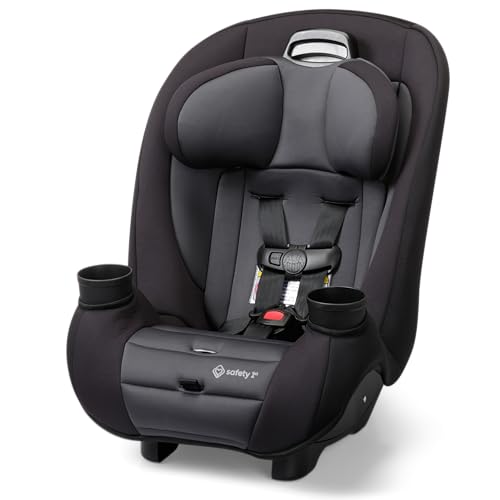
At under $100, the Safety 1st Ellaris is one of the most compelling budget 3-in-1 seats on the market. It covers rear-facing (5–40 lbs) and forward-facing (30–65 lbs), so it’s not quite as long-ranging as the Graco TriRide, but it’s a solid workhorse for early years. The slim design helps in tighter cars, and the airplane-ready build makes it a favorite for travel. Owners praise the machine-washable pad and easy LATCH setup.
It doesn’t have the 10-position headrest or deep recline of higher-end models, and the side-impact protection is basic. But for families on a budget or those needing a second seat for grandparents’ cars, it’s a no-frills winner. I’d recommend it over the Tranzitions if you need rear-facing and want to save.
Video review
Graco TriRide 3-in-1 Reclining Car Seat

Strengths
- 3-in-1 flexibility
- Smooth harness adjustment
- Good recline options
Trade-offs
- Bulky in smaller cars
- Heavier than some
- Limited portability
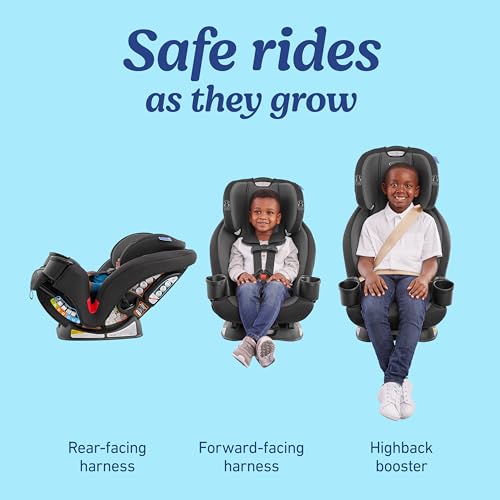
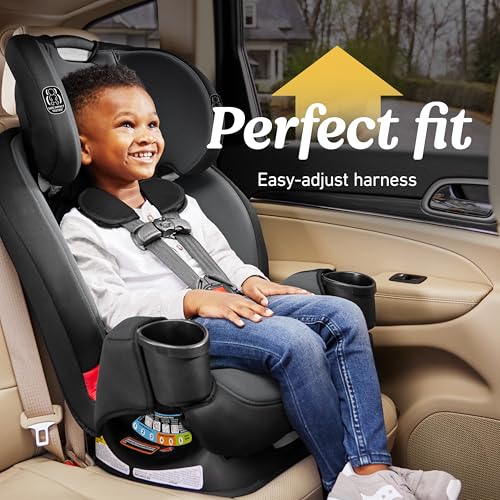
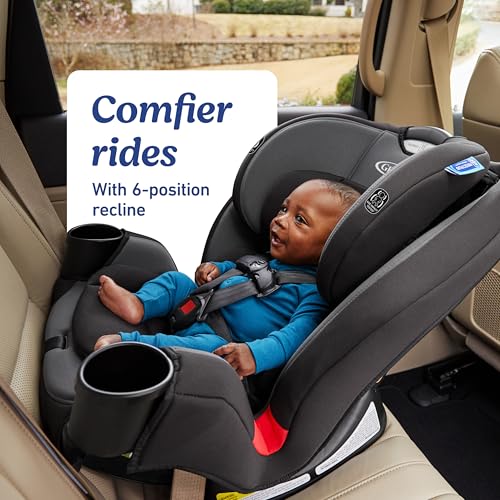
The Graco TriRide packs serious versatility into one seat, covering rear-facing, forward-facing, and highback booster stages with a single unit. On paper, it’s built for the long haul, supporting kids from infancy (5 lbs) all the way to 100 lbs. The 10-position headrest and No-Rethread harness system make adjustments quick, which is a real win for parents juggling growing kids. Owners consistently report it’s easy to install and stays secure, even in compact back seats.
Where it stands out is in rear-facing comfort, thanks to the 6-position recline. For families who prioritize extended rear-facing use, this is a solid bridge from infant seat to booster. Compared to the Tranzitions, it offers earlier rear-facing support, but it’s bulkier than some. Still, if you want one seat that truly does it all, the TriRide earns its keep.
Product photos
Graco Tranzitions 3-in-1 Harness Booster

Strengths
- Lightweight and portable
- Easy headrest adjustment
- Converts to backless booster
Trade-offs
- No rear-facing mode
- Narrower weight overlap
- Less recline flexibility
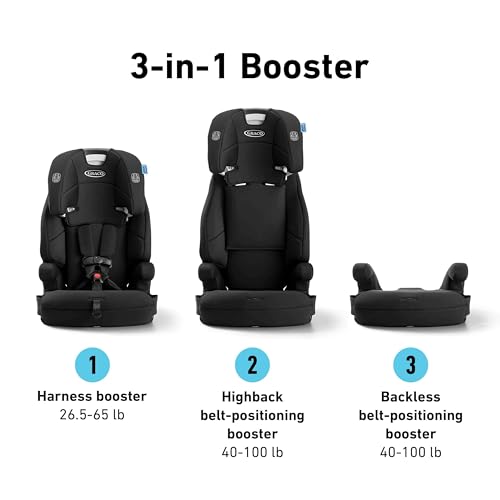
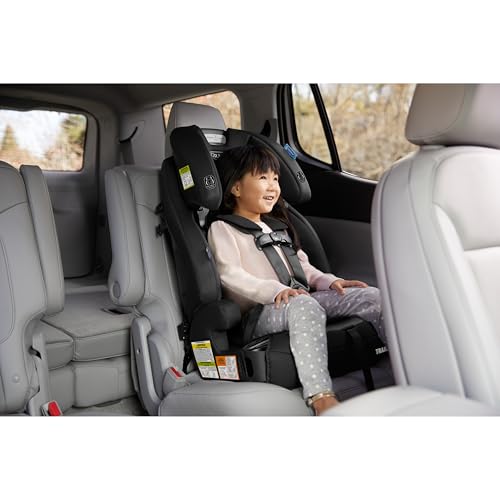
The Tranzitions skips the rear-facing stage but makes up for it with smart design for older toddlers and school-aged kids. It starts at 26.5 lbs forward-facing and transitions smoothly into a backless booster, giving parents a long service life. The 9-position headrest adjusts with one hand, and the lightweight build is a real perk for carpool duty or second vehicles. Reviewers note it’s a favorite for kids who hate being confined, the backless mode feels more grown-up.
Compared to the TriRide, it’s less of a cradle-to-booster solution but more practical for families who already have an infant seat. The Graco ProtectPlus engineering is here, but it doesn’t offer the same rear-facing legroom as the Extend2Fit. Still, for its class, it’s one of the more travel-friendly 3-in-1s.
Product photos


Graco TurboBooster 2.0 Highback Seat
Strengths
- Converts to backless
- Adjustable armrests
- Good head support
Trade-offs
- Wider than slim models
- Cup holders take up space
- Not for 3-across setups
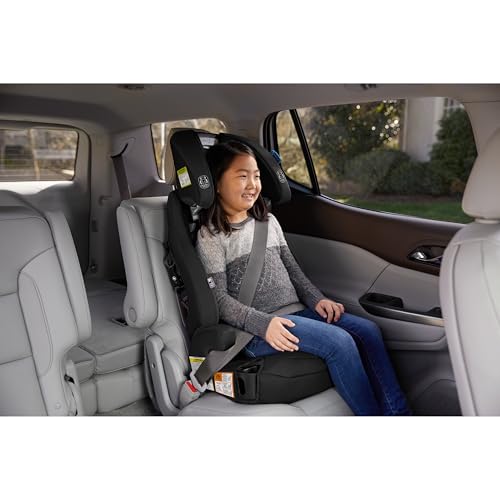
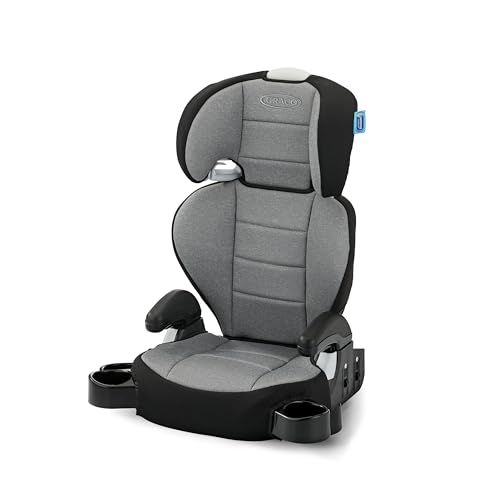
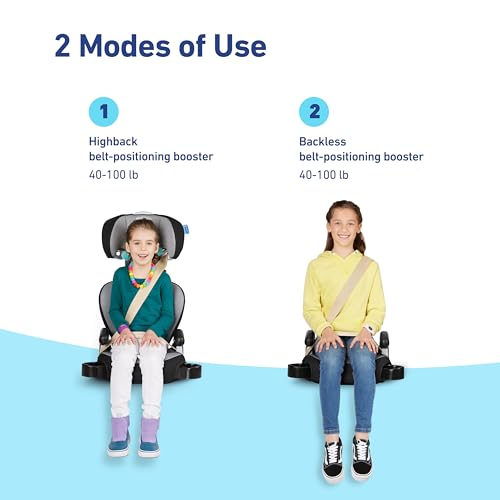
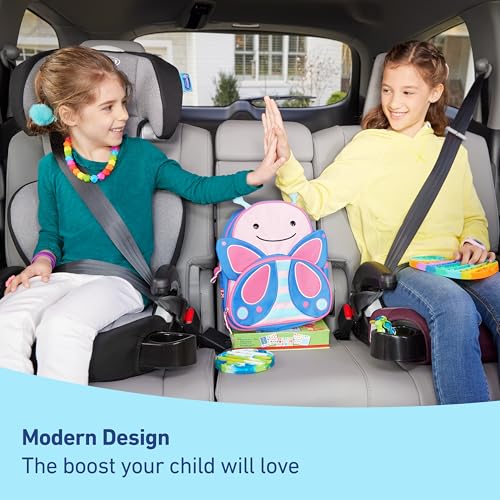
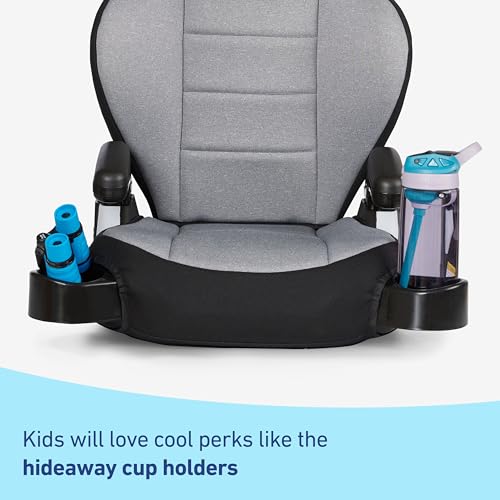
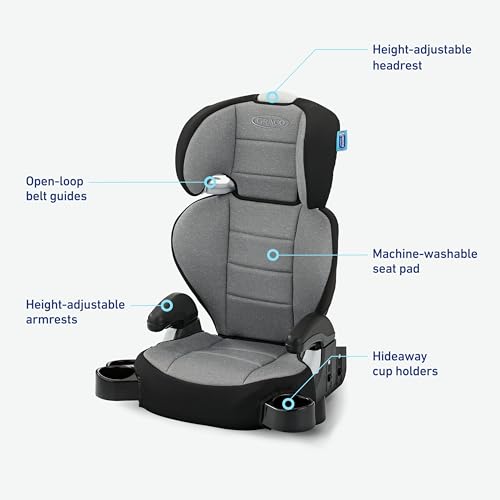
This is the more complete version of the backless TurboBooster, same solid Graco build, but now with a highback for head and neck support. The 2-in-1 design lets it convert to backless when your kid is ready, so it lasts longer. The open-loop belt guides make self-buckling easier, and the height-adjustable armrests are a small touch that kids appreciate. At $70, it’s not the cheapest, but it’s one of the best-value highback boosters with real safety testing behind it.
Owners consistently report it’s easy to move between cars and stays comfortable on longer drives. Compared to the Safety 1st Grand, it offers better side support and a more secure fit. I’d pick this over the backless model if your child still leans or sleeps in the car.
Product photos
Graco TurboBooster 2.0 Backless Seat

Strengths
- Very affordable
- Compact and lightweight
- Easy to clean
Trade-offs
- No head or side support
- Not for small or sleeping kids
- Basic belt guidance
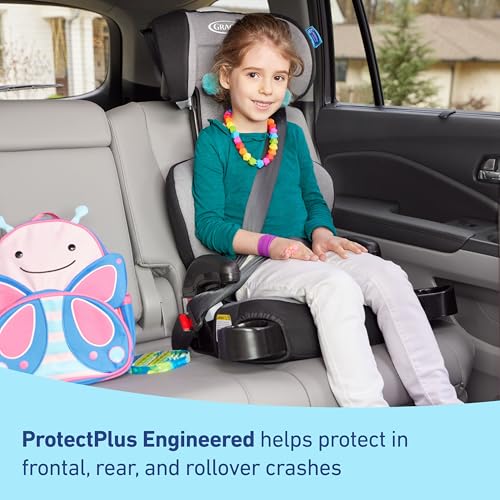
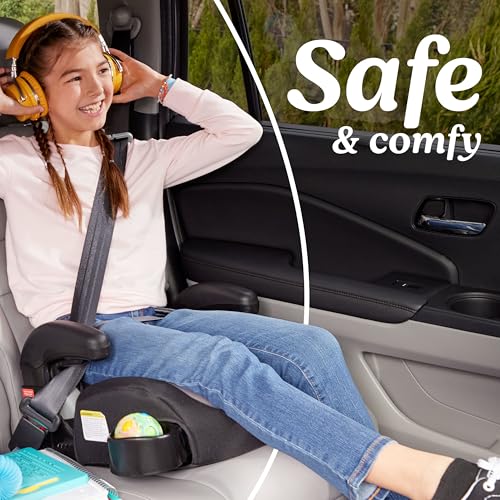
The TurboBooster 2.0 backless is about as no-nonsense as a booster gets, and that’s its strength. At under $40, it’s one of the cheapest ways to get a Graco-branded booster with real safety credentials. It supports kids 40–100 lbs and up to 57 inches, and the ProtectPlus engineering means it’s not just a glorified cushion. The hide-away cup holders and machine-washable pad add practicality, and the low profile fits easily in most cars.
But it’s just a backless booster, no harness, no highback, no frills. Owners say it’s great for older kids who just need a lift for proper seat belt fit. Compared to the highback TurboBooster, it’s less supportive for naps or long rides. But if you’re looking for a bare-bones, reliable booster for occasional use or a second car, this is the smarter buy.
Product photos


Safety 1st Grand 2-in-1 Booster Seat
Strengths
- Slim for 3-across fit
- Easy to clean
- Affordable price
Trade-offs
- No harness mode
- Basic side-impact protection
- Fewer adjustment options
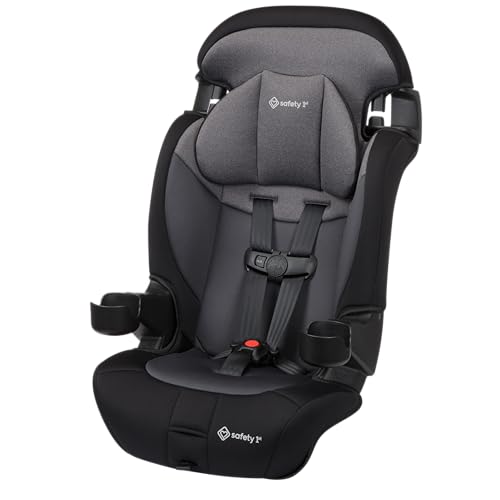
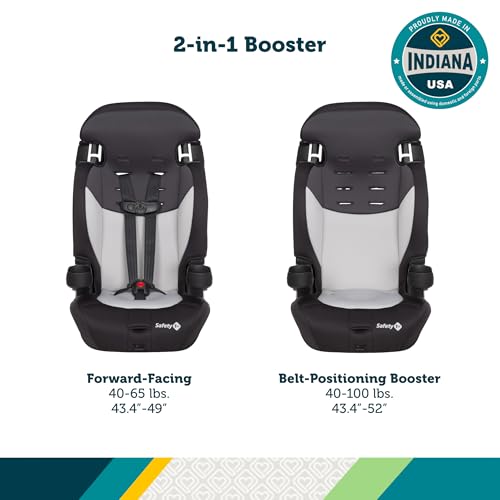
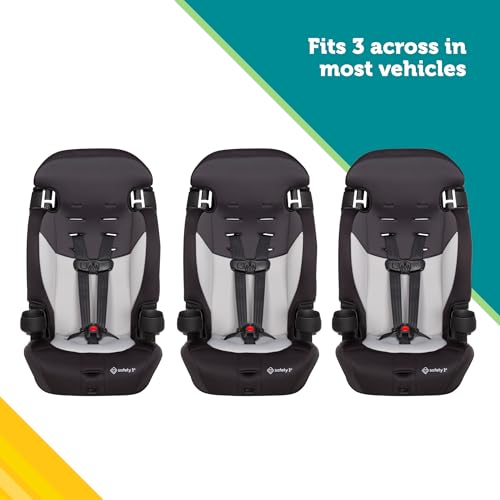
If you’re trying to squeeze three car seats across a back bench, the Safety 1st Grand is worth a hard look. Its slim design is the real standout, owners confirm it fits where bulkier Graco models struggle. It’s strictly a booster, starting at 40 lbs, so it’s not for younger kids, but that also means it’s focused on the school-age rider. The transition from highback to belt-positioning booster is straightforward, and the machine-washable pad is a win for messy commutes.
It lacks the harness stage of 3-in-1s like the Tranzitions, but for a budget-friendly booster that prioritizes fit and function, it delivers. It doesn’t have the crash-test depth of Graco’s ProtectPlus, but it meets federal standards. I’d pick this over pricier options if space is tight and you’re past the harness phase.
Product photos
How We Chose These car seats for 35 lbs and up
Rather than a hands-on lab test, my research for TheAutoZenith focused on a detailed comparison of published specifications and features across numerous models. I weighed owner reviews from major retailers alongside assessments from trusted automotive safety experts. As someone who’s spent years understanding vehicle safety systems, I then ranked these car seats based on what matters most for children in this weight class – a range where transitioning between seat types is common.
For car seats accommodating a 35-pound child and up, safety and longevity were paramount. I prioritized models offering extended rear-facing capabilities, as that position provides the best protection. Beyond that, ease of adjustment – especially the no-rethread harness systems – significantly impacted rankings. A car seat that’s difficult to modify as a child grows isn’t practical for long-term use. You can find more options for slightly older children in our guide to the 40 lb seats.
Specifications reliably indicate a seat’s weight and height limits, as well as the presence of side-impact protection. However, real-world usability and build quality are best gleaned from owner feedback. I paid close attention to comments regarding installation difficulty, fabric durability, and how well the seat fits in various vehicles. For those looking specifically at the next stage, we also have a guide to the best forward-facing seats.
What To Look For In car seats for 35 lbs and up
Finding the right car seat for a child who’s outgrown infant seats can feel overwhelming. It’s not simply about meeting a weight minimum; it’s about understanding how these seats evolve with your growing child and prioritizing continued safety.
A good car seat in this weight class prioritizes a high weight limit for both harnessed and booster modes, a robust safety engineering package (look beyond basic compliance), and adjustability to ensure a secure fit throughout multiple growth stages. Check that the seat offers straightforward installation and a harness system that’s easy to manage.
Harness vs. Booster: Knowing the Stages
The biggest decision you’ll face is whether you need a harnessed seat or a booster. Many seats now offer both, transitioning from a 5-point harness to a high-back or backless booster as your child grows. However, don’t rush the booster stage. Children are safest in a harness for as long as possible, ideally until they’ve reached the maximum height and weight limits of their seat. I often recommend looking at convertible options like the Graco Extend2Fit, which allows for extended rear-facing and a higher forward-facing harness limit, delaying the need to switch to a booster.
Understanding Safety Standards and Engineering
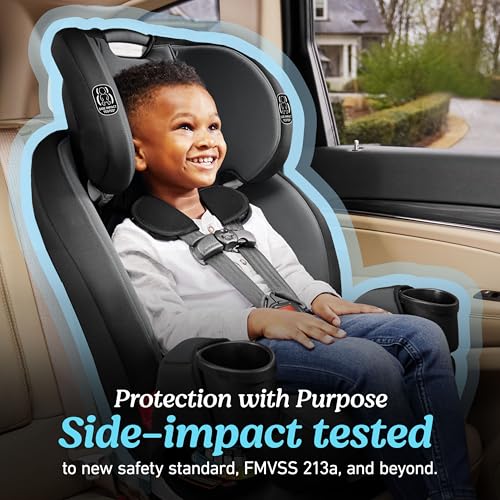
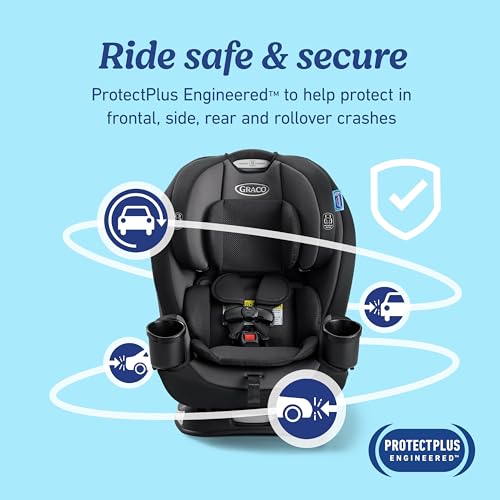
“Meets safety standards” isn’t enough these days. Look for seats that go beyond minimum requirements. Graco’s “ProtectPlus Engineered” is a good example of a brand emphasizing side impact and rollover testing beyond federal regulations. Consider the seat’s shell construction, too. A steel-reinforced frame generally offers superior protection compared to purely plastic construction. This is especially important if you’re also considering car seats for 30 lbs where a wider range of weights and ages are accommodated.
- Side Impact Protection: This is often an overlooked feature, yet a significant portion of accidents involve side impacts. Look for seats with deep side wings and energy-absorbing foam.
- Harness Adjustments: A no-rethread harness system (like those found on many Graco models) is a huge convenience, allowing you to adjust the harness height simultaneously with the headrest.
- Crash Test Data: While manufacturers aren’t required to publicly release detailed crash test results, look for statements about exceeding standards and additional testing protocols.
A properly installed car seat is only as good as its fit. Don’t assume a seat will work in your vehicle. Always check the manufacturer’s fit guide and, if possible, try installing the seat in your car before purchasing.
Prioritizing Convenience and Fit
Beyond safety, consider your lifestyle. Do you frequently travel? A lightweight, airplane-ready seat like the Safety 1st Ellaris might be a good choice. Do you need to fit three car seats across the back? The Safety 1st Grand 2-in-1 is designed with a slimmer profile for that purpose. And, of course, think about ease of cleaning – machine-washable seat pads are a lifesaver, especially if you’re also navigating the world of toddler seats. Remember that the best seat isn’t the most expensive one; it’s the one that fits your child, your vehicle, and your needs the best.
Car Seats for 35 lbs and Up Compared
Here’s a comparison of key specifications to help you choose the right car seat for children weighing 35 pounds and up.
| Product Title | Min Harness Weight (lbs) | Max Harness Weight (lbs) | Min Booster Weight (lbs) | Max Booster Weight (lbs) | Modes |
|---|---|---|---|---|---|
| Graco Extend2Fit Convertible | 4 | 65 | N/A | N/A | Rear/Forward |
| Safety 1st Ellaris 3-in-1 | 5 | 65 | 30 | 65 | Rear/Forward |
| Graco TriRide 3-in-1 | 5 | 65 | 40 | 100 | Rear/Forward/Booster |
| Graco Tranzitions 3-in-1 | 26.5 | 65 | 40 | 100 | Forward/Booster |
| Graco TurboBooster 2.0 Highback | N/A | N/A | 40 | 100 | Highback/Booster |
| Graco TurboBooster 2.0 Backless | N/A | N/A | 40 | 100 | Backless Booster |
| Safety 1st Grand 2-in-1 Booster | 40 | 65 | 40 | 100 | Harness/Booster |
Frequently Asked Questions
What’s the biggest advantage of an extended rear-facing car seat?
Extended rear-facing offers superior protection because it distributes crash forces across a larger area of the child’s body, and keeps the head, neck, and spine better supported. Many parents don’t realize some convertible seats allow rear-facing up to 65 pounds.
Are all “no-rethread” harness systems the same quality?
No, the implementation varies. Some no-rethread systems require more effort to adjust than others, and the overall quality of the harness components themselves matters significantly. Look for harnesses with robust buckles and clearly marked adjustment points.
How can I be sure a car seat will fit in my vehicle?
Always check the car seat manufacturer’s fit guide on their website, specifying your vehicle’s make, model, and year. Beyond that, ideally, you should try installing the seat in your car before purchasing to confirm a secure fit.
At what point should I transition my child from a harness to a booster seat?
Delay the transition to a booster as long as possible. Your child is safest in a harnessed seat until they reach the maximum height and weight limits of their current seat, even if they exhibit behavioral resistance. Many 5-point harness seats accommodate children well into the school age years.
What should I do if I’m unsure which seat is best for my 2 year old?
Considering your child’s age and weight, you should review options specifically designed for toddlers. There are many excellent seats for 2 year olds that prioritize safety and comfort during this crucial developmental stage.
The Bottom Line
Choosing a car seat always comes down to balancing peace of mind with practicality. While top-tier engineering and features are valuable, the best seat is the one you’ll consistently and correctly use. For overall excellence and a long lifespan, the Graco Extend2Fit Convertible stands out; its extended rear-facing capability and high forward-facing harness limit make it a smart investment for continued safety.
If budget is a primary concern, the Safety 1st Ellaris 3-in-1 provides a solid set of features at a more accessible price point. For families needing a narrow fit to accommodate multiple passengers, the Safety 1st Grand 2-in-1 Booster is specifically designed for that challenge. And for parents looking ahead to the next stage, don’t hesitate to explore options like the 25 lb seats as you plan for future transitions.
Ultimately, the numbers – weight limits, dimensions, crash test ratings – are important, but they tell only part of the story. Prioritize a secure installation, a comfortable fit for your child, and a seat that aligns with your family’s lifestyle. A well-chosen and properly used car seat is the foundation of safe travels, and that’s what truly matters, especially as your little one continues to grow and potentially needs seats for 3 year olds.
