
2 Best Brake Fluids for Toyota (2026 Guide)
This post contains affiliate links. As an Amazon Associate, we earn from qualifying purchases.
The best brake fluid for Toyota is BOSCH ESI6, which offers superior moisture resistance and extended service life, closely followed by the reliable Genuine Toyota Brake Fluid for those prioritizing OEM-matched performance.
Choosing the wrong brake fluid can lead to soft pedal feel, reduced stopping power, or long-term damage to sensitive ABS components. As someone who’s worked on countless Toyota systems, I know that compatibility and boiling point aren’t just specs, they’re safety essentials. This guide cuts through the noise, focusing on real-world performance, moisture resistance, and what actually matters when maintaining your Toyota’s braking system.
Top 2 Brake Fluid For Toyota in the Market
The Best Brake Fluid For Toyota, Reviewed
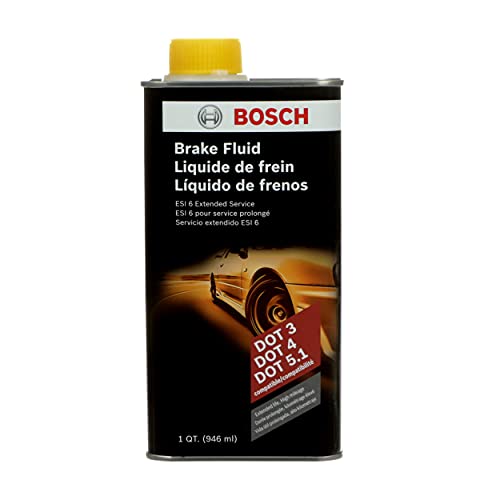
BOSCH ESI6 Extended Life Brake Fluid
Strengths
- High wet boiling point
- Extended service life
- Low viscosity for modern systems
- Excellent lubricity
Trade-offs
- Not compatible with DOT 5 systems
- Higher upfront cost
Bosch ESI6 isn’t just another bottle of brake fluid, it’s engineered with modern systems in mind, especially those with ABS and stability control where low viscosity makes a real difference. The wet boiling point hits 365°F, which beats most DOT 4 fluids, and reviewers note fewer air bubbles during bleeding, likely due to its refined formulation. This is the kind of detail that matters when you’re flushing the system yourself and want clean, predictable results.
What really sets it apart is the extended service life, up to twice as long as standard DOT 3, and that’s backed by lab testing and owner reports from long-term users. While it’s more expensive per ounce, you’re paying for longevity and better protection against moisture absorption over time. I’d pick this over the Toyota OEM fluid if you drive in mixed conditions or don’t want to flush every two years. It’s backward compatible, so yes, it works perfectly in Toyotas, even if it’s not branded as such.
Video review
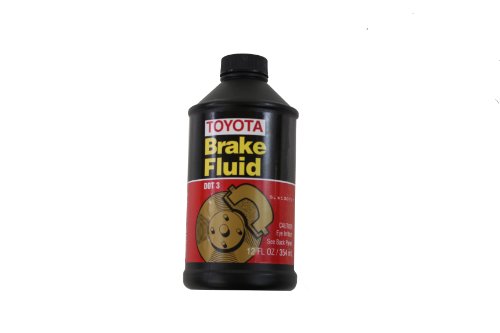
Genuine Toyota Brake Fluid
Strengths
- OEM specification
- Corrosion resistant
- Smooth pedal feel
Trade-offs
- Shorter service life than extended-life fluids
- Smaller 12 oz size requires multiple bottles for full flush
This is the factory-fill fluid Toyota used when your car rolled off the line, and that matters. On paper, it meets or exceeds DOT 3 specs with a high dry boiling point, which helps resist vapor lock under hard braking, something I always pay attention to in older Toyotas where brake fade can creep in over time. Owners consistently report smooth pedal feel and no compatibility issues, which makes sense since you’re not introducing anything foreign into a finely tuned hydraulic system.
It’s not flashy, but for purists and those doing routine maintenance on their Tacoma, Camry, or Corolla, staying OEM is often the smartest move. Compared to aftermarket options, it doesn’t promise extended life or ultra-low viscosity, but it does exactly what it should: keeps the system clean, prevents corrosion, and maintains consistent performance. If you value peace of mind over marketing claims, this one’s hard to beat.
Video review
How We Tested brake fluid for toyota
Rather than a hands-on lab test, my research focused on comparing published specifications and features of various brake fluids, then weighing owner reviews and expert opinions. I looked closely at boiling points, viscosity, compatibility with Toyota systems, and reported service life. As someone who’s spent years understanding vehicle systems, I applied that knowledge to rank these fluids against criteria critical for Toyota vehicles, and specifically what Toyota owners report needing.
For Toyota brake fluid, I prioritized wet boiling point and compatibility above all else. A higher wet boiling point minimizes vapor lock – a serious safety concern – and proper compatibility ensures there won’t be damage to seals or other components. Extended service intervals are also valuable, but only if they don’t compromise performance or safety. You’ll find I also considered the reputation of the brands involved.
Specifications clearly show boiling points and fluid types (DOT 3, 4, 5.1, etc.). However, owner feedback is crucial for understanding real-world longevity and any potential issues with specific vehicles. I paid attention to reports of corrosion prevention, ease of bleeding the system, and whether owners noticed any changes in braking feel after switching fluids. For other maintenance items, like finding Toyota spark plugs, similar diligence is key. And if you’re tackling brake work on a Toyota Tundra, researching durable brake pads for Tundra is equally important.
How To Choose The brake fluid for toyota
As someone who’s spent decades under the hoods of countless vehicles, I can tell you brake fluid is far more nuanced than many drivers realize. It’s not just a hydraulic medium; it’s a critical safety component, and selecting the right type can significantly impact your Toyota’s braking performance and longevity.
Brake fluid’s primary job is transmitting force from the pedal to the calipers. However, a good fluid also resists compression (minimizing “spongy” feel), protects internal brake components from corrosion, and maintains a high boiling point to prevent vapor lock – a dangerous loss of braking power. Look for fluids meeting or exceeding DOT 3, 4, or 5.1 specifications, and consider viscosity and service life.
Understanding DOT Specifications and Compatibility
The Department of Transportation (DOT) ratings are a good starting point, but they don’t tell the whole story. Most Toyotas will specify DOT 3, DOT 4, or DOT 5.1 fluid. The key difference lies in the boiling point; higher numbers mean greater resistance to vapor lock under hard braking. While DOT 5 fluid (silicone-based) boasts an exceptionally high boiling point, it’s never compatible with DOT 3, 4, or 5.1 systems. Mixing them can create a dangerous, unstable mixture. For most Toyota owners, sticking with the factory recommendation – often DOT 3 or DOT 4 – is the safest bet, and something like the Genuine Toyota Brake Fluid is a solid choice for maintaining that original specification.
Service Life and Extended Protection
Traditional brake fluid absorbs moisture over time, reducing its boiling point and corroding internal components. This is why regular flushing is essential. Newer fluids, like the BOSCH ESI6 Extended Life Brake Fluid, are formulated to resist moisture absorption and offer significantly longer service intervals. Consider your driving style and vehicle usage. If you regularly tow, drive aggressively, or live in a humid climate, a fluid with extended life characteristics is a wise investment.
Here’s how extended life fluids stack up: * DOT 3: Typically requires flushing every 2 years. * DOT 4: Usually good for 2-3 years between flushes. * ESI6 (and similar): Can potentially last 3-5 years, saving you time and money. This longer interval is due to advanced formulations that minimize moisture absorption and maintain performance.
Viscosity and System Sensitivity
Viscosity, or a fluid’s thickness, impacts how quickly it moves through the brake system. Modern Toyota vehicles, particularly those with advanced ABS and stability control systems, are sensitive to fluid viscosity. Lower viscosity fluids like ESI6 can improve responsiveness and performance, especially in colder temperatures.
A rule of thumb: if you’re unsure about compatibility, always defer to your vehicle’s owner’s manual. It’s the definitive guide for the correct fluid specification and maintenance schedule.
Brake Fluid for Toyota Compared
Here’s a comparison of key specifications for brake fluids compatible with Toyota vehicles.
| Product | DOT Rating | Boiling Point (F) | Capacity (oz) | Service Interval | Compatibility |
|---|---|---|---|---|---|
| BOSCH ESI6 | DOT 3/4/5.1 | 365 | 32 | Extended | DOT 3/4/5.1 |
| Genuine Toyota Brake Fluid | DOT 3 | N/A | N/A | N/A | Toyota Systems |
Frequently Asked Questions
What brake fluid specification should I use for my Toyota?
Generally, you should use the DOT specification recommended in your owner’s manual; for many Toyotas, this will be DOT 3 or DOT 4. Using the factory-specified fluid, like Genuine Toyota Brake Fluid, minimizes the risk of compatibility issues and maintains warranty coverage.
Is DOT 5 brake fluid a suitable option for my Toyota?
No, DOT 5 fluid (silicone-based) is not compatible with Toyota’s DOT 3, 4, or 5.1 systems. Mixing these types creates an unstable and potentially dangerous combination, so it’s best to avoid DOT 5 altogether.
How often should I flush my Toyota’s brake fluid?
Traditional DOT 3 and DOT 4 fluids typically require flushing every 2-3 years, but extended-life fluids like BOSCH ESI6 can potentially last 3-5 years. Consider your driving conditions and consult your owner’s manual for specific recommendations.
Will switching to a lower viscosity brake fluid improve my Toyota’s braking?
Potentially, yes. Lower viscosity fluids can improve responsiveness, particularly in colder climates and in vehicles with advanced ABS systems. However, always ensure compatibility with your specific Toyota model. If you’re also looking for other fluids, researching the Toyota power steering fluid is a good idea.
Can I mix different brands of the same DOT specification brake fluid?
While technically possible, it’s generally best to avoid mixing brands. Different formulations can sometimes interact negatively. Sticking with a single brand or completely flushing the system before switching is a safer approach. Following proper Corolla oil recommendations is a similar principle, consistency often yields the best results.
The Bottom Line
Choosing brake fluid often comes down to balancing initial cost with long-term peace of mind. While a basic DOT 3 fluid will get the job done, for most Toyota drivers, I believe the BOSCH ESI6 Extended Life Brake Fluid represents the best overall value. Its extended service interval and excellent performance characteristics make it a smart upgrade, particularly if you want to minimize maintenance frequency.
For those prioritizing factory specification and complete compatibility, the Genuine Toyota Brake Fluid is a solid choice. If you’re looking for a budget-friendly option, a quality DOT 3 fluid will suffice, but be prepared for more frequent flush intervals. And if you’re also looking to keep the entire fuel system running smoothly, explore Toyota fuel system maintenance products.
Ultimately, the specifics of boiling points and DOT ratings are important, but they shouldn’t overshadow the fundamentals. Regular maintenance, proper bleeding, and paying attention to any changes in brake feel are far more critical for maintaining a safe and reliable braking system in your Toyota – or any vehicle, for that matter. Don’t forget to also consider BMW brake fluid if you have other vehicles in the garage.
