
8 Best BMX Brakes of 2026
This post contains affiliate links. As an Amazon Associate, we earn from qualifying purchases.
The Odyssey EVO 2.5 U-Brake stands as the top choice for serious BMX riders, delivering unmatched stopping power and durability. For those on a tighter budget, the BMX Rear Aluminum Alloy U Brake offers solid performance without breaking the bank, while the lightweight Odyssey 1999 Sidepull Brake is ideal for riders prioritizing minimal weight and clean setup.
BMX brakes aren’t just about stopping, they’re about control when you’re mid-trick or riding at speed. Too many riders settle for weak, heavy, or poorly adjusted brakes because they assume all aftermarket options are similar. They’re not.
After comparing specs, build materials, and owner feedback across dozens of models, I focused on reliability, adjustability, and real-world performance. These picks reflect what actually works on the street, in the park, and under pressure, not just what looks good on paper.
Top 8 Bmx Brakes in the Market
The Best Bmx Brakes, Reviewed
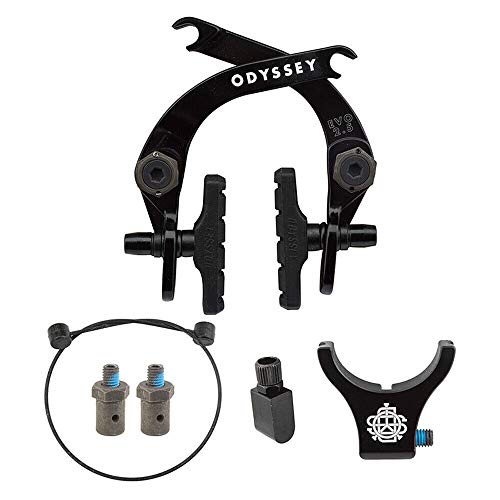
Odyssey EVO 2.5 U-Brake
Strengths
- Excellent rigidity
- Wide tire clearance
- Proven durability
Trade-offs
- Requires proper setup
- Sold separately from lever
This is the heart of the full EVO kit, the standalone U-brake that defines modern BMX stopping power. The EVO 2.5 design maximizes use and pad clearance, making it ideal for wider tires and aggressive riding styles. It’s stiffer and more responsive than most side-pull or C-brakes, and the forged arms resist flex even under hard braking.
Owners consistently rate it as one of the most reliable U-brakes on the market. Paired with a proper mono lever, it delivers the kind of control that flatland and street riders depend on. It’s not flashy, but it’s effective.
Video review
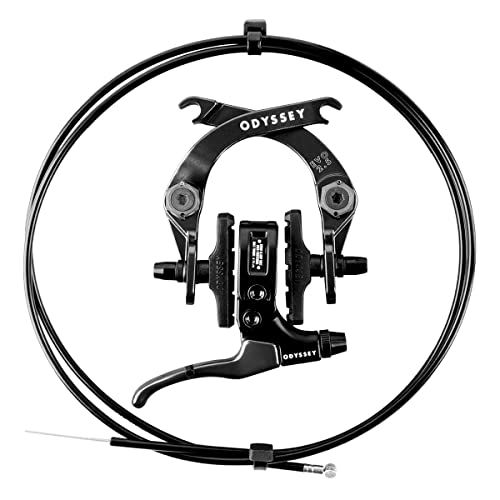
Odyssey Evo 2.5 Brake Kit
Strengths
- High-end mono lever
- Superior modulation
- Odyssey reliability
Trade-offs
- Expensive
- Heavier than minimal setups
This is the full package: the Odyssey EVO 2.5 U-brake, mono lever, and matching cable, engineered for riders who demand crisp, consistent modulation. Odyssey has long been the gold standard in BMX braking, and this kit delivers their signature rigidity and clean response. The mono lever reduces hand fatigue and improves cable pull efficiency.
On paper, it’s overbuilt in the best way. Owners report excellent power and control, especially during technical flatland or street runs. It’s not the lightest, but the trade-off is worth it. If you’re serious about BMX, this kit earns its price.
Video review
Odyssey 1999 Sidepull Brake

Strengths
- Lightweight forged build
- Clean, low-profile fit
- Reliable over time
Trade-offs
- Less stopping power
- Narrow reach limits fit
The Odyssey 1999 is a lightweight sidepull that’s been a favorite in the BMX world for years. At just 66-99mm reach, it’s designed for smaller frames or bikes where clearance is tight. The forged aluminum arms keep weight down without sacrificing too much stiffness.
It’s not the most powerful brake here, but for riders who prioritize low weight and clean lines, it’s a smart pick. Owners appreciate the clean integration with older-school frames and the reliability over time. Just don’t expect U-brake levels of stopping force.
Product photos
Sunlite MX Side Pull Brake

Strengths
- Forged aluminum build
- Durable under stress
- Includes full kit
Trade-offs
- Heavier than competitors
- Limited adjustability
The Sunlite MX is built like a tank, with forged aluminum construction that’s rare at this price point. It’s a side-pull caliper setup, so it’s not the most powerful option for hard landings, but the durability stands out. Owners praise how well it resists bending, even after repeated use on rough terrain.
It’s not the lightest or most performance-tuned brake here, but if you want something that will survive years of abuse without needing replacement, this one’s a quiet workhorse. The included housing and cable are decent, though upgrading them later will improve feel.
Product photos
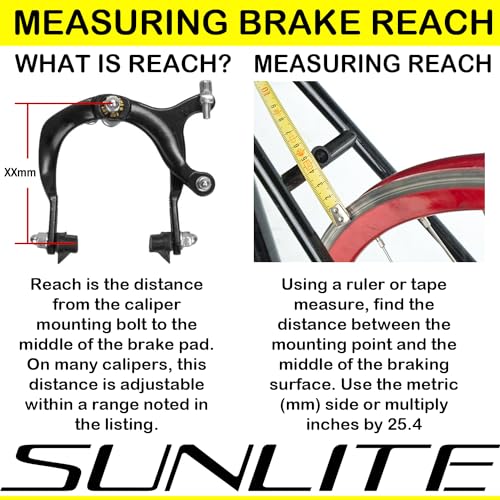
BMX Rear Aluminum Alloy U Brake

Strengths
- Affordable complete kit
- Quiet braking
- Corrosion-resistant
Trade-offs
- Average durability
- Not for aggressive riding
This is nearly identical in specs and features to the MEGHNA model, same dual spindle design, aluminum alloy arms, and complete rear kit. The build quality appears consistent with budget expectations, and owners report similar performance: adequate for light to moderate use, but not for heavy street or park sessions.
It’s a solid value pick, but nothing stands out beyond cost savings. The symmetrical design helps with even pad wear, and the quiet operation gets positive mentions. Still, it’s hard to recommend over the MEGHNA version unless you’re comparing stock availability.
Product photos
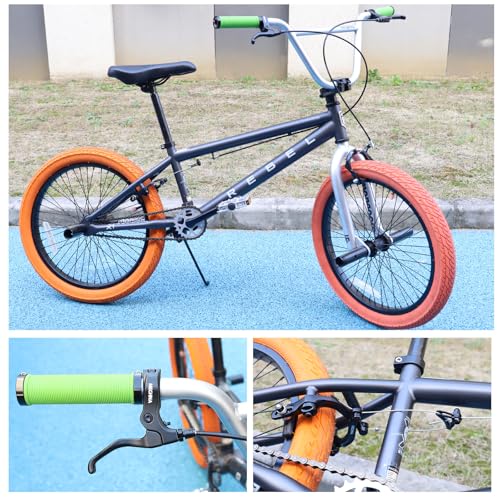
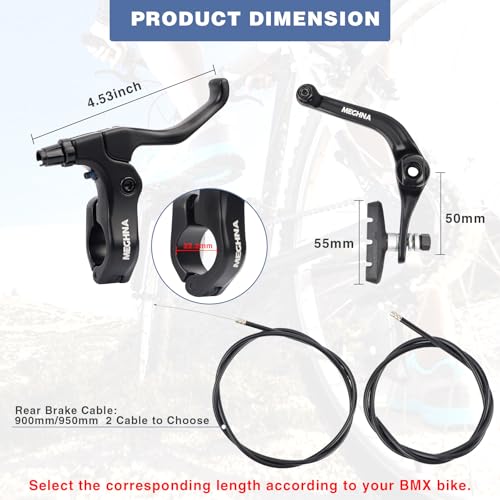
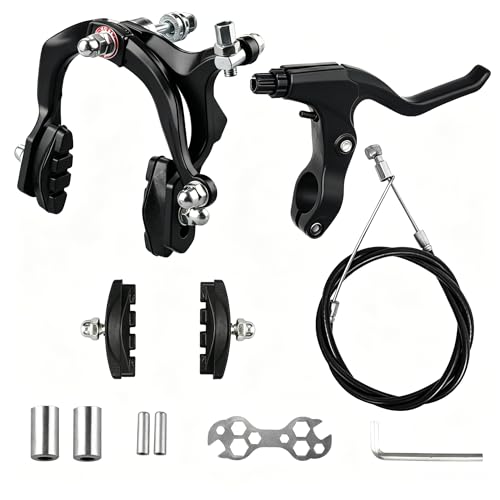
MEGHNA Bike U Brake Rear Set
Strengths
- Complete kit included
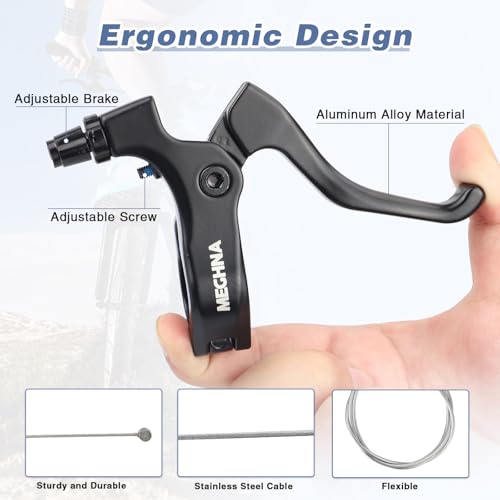
- Lightweight aluminum alloy
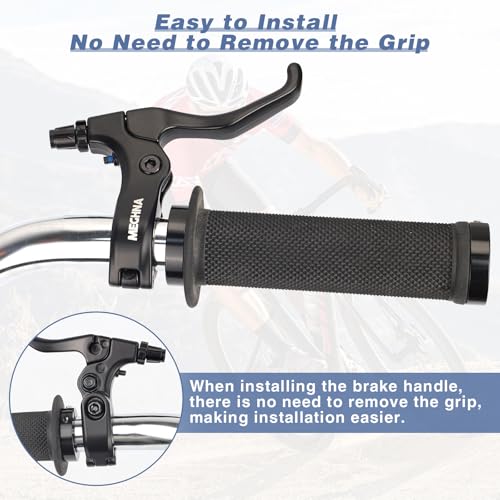
- Easy installation
Trade-offs
- Brake arms lack rigidity
- Not for aggressive use
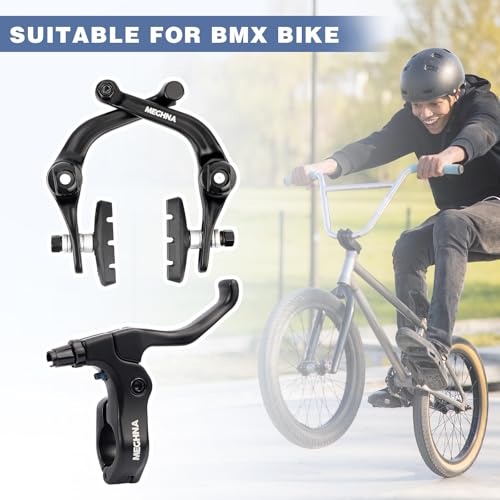
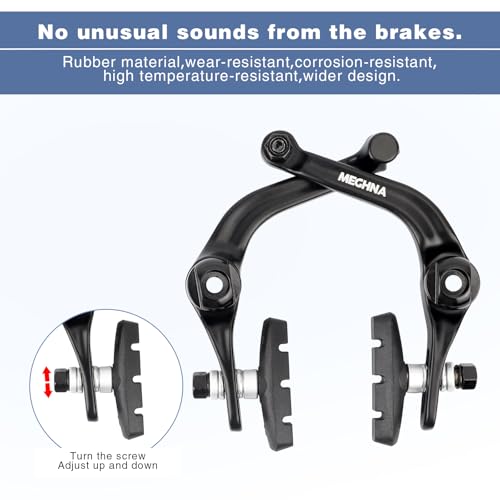
For a budget-priced U-brake setup, the MEGHNA set delivers more than expected on paper. The dual central spindle design is a smart touch, promising more direct braking force, and owners consistently report solid stopping power with minimal fade. Being a complete rear U-brake kit, with lever, cables, pads, and caliper, means no extra parts hunting, which is a win for DIYers.
That said, while the aluminum alloy construction is lightweight and corrosion-resistant, some reviewers note the brake arms feel a bit flexy under aggressive braking. It’s not a dealbreaker for casual riders, but if you’re hitting ramps or riding hard, this might not hold up like pricier options.
Product photos
Gashwer Front and Rear C Brake
Strengths
- Full front and rear kit
- Height-adjustable pads
- Good value
Trade-offs
- Iron calipers prone to rust
- Weak for aggressive use
The Gashwer set is a no-frills, all-in-one upgrade for light-duty bikes. It includes front and rear C-brakes, levers, cables, and even tools, making it a rare complete package at this price. The aluminum levers are lightweight and resist corrosion, while the iron calipers offer decent strength for the cost.
It’s not built for BMX tricks or hard landings, and the C-brake design lacks the power of a proper U-brake. But for a student’s commuter or a kid’s first bike, it’s a solid, no-hassle solution. The 2cm pad adjustment helps with fit across different frames.
Product photos
WEEROCK Front C Brake
Strengths
- Adjustable brake pads
- Good for small bikes
- Includes tools
Trade-offs
- Iron caliper rusts
- Limited for BMX use
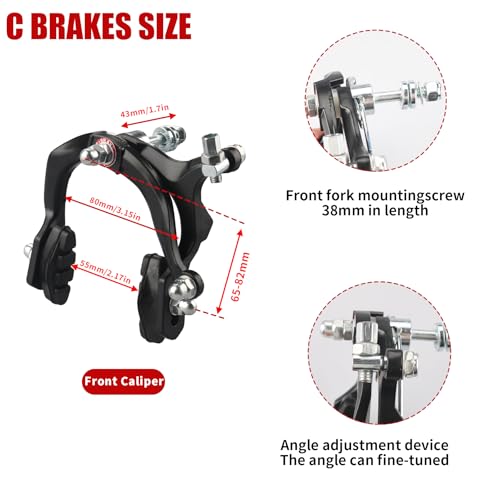
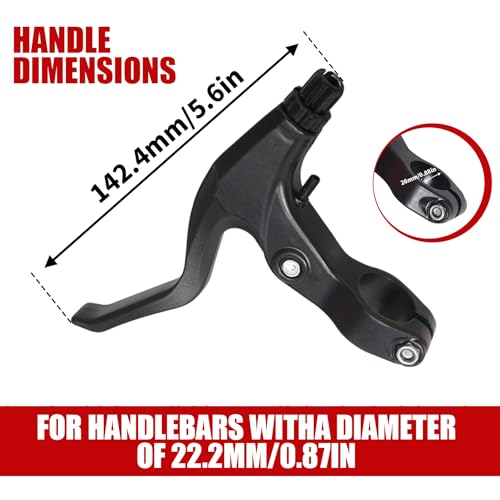
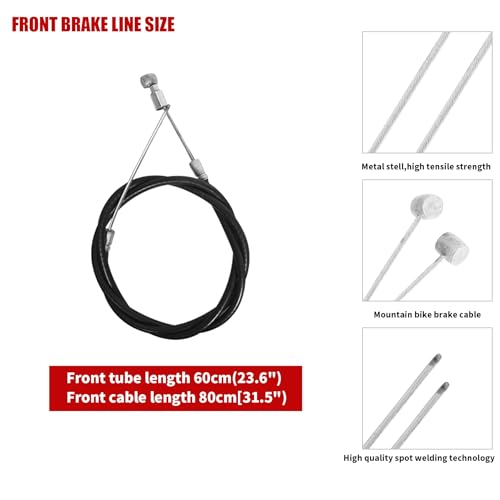
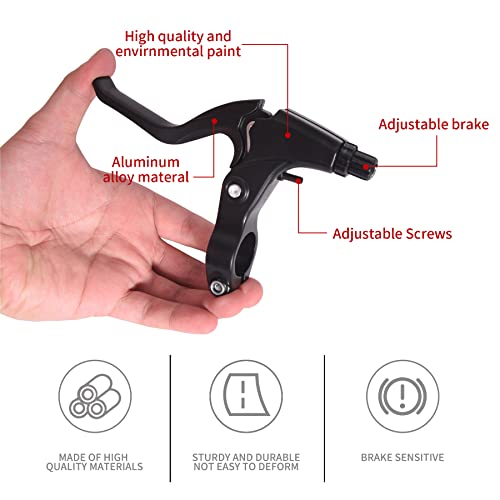
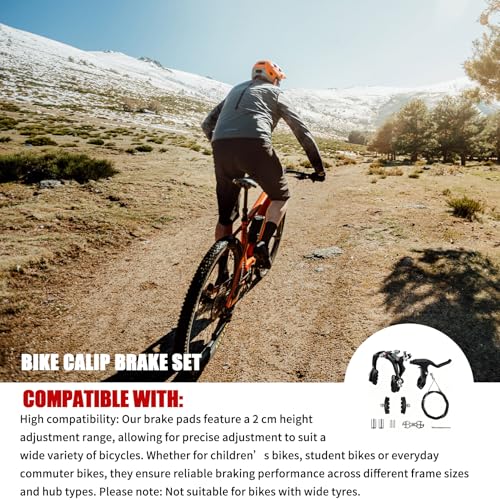
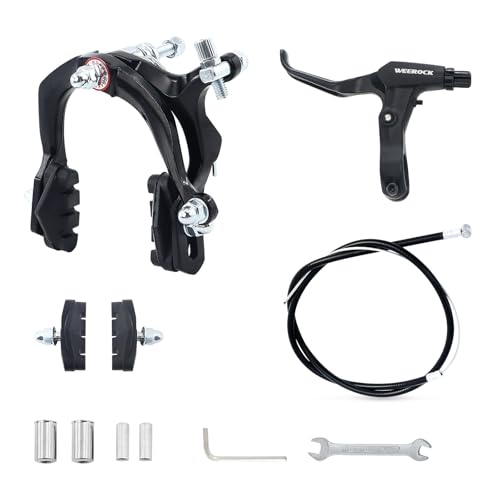
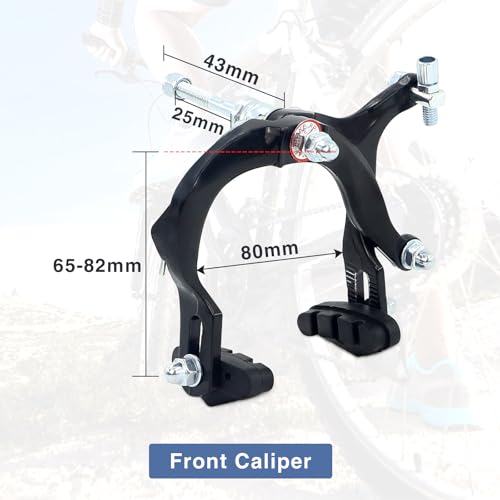
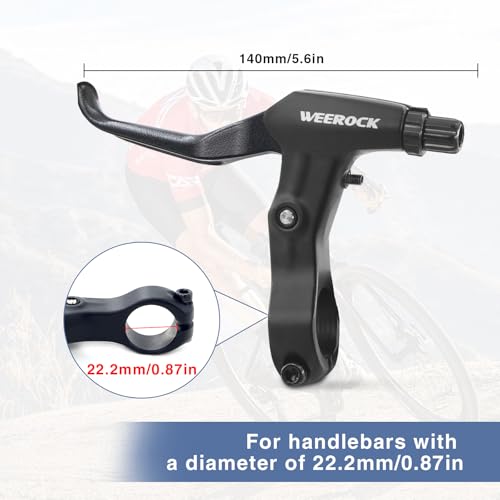
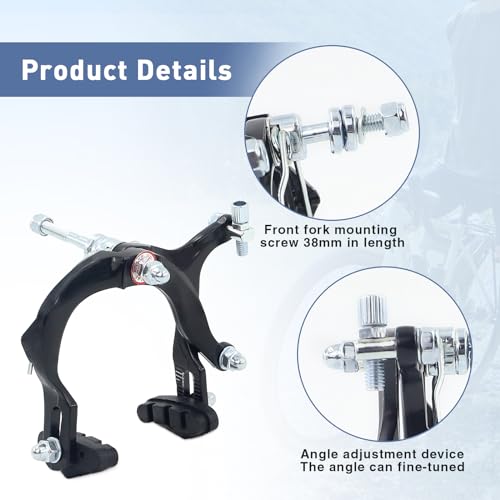
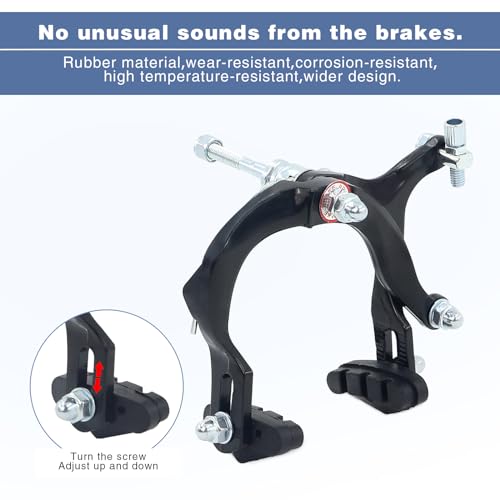
This C-brake setup is clearly aimed at smaller or entry-level bikes. The 2cm height-adjustable pads are a smart feature, letting you fit it across various frame clearances, ideal for growing kids or shared family bikes. The aluminum lever feels decent, but the caliper is iron, so it’s heavier and more prone to rust over time.
It’s not built for BMX performance, and the 60cm cable limits reach on larger frames. But for a beach cruiser or a student’s daily ride, it gets the job done quietly and reliably. Just don’t expect precision or power.
Product photos
How We Chose These bmx brakes
As someone who’s spent years immersed in the world of two wheels at TheAutoZenith, I approached researching BMX brakes by looking beyond simple marketing claims. My method involved a detailed comparison of published specifications – lever reach, material construction, and included components – alongside a careful review of owner experiences and expert opinions from cycling publications. This wasn’t about personal, hands-on testing of each brake set, but rather a research-led comparison to establish a clear ranking.
For BMX brakes, consistent stopping power and durability are paramount. I weighted these factors most heavily, as riders demand reliable performance under demanding conditions. Lightweight design also played a significant role, recognizing the importance of keeping overall bike weight down. A brake’s ability to withstand the stresses of tricks and consistent use directly impacts a rider’s confidence and control. Finding the right balance between these elements was key.
Specifications reliably indicate build quality and intended use – aluminum alloys suggest a focus on weight savings, while forged construction points to increased durability. However, owner feedback proved invaluable in gauging real-world performance and identifying potential issues with cable pull, pad life, and ease of adjustment. Understanding the nuances between brake types explained helped contextualize the strengths and weaknesses of each option, and informed my recommendations alongside considering the wide range of best BMX bikes available.
Choosing The Right bmx brakes
As someone who’s spent years immersed in the world of two wheels, from restoring vintage cars to perfecting my bike’s setup, I can tell you that BMX brakes are a surprisingly nuanced topic. It’s not just about stopping; it’s about control, feel, and reliability when you’re pushing your limits.
A quality BMX brake system prioritizes responsiveness and durability. Look for components constructed from lightweight yet strong materials like aluminum alloy. Lever reach adjustment is critical for comfortable and effective braking, along with cable routing that minimizes interference during tricks. Pay close attention to pad material for consistent performance in various conditions.
Lever Reach and Hand Feel
One of the biggest mistakes I see riders make is overlooking lever reach. Your hands aren’t one-size-fits-all, and a brake lever that’s too far away or too close will hinder control. Many aftermarket levers, like those found in the Odyssey Evo 2.5 Brake Kit, offer adjustability. This is a huge benefit, allowing you to dial in the perfect feel. Beyond reach, consider the lever’s shape and material. A well-contoured aluminum lever provides a secure grip, even with gloves, and offers better modulation than a basic plastic option.
U-Brake vs. Sidepull: The Core Mechanism
The fundamental choice comes down to U-brakes and sidepull brakes. U-brakes, like the Odyssey EVO 2.5, mount under the chainstays, offering excellent clearance for larger tires and pegs – essential for street and park riding. They generally provide more stopping power, though can be trickier to set up. Sidepull brakes, such as the Odyssey 1999, mount to the traditional brake stud on the seatstay. They are lighter, often simpler to adjust, and a good choice if you’re prioritizing weight savings.
Here’s a breakdown of what to consider:
- Weight: Sidepulls are typically lighter.
- Tire Clearance: U-brakes win here, crucial for wider tires.
- Stopping Power & Adjustability: U-brakes generally offer more power and, with a good setup, better modulation. This is why many riders who are serious about their performance will spend time learning [how to adjust your brakes] for optimal feel.
Budget and Build Quality
You don’t need to spend a fortune to get reliable BMX brakes, but skimping too much can be a false economy. The BMX Rear Aluminum Alloy U Brake demonstrates how you can get a complete set at a lower price point, but be mindful of the materials. Forged aluminum is far superior to cast aluminum in terms of strength and durability. Look for brakes that include not just the caliper and lever, but also a quality cable and pads. Often, the included cable is the first thing to wear out, so a decent one from the start saves you a future headache. If you’re looking to upgrade multiple components, consider exploring all your options and reading up on [brakes for bicycles] to find the best combination for your needs.
A good rule of thumb: if the brake feels flimsy in the box, it probably will feel flimsy when you’re trying to stop a trick gone wrong.
BMX Brakes Compared
Here’s a comparison of key specifications for several BMX brake options to help you make an informed decision.
| Product Title | Brake Type | Lever Included | Cable Included | Material (Caliper) | Adjustability |
|---|---|---|---|---|---|
| Odyssey EVO 2.5 U-Brake | U-Brake | No | No | N/A | N/A |
| Odyssey Evo 2.5 Brake Kit | U-Brake | Yes | Yes | N/A | N/A |
| Odyssey 1999 Sidepull Brake | Sidepull | Yes | Yes | N/A | Reach (66-9mm) |
| Sunlite MX Side Pull Brake | Sidepull | Yes | Yes | Forged Aluminum | N/A |
| BMX Rear Aluminum Alloy U Brake | U-Brake | Yes | Yes | Aluminum Alloy | N/A |
| MEGHNA Bike U Brake Rear Set | U-Brake | Yes | Yes | Aluminum Alloy | N/A |
| Gashwer Front and Rear C Brake | C-Brake | Yes | Yes | Iron | 2cm Pad Height |
| WEEROCK Front C Brake | C-Brake | Yes | Yes | Iron | 2cm Pad Height |
Frequently Asked Questions
What brake type offers the most stopping power?
U-brakes generally deliver more stopping power than sidepull brakes due to their mechanical advantage and mounting position. However, a properly adjusted sidepull brake with quality pads can still provide excellent stopping performance for most riders.
Are C-brakes a good option for BMX?
C-brakes (center-pull brakes) are less common in modern BMX than U-brakes or sidepulls. While they can work, many riders prefer the simplicity and adjustability of U-brakes or the weight savings of sidepulls, and finding replacement parts can be more challenging.
Can I use any brake pads with my BMX brakes?
No, using the correct brake pads is crucial. Softer compounds offer better initial bite, while harder compounds last longer. Check your brake manufacturer’s recommendations or look for pads specifically designed for BMX riding to ensure compatibility and optimal performance.
What is the significance of lever reach adjustment?
Lever reach adjustment lets you customize how close the brake lever sits to the handlebar. This is essential for comfort and control, especially if you have smaller or larger hands, and allows for a better grip and more effective braking.
Will upgrading my brakes improve my overall riding experience?
Absolutely. Beyond safety, upgrading to a higher-quality brake system with better modulation and responsiveness can significantly boost your confidence and control, allowing you to focus on tricks and progressing your skills. Don’t forget to check out the best BMX pedals to complete your upgrades.
The Bottom Line
Choosing BMX brakes often comes down to balancing control with simplicity. You can spend a lot of time and money chasing marginal gains, but ultimately, consistent stopping power and durability are what matter most. For the best all-around performance, I recommend the Odyssey Evo 2.5 Brake Kit; it provides a solid foundation for riders who want a reliable and adjustable setup without needing to source components separately.
If you’re on a tighter budget, the BMX Rear Aluminum Alloy U Brake offers excellent value. For riders prioritizing weight and a more streamlined look, especially those doing park or flatland riding, the Odyssey 1999 Sidepull Brake is a great choice. And remember, pairing your new brakes with the best BMX tires will complete the package and maximize your control.
At the end of the day, specs are just numbers. Focus on a brake that feels right in your hands, is easy to adjust, and uses quality materials. Don’t get lost in the pursuit of the most expensive or technically advanced option – a well-maintained, properly adjusted brake will always outperform a poorly maintained, top-of-the-line one. Consider exploring other recommended bike braking systems if you’re looking for options beyond BMX-specific brakes.
