
7 Best BMX Helmets for Adults 2026
This post contains affiliate links. As an Amazon Associate, we earn from qualifying purchases.
The Bell Racket Adult BMX Helmet stands out as the best overall choice for most riders, combining reliable protection, solid ventilation, and a comfortable fit at a fair price. For those pushing limits in parks or downhill, the Fly Racing Rayce full-face helmet offers superior coverage and impact resistance. If you’re on a budget but still want a certified, no-nonsense design, the Retrospec Dakota gets the job done.
BMX riding demands gear that can handle hard impacts, constant adjustments, and long sessions under the sun. Too many helmets sacrifice ventilation for protection or comfort for style, leaving riders with gear they won’t actually wear.
This guide cuts through the noise by focusing on what matters: safety certifications, real-world durability, and fit that stays secure when you’re in the air. I compared specs, analyzed owner feedback, and evaluated how each helmet balances performance with practical use for adult riders.
Top 7 Bmx Helmets For Adults in the Market
The Best Bmx Helmets For Adults, Reviewed
Fly Racing Rayce Full-Face Helmet

Strengths
- Full-face protection
- ASTM downhill certified
- Lightweight for class
Trade-offs
- Higher price point
- Limited color options
The Fly Racing Rayce is built like a downhill warrior, and on paper, it shows, ASTM F1952-15 certification means it’s rated for gravity riding, which is a big deal in this category. The full-face design with a poly-alloy shell and EPS liner gives serious protection, and at around 930 grams, it’s impressively light for what it offers. Owners praise the TFV ventilation system, saying it keeps airflow steady even during long park sessions.
It’s also one of the few here with a D-ring strap, which I prefer for security over quick-release clips. The adjustable visor with aluminum hardware is a nice touch for changing light conditions. Compared to the ILM motocross-style helmet, this one feels more tailored to BMX and bike park use. My recommendation? If you’re pushing limits and want maximum protection without a motocross helmet’s bulk, this is the smarter buy.
Video review
Retrospec Dakota Bike Helmet
Strengths
- Multi-sport use
- Affordable price
- Decent airflow
Trade-offs
- Basic strap system
- Less premium padding
- Fit inconsistencies reported
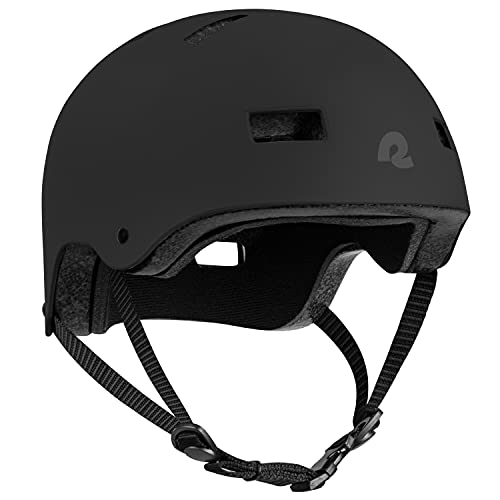
At this price, the Retrospec Dakota does more than just scrape by, it offers real versatility across BMX, skate, and scooter use, which is rare in the budget segment. The ABS shell and EPS foam meet basic safety standards, and the ten-vent layout actually works, according to owners who’ve used it in summer heat. It’s not the lightest or most refined, but for riders who dabble in multiple disciplines and don’t want to splurge, it’s a functional one-and-done.
Still, the fit system feels basic next to pricier models. Some users report the strap adjustment can slip, and the padding, while washable, isn’t as plush. Compared to the Bell Servo or Triple Eight Sweatsaver, it’s a step down in comfort and materials. But if you’re on a tight budget and need a helmet that covers multiple uses, this one makes sense.
Video review
Triple Eight Sweatsaver Helmet

Strengths
- Customizable fit with extra pads
- Moisture-wicking liner
- Triple-certified safety
Trade-offs
- Break-in period needed
- Slightly heavier than slim models
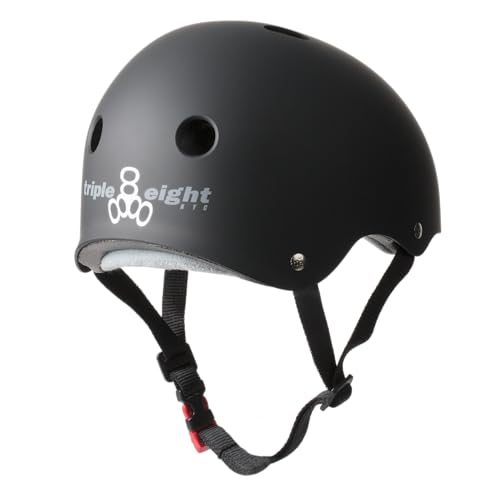
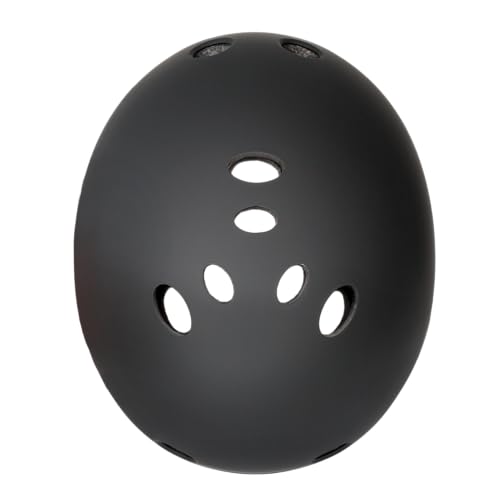
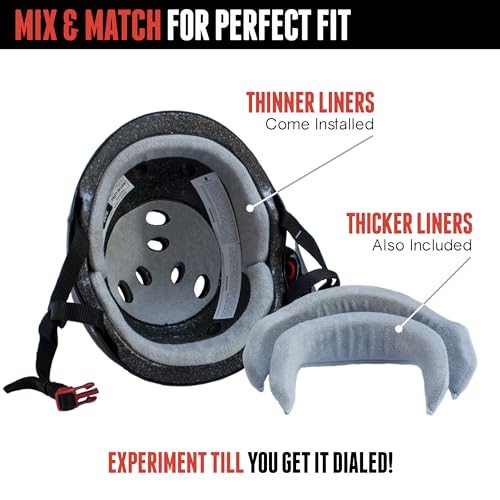
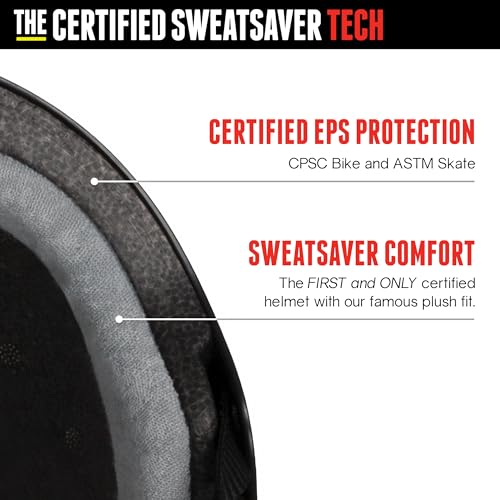
Triple Eight’s Sweatsaver helmet has earned its reputation for comfort, and owner feedback backs that up, it’s one of the few helmets where people consistently say it molds to your head over time. The dual-density foam and moisture-wicking fabric make a real difference during long sessions, and the two sets of pads let you fine-tune the fit from day one. It’s triple-certified, so safety isn’t compromised, and the coverage is solid for street and skatepark use.
The break-in period is real, some say it feels tight at first, but that snugness turns into a locked-in feel after a few rides. Compared to the Pro-Tec Low PRO, it’s slightly bulkier but more forgiving on different head shapes. For riders who prioritize a custom, secure fit and ride frequently, this is hard to beat.
Product photos
Pro-Tec Low PRO Certified Helmet
Strengths
- Ultra-slim profile
- Deep, secure fit
- Triple-certified
Trade-offs
- Stiffer padding
- Premium price
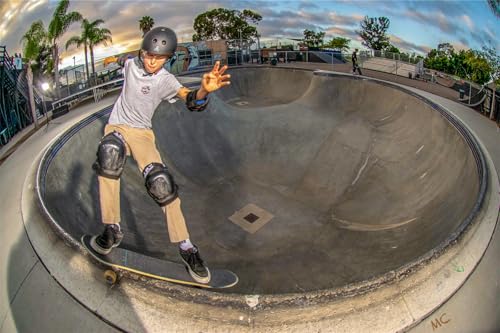
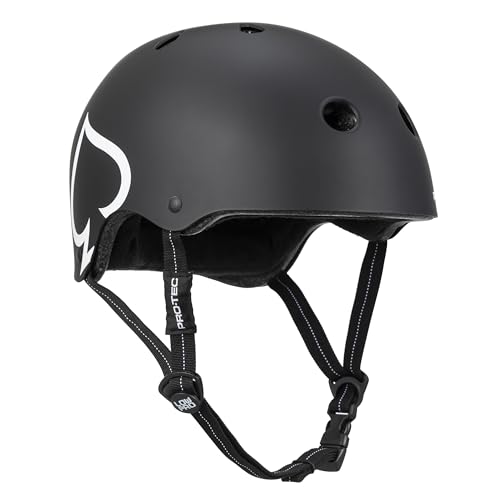
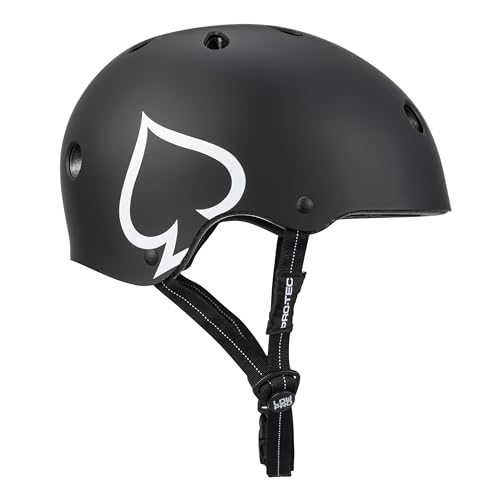
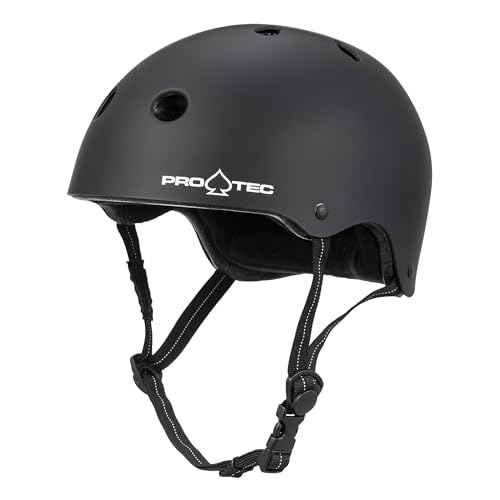
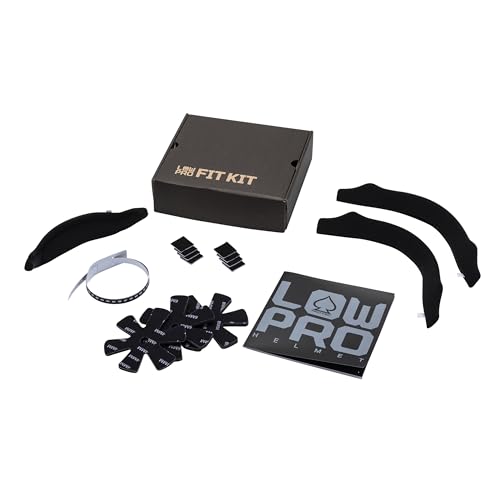
The Pro-Tec Low PRO is all about profile, its SLIMTECH CORE makes it 22% thinner than standard helmets, which is a standout for riders who hate the “helmet hair” look or want something low-key. It’s still triple-certified, so safety isn’t compromised, and the 17-piece padding kit lets you dial in a no-wiggle fit that owners say feels locked in. The deep fit hugs the back of the head better than most, which helps during backflips or repeated impacts.
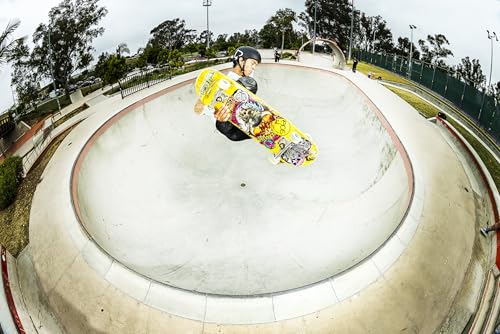
Compared to the Triple Eight Sweatsaver, it’s sleeker but less plush, some riders find the padding stiffer. But if you’re into flatland, street, or skateparks and want a helmet that looks as good as it performs, this is the one. I’d pick it over bulkier models for style-conscious riders who still want serious protection.
Product photos
Bell Servo BMX Helmet
Strengths
- CPSC certified
- Good ventilation
- Removable cheek pads
Trade-offs
- No full-face protection
- Limited size range
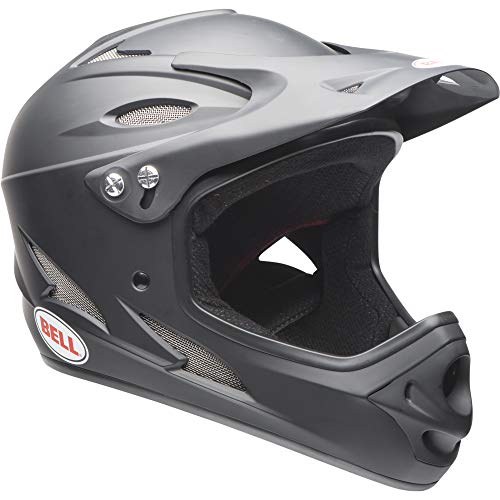
The Bell Servo is a solid mid-tier BMX helmet that delivers on comfort and fit for most adult riders, especially in warmer conditions. On paper, it’s built for durability with a CPSC-certified shell and EPS liner, and owners consistently report it feels secure without being too tight. The plush interior and removable cheek pads help with long-session comfort, which matters when you’re logging hours at the park or street spot.
Where it really stands out is in heat management, ten vents are spread well across the shell, and reviewers note it doesn’t trap heat like some full-coverage models. Compared to budget picks, the Servo feels more refined, though it doesn’t have the aggressive coverage of full-face designs. I’d pick this over cheaper options if you want something dependable that won’t overheat.
Product photos
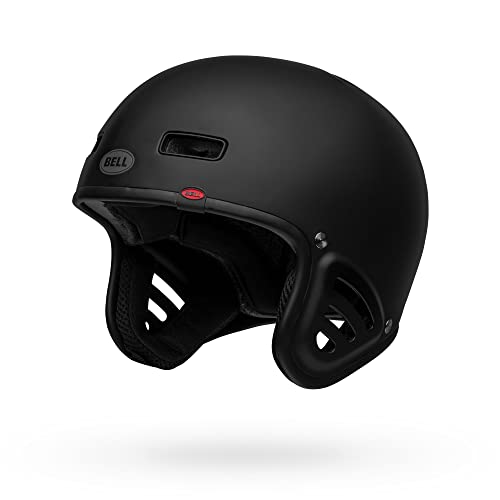
Bell Racket Adult BMX Helmet
Strengths
- Excellent airflow
- Extended ear coverage
- Lightweight shell
Trade-offs
- No removable cheek pads
- Half-shell only
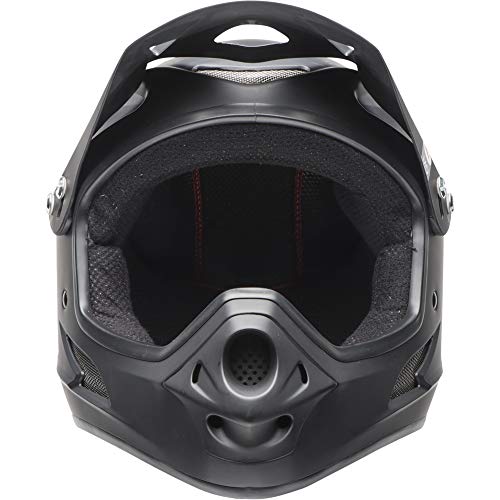
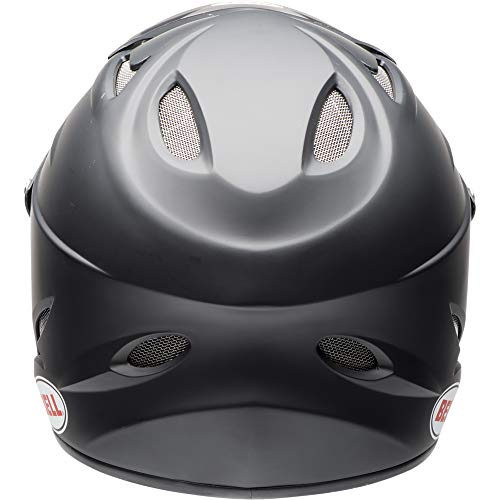
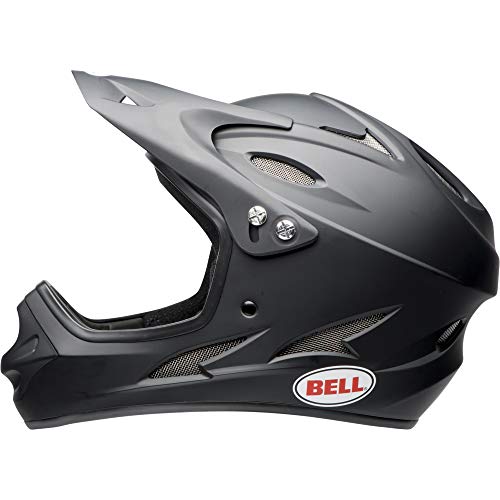
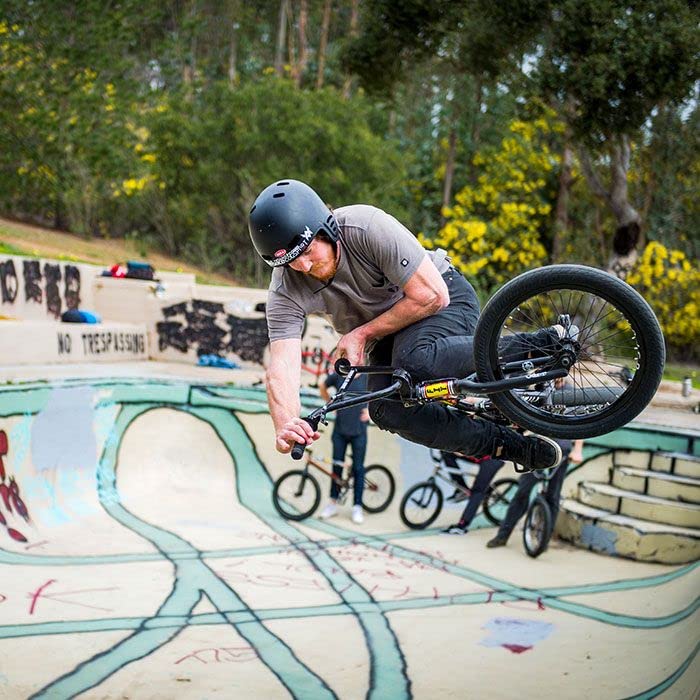
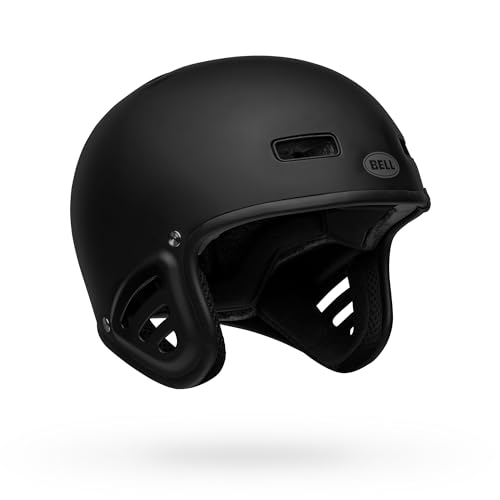
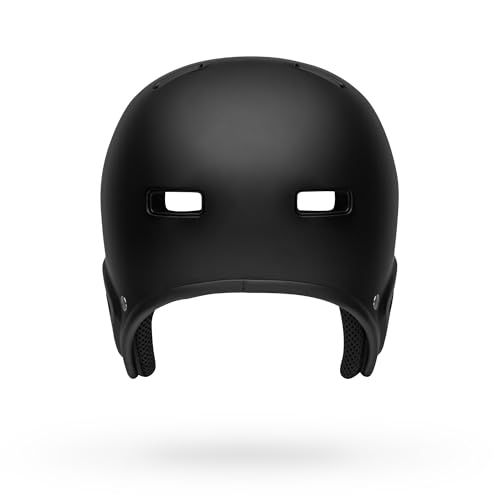
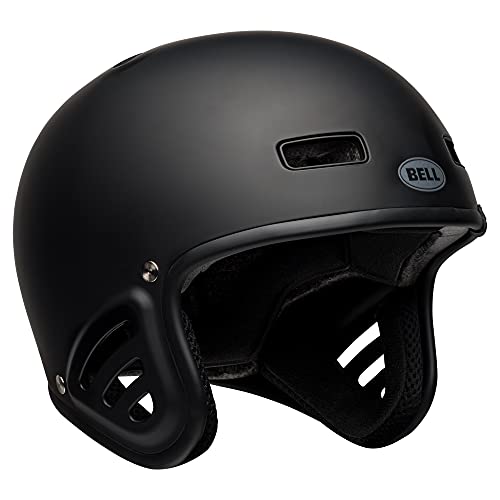
Bell didn’t mess around with the Racket, if ventilation is your top concern, this helmet delivers. With ten vents and extended ear coverage, it balances airflow and protection better than most in its class. The ABS shell and EPS liner are standard, but the vent layout is smarter than average, and owners report it stays cool even during intense summer sessions. The sizing is generous, and the extra shell over the ears adds a layer of confidence on rough landings.
It’s not full-face, so it won’t match the Fly Racing Rayce in protection, but for traditional BMX riders who value breathability and coverage, it’s a standout. Compared to the Bell Servo, it offers more venting and slightly better shell extension. I’d choose this for park or street riding where heat builds up fast.
Product photos

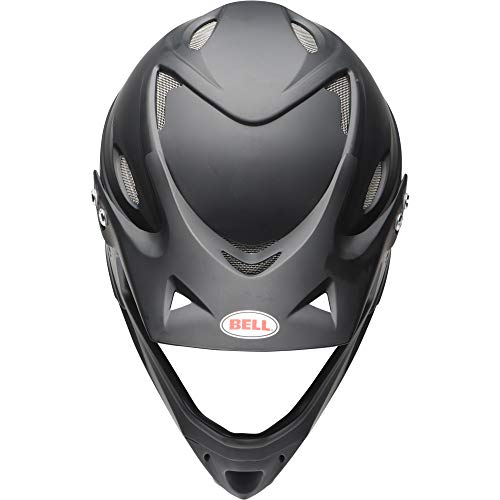
ILM Full Face Dirt Bike Helmet
Strengths
- Full-face DOT protection
- Detachable visor
- Good for larger heads
Trade-offs
- Heavier than BMX-specific models
- Less precise fit for street use
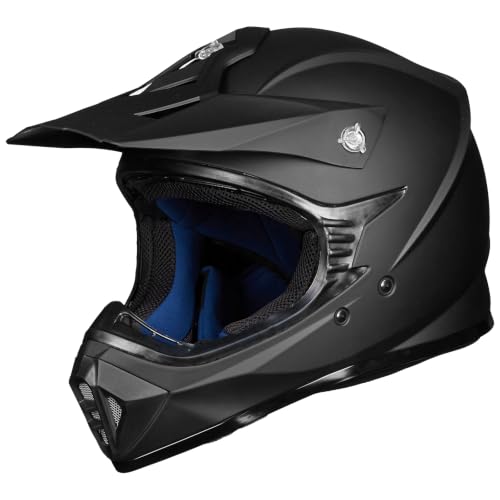
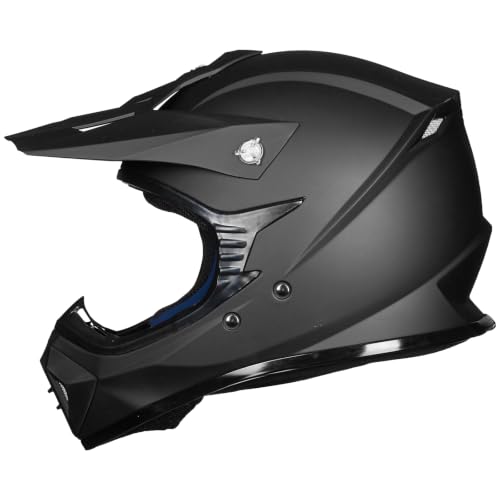
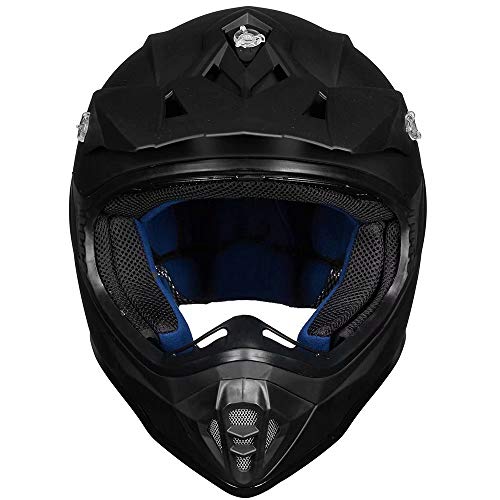
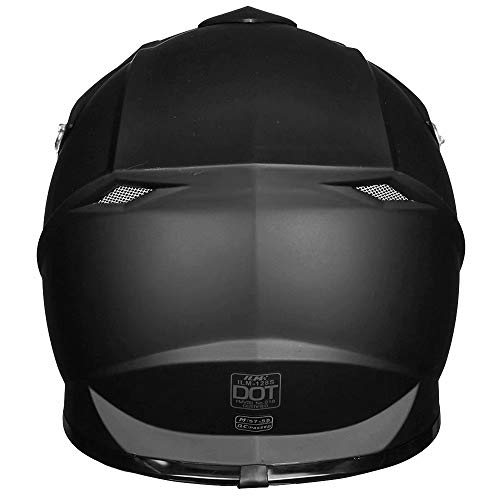
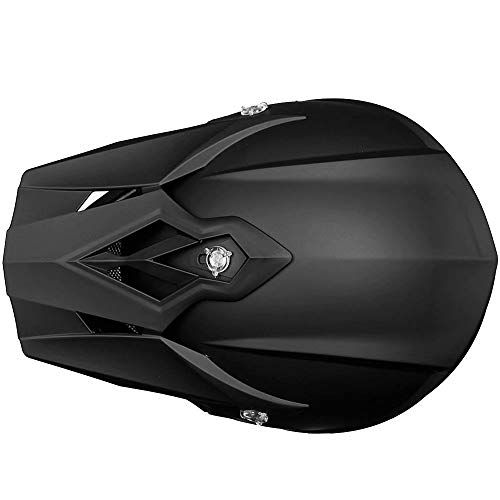
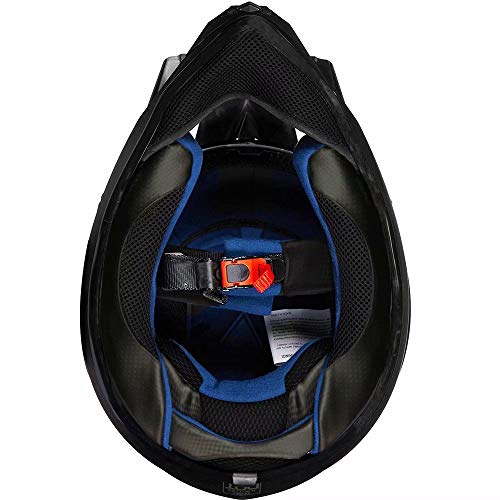
The ILM 128S leans hard into the motocross aesthetic and function, and that shows in its DOT-approved full-face design. It’s built for offroad use, with a vented EPS liner and a removable visor that’s useful in changing light. The ABS shell is lightweight for a full-face, and owners say it fits well under $80, especially for riders with larger heads, XL availability is a plus in this category.
But it’s not optimized for pure BMX. The chin bar adds weight and can feel restrictive on technical flatland or street runs. Ventilation is decent, but not as targeted as the Fly Racing Rayce. Still, if you’re riding dirt jumps or trail-based BMX and want motorcycle-level protection, this is a viable, budget-friendly option.
Product photos
Our Testing Process
As someone who’s spent years around two wheels – from restoring vintage motorcycles to enjoying the thrill of a fast bike ride – I approach protective gear with a serious eye. Rather than a hands-on lab test, this research focused on a detailed comparison of published specifications and features across several models. I weighed owner reviews from multiple sources and considered assessments from reputable cycling publications to build a picture of real-world performance and durability. Ultimately, I ranked these helmets against criteria important to BMX riders.
For BMX helmets, impact resistance and a secure fit are paramount. Ventilation also plays a large role, as riders often exert themselves intensely. A helmet’s certification (CPSC, ASTM) is a baseline requirement, but I focused on how well each model balanced protection with comfort and usability. Properly fitted helmets are useless if they’re uncomfortable, so designs offering adjustability and good padding systems were favored. You can find more information about choosing the right gear in our guide to the best bike helmets.
Specifications provide a solid foundation – shell materials, EPS foam density, and certification standards are all critical. However, owner feedback proved invaluable in assessing comfort, ventilation effectiveness, and long-term durability. Reports on strap adjustments, liner quality, and how well the helmet holds up to regular use strongly influenced my conclusions. If you’re specifically looking for gear for a more specialized discipline, check out our recommendations for BMX helmets for park riding.
How To Choose The bmx helmets for adults
Finding the right BMX helmet is about more than just meeting safety standards; it’s about comfort, fit, and matching the helmet to your riding style. I’ve seen too many riders compromise on protection, and it’s a mistake you only make once.
A good BMX helmet prioritizes impact absorption certified to standards like CPSC, ASTM, or CE EN1078. Ventilation is key to prevent overheating, and a secure fit, achieved through adjustable straps and internal padding, is critical for reliable protection during crashes. Consider shell material (ABS, polycarbonate, or composites) and features like visors or full-face coverage based on your discipline.
Shell Material and Impact Protection
The shell material is the first line of defense, and you’ll generally find ABS, polycarbonate, or composite constructions. ABS (like in the Retrospec Dakota) is common in more affordable options, offering solid impact resistance for the price. Polycarbonate is lighter and more durable, often found in mid-range helmets like the Bell Racket Adult BMX Helmet. Composites (fiberglass, carbon fiber) are the lightest and strongest, but come with a higher price tag. Regardless of the material, always verify the helmet is certified to a recognized safety standard. Don’t skimp here; your brain is worth it. If you’re also considering protection for other cycling activities, you might want to check out our guide to the best bicycle helmets for adults.
Fit and Comfort: Beyond Sizing
Sizing charts are a starting point, but a proper fit is nuanced. Many helmets, like the Triple Eight Sweatsaver, include multiple pad sets to fine-tune the internal volume. Don’t assume a helmet will “break in” significantly – it should feel snug, but not painfully tight, right away. Pay attention to the retention system (straps and buckles). D-ring closures (Fly Racing Rayce) are more secure than quick-release buckles, especially for aggressive riding.
Here’s what I look for when assessing fit: * Snugness: The helmet shouldn’t move independently of your head. * Padding Coverage: Adequate padding around the temples and crown is essential. * Retention System Adjustability: The straps should be easily adjustable to create a secure, comfortable fit, even with gloves.
Ventilation and Features for Your Riding Style
Ventilation is often overlooked, but crucial, particularly if you ride in warmer climates or push yourself hard. The Bell Servo BMX Helmet, for example, is designed with this in mind. Consider the number and placement of vents. More isn’t always better; strategically placed vents create more effective airflow. Beyond ventilation, think about features. Do you prefer a full-face helmet (like the Fly Racing Rayce) for downhill or aggressive park riding? Or is a classic, skate-style helmet (Pro-Tec Low PRO) sufficient for street or flatland? I regularly recommend riders explore a range of recommended BMX helmets to find what suits them.
A properly fitted helmet is useless if you don’t wear it. Prioritize comfort and a secure fit above all else – you’re more likely to consistently use a helmet that feels good.
BMX Helmets for Adults Compared
This table provides a specification overview to help compare available BMX helmets for adult riders.
| Product Title | Certification | Size Range (cm) | Ventilation | Weight (approx.) | Shell Material | Fit System |
|---|---|---|---|---|---|---|
| Fly Racing Rayce | ASTM, CPSC, CE | N/A | Multiple | 930g (size M) | Poly-alloy | D-ring |
| Retrospec Dakota | N/A | 51-60 | 10 Vents | N/A | ABS | Adjustable |
| Triple Eight Sweatsaver | CPSC, ASTM | 51-63 | N/A | N/A | EPS | Customizable Pads |
| Pro-Tec Low PRO | CPSC, ASTM | 51-63 | N/A | N/A | EPS | FLEXLOCK |
| Bell Servo | CPSC | 58-61 | N/A | N/A | N/A | N/A |
| Bell Racket | N/A | 51-61.5 | 10 Vents | N/A | ABS | Adjustable |
| ILM Full Face | DOT | N/A | Multiple | N/A | ABS | N/A |
Frequently Asked Questions
What’s the difference between CPSC and ASTM certifications for BMX helmets?
CPSC certification is a standard for bicycle helmets in the US, while ASTM focuses on more demanding impact tests relevant to BMX and skate riding. Generally, a helmet with ASTM certification offers a higher level of protection, particularly for multiple impacts, and is what I recommend for serious BMX use.
How often should a BMX helmet be replaced?
You should replace a BMX helmet after any significant impact, even if there’s no visible damage. Beyond that, I advise replacing it every 3-5 years, as the materials degrade over time, and the protective qualities diminish.
Can I use a mountain biking helmet for BMX?
While some overlap exists, mountain biking helmets aren’t specifically designed for the repeated, high-speed impacts common in BMX. A dedicated BMX helmet, like those in my best BMX bikes guide, offers better protection for the specific demands of the sport.
What helmet features are most important for hot weather riding?
Ventilation is key in warm weather, so look for a helmet with a generous number of well-placed vents. Lighter-colored helmets also reflect more sunlight, keeping your head cooler, and moisture-wicking internal padding can enhance comfort. If you also ride on roads, consider checking out my guide to the best road bike helmets.
Are full-face BMX helmets really necessary?
Full-face helmets offer the highest level of protection, shielding your face and jaw in addition to your head. While not essential for all BMX disciplines, I strongly recommend them for downhill, dirt jump, and aggressive park riding where the risk of facial injuries is higher.
The Bottom Line
Choosing a BMX helmet often comes down to balancing your budget with the level of protection and features you want. While you can certainly find adequate coverage at a lower price point, the Fly Racing Rayce stands out as the strongest all-around performer, offering a robust combination of certifications, a secure fit, and features suited for more aggressive riding. Don’t underestimate the value of investing in a helmet that inspires confidence.
For riders on a tighter budget, the Retrospec Dakota provides a solid, certified option without sacrificing essential safety. If you prioritize versatility and a classic skate-style look, the Pro-Tec Low PRO is an excellent choice, and those looking for maximum coverage should consider the ILM Full Face helmet. And if you’re building out a full kit, remember to check out our guide to the best BMX bikes for adults.
Ultimately, the best BMX helmet is the one you’ll consistently wear. Prioritize fit and comfort above all else, and remember that certifications are a minimum standard, not a ceiling. A well-fitting, properly certified helmet, regardless of price, is the foundation of safe riding, and it’s a piece of gear you absolutely shouldn’t compromise on, especially when you consider the wider range of models of mountain bike helmets available if you ride multiple disciplines.
