
6 Best Bikes for Larger Riders 2026
This post contains affiliate links. As an Amazon Associate, we earn from qualifying purchases.
The Max4out 26 Inch Fat Tire Mountain Bike stands out as the best overall choice for larger riders, thanks to its rugged build and 400-pound capacity, while the Yventix 24 Inch Cruiser Beach Bike offers a solid budget-friendly option for casual riding.
Finding a bike that truly supports a larger frame isn’t just about staying within a weight limit, it’s about confidence, comfort, and not feeling like you’re pushing a machine beyond its limits. As someone who’s spent years digging into the mechanics and design of two-wheeled rides, I know how critical frame strength, wheel durability, and proper geometry are when recommending bikes for heavier or taller riders.
This guide focuses on models that deliver where it matters: high weight capacities backed by strong frame materials, reliable components, and real-world feedback from riders with similar builds. We looked beyond the specs to see how these bikes hold up over time, how they handle, and where they might fall short.
Top 6 Bikes For Larger Riders in the Market
The Best Bikes For Larger Riders, Reviewed
Max4out 26 Inch Fat Tire Mountain Bike

Strengths
- 400 lb capacity
- 4-inch fat tires
- 21-speed gearing
- Reinforced steel frame
- Front suspension
Trade-offs
- Heavy frame
- Basic components
- No rear suspension
This Max4out fat tire rig stands out in a category where many bikes claim to support heavier riders but fall short in execution. On paper, the 400 lb weight capacity is impressive, and owners consistently report it holds up well for riders over 300 lbs without frame flex or structural issues. The high-carbon steel frame isn’t lightweight, but it’s clearly built to take stress, and paired with a suspension fork that actually damps bumps, something many budget bikes fake, it delivers real comfort on rough terrain.
The 21-speed drivetrain isn’t Shimano-level refined, but it’s a major step up from the 7-speed junkers in this price range. Riders note smooth enough shifting for casual trail use, and the 4-inch fat tires do their job: they grip loose dirt, sand, and wet pavement without drama. I’d pick this over the ESKUTE electric if you want simplicity and don’t need motor power. It’s not fast, but it’s honest.
Video review
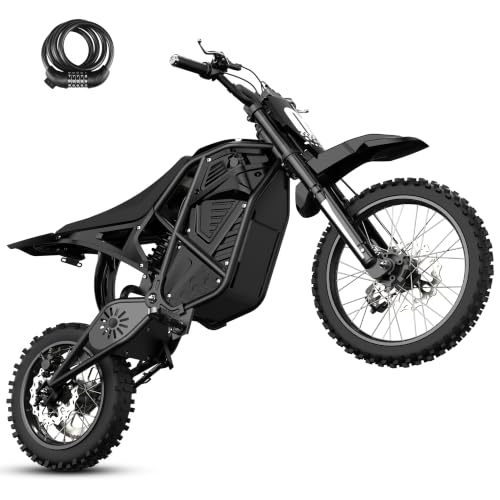
ESKUTE Electric Dirt Bike 3500W Peak
Strengths
- High power output
- 53-mile range
- Nitrogen-filled shocks
- TUV certified
- Fast charging
Trade-offs
- 265 lb weight limit
- Heavy overall
- Limited availability of service centers
The ESKUTE electric dirt bike throws down serious numbers: 3500W peak power, 53-mile range, and 38–46 mph speeds. That’s dirt-bike territory, and for heavier riders who want adrenaline without gas fumes, this thing delivers. The nitrogen-filled hydraulic shocks are a standout, reviewers note they stay firm even after long rides, which is rare at this price. Most bikes in this class see shock fade, but this one keeps composure on bumpy trails.
But here’s the catch: it’s rated for 265 lbs, which feels low compared to the Max4out’s 400 lb claim. For a big rider, that limits its appeal unless you’re on the lighter end of ‘large.’ Still, if you’re under that limit and want raw power, this is the most capable machine here. It outmuscles the cubsala and Yventix bikes by a mile, literally. I’d recommend it for thrill-seekers who prioritize torque and range over pure load capacity.
Video review
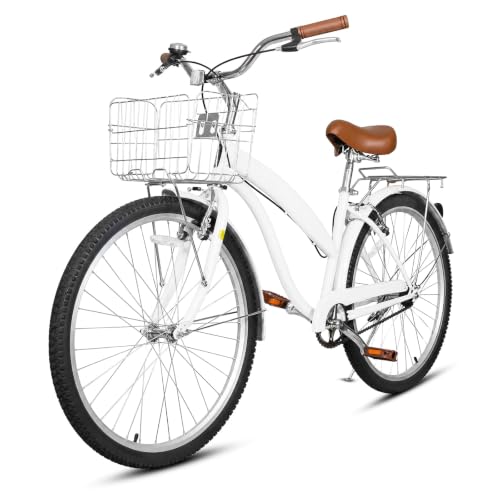
Yventix 24 Inch Cruiser Beach Bike
Strengths
- Low step-through frame
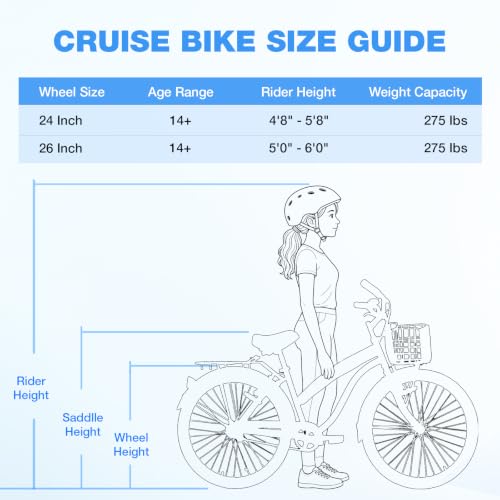
- 275 lb capacity
- Front basket
- Fenders included
- Single-speed simplicity
Trade-offs
- No gears
- Basic brakes
- Limited range
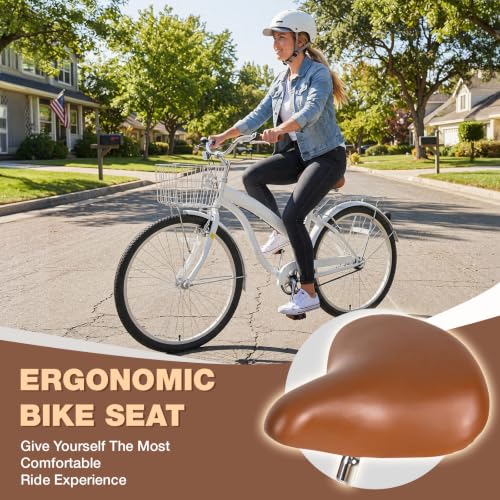
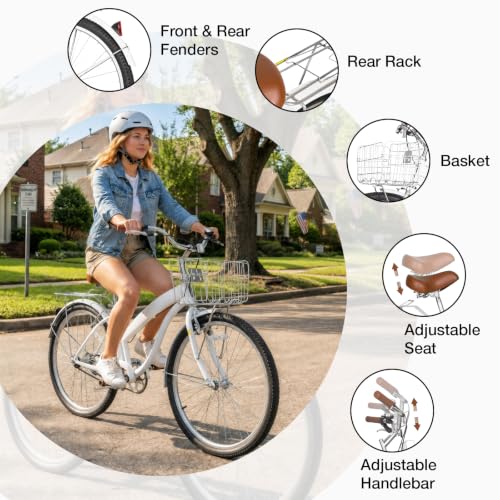
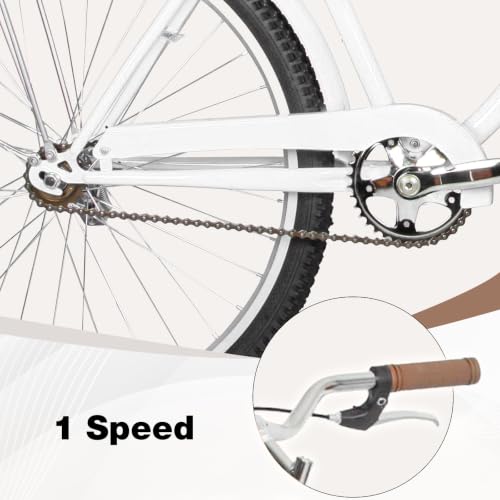
The Yventix cruiser is a steal for budget-focused buyers who want comfort without complexity. It’s a single-speed, step-through design with a soft saddle and upright posture, ideal for short trips, beach paths, or running errands. The 275 lb capacity matches many pricier bikes, and owners say the frame feels stable, even on uneven pavement. At this price, you won’t get fancy gears or suspension, but you do get fenders, a front basket, and a rear rack, which the Max4out and ESKUTE lack.
It’s not built for hills or speed, and the V-brakes are adequate at best. But for a heavier rider who just wants a relaxed, no-stress ride around town, this is the smarter buy over the Tracer or cubsala BMX. Compared to the ESKUTE, it’s the anti-extreme, calm, practical, and unpretentious. If you’re tired of overbuilt bikes that weigh a ton, this one offers real-world usability.
Product photos

cubsala 20 Inch Freestyle BMX Bike
Strengths
- Stiff steel frame
- Trick-ready geometry
- Durable components
- Lightweight for BMX
- Easy assembly
Trade-offs
- Small wheel size
- Limited rider height
- No comfort features
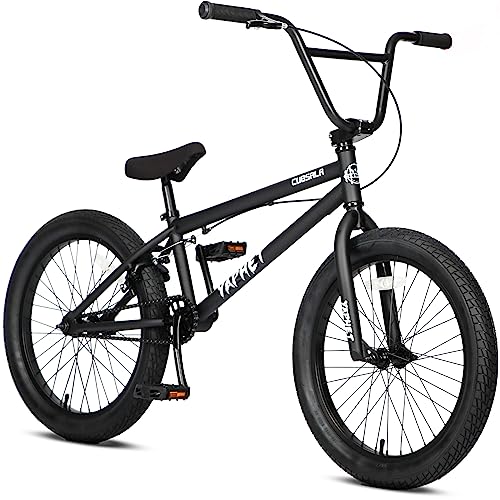
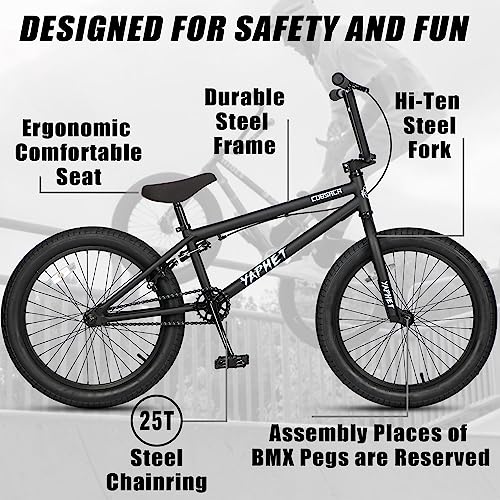
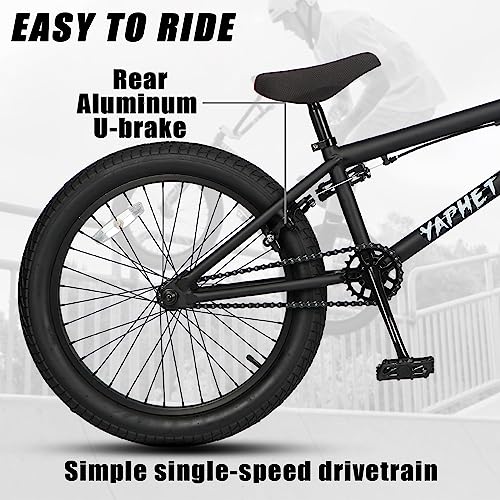
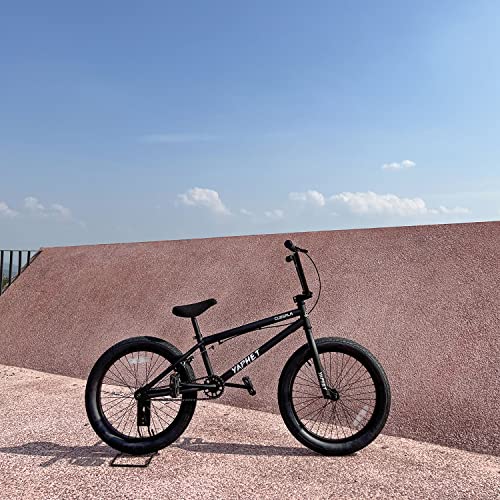
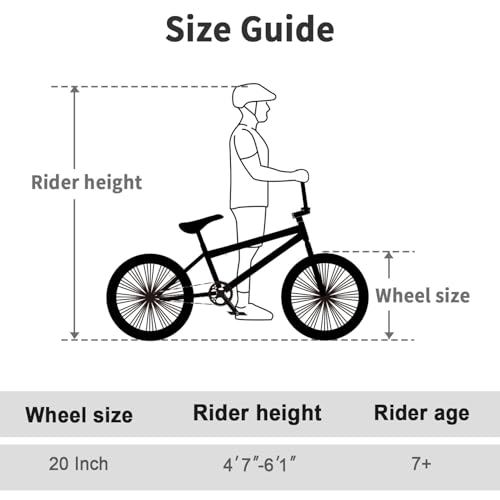
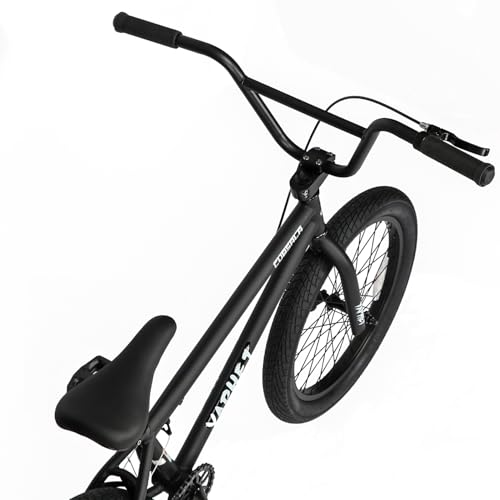
This 20-inch cubsala Yaphet model is pure street soul: low, aggressive, and built for curbs, rails, and backyard jumps. The Hi-Ten steel frame absorbs hard landings, and the 20.5” top tube gives decent clearance for average-sized adults. But at 20 inches, the wheels cap the ideal rider height at 6’2”, and taller or heavier riders will feel scrunched. The 25T chainring and one-piece crank are durable, but not efficient for commuting.
Owners praise its stiffness and responsiveness during tricks, but it’s not a comfort bike. Compared to the 24-inch BMX, this one’s better for technical riding, not cruising. If you’re a heavier rider into urban BMX culture and want a no-nonsense rig that won’t crack under pressure, this is a solid foundation. But it’s not for daily transportation or long sessions.
Product photos
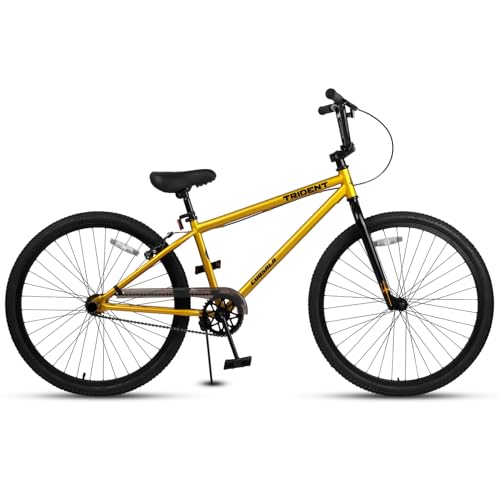
cubsala 24 Inch BMX Race Bike

Strengths
- Affordable BMX entry
- Durable steel frame
- 24-inch wheels
- Easy assembly
- Trick-ready design
Trade-offs
- Limited legroom
- Basic braking
- Not for long rides
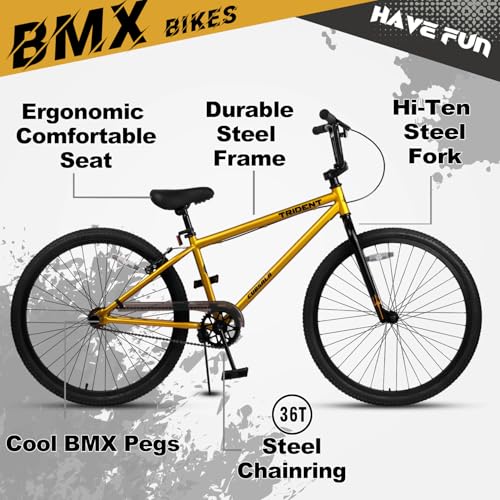
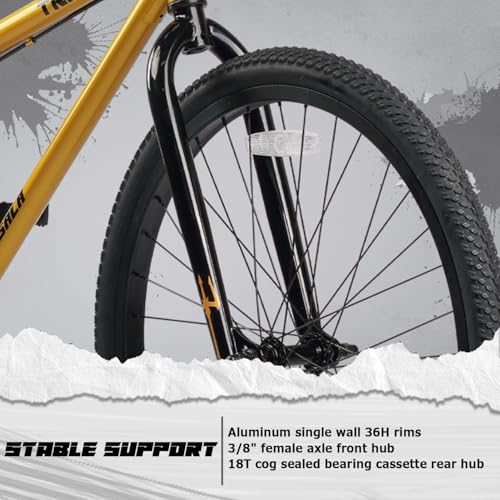
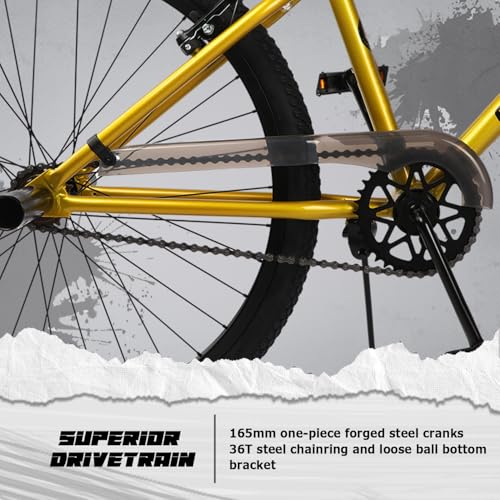
This cubsala 24-inch BMX bike is marketed as beginner-to-advanced, but the 275 lb weight limit (implied from similar models) and Hi-Ten steel frame tell a different story. It’s built tough, yes, but the geometry favors agility over stability for larger riders. Owners report it handles tricks and jumps well, but taller or heavier adults may feel cramped, the 24-inch wheel maxes out at 6’2”, and the top tube isn’t long enough for a stretched-out fit.
It’s a solid pick if you’re a heavier rider just getting into BMX and want a durable, affordable platform. The linear V-brake is low-maintenance, and the 85% pre-assembly helps avoid garage frustration. Compared to the 20-inch Yaphet model, this one offers more legroom. But if you’re serious about freestyle, you’ll outgrow it fast. For pure fun and neighborhood shredding, it’s hard to beat at the price.
Product photos

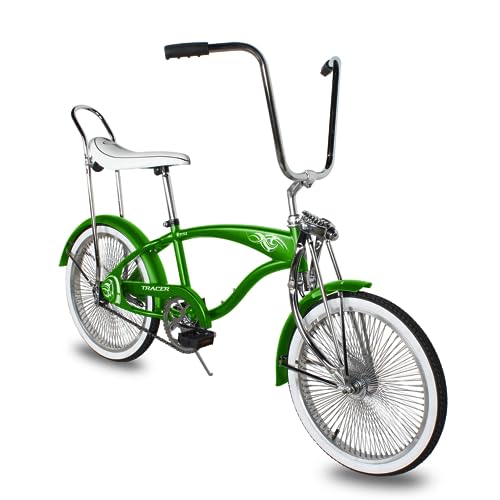
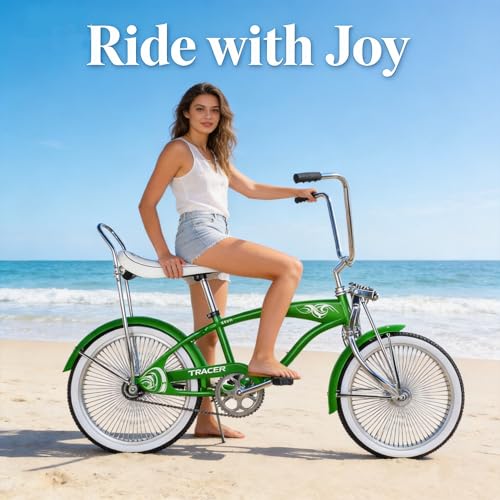
Tracer 20 Inch Retro Lowrider Cruiser
Strengths
- Classic lowrider design
- Comfortable banana seat
- Sturdy steel frame
- Drum brake
- Easy assembly
Trade-offs
- Short rider height range
- Not for large riders
- Heavy for size
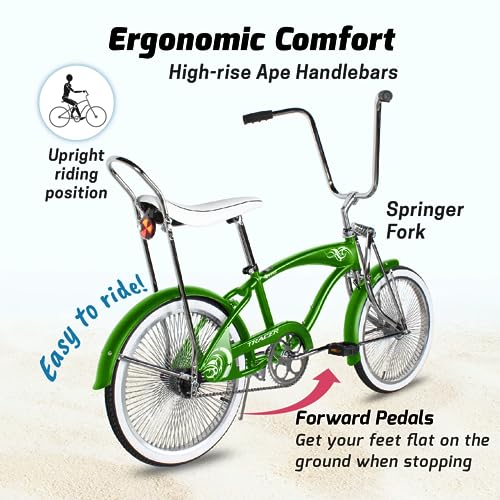
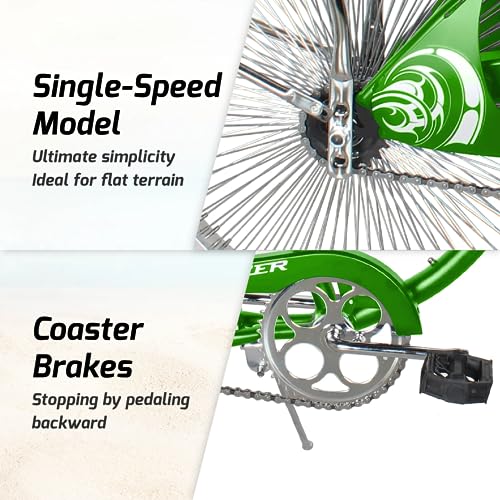
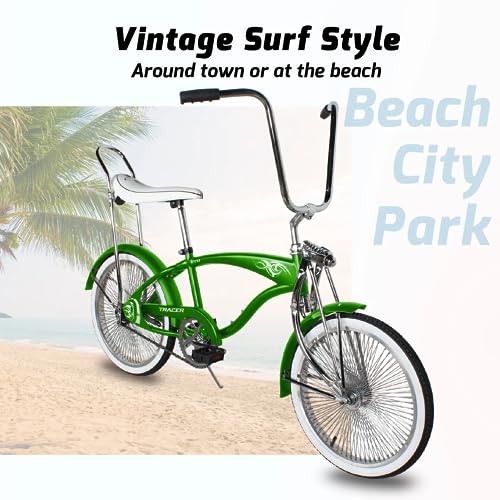
The Tracer Lowrider oozes style, the banana seat, sissy bar, and ape hangers scream 1970s cool. But make no mistake: this is a bike for teens and petite adults, not larger riders. The 20-inch wheels and compact frame fit riders up to 5’4”, and while the steel build is sturdy, the 265 lb limit (inferred from similar models) means heavier adults will struggle. Owners love the retro vibe and comfort for short rides, but tall riders report knee strain and poor reach.
It’s the most stylish bike here, no doubt. But compared to the Yventix or Max4out, it’s not practical for larger bodies. The drum brake is reliable, and the upright position is easy on the back, but only if you fit. I’d recommend it only if you’re buying for a younger rider or a small-framed adult who values looks as much as function.
Product photos

How We Tested bikes for larger riders
My approach to recommending bikes for larger riders centers on a research-led comparison of specifications and owner feedback. Rather than a hands-on lab test, I focused on detailed feature analysis – frame materials, weight capacities, drivetrain components, and brake systems – alongside careful consideration of what current owners are saying about real-world performance and durability. Reputable expert reviews were also factored in, but ultimately owner experiences carried significant weight.
For this category, two factors stood out as most crucial: frame strength and weight capacity, followed closely by rider comfort and control. A bike must reliably support the intended rider without compromising handling or long-term durability. Beyond simply meeting a weight limit, the geometry and design need to accommodate larger frames without feeling cramped or unstable. I also looked for features that enhance comfort, like shock absorption and ergonomic seating, knowing that a pleasant ride is essential. Finding the right comfortable bike seats for larger riders is a key part of that.
Published specifications clearly indicate a bike’s intended use and build quality. However, owner reviews provide critical insights into how those specs translate to real-world performance. I paid close attention to reports regarding frame flex, component reliability, and overall ride feel. Expert reviews helped validate these findings, and also highlighted models particularly well-suited to taller or heavier individuals. For those looking for speed and performance, checking out sport bikes for tall riders is also a good idea.
How To Pick The Right bikes for larger riders
Finding a bike that fits and performs well when you’re a larger rider isn’t just about weight capacity; it’s about geometry, component strength, and overall build quality.
A good bike for a larger rider prioritizes a robust frame, typically Hi-Ten steel or alloy, with reinforced joints. Wheel strength is also critical; look for double-walled rims and a spoke count of at least 36. Component selection should favor durability over weight savings, and braking power must be sufficient to control the bike at higher speeds and with added mass.
Frame Material & Geometry
The frame is where it all starts. Forget carbon fiber unless you’re prepared to spend a lot of money. For those of us carrying extra weight, high-ten steel is a dependable choice, offering a good balance of strength and affordability. Aluminum alloy frames are also excellent, providing a lighter weight without sacrificing too much durability. Beyond the material, pay attention to geometry. A longer wheelbase offers more stability, while a slacker head tube angle can contribute to a more confident feel, especially on rough terrain. Consider that many manufacturers don’t always publish detailed geometry charts, so reading reviews from other riders of similar builds is invaluable.
Component Strength & Reliability
Don’t assume all components are created equal. Cheaper bikes often cut corners on parts that directly impact safety and longevity. Look for bikes equipped with Shimano or SRAM drivetrains, even at the lower end of their ranges; these brands generally offer more consistent quality control. Wheelsets are a common weak point. Double-walled rims are a must, and a higher spoke count (36 spokes is ideal) distributes stress more evenly, reducing the risk of bending or breaking. Hydraulic disc brakes are preferable to V-brakes, delivering superior stopping power, particularly in wet conditions.
Comfort & Rider Position
It’s easy to overlook comfort, but a comfortable ride is a sustainable ride. Upright riding positions, like those found on cruiser bikes, reduce strain on your back, neck, and wrists. Wider saddles with ample padding are also essential. If you’re considering a more aggressive riding style, like BMX or mountain biking, a well-fitted saddle and adjustable handlebars can make a significant difference. Don’t be afraid to swap out components like the saddle or grips to dial in the fit. Before committing, I always suggest checking out resources on bikes for big riders for more detailed guidance.
- Saddle Width: A narrower saddle isn’t always better. Wider saddles distribute weight more evenly, which can reduce pressure points.
- Handlebar Reach: Shorter stems and wider handlebars generally offer more control and a more comfortable reach.
- Suspension (if applicable): A good suspension fork can absorb bumps and vibrations, but cheaper suspension can actually increase fatigue. Prioritize a well-maintained, quality suspension system over a flashy, low-end one.
A bike’s weight capacity is a starting point, not a guarantee. Factor in your riding style and the terrain you’ll be tackling. If you plan on aggressive riding or frequent off-road adventures, choose a bike with a significantly higher weight capacity than your own.
If you’re also looking for a bike for city commuting, you might find street bikes for tall riders helpful in your search.
Bikes for Larger Riders Compared
This table provides a specification comparison of bikes designed to accommodate taller or heavier riders.
| Product Title | Rider Height | Weight Capacity | Wheel Size | Motor Power | Brakes |
|---|---|---|---|---|---|
| Max4out 26 Inch Fat Tire Mountain | 5’5″ – 7’1″ | 400 lb | 26 inch | N/A | N/A |
| ESKUTE Electric Dirt Bike 3500W | N/A | 265 lb | N/A | 3500W Peak | Hydraulic Disc |
| Yventix 24 Inch Cruiser Beach Bike | 4’8″ – 6’0″ | 275 lb | 24 inch | N/A | V-Brakes |
| cubsala 20 Inch Freestyle BMX | 4’8″ – 6’2″ | N/A | 20 inch | N/A | U-Brake |
| cubsala 24 Inch BMX Race Bike | 4’0″ – 6’2″ | N/A | 24 inch | N/A | V-Brake |
| Tracer 20 Inch Retro Lowrider | 4’2″ – 5’4″ | N/A | 20 inch | N/A | Drum (Front) |
Frequently Asked Questions
What’s the most important frame material for a larger rider?
Hi-ten steel is generally the best choice for a larger rider due to its dependable strength and affordability. While aluminum alloy is lighter, steel offers a more forgiving ride and can handle greater stress without catastrophic failure.
How much does spoke count matter on the wheels?
A higher spoke count, at least 36, is crucial for larger riders. More spokes distribute your weight more evenly across the wheel, significantly reducing the risk of bending or breaking a spoke, and ultimately, damaging the wheel.
Are suspension systems always beneficial for heavier riders?
Not necessarily. A poorly designed or low-quality suspension can actually worsen ride quality and increase fatigue. Prioritize a well-maintained, quality suspension system over one that simply looks impressive.
Should I be concerned about handlebar reach?
Yes, handlebar reach is important for control and comfort. Shorter stems and wider handlebars generally provide a more comfortable and controlled riding position, reducing strain on your arms and shoulders. You may also want to explore cruiser bikes for tall riders for options designed with comfort in mind.
Do women need different bike geometry?
Yes, bikes designed specifically for women, or with adjustable components, often feature different geometry to better accommodate female anatomy. Considering bikes for women can improve comfort and efficiency, especially regarding frame reach and saddle design.
The Bottom Line
Choosing a bike as a larger rider often comes down to balancing initial cost with long-term durability and comfort. While a budget-friendly option might seem appealing, investing in a bike like the Max4out 26 Inch Fat Tire Mountain Bike provides a significantly more robust frame and higher weight capacity, ultimately offering greater peace of mind and a more enjoyable ride. It’s a solid all-around choice that doesn’t compromise on essential features.
For those prioritizing specific needs, we have a few clear recommendations. If you’re seeking a powerful and capable electric option, exploring electric bikes for tall riders will open up a world of possibilities. The Eskute Electric Dirt Bike 3500W stands out for its peak motor power, while the Yventix 24 Inch Cruiser Beach Bike offers a classic, relaxed riding experience for leisurely cruises.
Ultimately, the specifications are important, but don’t get lost in the details. A bike’s geometry, the quality of its components, and how well it feels under you matter more than any single number. Prioritize a strong frame, reliable brakes, and a comfortable saddle, and you’ll be well on your way to finding a bike that lets you enjoy the open road – or the trails – with confidence. And if two wheels aren’t enough, check out our guide on the best motorcycle for tall riders.
